Why New York Nights Are Staying Warmer Than Ever, And What That Means for Your Garden
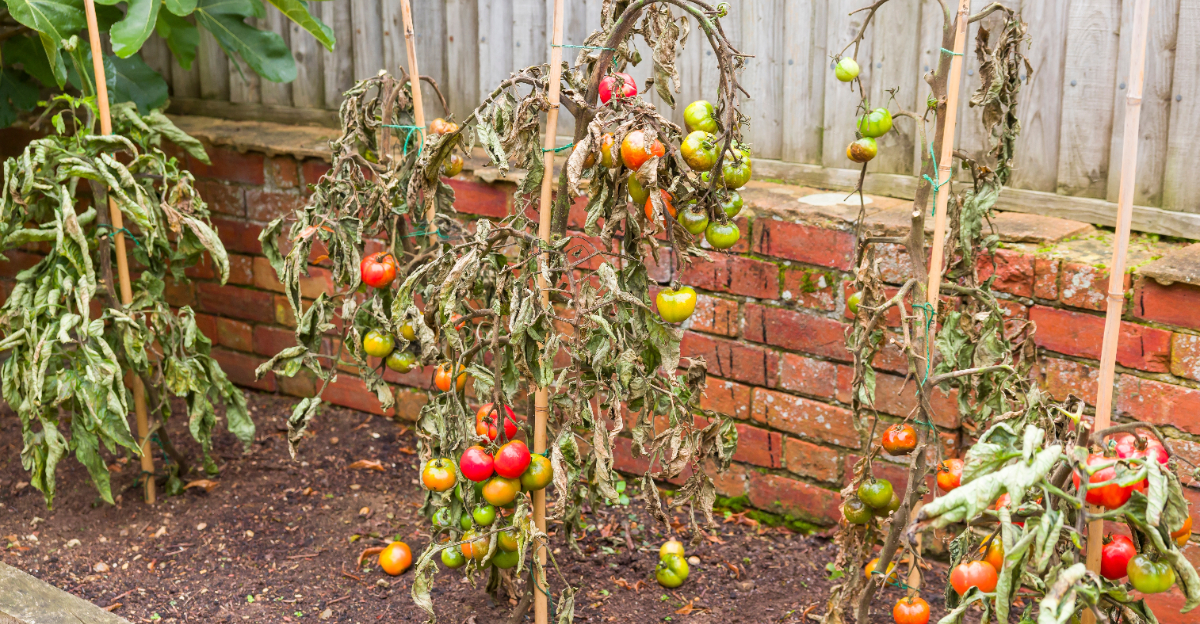
Something has shifted in the air above New York, quite literally, and your garden felt it before you did. Nights that once dipped comfortably into the 60s now stall out near 80, leaving plants no window to recover from the day’s heat.
Tomatoes sulk on the vine, basil bolts a week early, and the soil stays warm enough to bake bread by midnight. Meteorologists have a name for this pattern: tropical nights, and they’re becoming a regular feature of Northeast summers rather than a rare fluke.
None of this means your garden is doomed or that you’re doing something wrong. It means the rules have changed, and once you understand what’s happening beneath the surface, you can adjust your approach before the season gets away from you.
Urban Heat Island Effect Traps Warmth Across New York Nights
Concrete holds onto the sun’s heat long after it sets. All day long, New York’s streets, rooftops, and sidewalks absorb solar energy like giant sponges.
When the sun finally sets, that stored heat releases back into the air. The city essentially becomes its own slow-burning radiator after dark.
This is called the Urban Heat Island effect, a major reason why many New York neighborhoods stay locked in stubborn overnight heat. Researchers have measured it adding up to 9 or more degrees in some areas compared to surrounding regions.
Buildings block wind that would normally carry heat away. Asphalt and brick hold warmth far longer than grass or soil ever could.
Dark surfaces absorb more energy during daylight hours, then release it steadily through the night. Air conditioning units also pump hot exhaust directly into the surrounding streets.
Your rooftop garden or backyard plot sits right in the middle of all this trapped warmth. Plants that evolved to rest in cooler nighttime air are now stuck in a slow oven.
Green spaces like parks and gardens actually help reduce this effect in small pockets of the city. Adding more plants, light-colored mulch, or reflective containers can lower the temperature around your garden by a few degrees.
Every small change adds up, especially when your plants desperately need even a slight overnight cool-down. Understanding this effect is the first step toward adapting your garden smartly.
Sultry Nights Are Becoming The New Normal In The Northeast
Meteorologists have a name for this pattern: sultry nights, and they’re becoming a regular feature of Northeast summers rather than a rare fluke. That term used to belong to places like Miami or Houston.
Now it belongs to New York too, and the trend is accelerating faster than most people expected. Climate records show these overnight heat events becoming steadily more frequent across the Northeast in recent decades.
A night that would have been a rare heat event in 1985 is now a routine summer occurrence. Your garden is not adapted to this new reality, and that mismatch is causing real damage.
Warm nights are directly tied to rising average temperatures driven by climate change. Urban areas feel this shift earlier and more intensely than surrounding countryside does.
Your New York Garden Changes Every Week. Your Plan Should Too.
Gardening in New York changes quickly throughout the season. Every Friday you’ll receive a simple weekly plan showing exactly what to plant, prune, fertilize, harvest, and protect so you never miss the right timing.
The Northeast was historically known for cool, crisp summer evenings that gave both people and plants a genuine break. Those evenings are becoming harder to find each passing season.
Weather stations across the region have recorded a marked rise in these warm-night events over the past decade. That is not a coincidence or a fluke.
For gardeners, this shift means rethinking which plants can realistically thrive in a New York summer. Heat-tolerant varieties bred for Southern climates are becoming increasingly relevant choices for Northern gardeners.
Knowing that this pattern is the new normal, rather than a temporary spike, helps you plan smarter and stop blaming yourself when cool-weather crops struggle. Adaptation starts with honest information.
Plants Lose Critical Recovery Time Without Cooler Temperatures
Plants are not just sitting still at night. They are actually working hard, processing the day’s energy and repairing stress caused by intense daytime heat.
Cooler nighttime temperatures are essential for that recovery process to happen efficiently. When New York nights aren’t cooling below 80 degrees, plants get stuck in a kind of exhausted overdrive.
Respiration is the process plants use to convert stored sugars into usable energy. At higher temperatures, respiration speeds up and burns through those sugar reserves much faster than normal.
Think of it like running on a treadmill all night instead of sleeping. By morning, the plant has spent more energy than it collected during the day.
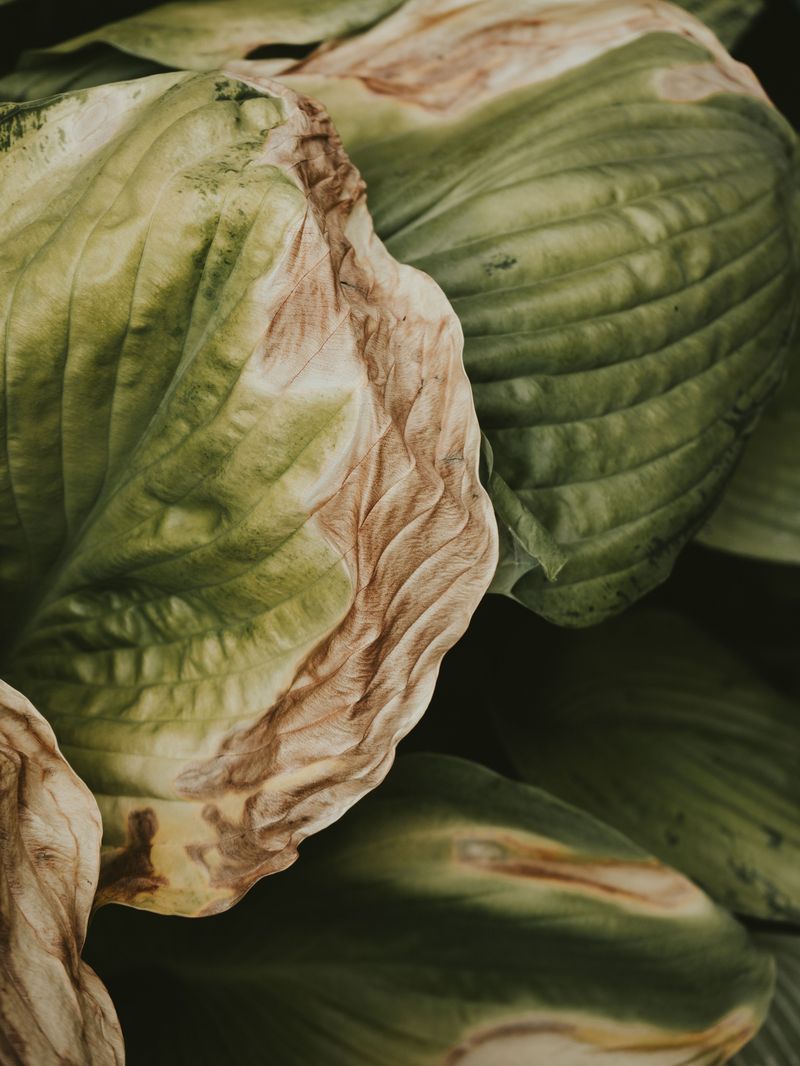
Over time, this energy deficit weakens the entire plant from the inside out. Leaves yellow, growth slows, and flowering becomes irregular or stops altogether.
Cool-season crops like lettuce, spinach, and kale are especially vulnerable to this cycle. They evolved for environments where nights consistently drop into the 60s or lower.
Even warm-season crops like cucumbers and squash need some overnight relief to stay productive. Without it, they push out fewer fruits and become more susceptible to disease and pest pressure.
Shade cloth used during the hottest afternoon hours can reduce daytime stress, giving plants slightly more energy reserves to work with at night. Keeping soil consistently moist also helps plants manage heat stress more effectively.
A plant that cannot rest is a plant that cannot thrive, and your garden is telling you exactly that right now.
Tomatoes and Peppers Struggle To Set Fruit In Persistent Heat
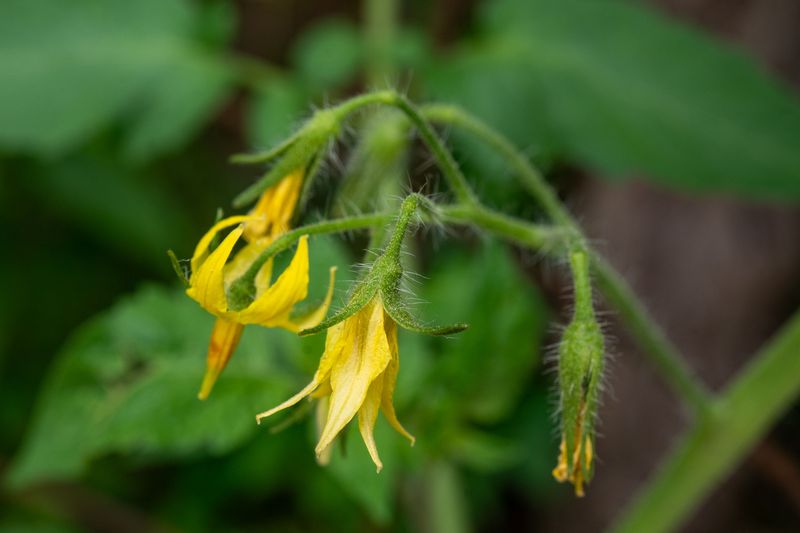
Ask any New York gardener what is going wrong this summer, and tomatoes will come up fast. Flowers are blooming beautifully, then dropping off before a single fruit forms.
Persistent overnight heat is one of the biggest culprits behind that frustrating pattern. Tomatoes need nighttime temperatures between 55 and 75 degrees Fahrenheit for successful pollination and fruit set.
When nights stay above 80 degrees, pollen becomes sticky, clumpy, and largely non-functional. The flower opens, nothing sticks, and the blossom falls off without producing fruit.
Peppers face a nearly identical problem during heat waves that stretch through the night. Both crops evolved in climates with warm days and meaningfully cooler evenings.
New York’s current summer pattern breaks that evolutionary expectation in a significant way. Gardeners who have grown tomatoes successfully for decades are suddenly scratching their heads.
Choosing heat-tolerant varieties can make a measurable difference in your harvest. Look for labels that specifically mention heat tolerance or blossom set in high temperatures.
Varieties like Solar Fire tomatoes or Aji Rico peppers are bred to perform better under these challenging conditions. Planting them earlier in the season also helps, because fruit can set before the worst heat arrives.
Mulching heavily around the base of each plant helps keep root zones slightly cooler overnight. Consistent watering prevents additional heat stress that compounds the pollination problem.
Your tomatoes are not failing because of anything you did wrong, and smarter variety choices can turn the season around.
Soil Microbes And Root Systems Face Added Stress Overnight
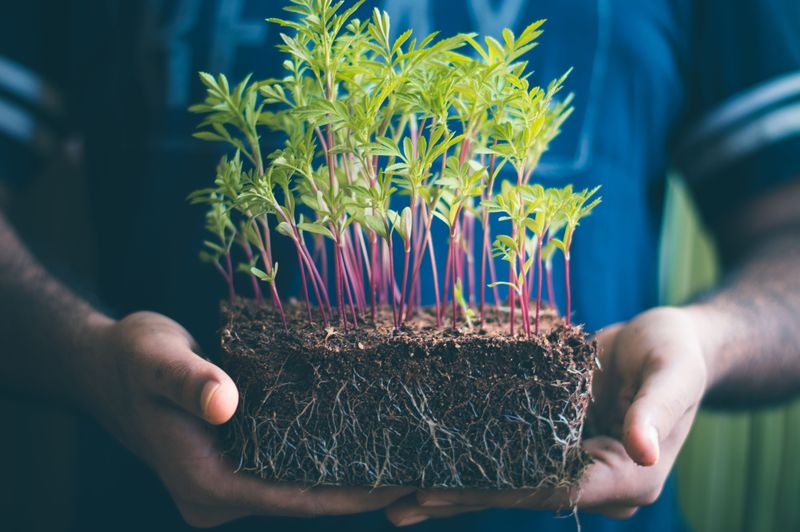
Most gardeners think about what heat does to leaves and stems, but the real action happens underground. Soil is a living ecosystem packed with billions of microorganisms that plants depend on completely.
Bacteria, fungi, and other microbes break down organic matter and make nutrients available to plant roots. When soil temperatures stay elevated overnight, that microbial community gets thrown out of balance.
Beneficial fungi, especially mycorrhizal networks that help roots absorb water and phosphorus, are particularly sensitive to heat stress. Disrupting these networks makes plants less efficient at feeding themselves, even in nutrient-rich soil.
Root systems also need cooler overnight temperatures to grow and extend properly. Warm soil encourages roots to stay shallow rather than pushing deeper where moisture and stability are found.
Shallow roots make plants far more vulnerable during dry spells and sudden storms. A deep-rooted plant can access moisture that a shallow-rooted one simply cannot reach.
Soil in raised beds and containers heats up and cools down faster than in-ground garden beds. This makes container plants especially susceptible to overnight heat stress in an urban setting.
Adding a thick layer of organic mulch, about three to four inches deep, significantly slows heat absorption into the soil. Straw, wood chips, and shredded leaves all work well for this purpose.
Watering in the early morning rather than the evening also helps soil temperatures drop slightly overnight. Healthy soil is the foundation of a resilient garden, and protecting it pays off in every harvest.
Simple Adjustments Help Gardens Cope With Warmer Nights
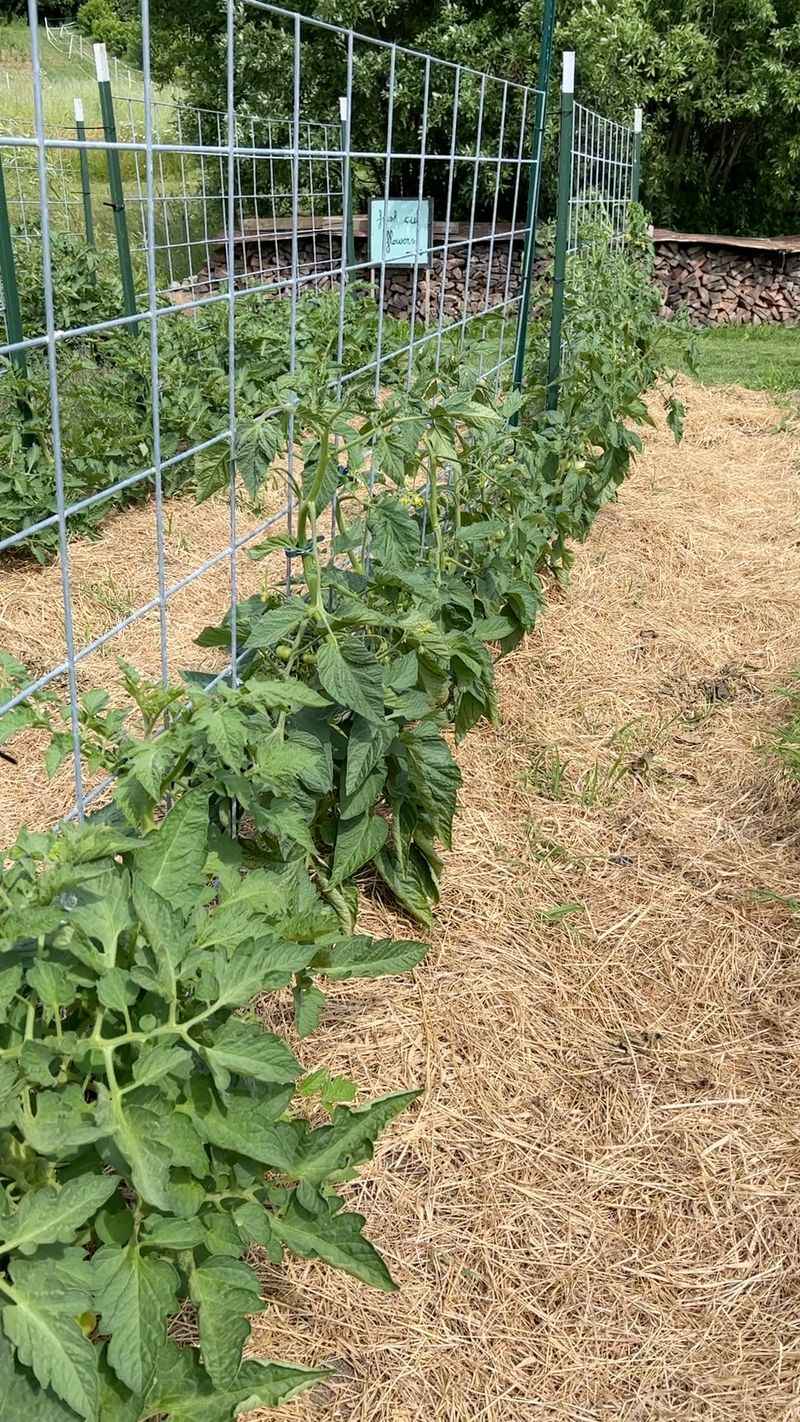
You cannot control the weather, but you can absolutely control how your garden responds to it. Small, strategic changes can make a surprisingly big difference when New York nights aren’t cooling below 80 degrees.
Start with mulch, because it is cheap, easy, and one of the most effective tools available. A thick layer around your plants keeps root zones cooler and holds soil moisture through the hottest nights.
Switch to light-colored or white containers if you grow in pots. Dark containers absorb and hold heat aggressively, turning your plant’s root zone into a slow cooker by evening.
Shade cloth rated at 30 to 40 percent is another powerful tool for reducing daytime heat load. Less heat absorbed during the day means slightly lower plant temperatures when the sun goes down.
Drip irrigation or soaker hoses keep moisture consistent without wetting leaves, which reduces fungal disease risk in warm, humid overnight conditions. Stressed plants need steady water, not occasional flooding.
Choosing heat-adapted plant varieties is one of the smartest long-term investments a gardener can make. Southern heirloom varieties and modern heat-tolerant hybrids are bred for exactly this kind of relentless warmth.
Planting earlier in spring lets cool-season crops finish their cycle before the worst heat arrives. Succession planting in late summer gives you a second harvest window when temperatures finally ease.
Gardening in a warming city is a challenge, but it is also an invitation to learn, adapt, and grow smarter with every season.