You’re Probably Missing These 8 Black Widow Hiding Spots In Your Illinois Yard
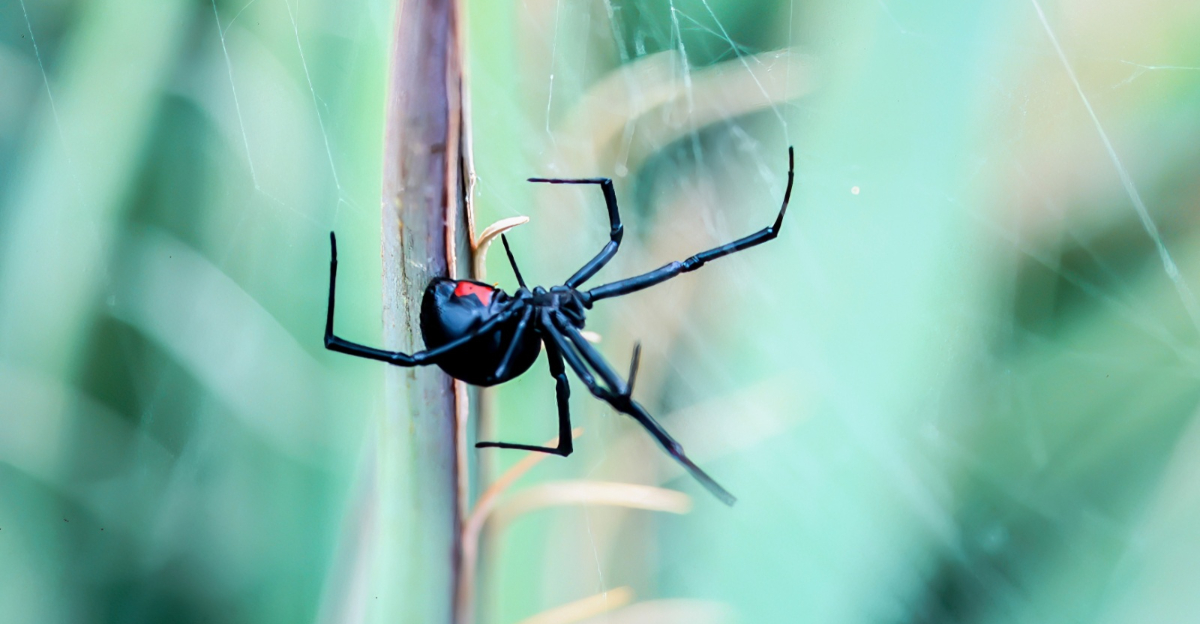
Silence around your home often hides more than you realize. Black widows favor stillness, and stillness works against you completely. You could walk past a black widow without noticing it.
Quiet corners around your property in Illinois offer forgotten, undisturbed shelter. Warm Illinois summers push these spiders closer to your home.
Sheds, mailboxes, and firewood near your house become shelter. Few people expect a spider lurking near their porch railing.
Cracked foundations and loose siding near you offer remarkably easy entry. Piles of debris near your porch become hiding zones.
Every overlooked corner becomes a spot you unknowingly accept. Children and pets in your family wander through these zones. Outdoor bins and pots around your home hide surprises.
Recognizing these spots changes how carefully you inspect outside. Ignoring them only increases your chances of an entirely unwanted encounter. Once you see where they hide, you can’t afford to stop here.
1. Woodpiles Stacked Loosely Against The House
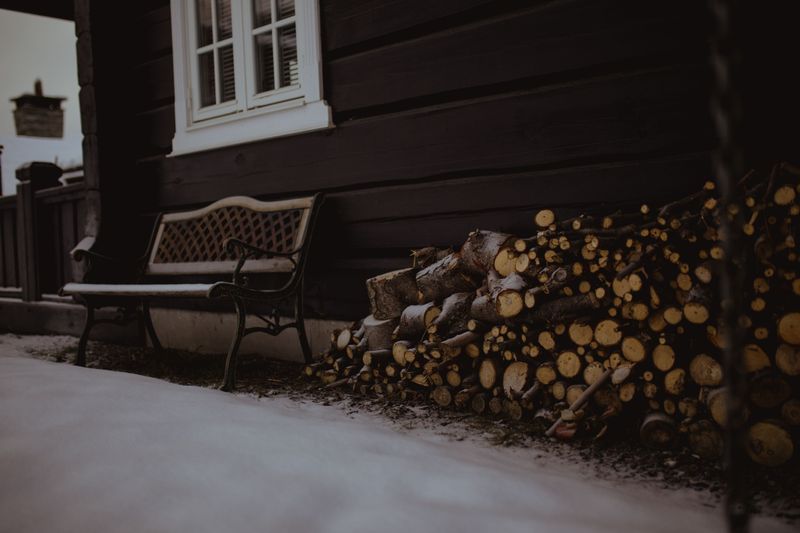
That woodpile by your back door looks harmless enough. But the dark gaps between logs are common black widow hiding spots that most people never think to check.
Black widows love stacked wood because it offers warmth, shelter, and easy access to prey. The loose spaces between logs create a maze of protected tunnels perfect for web-building.
Stacks placed directly against your house give spiders a short path indoors. Even a small gap can be enough for them to slip through a door frame or foundation crack.
Moving your woodpile a good distance from the house is one of the smartest safety moves you can make. Stack logs on a raised metal rack so air flows underneath and moisture stays low.
When grabbing firewood, always wear thick work gloves. Shake each log before picking it up and tap it against the ground to disturb anything hiding inside.
Check the underside of the bottom logs too. That layer closest to the ground stays the dampest and darkest, making it the most attractive real estate for a black widow.
Inspect your woodpile at least once a month during warmer seasons. A quick look with a flashlight takes two minutes and helps you avoid an unwanted encounter.
2. Underneath Overturned Flower Pots And Planters

Flip over an old flower pot and you may find more than you expect. The damp, dark hollow beneath a planter is one of the most overlooked black widow hiding spots in any yard.
Overturned pots trap warmth and block wind, creating a mini shelter that spiders find irresistible. The drainage holes even give them a built-in entrance and exit point.
Gardeners tend to leave empty pots sitting in corners or tucked against fences all season long. Those forgotten containers become prime spider real estate within just a few weeks.
Ceramic and terracotta pots are especially attractive because they stay cooler in summer heat. That temperature difference draws moisture-seeking insects, which in turn attracts spiders looking for an easy meal.
Before lifting any pot, give it a firm tap on the side first. Use a long-handled tool like a trowel to tilt the edge rather than grabbing it bare-handed.
Your Illinois Garden Changes Every Week. Your Plan Should Too.
Gardening in Illinois changes quickly throughout the season. Every Friday you’ll receive a simple weekly plan showing exactly what to plant, prune, fertilize, harvest, and protect so you never miss the right timing.
Wearing gardening gloves is strongly recommended when moving planters around. Even thick rubber-coated gloves offer solid protection against an unexpected bite.
Store empty pots upright in a dry garage or shed when not in use. If pots must stay outside, place them on a shelf or rack rather than flat on the ground.
A quick seasonal inspection of all your planters takes very little effort. Making it a habit means you stay one step ahead of anything setting up shop underneath.
3. Gaps Behind Outdoor Storage Bins And Sheds
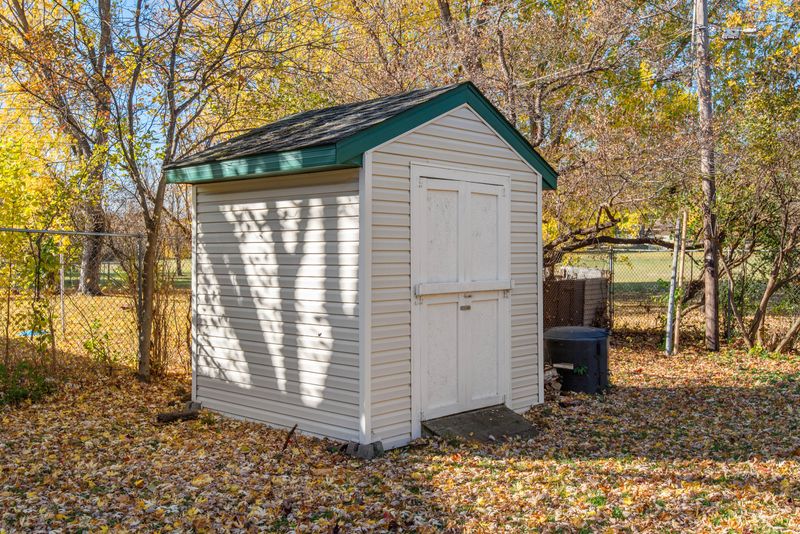
That narrow space behind your storage bin is an inviting shelter for black widows. It is dark, rarely disturbed, and perfectly sheltered from weather and foot traffic.
Most homeowners push storage bins flush against shed walls and never look behind them again. That narrow gap becomes a forgotten zone where spiders thrive undisturbed for months.
Sheds themselves create ideal microclimates along their exterior walls. The ground stays shaded and slightly moist, which attracts the small insects that black widows hunt for food.
Bins made of dark plastic absorb heat during the day and release it slowly at night. That warmth is a magnet for spiders seeking a stable temperature through cool Illinois nights.
Pulling bins away from shed walls a few times each season takes almost no effort. A quick sweep behind them with a broom disrupts any webs and signals that the space is not as safe as it seems.
If you store gardening chemicals or lawn equipment near your shed, be extra cautious. Those items rarely get moved, which means spiders have even more time to establish themselves undisturbed.
Consider placing sticky insect traps in these gaps as an early warning system. If a trap catches a black widow, you know exactly where to focus your attention next.
Keeping these spaces clear and well-lit is one of the easiest wins in spider prevention. A little awareness now prevents a nasty encounter later in the season.
4. Cracks Along Foundation Vents And Crawl Spaces
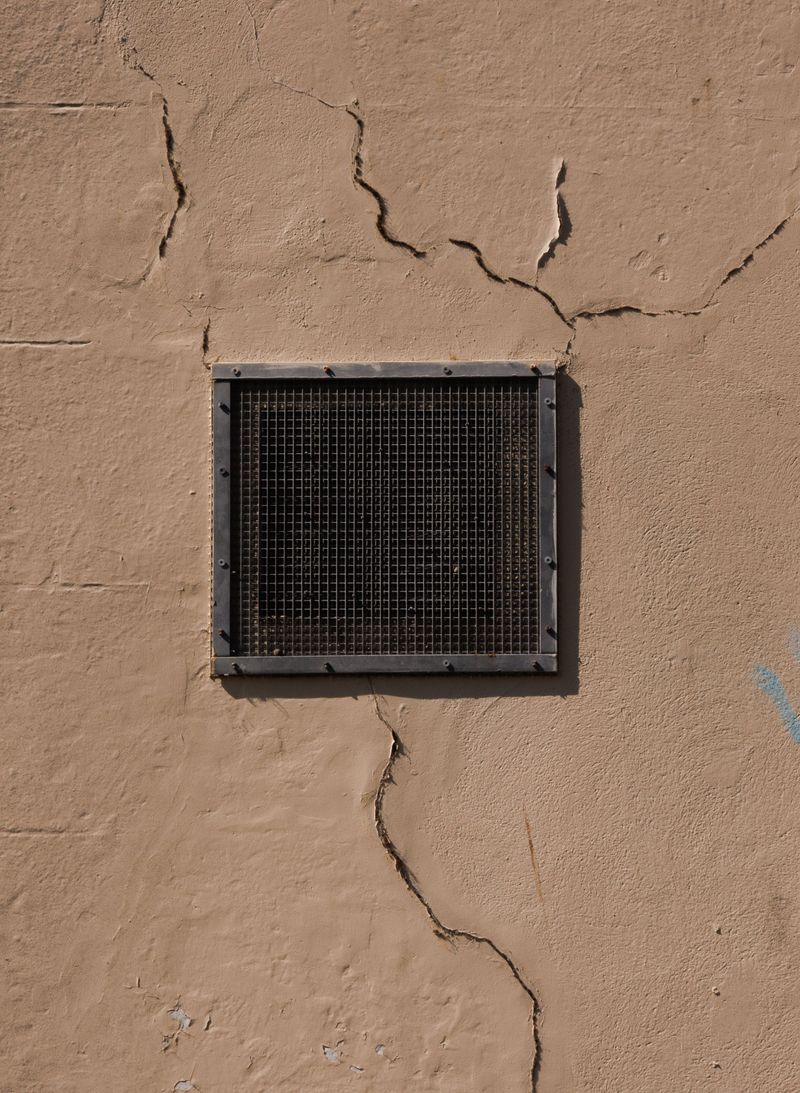
Your home’s foundation is doing a lot of heavy lifting, but those small vents and cracks can also allow black widows to nest close to your living space.
Foundation vents are designed to allow airflow beneath your home. But when screens rust or crack, they become open doors for spiders searching for a sheltered nesting site.
Crawl spaces offer everything a black widow could want: darkness, low foot traffic, stable temperatures, and plenty of insects already living inside. Once a spider finds a crawl space, it rarely leaves.
Check your exterior foundation regularly for any cracks large enough to allow entry. Run your hand slowly along the base of the house and feel for gaps your eyes might miss in low light.
Replacing damaged vent screens is a simple and inexpensive fix that pays off fast. Hardware cloth with a fine mesh is the best material for keeping spiders and other pests out.
Caulking small cracks in the foundation is another quick win. Use an exterior-grade silicone caulk rated for concrete and apply it on a dry day for the best adhesion.
When inspecting these areas, always wear gloves and use a flashlight. Avoid reaching into dark openings without checking them first with a long stick or tool.
Staying proactive about foundation maintenance keeps black widow hiding spots from multiplying. A sealed foundation is a safer foundation, plain and simple.
5. Cluttered Corners Of Garages And Tool Sheds

Garages often provide favorable conditions for spiders, and most of us created that environment ourselves. Stacked boxes, forgotten tools, and dusty corners create the perfect storm for black widow activity.
Black widows thrive in spaces that stay dark and go undisturbed for long stretches of time. A corner that has not been touched since last fall can easily become a nesting site.
Tool sheds present the same challenge on a smaller scale. Rakes, shovels, and hoses hanging on hooks or leaning in corners create layered hiding spots that are hard to inspect without moving everything around.
The floor-level corners are the most dangerous zones in any garage. Spiders build webs low to the ground where insects crawl, so that bottom shelf or floor pile is prime territory.
Doing a full garage cleanout twice a year is one of the most effective spider-prevention steps you can take. Pull everything away from walls, sweep thoroughly, and inspect each item before putting it back.
Clear plastic storage bins are a smart upgrade from cardboard boxes. Cardboard absorbs moisture and breaks down over time, creating soft hiding spots that spiders find cozy and easy to nest in.
When reaching into dark corners or grabbing tools you have not used in weeks, always wear gloves first. A leather work glove adds an important layer of protection against a bite.
Keeping your garage organized is not just about tidiness. It is one of the best defenses against black widow hiding spots multiplying right under your roof.
6. Beneath Decks Where Debris Collects Undisturbed

The space beneath your deck is one of the most forgotten zones in the entire yard. Out of sight and out of mind, it collects leaves, sticks, and moisture all season long without anyone noticing.
Black widows are drawn to exactly this kind of environment: dark, sheltered, and full of the insect activity that debris attracts. A neglected under-deck area is a black widow hiding spot that practically builds itself.
Leaves and organic matter pile up against the support posts and joists through fall and winter. By spring, that decomposing layer is teeming with the small insects that make up a black widow’s regular diet.
Clearing debris from under your deck at least twice a year makes a significant difference. Use a rake with a long handle so you can reach the back corners without having to crawl underneath.
Installing a fine-mesh lattice skirting around the base of your deck adds a physical barrier. It keeps debris from blowing in and makes the space less accessible to spiders and other pests.
Check the support beams and joists with a flashlight during your seasonal cleanout. Black widow webs have a distinctive tangled, messy look that is easy to spot once you know what to look for.
If you store anything under your deck, like potted plants or kids’ toys, move them out regularly. Any object left in place for weeks becomes a potential nesting site almost immediately.
A clean under-deck space is a safer backyard for your whole family. Do not let that hidden zone become one of the higher-risk spots in your yard.
7. Inside Unused Grills Or Outdoor Furniture
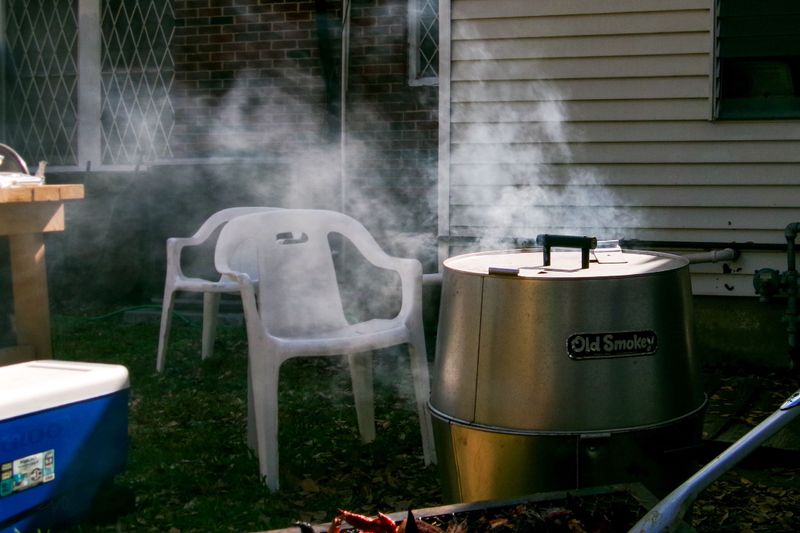
Few people think to check inside the grill before using it after a long winter. But that dark, enclosed space is exactly the kind of shelter black widows prefer.
Grills that sit unused for months through fall and winter become prime nesting territory. The enclosed firebox stays protected from rain and wind, making it a surprisingly cozy home for spiders.
Outdoor furniture poses a similar risk, especially chairs and tables with hollow legs or framing. Spiders squeeze into those openings and build webs inside the metal or plastic tubing where no one ever looks.
Cushions stored in outdoor bins or left on furniture through winter create another layer of risk. Spiders nest in the folds and seams of fabric, making it easy to pick one up without realizing it.
Before using your grill for the first time each season, open every panel and inspect it with a flashlight. Check the burners, the grease trap area, and the inside of the lid where webs are commonly found.
Covering your grill with a fitted cover during the off-season reduces the risk significantly. Make sure the cover fits snugly so spiders cannot easily slip underneath the edges.
For outdoor furniture, flip chairs and tables over and inspect the undersides before sitting down. A quick look takes seconds and keeps you from an unpleasant encounter mid-cookout.
Treating outdoor furniture storage as a potential black widow hiding spot changes how carefully you handle it. That small shift in awareness makes your outdoor living space genuinely safer all year long.
8. Piles Of Rocks Or Landscaping Timbers Left Unmoved

Landscaping rocks look great in a yard, but they also create one of the more overlooked black widow hiding spots. The gaps between stones stay cool, dark, and damp, which is everything a spider wants.
Timbers used for garden borders or raised beds are equally risky when left in contact with soil. Moisture wicks up from the ground and creates the humid environment that both insects and spiders seek out.
Rocks that have not been moved in a season or more become permanent spider habitat. The longer they sit undisturbed, the more established any nesting spiders become beneath them.
If you have a decorative rock garden or stone border along your home’s foundation, pay extra attention there. Proximity to the house makes those rocks a potential entry point as well as a nesting zone.
Shifting rocks and timbers at least once a season disrupts any webs or egg sacs that have formed underneath. You do not have to remove them entirely, just move them enough to break up established nesting spots.
Always use a long-handled tool to pry up rocks before reaching underneath with your hands. A flat pry bar or garden fork gives you distance while still letting you inspect what is below.
Wearing thick leather gloves is strongly advised when handling rocks or timbers in areas that have not been touched recently. The risk of a hidden black widow is highest in exactly those undisturbed spots.
Staying aware of black widow hiding spots like rock piles keeps your yard safer for everyone. A little seasonal disruption goes a long way toward keeping these spiders from settling in for good.