How To Cure And Store North Carolina Pumpkins And Winter Squash So They Last All Winter
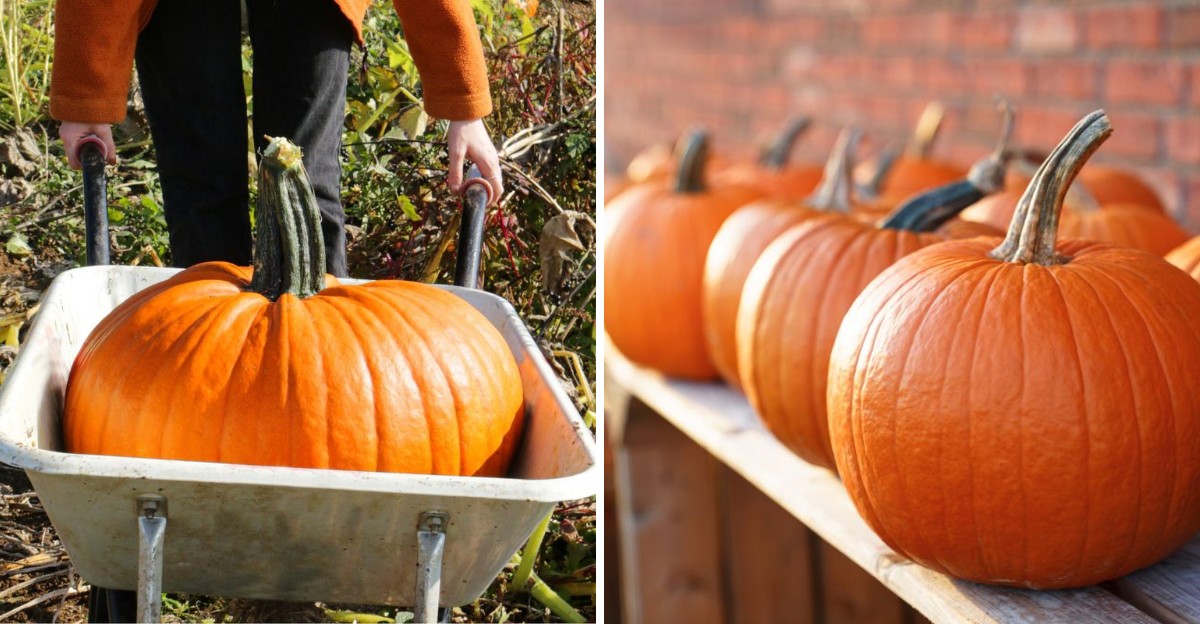
You put in the work all summer long, and now your North Carolina porch is holding a genuinely impressive collection of pumpkins and winter squash that you are rightfully proud of.
That earthy smell of fresh vines, the satisfying weight of a good butternut, the whole scene feels like a reward well earned. But here is the part that catches a lot of gardeners off guard: the harvest is only half the story.
What happens in the next few days decides whether that beautiful pile is still firm and sweet in February or quietly turning soft before the holiday decorations even come down.
The good news is that you do not need a big barn or any special equipment to get this right. A little patience, a warm spot, and knowing the right order of steps is genuinely all it takes.
1. Pick At The Perfect Moment In North Carolina Fields
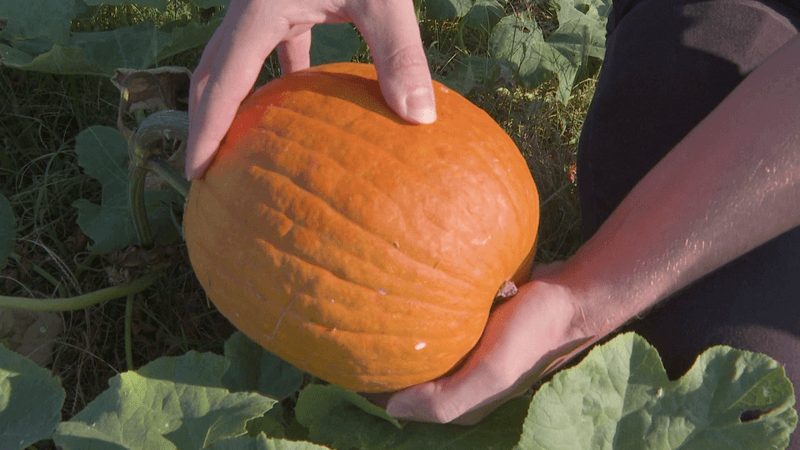
Old farmers in the Piedmont like to say a pumpkin tells you when it is ready, if you know how to listen. They mean you can tap it and hear a hollow knock. That sound is your first clue.
Look at the rind next. A ripe pumpkin or butternut has a deep, even color with no green streaks. Press your thumbnail into the skin gently. If it barely leaves a mark, the fruit is mature enough to store.
The stem matters too. It should look dry, tough, and a bit corky. Many vines in our state start to brown and fade in late September or early October, and that is a great signal to start picking.
Timing with the weather is a big deal. Frost can harm the skin and shorten storage life, so watch the forecast closely. Mountain gardeners may need to harvest weeks before folks near the coast.
Use clean pruners or a sharp knife to cut the stem. Leave about three to four inches attached for pumpkins and an inch or two for smaller squash. Snapping it off by hand can tear the fruit and open a door for rot.
Finally, pick on a dry day if you can. Wet fruit picked after a storm is more likely to grow mold later. A sunny afternoon gives you the best start for a long winter.
2. Handle With Care Like A North Carolina Farmhand
Ever carried a pumpkin by its stem like a suitcase handle? Plenty of us have, and it feels natural. Sadly, it is one of the fastest ways to ruin a good keeper.
Stems can crack or pop off under the weight. Once that happens, the top of the fruit has an open wound. Bacteria and mold love that kind of opening and will move in quickly.
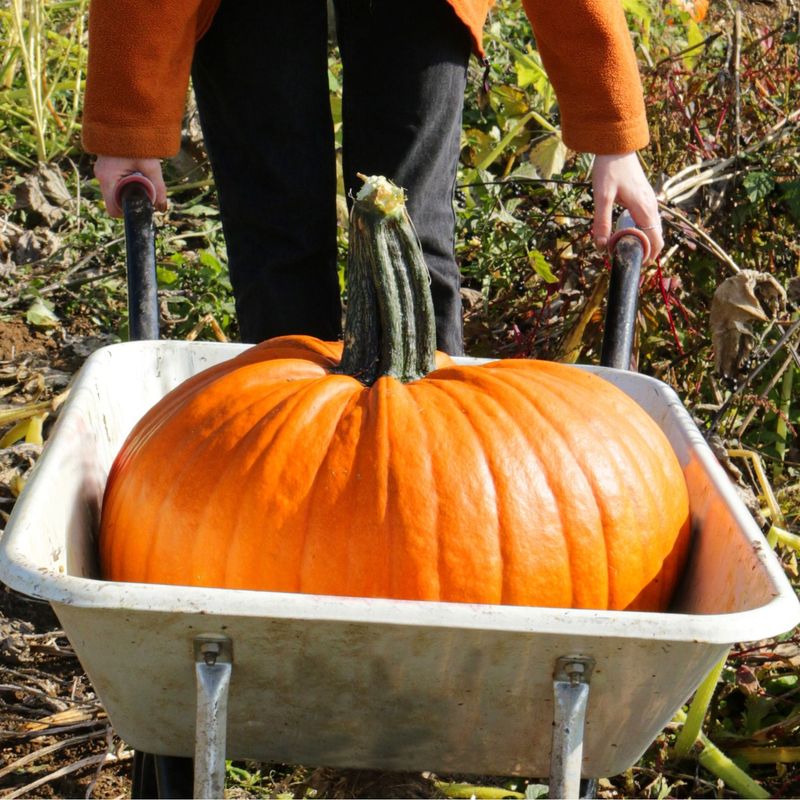
Instead, lift each pumpkin from the bottom with both hands. Cradle it the way you would carry a sleeping puppy. For small acorn or delicata squash, a padded basket works nicely.
Bruises are sneaky too. A drop of just a foot or two may not show any marks today. A few weeks later, though, a soft brown spot can appear and spread from the inside out.
Line your wagon or truck bed with old blankets, straw, or cardboard. Set the fruit in a single layer when you can, so they do not knock together on bumpy roads. Many families across North Carolina use old hay bales as cushioned seats for their harvest.
Sort as you go. Set aside any fruit with cuts, cracks, or missing stems for cooking soon. Those make great soups this week, but they will not hold up in storage. Only the flawless ones should move on to curing.
3. Give Them A Gentle Wipe Before Curing
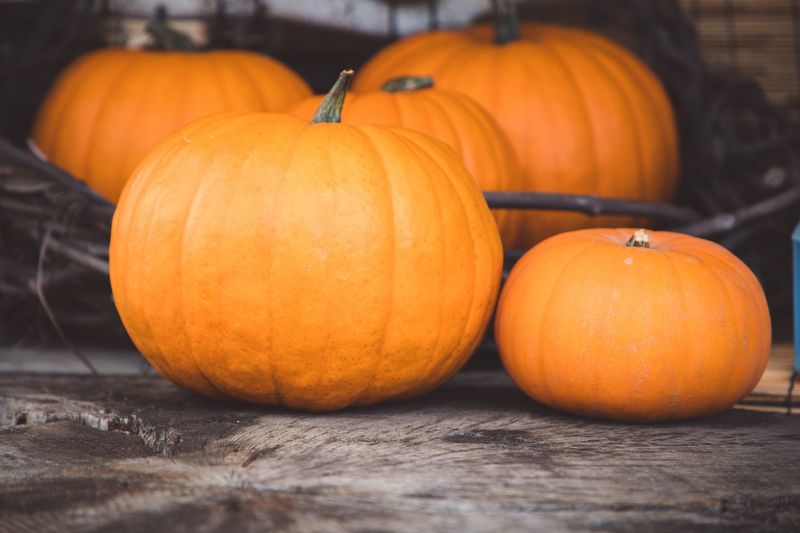
Dirt clinging to a pumpkin may look harmless, but it can carry tiny spores. Those little hitchhikers ride along into storage and wait for their chance. A quick cleaning sends them packing.
Start by brushing off loose soil with a soft cloth or dry brush. Skip scrubbing hard, since you want the skin to stay tough and whole. Think of polishing an apple, not washing a car.
Many gardeners use a mild bleach mix to wipe the rind. A common ratio is about one part bleach to ten parts water. Dip a cloth, wipe the surface, and let the fruit air dry.
Some folks prefer a vinegar rinse instead. It is gentler and still helps lower the number of mold spores.
Either way, make sure each fruit is fully dry before you set it down. Be careful around the stem while cleaning. Do not soak it or twist it.
Moisture trapped around that spot can lead to rot later, and in humid North Carolina weather, drying fully takes a little extra time. A fan nearby speeds things up nicely.
4. Cure Them In The Warm Autumn Sun

Curing sounds like something from a science lab, but it is really just a warm rest. Think of it as a spa day that toughens the skin and heals small scratches. Your fruit comes out sweeter too.
Most pumpkins and winter squash like about 80 to 85 degrees for roughly 10 to 14 days. Humidity between 80 and 85 percent is ideal during this period. Lucky for us, early fall in much of the state often hands us those numbers for free.
A sunny North Carolina porch, greenhouse, or warm shed works well. Set the fruit in a single layer with space between each one. Good airflow keeps them from sweating and growing mold.
Turn them every few days so all sides get warmth. If a cold snap or heavy rain rolls in, move them indoors near a warm spot. A room with a space heater can do the trick in a pinch.
Here is a twist many people miss. Acorn squash does not need curing and actually stores better without it.
High curing temperatures can reduce acorn squash quality and flavor rather than improving it, so take it straight to cool storage instead.
You will know curing is done when the skin feels hard and the stems look dry and shriveled. The rind should resist a fingernail.
Butternut and hubbard squash also develop richer flavor as some starch turns into sugar during the curing period.
5. Find The Sweet Spot In Your Home
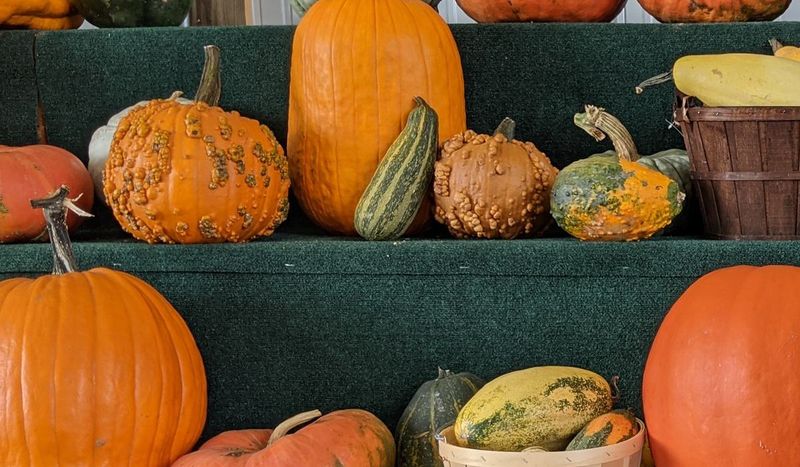
After curing, your harvest needs a new home that feels cool but not cold. A quiet room around 50 to 55 degrees is ideal.
That range slows the fruit down without causing chill damage. Humidity should drop too, ideally to about 50 to 70 percent. Too damp, and mold creeps in fast.
Too dry, and the squash slowly shrinks and gets rubbery. Where do folks find that spot? A basement corner, an unheated spare room, or a closet on an inside wall can work.
In North Carolina, a garage may stay too warm early on, then dip too cold in January. Skip the refrigerator for whole fruit. Most fridges run near 40 degrees, which is too chilly for whole squash.
At those temperatures, squash can develop chilling injury, a condition where the flesh turns soft and pitted within a few weeks even before any visible signs appear on the outside.
Here is a handy tip. Buy a cheap thermometer with a humidity reader and set it near your stash. Checking it once a week takes seconds and saves a lot of guessing.
Keep stored squash away from apples, pears, and bananas. Those fruits give off a gas called ethylene that speeds up ripening and aging. Your pumpkins will last longer if they have their own space, away from the fruit bowl.
6. Space Them Out Like Seats At A Movie Theater
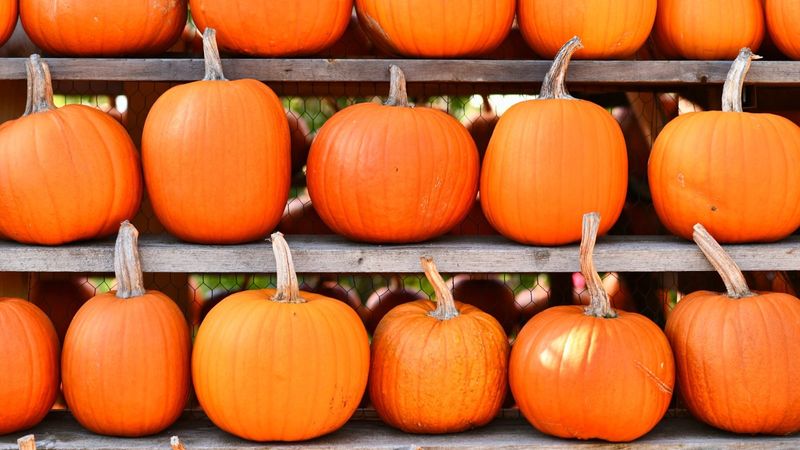
Crowding your pumpkins into one big pile might save room, but it invites trouble. When one starts to spoil, its neighbors catch the problem fast. A little elbow room goes a long way.
Arrange them in a single layer on shelves, racks, or pallets. Leave a couple of inches between each fruit. Air should be able to move all around them, just like folks spread out on a Sunday pew.
Avoid setting squash right on concrete floors. Cold, damp concrete pulls moisture into the bottom of the fruit. A sheet of cardboard, a wooden board, or a towel makes a simple barrier.
Wire shelving is a favorite for many home growers. It lets air flow underneath and makes checking easy. Old bakery racks or bookshelves also work well if you add a liner.
Got a lot of fruit and little space? Try a shallow crate with crumpled newspaper between each squash. The paper soaks up extra moisture and acts like a soft cushion.
Place the biggest, toughest keepers, like hubbard and cushaw, on lower shelves. Lighter delicata and acorn squash can sit higher where you will grab them first.
Cushaw, by the way, has been a Southern favorite for generations, and many North Carolina cooks still bake it into pies that rival pumpkin.
7. Know Which Varieties Go The Distance In North Carolina
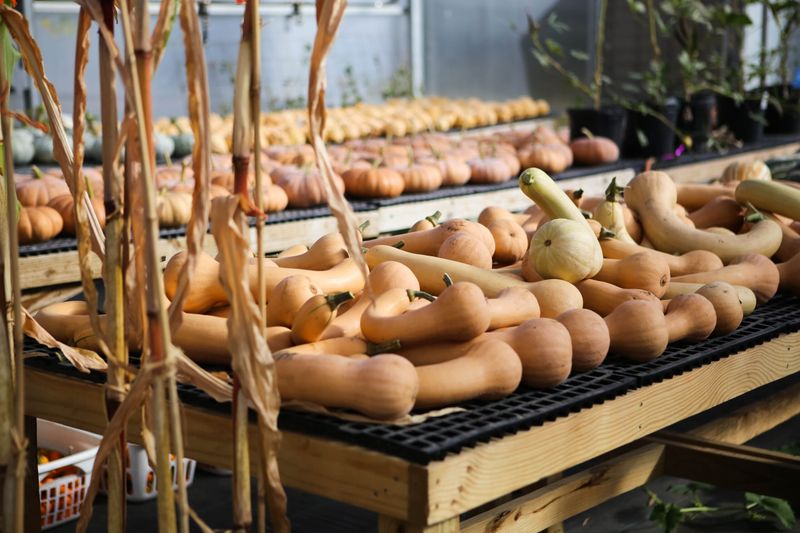
Not every squash is built for a long winter. Some are sprinters, while others are true marathon runners. Knowing the difference helps you plan your meals. Butternut is a reliable keeper.
Under typical home storage conditions it can last two to four months, and under ideal temperature and humidity conditions some growers see it hold even longer. Its smooth, thick skin makes it a top pick for many home cooks in the Tar Heel State.
Hubbard and cushaw squash also hold up for months. Their tough rinds can be hard to cut, but that toughness is exactly why they store so well. Grab a big knife and a steady cutting board when you are ready.
Pie pumpkins usually last two to three months. Large carving pumpkins are bred for looks, not shelf life, so they fade quicker.
Plan to use those first or treat them as fall decorations. Acorn and delicata squash are the short timers. They often keep about one to two months.
Their thin skins and tender flesh are lovely, but they will not hold up until spring. A smart plan is to eat in order. Start with delicata and acorn, move to pumpkins, then save butternut and hubbard for late winter.
That way nothing goes to waste, and you get fresh squash flavor long after the gardens of North Carolina have gone quiet.
8. Check In Weekly On Your Stash
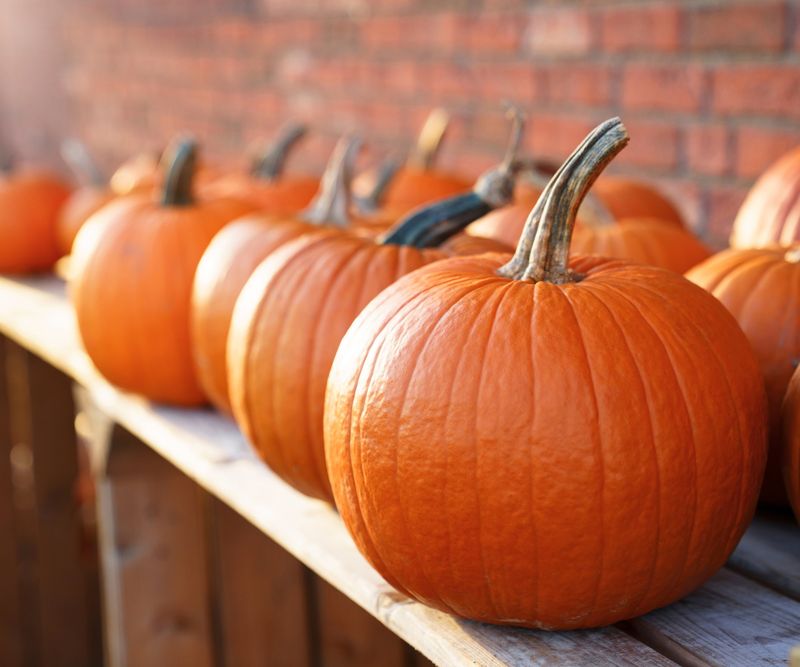
Think of your stored squash like a sleepy group of friends. Most nap peacefully, but one might start causing trouble. A quick weekly visit keeps everybody in line.
Walk through your storage area and look at each fruit. Watch for soft spots, dark patches, white fuzz, or wet areas near the stem. Give each one a gentle press around the base, where rot often begins.
If you spot a small blemish, do not toss it. Cut away the bad part and cook the rest that same day. Roasted squash freezes beautifully, so nothing is lost.
Remove any spoiled fruit right away. Wipe the shelf where it sat with a vinegar or bleach mix. Letting it linger can spread mold to nearby squash quickly.
Keeping a simple log helps a lot. Jot down the variety, the date picked, and when you used it. By next year, you will know exactly which kinds lasted longest in your home.
Here is a cozy bonus. Seeing that colorful stash each week reminds you to cook with it. Pumpkin bread in December, butternut soup in February, and a cushaw pie for an early spring get-together all taste better when they come from your own North Carolina garden.