Never Water Your Pennsylvania Garden Soil Like This Before A Thunderstorm
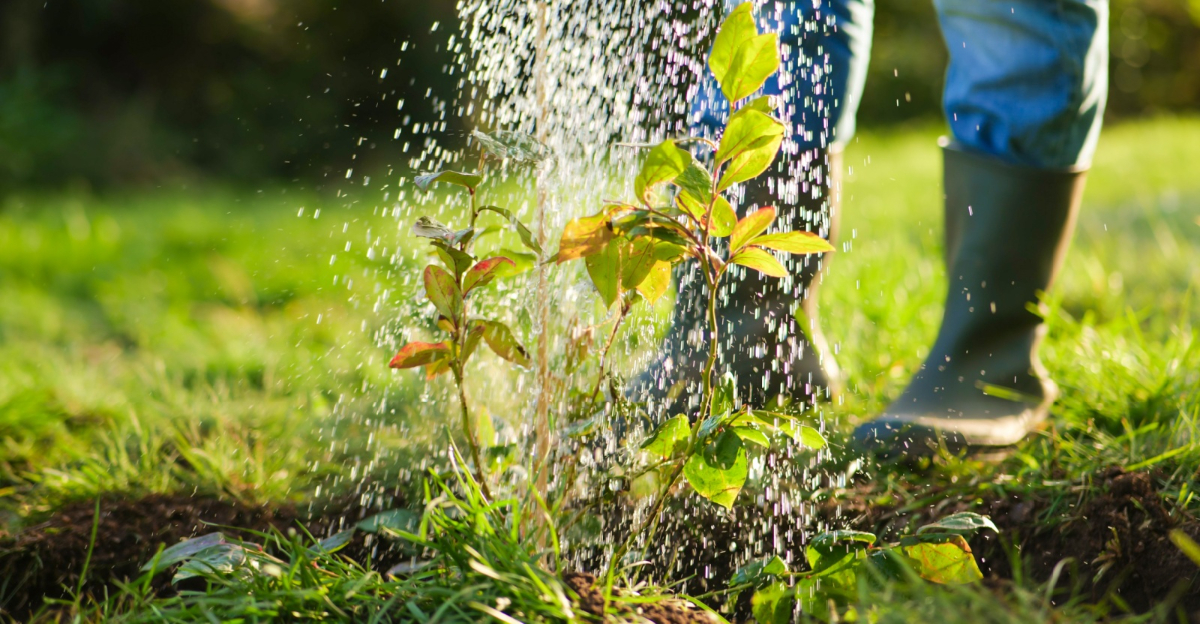
Watering your garden before a storm can quietly undo it. Your instinct says help; the weather says otherwise. Pennsylvania skies shift fast, and your timing matters most.
Rain slamming into your soaked beds strains roots within hours. Oxygen escapes your soil fast, and stress follows quietly. Nutrients drain from your beds before roots ever absorb them.
Fungal disease spreads through your waterlogged garden faster than you think. Clay-heavy Pennsylvania soil traps your water longer than sandy ground ever could.
Runoff carries your topsoil straight into nearby storm drains. Compaction presses your soil, squeezing out air roots depend on. Recovery from your misstep can take weeks, sometimes longer.
Smart gardeners check forecasts before you ever grab a hose. Timing separates your thriving garden from your struggling beds.
Every drop you add changes how your garden handles the next downpour. You are about to learn exactly when your watering choices truly matter.
Why Pre-Storm Watering Habits Matter
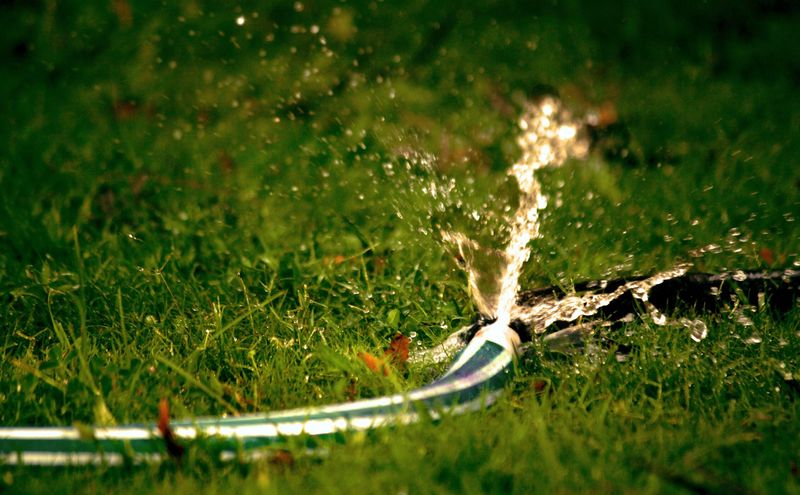
Your garden faces added stress before a storm. Storm clouds are building, and the last thing your soil needs is extra water poured on top.
Pre-storm watering habits matter because they directly affect how your plants survive heavy rainfall. Pouring water onto already-moist ground creates conditions for pooling, runoff, and root stress.
Many gardeners do not realize that soil has a saturation point. Once it hits that limit, water has nowhere to go except sideways or straight down, carrying nutrients with it.
Pennsylvania gardens face unique challenges because of the region’s humid summers and unpredictable storm patterns. During intense storms, rainfall can occasionally reach an inch or more within an hour.
When you water your Pennsylvania garden soil right before a thunderstorm, you are essentially doubling the moisture load on your plants. That extra burden often causes more harm than a dry spell ever would.
Think of your soil like a sponge sitting in a sink. If it is already full, adding more water just makes everything overflow.
Smart gardeners check the forecast before reaching for the hose. A little planning today protects weeks of hard work tomorrow.
A Common Overwatering Mistake Gardeners Make
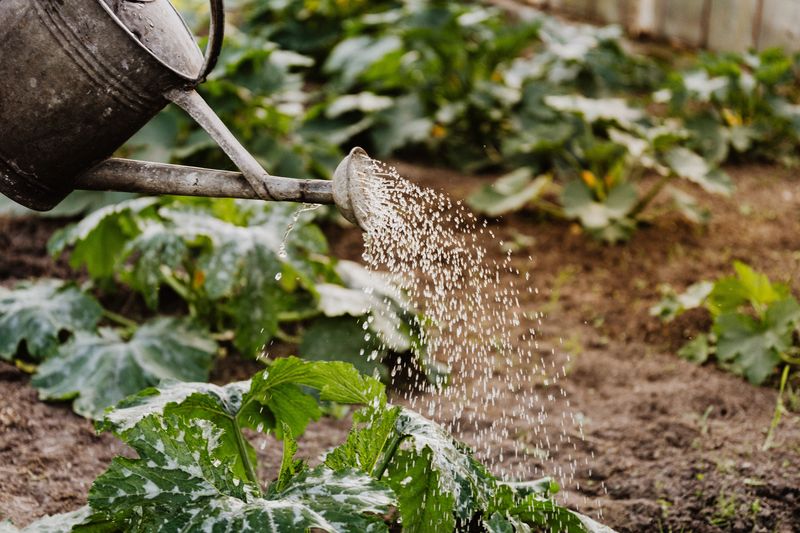
Picture this: it is a muggy Tuesday, clouds are rolling in, and you water the garden anyway out of habit. This routine decision is a common overwatering mistake gardeners make.
Watering on a schedule without checking the weather is the core of the problem. Plants do not care about your calendar; they care about what the sky is about to do.
When you water your Pennsylvania garden soil before a storm, you are ignoring a free, powerful irrigation event. Nature is about to do the job for you, and you are getting in the way.
The mistake runs deeper than just wasting water. Overwatered soil becomes compacted and dense, which blocks the oxygen roots need to breathe and grow properly.
Roots sitting in waterlogged ground begin to lose oxygen access within hours. The damage is not always visible right away, but it shows up later as yellowing leaves and stunted growth.
Your Pennsylvania Garden Changes Every Week. Your Plan Should Too.
Gardening in Pennsylvania changes quickly throughout the season. Every Friday you’ll receive a simple weekly plan showing exactly what to plant, prune, fertilize, harvest, and protect so you never miss the right timing.
Many gardeners blame pests or disease when the real culprit is too much moisture. Checking your soil with a finger two inches deep can save you from that frustration.
If the soil feels wet or even cool and damp, skip the hose entirely. Letting the ground dry slightly before a storm gives your plants a fighting chance against flood-level rainfall.
Breaking the automatic watering habit is one of the most effective shifts you can make this season.
How Saturated Soil Affects Root Health
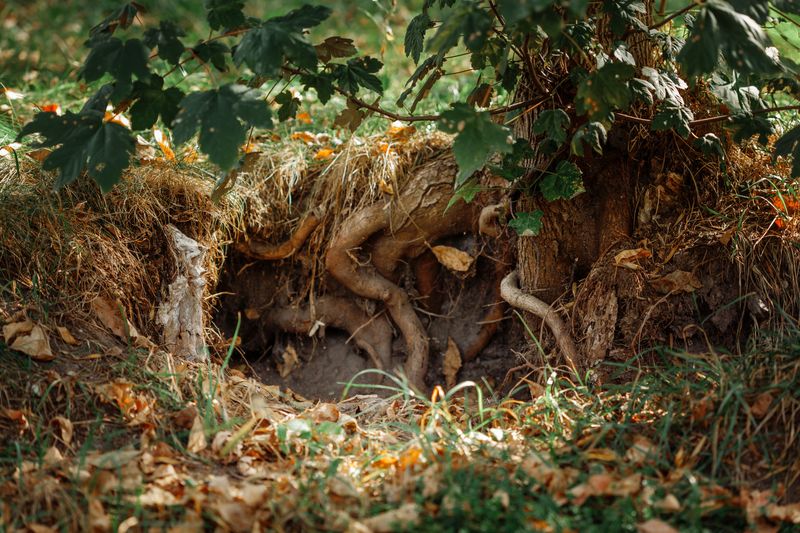
Roots perform essential, often unseen functions. They pull nutrients, anchor plants, and regulate moisture without any fanfare, until the ground turns into a swamp.
Saturated soil squeezes out all the air pockets that roots depend on for survival. Without those tiny oxygen gaps, even healthy root systems begin to break down fast.
When you water your Pennsylvania garden soil and a storm follows, the combined moisture can hold for days. That extended wetness increases the risk of root rot and fungal infections.
Root rot is sneaky because it starts underground where you cannot see it. By the time leaves start wilting or turning brown, the damage below the surface is already significant.
Tomatoes, peppers, and squash are especially vulnerable to root stress from oversaturation. These warm-season crops thrive in moist but well-drained conditions, not in puddles.
Clay-heavy soils common across central Pennsylvania hold water longer than sandy or loamy ground. Gardeners with clay soil need to be especially cautious before storm season picks up in late spring.
Raised beds offer some protection because excess water drains more freely from elevated soil. But even raised beds can become overwhelmed if the ground beneath them is already soaked.
Healthy roots are the foundation of a productive garden. Protect them by treating pre-storm watering as a decision, not a reflex.
What Happens To Nutrients During Heavy Rain
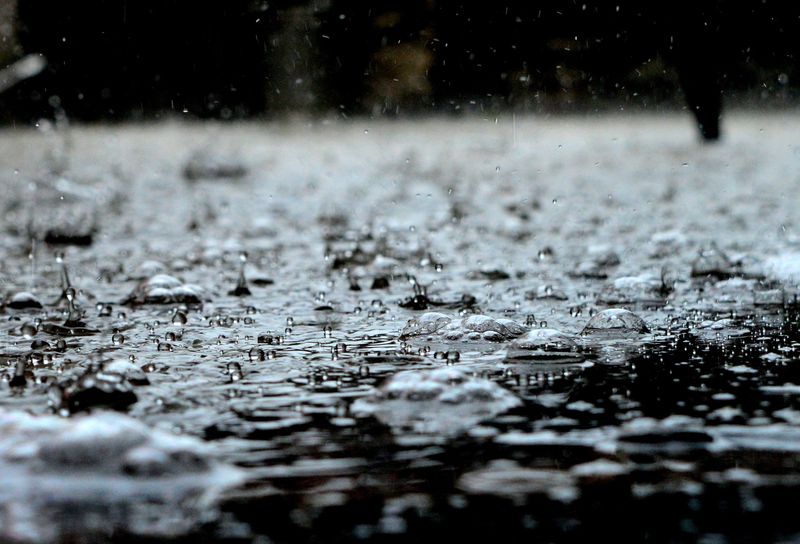
Rain helps your garden, but it can also strip away nutrients. Heavy downpours can strip your garden of the very nutrients your plants need to thrive.
The process is called leaching, and it happens when water moves through soil faster than plants can absorb what is dissolved in it. Nitrogen, potassium, and magnesium are especially quick to wash away.
When soil is already saturated from pre-storm watering, leaching accelerates dramatically. The water table rises, and nutrients get pushed down past the root zone where plants cannot reach them.
You may have fertilized your beds just days before, only to lose much of that investment to a single hard rain. That is a frustrating and expensive outcome for any home gardener.
Surface runoff also carries away the top layer of nutrient-rich organic matter. Mulch, compost, and topsoil can shift or wash out when storm water has no room to absorb into the ground.
Pennsylvania storms in summer often arrive with intense bursts rather than steady, gentle rain. That intensity means water hits the surface hard and fast, giving soil little time to absorb it evenly.
Avoiding pre-storm watering helps preserve the nutrient balance you have worked to build. Dry or lightly moist soil absorbs rainfall more efficiently and holds nutrients closer to the root zone.
Protecting your soil chemistry is just as important as protecting your plants from physical damage.
Pennsylvania Climate Factors Gardeners Should Know
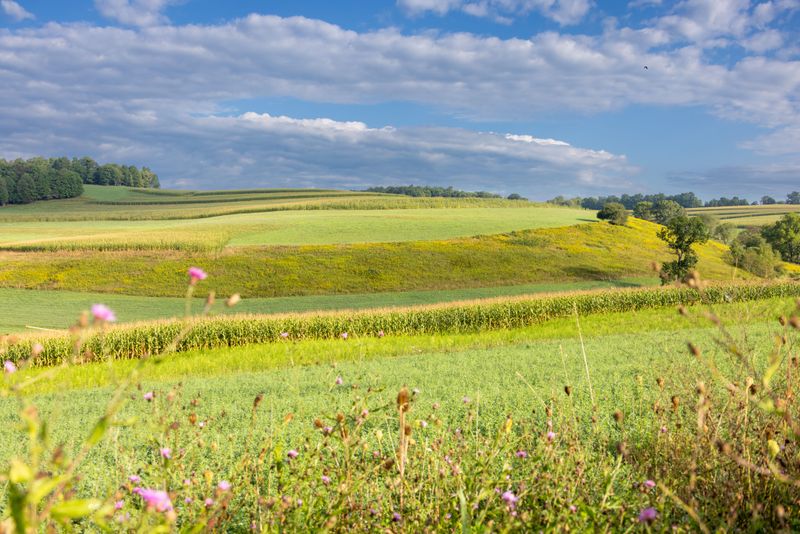
Pennsylvania has a variable, sometimes intense climate. It swings between humid summers, surprise cold snaps, and storm systems that can occasionally drop heavy rain in a short time.
The state sits in a zone where warm, moist air from the Gulf meets cooler fronts from the north. That collision creates storm patterns that can be difficult to predict.
Summer rainfall across the state generally varies by region, with some areas seeing notably higher totals than others.
When you add pre-storm watering on top of that natural moisture load, your garden soil rarely gets a chance to breathe.
Western Pennsylvania can experience intense summer storm activity linked to regional weather patterns. Eastern regions near Philadelphia face high humidity that slows soil evaporation significantly between rain events.
Some areas near the Lehigh Valley or Susquehanna River can experience flash flooding during heavy storms. Knowing your micro-climate helps you make smarter watering decisions each week.
Checking the National Weather Service forecast for your specific county is a simple habit that pays off. A storm warning two hours out is enough time to skip your watering routine entirely.
The climate here rewards gardeners who stay flexible and observant. Rigid schedules do not work well when the weather changes this quickly and this dramatically.
Staying in tune with local conditions is the smartest tool any Pennsylvania gardener can carry.
Smarter Watering Habits Before A Thunderstorm
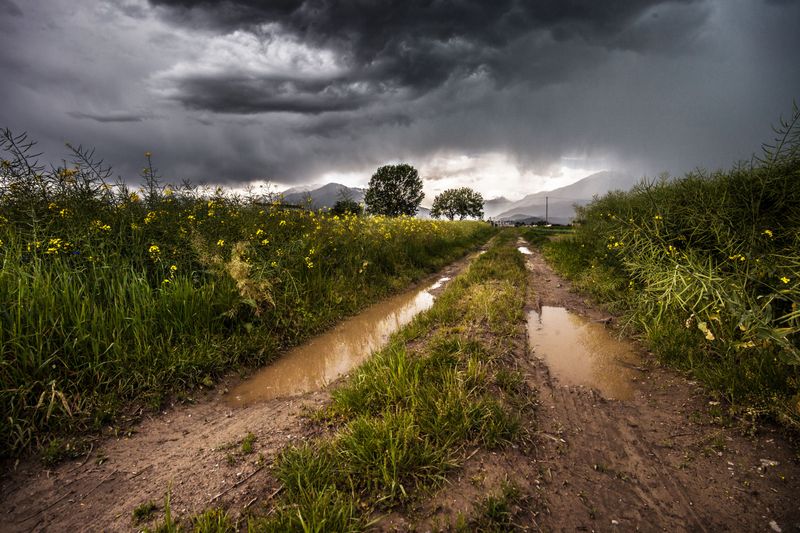
The fix is simpler than most people expect. Changing one small habit can protect your garden soil through an entire storm season.
Start by checking a weather app each morning before you plan any outdoor watering. If rain is expected within twelve hours, put the hose away and let nature take over.
Watering in the early morning on non-storm days gives soil time to absorb moisture before the heat of the day. That timing also reduces the risk of fungal growth that thrives in overnight dampness.
Drip irrigation systems are a smart upgrade for Pennsylvania gardens because they deliver water directly to the root zone. Less surface moisture means less runoff and better absorption when storms do arrive.
Mulching your beds with two to three inches of organic material helps regulate soil moisture naturally. A good layer of straw or wood chips slows evaporation and buffers the impact of heavy rainfall.
Grouping plants with similar water needs together makes it easier to manage irrigation across your whole garden. You will avoid over-serving thirsty sections while neglecting drought-tolerant areas.
Avoiding pre-storm watering is one simple way to support healthier, more productive plants over the season.
Following this one habit can significantly reduce the risk of root damage, nutrient loss, and lengthy recovery. Smarter habits start with awareness, and awareness starts the moment you look up at the sky.