The Native Pennsylvania Alternatives To Boxwood That Birds Actually Use For Cover
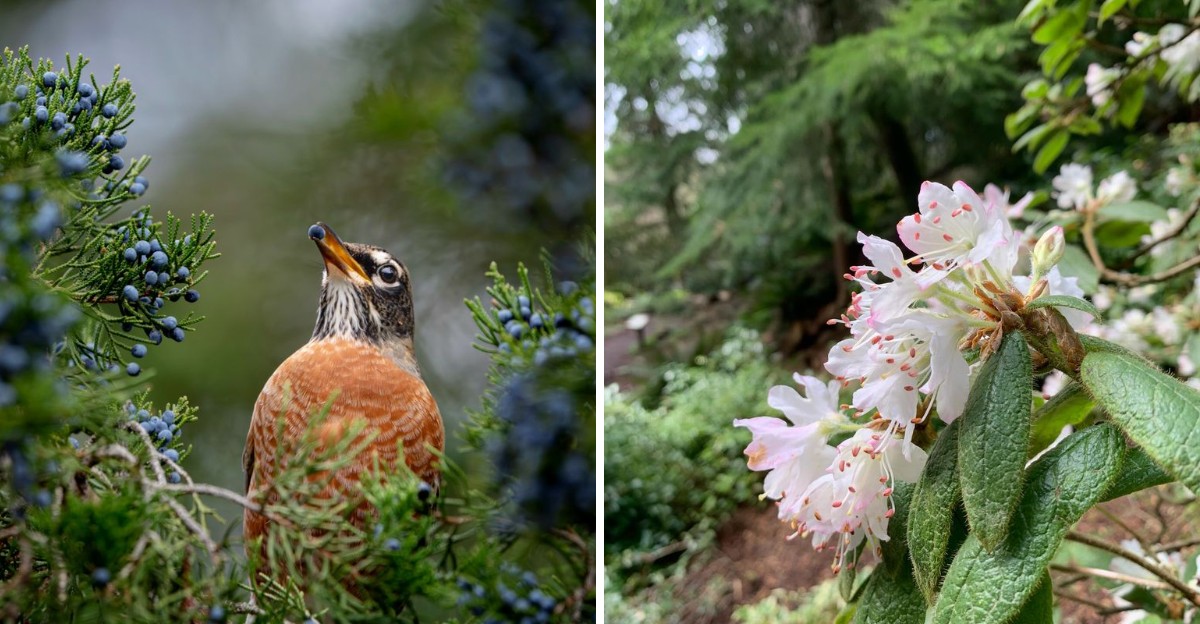
When was the last time you saw a bird actually use your boxwood for anything beyond a momentary perch?
Boxwood sits in Pennsylvania foundation beds across the state looking tidy and green and contributing almost nothing to the wildlife that shares the surrounding landscape.
Birds don’t nest in it, don’t eat from it, and don’t find much shelter in it beyond a brief escape from a passing hawk.
Native Pennsylvania shrubs that fill the same structural role tell a completely different story.
They provide dense cover that birds actively return to for shelter and nesting. They produce berries, seeds, and the insects that feed local bird populations through multiple seasons.
And they handle Pennsylvania’s climate with the resilience that comes from genuine regional adaptation rather than selection for appearance alone.
1. American Holly Brings Winter Color And Safe Shelter
Long before holiday cards made it famous, American holly was already a winter hotel for birds. Its glossy leaves have sharp little spines along the edges. Those spines keep cats and hawks from reaching the birds tucked inside.
American holly grows naturally in southeastern Pennsylvania. It stays green all year, so it gives cover in every season.
Mockingbirds, cardinals, and catbirds often build nests deep in its branches. On cold nights, small songbirds crowd inside to stay out of the wind.
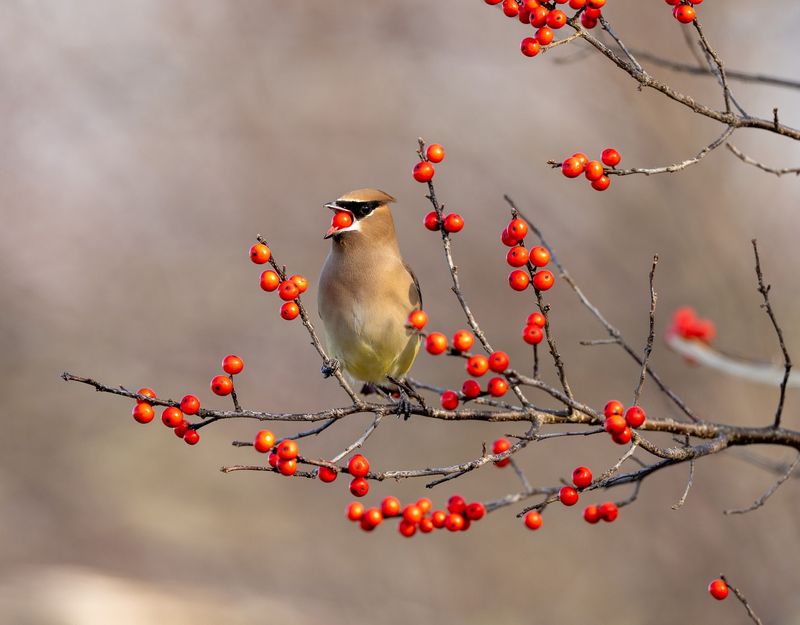
The berries are the real treat. Only female plants make the bright red fruit. They need a male holly growing close by, usually within a few hundred feet, to get pollinated.
One male can serve several females, so plan your planting with that in mind.
Birds tend to leave the berries alone until late winter. After a few freezes, the fruit softens and becomes easier to eat. That timing helps birds when other food is scarce.
Robins and cedar waxwings sometimes strip a tree clean in a single afternoon.
For best results, plant holly in well-drained, slightly acidic soil. It likes full sun to part shade. Shelter it from harsh winter winds if you live in a colder part of the state.
Water young plants during dry spells for the first two summers.
American holly grows slowly, which makes it easy to manage. You can prune it lightly into a hedge or let it grow into a pyramid-shaped tree. Wear gloves when you trim, because those spiny leaves bite back.
Fun fact: holly wood is so pale and fine that it was once dyed black and used for piano keys.
2. Mountain Laurel Offers State Flower Beauty With Year-Round Cover
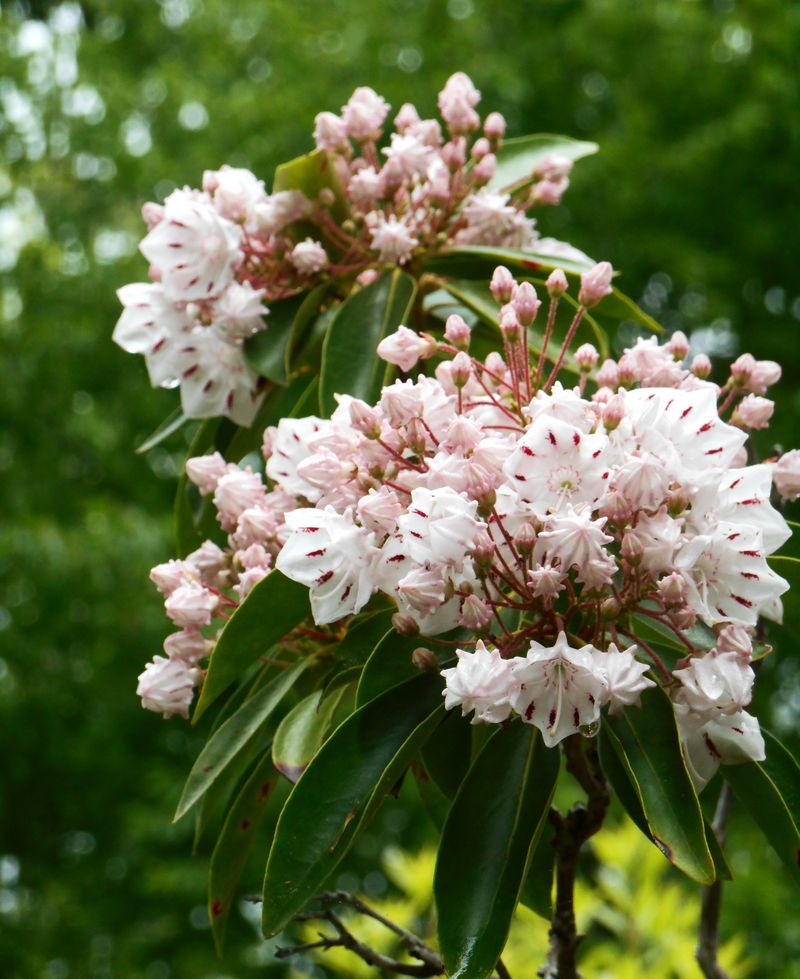
Walk through a Pennsylvania forest in early June and you might spot hillsides covered in pink and white blossoms.
That is mountain laurel, our official state flower. Lawmakers picked it in 1933, and it is easy to see why.
Mountain laurel grows into a thick, rounded evergreen shrub. Its leathery leaves stay on all winter. Birds use the tangled branches as a quick hiding place and a spot to rest out of the weather.
Your Pennsylvania Garden Changes Every Week. Your Plan Should Too.
Gardening in Pennsylvania changes quickly throughout the season. Every Friday you’ll receive a simple weekly plan showing exactly what to plant, prune, fertilize, harvest, and protect so you never miss the right timing.
Wrens and towhees often scratch around the ground beneath it looking for insects.
The flowers are something special. Each bloom looks like a tiny cup with a star pattern. Inside, the stamens bend back like little springs.
When a bee lands, they snap forward and dust it with pollen. Kids love watching that happen up close.
Mountain laurel is picky about where it lives. It wants acidic soil that drains well. Part shade is ideal, like the dappled light under oak trees.
Heavy clay or alkaline soil will make the leaves turn yellow.
Add pine needles or shredded leaves as mulch to keep roots cool and moist. Skip heavy fertilizer, since it does not need much. Prune right after blooming if you want a tighter shape.
One safety note matters here. The leaves are toxic if eaten, so keep an eye on young children and pets. Deer usually leave it alone for the same reason, which is great news for many Pennsylvania gardeners.
Plant a small group together, and you will create a leafy shelter birds can count on all year.
3. Great Rhododendron Builds A Leafy Fortress In The Shade
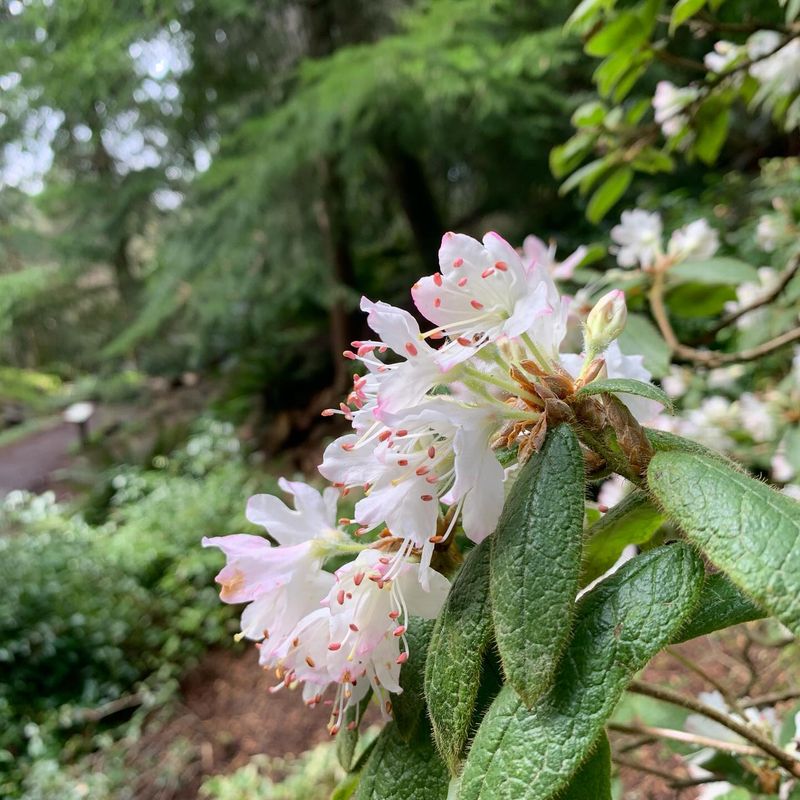
Hikers in the Pocono Mountains sometimes call thick rhododendron patches “hells” because they are so hard to push through.
Birds see those same tangles in a much happier way. To them, a stand of great rhododendron is a fortress.
Great rhododendron is the largest native rhododendron in Pennsylvania. It can reach 10 to 15 feet tall and just as wide. Its long leaves stay green through winter.
When it gets very cold, the leaves curl up and droop, almost like a natural thermometer.
That dense growth blocks wind and holds snow above the ground. Birds can shelter underneath in a pocket of calmer air. Hermit thrushes, black-throated blue warblers, and juncos all use these thickets.
The deep cover also keeps predators from spotting nests.
Big white to pale pink flowers open in early summer, later than most rhododendrons. Bees and hummingbirds visit the blooms. The show lasts a couple of weeks and brightens shady corners nicely.
Give this plant a spot that copies its forest home. It likes moist, acidic soil full of organic matter. Shade or part shade works best, especially out of the hot afternoon sun.
A spot near a stream or a low area that stays damp is perfect.
Leave plenty of room, because it spreads wide over time. Keep the roots mulched and water during dry summers. You rarely need to prune, which saves you work.
If you have a large, shady yard edge, great rhododendron can turn it into prime bird habitat with very little fuss.
4. Eastern Red Cedar Is A Tough Tree Waxwings Adore
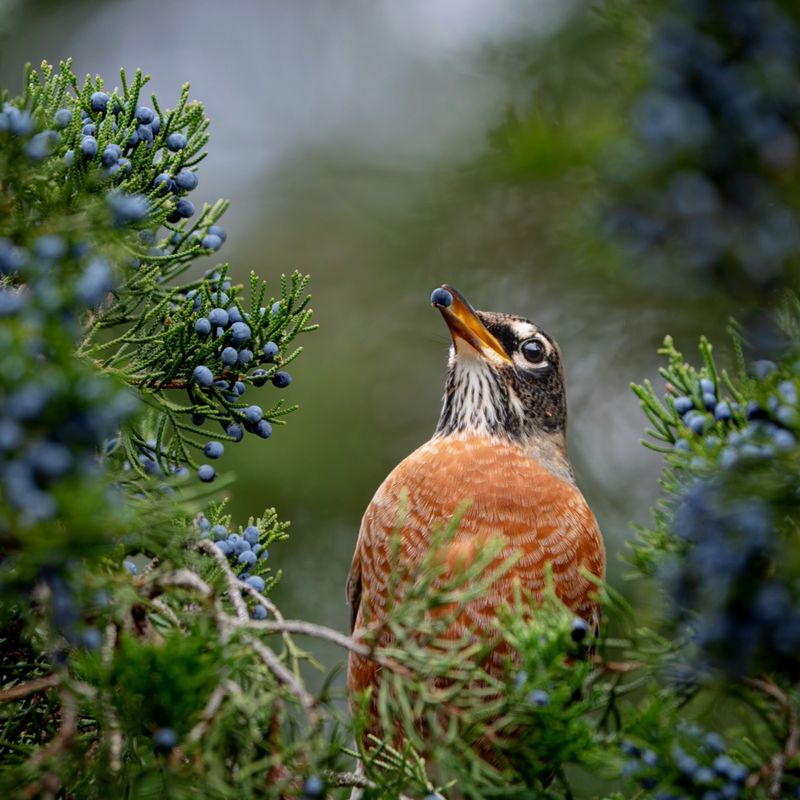
Cedar waxwings got their name for a reason. These sleek, masked birds swarm eastern red cedars to gobble up the frosty blue cones. Watching a flock pass berries from bird to bird is one of the cutest sights in nature.
Eastern red cedar is actually a juniper, not a true cedar. It grows almost anywhere in Pennsylvania. Poor soil, dry hillsides, and roadside gravel do not bother it at all.
It handles heat, cold, and drought like a champ.
Its foliage is dense and a bit prickly, especially on young trees. Chipping sparrows, robins, and mockingbirds nest inside. In winter, juncos and sparrows roost among the branches to stay warm.
Many birders say a cedar grove on a snowy morning is packed with life.
Those bluish “berries” are really soft cones. Only female trees make them. Bluebirds, yellow-rumped warblers, and turkeys eat them too.
Over 50 kinds of birds are known to feed on the fruit.
There is one catch to know about. Red cedar can host a fungus called cedar-apple rust. The rust does little harm to the cedar, but it can spot and weaken apple and crabapple trees.
Keep cedars a good distance away from any fruit trees you care about.
Plant it in full sun for the thickest growth. It can be trimmed into a tall screen or windbreak. Since it grows fast when young, it fills in gaps quickly.
Old pioneers used the fragrant wood for fence posts and clothes chests, because bugs hate the smell.
5. Eastern Hemlock Makes A Shady Hedge Birds Love
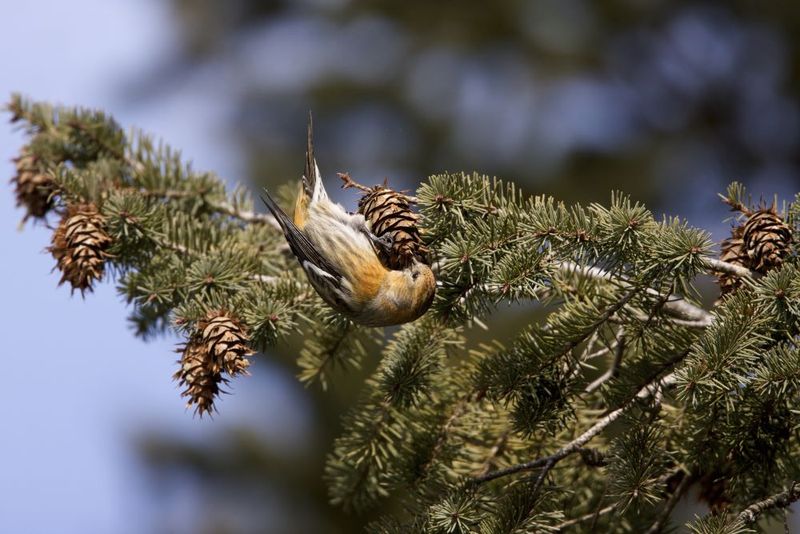
Here is a tree that can do something boxwood does, only better for wildlife. Eastern hemlock, Pennsylvania’s state tree, takes shearing well. You can trim it into a thick green hedge that birds will actually move into.
Most evergreens struggle in shade, but hemlock thrives there. Its soft, flat needles are short and dark green. The branches droop gracefully and hold snow like a cozy roof.
Chickadees, kinglets, and juncos slip inside to wait out winter storms.
In the wild, hemlocks shade cool streams where trout live. They also shelter birds like the Blackburnian warbler and the hermit thrush. Wild hemlocks can live for hundreds of years.
Some Pennsylvania trees are older than the United States itself.
Sadly, hemlocks face a serious pest. The hemlock woolly adelgid is a tiny insect from Asia. It leaves white, cottony dots on the undersides of the branches.
If you ignore it, the tree can lose needles and decline over several years.
The good news is that home trees can be protected. Check the undersides of branches every fall and spring. If you see the fluffy white spots, talk to a certified arborist or your local extension office.
Treatments like horticultural oil or systemic products can keep a hedge healthy.
Plant hemlock in moist, well-drained, acidic soil. Shelter it from hot, dry winds. Trim in late spring once new growth appears.
With a little care, your hemlock hedge will reward you with soft greenery and a steady stream of feathered guests.
6. Canada Yew Shelters Ground Birds Close To The Forest Floor
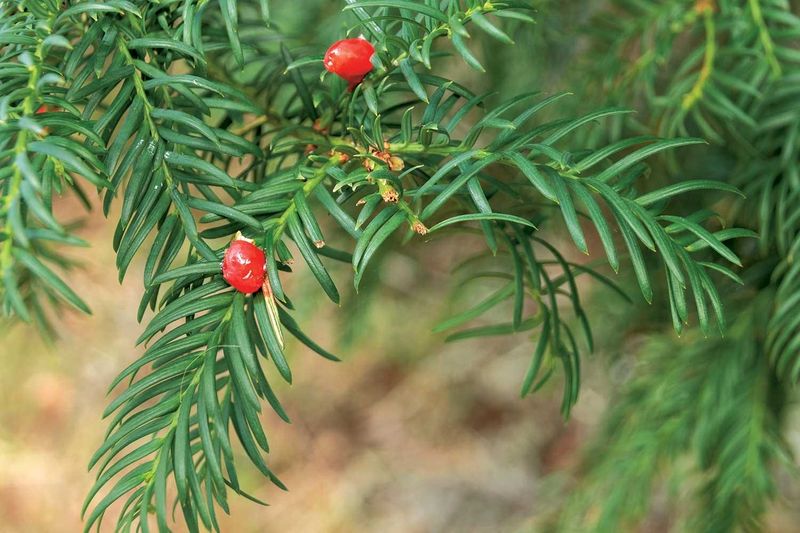
Not every bird wants to hide high in a tree. Towhees, white-throated sparrows, and thrushes spend lots of time scratching in fallen leaves. Canada yew gives these ground feeders a low green roof to duck under.
Canada yew is a small, spreading evergreen. It usually grows only 3 to 6 feet tall and sprawls sideways. Out in Pennsylvania forests, it forms loose mats under taller trees.
It loves cool, shady spots where many other shrubs would sulk.
In late summer, female plants make bright red, berry-like fruits. Each one looks like a tiny cup holding a seed. Robins, thrushes, and cedar waxwings eat the soft red flesh.
The seed passes through them, which helps spread new yews.
Safety comes first with this plant, though. The needles and seeds are toxic to people, dogs, cats, and horses. Keep it away from play areas and places where pets like to chew.
Teach kids that the pretty red fruit is for birds only.
Deer are a bigger problem than bugs. They love to browse Canada yew, especially in winter. In areas with lots of deer, you may need fencing or netting to let the shrub grow.
Many wild patches have vanished because of heavy deer browsing.
Plant it in moist, well-drained soil with plenty of shade. It dislikes hot sun and dry wind. Add a layer of leaf mulch to mimic the forest floor.
Once it settles in, Canada yew makes a charming groundcover shrub for a woodland garden.
7. Winterberry Holly Glows With Berries Long After The Leaves Fall
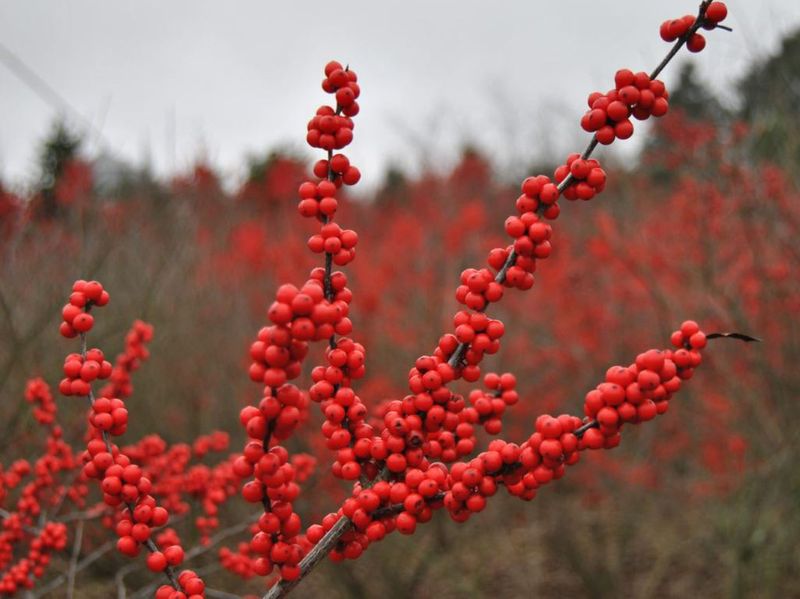
Surprise! The last plant on this list drops its leaves every fall. That sounds like a bad pick for cover, but winterberry holly has a trick up its sleeve.
Its branches are thick and twiggy, forming a dense tangle even when bare. Birds can still dart inside to hide from hawks. In summer, the leafy shrub makes a fine nesting spot for catbirds and song sparrows.
Then comes the big show. After the leaves fall, the branches stay loaded with bright red berries. Against white snow, the color almost glows.
The fruit often lasts into January or February, feeding birds when little else is left.
Robins, eastern bluebirds, mockingbirds, and cedar waxwings all feast on winterberry. Some people even call it a bird feeder you never have to refill. Planting a few shrubs near a window gives you a front-row seat to the action.
Like American holly, winterberry needs a partner. Only female shrubs make berries, and they need a male nearby for pollination. Ask your nursery for a matching male variety that blooms at the same time.
One male can pollinate up to about ten females.
Winterberry is easygoing about soil. It actually likes wet ground, so it works well in rain gardens or soggy low spots. Full sun gives the most berries, though it tolerates part shade.
Prune in late winter if needed, and feel free to snip a few berry branches for indoor decorating. Just leave plenty on the shrub, because the birds are counting on that snack.