Minnesota Vegetables Worth Harvesting Before The Heat Takes Its Toll
Minnesota’s growing season plays a trick on gardeners every year. Cool nights slide into 90-degree afternoons overnight, and crops that tasted perfect on Sunday turn bitter by Wednesday.
These cool-season crops build their flavor and texture during mild weather, and heat unravels that work fast, pushing plants to bolt, toughen, or turn sharp.
Timing separates a strong harvest from a disappointing one. Pull crops too early and you lose size; wait too long and the whole plant turns unusable.
Each crop drops its own clues before it turns, from a shooting flower stalk to a change in color or texture. Catch those signals early and the harvest stays worth eating.
1. Lettuce
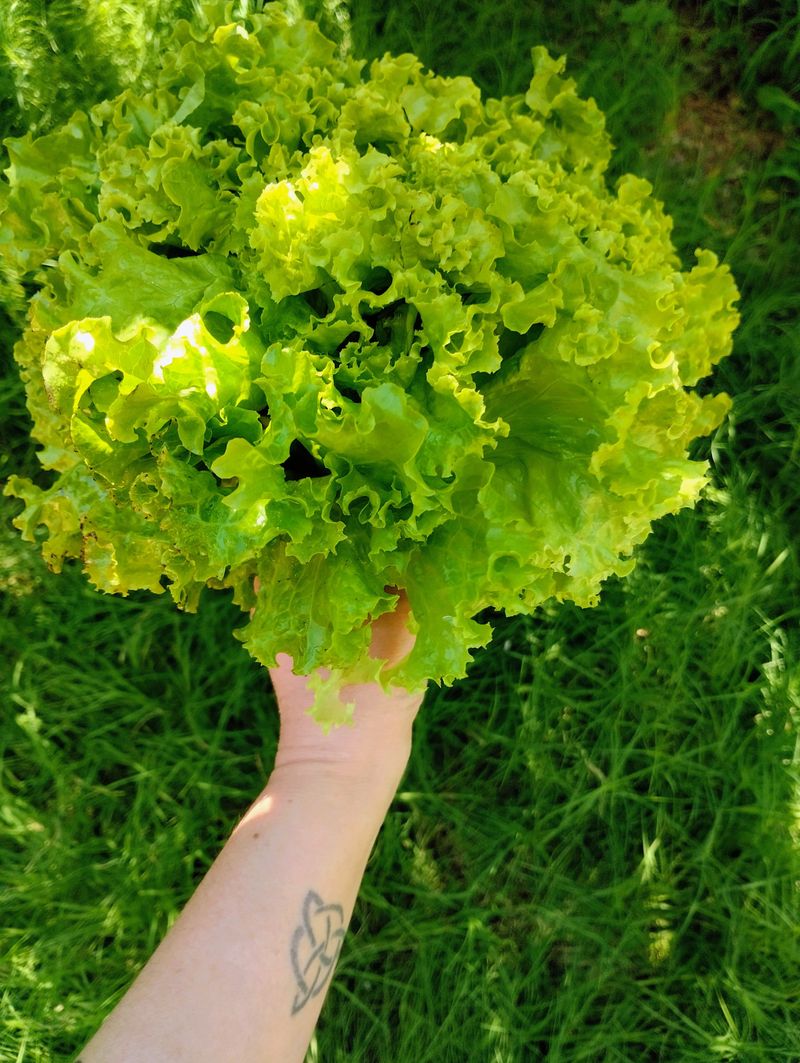
Lettuce is the speedster of the spring garden. It goes from seed to salad bowl faster than almost any other crop you can grow.
Most varieties are ready in 45 to 60 days. That is a seriously short window between planting and eating.
The trick with lettuce is watching the center of the plant. When it starts pushing upward and forming a tall stalk, bolting has begun and bitterness follows.
Harvest outer leaves first to extend your picking season by weeks. Snip them at the base and the plant keeps producing like a champ.
Loose-leaf types like Red Sails or Black-Seeded Simpson handle cool northern springs beautifully. They are forgiving, fast, and taste incredible right after a cold night.
Temperatures above 75 degrees sharply increase the risk of bolting in most varieties. Once bolting starts, watering won’t reverse the flavor damage.
Start seeds indoors about six weeks before your last frost date. Transplants can go outside even when light frosts are still possible.
Row covers are a smart investment for extending your lettuce season on both ends. A simple floating cover can buy you two extra weeks of perfect harvests.
Succession planting every two weeks keeps fresh lettuce coming all spring long. Plant a small batch, wait two weeks, plant another, and repeat.
Lettuce thrives in partial shade during warmer stretches. Tucking it under taller plants buys precious cool days before the heat arrives.
2. Spinach
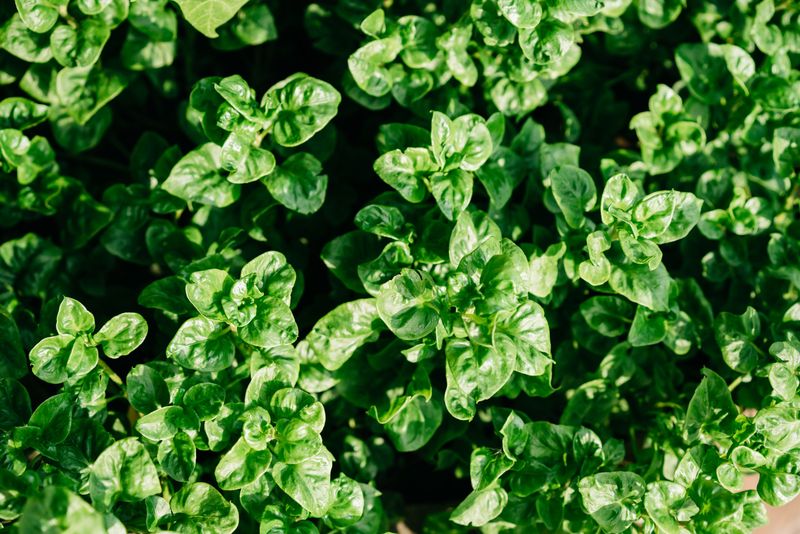
Spinach is basically a cool-weather superstar that refuses to perform once summer shows up. It bolts faster than lettuce when temperatures climb past 75 degrees.
Spinach is also one of the earliest crops you can get in the ground. Some Minnesota gardeners push transplants out in late March with row cover protection.
Savoy-type spinach, with its crinkled leaves, tends to hold up slightly longer in warming weather. Flat-leaf types are quicker to harvest but bolt sooner when heat arrives.
Harvest entire plants when they reach six to eight inches tall. Cutting at the soil line gives you a full flush of tender, flavorful leaves.
Baby spinach is harvested even earlier, around three to four inches tall. Those tiny leaves are sweeter and more tender than mature ones.
Spinach left in the ground too long turns tough and bitter within days. Check your plants daily once daytime temps hit the mid-60s consistently.
Your Minnesota Garden Changes Every Week. Your Plan Should Too.
Gardening in Minnesota changes quickly throughout the season. Every Friday you’ll receive a simple weekly plan showing exactly what to plant, prune, fertilize, harvest, and protect so you never miss the right timing.
Freezing spinach is incredibly easy and a great way to preserve your harvest. Blanch for two minutes, cool fast, squeeze dry, and freeze in bags.
Fall planting is often even better than spring for spinach in northern climates. Cooler, shortening days slow bolting and improve flavor dramatically.
A well-timed fall planting can even overwinter under a cold frame. You might pull fresh spinach well into November with minimal effort and a little protection.
3. Broccoli
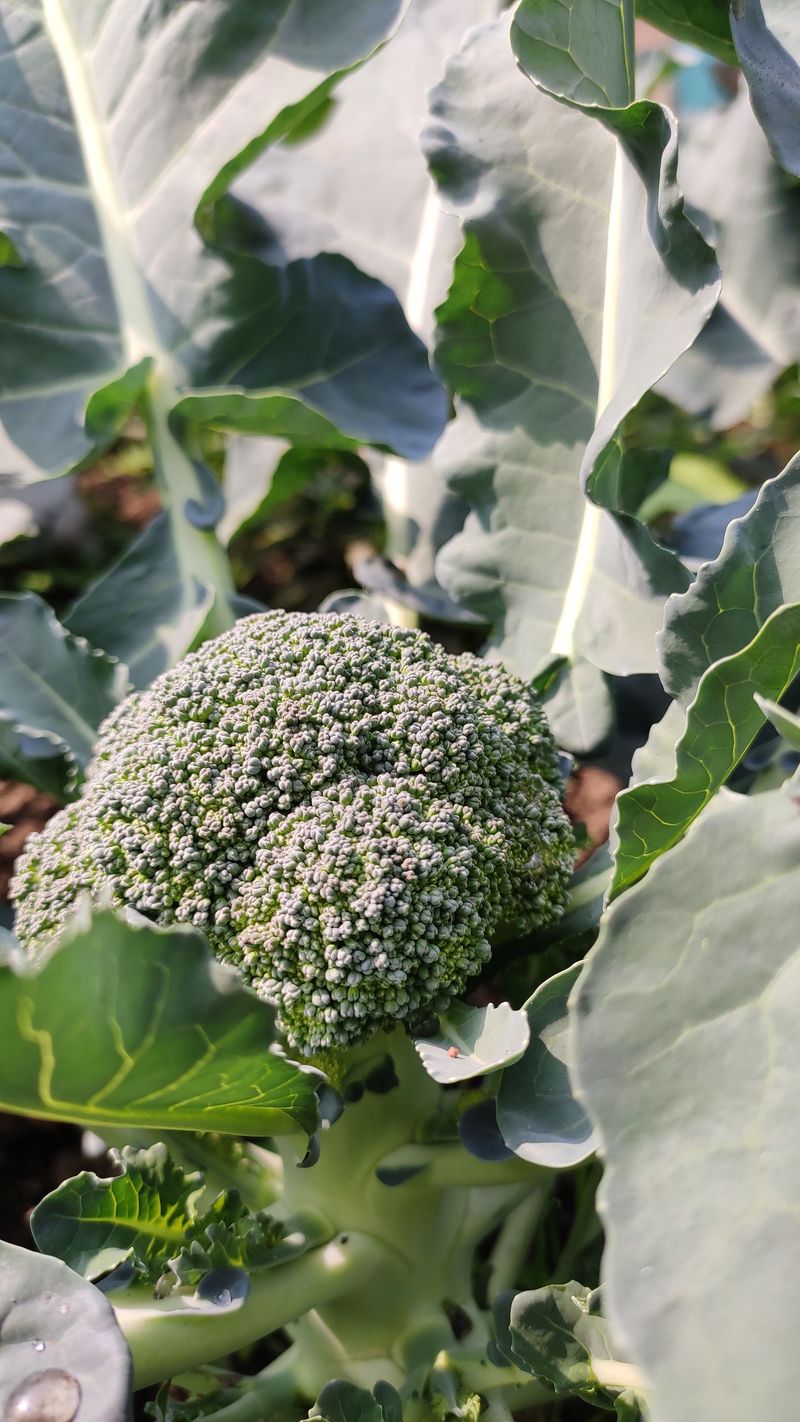
Broccoli has a short window between perfection and past-due. Once those tight green heads start to open into tiny yellow flowers, the harvest moment has passed.
The ideal head is dense, dark green, and firm to the touch. Any hint of yellow means it’s time to harvest right away.
Side shoots keep producing after the main head is cut. That second wave of smaller florets is just as delicious and sometimes even more tender.
Broccoli needs about 60 to 80 days from transplant to harvest. Starting plants indoors in late February gives you a strong head start on the season.
Cool nights actually improve broccoli flavor by converting starches to sugars. A light frost does not hurt mature plants and can even sweeten the taste noticeably.
Transplants go outside about four weeks before the last frost date. Hardening them off slowly over a week prevents transplant shock and keeps growth moving.
Spacing matters more than most Minnesota gardeners realize with broccoli. Plants need 18 inches between them to develop full, tight heads without crowding stress.
Consistent moisture is critical during head formation. Uneven watering causes hollow stems and loose, open heads that disappoint at harvest time.
Watch for cabbage worms, which love broccoli as much as you do. Floating row covers prevent egg-laying and keep your crop clean without any sprays.
Broccoli rewards gardeners who move fast once nights start warming up.
4. Cabbage
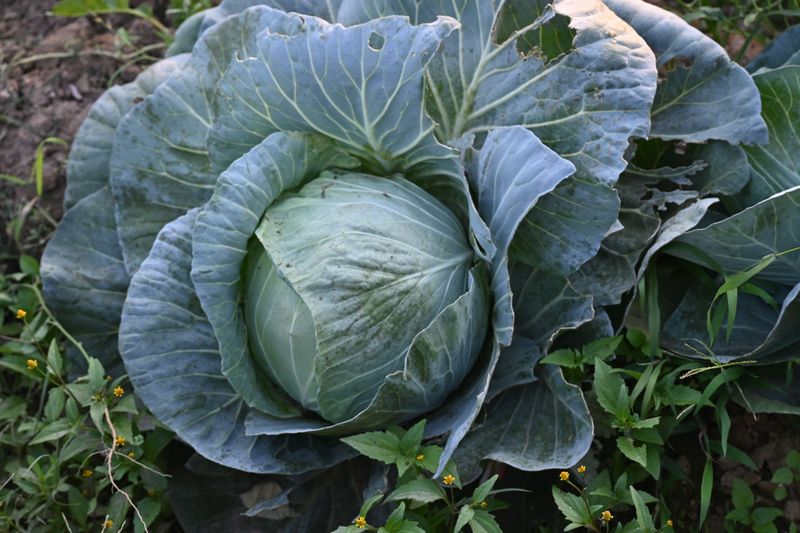
Cabbage is tough, reliable, and one of the most satisfying crops to pull from a northern garden. That solid, heavy head feels like a real reward after weeks of waiting.
Most cabbage varieties take 70 to 120 days depending on the type. Early varieties like Primo or Parel finish fastest and beat the summer heat handily.
Heads are ready when they feel firm and solid when squeezed. A soft or spongy head needs more time, but a rock-hard one must come out now.
Splitting is the biggest frustration for cabbage growers. Heads crack open when rain follows drought, so consistent watering prevents that costly harvest failure.
Cutting the head and leaving the root in the ground has a bonus. The stub often sprouts several small secondary heads worth harvesting a few weeks later.
Red cabbage takes longer than green but offers more sweetness and a stunning color. It also stores longer after harvest, which is a practical bonus.
Cabbage handles light frost without flinching and actually sweetens after a cold snap. This makes it a perfect candidate for both spring and fall planting cycles.
Storing whole heads in a cool basement or root cellar extends freshness for months. Wrap them loosely in newspaper and keep them between 32 and 40 degrees.
Pests like aphids and cabbage loopers are the main threats to watch for. A strong water spray knocks aphids off leaves and keeps populations manageable without chemicals.
5. Cauliflower
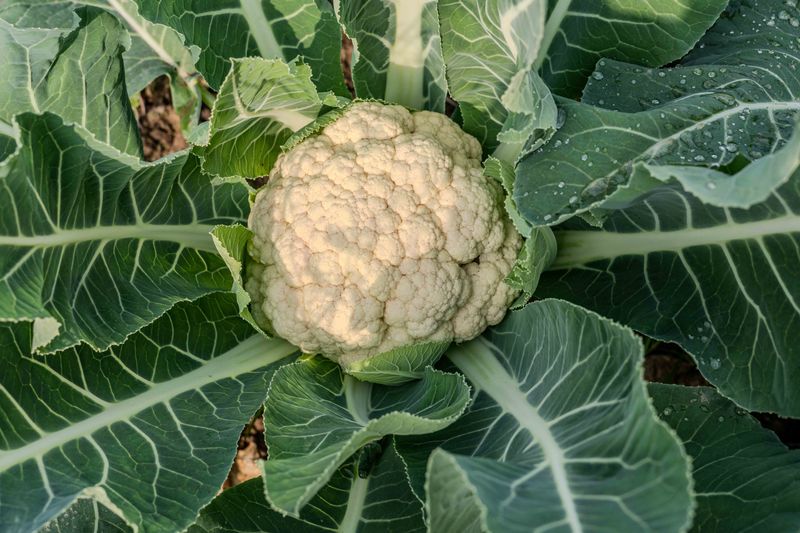
Cauliflower is the diva of the cool-season garden, and it earns that reputation. It demands consistent temperatures, steady moisture, and perfect timing to deliver a beautiful white head.
Too much heat causes loose, ricey curds that look more like a failed science experiment than a vegetable. Timing the harvest before summer heat arrives is critical.
The process called blanching protects cauliflower curds from turning yellow or purple. Tie the outer leaves over the head when it reaches about two inches across.
Heads are ready for harvest seven to twelve days after blanching begins. Check daily because they go from perfect to overgrown surprisingly fast in warming spring weather.
Cut the head with about two inches of stem attached for easiest handling. A sharp knife makes a clean cut that keeps the remaining plant healthier.
Cauliflower transplants need to go out four to six weeks before the last frost. Cold-hardened transplants can handle temperatures down to about 26 degrees without damage.
Soil preparation matters enormously for this crop. Cauliflower needs rich, well-draining soil with a slightly acidic pH between 6.0 and 7.0 for best results.
Boron deficiency causes hollow stems and brown curds in cauliflower. A light application of borax to the soil before planting prevents this common and frustrating problem.
Colored varieties like purple or orange cauliflower are more forgiving in warm weather. They also add serious visual drama to any garden bed or harvest basket.
6. Brussels Sprouts
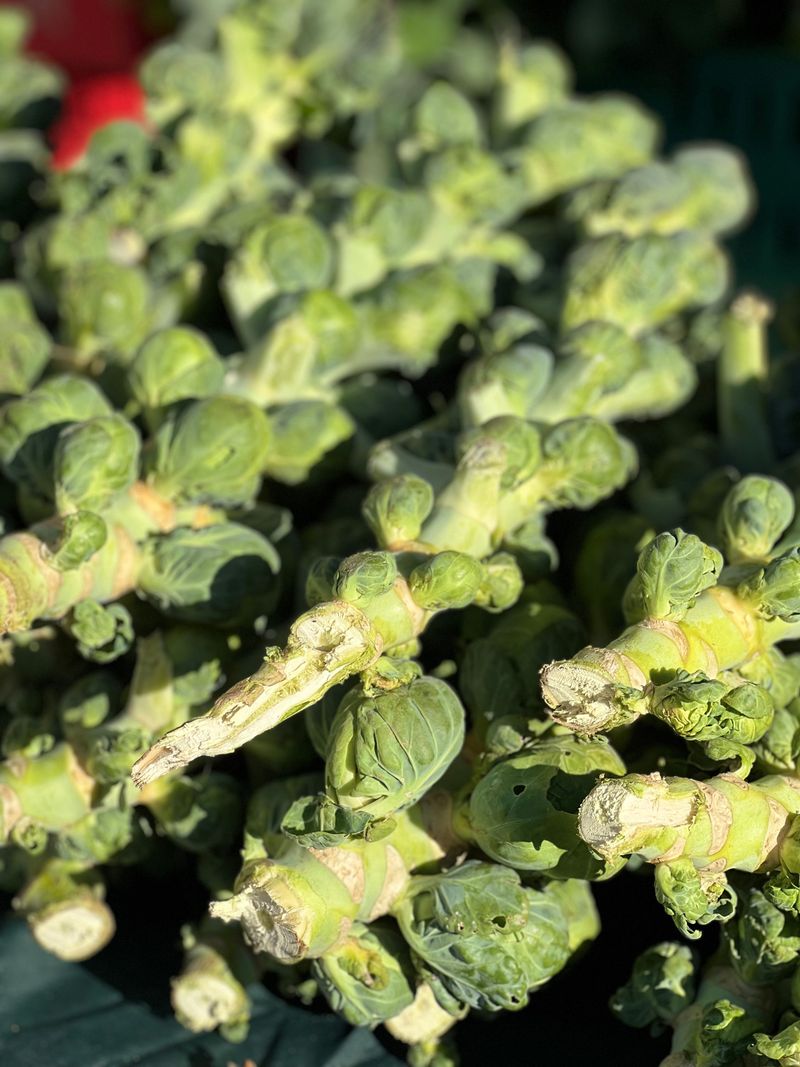
Brussels sprouts are the long-game players of the cool-season garden. They take the longest to mature but reward patient gardeners with one of the most unique harvests possible.
Most varieties need 90 to 110 days from transplant to harvest. That means starting seeds indoors in early March for a late spring to early summer harvest window.
The sprouts develop from the bottom of the stalk upward. Harvest lower sprouts when they reach one to two inches across, firm and tight like tiny cabbages.
Removing the lower leaves as you harvest encourages the upper sprouts to size up faster. It also improves airflow and reduces the chance of fungal problems developing.
One trick many Minnesota gardeners swear by is pinching the growing tip of the plant. Doing this about a month before your target harvest date pushes energy into the sprouts.
A light frost dramatically improves Brussels sprout flavor by converting starches to natural sugars. Sprouts harvested after a frost taste noticeably sweeter and nuttier than those taken before.
Consistent, deep watering is essential for developing large, firm sprouts. Shallow watering leads to small, loose sprouts that disappoint at the dinner table.
Aphids love Brussels sprouts and can colonize a stalk quickly. Check the undersides of leaves weekly and blast clusters off with a firm stream of water.
Of every crop on this list, Brussels sprouts demand the earliest start by far.
7. Radishes
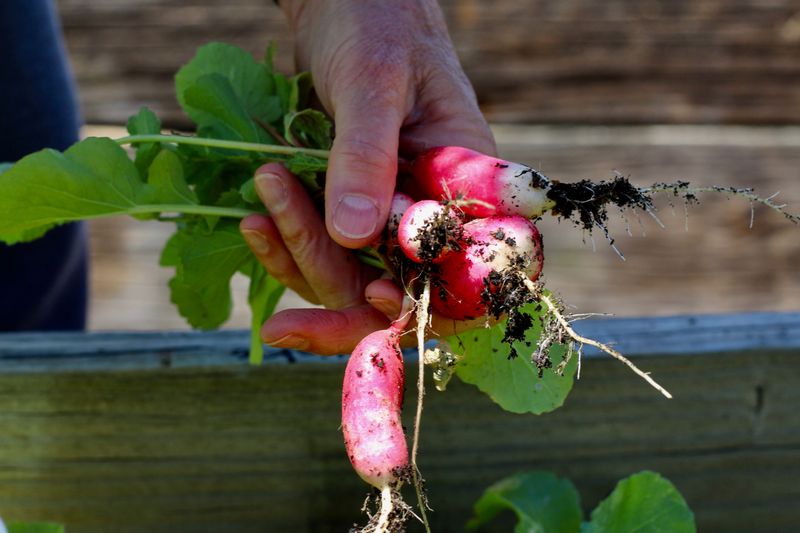
Radishes are the ultimate instant-gratification crop for impatient gardeners. Some varieties go from seed to harvest in just 22 days, which feels almost like magic.
Their speed makes them perfect for filling gaps between slower crops in the garden. Tuck them between broccoli transplants and harvest them before the broccoli even needs the space.
The key to crisp, mild radishes is harvesting at exactly the right time. Left in the ground too long, they turn pithy, hollow, and almost unbearably spicy.
Check your radishes starting at day 20 by gently brushing soil away from the top. If the shoulder of the root is about an inch wide, pull one and taste it.
French Breakfast radishes are longer and milder than round varieties. They also tolerate slightly warmer soil before turning hot, giving you a few extra harvest days.
Daikon radishes take longer, around 60 days, but are far more heat-tolerant than their small cousins. They are worth growing for a late spring harvest in northern gardens.
Watering radishes consistently prevents cracking and keeps the flesh crisp. Uneven moisture is the number one cause of split, disappointing roots at harvest time.
Succession planting radishes every 10 days keeps a continuous supply coming through spring. Plant a short row, wait 10 days, plant another, and enjoy fresh radishes for months.
Radishes are also excellent companion plants for squash and cucumbers. Their scent is said to repel certain beetles, making them one of the hardest-working crops in any garden.
8. Peas
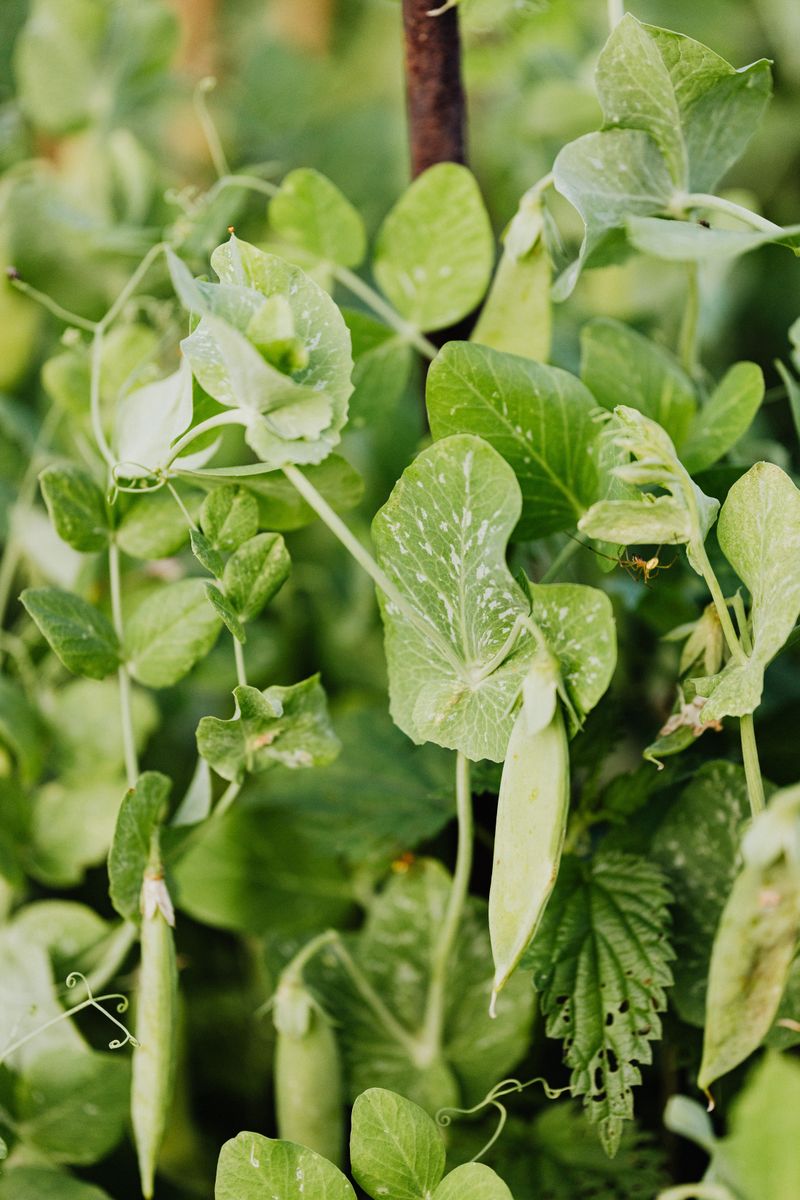
There is nothing quite like eating a fresh pea straight off the vine in a cool spring garden. That pop of sweetness is one of the purest pleasures in home growing.
Peas are a cold-weather crop that genuinely needs to be planted early. Seeds go directly into the ground as soon as the soil can be worked, often in late March.
Sugar snap peas are the most popular type for home gardens because the whole pod is edible. No shelling required means faster harvesting and no waste from the harvest basket.
Shell peas have a shorter harvest window since the pods toughen fast. Check them daily once pods start swelling and harvest before the seeds inside get too large.
Snow peas are harvested while pods are still flat and before seeds form. These are incredibly tender and perfect for stir-fries, salads, and quick snacking straight from the vine.
Peas need a trellis or support structure to climb. Even bush varieties benefit from a short fence because it keeps pods off the ground and makes harvesting far easier.
Heat above 80 degrees quickly stops pea production. Once temperatures climb, flowers drop without setting pods and your harvest window closes fast.
Inoculating pea seeds with rhizobium bacteria before planting boosts nitrogen fixation and yield. This simple and inexpensive step can noticeably increase both plant health and pod production.
Don’t wait on a full trellis to start picking, peas won’t wait either.