The Native Georgia Vine Gardeners Are Using To Cover Chain Link Fences
A chain link fence does not have to stay the most noticeable part of your yard. Many people try to hide it with privacy screens or expensive fencing, but there is a much more natural solution.
The right vine can soften that harsh metal look while adding flowers, color, and seasonal interest. Choosing the right plant from the beginning also means less frustration as it grows and fills in over time.
Instead of reaching for a fast-spreading invasive vine, consider one that naturally belongs in your region. Native plants often fit better into the landscape because they are adapted to local growing conditions and support nearby wildlife.
Gardeners throughout Georgia are turning to one native vine that climbs beautifully without sacrificing visual appeal.
It transforms plain fences into living backdrops, attracts valuable pollinators, and creates a landscape that looks more established with every growing season.
1. Crossvine Is The Native Vine Behind The Trend
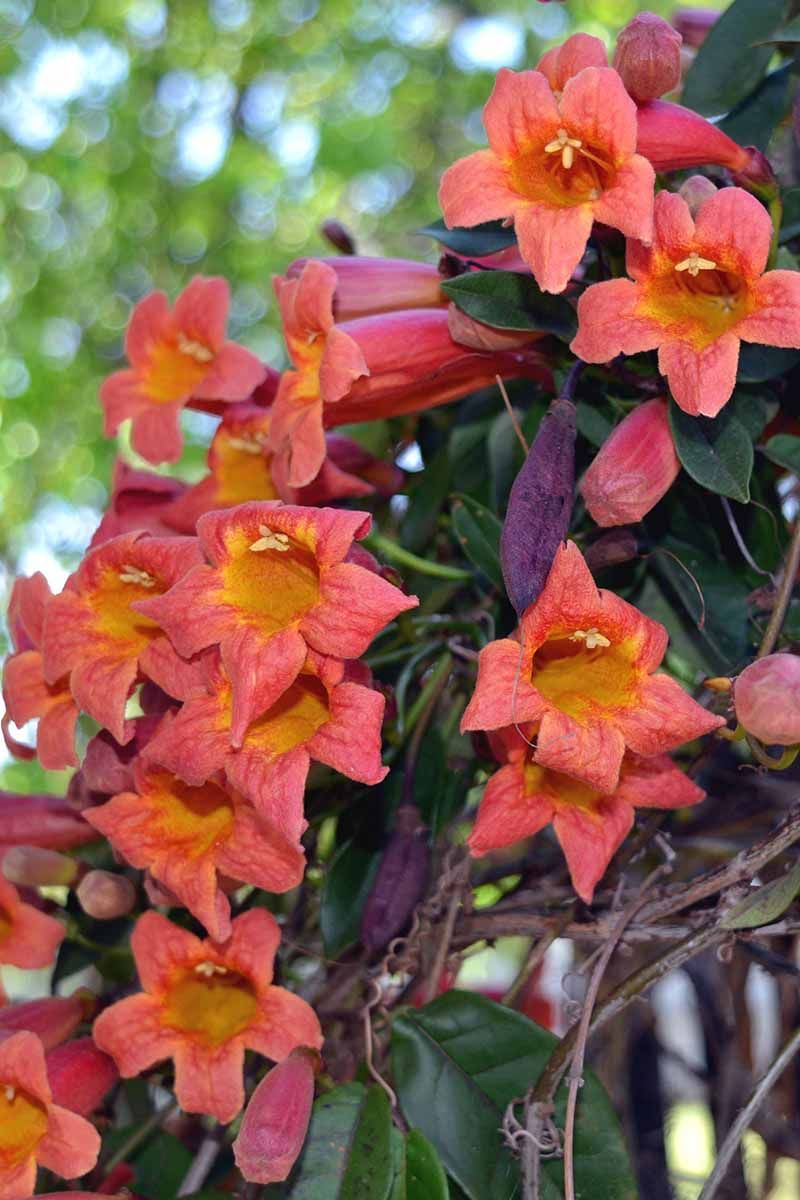
Crossvine earns its name from the cross-shaped pattern you see when you cut the stem. Native to the southeastern United States, it has been growing wild along forest edges and fence lines long before anyone called it a garden trend.
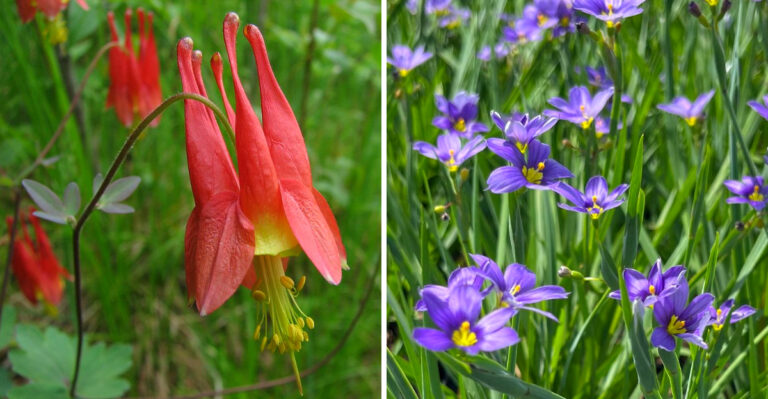
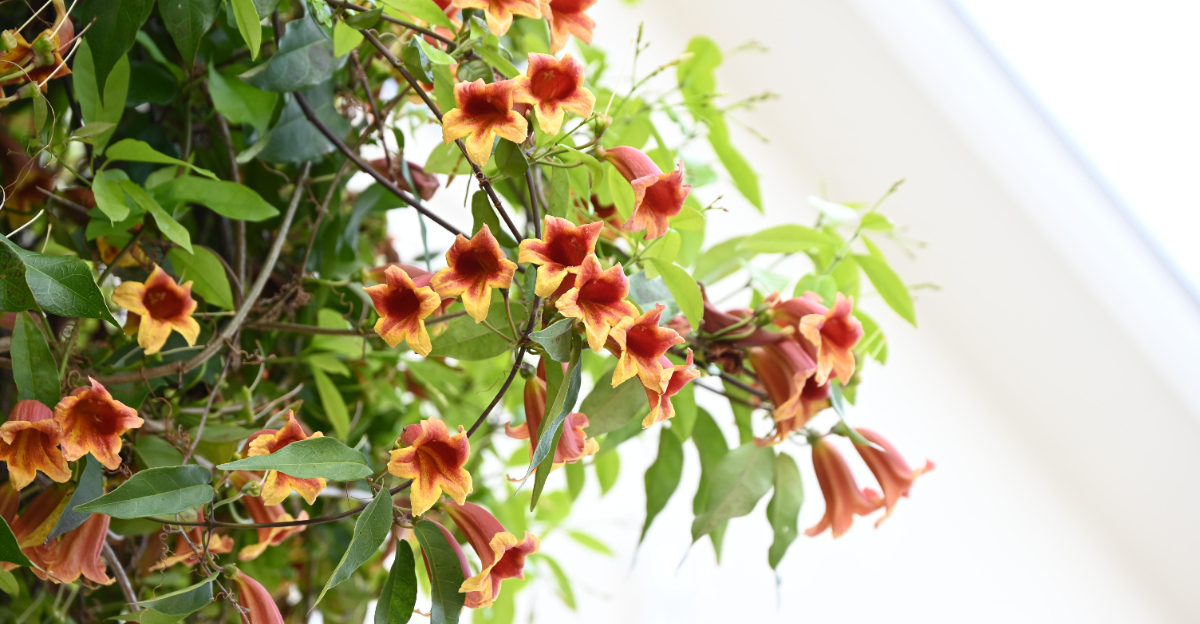
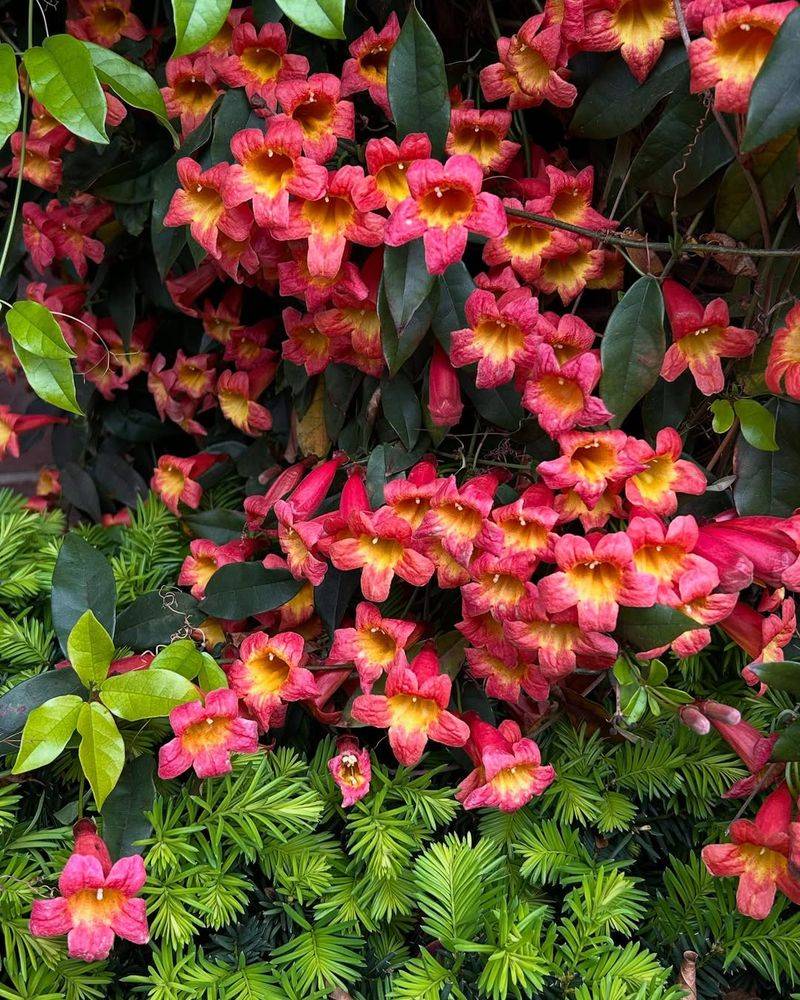
Bignonia capreolata is the scientific name, and it belongs to a family of plants known for bold, tubular flowers. Blooms appear in spring and range from deep red-orange to softer yellow tones depending on the variety.
Hummingbirds visit frequently during peak bloom.
Unlike invasive vines that take over everything in sight, crossvine stays relatively manageable with occasional pruning. It does not send out runners underground or reseed aggressively across the yard.
Gardeners in Georgia and surrounding states have started favoring it over non-native options like wisteria or English ivy. Both of those can cause real problems in local ecosystems.
Crossvine supports native wildlife without creating those headaches.
It is semi-evergreen in most of the South, meaning it holds its leaves through mild winters and only drops foliage during sharp cold snaps. That quality keeps fences covered for a longer portion of the year compared to fully deciduous vines.
Nurseries across the region have seen demand pick up noticeably in recent years. More gardeners are asking specifically for native options, and crossvine checks nearly every box they are looking for.
2. Choose A Sunny Location Before Planting
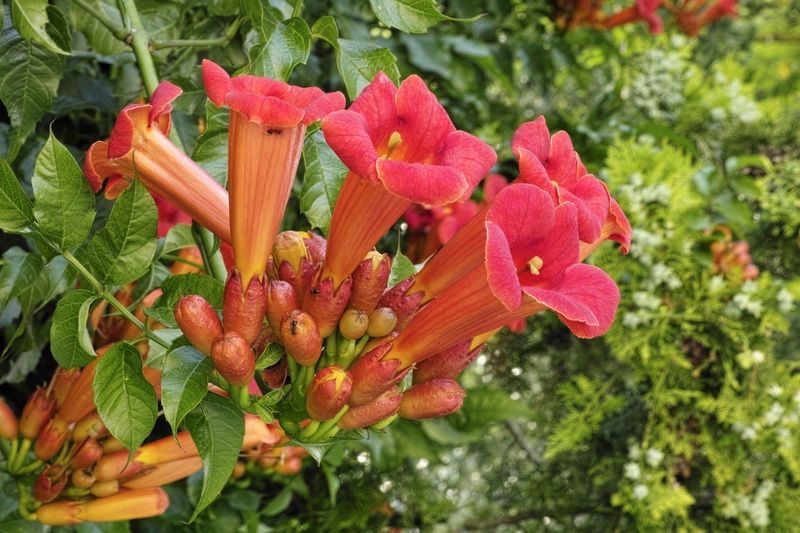
Sunlight is non-negotiable for crossvine to perform well. Plant it somewhere that gets at least six hours of direct sun daily, and it rewards you with dense coverage and heavy blooms each spring.
Partial shade is workable, but expect thinner growth and fewer flowers when light is limited. Spots under large trees or beside structures that cast long shadows tend to produce vines that look sparse rather than lush.
South-facing and west-facing fence lines usually get the most consistent sun exposure throughout the day. Before picking your planting spot, spend a morning watching where sunlight hits your yard and for how long.
Chain link fences in open yards or along property borders often sit in full sun, which makes them ideal locations. That combination of structure and light gives crossvine everything it needs to establish quickly.
Your Georgia Garden Changes Every Week. Your Plan Should Too.
Gardening in Georgia changes quickly throughout the season. Every Friday you’ll receive a simple weekly plan showing exactly what to plant, prune, fertilize, harvest, and protect so you never miss the right timing.
Avoid planting too close to downspouts or areas where water pools after rain. Crossvine tolerates brief wet periods but does not thrive in spots with consistently soggy soil.
Drainage matters just as much as sunlight.
If your fence runs along a driveway or an open lawn edge, those spots usually offer the sun exposure crossvine prefers.
3. Plant In Well Drained Soil
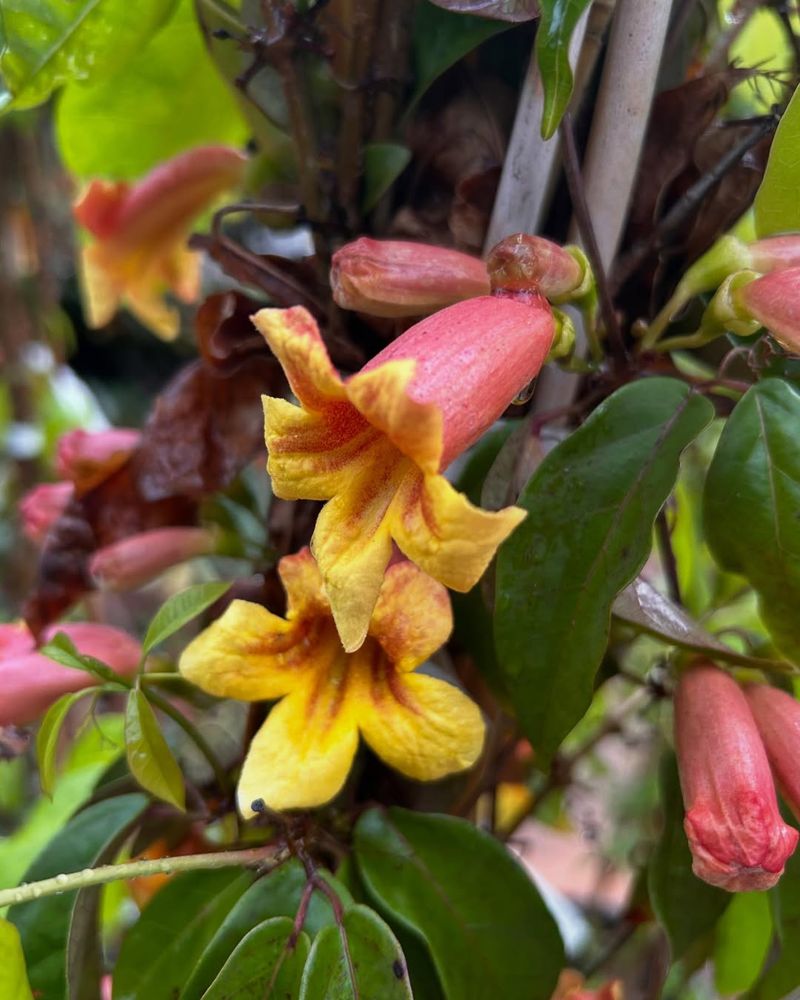
Roots sitting in waterlogged soil struggle to establish, and crossvine is no exception. Well-drained soil gives roots room to spread without rotting, which is especially important during the first growing season.
Georgia soils vary widely depending on where you live. Red clay is common in the Piedmont region and can hold water longer than crossvine prefers.
Mixing in compost or coarse sand before planting helps loosen clay and improve drainage noticeably.
Sandy soils in the coastal plain drain quickly, sometimes too quickly. Adding compost to sandy ground helps retain just enough moisture to support young roots without waterlogging them.
Crossvine is not fussy about soil pH and grows in a fairly wide range from slightly acidic to near neutral. A basic soil test from your local extension office can confirm whether your ground needs any adjustment before planting.
Raised planting beds along fence lines are worth considering if your yard has persistent drainage issues. Elevating the root zone even a few inches above the surrounding grade can make a real difference in how well the vine establishes.
Dig the planting hole about twice as wide as the root ball and no deeper than the container it came in. Backfill with the original soil mixed with compost.
Firm the soil gently around the roots and water in thoroughly right after planting to settle everything in place.
4. Chain Link Gives Crossvine An Easy Climbing Surface
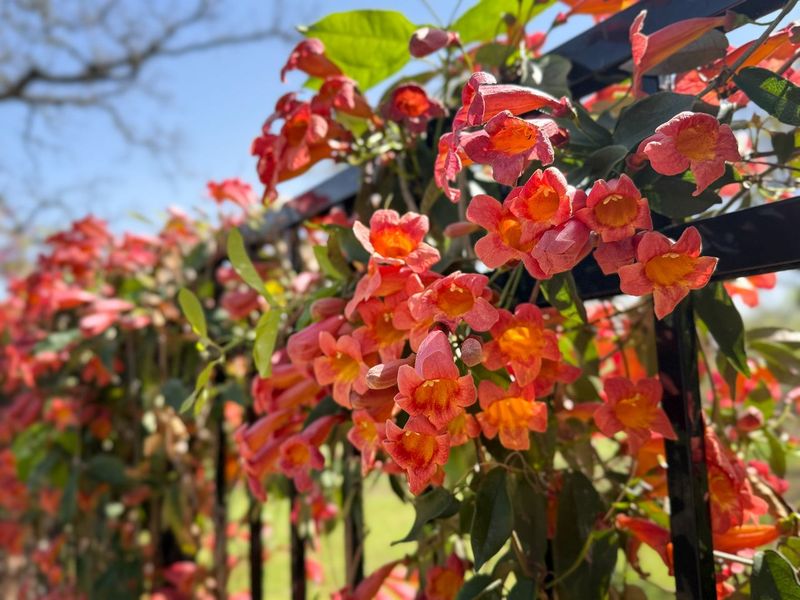
Crossvine climbs using small adhesive discs called holdfasts. These disc-like structures grip onto surfaces without needing to be tied or guided the way some other vines do.
Chain link fencing happens to be one of the best surfaces for these holdfasts to grab. The open grid pattern gives tendrils multiple contact points, allowing the vine to spread evenly across the fence rather than bunching in one area.
Wooden fences and smooth surfaces like painted walls require more manual guidance. Chain link eliminates much of that effort because the structure itself does the work of supporting the vine as it climbs.
Within one growing season, crossvine can cover a surprising length of fence. Growth rate depends on sunlight, soil quality, and how consistently the plant gets water during dry stretches.
Under good conditions, several feet of coverage per season is realistic.
The holdfasts do leave small marks on surfaces they grip, which is worth knowing if you ever plan to repaint or refinish the fence.
On chain link, that rarely matters since the metal is usually left bare or coated with a protective finish already.
Watching the vine find its way across the fence links is genuinely satisfying. New growth reaches out, grabs a wire, and locks in.
5. Water Deeply During The First Growing Season
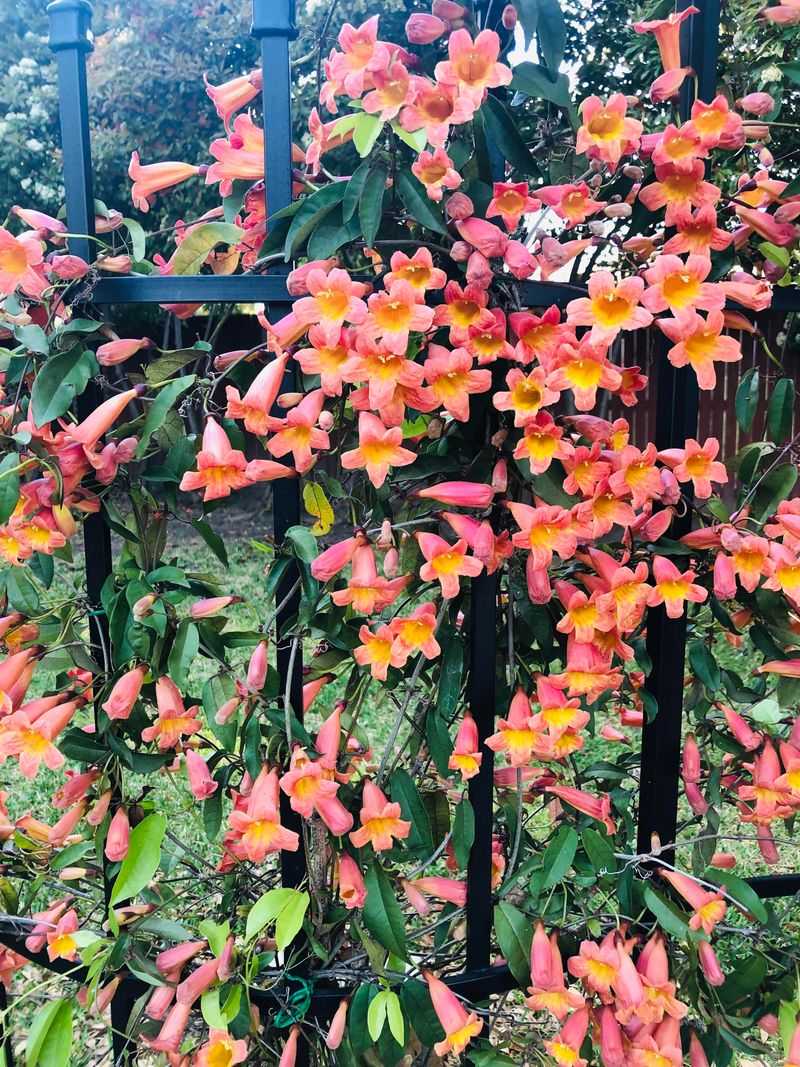
New plants need consistent moisture to build a strong root system. Watering deeply once or twice per week works better than light daily sprinkles that only wet the surface and never reach the deeper roots.
During Georgia summers, heat and humidity can be intense. Young crossvine plants feel that stress more than established ones.
Keeping soil evenly moist but not soggy through the hottest months gives roots the support they need to spread outward and anchor well.
A layer of mulch around the base of the plant helps hold soil moisture between watering sessions. Two to three inches of wood chip mulch or shredded bark works well.
Keep mulch pulled back slightly from the main stem to allow airflow.
Drip irrigation or a soaker hose set along the fence base is an efficient option if you have a longer run of fence to cover. These methods deliver water directly to the root zone without wetting foliage unnecessarily.
Once crossvine is established, typically after one full growing season, its drought tolerance improves noticeably. Established plants can handle dry spells better than young ones, though supplemental watering during extended dry periods is still helpful.
Watch the leaves for early signs of stress. Slight wilting in afternoon heat is normal on hot days, but persistent wilting in the morning usually signals the plant needs more water.
6. Prune After Flowering To Control Growth
Pruning crossvine at the right time makes a real difference in how the plant looks and how manageable it stays.
Wait until flowering is finished before cutting, which usually means late spring or early summer in most parts of the South.
Cutting too early in the season removes flower buds before they open. Crossvine blooms on growth from the previous year, so timing matters if you want to enjoy the full spring display before reshaping the plant.
After blooming wraps up, trim back any stems that have grown beyond where you want them. Focus on runners that are reaching into areas you do not want covered, like neighboring shrubs, gutters, or overhead structures.
Sharp, clean pruners make the job easier and reduce stress on the plant. Dull blades crush stems rather than cutting cleanly, which can slow recovery and invite problems.
Clean your tools between plants to avoid spreading anything unwanted.
Heavy pruning every few years helps prevent the base of the vine from becoming too woody and dense. Cutting back hard encourages fresh new growth from lower on the plant, which keeps the overall coverage looking full and healthy.
Crossvine generally responds well to pruning and bounces back with new growth within a few weeks. Avoid heavy cutting in late summer or fall, as that timing can reduce next spring’s flower production.
7. Give Crossvine Room To Spread
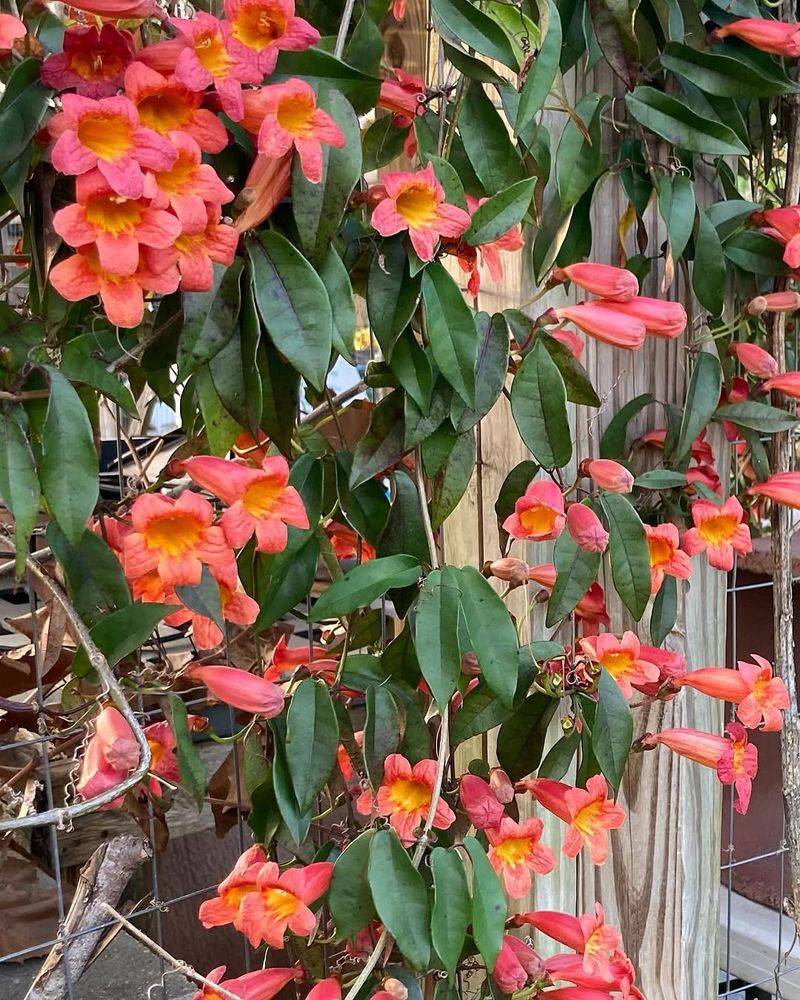
Crossvine is not a small plant. Given the right conditions, a single vine can spread across twenty feet or more of fence over several years.
Planting with that eventual size in mind prevents problems down the road.
Space plants about six to eight feet apart along the fence if you are planting multiple vines. Closer spacing fills in faster but can lead to crowding as plants mature.
Wider spacing gives each vine room to develop without competing heavily for light and nutrients.
Keep crossvine away from structures where unchecked spread could cause issues. Roof overhangs, wooden siding, and window frames are areas worth protecting.
Redirecting stems occasionally as the vine grows helps keep it on the fence where you want it.
Nearby shrubs and small trees can also attract wandering crossvine stems. Checking the plant a few times during the growing season and redirecting or trimming stray growth keeps things tidy without requiring major effort.
In parts of Georgia with long growing seasons, crossvine can put on significant new growth between spring and fall.
That growth rate is part of what makes it so effective at covering fences quickly, but it also means staying attentive during peak growing months.
Giving crossvine adequate room from the start reduces maintenance work later.