What It Really Means When A Fox Shows Up In Your California Yard
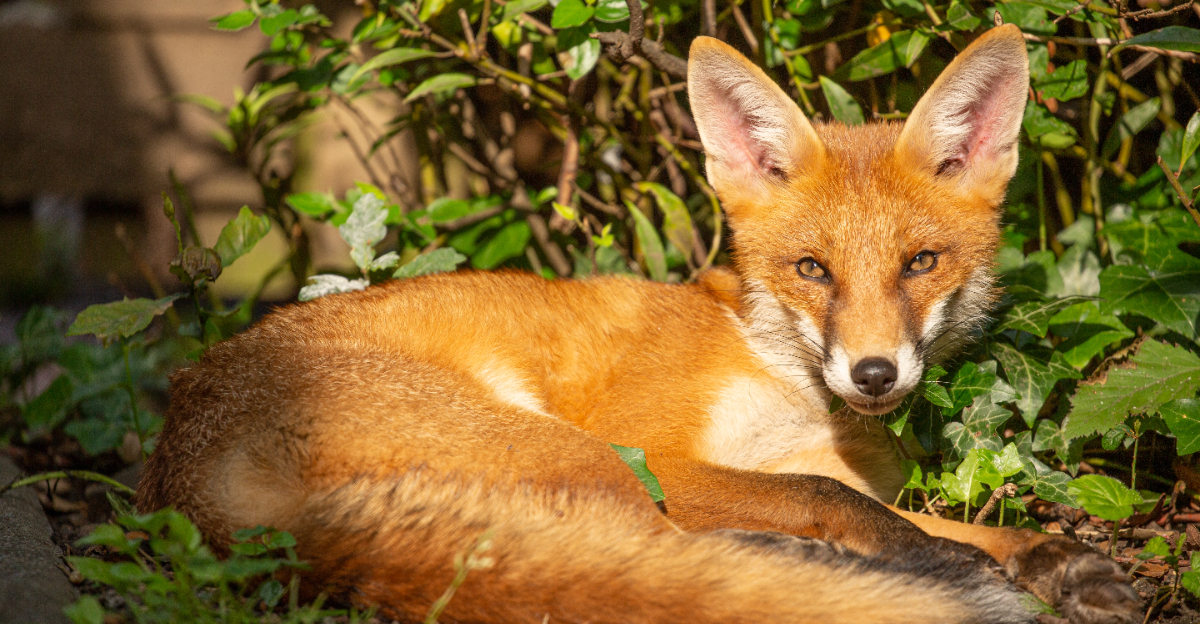
A rust-colored fox trots across your California lawn like it’s checking property lines, and your first instinct is pure alarm.
Surely a wild animal strolling through suburbia signals a problem brewing beneath the surface.
Actually, this scene plays out across California more often than most residents realize. Suburban sprawl keeps pushing into fox territory, and these animals have adapted fast, treating manicured lawns and quiet cul-de-sacs as prime real estate.
Fox sightings rarely signal trouble, since these animals are cautious by nature and generally avoid confrontation with humans.
Figure out what drew this particular visitor, and you decide what happens next: roll out the welcome mat, or close up shop.
Foxes Search Yards For Easy Food, Water, And Shelter
Foxes are opportunists, plain and simple. When a yard offers food, water, or a cozy hiding spot, a fox will notice fast.
Think about what your California yard might look like through hungry eyes. A dripping hose, a bowl of pet food left outside, or a low deck with space underneath sends a clear invitation.
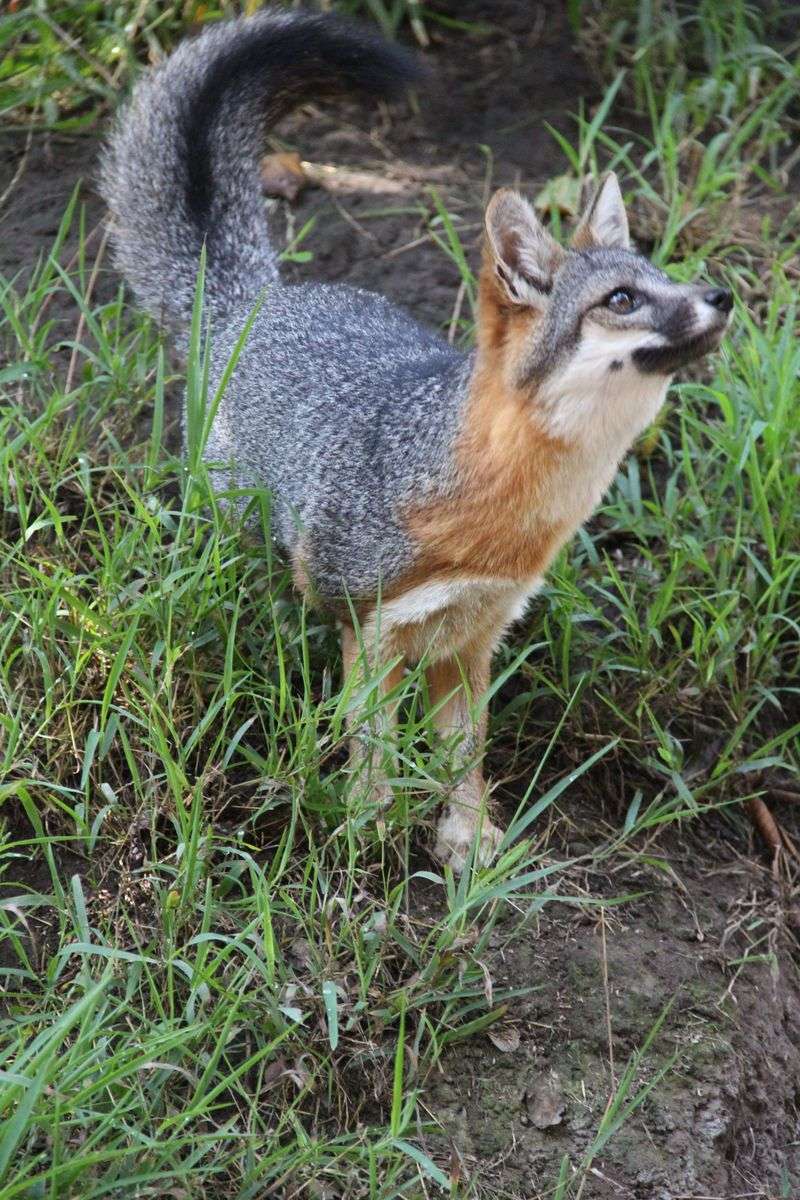
Gray foxes are especially common in California neighborhoods. They are smaller than red foxes and incredibly skilled at squeezing into tight spaces like brush piles or under raised structures.
Water is often the biggest draw, especially during dry summer months. A birdbath, a leaky spigot, or even a puddle can become a fox watering hole overnight.
Shelter is the third magnet pulling foxes toward your space. Dense shrubs, woodpiles, and sheds all offer the kind of cover a fox craves for resting or raising pups.
Once a fox finds all three needs met in one yard, it will return again and again. Breaking even one of those habits can shift the pattern entirely and send your visitor searching elsewhere.
Timing plays a role too. Foxes tend to move through neighborhoods at dawn and dusk, so a yard that looks calm and unattended during those windows becomes a natural checkpoint on their route.
Noise and scent matter just as much as physical setup. A yard that stays quiet, with no dogs barking or motion-triggered lights, reads as safe territory a fox can revisit without much risk.
Urban Expansion Pushes Foxes Into Closer Contact With Neighborhoods
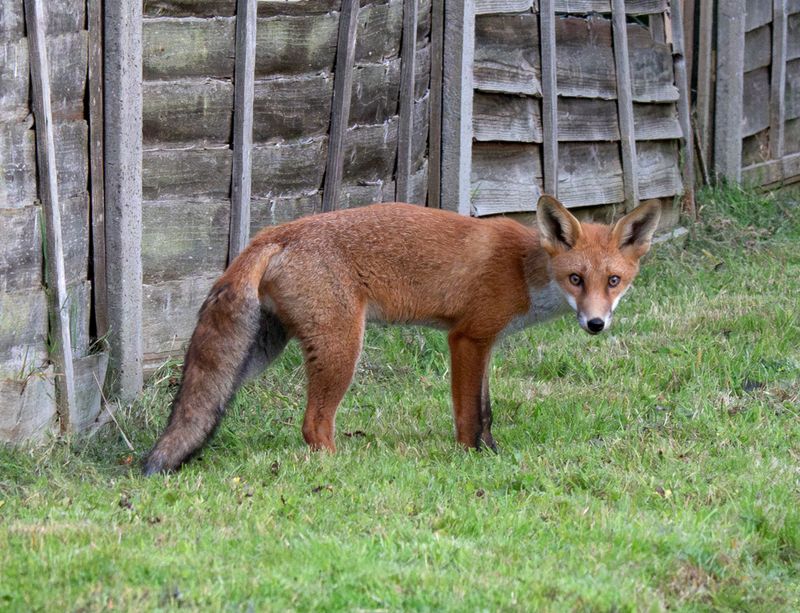
California has been building outward for decades, and that growth has consequences for wildlife. Foxes that once roamed open hills now find themselves surrounded by cul-de-sacs and fences.
As natural habitat shrinks, foxes adapt rather than disappear. They move into the spaces available, which increasingly means residential streets, parks, and backyards near the edges of town.
This is not aggression or confusion on the fox’s part. It is survival, and foxes are remarkably good at it.
Wildlife officials in California have noted growing fox activity in suburban zones over the past two decades. Proximity to humans no longer scares them the way it once did.
Younger foxes, especially those born in semi-urban dens, grow up treating neighborhoods as normal habitat. To them, a yard full of grass and garden beds is just another patch of territory.
Your California Garden Changes Every Week. Your Plan Should Too.
Gardening in California changes quickly throughout the season. Every Friday you’ll receive a simple weekly plan showing exactly what to plant, prune, fertilize, harvest, and protect so you never miss the right timing.
If you live near open space, a canyon, a creek bed, or a hillside, your yard sits at the edge of their natural range. A visit from your rust-coated neighbor is almost inevitable, and honestly, fascinating to witness.
Roads and development fragment fox territory into disconnected patches. A fox with once-continuous range now threads between yards and parking lots just to reach the next patch of habitat.
This fragmentation pushes foxes to get creative about denning sites. A quiet corner under your deck or a neglected shed can look surprisingly similar to the rocky outcrops and burrows they’d use in the wild.
Foxes Are Naturally Curious And Adapt Quickly To Human Spaces
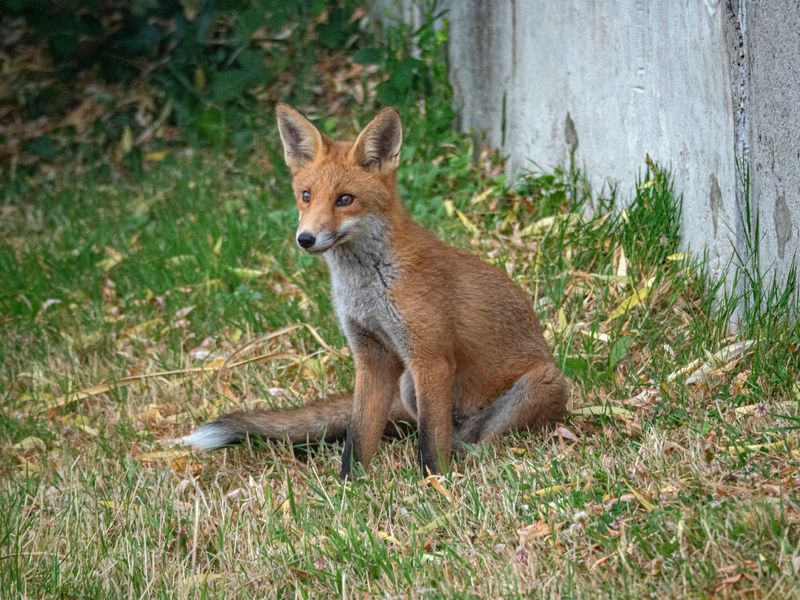
Foxes are wired to explore. Their brains are constantly scanning for new opportunities, and a freshly mowed lawn or a newly planted garden bed is basically an open invitation to investigate.
Unlike deer or coyotes, foxes tend to move slowly and methodically through a space. They sniff, pause, observe, and then decide if something is worth a closer look.
That behavior can feel unnerving when you spot one staring at you from across the yard. But that steady gaze is curiosity, not a threat assessment.
Foxes also learn fast. If a fox finds that your California yard is safe and rewarding on Monday, it will be back by Wednesday with a mental map already drawn.
This adaptability is part of what makes foxes so successful in changing landscapes. They update their routines based on what works, which is a level of intelligence most people do not expect from a wild animal.
Interestingly, foxes in neighborhoods often shift their activity to avoid peak human hours, becoming more nocturnal than their rural counterparts. They learn when humans are indoors, when dogs are napping, and when the coast is clear.
Camera traps set up in suburban yards often catch the same fox returning at nearly identical times, night after night. That kind of routine isn’t luck, it’s a habit built on weeks of testing what your property allows.
A Fox Sighting Rarely Signals Danger To People Or Pets
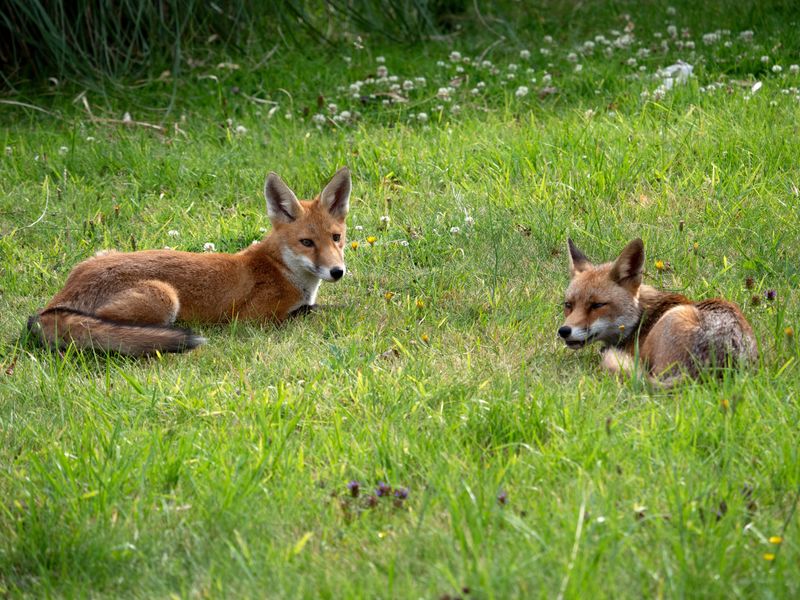
Seeing a fox in your yard can spike your anxiety fast, especially if you have kids playing outside or small pets roaming around. But the truth is, healthy foxes almost never approach people with any aggression.
Foxes are naturally timid around humans. A fox that sees you will usually freeze, then trot away calmly once it registers that you are watching.
The main concern is a fox that appears disoriented, stumbles, or acts bold without any apparent fear. Those behaviors can signal illness, and that is when you should contact local animal control.
For most sightings, though, the fox is just passing through. It is hunting rodents, checking out smells, or cutting through your yard as part of a wider nightly route.
Large dogs are generally not at risk from a fox encounter. Foxes weigh between five and fifteen pounds on average, and they know better than to challenge something bigger.
Small pets left outside unsupervised at dawn or dusk carry a slightly higher risk. Bringing them in during low-light hours removes almost all concern.
Rabies remains rare among California fox populations. Daytime aggression toward people or pets, though, is worth a call to local wildlife authorities right away.
Small Pets And Unsecured Trash Can Attract Repeated Visits

If a fox keeps coming back to your yard, something specific is drawing it in. Two of the most common culprits are small outdoor pets and garbage that is not locked down tight.
Rabbits, guinea pigs, and chickens kept in outdoor enclosures are high on a fox’s radar. Even if the animal cannot get inside the enclosure, the scent alone is enough to trigger repeated scouting trips.
Trash cans with loose lids or bags left out overnight are another big draw. Foxes are nose-first creatures, and food odors travel farther than you might think.
Compost bins without secure covers are equally tempting. Fruit scraps, vegetable peels, and meat remnants are basically a free buffet sign posted in your yard.
The pattern becomes a problem when a fox starts associating your property with consistent rewards. Once that mental connection forms, casual visits turn into a nightly routine that is harder to break.
Fencing gaps and gate latches deserve a second look too, since a fox that squeezes through once will keep testing the same weak point. Even a small opening near ground level can become a nightly entry point once discovered.
Secure trash, reinforce pet enclosures with hardware cloth, and move compost to a sealed container. These small changes send a clear message: the easy meals stopped, and it’s time to search elsewhere.
Simple Yard Changes Discourage Foxes From Returning
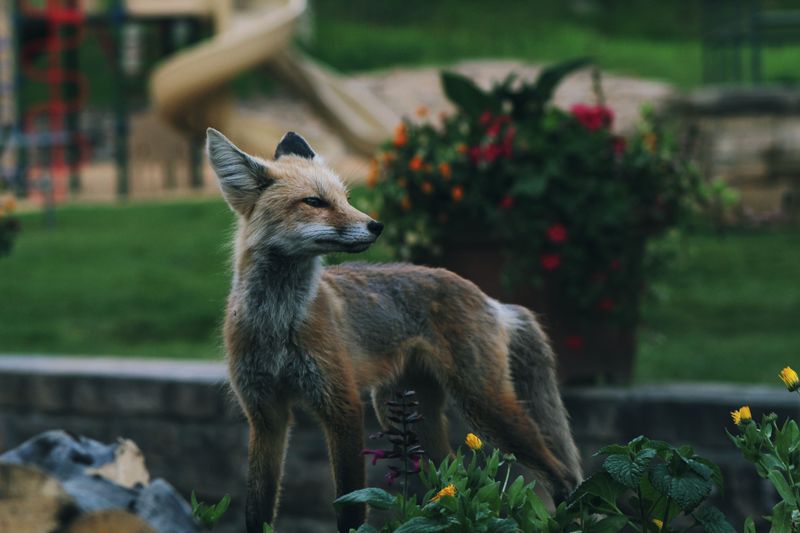
You do not need traps, poisons, or a wildlife removal crew to handle a fox situation. A handful of smart yard adjustments can shift the dynamic quickly and humanely.
Motion-activated sprinklers are one of the most effective tools available. A sudden burst of water startles a fox without harming it, and most animals learn to avoid the zone after a few encounters.
Bright lights triggered by movement work in a similar way. Foxes prefer to operate in low light, so a well-lit yard becomes far less appealing almost immediately.
Sealing off the undersides of decks and sheds removes potential den sites. Use hardware cloth or lattice panels to block access points, and check for existing dens before closing anything off.
Natural deterrents like commercial fox repellent sprays can be applied along fence lines and garden borders. These products use scent to signal that the territory is already claimed, which foxes take seriously.
Trimming overgrown shrubs and clearing brush piles eliminates hiding cover. A tidier yard simply feels less safe for a fox to linger in.
A tidy yard changes the equation fast. Strip away the easy food, standing water, and shelter, and your rust-coated visitor starts scouting a more accommodating address down the street.