More California Counties Are Restricting These Garden Plants Homeowners Still Buy
Some of the most familiar plants at the garden center carry a hidden reputation. They look lovely in a nursery pot, thrive with little care, and often sit right beside the register.
Beyond the backyard fence, however, a few of these favorites behave very differently.
Wind, birds, water, and even passing shoes can carry them far from home, sometimes into places that struggle to recover.
State experts and conservation groups keep close watch on the worst offenders, and a handful now face legal limits.
Fortunately, California’s own native plants offer plenty of handsome stand-ins.
A little homework before checkout can keep a garden beautiful while protecting the wild hills, creeks, and coastlines just beyond it.
1. Pampas Grass Is Widely Discouraged
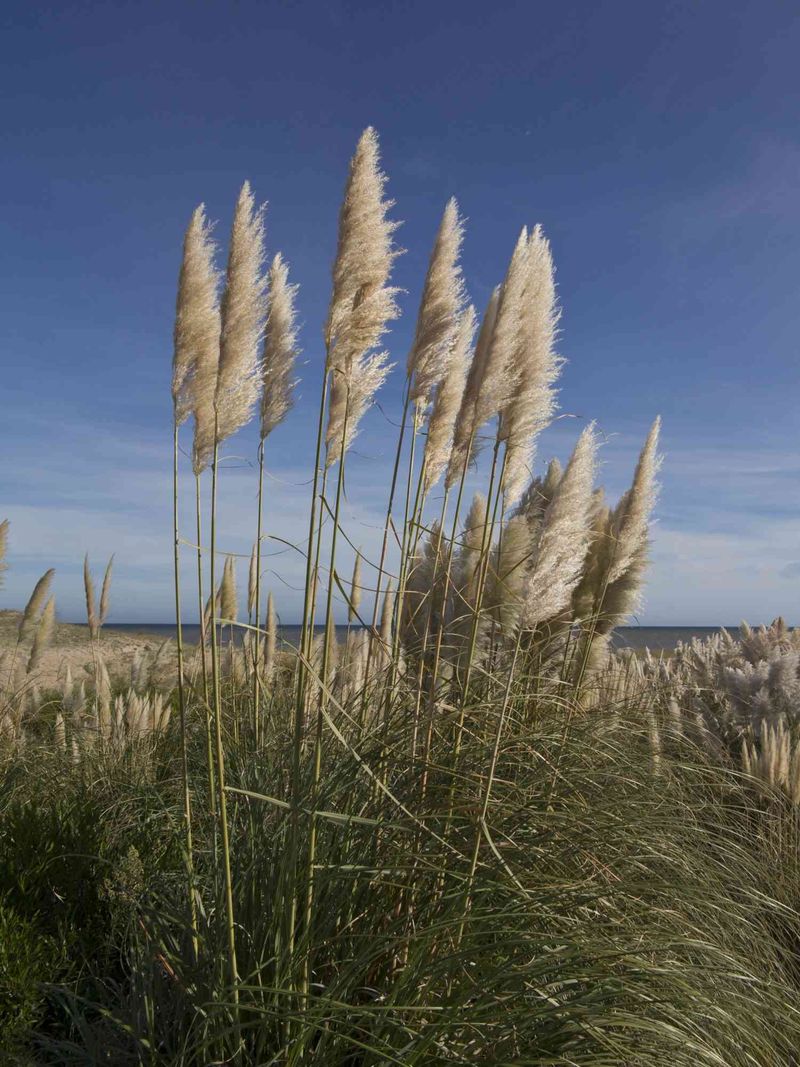
Big white plumes look stunning in wedding photos. Along the California coast, though, they signal trouble, since a single plant can release huge numbers of tiny, fluffy seeds that ride the wind for miles.
Cal-IPC gives pampas grass, Cortaderia selloana, its High rating, the most serious level on its scale. CDFW includes it on the Don’t Plant Me list, asking homeowners to choose something else.
Escaped clumps pop up on bluffs, roadsides, and logged areas. There, they crowd out native shrubs and grasses.
The leaves bring headaches, too. Their edges cut like razors, and old clumps build up dry thatch that can feed wildfires.
Removing a mature plant often takes a shovel, gloves, long sleeves, and plenty of patience.
Some shoppers assume sterile or female-only plants are safe. Pampas grass can still cross with nearby plants, so seeds may appear anyway, and its cousin, jubata grass, spreads in a similar way along the coast.
Giant wildrye offers that bold, fountain-like shape instead. CDFW suggests this California native, with blue-green leaves and tall seed stalks.
It handles drought well once settled and gives birds a place to hide. Deer grass makes another strong pick, with graceful arching stems that catch the light beautifully.
Either one fills the spot once planned for pampas, keeping the yard dramatic without sending seeds into the hills. Fall planting gives roots a head start with winter rain.
2. Fountain Grass Spreads By Wind Blown Seed
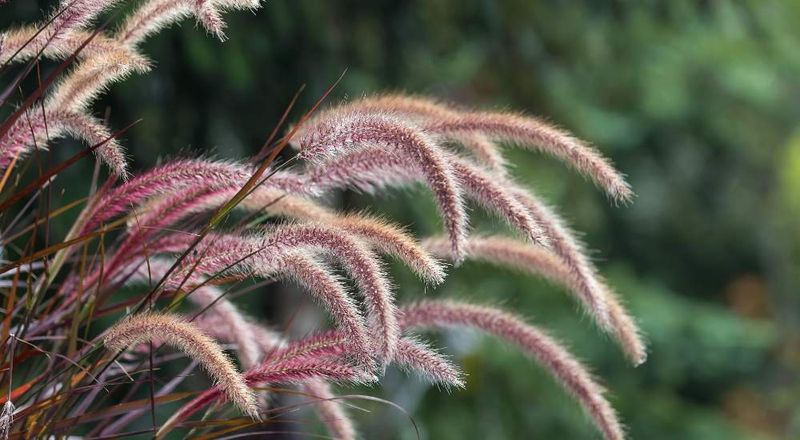
Soft, pinkish tails waving along Southern California canyon roads in late summer often trace back to someone’s front yard. Fountain grass, Pennisetum setaceum, has a real talent for leaving home.
Each fuzzy seed head holds plenty of light seeds with tiny bristles. Wind, cars, animals, and even shoes carry them into dry hillsides and desert washes.
Cal-IPC rates fountain grass Moderate, and CDFW includes it on the Don’t Plant Me list for good reason.
Once loose, the plant forms dense stands that crowd out native wildflowers and bunchgrasses. Those stands leave little room for the seedlings that local wildlife depends on.
Its dry leaves also burn hot, which raises the stakes during fire season. In some deserts, it helps fires spread where they rarely traveled before.
Purple fountain grass is the common red-leaf form sold in garden centers. It usually sets little seed, yet some selections can still produce seedlings.
Your California Garden Changes Every Week. Your Plan Should Too.
Gardening in California changes quickly throughout the season. Every Friday you’ll receive a simple weekly plan showing exactly what to plant, prune, fertilize, harvest, and protect so you never miss the right timing.
Plant tags and a quick question to nursery staff about seed production make a smart habit before buying.
Deer grass makes a lovely native swap. Its slim flower spikes rise like a burst of fireworks, and it shrugs off heat once established.
California fescue offers a softer, blue-gray mound for smaller beds. Both deliver that swishy movement without seeds sneaking off on the next windy afternoon.
Autumn planting helps them settle in before summer heat returns.
3. English Ivy Escapes Into Wild Areas
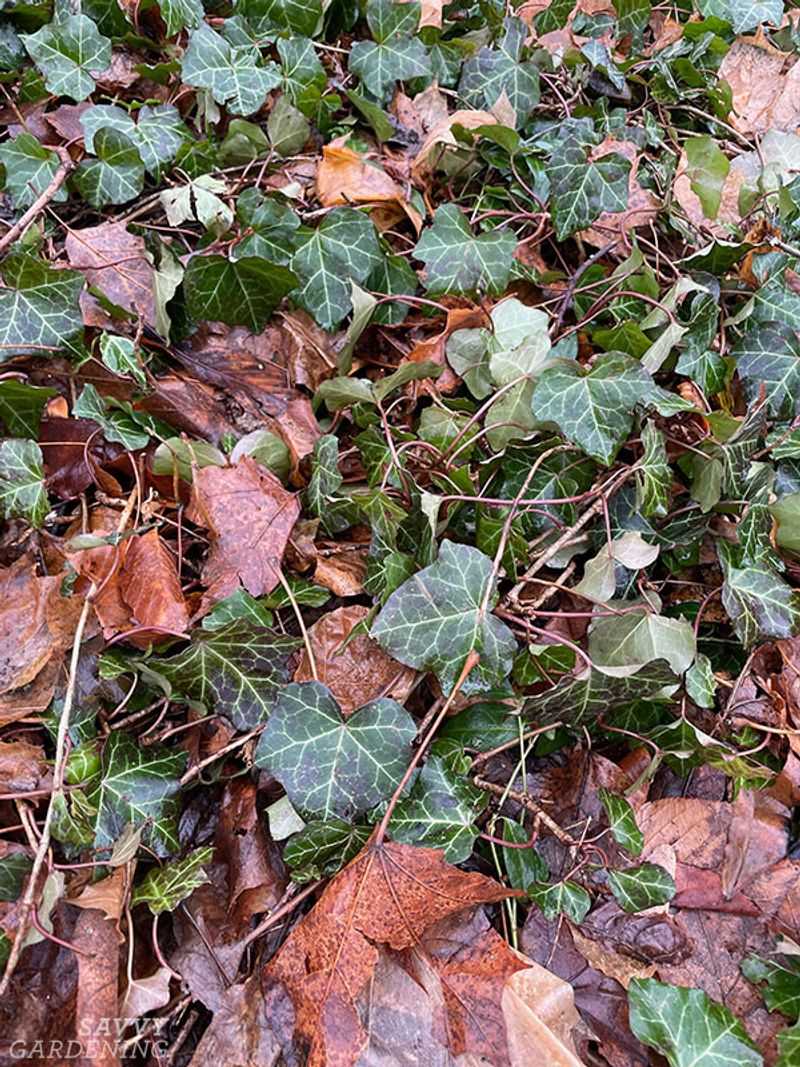
Shady creeks in the Bay Area sometimes reveal tree trunks wrapped in what looks like green sweaters. That cozy appearance hides a real problem, since English ivy, Hedera helix, can blanket the ground and climb straight into the canopy.
Cal-IPC gives English ivy a High rating. CDFW features it on the Don’t Plant Me list, and Cal-IPC guides urge gardeners to choose something else.
The vine spreads two ways: creeping stems that root as they go, and dark berries that birds love to eat.
Birds drop those seeds far from the fence line, sometimes deep in a park or canyon. The ivy then forms thick mats that cover ferns and wildflowers on the forest floor.
Heavy vines also add weight to trees, making them more likely to topple in storms.
Ivy offers shelter to rats, too, which is hardly the wildlife most people hope to attract. Pulling it off fences and walls can fill an entire messy weekend.
Shady spots have better options. CDFW points to alumroot, also called coral bells, as a fine alternative.
Native Heuchera species form tidy clumps of rounded leaves and send up airy pink or white flower stems that hummingbirds visit. Western sword fern or wild ginger nearby creates a lush, layered look.
The result is a green carpet that stays put. Wrestling a vine off the chimney becomes a chore of the past, and fall makes an ideal time for the swap.
4. Big Periwinkle Smothers Native Plants
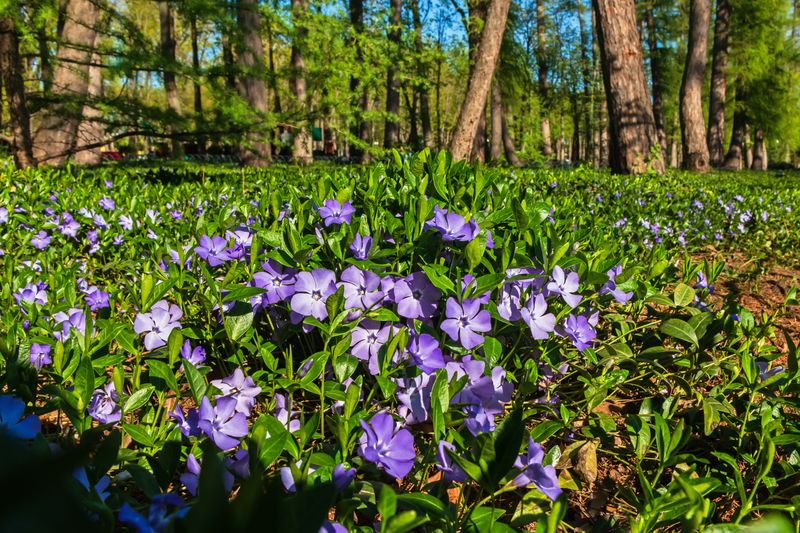
A common mistake starts innocently. A few pots of periwinkle go under a tree because the purple flowers look cheerful, and five years later the patch has crept down the slope and into a nearby creek.
Big periwinkle, Vinca major, earns a Moderate rating from Cal-IPC, and CDFW includes it on the Don’t Plant Me list. It rarely spreads by seed in California.
Instead, long stems arch over and root wherever they touch soil, building a thick tangle.
Bits of stem also break off and float downstream during winter rains. Each piece can root on a new bank and start fresh.
Along streams, the dense mats shade out native seedlings and change the habitat that frogs, insects, and birds depend on.
Clearing an old patch takes steady work. Raked-up stems, dug-out roots, and bagged pieces work far better than tossing material into compost, where it can sprout again.
Frequent follow-up visits catch missed fragments, which return quickly.
CDFW recommends Douglas iris as a lovely replacement. This native forms neat clumps of strappy leaves and blooms in spring in shades of purple, blue, cream, and gold.
It handles part shade and dry summers once roots settle in. Hummingbird sage makes another fine shade partner with a sweet scent.
Both keep the purple pop while giving local creeks a break, especially when planted during cool fall weather.
5. Iceplant Spreads Across Coastal Slopes
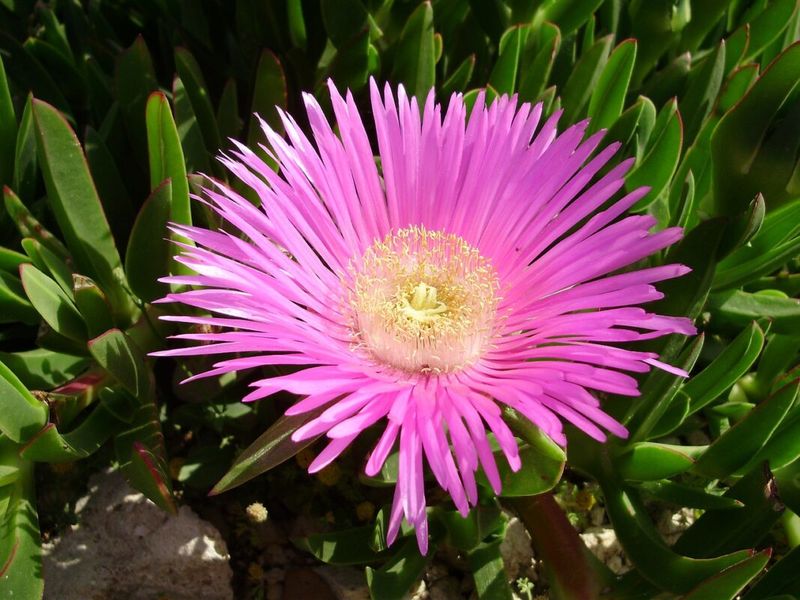
Sunny beach slopes covered in plump, finger-shaped leaves and bright pink or yellow flowers once looked like a smart plan. For decades, highway crews planted that scene on purpose, and now experts spend considerable time and money pulling it out.
Highway iceplant, Carpobrotus edulis, holds a High rating from Cal-IPC and appears on CDFW’s Don’t Plant Me list. It spreads by creeping stems that root as they grow, while animals eat its fruit and scatter the seeds.
On coastal dunes and bluffs, iceplant forms deep mats that bury native plants. Rare dune flowers and the insects that rely on them lose ground fast.
The plant also changes soil chemistry beneath it, making a native comeback harder.
Many people believe iceplant holds slopes together. Its roots stay fairly shallow, though, and the heavy, water-filled leaves can add weight to a hillside.
During big storms, whole mats sometimes slide downhill, taking soil along with them.
Sunny, dry slopes have better choices. CDFW suggests purple sage, Salvia leucophylla, a tough native shrub with silvery leaves and soft lavender flowers that bees adore.
Seaside daisy and coyote brush also work well near the coast. Fall planting lets winter rains help roots settle in.
A slope planted this way looks softer, smells better, and supports far more wildlife than a sea of iceplant. The swap rewards patience with years of easy color.
6. French Broom Invades Open Hillsides
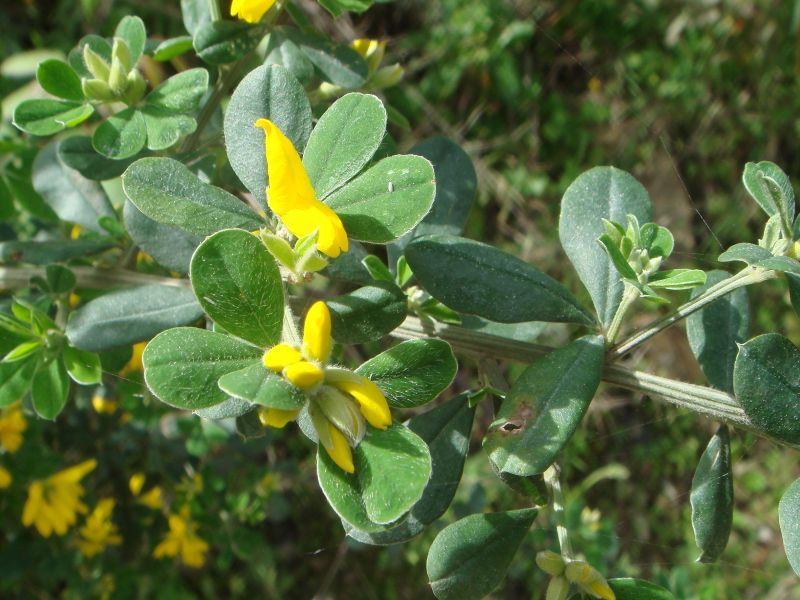
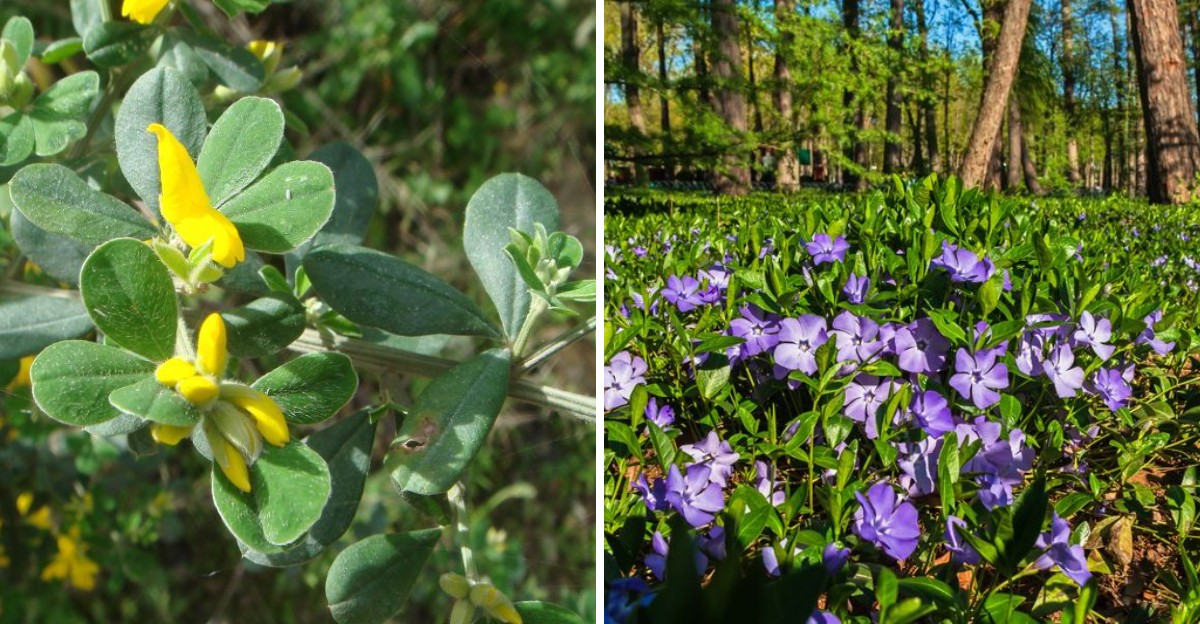
Every spring, some hills near the Bay Area and the North Coast glow bright yellow, looking straight out of a postcard. Sadly, that golden glow often comes from French broom, one of the toughest weeds in the state.
Genista monspessulana carries a High rating from Cal-IPC and appears on CDFW’s Don’t Plant Me list. It also stands apart from the rest of this list for a legal reason.
CDFA lists French broom as a noxious weed, which places it under state rules for sale and movement.
Each shrub produces many small pods. On warm days, the pods snap open and fling seeds away from the plant.
Those seeds can stay viable in the soil for years, so one season of pulling rarely finishes the job.
Broom grows into thick stands that crowd out native grasses, wildflowers, and young oaks. It also burns easily and helps carry fire up hillsides.
Its leaves and seeds make unfriendly snacks for pets and livestock, too.
Sunny color has native alternatives. California flannelbush offers big yellow blooms, while bush poppy brings cheerful golden flowers and thrives on dry slopes.
Ceanothus, often called California lilac, swaps yellow for blue and feeds bees beautifully.
Existing broom comes out most easily when plants are small and soil is moist, with a return visit for new seedlings each year. Fall and winter rains soften the ground, making the next few months a good time to start.
7. Mexican Feathergrass Self Sows Widely
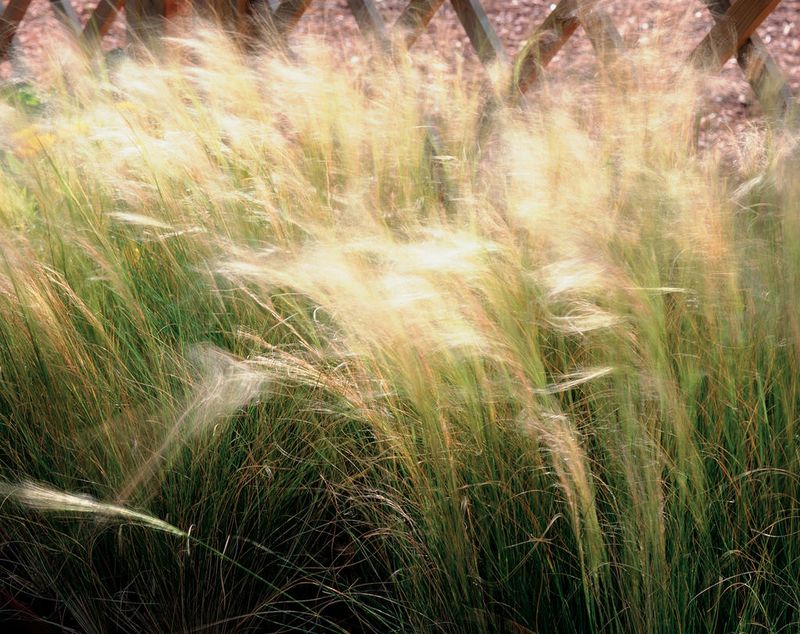
Silky to the touch, much like a pony’s tail, this grass became a star of modern drought gardens. The catch shows up later, when tiny seedlings sprout in gravel, sidewalk cracks, and neighboring yards.
Mexican feathergrass, Nassella tenuissima, is sometimes sold as Stipa tenuissima. It sits on Cal-IPC’s Watch list, which means experts see a strong risk of it becoming a serious invader.
CDFW includes it on the Don’t Plant Me list, and Cal-IPC’s Don’t Plant a Pest guides suggest choosing something else.
Each plant makes loads of seeds that blow on the breeze or catch on clothing and fur. In other dry parts of the world, it has escaped and spread across grasslands.
California offers the climate it likes, so prevention matters now.
Purple needlegrass, the state grass, makes a fine native swap with airy seed heads. California fescue and blue grama provide similar soft movement in sunny beds, and deer grass works where a bigger clump fits.
The CDFW and Cal-IPC lists deserve a quick check before any plant purchase. For legal rules, the county agricultural commissioner offers the best guidance.
That office enforces CDFA noxious weed laws locally and knows about any county weed programs. Many commissioners also help identify mystery plants at no cost.
A quick call or email can prevent a costly mistake and keep a garden a good neighbor to the wild places nearby. Fall planting season makes now an ideal moment for that check.
8. Myoporum Hedges Spread Beyond Coastal Yards
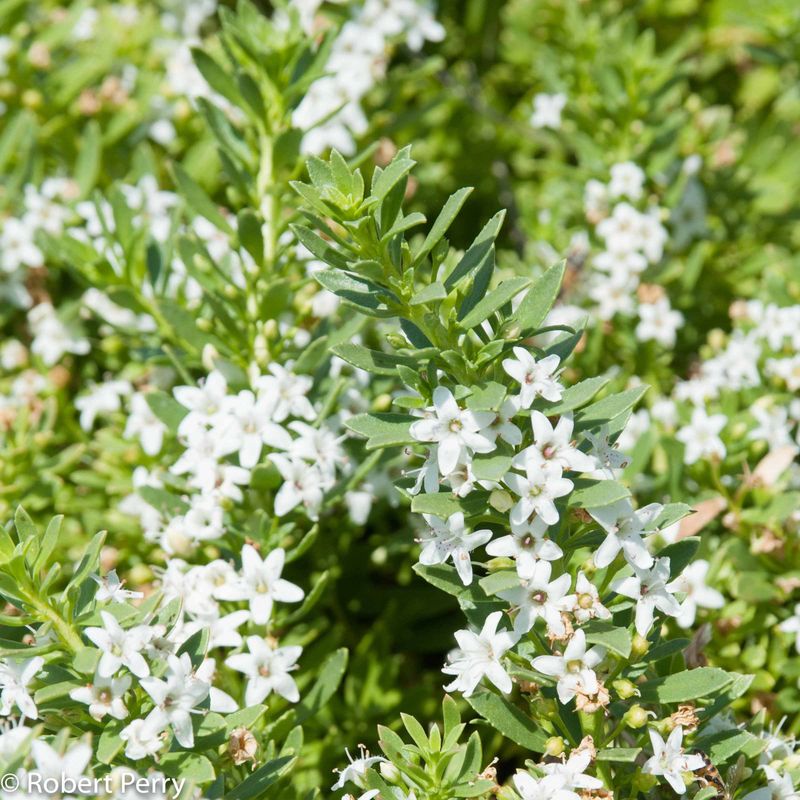
Fast, glossy, and cheap, this shrub once seemed like the perfect answer for a quick coastal hedge. Decades of planting along California beaches, freeways, and backyard fences have revealed a less tidy side.
This New Zealand native, Myoporum laetum, carries a Moderate rating from Cal-IPC. Birds eat its small purple fruits and drop the seeds in coastal scrub, canyons, and dunes.
Escaped plants grow into dense thickets that crowd out native shrubs. Their thick canopy also shades the ground, leaving little room for wildflowers beneath.
Its leaves contain compounds that are toxic to livestock. Animals grazing near escaped stands can face real danger.
A newer problem adds to the story. An invasive pest called myoporum thrips arrived in Southern California in 2005, and UC IPM reports widespread decline in infested plantings.
Twisted, discolored new growth often marks an affected hedge. Many homeowners now face replacing struggling shrubs anyway, which makes this an ideal moment to switch.
Toyon makes a sturdy native substitute, with evergreen leaves and red winter berries that birds adore. Coffeeberry offers a softer, rounded screen that handles sun or part shade.
Lemonade berry works beautifully on coastal slopes, shrugging off wind and salty air.
October planting gives any of these natives a head start, since cool weather and winter rain help roots settle before summer. A county agricultural commissioner or local nursery can help confirm the best choice for each neighborhood.