The Florida Ground Cover Replacing Front Lawn That Costs Less Than One Year Of Sod Maintenance
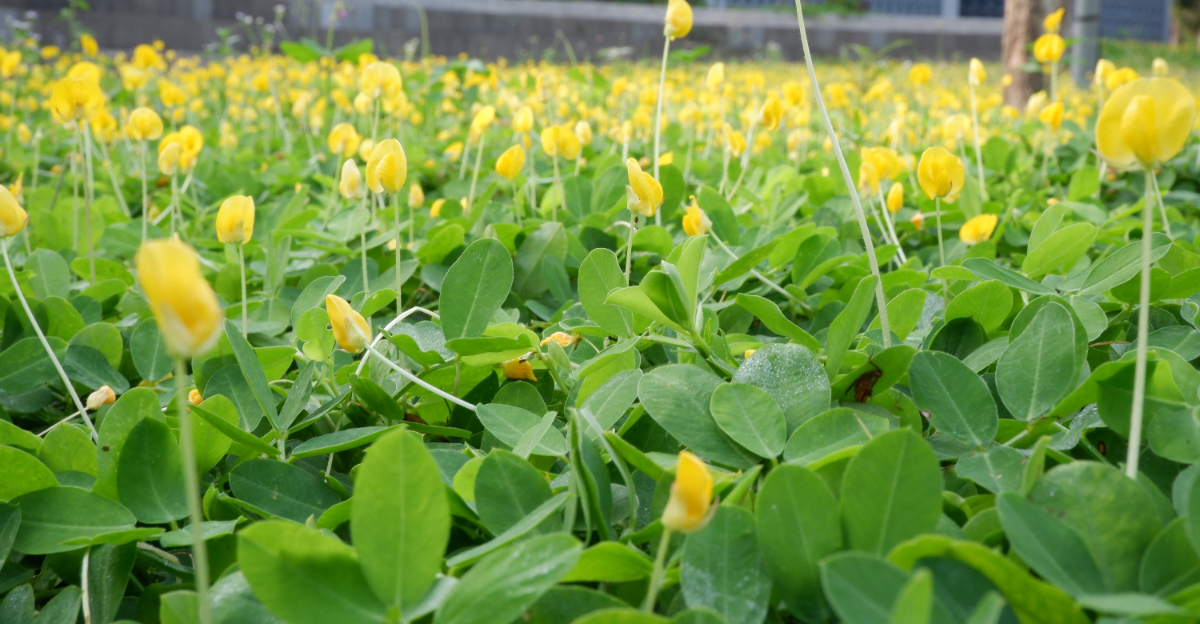
Florida front lawns are expensive habits. Fertilizer, irrigation, pest treatments, mowing, edging, and the recurring cost of keeping something alive that was never particularly suited to this climate.
Most homeowners add it up only once, usually after a frustrating season, and start asking whether there is a better way to use that space. There is.
And it costs a fraction of what one year of sod maintenance runs. A Florida ground cover has been replacing front lawn sections across the state.
The results have surprised even the homeowners who made the switch. It spreads on its own.
It handles heat without irrigation adjustments. It produces a dense golden bloom that makes a front yard look more intentional than turf ever managed.
The math on this switch is hard to argue with once someone actually runs it.
1. Perennial Peanut Turns Lawn Space Into Living Cover
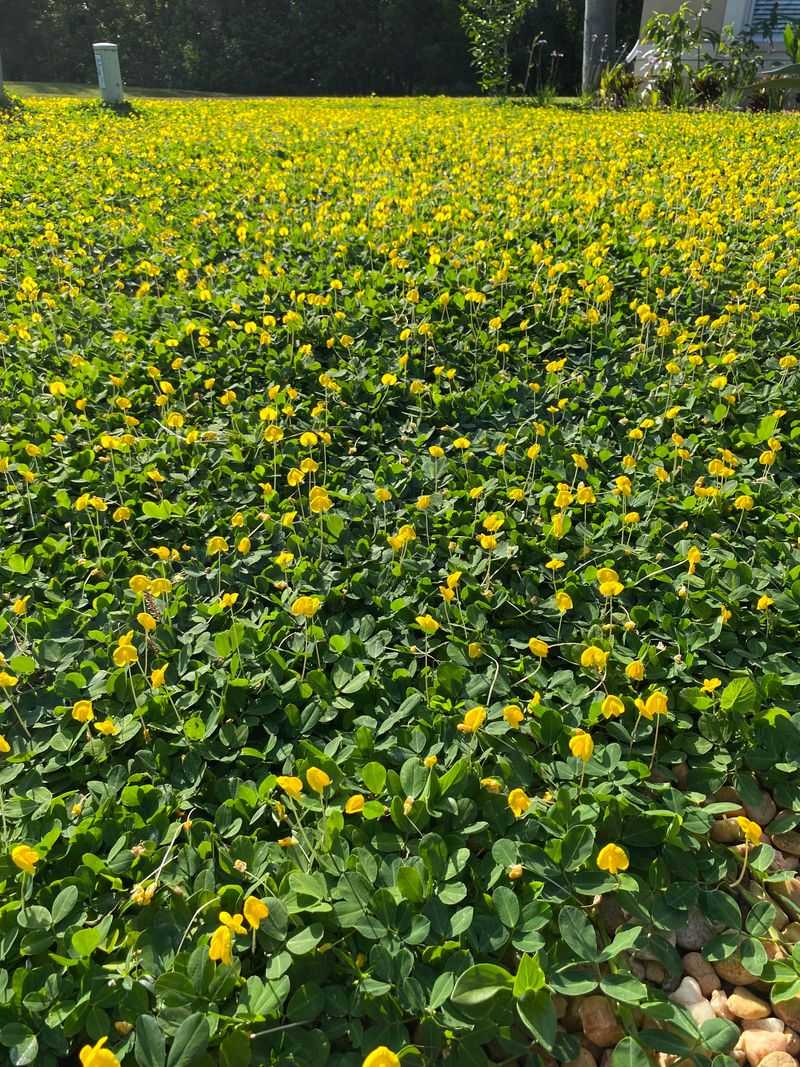
Picture a stretch of front lawn that gets full sun, sees almost no foot traffic, and still demands mowing every two weeks. That is exactly the kind of space where perennial peanut earns its place.
This low-growing groundcover spreads by underground stems called rhizomes. It forms a dense mat that can crowd out weeds and cover bare ground over time.
Perennial peanut is not native to Florida, but it has been studied and promoted by UF/IFAS as a turf alternative for suitable sites across the state. It grows best in full sun and well-drained soil.
Shady spots, compacted clay, or areas with heavy foot traffic are not ideal conditions for it.
New plantings require real patience. Plugs or pots need regular watering, weed control, and time to spread before they form a complete cover.
Expect the establishment period to take one to two growing seasons depending on spacing, soil prep, and care. Removing existing turf or weeds before planting gives it a much better start.
Think of it as a planned landscape investment, not a quick patch job where old sod was simply pulled up and left behind.
2. Yellow Blooms Make The Front Yard Look Intentional
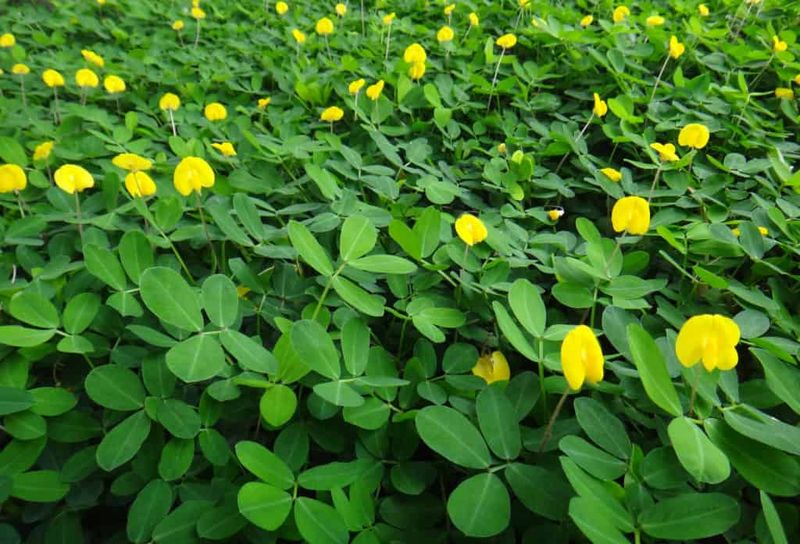
One of the first things neighbors notice is color. Perennial peanut produces small, bright yellow flowers that appear mostly during warm months.
That pop of color does something important for curb appeal: it signals that the area was planted on purpose, not neglected.
A groundcover that blooms reads differently than bare dirt or a weedy patch. When paired with clean edges, a defined path, or a few well-placed shrubs, the yellow flowers help the front yard look like a designed landscape.
They keep it from looking like an abandoned lawn section. That visual context matters, especially in neighborhoods where front yards are visible from the street.
Bloom timing and frequency can vary by region, season, and growing conditions. Do not expect a constant carpet of flowers year-round.
During cooler months or dry spells, blooming may slow or pause. The foliage itself stays attractive when the plant is healthy, but the flowers are the real visual reward during the warmer growing season.
Your Florida Garden Changes Every Week. Your Plan Should Too.
Gardening in Florida changes quickly throughout the season. Every Friday you’ll receive a simple weekly plan showing exactly what to plant, prune, fertilize, harvest, and protect so you never miss the right timing.
Keeping edges clean and transitions defined helps the entire planting read as intentional, which makes the yellow blooms feel like a design feature rather than a happy accident.
3. Low Foot Traffic Areas Fit It Best
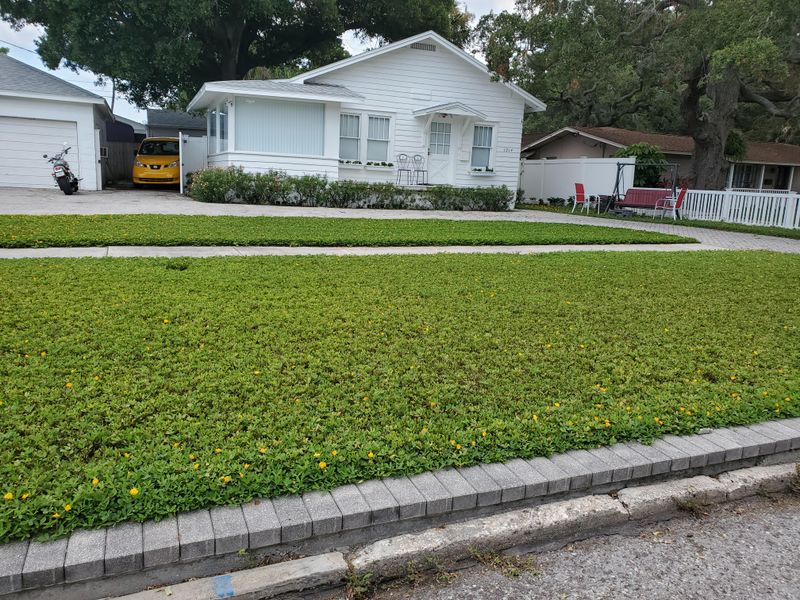
Not every part of a Florida front yard is created equal. The strip between the sidewalk and street, the slope under a tree line, or the open sunny section nobody ever walks through are all candidates for perennial peanut.
These are spaces where mowing is often more trouble than the grass is worth.
Perennial peanut is simply not built for heavy use. Regular foot traffic, pet runs, delivery paths, or play areas will wear it down faster than it can recover.
If those high-use zones exist in your yard, traditional turf or hardscape materials are still the better choice. Perennial peanut works alongside those areas, not instead of them.
Stepping stones, mulch paths, or a remaining strip of turf can help manage movement without putting pressure on the groundcover. Planning the layout before planting makes a real difference.
Identify where people actually walk, where vehicles park, and where maintenance crews need access. Then plant perennial peanut in the spaces left over.
Used strategically, it covers ground that would otherwise cost time and money to maintain as a standard lawn without offering much practical return.
4. Less Mowing Changes The Cost Equation
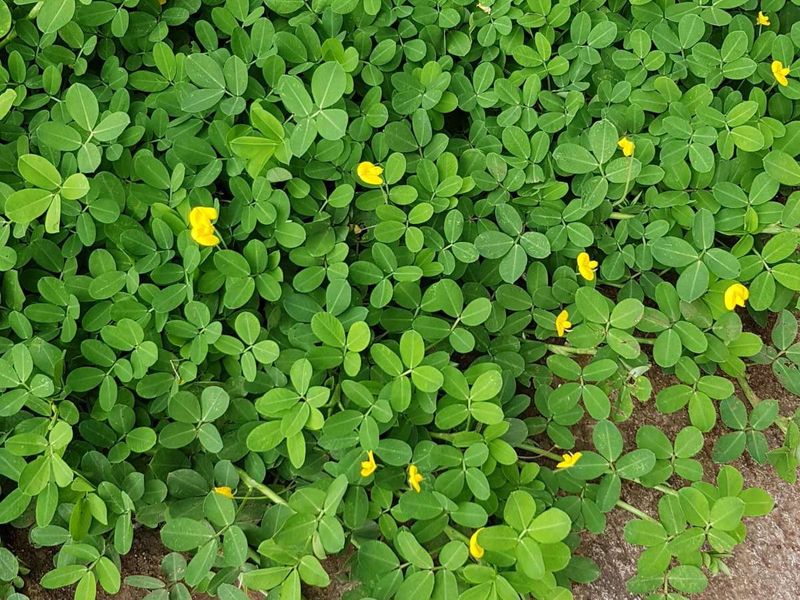
Mowing a traditional turf lawn in warm climates can mean weekly or biweekly cuts for most of the year. Add up the fuel, equipment wear, or lawn service fees and the number grows quickly.
Once perennial peanut is fully established, it grows low enough that mowing frequency drops significantly compared with St. Augustinegrass or Bahia.
UF/IFAS publications note that perennial peanut generally requires less frequent mowing than conventional turfgrasses. That is one reason it appears in discussions about lower-maintenance lawn alternatives.
That reduced mowing schedule can translate into real savings on labor and equipment over a full calendar year. This is especially true for homeowners who pay a lawn service.
Mowing does not disappear entirely. Occasional cuts may still be needed to manage height, clean up edges, or refresh the appearance before a season change.
The point is not zero mowing but rather far less of it compared with a full turf lawn in the same space. For homeowners comparing recurring annual costs, that difference matters.
Less mowing also means less noise, less fuel use, and fewer weekend hours spent behind a mower on ground that sees almost no foot traffic anyway.
5. Fertilizer Needs Drop After It Settles In
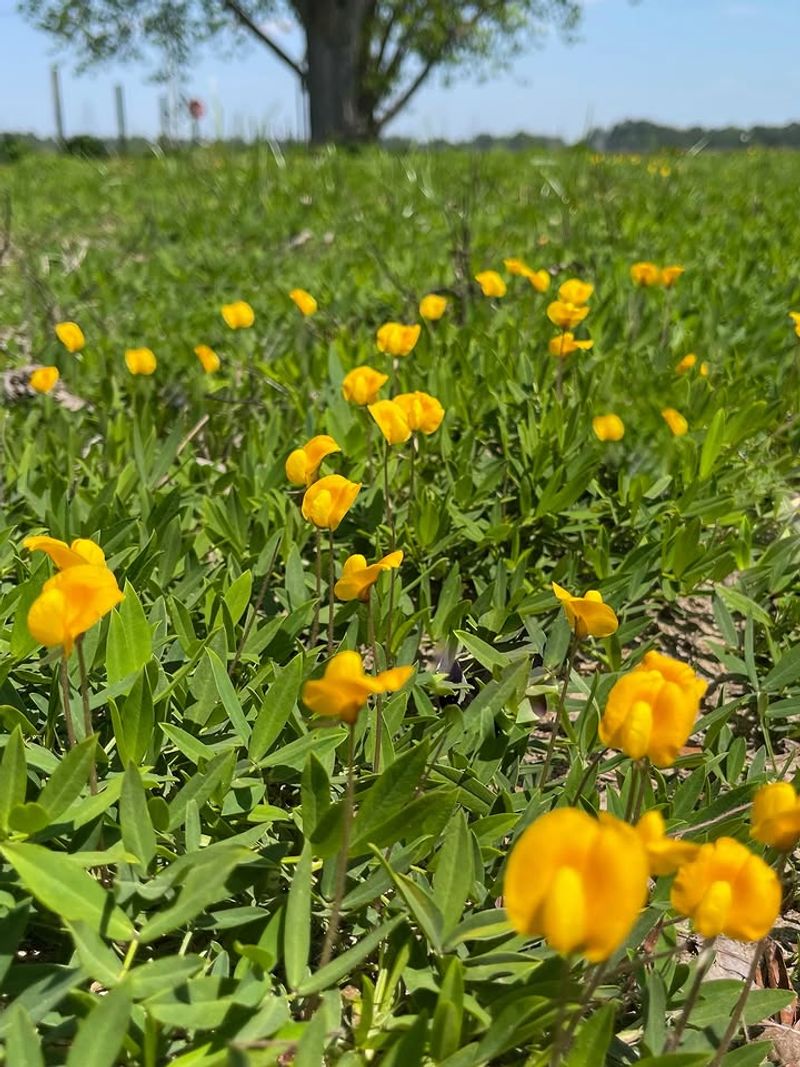
Here is something most Florida lawn owners do not expect: perennial peanut is a legume. That means it can fix nitrogen from the air through its root system, similar to clover or other leguminous plants.
Once established in the right conditions, it often needs less supplemental fertilizer than many conventional turfgrasses require to stay green and dense.
St. Augustinegrass, by comparison, typically needs multiple fertilizer applications per year to maintain color and density in warm-weather landscapes. Those applications add up in both cost and effort.
Perennial peanut does not eliminate fertilizer needs entirely, but it can reduce how much and how often fertilizer is needed when the plant is healthy and well-established.
Overfertilizing is not a shortcut and can actually cause problems, including excessive growth, weakened roots, or water quality issues. Soil conditions, establishment stage, and local guidance all still matter.
Before applying anything, check UF/IFAS recommendations or contact your county extension office for site-specific advice. Guessing at fertilizer rates wastes money and can set the planting back.
The goal is less input over time, not a different kind of high-maintenance routine with a different product on the shelf.
6. Watering Still Matters During Establishment
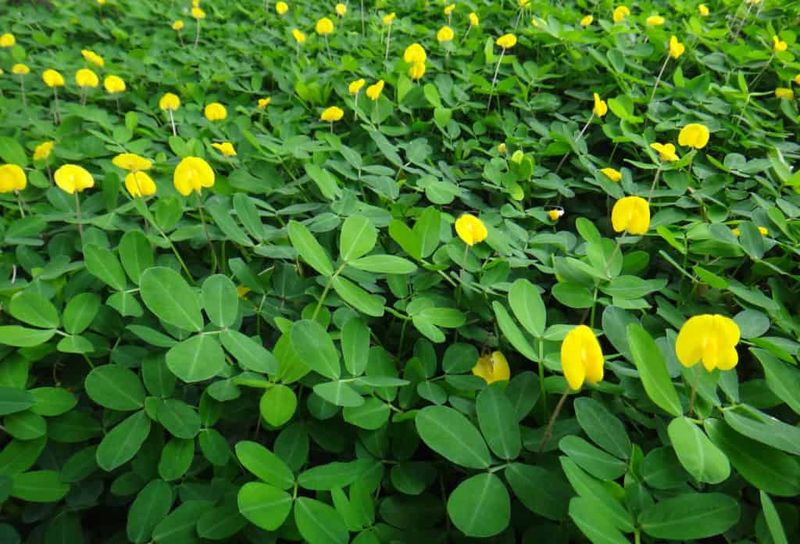
Drought tolerance is one of the features that makes perennial peanut appealing for warm-weather landscapes, but that tolerance builds over time. New plantings are vulnerable.
Plugs or pots placed in the ground need consistent moisture while their root systems expand and anchor into the soil. Skipping irrigation during this early phase can slow establishment significantly.
Sandy soils, which are common across much of this state, drain quickly and dry out faster than heavier soils. During the first growing season, checking soil moisture regularly and watering during dry spells is important.
Avoid keeping the soil soggy, which can cause root problems, but also avoid letting it dry out completely between waterings when plants are still young.
Once the root system is established and the plant has spread to cover the area well, irrigation needs do decrease. That is when the drought-tolerance benefit becomes real.
Summer rains in many parts of the state often provide enough moisture to keep established plants going without supplemental irrigation. Dry winters or extended dry spells may still require occasional watering even for mature plantings.
Water savings are a long-term benefit, not an immediate one from planting day forward.
7. Winter Browning Can Surprise First Time Growers
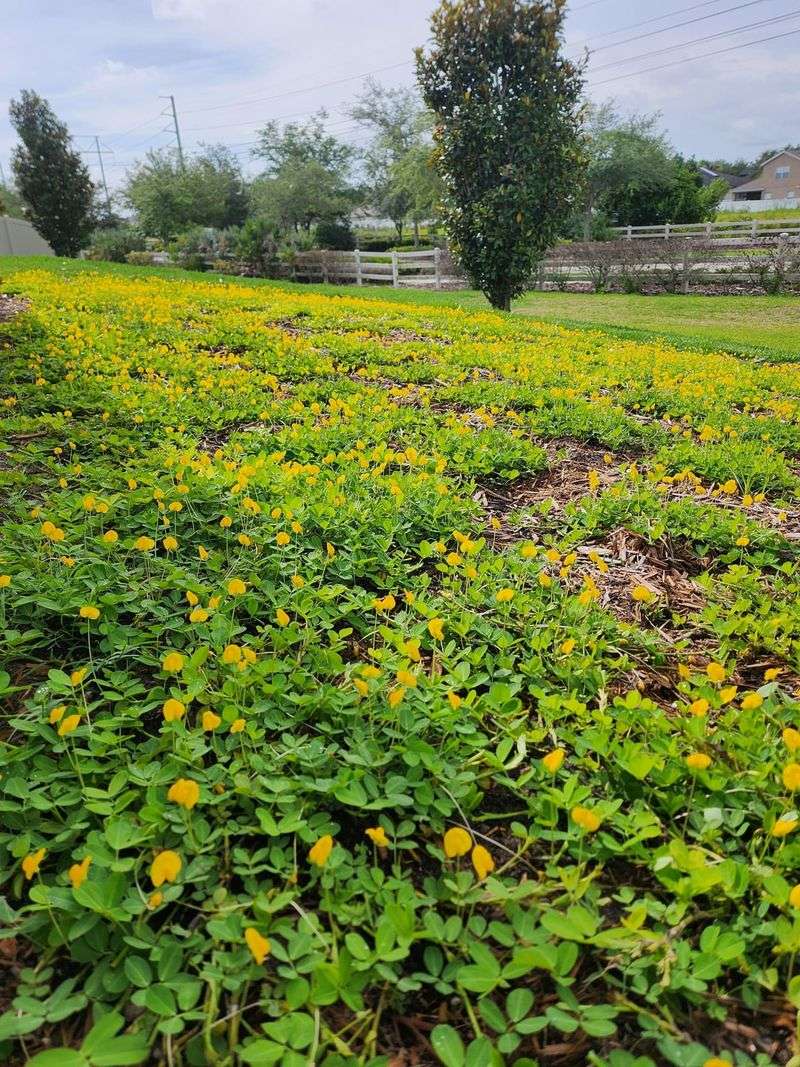
Seeing a front yard groundcover turn brown in January is not what most Florida homeowners picture when they first plant it.
Perennial peanut can thin out, lose color, or go partially dormant during cooler temperatures, especially in northern and central regions of the state where cold snaps are more common.
This is normal seasonal behavior, not a sign that the planting has failed.
Panhandle communities and inland neighborhoods that experience more frost exposure may see more pronounced browning than coastal areas or southern regions where winters are milder.
The plant typically recovers and greens up again as temperatures rise in late winter or early spring.
Planning for that seasonal appearance shift matters before you commit a visible front-yard area to this groundcover.
Pairing perennial peanut with evergreen shrubs, defined paths, or clean landscape borders can help the front yard look structured. That matters even when the groundcover is in its dormant or thin phase.
Accepting seasonal change is part of working with this plant honestly.
Neighbors and passersby are more forgiving of a brown groundcover when the surrounding landscape still has clear edges, intentional plantings, and a sense of design rather than a space that simply looks abandoned for the season.
8. Smart Edges Keep It Looking Like A Yard
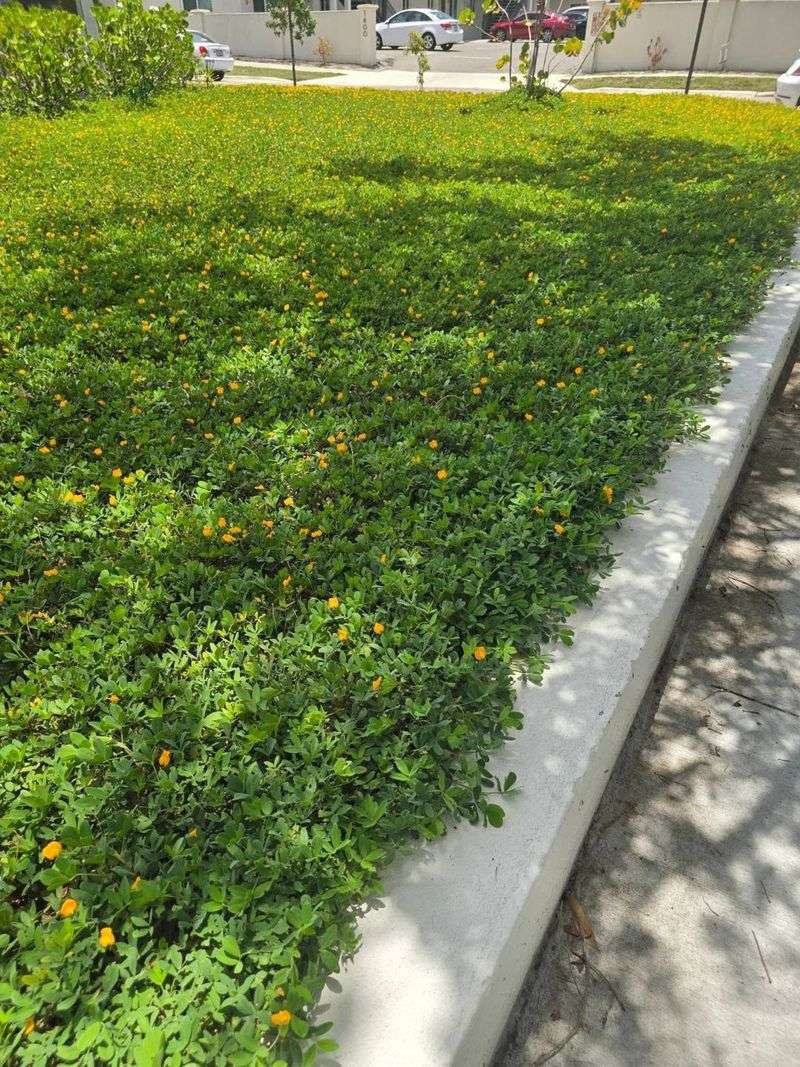
Structure is what separates a planned groundcover installation from a weedy-looking patch. Perennial peanut spreads by rhizomes, which means it will creep toward flower beds, sidewalks, and driveways without defined borders to stop it.
Installing a mower strip, edging material, or a physical barrier along the perimeter keeps the planting contained and looking sharp.
Clean lines communicate care. When neighbors, HOA board members, or visitors see a groundcover area with defined edges, a clear path, and intentional companion plantings, they read it as a landscape choice rather than a maintenance problem.
That perception matters in neighborhoods where front yards are subject to community standards or local rules.
Before replacing any visible front lawn area with perennial peanut, check HOA guidelines and local ordinances. Some communities have specific rules about groundcover height, turf percentage, or plant type in front yards.
Getting that information early avoids problems later. Once the layout is approved and planted, regular edging and occasional cleanup keep the space looking intentional through every season.
Perennial peanut in the right sunny, low-traffic spot with good edges and a clear design plan is a genuinely smart front-lawn alternative. Without that structure, even a healthy planting can look unfinished.