Why Dollarweed Keeps Coming Back In Florida Lawns No Matter How Often You Pull It
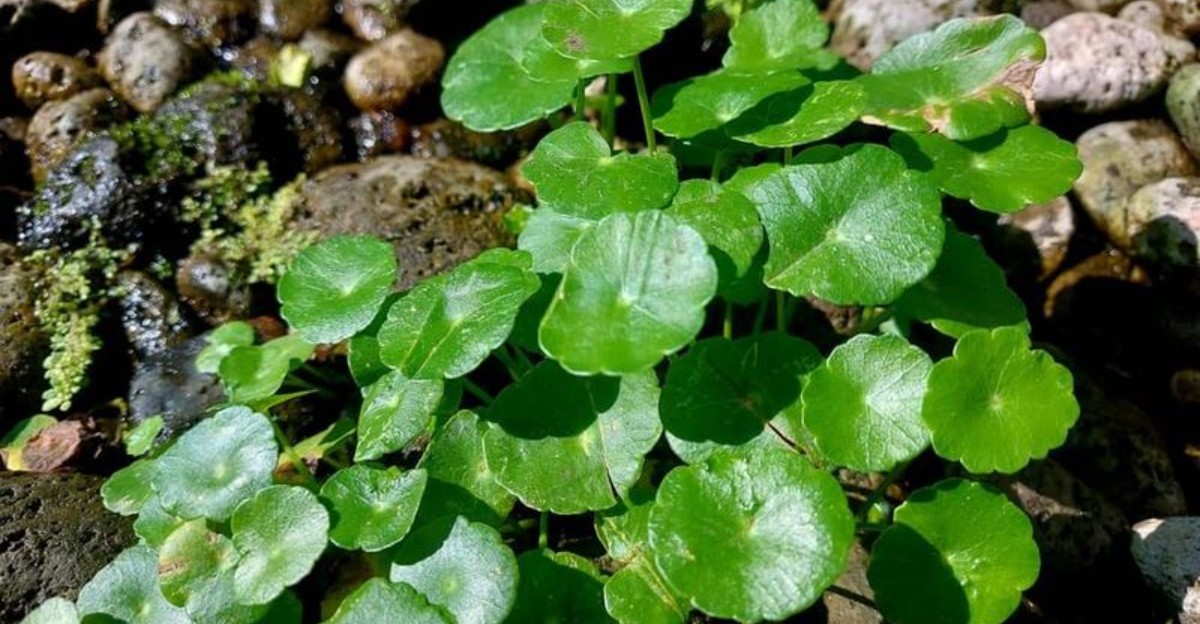
You rip out every blade of dollarweed in sight, and a week later your Florida lawn looks like you never lifted a finger.
Turns out you’re fighting the wrong half of the plant. Pulling handles what’s visible, but this one runs on an underground network that keeps chugging along no matter how clean the surface looks afterward.
Clear the top and the roots just shrug it off, sending up fresh growth within days.
Most lawn care advice treats this like a normal weed problem, grab and toss, job done. That approach barely touches what’s actually driving the comeback.
Stop fighting what you can see and start thinking about what’s underneath. Your Florida lawn’s dollarweed problem was never really about the leaves.
1. Dollarweed Is A Perennial That Returns Each Year
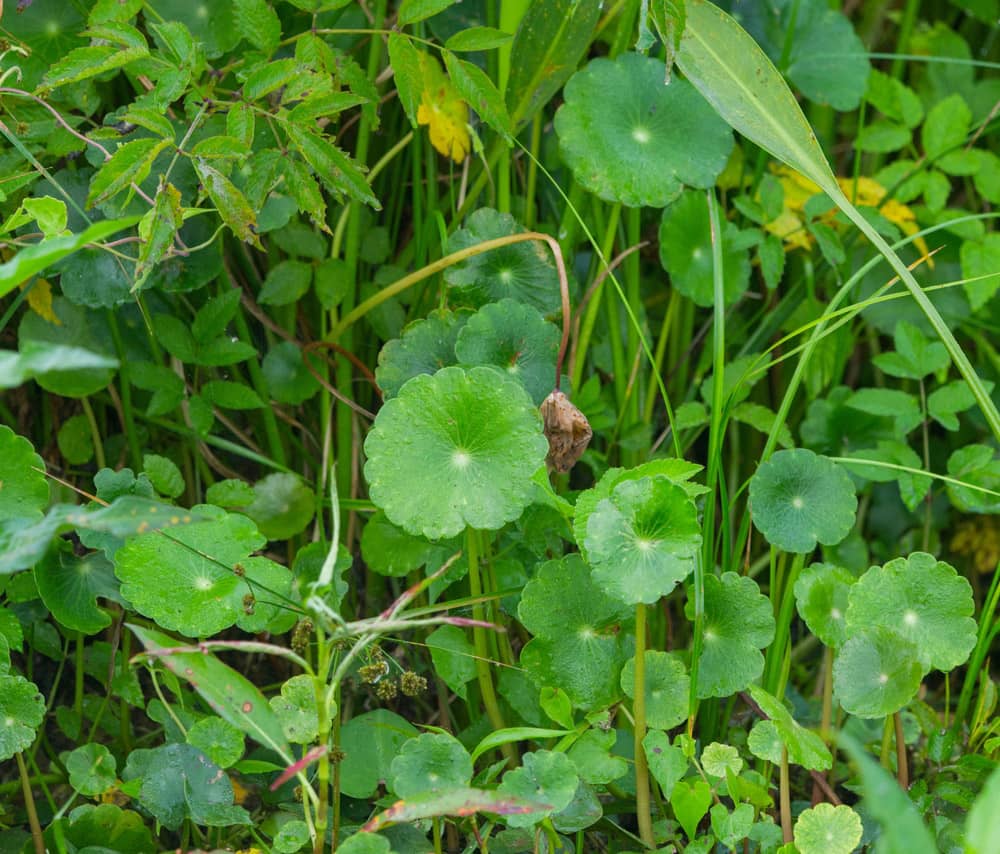
Picture a houseguest who leaves every fall and shows up again each spring with a suitcase. That is dollarweed, also called pennywort, and it has a plan to stay around for years.
Dollarweed is a warm-season perennial. Unlike annual weeds that sprout, make seeds, and fade in a single season, perennials keep their roots alive from one year to the next.
When cooler weather arrives, the leaves may slow down or shrink back. Underground, though, the plant is resting and saving energy.
As soon as Florida warms up again, those stored reserves fuel fresh green leaves. You may think you won the battle last summer.
The plant just took a nap.
Knowing this changes how you fight it. Pulling the leaves off the top is like trimming a bush.
It looks neat for a little while, but the main plant is still there and ready to grow.
A better approach is to plan for a long game. Watch for new leaves early in the warm season, when the plant is small and easier to manage.
Mark the spots where it showed up last year, since it often returns to the same places.
Patience pays off here. Steady care over a few seasons usually works much better than one big weekend of weeding.
2. It Spreads By Seeds, Rhizomes And Tubers
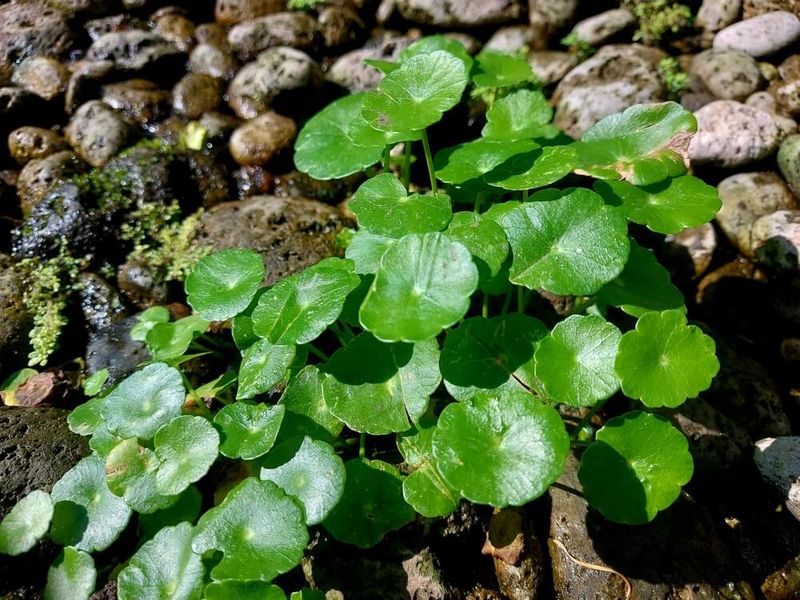
Most weeds pick one way to travel. Dollarweed packed three different tickets for the trip across your yard.
First come the seeds. Tiny flowers form in small clusters, and they make seeds that can drop into the soil and sprout later.
Second are rhizomes, which are stems that creep sideways under or along the ground. Third are tubers, little storage bundles that hold food for the plant.
Here is where it gets sneaky. The creeping stems have small joints called nodes.
Wherever a node touches moist soil, it can grow new roots and start a fresh plant. Over time, one patch links up with another until you have a thick mat.
Think of it like a team of runners passing a baton. Even if you stop one runner, the others keep going.
So what can you do? Try to handle dollarweed before it flowers, which cuts down on new seeds.
Your Florida Garden Changes Every Week. Your Plan Should Too.
Gardening in Florida changes quickly throughout the season. Every Friday you’ll receive a simple weekly plan showing exactly what to plant, prune, fertilize, harvest, and protect so you never miss the right timing.
When you dig, loosen the soil gently with a hand tool so you can follow the runners. Bag the pulled plants instead of tossing them on the ground, where pieces might root again.
Also keep your grass thick and healthy. A dense lawn leaves fewer open spaces for those traveling stems to settle in and claim.
3. Leftover White Rhizomes Regrow Fast
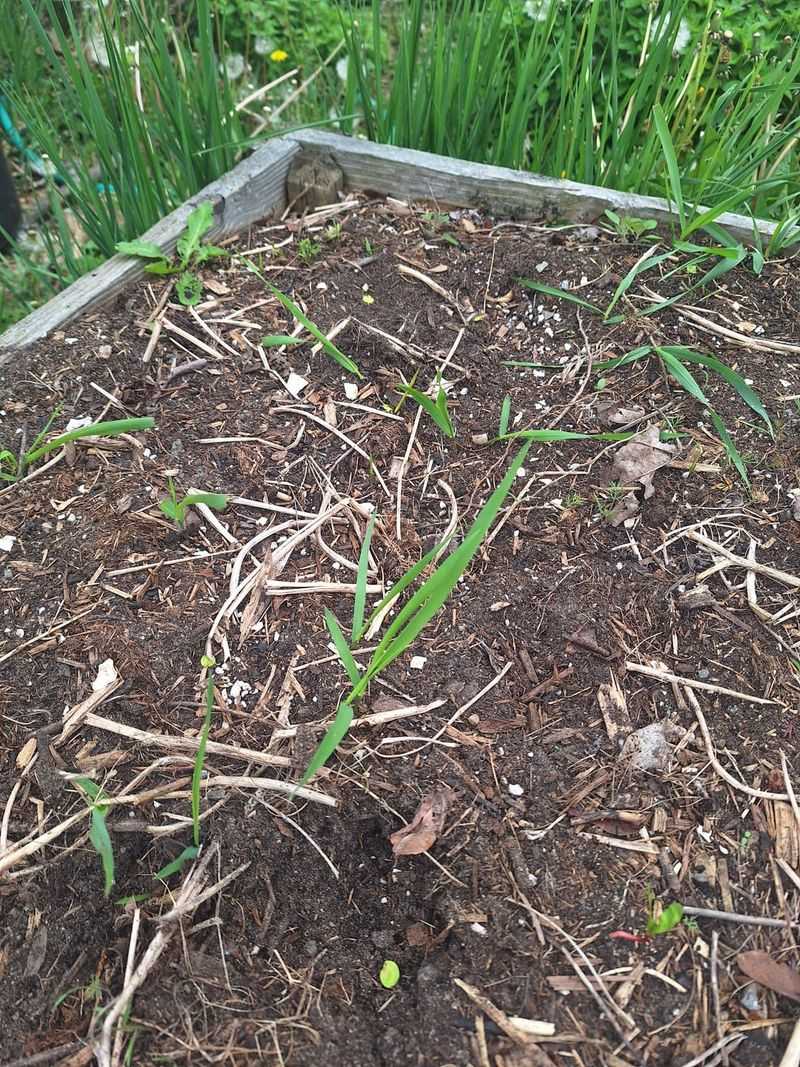
Ever pulled a weed and heard a soft snap? That little sound is often bad news with dollarweed.
The plant has pale white rhizomes that run through the soil like thin strings. When you yank on the leaves, those strings usually break.
The piece in your hand looks like a win, but the piece left in the ground can grow into a brand new plant.
Even tiny fragments can sprout. Each one has enough stored energy to push out fresh roots and leaves.
In just a few weeks, a single broken bit can turn into a small cluster. That is why hand pulling so often feels like a game you cannot win.
If you choose to pull by hand, slow down. Water the area lightly a few hours before, or weed after a rain, so the soil is soft but not soupy.
Use a narrow trowel or weeding fork to lift the soil around the plant. Then follow the white runners with your fingers and ease them out.
Check the hole for leftover pieces before you fill it back in. A quick look now can save you from another round next month.
Hand pulling works best on small patches. For bigger areas, combine it with the water tips coming up.
4. Florida’s Lawn Dollarweed Is A Native Wetland Plant
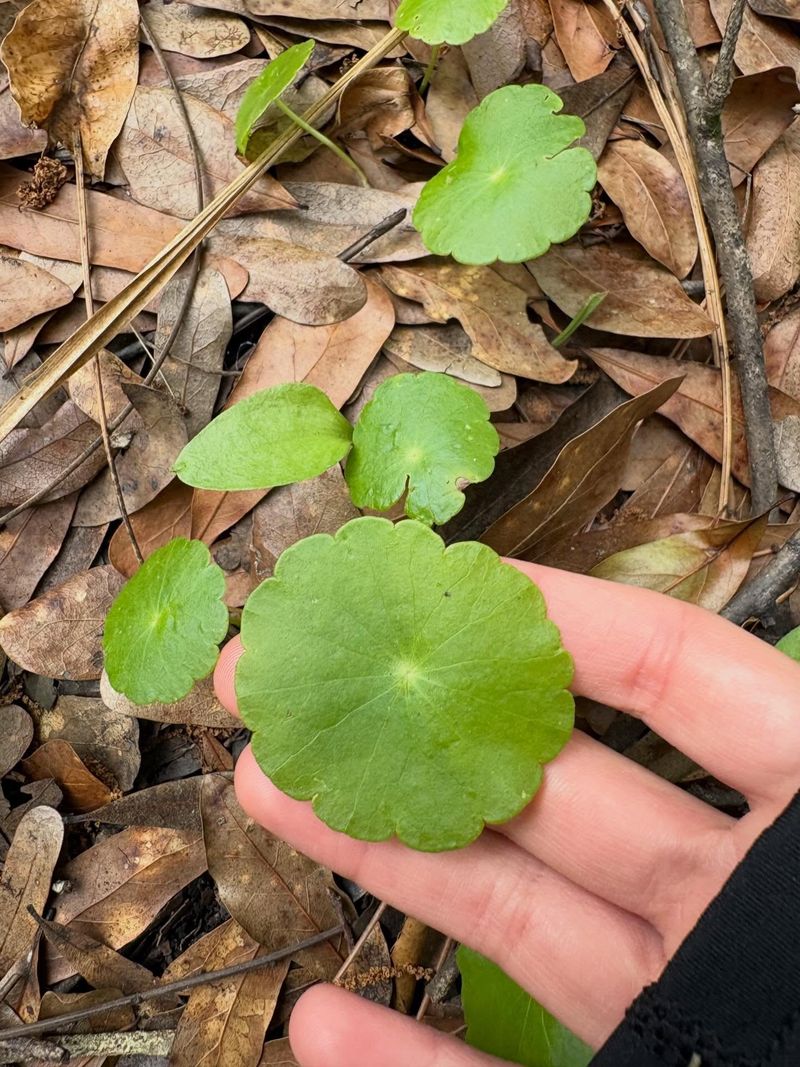
Fun fact: the weed in your front yard is a Florida local. Its full name is Hydrocotyle umbellata, also known as manyflower marshpennywort.
Out in the wild, this plant lives in swamps, along roadside ditches, and near lakes and ponds. It can creep across mud or even float in shallow water.
Scientists call it semi-aquatic, which means it is happy with its feet wet. Our state is home to seven Hydrocotyle species, and five of them are native to the state.
That background explains a lot. In a marsh, dollarweed is part of the natural scene and helps cover wet ground.
In a lawn, it is simply a plant that found a spot that feels like home.
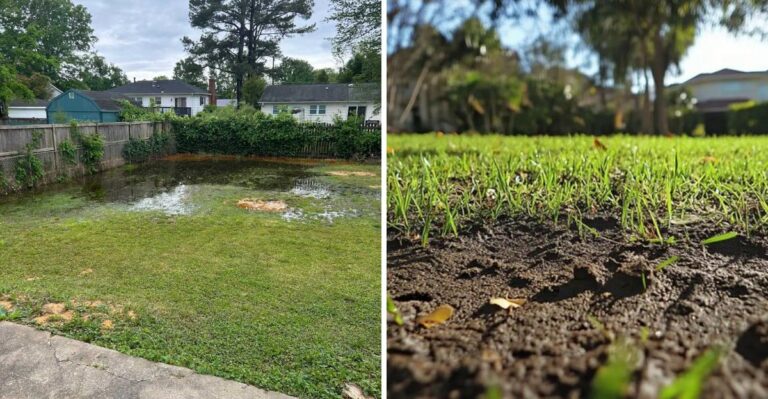
Here is the useful part. If your yard has lots of dollarweed, your lawn may be acting a little like a wetland.
The plant is giving you a clue about your soil and water.
Instead of seeing it only as an enemy, treat it like a messenger. Ask yourself where the patches show up.
Are they near downspouts, low spots, or along the edge of a pond or canal?
Answering those questions points you toward the real fix, which usually means making your lawn less swampy and less inviting.
5. Soggy Lawns Roll Out The Welcome Mat
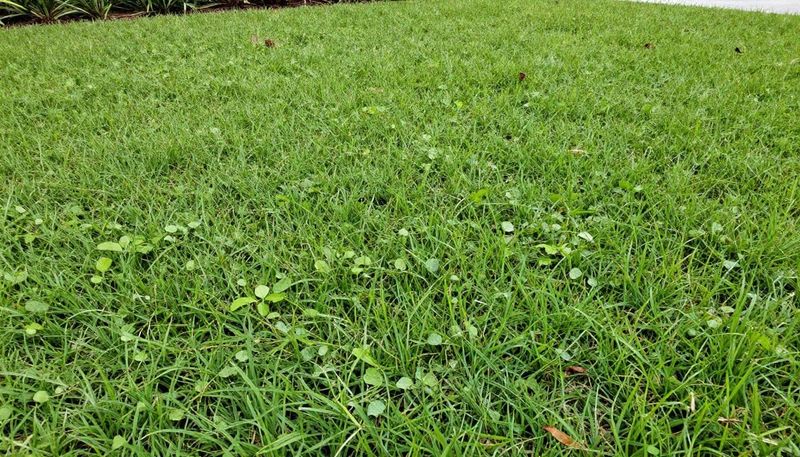
Walk across your yard after a storm and notice where your shoes squish. Chances are good that is where dollarweed throws its biggest party.
This plant loves warm, humid, damp places. Waterlogged soil gives it exactly what it wants, while many lawn grasses struggle when their roots sit in water.
So the weed gets stronger as the grass gets weaker. It is an unfair trade, and the weed wins.
Several things create soggy spots. Low areas collect runoff.
Heavy clay soil drains slowly and holds water for days. Compacted soil, often from foot traffic or parked cars, stops water from soaking in.
Even sandy Florida soil can stay too wet if it gets watered too much.
Overwatering is one of the top causes of dollarweed problems. Many people add more water when the lawn looks stressed, which can make the weed issue worse.
Try a simple test. Push a screwdriver into the soil a day after watering.
If it slides in easily and comes out muddy, the ground is likely too wet.
For problem spots, consider core aeration to loosen packed soil. Redirect gutters away from the lawn.
Fill shallow dips with a light layer of topsoil so water does not pool there.
6. Cutting Back On Irrigation Reduces It
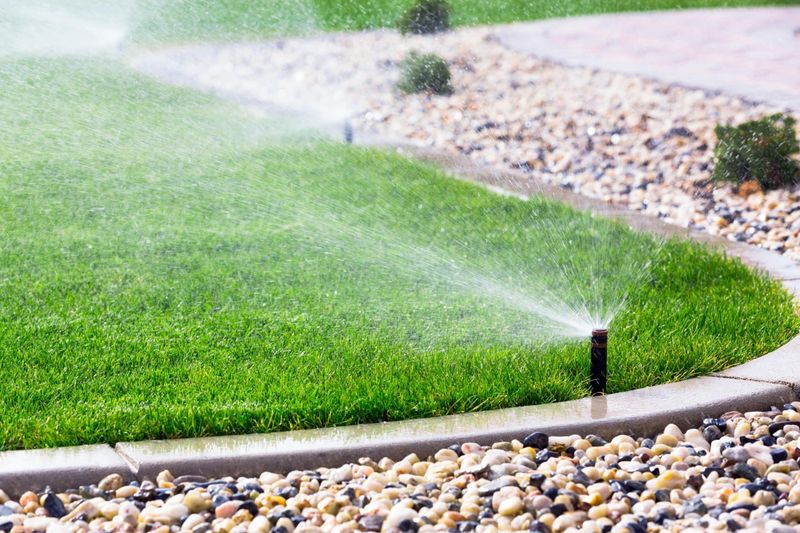
Sometimes the best weed tool costs nothing at all. You just turn a dial on your sprinkler timer.
Research from the University of Florida found that simply watering less often led to less dollarweed. No sprays, no digging, just a smarter schedule.
When the top of the soil gets a chance to dry out, the weed loses its favorite living conditions.
The trick is to water deeply but not too often. A long soak once or twice a week pushes water down toward the grass roots.
Then the surface dries between sessions. Grass roots grow deeper to chase the moisture, while dollarweed, which likes a wet surface, starts to struggle.
Short daily sprinkles do the opposite. They keep the top inch damp all the time, which feels like a marsh to dollarweed.
Start by checking your controller settings. Many timers are set once and forgotten for years.
Look for extra start times or watering days you do not need. Follow your local watering rules, since many counties limit irrigation days.
Watch your grass for signs that it needs water, like folded blades or footprints that stay pressed down. Water when you see those signs instead of on a fixed daily plan.
Your lawn and your water bill will both thank you.
7. Calibrate Sprinklers To 3/4 To 1 Inch A Week
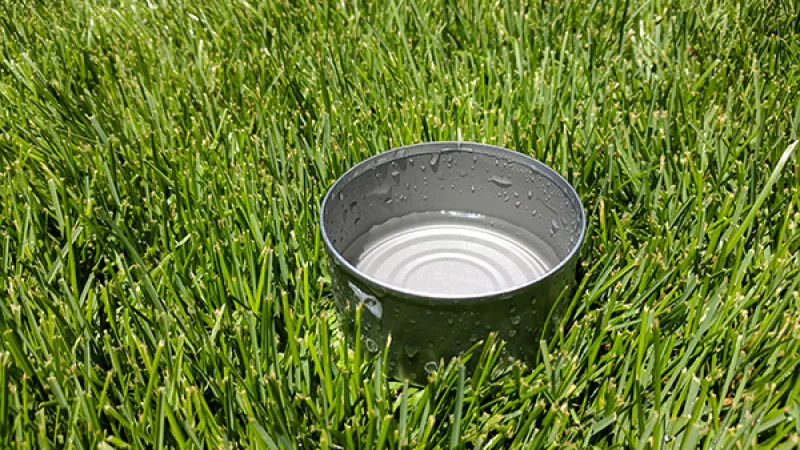
Grab a few empty tuna cans from the recycling bin. They are about to become your secret weapon against dollarweed.
Most lawns need around 3/4 to 1 inch of water per week, and that includes rain. The problem is that few people know how much their sprinklers actually put down.
Calibrating, or measuring, your system clears up the guesswork.
Here is how to do it. Set five to ten straight-sided cans around one sprinkler zone.
Run that zone for 15 minutes. Measure the water in each can with a ruler and find the average.
Multiply that average by four. The answer tells you how many inches per hour that zone puts out.
Now you can set run times that match what your lawn really needs.
For most Florida soils, each watering session should deliver about 1/2 to 3/4 inch. Sandy soil may take 3/4 inch, while heavier clay often needs only 1/2 inch.
In hot summer months, rain may cover much of the need, so adjust often.
Repeat the test for each zone, since shady and sunny areas often differ. While the cans are out, look for broken heads or spots that get soaked.
Fixing those wet zones takes away one more cozy home for dollarweed.
8. Make Sure Your Rain Shut-Off Device Works
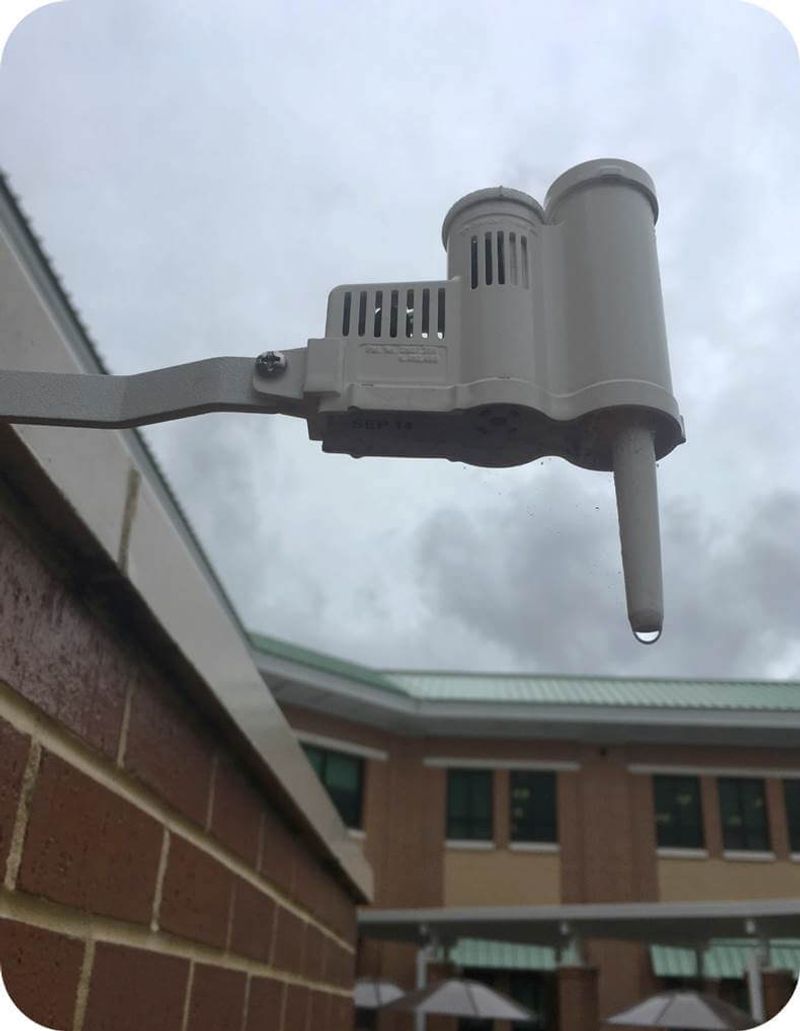
Few things look sillier than sprinklers running in a thunderstorm. Yet in plenty of neighborhoods, it happens every rainy afternoon.
A rain shut-off device, often called a rain sensor, is supposed to stop that. It sits on a roof edge, fence, or pole and senses when enough rain has fallen.
Then it tells your irrigation system to skip the next cycle. Florida law requires these devices on automatic sprinkler systems.
When the sensor works, your lawn gets only the water it needs. When it fails, the yard gets rain plus irrigation, and soggy soil follows.
Dollarweed loves that double dose.
Testing is simple. Many sensors have a small test button you can press while a zone runs.
If the water stops, the device is doing its job. If nothing happens, check the wiring or look for a bypass switch on the controller that may be turned on.
Look at the sensor itself too. Leaves, dirt, and spider webs can gum it up.
Trees may have grown over it and blocked the rain. Wipe it clean and move it to an open spot if needed.
Most sensors last a few years before they wear out. Replacing an old one is cheap and quick, and it helps keep your lawn drier.
9. Match Any Herbicide To Your Grass Type
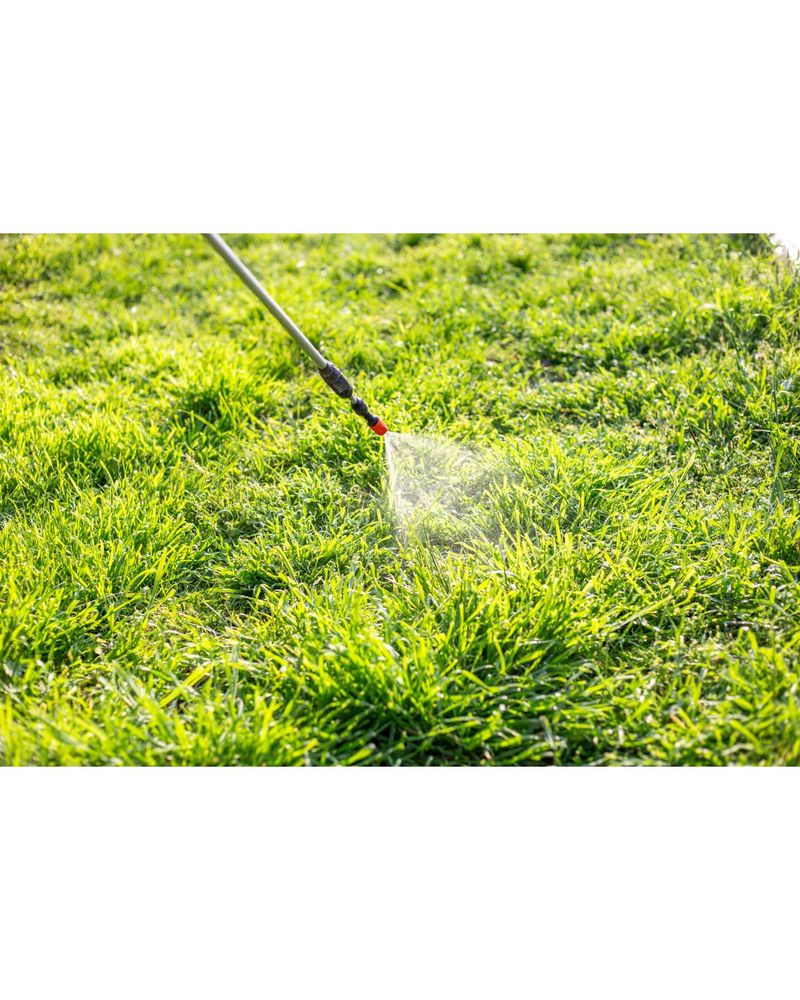
Imagine buying a weed spray, using it carefully, and watching your grass turn brown. Sadly, it is a common story, and the fix starts with reading the label.
Different lawn grasses react differently to weed products. For St. Augustine and centipedegrass, atrazine is a popular choice, but use it no more than twice a year.
Skip it when temperatures pass about 85 degrees, on new sod, or near ponds. Imazaquin and metsulfuron also work on these grasses, though centipedegrass needs a low rate of metsulfuron.
Celsius WG is another option that is safe for St. Augustine.
Zoysia and bermudagrass usually handle three-way broadleaf products with 2,4-D, dicamba, and mecoprop or MCPA. Imazaquin and metsulfuron are also labeled for them.
Atrazine is generally a poor fit for bermudagrass unless it is fully dormant.
Bahiagrass owners should be extra careful and check labels closely. Glyphosate harms any plant it touches, including your grass, so save it for beds or full renovations.
Timing helps too. Treat in late spring, when dollarweed is small and actively growing.
Pair any spray with the watering changes above, or the weed will likely return. Products give you a head start, but drier soil keeps the advantage on your side.