The Meaning Behind Seeing An Owl Near Your Florida Home
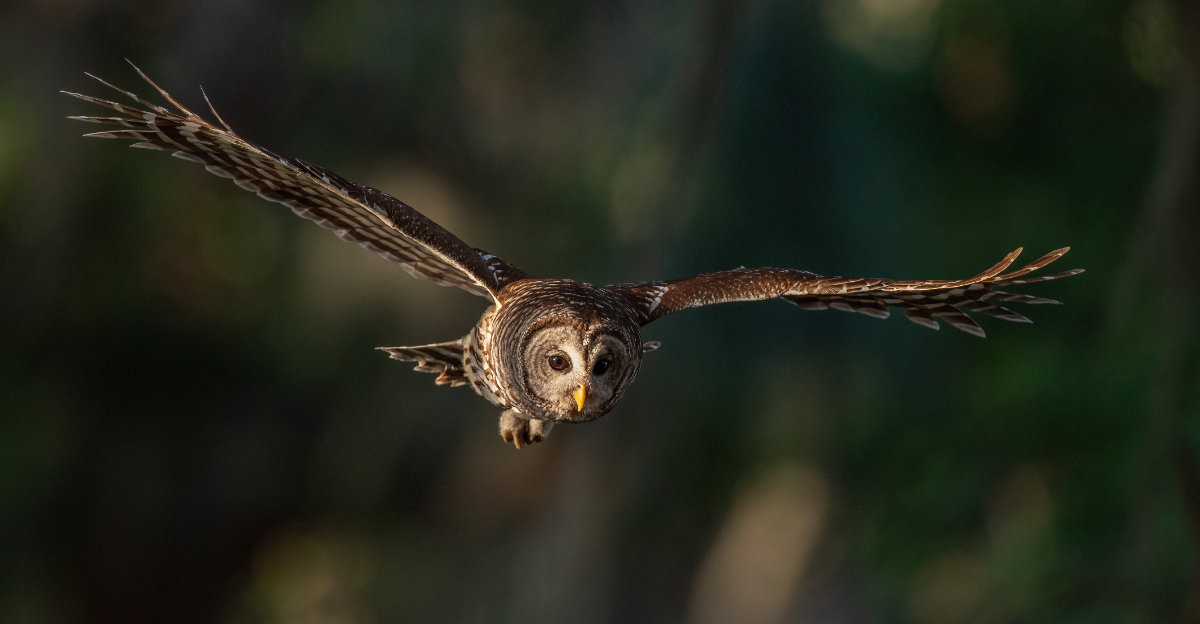
An owl near a Florida home after dark is not something most people forget. That silhouette on a fence post or roofline, the eyes catching light, the stillness that makes the bird seem less like a visitor and more like something permanent.
Most people who encounter one up close describe it the same way. Unsettling and remarkable at the same time.
Owls do not show up randomly. A Florida property that draws one in and keeps it coming back is doing something specific right.
The habitat, the prey activity, the plant structure, the darkness. All of it factors into whether an owl finds a yard worth claiming as hunting territory.
Understanding what brought an owl to your home changes how you think about the yard itself. What it has become, what it is supporting, and what else that same habitat is quietly doing around the property after dark.
1. An Owl Nearby Usually Means Habitat Is Close
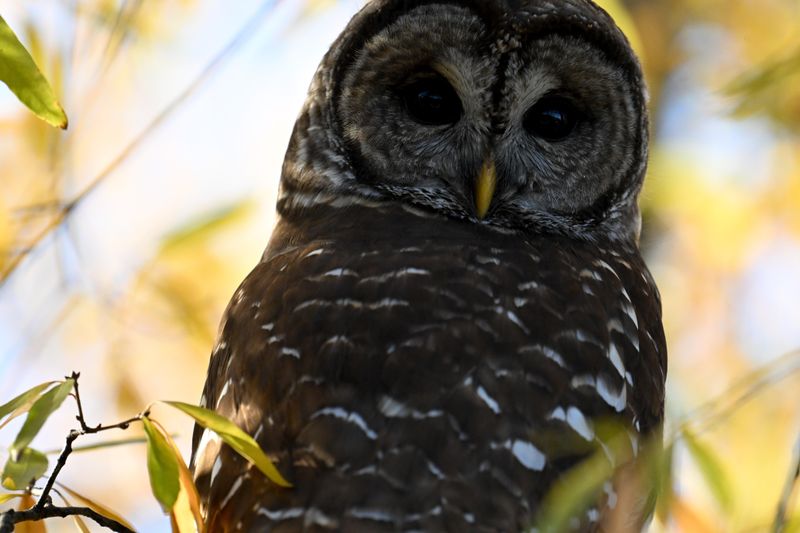
Somewhere between your Florida backyard and the nearest tree line, a food web is quietly running. When an owl shows up near your home, the most grounded explanation is that useful habitat sits within reach.
Owls need places to hunt, rest, and stay hidden, and a yard near wooded edges, open fields, canals, or vacant lots can check every one of those boxes.
In this state, species like the barred owl and great horned owl favor mature trees and shaded edges. Eastern screech-owls often use tree hollows or snags in residential neighborhoods.
Even barn owls may appear near open lots or old structures with enough dark, quiet space nearby.
Symbolically, many people connect an owl sighting to awareness and stillness. That connection makes sense in a quiet way.
Noticing an owl means you are paying attention to what shares your neighborhood after dark. The real takeaway is that your property likely sits near an active, living landscape.
That is worth appreciating. A yard that attracts owls is a yard that still holds enough natural structure to support a top predator, which says a lot about the health of your local environment.
2. Night Calls Can Signal Territory Or Pair Bonds
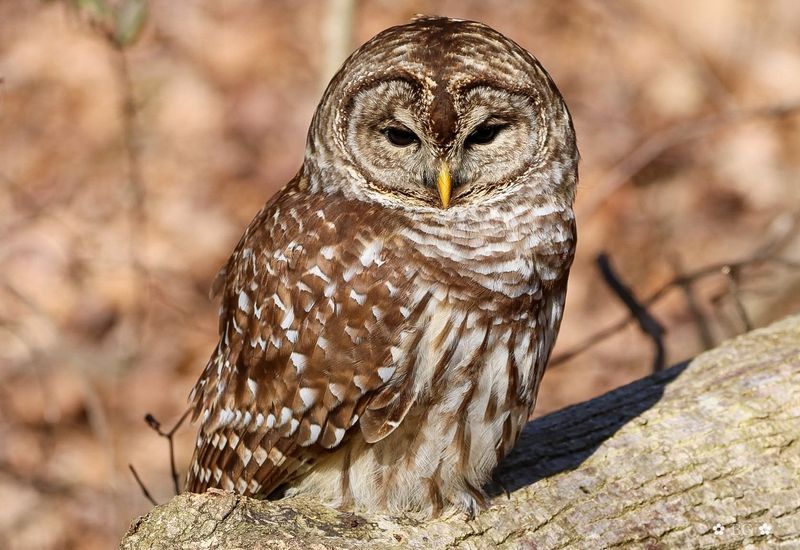
That low, repeating call drifting through the dark is not a warning sent to you personally. Owl calls after dark typically relate to territory, pair bonding, or contact communication between birds.
A great horned owl hooting in late fall or winter is often advertising its territory or strengthening a pair bond with a mate nearby.
Barred owls use a distinctive call that sounds like “who cooks for you, who cooks for you-all,” which can carry far on quiet nights. Eastern screech-owls produce a descending whinny or a long tremolo that can surprise people who have never heard it before.
Each call has a purpose rooted in behavior, not in delivering messages to homeowners.
Still, a nighttime call breaking the silence of a neighborhood does feel significant. Listening closely and recognizing patterns over several nights can tell you whether one owl is calling or two are responding to each other.
Your Florida Garden Changes Every Week. Your Plan Should Too.
Gardening in Florida changes quickly throughout the season. Every Friday you’ll receive a simple weekly plan showing exactly what to plant, prune, fertilize, harvest, and protect so you never miss the right timing.
Many people find that paying attention to these sounds builds a quiet habit of noticing the natural world. Patience and careful listening are values that owl-watching tends to encourage, even if the owl is simply doing owl things.
3. Your Yard May Be Feeding The Food Chain
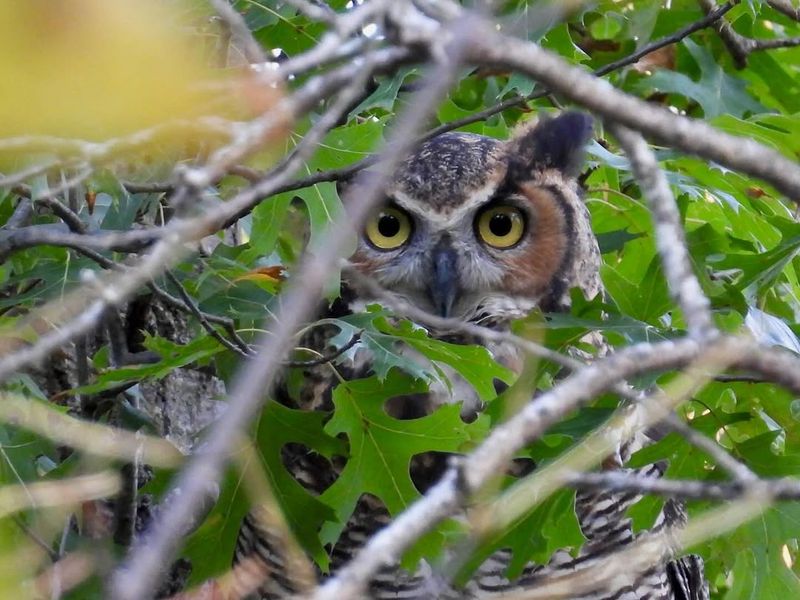
Owls do not appear randomly. A sighting near your Florida home usually means the area offers something worth hunting.
Depending on the species, owls feed on rodents, large insects, small reptiles, frogs, small birds, or other prey. If your yard has leaf piles, dense shrubs, or unsecured compost, it may be quietly attracting the small animals that owls track.
Securing trash cans, reducing outdoor clutter, and keeping grass trimmed can make your yard less attractive to rodents without harming the food chain. One important caution: avoid using rodent poison bait stations.
Poisoned prey animals can harm owls, hawks, foxes, and other predators that eat them. This is called secondary poisoning, and it has been documented as a real threat to birds of prey across the country.
An owl sighting is not a guarantee that you have a rodent problem, and it is not a guarantee that the owl will solve one. Owls hunt where prey is available, but they move on when conditions change.
Supporting habitat-safe choices, like avoiding unnecessary pesticide use and leaving some natural ground cover, helps the whole local food web stay balanced. That balance benefits your yard more than any single predator visit could.
4. Big Trees Give Owls A Place To Watch
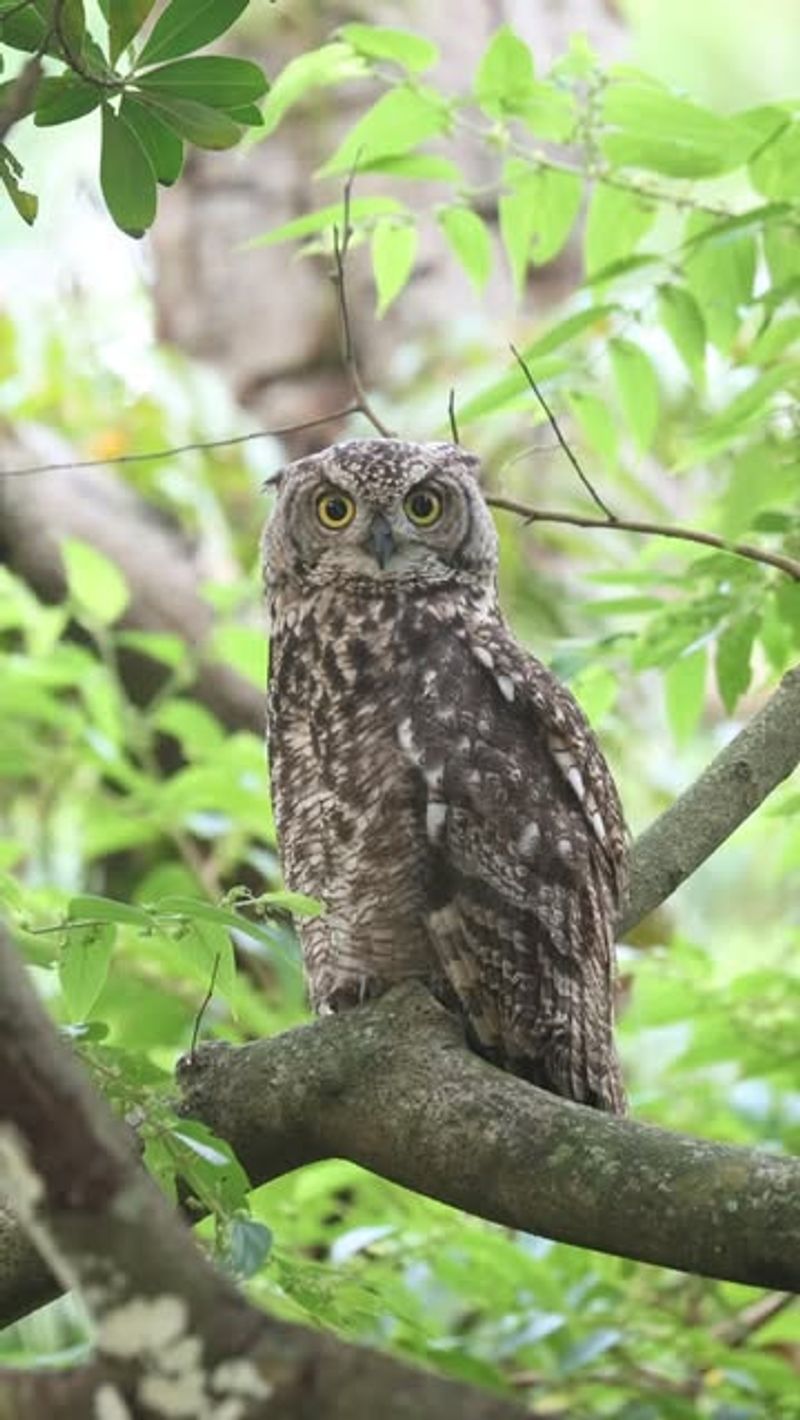
A mature live oak, a tall slash pine, or even a sturdy deceased snag can be exactly what an owl is looking for. High perches give owls a wide view of the ground below, making it easier to spot movement in the grass, along a canal bank, or near a garden bed.
If your yard or a neighbor’s yard has large, established trees, that structure alone can draw owls in to rest, watch, or hunt.
Withered limbs and tree snags sometimes have wildlife value because they offer natural cavities for nesting and roosting.
That said, any deceased tree or large branch that poses a risk to people, vehicles, power lines, or structures should be evaluated by a certified arborist.
Wildlife value and safety are not always in conflict, but safety comes first when a tree is genuinely hazardous.
Looking at your yard through an owl’s perspective is a useful exercise. A tall perch, open sightlines to the ground, and nearby prey make a yard feel like a reliable stop.
Symbolically, the idea of gaining perspective from a high vantage point resonates with many people. In practical terms, it simply means your trees are big enough and healthy enough to be useful to a predator worth noticing.
5. A Daytime Sighting Is Not Always Trouble
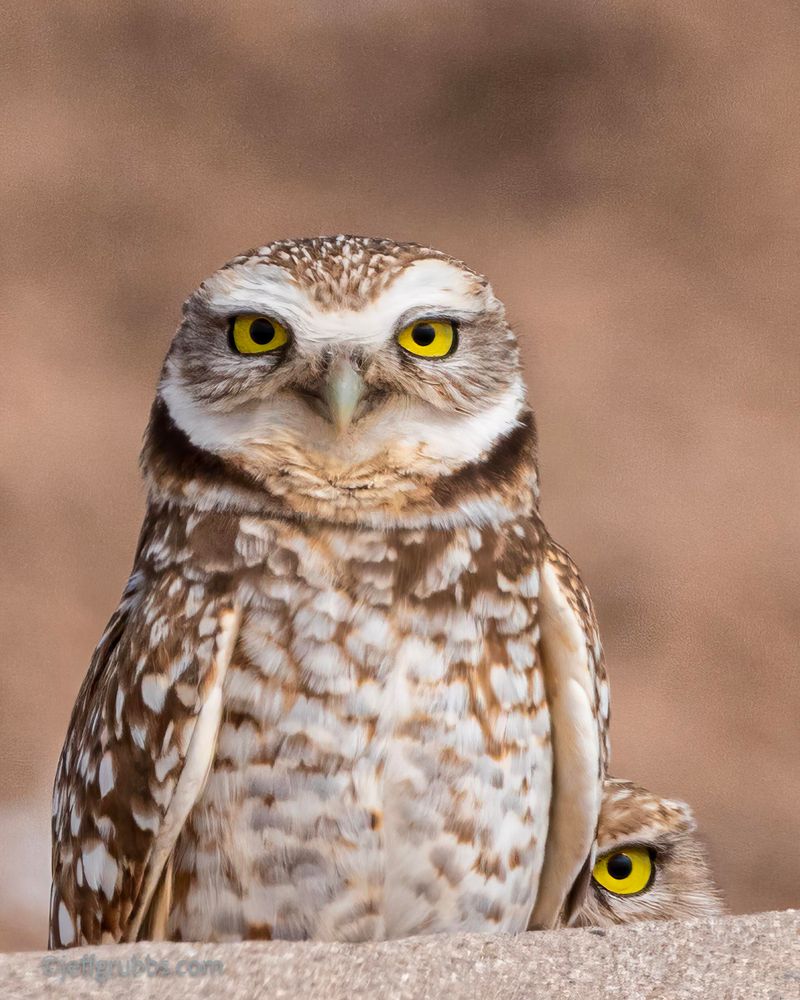
Spotting an owl during daylight hours can feel unusual, but it does not automatically mean something is wrong. Some owls roost in visible spots and may be seen during the day if they are flushed from cover by activity nearby.
Others simply choose perches that happen to be out in the open, especially in residential areas where trees are spaced far apart.
Burrowing owls are a notable exception in this state. These small, ground-nesting owls are active during both day and night.
They are commonly seen standing near their burrows in open grassy areas, vacant lots, and golf course edges across central and southern regions. They are a protected species in Florida, and their burrows are protected by law under both state and federal rules.
A daytime owl sighting usually calls for quiet observation rather than concern. However, if an owl appears grounded, unable to fly, visibly injured, or trapped in a structure, that is a situation that warrants action.
Contact a licensed wildlife rehabilitator or the Florida Fish and Wildlife Conservation Commission for guidance. Do not attempt to handle the bird yourself.
Most owls that seem calm near people are not tame; they may be stressed or unwell and deserve professional care.
6. Small Pets Need Extra Care After Dark
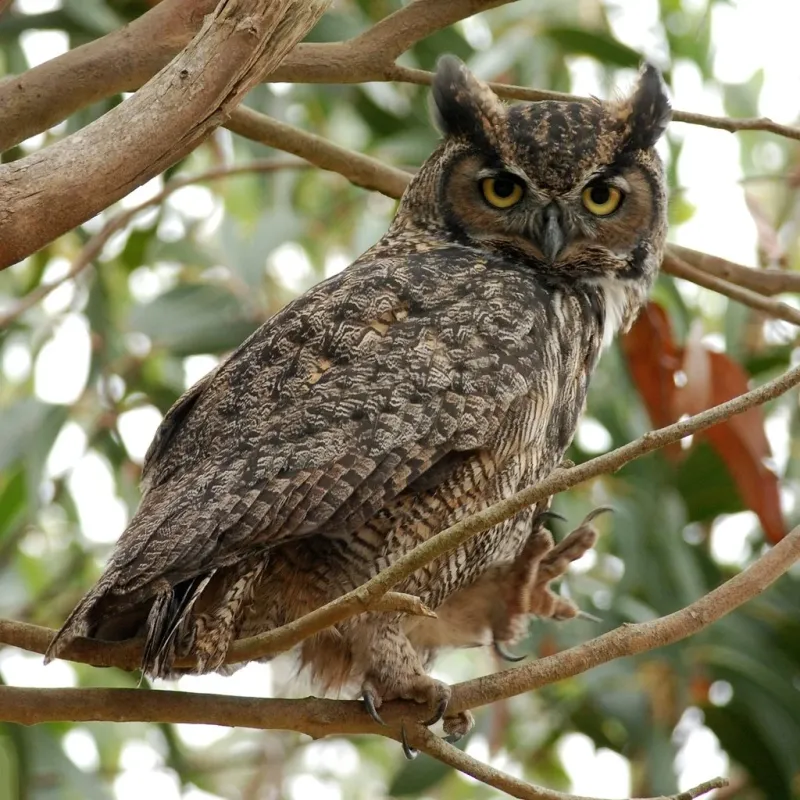
Owls are capable predators, and some larger species can pose a real risk to very small animals left outside after dark. Great horned owls are among the most powerful birds of prey in North America.
They have been known to take small mammals, including rabbits and occasionally very small pets. Barred owls are more likely to focus on rodents and frogs, but caution is still reasonable.
Keeping small dogs and cats indoors at night is the most straightforward precaution. If your pet needs to go outside after dark, stay with them and keep them close.
Backyard chickens and caged birds in outdoor enclosures benefit from solid, secure roofing rather than open wire tops. Open wire tops can give a determined predator access from above.
Avoiding leaving pet food outside overnight also helps, since food scraps attract rodents and other small animals that in turn attract predators to your yard.
The goal is not to fear every owl you see but to make reasonable adjustments that protect your animals without disrupting local wildlife.
Owls are part of the natural system. A few simple nighttime habits can let both your pets and your neighborhood wildlife coexist without unnecessary conflict.
7. Repeated Visits Can Point To A Nesting Area
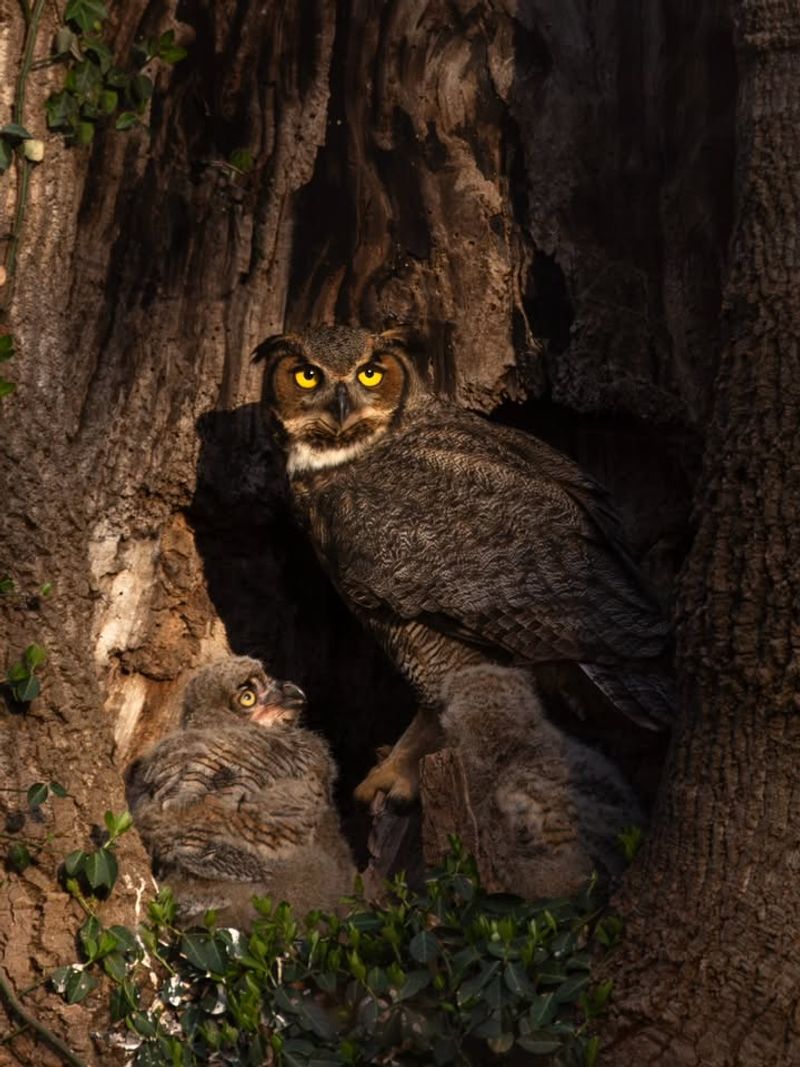
Hearing the same call from the same corner of the yard several nights in a row is worth paying attention to. Repeated owl activity in one location often suggests a roost, a reliable hunting territory, or an active nesting area nearby.
Owls are generally loyal to productive spots and may return to the same tree, structure, or general area across multiple seasons.
Cavity-nesting species like the eastern screech-owl and barred owl may use natural tree hollows or old woodpecker holes. Great horned owls often take over abandoned hawk or crow nests rather than building their own.
Barn owls may nest inside old barns, attics, or open structures when access is available. Burrowing owls nest underground in open, sandy soil and are a protected species with specific legal protections in this state.
If you suspect an active nest nearby, the best response is quiet observation from a respectful distance. Do not approach nests, attempt to handle young owls, trim branches near active nests during nesting season, or block entry points while birds are present.
All owls in the United States are protected under the Migratory Bird Treaty Act. Contact local wildlife experts or the Florida Fish and Wildlife Conservation Commission if a nesting situation creates a genuine conflict.
8. The Real Meaning Is A Wilder Yard Than You Think
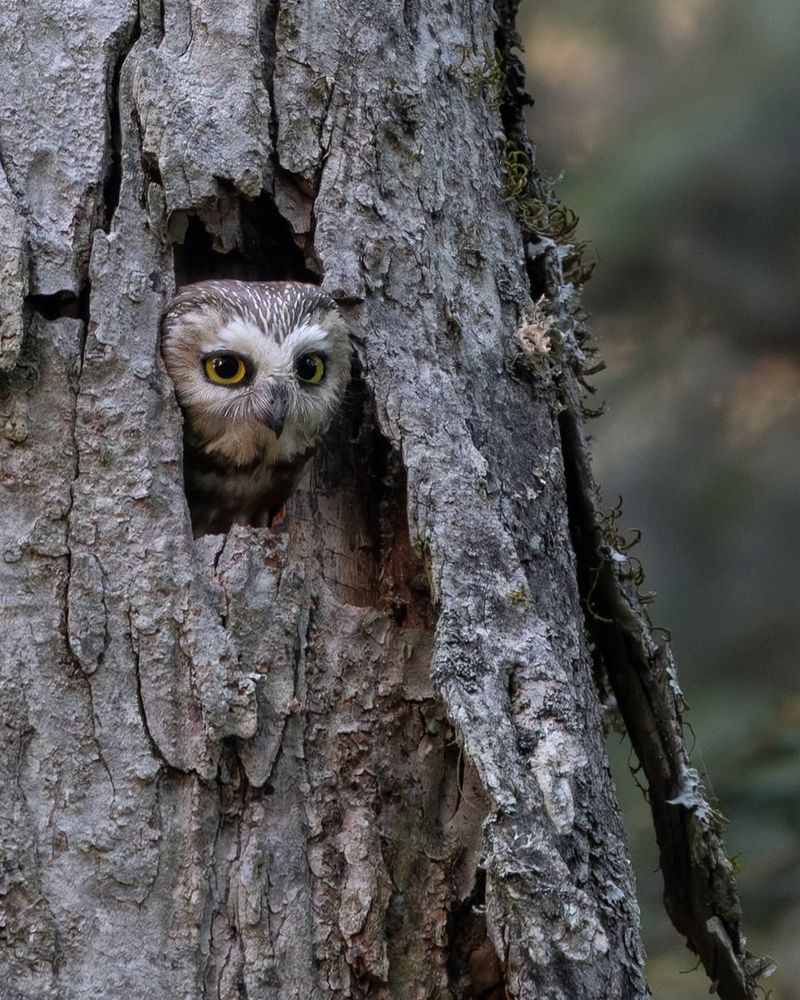
An owl near your home is a quiet piece of evidence that your neighborhood still holds something wild. Darkness, prey animals, mature trees, open ground, and enough shelter to support a top predator are not guaranteed features of every yard in this state.
When they come together, owls notice.
The symbolic meanings people attach to owls, including wisdom, patience, mystery, and awareness, are human interpretations with a long history. They carry personal meaning for many people, and that is worth honoring.
What they are not is a proven owl intention. The bird is hunting, resting, calling, or nesting.
The meaning beyond that is something you bring to the moment.
Supporting owl-safe habitat is one of the most practical responses to a sighting. Avoid rodent poisons that can harm predators through secondary exposure.
Work with a certified arborist before removing mature trees. Keep pets safely supervised after dark.
Give nesting birds space and quiet. These steps protect local wildlife while keeping your yard connected to the natural systems around it.
Seeing an owl near your home is a reminder that the wild world does not stop at your fence line. It simply waits for dark to move in close.