Pennsylvania Gardeners Are Quietly Ripping Out Their Lawns For This Native Gem
Lawns are a lot of work for not a lot of return.
Most Pennsylvania homeowners spend significant time and money mowing, watering, fertilizing, and dealing with weeds, all to maintain a monoculture of grass that supports almost no local wildlife and looks largely the same as every other lawn on the street.
A growing number of Pennsylvania gardeners have decided that trade off no longer makes sense. And they’re replacing their lawns with something far more interesting.
There’s a native Pennsylvania plant that has been quietly gaining momentum as the go to lawn alternative among homeowners who want something beautiful, ecologically valuable, and dramatically lower maintenance than traditional turf.
It spreads effectively, handles Pennsylvania’s climate without complaint, and creates the kind of lush, living ground cover that actually contributes to the local ecosystem rather than just occupying space.
People who have made the switch tend to be genuinely enthusiastic about the results. Here’s the native gem Pennsylvania gardeners are choosing over their lawns and exactly why it’s worth considering for your own yard.
1. Meet The Native Plant Replacing Traditional Turf
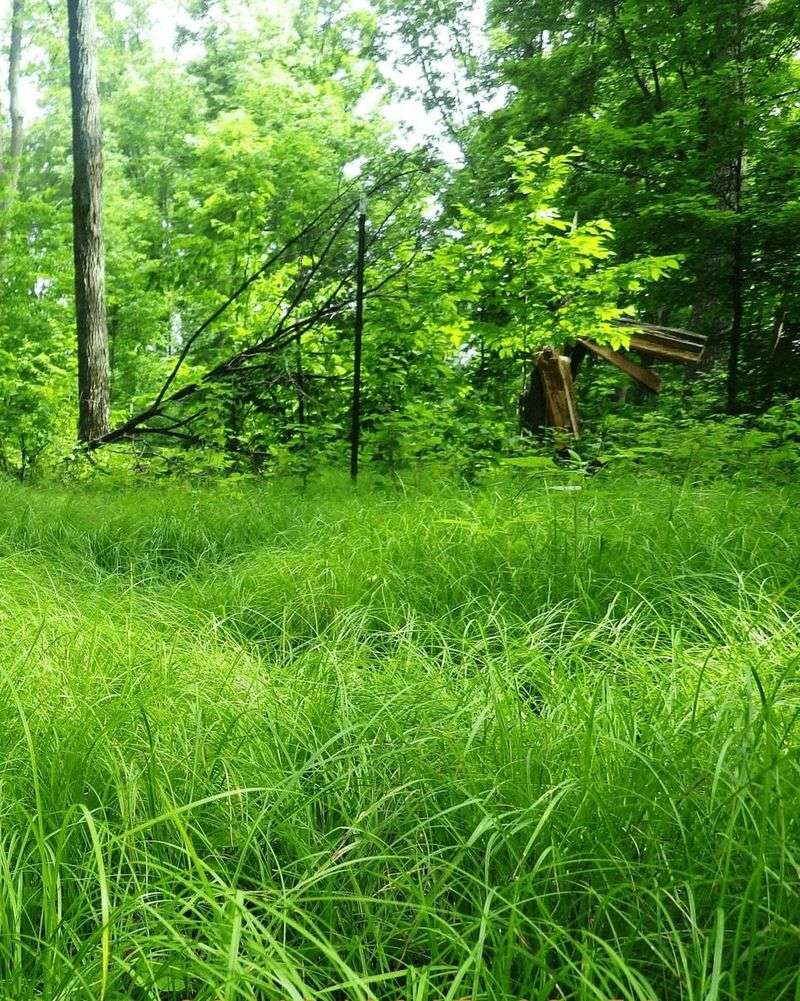
Walk through almost any Pennsylvania woodland in spring and you will likely step over a low, feathery carpet of green that most people never even notice.
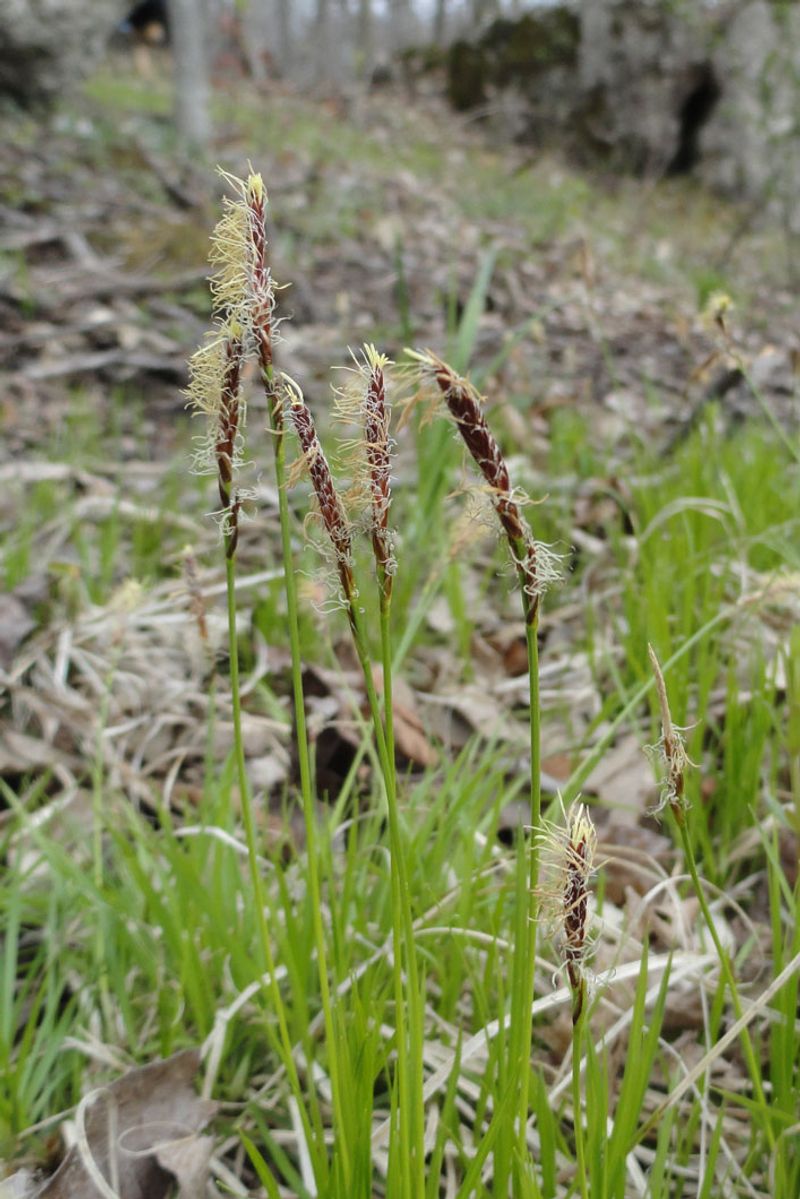
That plant is Pennsylvania sedge, also known by its botanical name Carex pensylvanica, and it is quietly becoming one of the most talked-about native ground covers in the state.
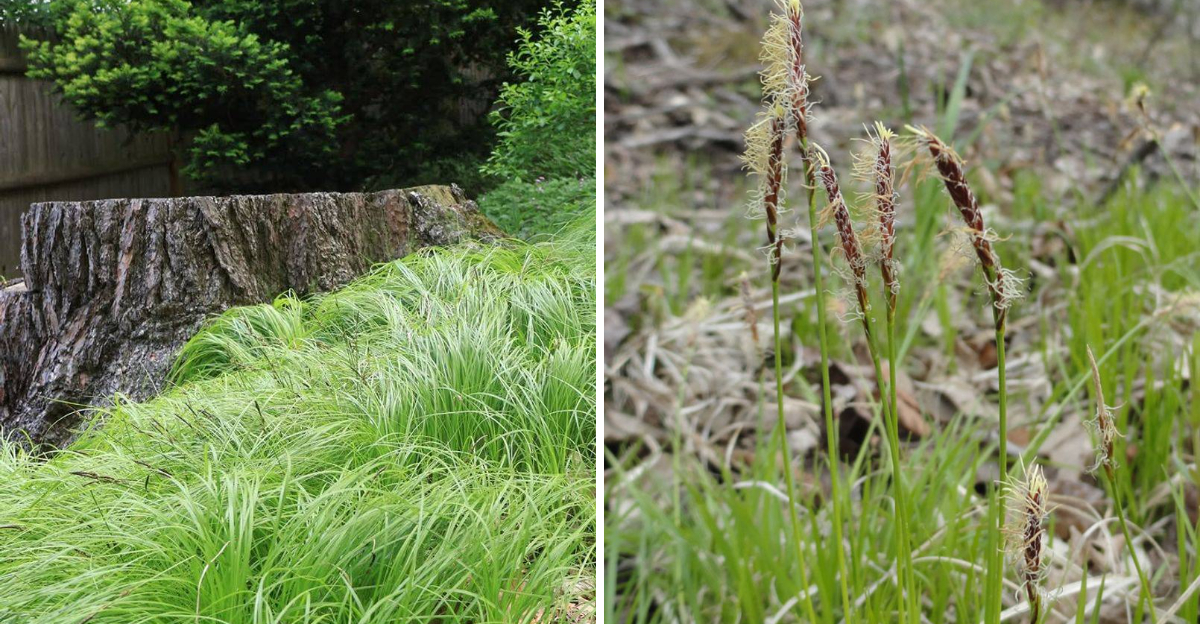
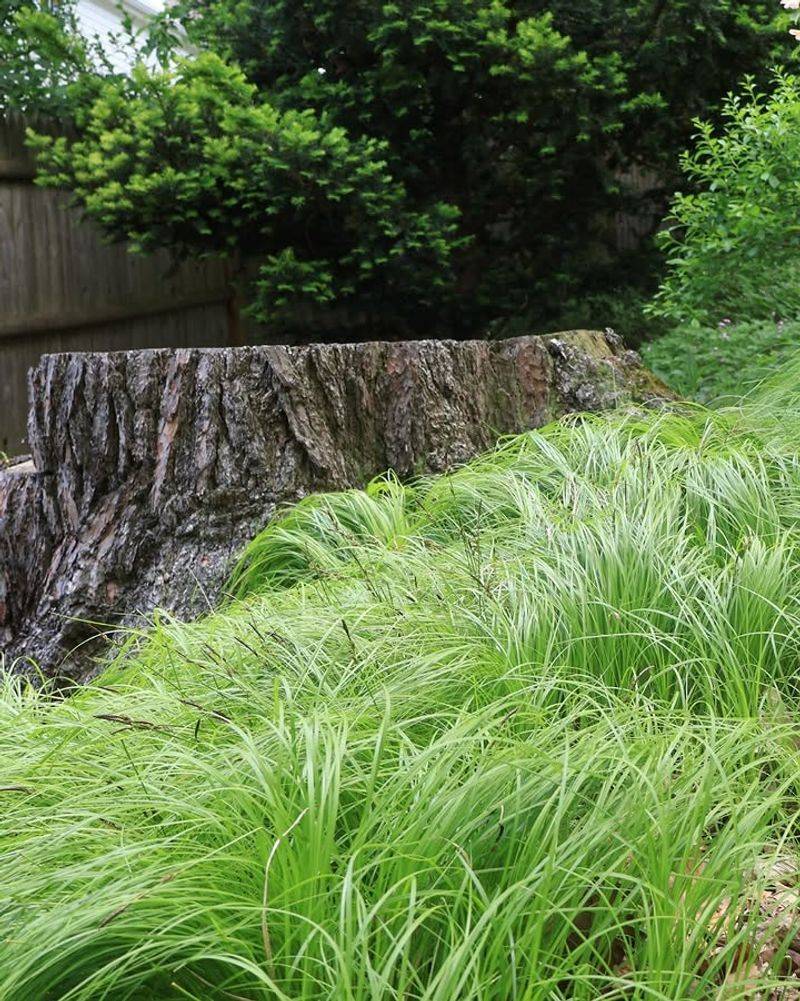
It has a fine texture, soft arching blades, and a relaxed, informal look that feels more like a natural meadow than a manicured lawn.
Penn State Extension actually recommends Pennsylvania sedge as a lawn substitute, especially in shady areas where traditional turfgrass struggles to survive.
Under mature trees or along woodland borders, regular grass thins out, turns yellow, and eventually fades away.
Pennsylvania sedge steps in where grass gives up, spreading slowly into a lush, flowing carpet that looks like it belongs there, because it does.
Unlike many ornamental grasses, this sedge stays relatively short, usually between six and ten inches tall. Its blades arch gracefully outward, giving the ground a soft, layered appearance that feels inviting rather than stiff.
The foliage stays green through much of the year, and in mild winters it can hold its color well into the cold months. It produces small flower spikes in early spring that add a subtle, natural charm without being showy.
For homeowners tired of fighting their shady lawn areas, Pennsylvania sedge offers a genuinely beautiful and practical alternative that works with the natural conditions of the yard rather than against them.
2. Why Pennsylvania Gardeners Are Choosing It
Mowing a lawn every single week gets old fast. Fertilizing, watering, pulling weeds, applying herbicides, and watching the grass still look patchy under the trees can feel like a never-ending battle.
That frustration is exactly why so many Pennsylvania gardeners are switching to Pennsylvania sedge, and once they make the change, most of them say they wish they had done it sooner.
Your Pennsylvania Garden Changes Every Week. Your Plan Should Too.
Gardening in Pennsylvania changes quickly throughout the season. Every Friday you’ll receive a simple weekly plan showing exactly what to plant, prune, fertilize, harvest, and protect so you never miss the right timing.
Pennsylvania sedge requires far less mowing than a conventional lawn. Many gardeners choose not to mow it at all, letting it grow into its natural arching form.
It needs little to no fertilizer, and because it is a native plant, it has already adapted to the local soil and climate conditions. That means fewer chemical inputs, less water after the first year, and a whole lot less time pushing a mower around.
Beyond saving time and money, Pennsylvania sedge helps diversify yards that once consisted entirely of a single grass species.
A monoculture lawn offers very little to local wildlife, but a native sedge planting supports insects, birds, and small mammals in ways that a traditional lawn simply cannot.
It also creates a more natural transition beneath trees, along woodland edges, and around garden beds, blending the cultivated parts of the yard with the wilder, shadier spaces.
Gardeners across Pennsylvania are realizing that working with native plants instead of against them leads to healthier, more resilient yards.
Pennsylvania sedge is not just a trend. It is a practical, ecologically smart choice that makes everyday yard care genuinely easier and more rewarding.
3. The Difficult Places Where It Performs Best
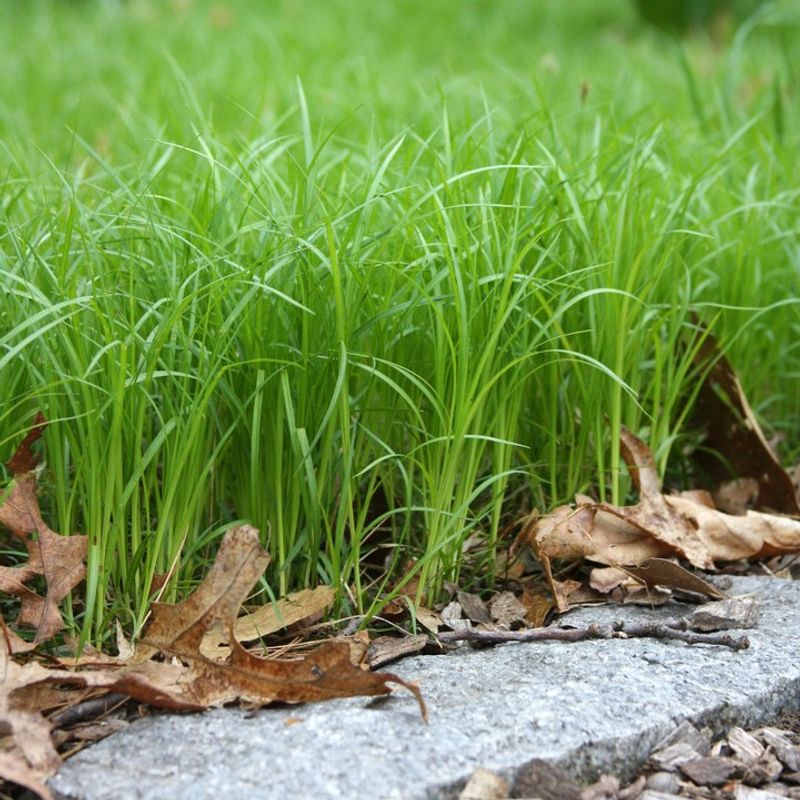
Most plants come with a list of ideal conditions, and then reality hits. Pennsylvania sedge is refreshingly honest about where it belongs, and where it belongs happens to be exactly the spots that give most lawn grasses the hardest time.
Partial shade and open shade are where this plant truly shines, making it a go-to solution for the challenging corners of any Pennsylvania yard.
Beneath deciduous trees is one of its favorite spots. The combination of dry soil, root competition, and reduced sunlight creates a hostile environment for traditional turfgrass.
Pennsylvania sedge handles all of that without complaint. It also performs well in dry woodland gardens, where soil moisture is inconsistent and light is filtered through a canopy of leaves.
It can grow in dry to moderately moist, well-drained soil, which covers a huge range of common backyard conditions across the state.
At full growth, Pennsylvania sedge typically reaches about six to ten inches tall. That compact height keeps it looking tidy without much intervention, and its spreading habit fills in gaps over time.
One thing worth knowing upfront is that this plant is not the right fit for wet or poorly drained ground. Standing water or consistently soggy soil will cause problems, so areas near downspouts or low-lying spots that collect rainwater are best avoided.
Stick to the shady, drier zones of your yard and Pennsylvania sedge will reward you with steady, dependable coverage year after year. It is essentially built for the spots where nothing else seems to grow well.
4. How To Replace A Patch Of Lawn With Pennsylvania Sedge
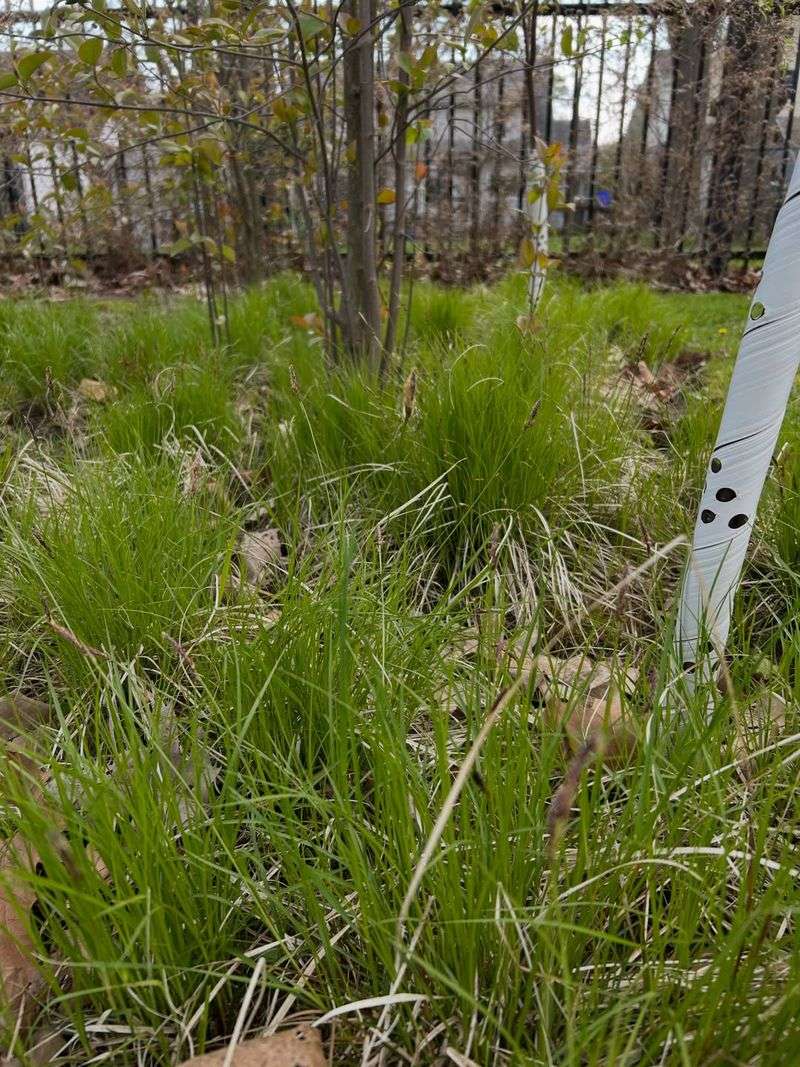
Starting a lawn replacement project can feel overwhelming, especially if you look at the whole yard at once. The smartest approach is to pick one manageable section and start there.
Choose a spot where grass already struggles, like a shady area under a large tree or along a woodland edge. Working with a small patch first lets you learn the process without feeling buried by the scale of the project.
Before planting anything, remove the existing turf and any persistent perennial weeds. This step matters more than most people realize.
Weeds left behind will compete with young sedge plants and slow down coverage significantly. Smothering the area with cardboard or solarizing the soil are both popular organic methods for clearing the ground before planting begins.
Once the area is clean, plant your Pennsylvania sedge plugs relatively close together. Spacing them about six to eight inches apart speeds up coverage and reduces the time it takes for the plants to fill in and form a solid carpet.
Watering regularly during the establishment period is essential, even though mature Pennsylvania sedge handles drier conditions quite well. Young plants need consistent moisture to develop strong root systems.
Spreading a light layer of mulch between plugs helps hold moisture in the soil and keeps weeds from sneaking back in while the sedge fills in. Within one to two growing seasons, most plantings start looking cohesive and full.
Patience is part of the process, but the payoff of a low-maintenance, naturally beautiful ground cover makes the effort absolutely worth it.
5. The Surprisingly Small Amount Of Maintenance It Needs
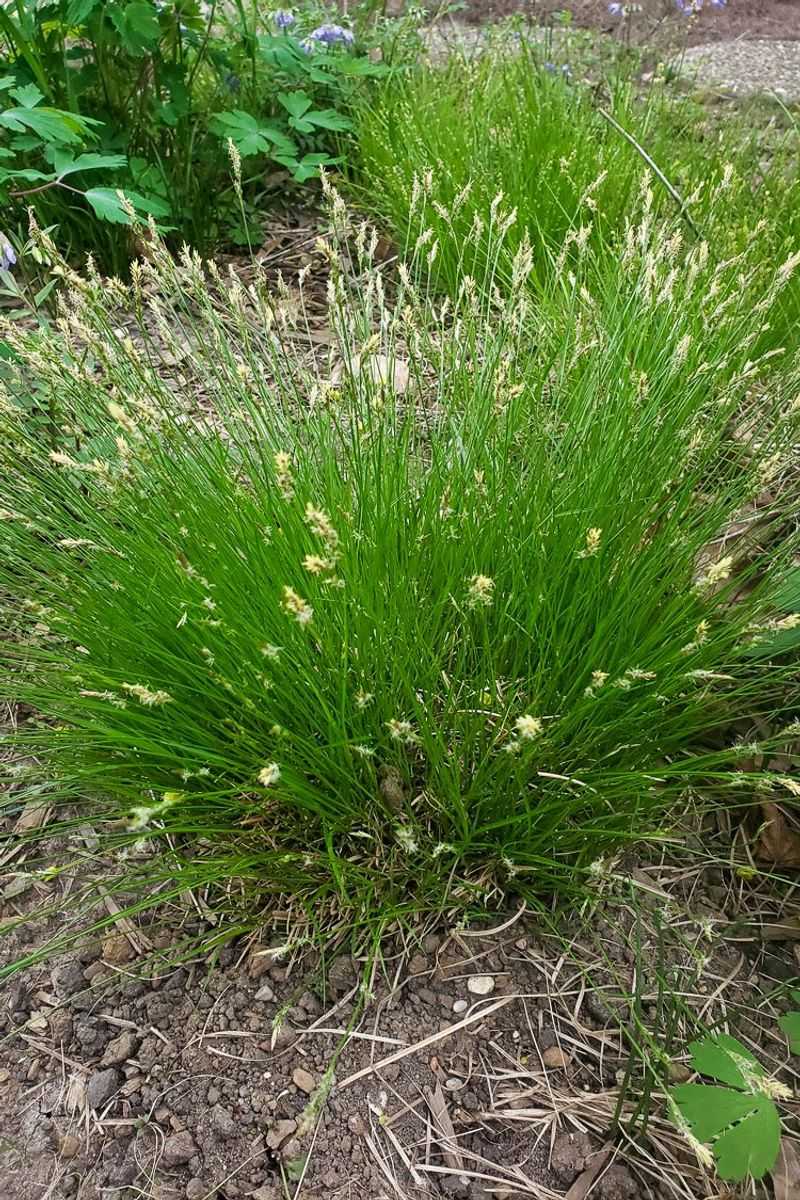
One of the best things about Pennsylvania sedge is what you do not have to do. Forget weekly mowing schedules, monthly fertilizer applications, and seasonal herbicide treatments.
Once this plant is established, it settles into a rhythm that requires almost nothing from you. That kind of low-maintenance reliability is exactly what draws so many busy homeowners to it in the first place.
The most natural approach is to simply let the foliage grow freely. Left alone, Pennsylvania sedge forms a flowing, grass-like carpet that moves gently in the breeze and looks completely at home in a shaded yard.
If the foliage starts looking tired or flattened by winter, a single trim in late winter handles it perfectly. Penn State recommends cutting established plants down to about three inches before new spring growth emerges.
That one annual trim refreshes the planting and makes way for fresh, bright green blades as the weather warms up.
Over time, Pennsylvania sedge spreads by rhizomes, slowly expanding outward from each original plant. If a clump starts creeping beyond the area you intended it to cover, dividing it is straightforward.
Dig up the outer sections, pull them apart, and transplant the divisions to other shady spots in the yard where you want more coverage. This is a great way to expand your planting without spending extra money on new plugs.
The plant essentially multiplies on its own timetable, making it one of the most self-sufficient ground covers available to Pennsylvania gardeners looking for a smarter, simpler way to manage their shaded yard spaces.
6. What Homeowners Must Know Before Removing Their Lawn
Before you grab a shovel and start tearing up the whole lawn, there are a few important things to understand about Pennsylvania sedge. Knowing its limitations upfront will save you frustration later and help you use it in the right places from the very beginning.
The most critical thing to know is that this plant tolerates light foot traffic, but it does not hold up well under constant or heavy use.
If your yard has areas where kids play, dogs run, or people regularly walk back and forth, Pennsylvania sedge is not the right fit for those spots.
Adding stepping stones or a simple pathway through areas where foot traffic is unavoidable helps protect the planting and keeps the sedge looking its best.
Without some kind of path, repeated foot traffic will wear the plants down over time and create bare patches that are hard to recover.
Coverage also takes time. Pennsylvania sedge spreads slowly, so a newly planted area will not look fully filled in right away.
That is completely normal, but it is worth setting realistic expectations before you start. Play areas, sports spaces, and heavily traveled sections of the yard are better suited to traditional turfgrass, which handles wear and tear far more effectively.
The smartest approach for most Pennsylvania homeowners is a mixed landscape strategy. Keep your lawn in the open, sunny, high-traffic zones where grass performs well.
Replace it with Pennsylvania sedge in the shady, low-traffic corners where grass has always struggled. Using each plant where it naturally excels creates a yard that is both easier to maintain and far more enjoyable to spend time in.