Should You Keep Mowing Your Pennsylvania Lawn In October? Here’s When To Stop
October has a way of making Pennsylvania homeowners stare at their mower and wonder if they are done for the year or just taking a break.
One neighbor already dragged his inside weeks ago. Another is still out there every Saturday like it is the middle of summer, absolutely committed to the bit.
So who actually has it right? The honest answer is that neither the calendar nor your neighbor is the best guide here.
Your grass, your soil temperature, and your thermometer are doing the real talking, and most people never bother to listen.
That is a shame, because a few well-timed decisions in October can make a genuine difference in how your lawn looks when spring finally shows up. The mower is not quite done yet, but knowing exactly when to park it is the whole point.
1. Why Pennsylvania Grass Keeps Growing Into October
Picture a cool October morning in Pennsylvania, with frost barely missing your porch steps. Your lawn looks sleepy, yet it is quietly busy under the surface.
Most yards here grow cool-season grasses like Kentucky bluegrass, tall fescue, and perennial ryegrass. These grasses love temperatures between 60 and 75 degrees, which makes early fall one of their favorite seasons.
While the tops slow down, the roots speed up. Grass spends autumn storing sugars and building deeper roots to survive winter and green up fast in spring.
That means your lawn still needs care, even if you mow less often. Skipping mowing too early can leave tall, floppy grass that mats down under snow.
Fun fact: Kentucky bluegrass is not actually from Kentucky. It came from Europe and spread across the country, including farms and yards.
A good habit is to watch how fast your grass grows each week. If it adds about an inch in seven days, keep mowing on your normal schedule.
If growth slows to half an inch or less, you can stretch the time between cuts. Your lawn is telling you what it needs, so let the grass set the pace instead of the calendar.
Keep an eye on the weather forecast, too. Warm spells in October can trigger surprise growth spurts that call for one more pass with the mower.
2. The Temperature Clue Every Homeowner Should Watch
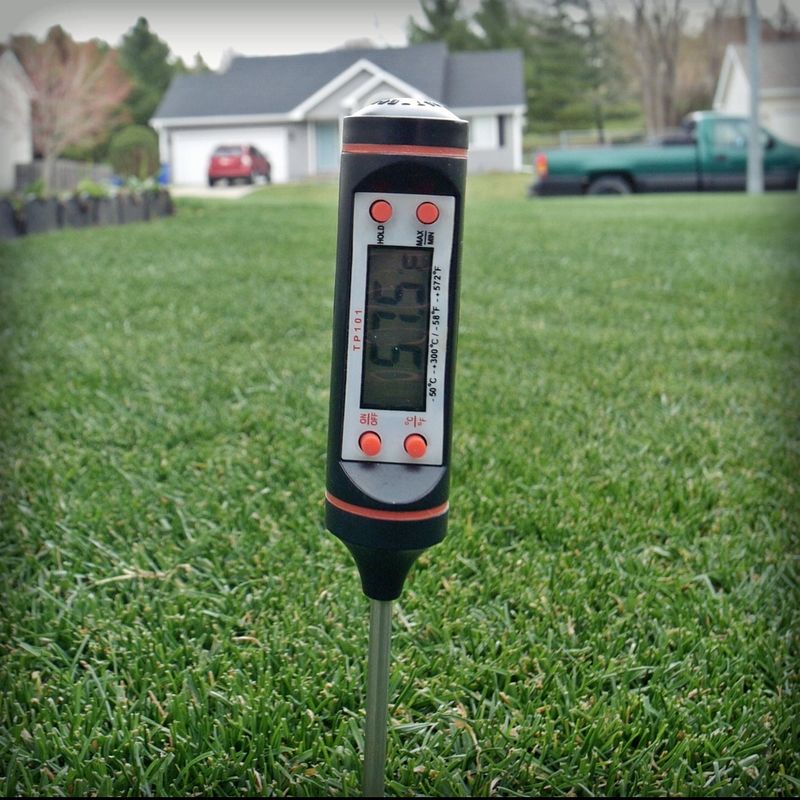
Here is a simple trick that works better than guessing. Grab a cheap outdoor thermometer or check your weather app every day.
Cool-season grass slows way down once daytime highs stay below about 50 degrees. When nights dip near freezing and days stay consistently chilly, growth nearly stops as soil temperatures continue to drop.
In Pennsylvania, that shift often happens in late October or early November. Northern counties near Erie or the Poconos usually cool off sooner than places like Philadelphia or Lancaster.
So your stop date depends on where you live. A lawn in Scranton might be finished two weeks before a lawn in York.
Soil temperature matters, too. Penn State Extension confirms that cool-season grass roots continue growing below 50 degrees but slow dramatically as temperatures approach freezing, which is why fall feeding still helps even after mowing slows.
Your Pennsylvania Garden Changes Every Week. Your Plan Should Too.
Gardening in Pennsylvania changes quickly throughout the season. Every Friday you’ll receive a simple weekly plan showing exactly what to plant, prune, fertilize, harvest, and protect so you never miss the right timing.
You can buy a soil thermometer at most garden centers for a few dollars. Push it about four inches into the ground and check it in the morning.
A good rule is to keep mowing as long as the grass keeps growing. Once you see several days in a row under 50 degrees and your grass barely moves, you are close to the finish line.
Write your stop date on a calendar each year. After a few seasons, you will have your own local guide that beats any general advice.
3. The Right Mowing Height For A Fall Lawn
Ask any golf course worker about fall height, and you will hear strong opinions. For home lawns, though, the answer is pretty easy to remember.
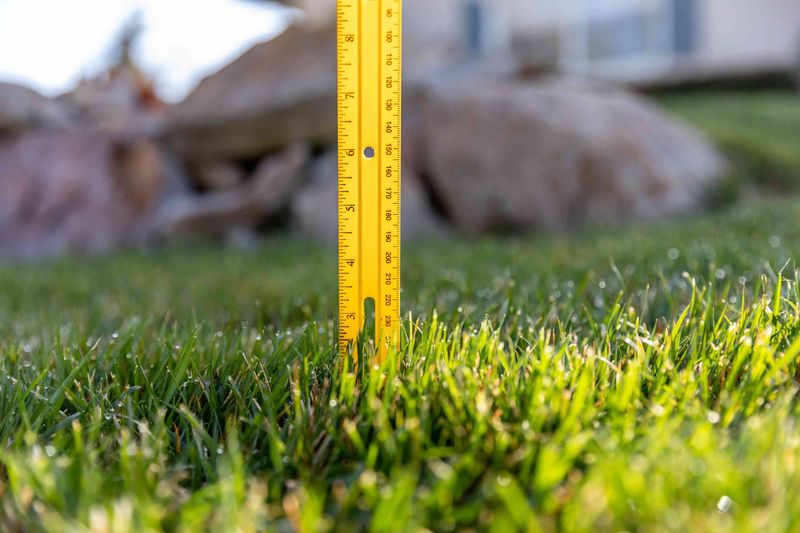
Keep your grass around 3 to 3.5 inches tall for most of October. That height helps the blades soak up sunlight and feed the roots before winter arrives.
Then, for your very last mow of the year, drop the height to about 2.5 inches. Shorter grass is less likely to flop over and trap moisture under snow.
Why does that matter? Long, matted grass can invite a problem called snow mold, which leaves gray or pink crusty patches in spring.
Pennsylvania winters often bring heavy, wet snow, so this step is worth doing. Just avoid scalping the lawn, because cutting too low stresses the plants and exposes soil to weeds.
Follow the one-third rule every time you mow. Never remove more than a third of the blade in one cut, even if you are behind schedule.
If your grass got tall during a rainy week, lower the height slowly over two mows. Your lawn will handle the change much better than one big chop.
Also, sharpen your mower blade before fall mowing starts. Clean cuts heal faster, and ragged tips turn brown and look tired.
4. Handling Fallen Leaves
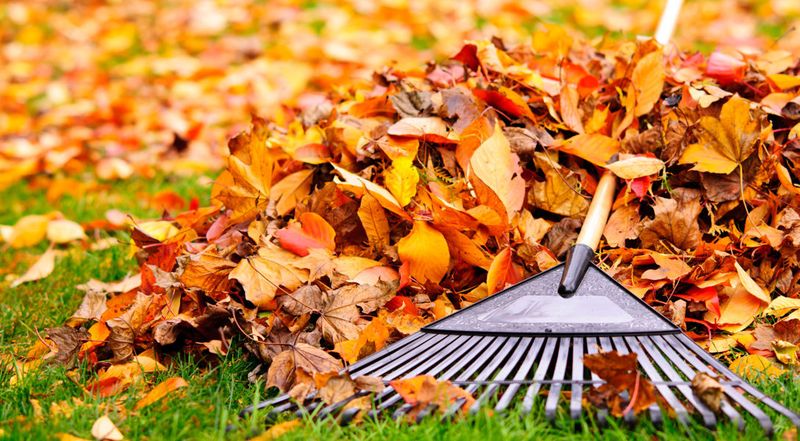
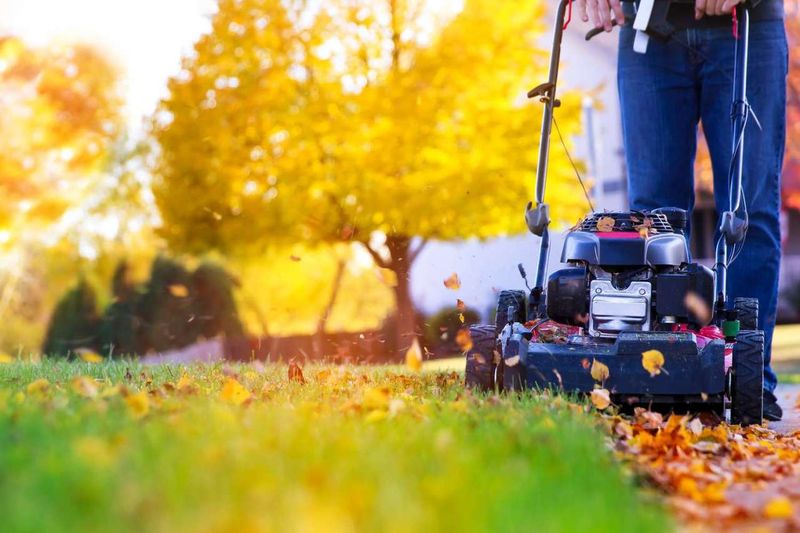
Pennsylvania has millions of trees, and it feels like half of them drop leaves on your yard. Oaks, maples, and sycamores all join the party in October.
Leaving a thick blanket of leaves on the grass is a bad idea. It blocks sunlight, holds moisture, and can smother patches of lawn by spring.
Here is the good news: your mower can help. Mulching mowers chop leaves into tiny bits that sink into the grass and break down over winter.
Research from Michigan State University found that mulched leaves can actually improve soil and reduce weeds. Those shredded pieces feed earthworms and add natural nutrients.
Aim to mow over leaves when they are dry and not too deep. If you can still see grass poking through, the mower can usually handle it.
When leaves pile several inches high, rake some into a garden bed first. They make wonderful free mulch for flowers and shrubs.
This leaf job is a big reason many people keep mowing into November. Even after the grass stops growing, one or two leaf passes keep the lawn clear.
Many towns also offer curbside leaf pickup in fall. Check your township website for dates so your piles do not sit too long.
5. Signs Your Lawn Is Ready For Its Last Cut
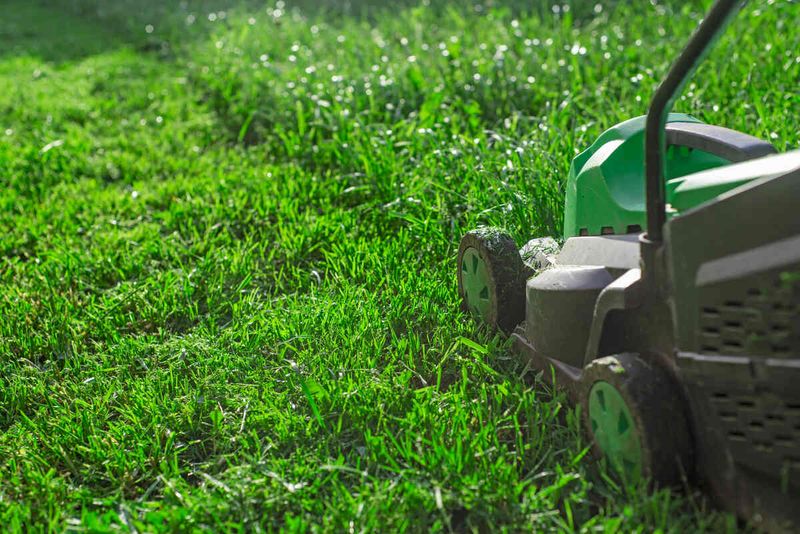
Grass has its own way of saying goodbye for the season. You just need to know what to look for.
First, notice how often you are mowing. If you went two weeks and the lawn barely looks different, growth has mostly paused.
Second, look for frosty mornings stacking up. Several light frosts in a row usually mean your grass is heading into winter rest.
Third, check the color. Lawns often shift to a slightly duller, blue-green shade as they slow down in the cold.
For many Pennsylvania yards, the last cut lands between late October and mid-November. Southeastern areas may push closer to Thanksgiving during a warm year.
One helpful tip: do not mow frozen or frosty grass. Walking or rolling over frozen blades can crack them and leave brown footprints across the yard.
Wait until the frost melts and the lawn is dry before your final pass. Late morning or early afternoon usually works best.
Once you finish, give yourself a pat on the back. You helped your lawn head into winter strong, and that effort shows up in April.
Snap a photo of your final cut, too. Comparing pictures year to year is a fun way to track your progress.
6. Mistakes Homeowners Make With Fall Mowing
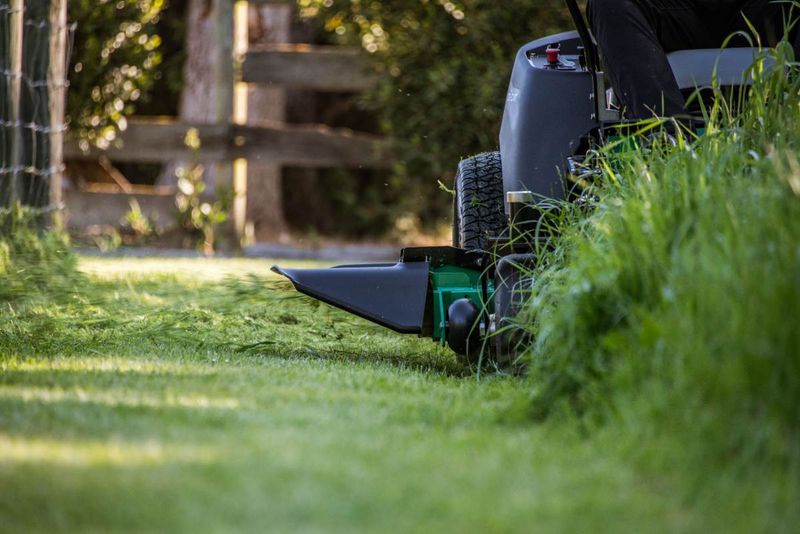
Oops moments happen to everyone, even seasoned yard lovers. The trick is knowing which ones to skip this fall.
Mistake number one is quitting too early. Parking the mower in September often leaves shaggy grass that clumps and invites disease over winter.
Mistake number two is scalping. Some folks think a super short buzz cut saves work, but it weakens roots and opens the door to weeds like crabgrass next year.
Mistake number three is mowing wet grass. Fall mornings in Pennsylvania are often damp, and wet clippings clump, clog the mower, and tear the blades.
Mistake number four is ignoring a dull blade. A dull edge rips grass instead of slicing it, which leaves brown, frayed tips.
Mistake number five is bagging every single clipping. Short clippings return nitrogen to the soil, so leaving them on the lawn is like a free snack for your grass.
A quick fix for most of these problems is slowing down. Check the weather, check the height, and check the blade before starting.
You will spend a few extra minutes, but the payoff is a thicker, healthier lawn. Your spring self will be very thankful.
Keep a small notebook in the garage for mower notes. Jot down blade sharpening dates and heights so nothing slips your mind.
7. Pairing October Mowing With Fall Feeding
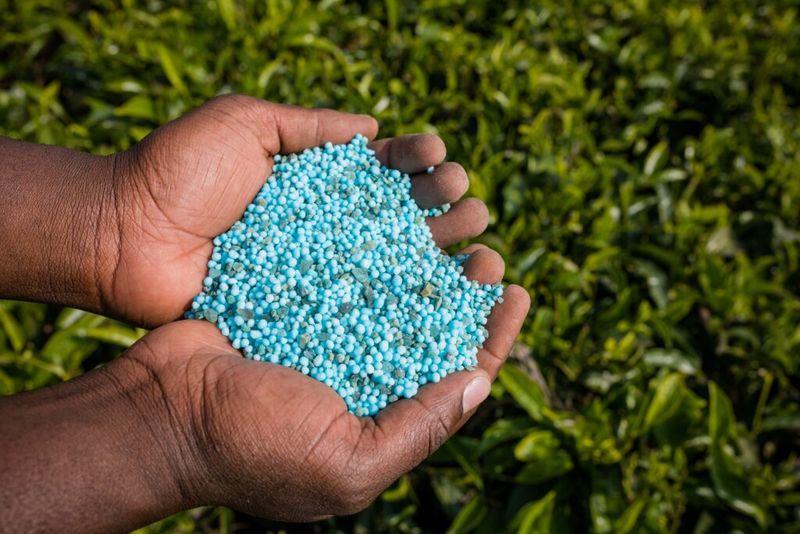
Think of fall fertilizer as a warm winter coat for your grass. It gives roots the fuel they need to rest well and wake up strong.
Penn State Extension describes late summer and fall as the most important fertilizing periods for cool-season turf. Most Pennsylvania lawns benefit from two fall applications, one in early fall and a second in late October or early November, rather than treating the second application as optional.
That timing lines up nicely with your mowing schedule.
Try to mow a day or two before spreading fertilizer. Shorter, even grass lets the granules reach the soil instead of sitting on top of tall blades.
After feeding, wait for a light rain or water the lawn gently. This helps nutrients soak in and keeps them from washing into streets and storm drains.
Pennsylvania cares a lot about protecting streams and the Chesapeake Bay. So sweep any fertilizer off sidewalks and driveways back onto the grass.
Choose a product with slow-release nitrogen if you can. It feeds the lawn steadily and lowers the chance of runoff.
Fall is also great for overseeding thin spots, as long as you do it by early October. New seedlings need a few weeks of growth before hard frost.
Hold off on mowing new seedlings until they reach about four inches. Then trim gently with a sharp blade so the tender grass stays rooted.
8. Getting Your Mower Ready For Winter
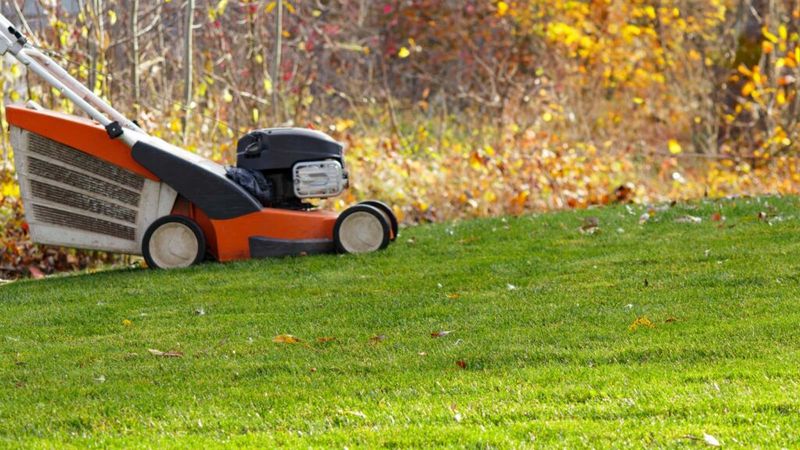
Grandpa used to say a tool treated right lasts twice as long. He was onto something, especially with lawn mowers.
After your final cut, give your mower some care before tucking it away. Pennsylvania winters bring cold, damp air that can cause rust and fuel troubles.
Start by cleaning grass and leaf gunk off the deck. Tip the mower carefully, following the manual, and scrape away caked clippings with a plastic putty knife.
Next, deal with the gas. Either run the tank empty or add fuel stabilizer and run the engine a few minutes so treated fuel reaches the carburetor.
Old gas can turn gummy over winter and make spring starts frustrating. A little stabilizer costs just a few dollars and saves plenty of pulling on the cord.
This is also a smart time to sharpen or replace the blade. Local repair shops get slammed in April, so beating the rush helps.
Check the air filter and spark plug while you are at it. Swapping them now means your mower will be ready for the first spring cut.
Finally, store the mower in a dry shed or garage. Cover it with an old sheet to keep dust off, and it will greet you in spring like an old friend.
9. A Simple October To November Mowing Plan
Plans make life easier, and lawns are no different. A basic schedule takes the guesswork out of fall yard work.
Early October: mow weekly at about 3 to 3.5 inches. Mulch light leaf drops and feed the lawn if you skipped September.
Mid October: watch growth closely and stretch mowing to every 10 days if things slow. Keep shredding leaves before they pile up.
Late October: start checking temperatures daily. In northern Pennsylvania, this may be your final mowing window.
Early November: many southern and eastern yards get their last cut now. Drop the height to around 2.5 inches for that final pass.
Mid November: clear any last leaves with the mower or a rake. Then clean, fuel-treat, and store your mower for winter.
Of course, weather loves to change plans. A warm, rainy stretch might add an extra mow, while an early cold snap could end things sooner.
Stay flexible and let your grass guide you. The calendar is a helpful map, not a strict rule.
By following these steps, you protect your roots, dodge snow mold, and set up a thick spring lawn. That first green-up in April will feel like a reward for all your fall effort.
Share this plan with a neighbor, too. Healthy lawns up and down the street look great together.