8 Fall Bulbs Wisconsin Gardeners Should Order Before They Sell Out
Frost arrives before you expect it, and plans stall instantly. Wisconsin winters challenge your garden if you plant too late.
Timing decides whether your spring bursts with color. You control that outcome long before the ground freezes.
Bulbs demand serious cold to unlock your garden’s hidden potential. Skip that chill, and your tulips refuse to open.
Daffodils struggle too, denying you the boldest spring display. Nurseries sell your favorite varieties within days, sometimes hours.
Popular Wisconsin favorites disappear before you even decide. October marks your real cutoff before ground turns solid.
Missing it means you wait an entire year for color. Every choice you make now shapes what emerges later.
Momentum only builds if you act before winter locks in. Waiting even a few days can cost you spring’s boldest blooms.
Smart planning now truly saves you from spring regret. Right now, you still have time, but not for long.
1. Tulips
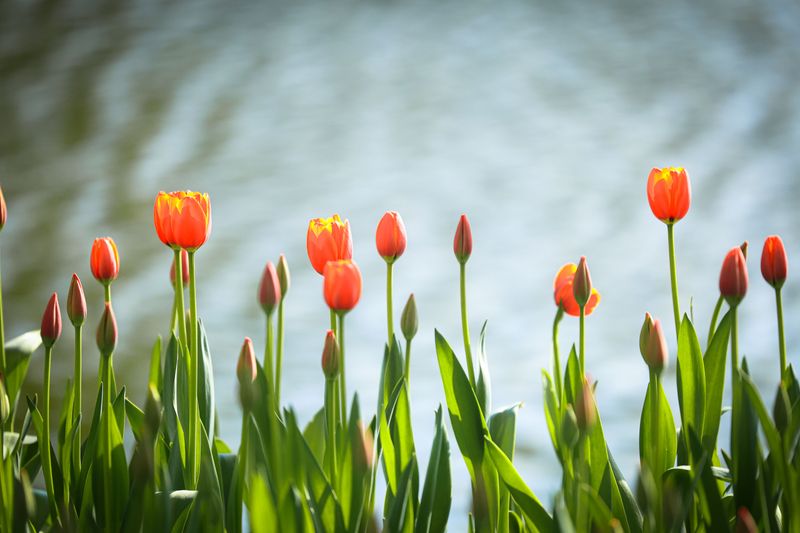
Nothing announces spring quite like a tulip pushing through half-frozen ground. These bold, cup-shaped blooms are the standout flowers of the spring garden, and Wisconsin gardeners have loved them for generations.
Tulips come in a wide range of colors, from deep burgundy to creamy white. You can mix varieties to create a bloom sequence that lasts from early April into late May.
Plant them about six to eight inches deep in well-drained soil. Shallow planting is one of the biggest mistakes beginners make, and it leads to floppy, weak stems that flop over after one rain.
Choose a sunny spot with at least six hours of direct light each day. Tulips planted in shade tend to stretch awkwardly toward the sun, which ruins that classic upright look.
Darwin Hybrid tulips are a fantastic pick for cold-climate gardens because they return reliably for several years. Most tulips are treated as annuals, but Darwins give you more bang for your bulb budget.
Group them in clusters of ten or more for the biggest visual impact. A single tulip here and there looks lonely, but a mass planting stops people in their tracks.
Order early because popular colors, especially the bicolor and parrot varieties, disappear from catalogs fast.
You’ll be glad you planted early when the neighborhood is blooming and your garden is the showstopper on the block.
2. Daffodils
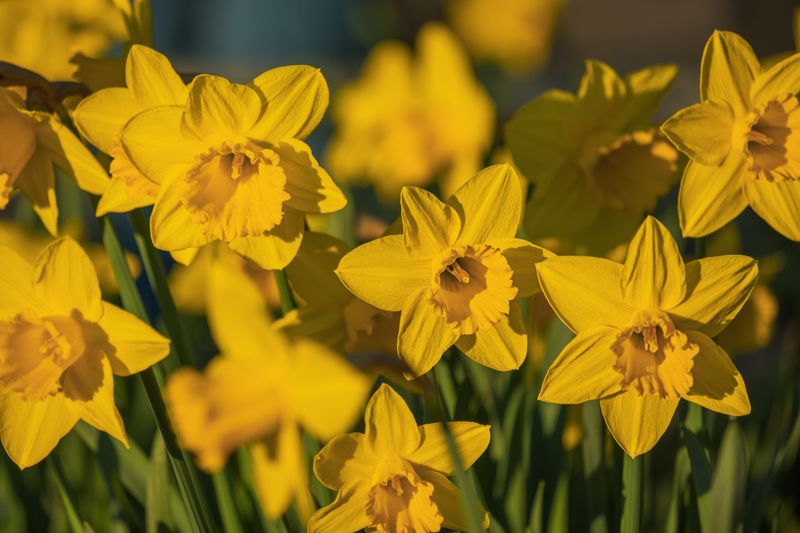
Squirrels will not touch them, deer ignore them, and they come back stronger every single year. Daffodils are the most low-maintenance bulbs you can plant this fall, and they reward minimal effort with maximum charm.
These sunny yellow blooms carry a distinct, understated charm that no other spring flower matches. Plant them once and they will multiply underground, giving you more flowers with each passing season.
Daffodils contain a natural toxin called lycorine, which makes them completely unappealing to hungry wildlife. That is a massive win in areas where deer and rabbits feed freely on unprotected plants.
For best results, plant bulbs in groups of five to seven, about six inches deep and six inches apart. Spacing them too tightly can cause overcrowding after a few years, which reduces bloom size.
Your Wisconsin Garden Changes Every Week. Your Plan Should Too.
Gardening in Wisconsin changes quickly throughout the season. Every Friday you’ll receive a simple weekly plan showing exactly what to plant, prune, fertilize, harvest, and protect so you never miss the right timing.
Try mixing early, mid, and late-season varieties to stretch your display across six to eight weeks. Varieties like Ice Follies, Jetfire, and Thalia each bloom at slightly different times, keeping the show going.
After blooming, resist the urge to cut the foliage back too soon. Those leaves are feeding the bulb underground, building energy for next year’s flowers, so let them yellow naturally.
Daffodils are one of the fall bulbs Wisconsin gardeners rely on most heavily because of their tough, no-fuss personality. Order a mix of colors and shapes this season, and your spring garden will feel like a celebration.
3. Crocuses
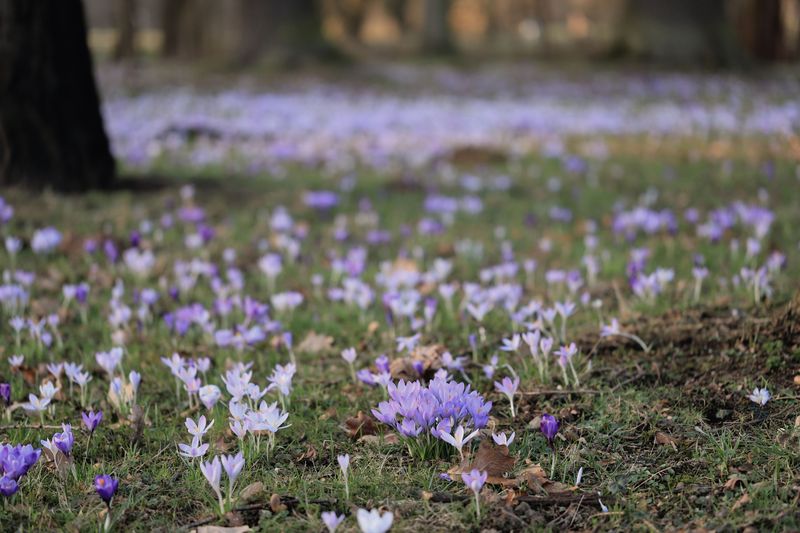
Crocuses are among the earliest bulbs to bloom, pushing through snow and frozen soil before anything else dares to bloom. Spotting that first crocus in late February or early March is a welcome early-spring surprise.
These tiny but mighty bloomers come in shades of purple, white, yellow, and striped combinations that look almost painted by hand. Planting a mix of colors creates a cheerful patchwork that brightens even the grayest early spring day.
Plant crocus corms about three to four inches deep in well-drained soil with good sun exposure. They naturalize beautifully in lawns, creating a dense carpet of color before the grass needs its first mow.
Tommie Crocus, a type of species crocus, is smaller than Dutch hybrids but multiplies faster and blooms even earlier. If you want the earliest possible color, species types are the smarter buy for cold-climate gardens.
One thing to watch out for is squirrel theft, because these little corms are apparently irresistible to the local wildlife. Covering freshly planted areas with chicken wire for the first few weeks can save your investment.
Mass planting is the key to making crocuses look intentional rather than accidental. Scatter at least fifty corms across a single bed to create that sweeping, naturalized look you see in gardening magazines.
Order them now before the best color mixes disappear from the shelves and your spring garden misses its earliest act.
4. Hyacinths
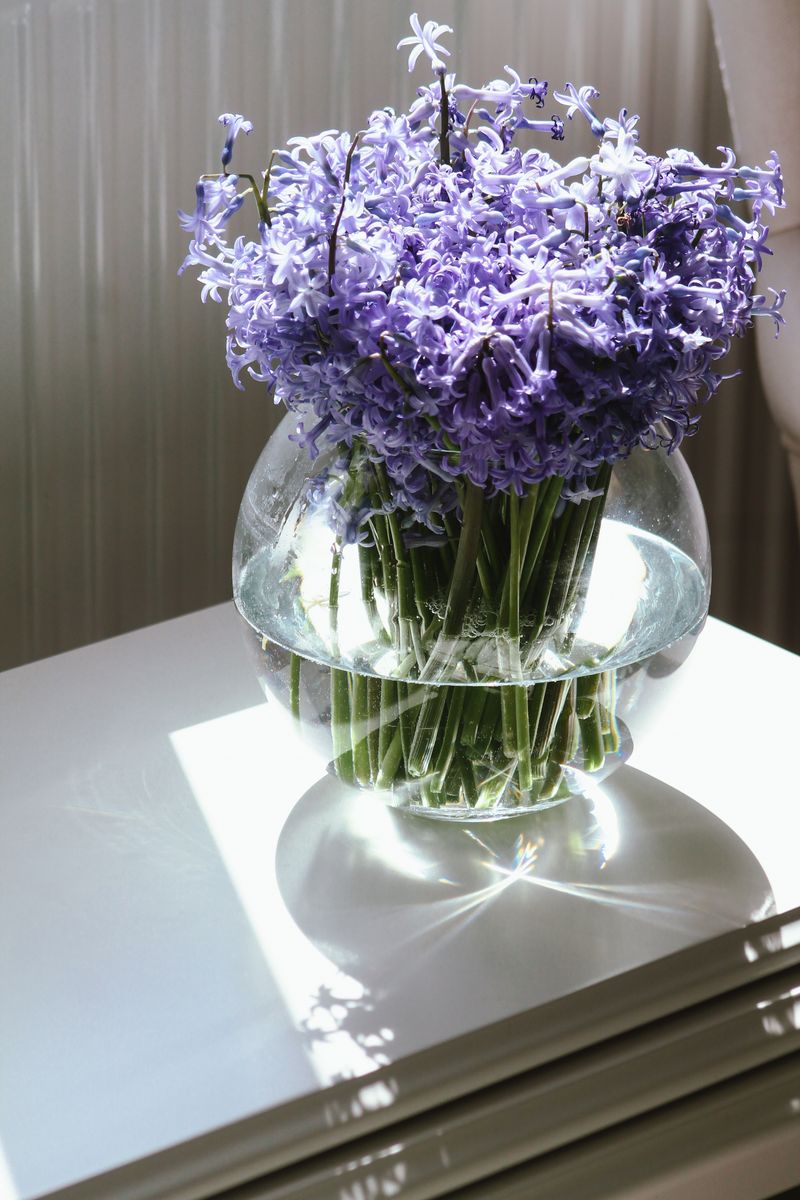
The fragrance of a blooming hyacinth is noticeably strong, and it shifts the mood of an entire yard. These powerfully fragrant flowers are the reason people stop walking on sidewalks and lean over garden fences to ask what that strong fragrance is.
Hyacinths produce tight, jewel-like clusters of tiny florets packed onto a single thick stem. The color range runs from deep indigo to soft pink to bright white, making them easy to mix with almost any other spring bloomer.
Plant the bulbs about six inches deep in a sunny to partly shaded spot with excellent drainage. Poor drainage is the number one enemy of hyacinths, causing the bulbs to rot before they even get started.
In their first year, hyacinths produce the fattest, most impressive flower spikes you have ever seen. Subsequent years bring slightly smaller but equally fragrant blooms, which actually look more natural and relaxed in a mixed border.
Some gardeners wear gloves when handling hyacinth bulbs because the outer skin can cause mild skin irritation. It is a small precaution that saves you from an itchy afternoon, so keep a pair of garden gloves nearby.
Try forcing a few bulbs indoors in a glass vase filled with water for a stunning winter display. Watching the roots grow and the flower spike rise over several weeks is genuinely one of winter’s small pleasures.
These are among the fall bulbs Wisconsin gardeners order first, and for good reason. Stock up before the deep blue and true red varieties vanish from the catalog.
5. Alliums
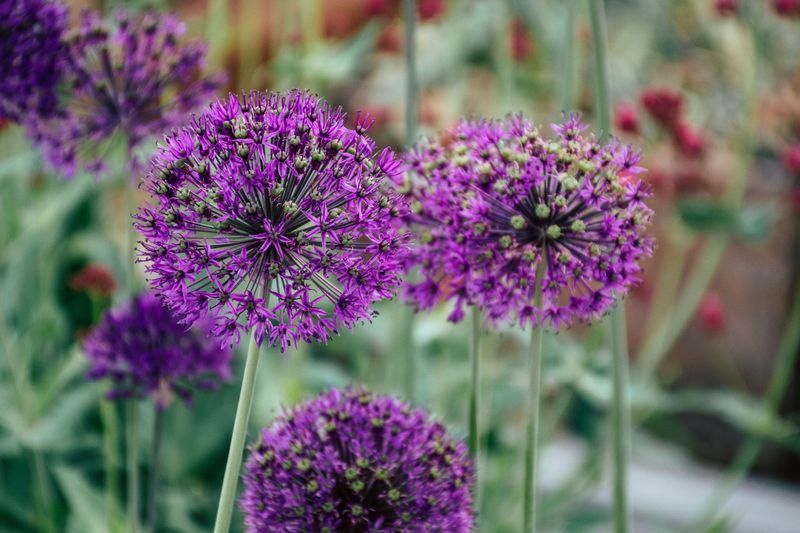
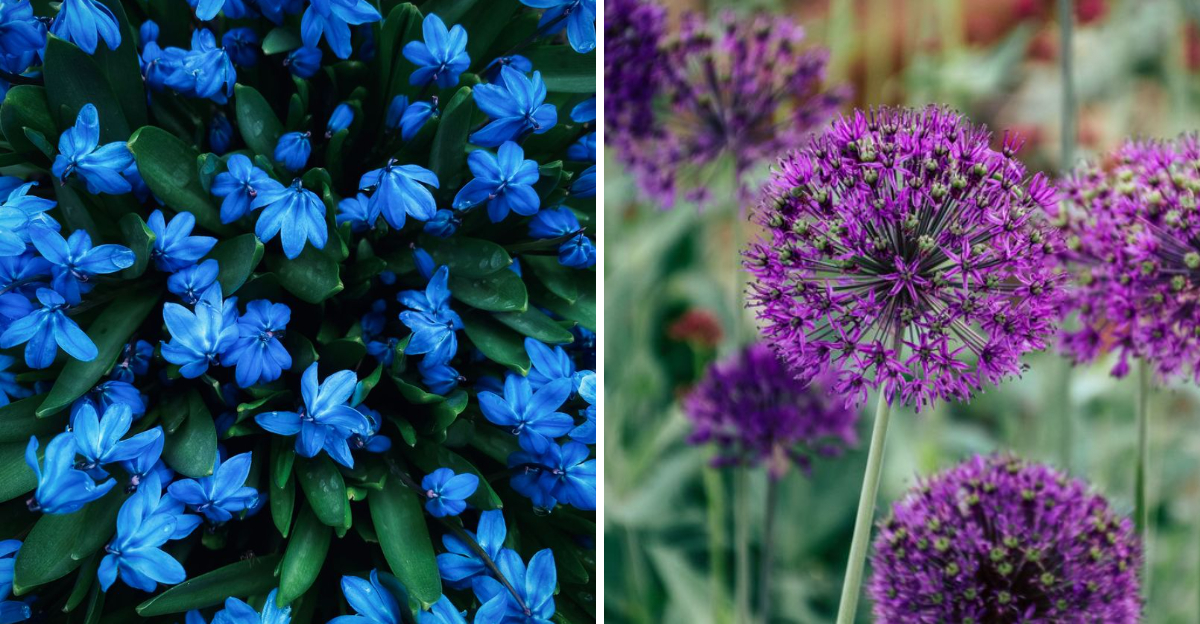
Picture a perfectly round purple globe floating on a tall, elegant stem above your garden. That is allium, and once you grow it, you will never design a spring border without it again.
Alliums are members of the onion family, which means they carry that same natural pest-deterring chemistry.
Deer, rabbits, and most insects leave them completely alone, making them one of the toughest bulbs you can plant.
Giant Allium varieties, such as Gladiator and Globemaster, produce softball-sized flower heads in brilliant purple. These dramatic blooms appear in late spring and bridge the gap between spring and summer plantings beautifully.
Plant the bulbs in fall at a depth three times their diameter in full sun. Good air circulation around the stems helps prevent the fungal issues that occasionally affect this genus in humid Midwest summers.
Alliums pair brilliantly with late tulips and early perennials like salvia and catmint. The round purple heads create a strong visual contrast against soft, feathery textures in a mixed planting scheme.
Even after the petals drop, allium seed heads remain ornamentally interesting well into summer. They dry beautifully on the stem and can also be cut for indoor arrangements that last for weeks.
Smaller varieties like Purple Sensation work well at the front of borders, while taller types belong mid-border where they can rise above shorter companions. Order a mix of sizes to add layers and movement to your beds this coming spring.
6. Snowdrops
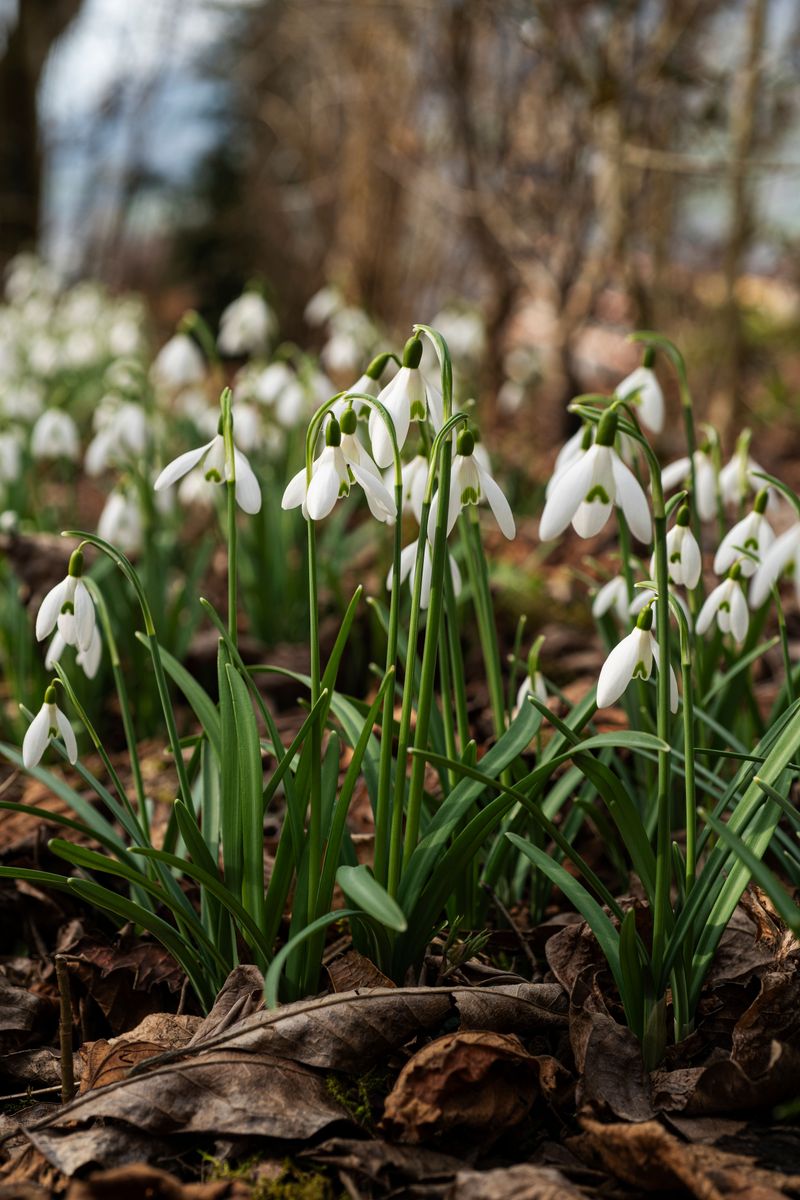
Snowdrops have a reputation for being fussy, but once they find a happy spot, they spread quietly for decades without any help from you. These tiny white bells are the first sign that winter is truly losing its grip on the garden.
Each flower hangs like a small lantern from a slender green stem, nodding gently in the cold late-winter breeze. The inner petals carry a tiny green marking that gives them an almost handcrafted, jewel-like quality up close.
Snowdrops prefer partial shade under deciduous trees, where they get winter sun before the canopy leafs out. That dappled, woodland-edge environment mimics their natural habitat in European forests perfectly.
The trick with snowdrops is planting them fresh and not letting the bulbs dry out before they go into the ground. Dry bulbs often fail to establish, which is why buying and planting them quickly is so important.
Some specialty growers sell snowdrops as growing clumps, called snowdrops in the green, which establish far more reliably than dry bulbs. If you can find this option, it is worth the slightly higher price for guaranteed results.
Once established, a colony of snowdrops will naturalize and expand every year without any intervention. You will start with a small patch and end up with a sweeping white carpet that arrives before the calendar even admits spring is possible.
These quiet, understated bloomers deserve a spot in every Wisconsin garden. Plant them this fall and let them surprise you in February.
7. Fritillaria
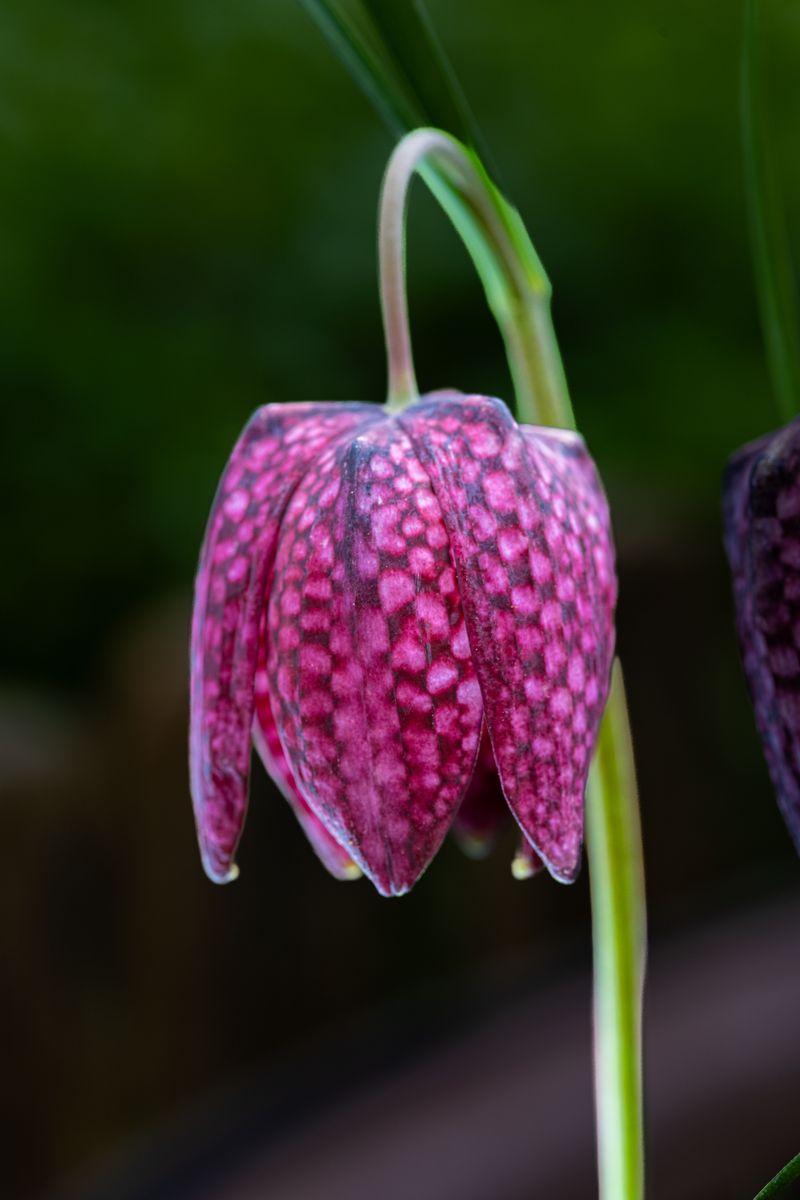
Fritillaria is an unusual choice among fall bulbs, and gardeners who discover it never look back. These unusual, nodding bell-shaped flowers look like something from a botanical illustration rather than an ordinary backyard garden.
The most popular species for home gardens is Fritillaria meleagris, commonly called the checkered lily or snake’s head fritillary. Its petals carry a stunning purple and white checkerboard pattern that draws immediate attention.
Plant these bulbs about four inches deep in moist but well-drained soil with partial sun or dappled shade. They thrive near pond edges, rain gardens, or any spot that stays slightly moist through spring without becoming waterlogged.
Crown imperial fritillaria is the taller, bolder cousin, producing clusters of orange or yellow bells atop three-foot stems. These larger types prefer full sun and excellent drainage, making them better suited to raised beds or sloped garden areas.
One quirky fact: crown imperials have a musky, fox-like scent that actually deters moles and voles from tunneling through your garden beds. Planting a few near your tulips can help protect the whole planting from underground pests.
Fritillaria bulbs are delicate and should be handled gently to avoid bruising. Some gardeners plant them on their sides to prevent water from pooling in the hollow center, which can cause early rot in heavy soils.
Rare and beautiful, fritillaria sells out faster than almost any other fall bulb. Order yours today before the catalogs go blank.
8. Scilla
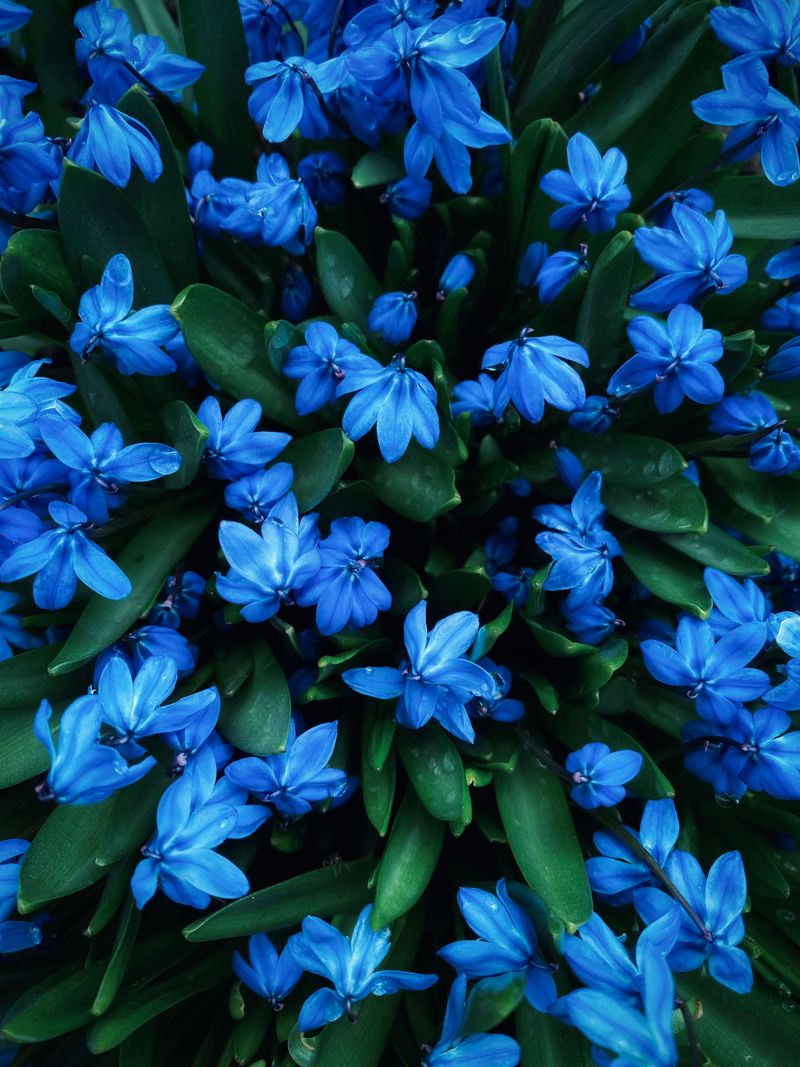
If you have ever seen a lawn turn electric blue in early spring, you have seen Scilla siberica doing its thing. This small but mighty bulb produces a carpet of intense cobalt flowers that spread naturally and come back thicker every year.
Scilla is one of those plants that earns its keep by doing almost nothing wrong. It blooms early, naturalizes freely, and requires absolutely no maintenance once established in the ground.
Each bulb sends up several thin stems, each tipped with a nodding, star-shaped blue flower. The color is so saturated and vivid that it photographs very well, even on overcast spring days.
Plant scilla bulbs about three inches deep in any well-drained soil in sun or partial shade. They are remarkably adaptable and will even bloom happily under the dense shade of mature oak or maple trees.
Scilla naturalizes beautifully in lawns, creating that wildflower meadow effect without any of the work a true meadow requires. Because the foliage fades back before grass-mowing season begins, you will not even notice they are there by summer.
Squirrels tend to leave scilla alone, which is a welcome relief compared to the constant struggle over tulip and crocus plantings. That pest resistance makes it one of the most reliable low-effort choices in the fall bulb catalog.
Fall bulbs Wisconsin gardeners sleep on most often include scilla, but that is changing fast as word spreads. Order a bag of one hundred and watch your yard fill with color next April.