The Native Pennsylvania Tree Smart Homeowners Are Quietly Adding That Increases Property Value More Than Any Renovation
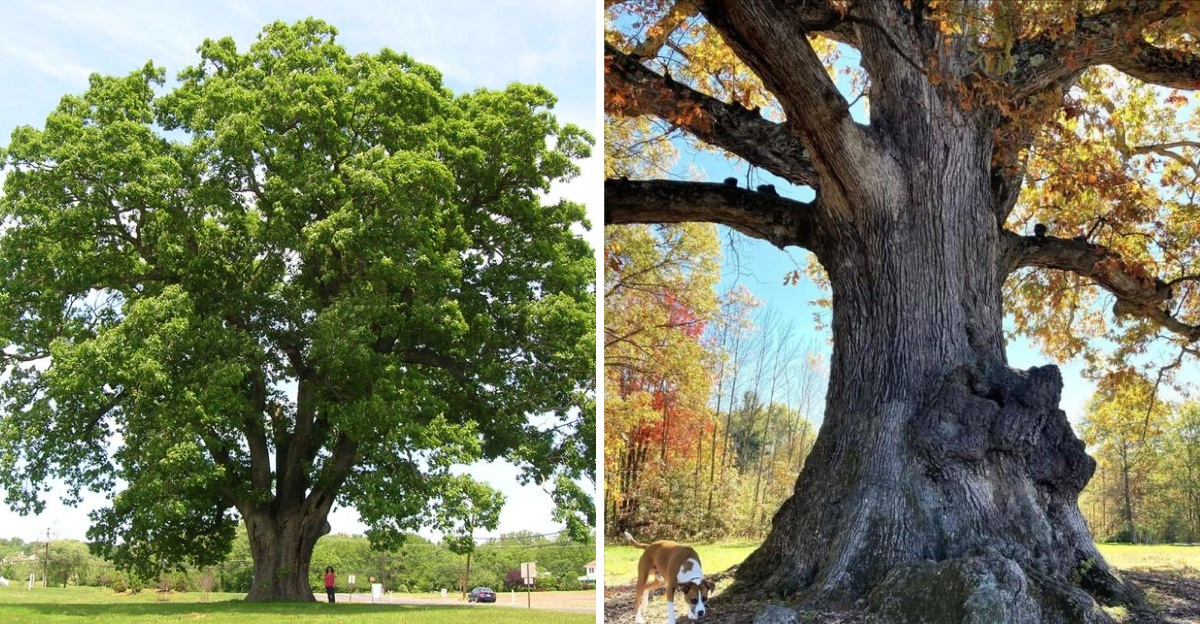
Most homeowners think about property value in terms of kitchens and bathrooms. Updated fixtures, new countertops, a fresh coat of paint.
These things matter, but they also cost significant money and deliver returns that can be hard to predict.
There’s a quieter investment that research consistently shows outperforms many interior renovations when it comes to property value, and most homeowners walk right past it at the nursery without a second thought.
The right tree, planted in the right spot, adds more lasting value to a Pennsylvania property than most people realize.
And there’s one native Pennsylvania tree in particular that smart homeowners are quietly adding to their properties right now. It grows to provide meaningful shade, which studies show directly reduces cooling costs and increases buyer appeal.
It supports local wildlife in ways that increasingly matter to buyers who care about the environment. And it looks genuinely beautiful through every season in a way that makes a property feel established and well cared for.
Meet The Pennsylvania Native Built To Become A Landmark
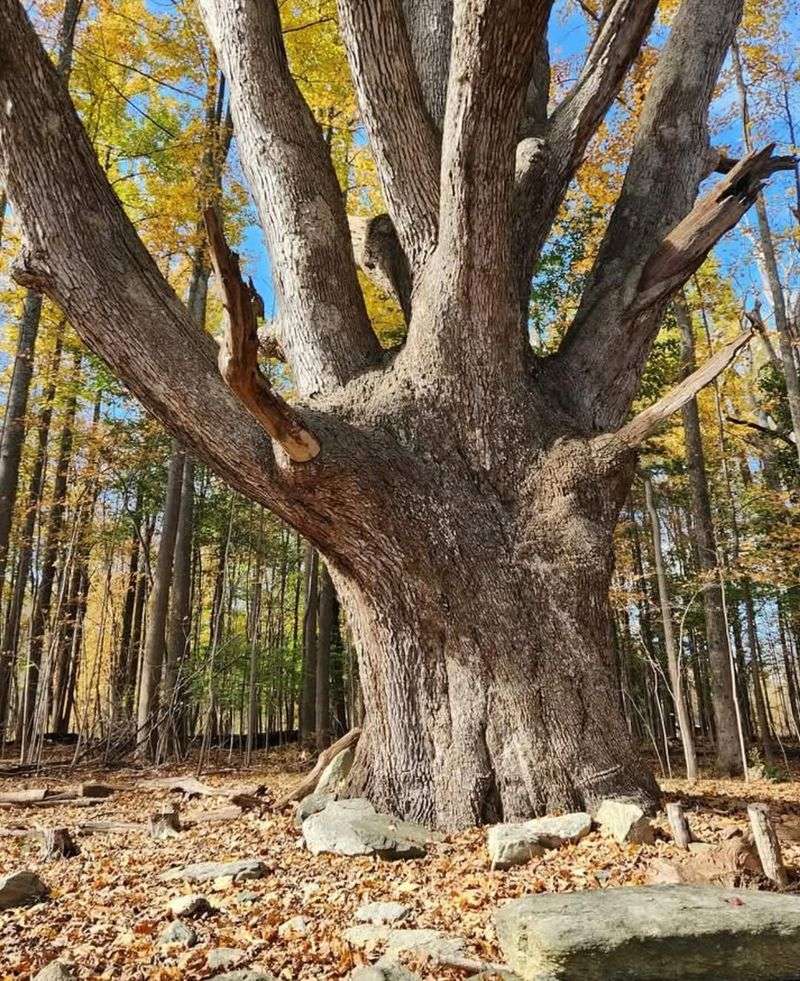
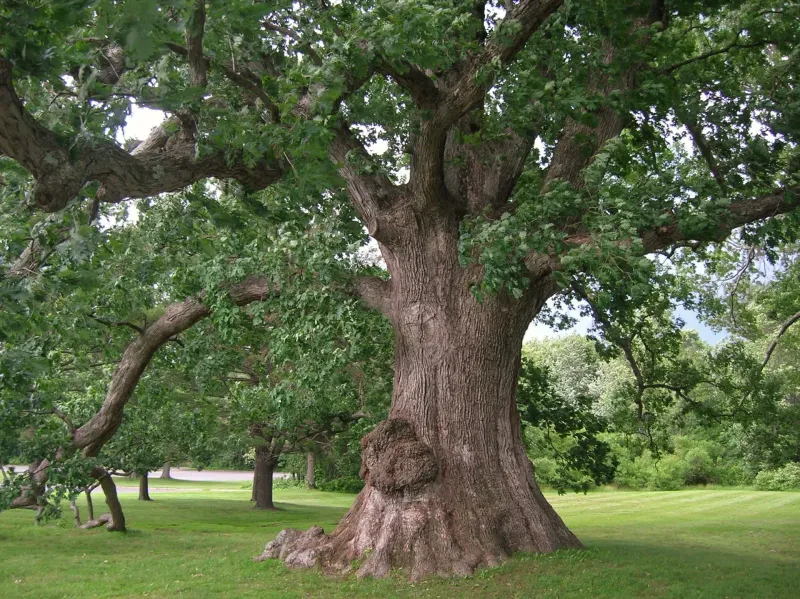
Few trees command attention quite like a fully grown white oak standing in an open yard. Quercus alba, the white oak, is one of Pennsylvania’s most iconic native canopy trees.
It grows across the entire Commonwealth, thriving on dry-to-moist sites, forest edges, and open hillsides alike. Spotting one in the wild feels like meeting a quiet giant.
Mature white oaks develop broad, rounded crowns that can stretch 60 to 80 feet wide. That sweeping canopy becomes a defining feature of any spacious property.
Neighbors notice. Buyers notice. Even passersby slow down to look. What makes white oak special as a landscape choice is its permanence. Planting one is not about quick curb appeal.
It is a long-term investment in your land’s character and legacy. A white oak planted today will still be sheltering families and wildlife generations from now.
White oak is classified as a dominant forest tree across Pennsylvania, especially on well-drained slopes and upland ridges. It tolerates a range of soil conditions better than many people expect.
That adaptability makes it a reliable choice for homeowners across the state. Think of planting a white oak less like adding a shrub and more like placing a permanent landmark on your property.
Over decades, it grows into something that no renovation project can replicate. A kitchen remodel fades in appeal after a few years.
A thriving white oak only gets more impressive with age, adding visual weight, shade, and ecological richness that buyers and neighbors genuinely appreciate for a lifetime.
Why Mature Trees Can Strengthen Property Appeal
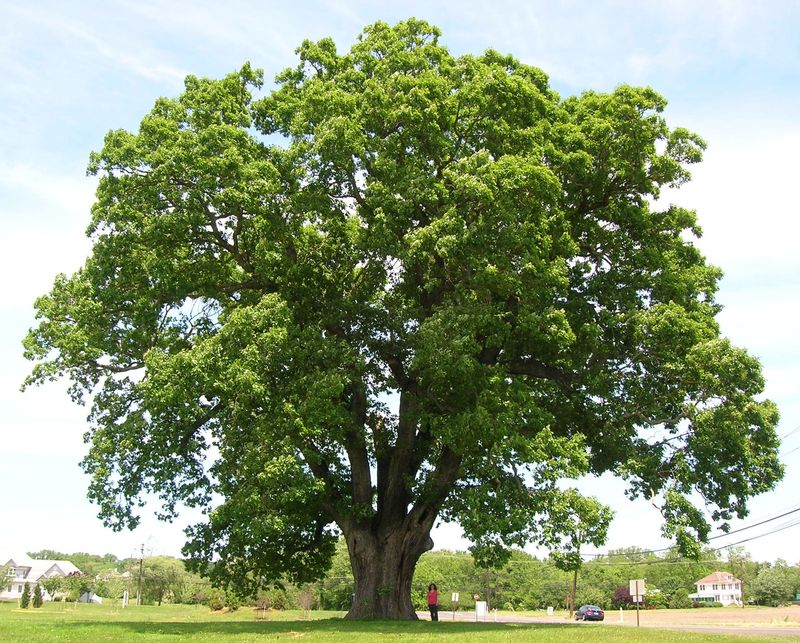
Walk through any neighborhood with big, established trees and you immediately feel the difference.
There is something deeply appealing about a home framed by mature shade trees. Buyers feel it too, often without even realizing why they are drawn to a particular property.
Research consistently shows an association between residential tree cover and higher home values.
Studies from universities and forestry organizations have found that homes with mature trees and attractive landscaping tend to sell faster and at stronger prices than comparable homes without them.
Your Pennsylvania Garden Changes Every Week. Your Plan Should Too.
Gardening in Pennsylvania changes quickly throughout the season. Every Friday you’ll receive a simple weekly plan showing exactly what to plant, prune, fertilize, harvest, and protect so you never miss the right timing.
That connection is real, even if the exact dollar amount varies widely. It is worth being honest here, though. Planting one white oak today does not guarantee a precise financial return tomorrow.
These findings apply to trees and canopy cover broadly. A single young sapling will not transform your appraisal overnight.
Location, condition, maturity, and ongoing maintenance all determine whether a tree adds value or creates problems. A healthy, well-placed tree is an asset.
A poorly placed, neglected, or structurally compromised tree can become an expensive liability that actually reduces buyer confidence.
What white oak offers is a trajectory. As it matures over 20, 30, or 50 years, it builds the kind of presence that money genuinely cannot buy quickly.
Buyers seeking shade, privacy, and natural beauty respond to mature canopy trees emotionally and practically. Planting a native white oak now means future owners inherit something rare and valuable.
That slow-building appeal is exactly why forward-thinking homeowners across Pennsylvania are quietly adding this tree to their properties with long-term vision in mind.
The Expanding Canopy Can Reduce Summer Heat
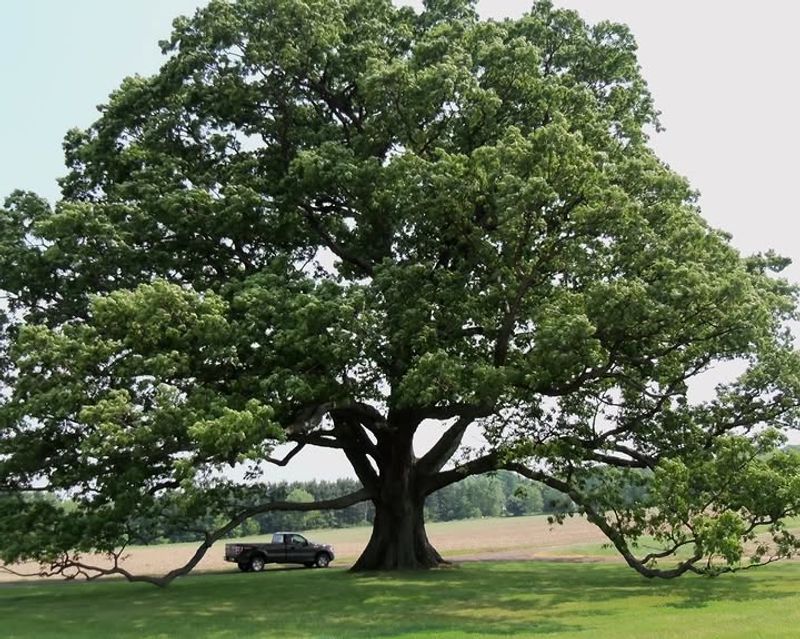
Summer afternoons in Pennsylvania can get brutally hot, and your home absorbs a lot of that heat through walls, windows, and the roof.
Strategically placed shade trees are one of the oldest and most effective ways to naturally cool a home. A well-positioned white oak can make a real difference in comfort.
West- and southwest-facing exposures receive the most intense afternoon sun. Placing a white oak on that side of your property allows the expanding canopy to intercept solar radiation before it heats your walls and windows.
Over years, as the crown widens and rises, the shading effect becomes more consistent and powerful.
Trees also cool their surroundings through a process called evapotranspiration. As leaves release moisture into the air, the immediate environment around the tree becomes noticeably cooler.
On a hot day, sitting beneath a mature oak feels dramatically different than standing in direct sunlight just a few feet away.
Be realistic about expectations, though. Precise energy savings depend on your home’s design, insulation quality, window placement, local climate patterns, and exactly where the tree is planted relative to the house.
No two situations are identical, so avoid assuming a specific dollar reduction in cooling costs.
What you can count on is gradual improvement over time. As the white oak grows taller and broader each year, its shading footprint expands.
The comfort benefits build slowly but steadily. Combined with Pennsylvania’s warm summers, a well-placed white oak becomes a natural cooling feature that enhances outdoor living spaces and makes your home feel more comfortable from the inside out.
Its Wildlife Value Goes Far Beyond The Acorns
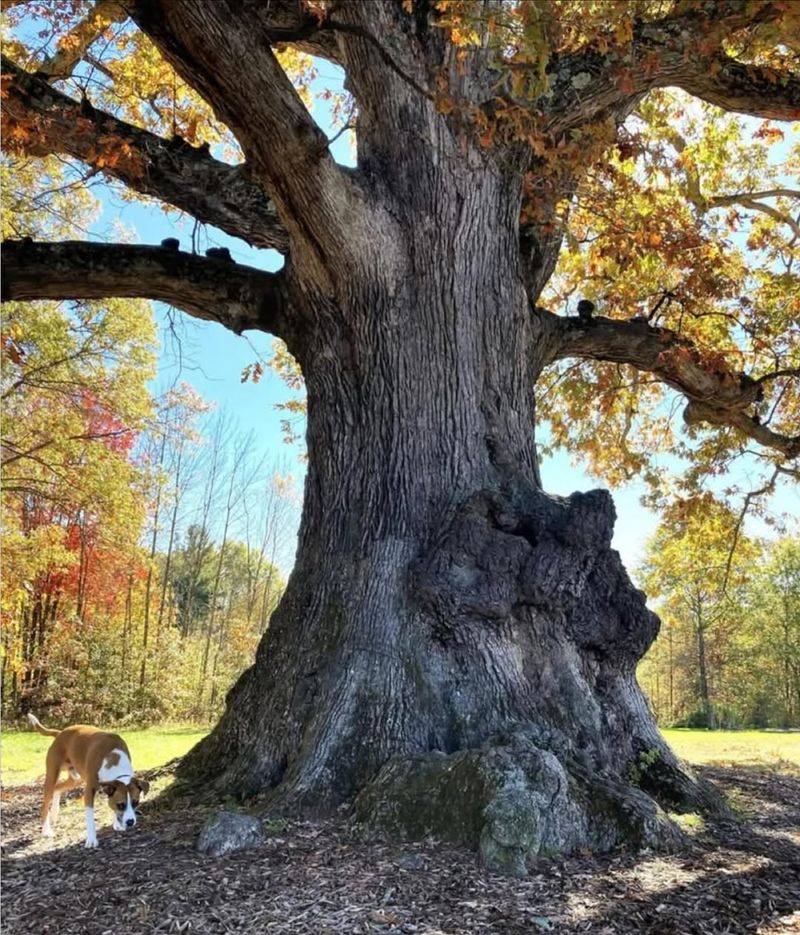
Most people know that acorns feed wildlife, but the story of white oak’s ecological generosity goes so much deeper than that. White-oak acorns are a preferred food source for dozens of birds and mammals across Pennsylvania.
Wild turkeys, wood ducks, blue jays, white-tailed deer, and black bears all rely on acorn crops during fall and winter months.
Here is the part that surprises most homeowners: the leaves matter even more than the fruit. Oak foliage supports an extraordinary number of caterpillar species, which are absolutely essential food for nesting songbirds.
A single pair of Carolina chickadees needs to find roughly 6,000 to 9,000 caterpillars just to raise one clutch of chicks. Oaks make that possible.
Pennsylvania oaks support more than 500 species of moths and butterflies, more than any other tree genus in the entire state.
That number is staggering compared to ornamental trees like Bradford pears or Norway maples, which support almost none. Choosing a white oak means choosing a tree that actively sustains local food webs.
For homeowners who want landscapes that feel alive, this ecological richness is a major draw. Waking up to birdsong, watching butterflies drift through the yard, and spotting deer beneath the canopy adds a quality of life that no patio addition can replicate.
Buyers increasingly value properties that feel connected to nature. A white oak signals that the land is cared for thoughtfully.
It transforms a plain yard into a functioning habitat, making your property genuinely special in ways that photographs capture beautifully and buyers remember long after their visit.
Why Correct Placement Determines Whether It Adds Value
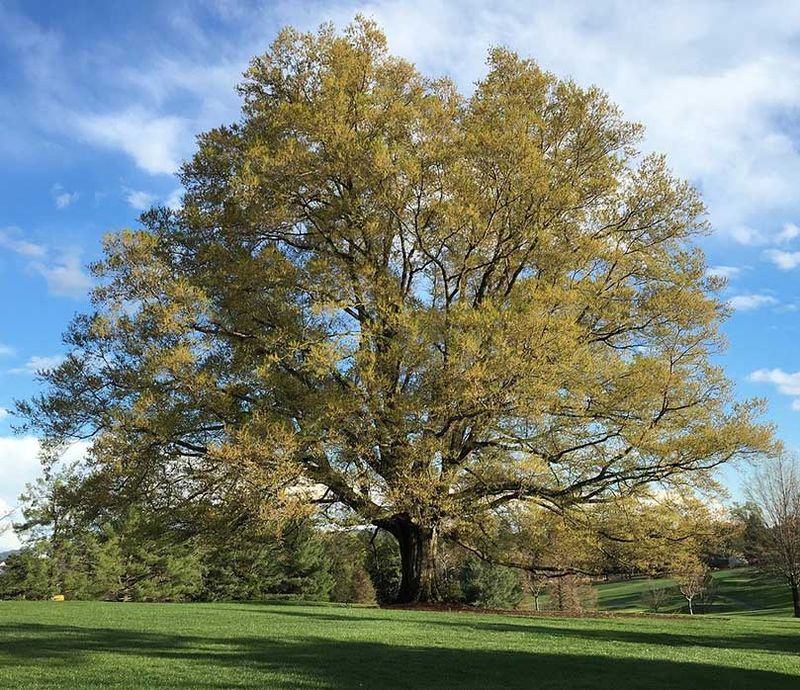
Planting a white oak in the wrong spot is one of the most common and costly mistakes homeowners make with large trees. White oak needs serious room to grow, not just overhead, but in every direction.
The trunk alone can reach three to four feet in diameter at maturity. The root system spreads far beyond the canopy edge.
Choose an open site well away from your house’s foundation, septic system, underground utilities, overhead power lines, and cramped planting strips near sidewalks.
A tree planted too close to a structure will eventually create conflicts that require expensive professional intervention. Getting placement right from the beginning saves enormous headaches later.
Match the tree to your specific site conditions. White oak prefers well-drained to moderately moist soils and full sun exposure.
Planting it in a low-lying area prone to standing water, or in deep shade from surrounding structures, will limit its health and growth potential significantly.
Foresters and arborists often use the phrase: right tree, right site. That principle could not be more important with white oak.
A perfectly placed tree becomes a long-term asset. A poorly placed one becomes a liability that future owners may want removed, which is expensive and defeats the entire purpose.
Walk your property carefully before planting. Identify where the tree will be in 20, 30, and 50 years. Look up, look down, and look sideways. Consider your neighbors’ property lines too.
A white oak that grows into a shared fence or overhead line creates friction. Thoughtful placement from day one protects your investment and ensures the tree adds genuine, lasting value to your property.
The Real Return Requires Patience And Proper Care
White oak is not a tree for the impatient. It grows at a moderate-to-slow pace, typically adding one to two feet of height per year under good conditions.
That pace can feel discouraging early on. But here is the perspective shift that matters: every year of growth is compounding value, shade, and ecological richness that simply cannot be rushed.
Start with a healthy nursery-grown tree rather than trying to transplant a large wild specimen. Wild trees often struggle badly after relocation due to root disturbance.
A young nursery tree establishes itself far more successfully and typically catches up in size within a decade.
During the first few years after planting, deep and consistent watering is critical. The root system needs time to spread and anchor.
Water deeply once or twice a week during dry stretches rather than shallow, frequent watering that encourages weak surface roots.
Protect the trunk from mower and string-trimmer damage, which can wound bark and create entry points for disease.
A proper mulch ring around the base helps retain moisture and suppresses grass competition. Avoid piling mulch directly against the bark, which traps moisture and causes rot.
Consider consulting a certified arborist for initial placement advice, early structural pruning, and long-term care planning. Professional guidance pays for itself many times over when working with a tree that will outlive its planter.
The greatest return from a white oak comes gradually. Shade, beauty, wildlife habitat, and a mature canopy that future owners can inherit are rewards that no renovation project can match. Patience is the only price of admission for this extraordinary native tree.