A Native North Carolina Ground Cover That Can Reduce Weed Pressure In A Hot Sunny Border
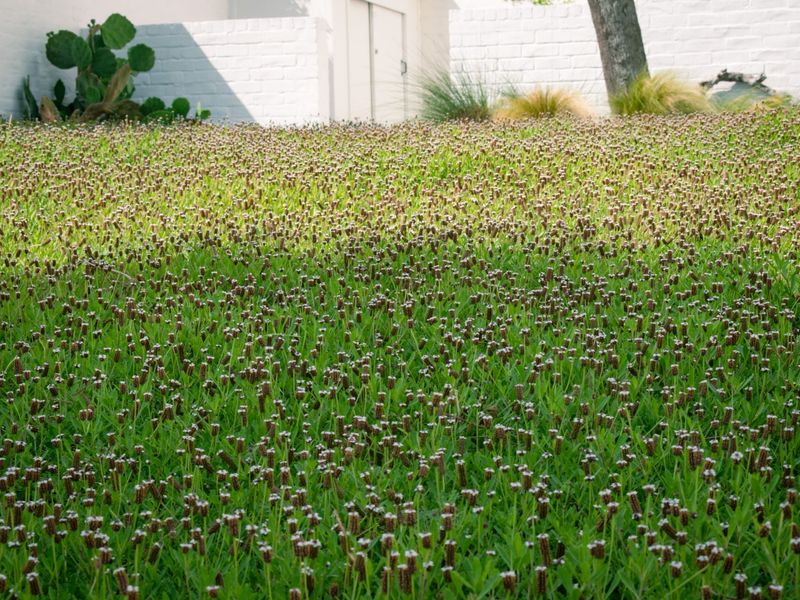
Pull back the mulch on a baking full-sun border in July and you will often find weeds already winning underneath it. Many North Carolina gardeners reapply wood chips every spring and still lose ground to crabgrass, spurge, and whatever blew in from the neighbor’s yard. There is a low, mat-forming native plant that can actually help by covering the soil itself, and it goes by the wonderfully strange name of frogfruit. It will not solve every weed problem, but in the right spot it can make that border a lot less of a fight.
Meet Frogfruit, The Possible Living Mulch
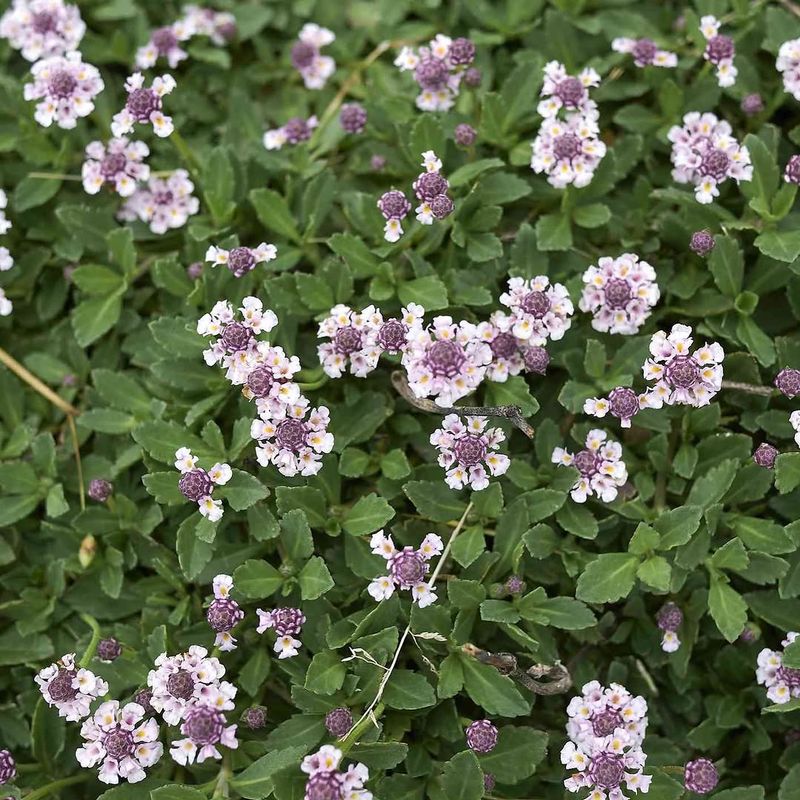
Somewhere along a coastal Carolina road bank or a sunny Piedmont border, a low plant hugs the ground so tightly it looks like a living skin stretched over the soil. That plant is Phyla nodiflora, known by the common names frogfruit and turkey-tangle frogfruit, and it is the subject worth knowing about if weeds keep winning in your hottest, sunniest bed.
Frogfruit is a perennial native ground cover documented in North Carolina and listed among recommended native plants for urban landscapes by the NC Department of Environmental Quality. It stays roughly 6 inches tall and spreads outward through above-ground runners that root as they go. Over a full growing season, a few starter plants can fill a surprising amount of exposed ground.
The defensible promise here is a qualified one. A dense frogfruit mat shades the soil surface and reduces the bare space where annual weed seeds want to germinate. It works as a living mulch, not a weed eliminator. Perennial weeds can still push through or around it, and new seeds can land right on top of the mat and sprout.
For comparison, NC State Extension recommends approximately 3 to 4 inches of mulch as a standard depth for suppressing many landscape weeds. Frogfruit does not replace that recommendation universally. What it can do, in the right site, is become the ground cover itself and potentially reduce how often you need to reapply mulch after it fills in. That is a meaningful trade in a border you visit with a wheelbarrow every April.
How Its Runners Cover Open Soil
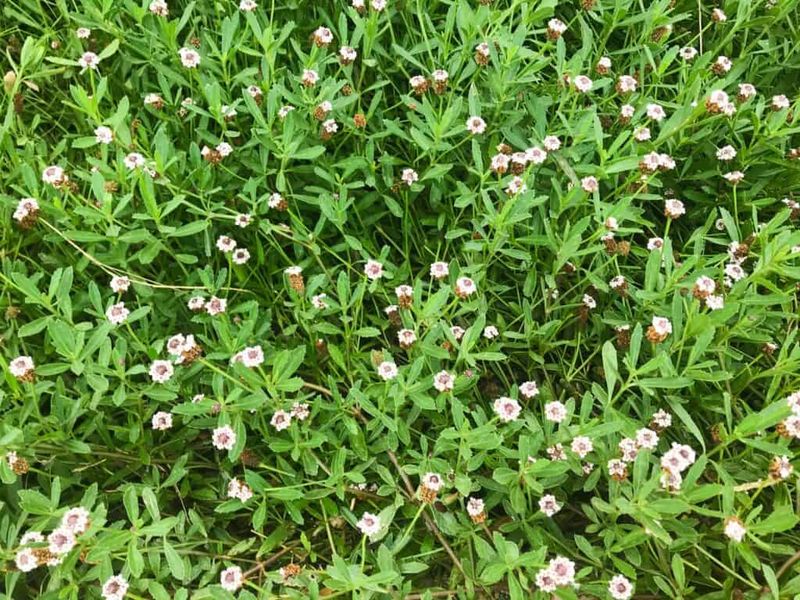
Here is where the plant actually does its work. Frogfruit sends out horizontal stems called runners that travel along the soil surface, and every few inches those stems touch down and root at a node. Each rooted node becomes a new anchor point, and the mat thickens from the inside out as more runners branch off in every direction.
According to the Native Plant Society of Texas, frogfruit typically spreads 2 to 4 feet from a single planting. The Missouri Botanical Garden describes plants filling an area roughly 3 feet wide through this same runner system. At about 6 inches tall, the canopy is low enough that it does not compete with taller perennials but dense enough to shade the soil underneath it.
That shade is the weed-suppression mechanism. Annual weeds like crabgrass and spurge need light to germinate and get established. A thick frogfruit mat keeps the soil surface darker and cooler, giving those seedlings less of an opening. Many Piedmont gardeners who have tried it report noticeably fewer annual weeds in the center of a filled-in patch.
Your North Carolina Garden Changes Every Week. Your Plan Should Too.
Gardening in North Carolina changes quickly throughout the season. Every Friday you’ll receive a simple weekly plan showing exactly what to plant, prune, fertilize, harvest, and protect so you never miss the right timing.
The limits matter just as much as the mechanism, though. Established bermudagrass, nutsedge, or a vine with deep roots will grow right through or around the mat without much trouble. NC State Extension notes that weed encroachment is likely while ground covers are becoming established, and that is true for frogfruit too. New weed seeds carried by wind or birds can land on top of the mat and sprout just fine.
A dense living carpet reduces the problem, it does not end it.
Match The Plant To The Site And Winter
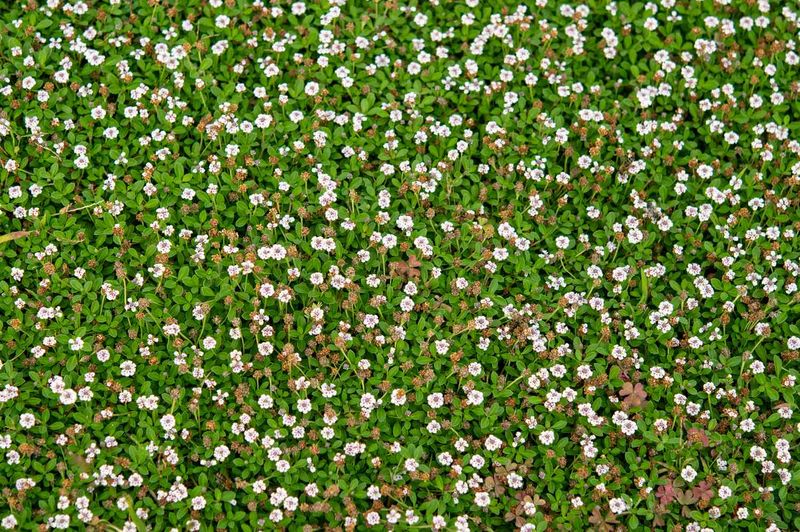
Full sun and heat are actually this plant’s comfort zone, which already sets it apart from a lot of ground cover options. Frogfruit tolerates poor drainage, sandy Coastal Plain soil, and some salt exposure, making it a reasonable candidate for the kind of spots that stress other plants into submission by August.
The strongest documented support for frogfruit in North Carolina comes from the coast and warmer southern regions. The NC Parks Vascular Plants database records it as a documented native, and coastal planting guidance highlights its tolerance of salt, heat, and variable drainage. If your border sits along the Coastal Plain or near the coast, the case for trying it is well supported.
Piedmont gardeners in zones 7b to 8a can likely grow it in a sheltered, sunny border, but the results are more site-dependent. A protected south-facing bed in Raleigh or Charlotte is a different environment from an exposed slope in Asheboro or Roxboro. The mountains, in zones 6a to 7a, present a harder question, and the available guidance does not confirm consistent performance there.
Winter appearance is the honest complication. University of Florida IFAS Extension describes frogfruit as behaving differently depending on local conditions, and North Carolina coastal guidance notes it may be evergreen or deciduous and can go dormant after hard winters. A cold snap that drops temperatures into the low teens can thin the mat considerably. When that happens, cool-season weeds like chickweed and henbit see an opening, so frogfruit works best understood as a warm-season living mulch rather than a year-round replacement for conventional ground cover or wood chips.
Remove Persistent Weeds Before You Plant
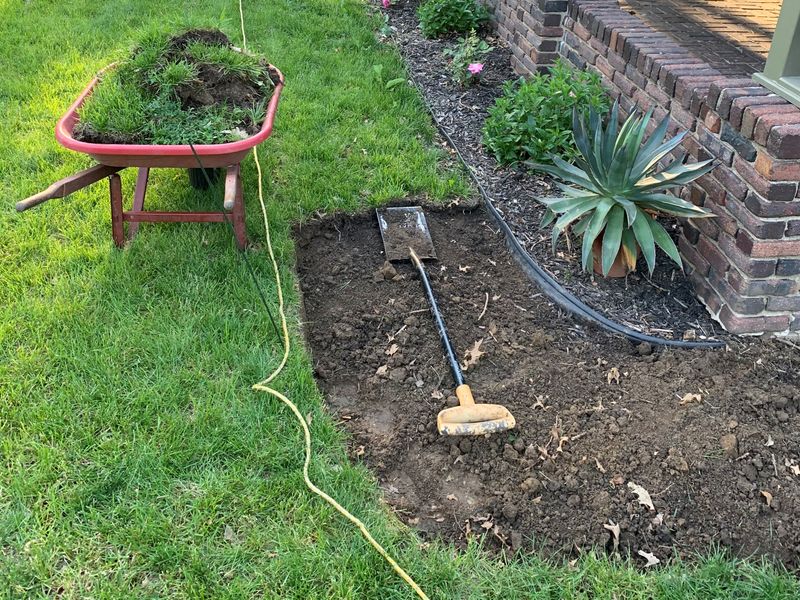
Skipping bed preparation is the fastest way to waste a frogfruit planting. The runners will spread, but they will spread around and over whatever was already there, and established perennial weeds will outlast the new ground cover without much effort on their part.
Bermudagrass is a serious opponent. Its rhizomes run deep and wide, and a layer of frogfruit on top will not stop it. Nutsedge is worse because its tubers can sit in the soil for years. Vines like smilax or wild blackberry have root systems that laugh at surface competition.
NC State Extension recommends addressing perennial weeds before planting any new bed, and that advice applies directly here.
The practical sequence starts with clearing the bed completely, then spending one or more growing seasons exhausting persistent perennial weeds before frogfruit goes in. For bermudagrass, that might mean repeated cultivation, solarization under clear plastic during a hot North Carolina July, or a targeted herbicide application followed by a waiting period. For nutsedge, repeated removal of the top growth over several weeks starves the tubers gradually. There is no shortcut that a ground cover can provide once those weeds are already in the soil.
Once the bed is genuinely clear, plant frogfruit into exposed soil rather than over existing mulch. NC State Extension notes that preemergence weed control in landscape beds works best when the soil surface is prepared and accessible, and the same logic applies to a living ground cover getting its start. Runners need contact with bare soil to root at the nodes. Deep old mulch between plants can slow that process down.
Help The Mat Fill In
Planting day is actually the easy part. The work that determines whether the mat fills in well happens over the following 6 to 8 weeks, and most of it comes down to two things: water and weeding.
Follow the spacing recommendation on the nursery label. Container size and local vigor vary, so a label that says 12 inches apart for one form may not match another. University of Florida IFAS Extension describes frogfruit as spreading readily by runners, but that spread takes time, and wider gaps mean more exposed soil during establishment. Tighter spacing costs more upfront and closes the canopy faster.
Water consistently after planting, even though frogfruit is drought-tolerant once it is established. That tolerance develops after the root system is anchored. A new plug sitting in Piedmont clay or sandy Coastal Plain soil during a hot, dry stretch in June or July can fail quickly without regular moisture. Plan on watering at least two or three times a week for the first 4 to 6 weeks, then taper as the runners start to move.
Weeds will appear in the open gaps between plants while the mat is still developing. The Native Plant Society of Texas notes that frogfruit spreads vigorously once established, but that vigorous spread is not instant. Hand-pull weeds that emerge in the bare spaces rather than letting them get established. A light layer of temporary mulch in the open gaps between plugs can help hold moisture and slow weed germination without burying the runners.
Keep that mulch thin and away from the crowns of your new plants.
Control The Spread At Bed Edges
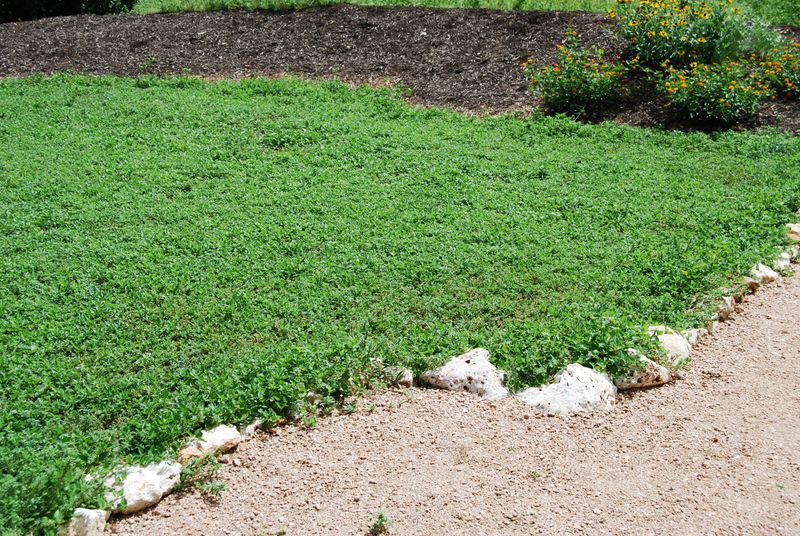
A plant vigorous enough to cover open soil is also vigorous enough to keep going past the bed edge if nobody stops it. That is the honest tradeoff with frogfruit, and it is worth knowing before you plant it next to a lawn, a path, a drain, or a neighbor’s border you care about.
University of Florida IFAS Extension notes that frogfruit can invade regularly irrigated lawns when given the opportunity. The runners do not stop at the edge of the mulch. They will follow the soil, cross a mowing edge, and root into turf before you notice. A physical edging strip set 3 to 4 inches deep can help redirect the runners or at least slow them down enough that a quarterly trim keeps things tidy.
Inside the bed, the same spreading habit can create competition for small plants. Low-growing perennials and newly installed seedlings can get crowded out if frogfruit runners reach their crowns. Leave a clear ring of several inches around the base of any plant you want to protect, and check those rings a few times during the growing season. The Missouri Botanical Garden describes the plant as spreading through above-ground runners to fill an area about 3 feet wide, and in a warm North Carolina summer it can reach that spread in a single season.
None of this makes frogfruit invasive in the ecological sense. It is a documented native, and its spread is manageable with ordinary boundary care. Think of it the way you would think of creeping phlox or liriope: beautiful and useful in the right place, a chore if you let it wander unchecked into places it does not belong.
Use Frogfruit Alongside Mulch When Needed
Wood chip mulch and frogfruit are not competitors. They work better as partners, especially during the first season or two when the mat is still filling in and the soil has bare patches that need covering right now.
NC State Extension supports approximately 3 to 4 inches of mulch as an effective weed-management depth in many landscape beds, and that recommendation does not disappear just because you added a ground cover. Use conventional mulch in the open gaps between plugs during establishment, pull it back gradually as the runners spread, and keep it available for winters when the mat goes dormant and cool-season weeds find their opening.
The combined approach looks like this in practice. Clear the bed and eliminate perennial weeds first, as described earlier. Plant frogfruit into cleared soil following the nursery label spacing. Water consistently for 4 to 6 weeks.
Hand-pull weeds that emerge through the developing mat. Apply a thin layer of mulch in bare gaps without burying the runners. NC State Extension Organic Gardening guidance supports using organic mulches as part of an integrated approach rather than a single-solution strategy, and that framing fits frogfruit well.
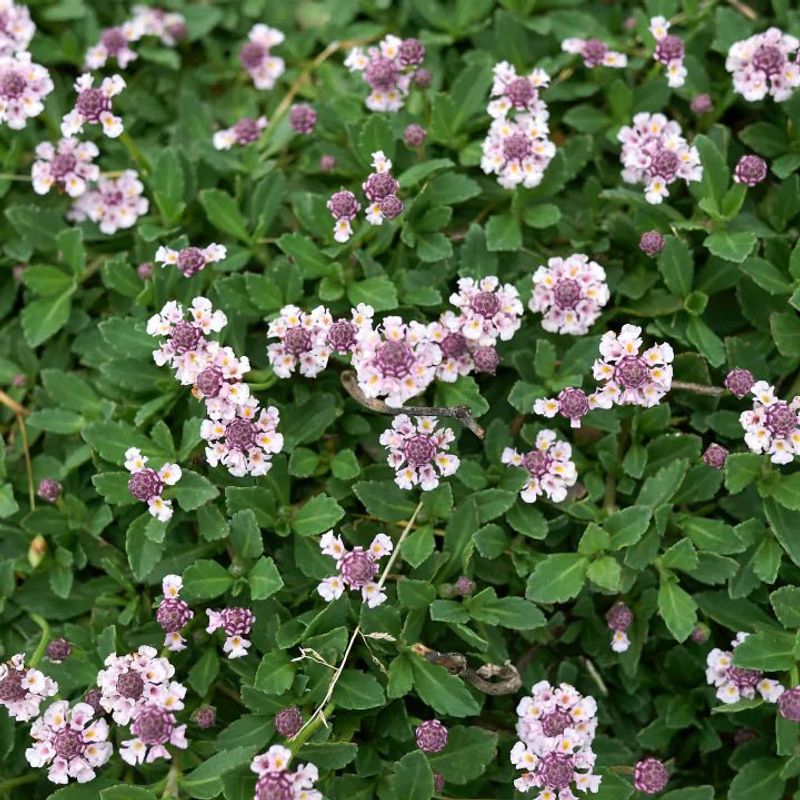
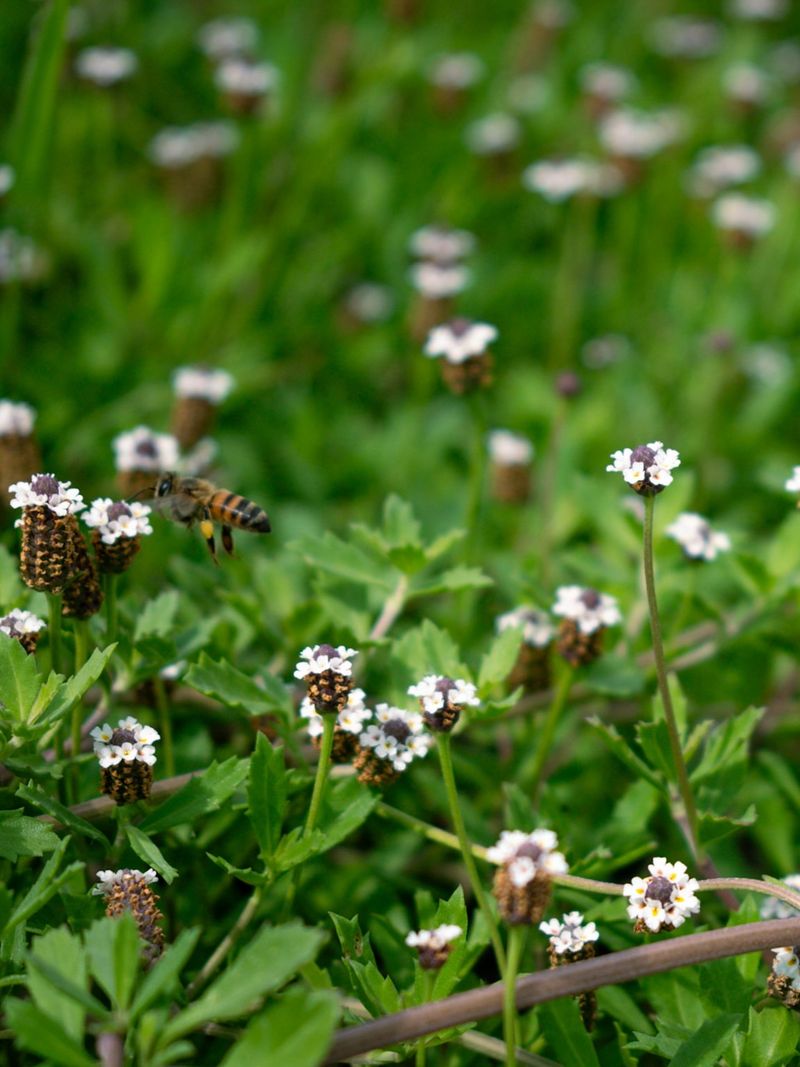
There is also a reward beyond weed management. Frogfruit produces small white to pinkish flower heads with purple centers from late spring through summer. The Native Plant Society of Texas documents it as a nectar source for bees, butterflies, and other insects, and Missouri Botanical Garden notes its value as a larval host for certain butterfly species. No specific visitor is guaranteed, but a flowering native mat in a sunny border gives pollinators something to work with through the hottest part of a North Carolina summer.
The realistic payoff from frogfruit is a flowering, low-growing native that may reduce exposed soil and mulch needs in a suitable site. That is a genuine benefit, just not a guaranteed lower-maintenance outcome for every yard in every region.