Why Fallen Leaves Are Worth Keeping During A North Carolina Drought
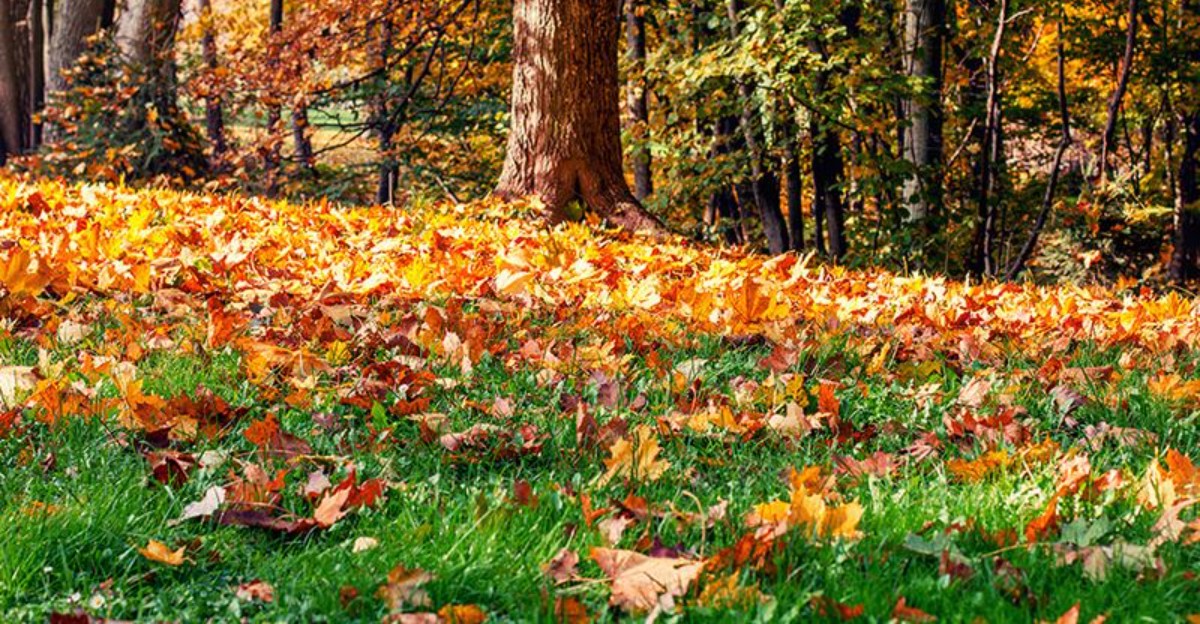
After a year of drought, every bit of moisture counts, and fallen leaves can help hold it in. Spread over a garden bed, a layer of leaves works like mulch. It shades the soil, slows evaporation, and keeps the ground from baking or crusting.
As the leaves break down, they feed earthworms and other tiny life that improves soil structure. That matters in North Carolina clay, which often turns hard in dry spells. Leaves also shelter insects and other small creatures through winter.
The trick is using them well. A thick, wet mat can smother small plants, and some leaves break down faster than others. Shredding them first makes the job easier. Treat the leaves as a resource, and this year’s fall cleanup helps next year’s garden.
1. Leaves Make A Free Mulch That Holds Moisture
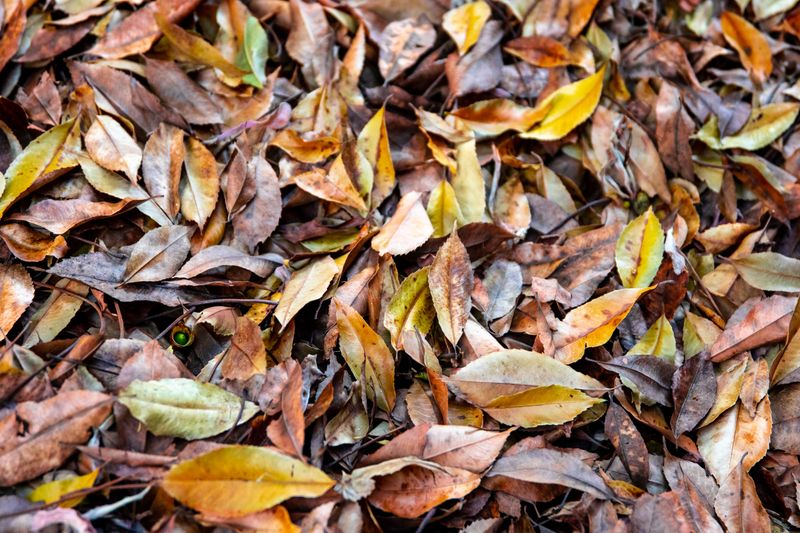
Nature hands out free mulch every autumn, and it lands right in your yard. Most of us pay good money for bags of bark at the garden center, yet the trees overhead are dropping something that works just as well. All you have to do is put it to use.
A layer of leaves acts like a shady umbrella for the ground. When sun and wind hit bare soil, water escapes into the air fast. Leaves block that heat and slow evaporation, so any rain that does fall stays in the ground longer instead of vanishing by lunchtime.
Getting started is simple. Spread a 2 to 3 inch layer of shredded leaves over your garden beds, around shrubs, and under trees.
Keep the mulch a few inches away from stems and trunks, since leaves piled right against bark can hold too much moisture there and invite rot or hungry rodents.
Think of it as tucking your plants in for the season. Roots stay cooler on warm days and a bit warmer on chilly nights, which means less stress overall. Weeds also have a harder time poking through, so you save effort on pulling them later.
Here in North Carolina, that kind of help really counts right now. Much of the state has been in drought for about a year, and rain has been far too rare in many counties.
Every bit of moisture you can hold in the soil gives your plants a better shot at staying healthy until wetter weather returns.
So the next time you see a yard full of leaves, try not to think of it as a chore. Look at it as a free supply of water-saving mulch, ready and waiting for you to scoop it up.
2. As Well As Add Organic Matter That Improves Water Holding
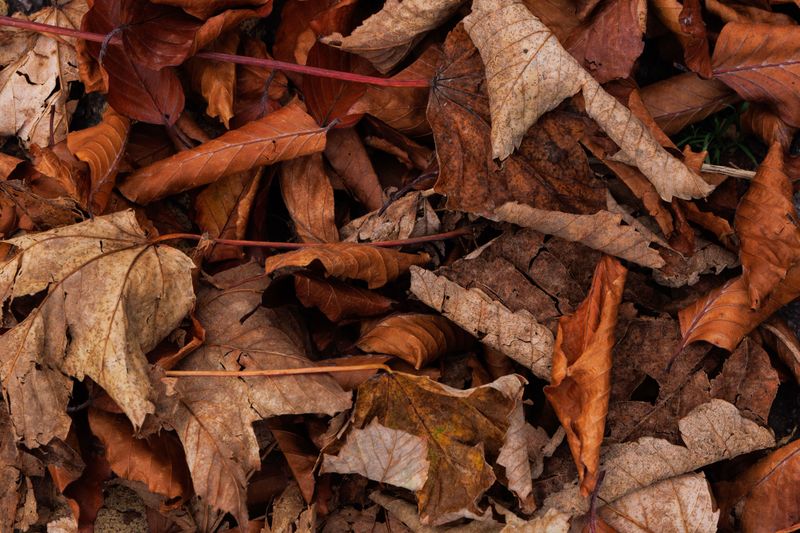
Gardeners love to say you should feed the soil, not just the plant. Fallen leaves are one of the easiest ways to do exactly that. They pack a long-term punch that keeps paying off year after year.
As leaves break down, they turn into organic matter. That dark, crumbly stuff works like a sponge inside your soil. It helps the ground grab water, hold onto it, and share it slowly with plant roots. The magic works on very different soil types.
Your North Carolina Garden Changes Every Week. Your Plan Should Too.
Gardening in North Carolina changes quickly throughout the season. Every Friday you’ll receive a simple weekly plan showing exactly what to plant, prune, fertilize, harvest, and protect so you never miss the right timing.
Sandy soil usually lets water rush straight through, but organic matter helps it hang on to more moisture. Heavy clay does the opposite, sealing up and shedding water, and organic matter loosens it so rain can sink in.
That balance is a big deal in North Carolina. The Piedmont is famous for its sticky red clay, while the Coastal Plain has plenty of sandy soil that dries out fast. Both regions gain a lot from extra organic matter, and leaves supply it for free.
Caring for this process is easy. Leave your shredded leaf mulch in place and let it break down naturally over the seasons. Earthworms and tiny soil creatures will pull bits underground and do much of the work for you.
In vegetable beds, you can work some shredded leaves into the soil in fall or early spring. Tossing leaves into your compost pile is another smart move, since they balance out kitchen scraps and grass clippings and make the finished compost richer.
Over a few years, you’ll notice the difference. Soil gets darker and easier to dig, and plants hold up better when the next dry spell comes along.
3. Shredded Leaves Work Better Than Whole Ones
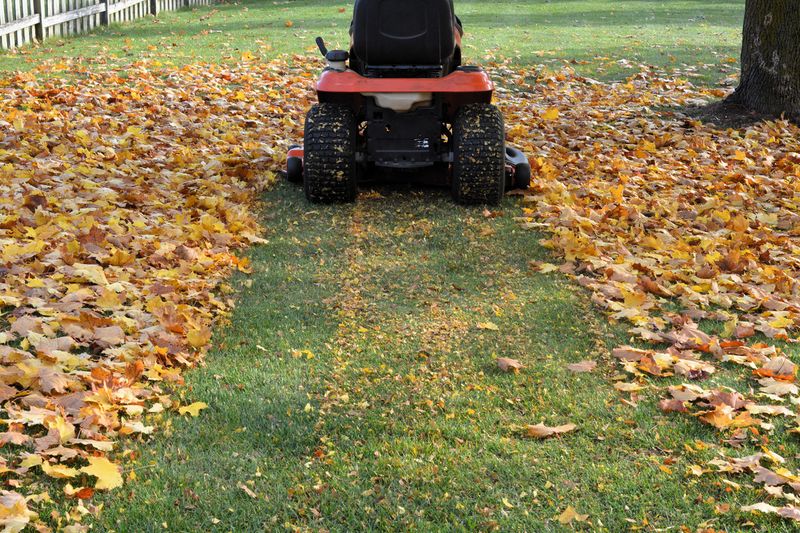
Ever stepped on a soggy pile of maple leaves and felt it squish like a wet blanket? That slick, flat layer is exactly what you want to avoid in your garden. Whole leaves can be sneaky troublemakers.
Large leaves, especially maple and sycamore, tend to lie flat and stick together. Over time they form a dense mat that sheds water like a raincoat. Instead of soaking into the soil, rain rolls right off the top and drains away.
Shredded leaves behave in a totally different way. The small pieces stay loose and fluffy, leaving tiny gaps where water can trickle down to the roots. They also break down faster, which feeds the soil sooner.
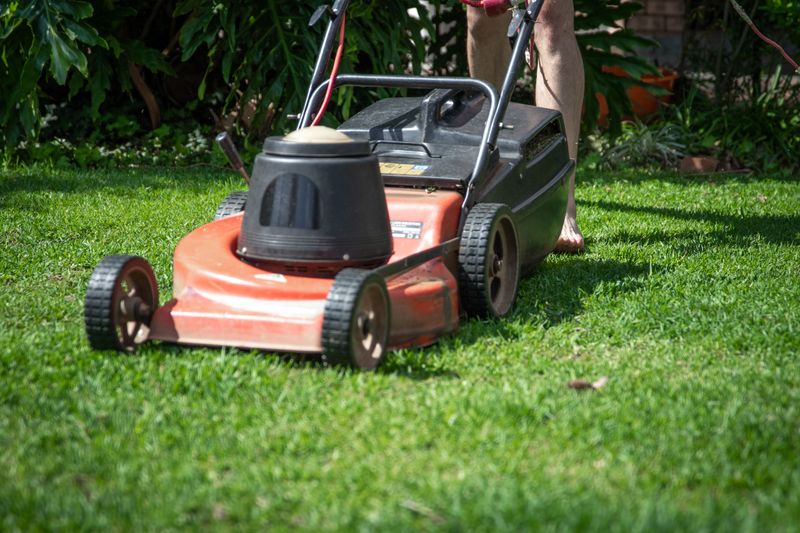
You don’t need fancy gear to chop them up. A regular lawn mower works great, so just run it over a layer of leaves a couple of times. If your mower has a bagging attachment, it will collect the pieces for you, making it easy to dump them right onto your beds.
A leaf shredder is another handy option if you have lots of trees. Some leaf blowers even come with a vacuum setting that shreds as it sucks up leaves. Whatever tool you pick, aim for pieces about the size of a quarter or smaller.
For North Carolina gardeners, this step matters more than ever. Soil that has gone through months of drought gets hard and crusty, and it already struggles to absorb rain. Piling a thick mat of whole leaves on top only makes that problem worse.
Spending a few extra minutes shredding means each precious shower actually reaches the roots. Your plants will drink better, and your mulch will look tidier too.
4. Mulch-Mowing Feeds The Lawn
Want a greener lawn without buying an extra bag of anything? Your mower might already hold the answer. A light layer of leaves can become a snack for your grass.
When you mow over leaves, they get chopped into tiny bits. Those small pieces slip down between the grass blades and settle on the soil. From there, they break down and add organic matter plus a little bit of nutrition to the ground.
There’s a catch, though. Thick piles of whole leaves left sitting on the lawn can smother the grass by blocking sunlight and trapping moisture. That’s why timing and amount make all the difference.
Mow over leaves while the layer is still light enough that you can see grass poking through. A mulching blade helps a lot because it chops leaves finer, but a standard blade still does a decent job with an extra pass.
During heavy leaf drop, plan to mow every few days so piles never build up. When leaves get too deep to chop in, grab a rake or use your mower’s bag. Move that extra supply to garden beds or the compost pile, so nothing goes to waste.
This method is a smart fit for North Carolina homeowners, especially those growing tall fescue. Fescue is a cool-season grass that does much of its growing in fall, and many lawns are trying to bounce back after a rough, dry summer.
Healthier soil gives those roots a better chance to recover. Best of all, you skip hours of raking and hauling. Your lawn gets fed, and you get more free time on crisp autumn weekends.
5. Leaf Mold Becomes A Rich Soil Amendment
Old-time gardeners in England treasured something they called leaf mold, and for good reason. It sounds a little odd, but it smells like a forest floor after a rain. Making it is about as easy as gardening gets.
Leaf mold is simply leaves that have broken down slowly over time. Fungi do most of the work, turning the pile into a dark, crumbly material. The result can hold a huge amount of water, several times its own weight by many estimates.
When you mix leaf mold into garden beds, it improves soil structure. Clay becomes looser, sandy soil holds more moisture, and roots spread out more easily. It’s not packed with fertilizer, but it works wonders as a soil builder.
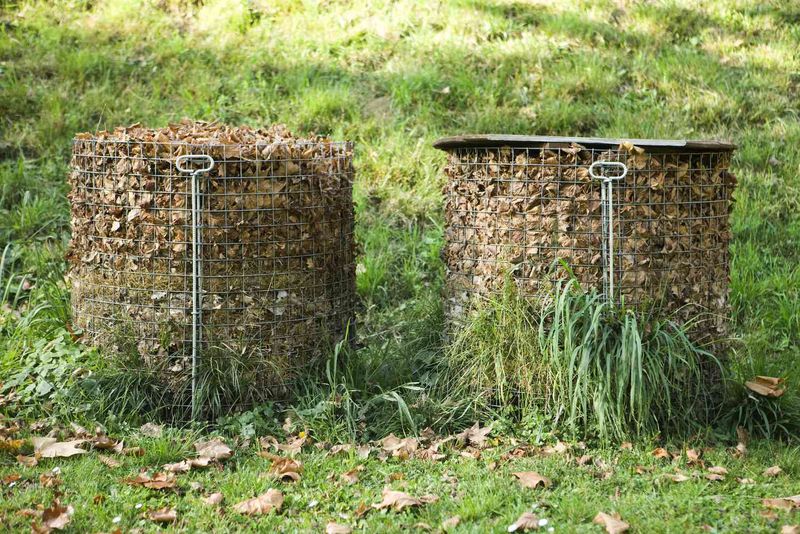
Start by piling leaves in a quiet corner of the yard. A simple bin made from a circle of wire fencing keeps things neat and stops leaves from blowing around. Shredded leaves break down faster, though whole ones will get there eventually.
Wet the pile whenever you can, since moisture speeds up the process. During a drought, even a splash of leftover water from a rain barrel or a bucket helps. Turn the pile with a pitchfork now and then to mix things up.
Patience is the main ingredient. Expect usable leaf mold in about a year or two, depending on the leaves and conditions. For North Carolina gardeners, that waiting time is an investment in the future.
Dry spells have hit the state hard, and soil rich in leaf mold can help beds handle the next drought with far less stress. A pile started this fall could be protecting your garden in just a couple of seasons.
6. Leaves Shelter Beneficial Insects And Wildlife

Watch a Carolina wren hop through a pile of leaves, flicking them aside with its beak, and you’ll see a tiny treasure hunt in action. Leaf litter is basically a pantry and a bedroom for all kinds of creatures. Clearing every last leaf can leave them without a home.
Many helpful insects spend the winter tucked inside fallen leaves. Some native bees, along with plenty of butterflies and moths, hide there as eggs, caterpillars, or cocoons. Fireflies and lots of spiders and beetles depend on leaf cover too.
Birds know this well. Wrens, towhees, thrushes, and sparrows scratch through leaves looking for insects and seeds to eat. In spring, many of those same insects become food for baby birds, so the leaves you leave now help feed nests later.
Giving wildlife a hand doesn’t mean your yard has to look messy. Leave a layer of leaves under shrubs, along the edges of beds, and in out-of-the-way corners. Those spots blend in nicely and still offer plenty of shelter.
Try not to shred or remove every single leaf on your property. Shredding works great for mulch, but it can break apart cocoons and hidden eggs. Keeping some whole leaves in quiet areas gives those critters a safe place to wait out the cold.
Across North Carolina, cooler months can still be tough on small animals, especially after a dry year that cut back on food. Leaf litter offers warmth, cover, and snacks right when wildlife needs them most.
Come spring, you may be rewarded with more butterflies, busy pollinators, and cheerful birdsong. Not bad for doing a little less raking.
7. Keep Dry Leaves Safely Away From Structures
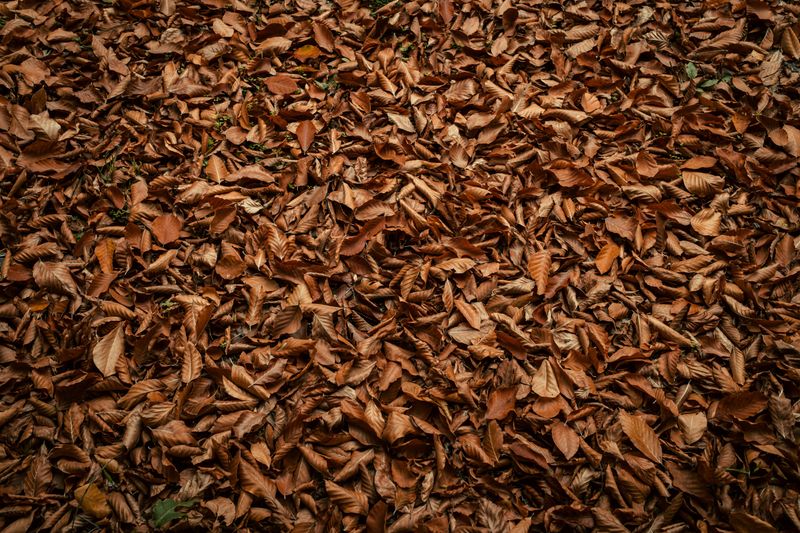
Safety comes first, even when you’re making the most of free mulch. Crispy, bone-dry leaves can catch fire surprisingly fast. A little planning keeps all the benefits without adding any risk. During a drought, leaves lose almost all their moisture.
A pile pushed up against your house, deck, or wooden fence could act like kindling if a spark from a grill, fire pit, or careless cigarette lands nearby. Embers carried by the wind can travel a long way, too.
Start by creating some breathing room around your home. Keep leaf piles and thick mulch away from foundations, decks, and sheds, and try to leave a strip of bare soil, gravel, or green lawn close to the walls.
Many fire safety experts suggest keeping the first five feet around a house as clear as possible.
Don’t forget to look up. Leaves packed in gutters and sitting on roofs dry out quickly and can catch flying embers. Clearing them out also helps rainwater flow properly when storms finally return.
Burning leaves might seem like a quick fix, but it can be dangerous during dry weather. Before you burn anything outdoors, check the NC Forest Service website for current burn restrictions in your county.
Breaking a burn ban can lead to fines, and a small fire can get out of hand in seconds. North Carolina has seen plenty of wildfire activity when conditions turn dry, and burn bans are sometimes issued across many counties during drought.
Smart leaf placement is one simple way to protect your home and neighbors. Keep your leaves working hard in the garden, just at a safe distance. That way, your yard stays healthy and your family stays safe.