The One Thing North Carolina Lantana Needs In August Or The Fall Color Never Comes
August is the month your lantana either keeps going strong or quietly starts checking out, and the difference often comes down to one small habit. Removing faded flower clusters before they turn into berries may help your plant push out fresh blooms all the way to October. It is not a guarantee, and plenty of lantanas keep flowering without any help at all, but it is the most useful thing you can do right now. Understanding what to remove, what to leave alone, and what else is actually shaping your fall display will make the whole job easier.
Deadheading Helps, But Fall Color Is Not Guaranteed
Lantana is genuinely forgiving. NC State Extension’s plant profile for Lantana camara notes that it blooms from midsummer until the first frost, which means many plants will keep producing color on their own without any intervention from you. The headline on this article is a little dramatic, and that is worth saying plainly up front.
So what is the most useful August move? Light deadheading, which means removing mostly faded flower clusters before they develop into fruit. NC Cooperative Extension’s August and September gardening tips specifically recommend trimming spent blossoms before berries develop to encourage repeat flowering, and that is the best-supported reason to pick up your pruners this month.
The realistic goal here is supporting repeat bloom and keeping the plant looking full and tidy, not conjuring October flowers out of thin air. Some cultivars, especially newer sterile types, continue flowering with very little maintenance. Others, particularly berry-producing plants, respond more noticeably when you stay on top of spent clusters.
Think of deadheading as tipping the odds in your favor rather than flipping a switch. Frost, cultivar, soil moisture, sun exposure, and regional climate will all have more say in whether your lantana is still blooming in October than any single action you take in August. Starting now is still worth it, you just want to go in with honest expectations.
Know Which Flower Clusters To Remove
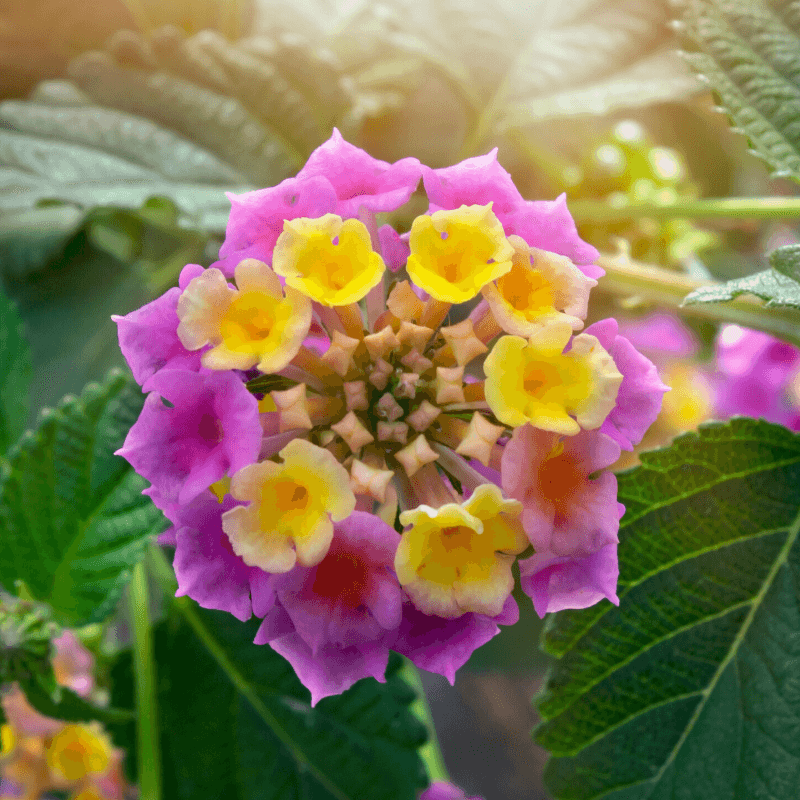
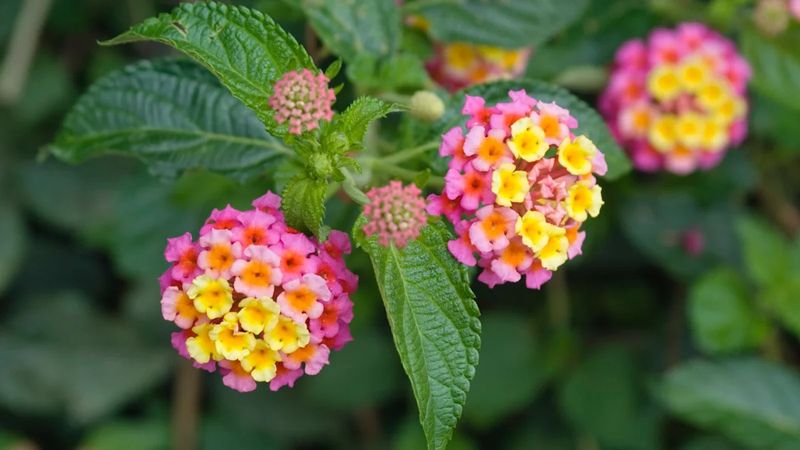
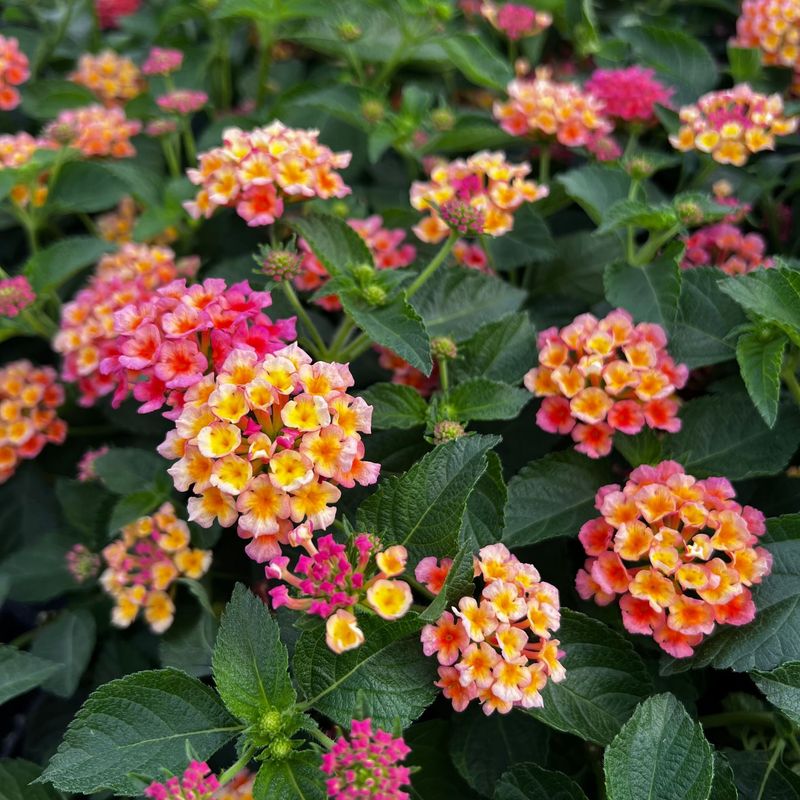
Here is where a lot of gardeners accidentally make the wrong cut. Lantana clusters are naturally multicolored, and that is not a sign that something is wrong. NC State’s plant profile explains that individual flowers within a cluster change color as they age, which is why one cluster can show yellow, orange, and red all at the same time. Snipping a cluster just because it has shifted color would mean removing perfectly healthy, still-active blooms.
What you actually want to pull is a cluster that is mostly faded, browning, shriveled, or starting to form small green berries at its base. Run your eyes across the plant and look for the clusters that have lost their brightness and are no longer adding anything to the display. Those are your targets.
Leave any cluster where individual flowers are still opening or where fresh buds are visible at the edges. A half-spent cluster with new buds coming in along the rim is still working for you. Patience here saves you from accidentally cutting the show short.
Your North Carolina Garden Changes Every Week. Your Plan Should Too.
Gardening in North Carolina changes quickly throughout the season. Every Friday you’ll receive a simple weekly plan showing exactly what to plant, prune, fertilize, harvest, and protect so you never miss the right timing.
NC Cooperative Extension’s August and September tips also support removing spent blossoms before berries develop, reinforcing that the fruit stage is the signal to act, not just any color change. Once you train your eye to spot the difference between a tired cluster and a multicolored-but-still-active one, the whole task goes faster and you stop second-guessing every cut.
Make A Light Cut Instead Of A Hard Haircut
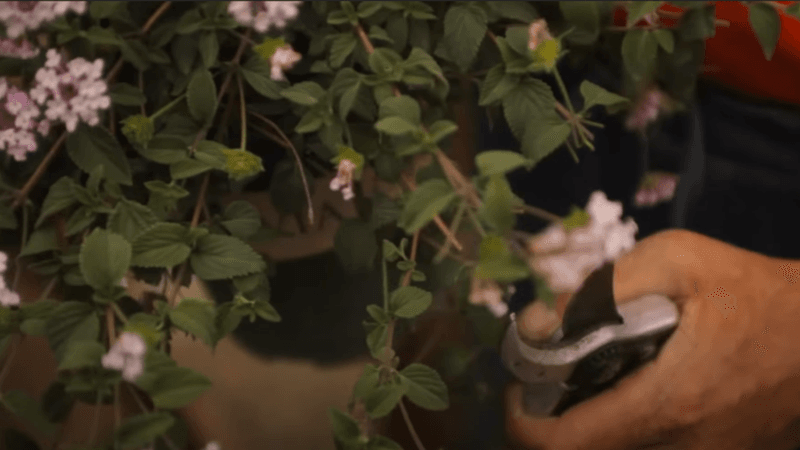
The technique itself is simple, but the restraint is the part that trips people up. When you find a faded cluster, follow its short stem down to the nearest healthy leaves or a side shoot and snip just above that point. You are removing the spent head and a small length of stem, not reshaping the whole plant.
Extension guidance on lantana berries and repeat blooming supports removing spent clusters before fruit develops as the practical approach for encouraging continued flowering. If berries have already started forming, cut below the developing fruit and above a healthy pair of leaves. That placement is a practical way to preserve useful growth, not a scientifically fixed rule that applies identically to every cultivar.
Check the plant regularly and remove clusters as they fade rather than waiting for a set schedule. Some weeks you might find a handful of spent heads every few days, other weeks almost nothing needs attention. Work with what the plant is actually showing you.
Now, about hard cutbacks. A 2024 UC Agriculture and Natural Resources pruning study notes that little research exists on lantana pruning, and Penn State Extension cautions that a second flush after deadheading may be smaller, not necessarily bigger. Cutting your lantana back by one-half or more in August is not an established route to October blooms and can temporarily remove developing flower sites, forcing the plant to spend time replacing leaves and stems instead of opening new flowers.
Deadheading and pruning are two different jobs. Deadheading removes faded flowers and developing fruit. Pruning cuts stems to change the plant’s size or shape. For fall color, deadheading is the move, not a dramatic August haircut.
Use clean hand pruners or gloved fingers for small clusters. Lantana leaves may irritate skin, so gloves are worth wearing every time, not just when you remember.
The Cultivar Determines How Much Deadheading Matters
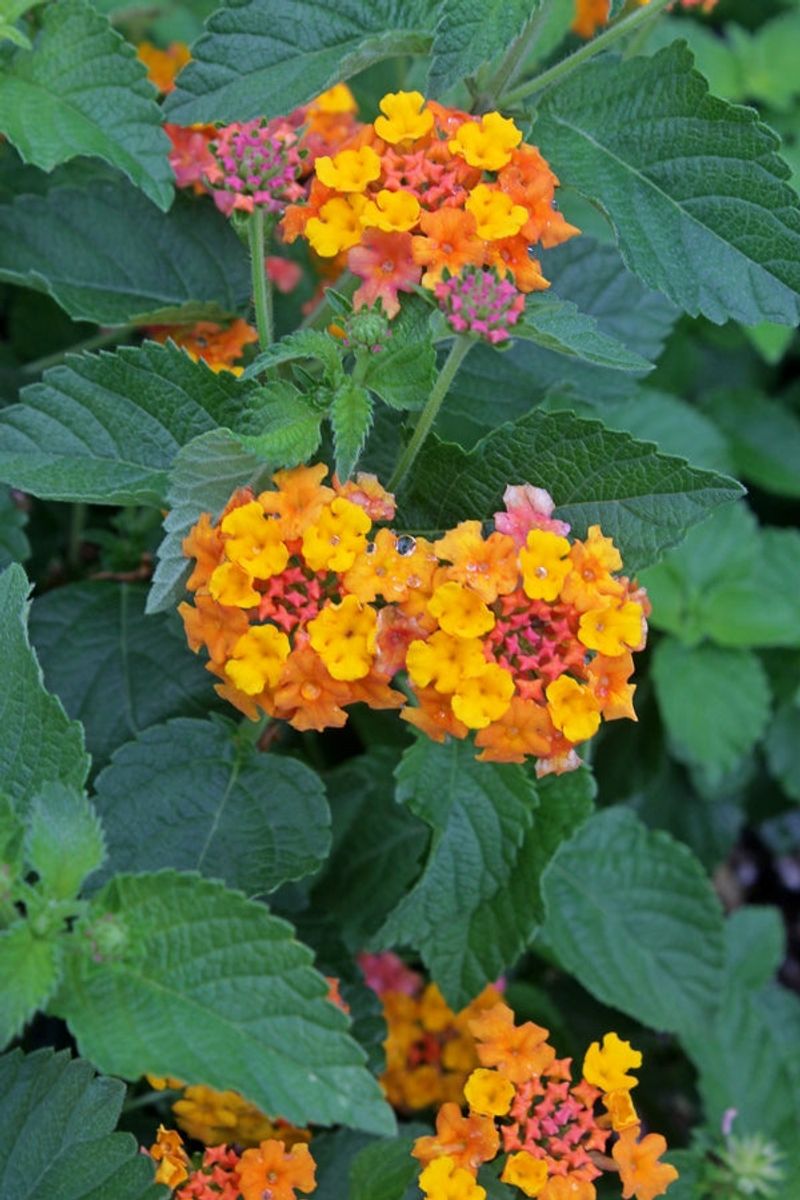
Not every lantana in North Carolina needs the same level of attention in August. The cultivar you are growing shapes how much deadheading actually matters.
Berry-producing plants are the stronger candidates for regular spent-cluster removal. When those clusters are allowed to mature into fruit, the plant puts energy into seed development, and that is the scenario where staying on top of deadheading has the clearest practical case. Wisconsin Extension notes that some newer sterile lantana types do not need as much deadheading because they produce few or no viable seeds to begin with. If you are growing one of those sterile or nearly sterile cultivars, you may find the plant keeps blooming with minimal intervention.
Cultivar also shapes how your plant behaves over winter. NC State’s plant profile identifies Lantana camara as native to tropical regions including the West Indies, Mexico, and tropical America, meaning it is not a North Carolina native. Its annual or perennial behavior here depends on both cultivar and location.
Named cultivars like ‘Miss Huff’ and ‘Chapel Hill Yellow’ are better candidates for surviving Piedmont winters than an unnamed bedding lantana from the garden center, but even those hardy selections can suffer after an unusually cold winter or in an exposed spot. No cultivar name is a promise of winter survival everywhere in North Carolina.
Knowing what you have planted helps you calibrate how much effort August actually requires and sets realistic expectations for what comes back in spring.
Your Local First Freeze Sets The Real Deadline
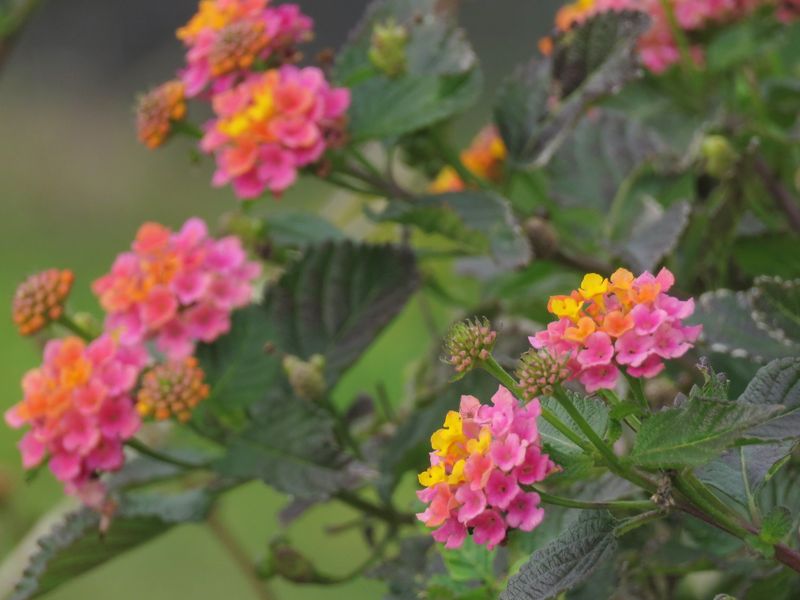
August deadheading only matters if your plant has enough warm weeks left to respond. That window looks very different depending on where you live in North Carolina, and the gap between the coast and the mountains is bigger than most people expect.
NC State Extension’s average first and last freeze dates list November 18 for Wilmington, October 30 for Raleigh, October 25 for Asheville, and October 14 for Boone. Those are historical averages, not a forecast for any single year, but they explain why a Wilmington gardener who deadheads in August has roughly 10 to 12 weeks of potential growing time while someone gardening near Boone may have closer to 6 weeks before a freeze becomes likely.
Coastal and lower Piedmont plants generally have more recovery time to push out new flower clusters after a deadheading pass. Mountain lantanas are working against a tighter calendar, and in some years the display does not have time to fully rebound before cold arrives.
NC State Climate Office guidance defines first frost as temperatures below 36 degrees Fahrenheit and distinguishes that from a later, colder killing freeze. A light frost can nip tender growth without ending everything, but a hard freeze will close the season regardless of how carefully you deadheaded in August.
No amount of good care carries flowers through a killing frost. The regional calendar is the one variable you genuinely cannot negotiate with, so knowing your local average gives you a realistic sense of what August work can and cannot accomplish.
Check Growing Conditions Before Adding Anything
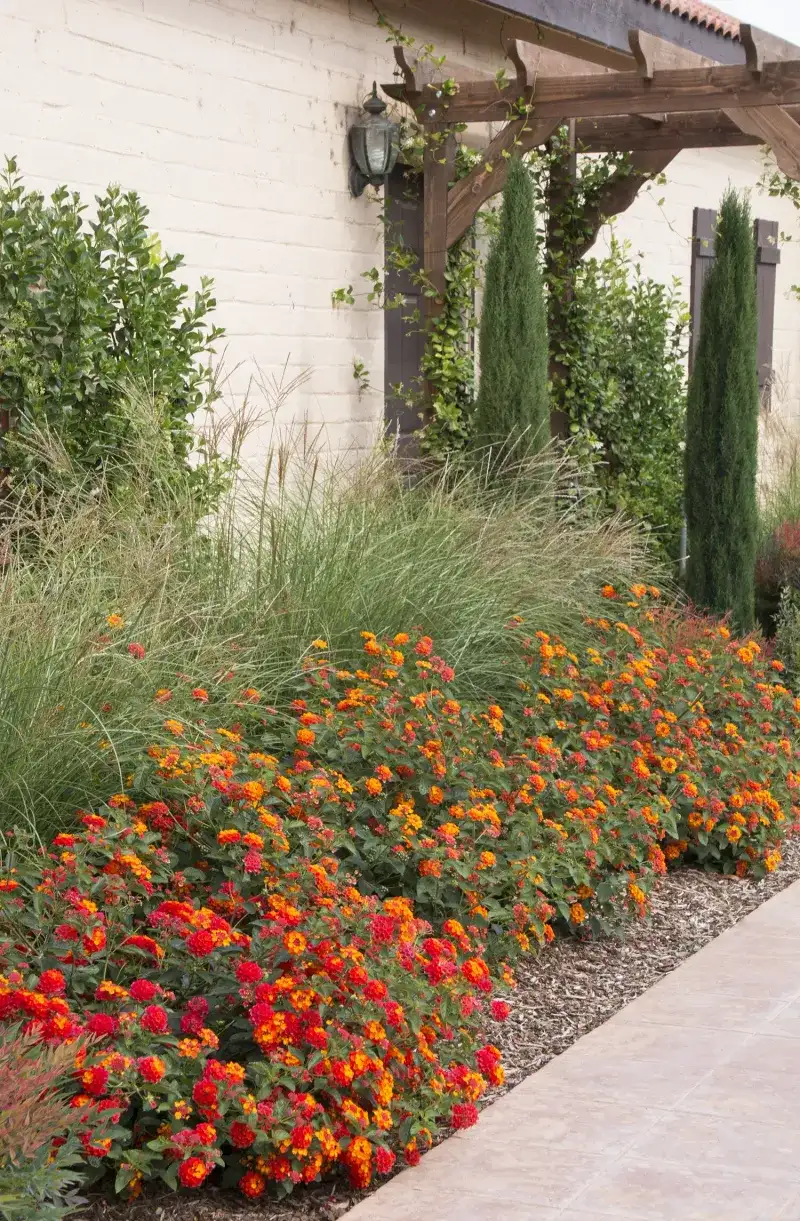
Before you reach for fertilizer or start second-guessing your deadheading technique, take a honest look at the basics. Lantana wants full sun, and that means at least 6 hours of direct light each day. A plant growing in partial shade will naturally produce fewer flowers regardless of how well you maintain it, and no amount of late-summer feeding changes that equation.
Soil drainage matters just as much. Established lantana tolerates dry spells reasonably well, but consistently wet roots can reduce flowering and contribute to root problems. University of Minnesota Extension notes that established lantana generally needs no fertilizer and that too much fertilizer can actually inhibit blooms. That is worth sitting with for a moment, because the instinct when a plant looks tired in August is often to feed it.
Fertilizer is a conditional decision, not a calendar task. Established in-ground lantana growing in decent soil rarely needs August feeding. Containers are a different situation, especially ones that have been watered heavily all summer, because nutrients wash out of potting mix faster than they leave garden beds. Even then, a soil test or close look at the plant’s actual condition is a better guide than the date.
NC State Extension’s fertilizing guidance recommends basing fertilizer rates on soil-test results and avoiding feeding during drought or plant stress. Sandy Coastal Plain soils lose nutrients faster than Piedmont red clay, so regional soil type genuinely changes the math here.
Steady, appropriate moisture during dry stretches matters more than fertilizer for most established plants. Check the basics first, and only add inputs when the plant’s condition and soil type give you a real reason to.
Inspect Leaves If Blooming Stops Suddenly
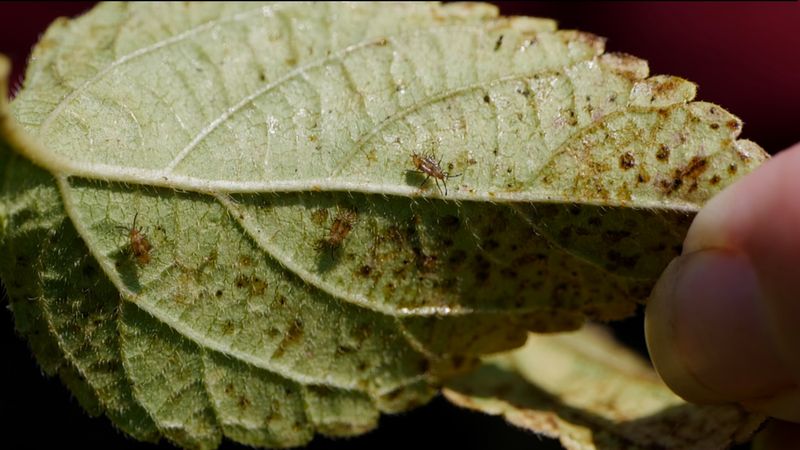
You deadhead faithfully, the sun is good, the watering is reasonable, and then the flowers just stop. Before you blame the plant or the calendar, flip a few leaves over and look at the undersides.
Lantana lace bugs are a real summer pest in North Carolina. NC State Extension’s lantana lace bug publication explains that feeding can bleach leaves and that heavy infestations can affect new buds and flowers. The damage shows up as a pale, stippled, washed-out look on the upper leaf surface, and the insects themselves are small and lacey-winged, usually clustered on leaf undersides along with dark fecal spots.
The good news is that lace bugs can arrive during North Carolina summers and complete at least two generations here, but they do not successfully overwinter in the state. A bad infestation in August will not automatically become a permanent fixture in your garden next spring.
If you find them and the damage is significant, a labeled insecticidal soap applied according to its product label is the appropriate response. Do not reach for ordinary dish detergent as a substitute. NC State’s lace bug guidance distinguishes labeled pesticide products from household soap, and using an unlabeled product can damage the plant or fail to control the pest effectively. Follow the product label every time.
Light infestations on otherwise healthy plants sometimes resolve without treatment as summer heat peaks and then eases. Check back in a few days before committing to a spray program, and treat only if the population and damage are growing.
Finish With A Realistic Fall-Bloom Checklist
Putting it all together in a workable order makes August feel manageable rather than overwhelming. Start with deadheading: check the plant regularly and remove mostly faded clusters before they develop fruit, paying closer attention if your plant is a berry-producing type. That is the one action with the clearest support for encouraging repeat flowering.
Keep the plant in full sun with appropriate moisture. For containers, press a finger into the top 1 to 2 inches of potting mix and water when that layer is dry, as long as the pot has drainage holes. University of Minnesota Extension advises that established lantana needs no routine fertilizer, so skip the automatic August feeding unless a soil test or the plant’s actual condition gives you a specific reason to act.
Inspect leaf undersides if flowering suddenly drops off. Lace bugs are the most likely culprit in a healthy plant that stops producing. Use a labeled insecticidal soap if treatment is warranted and follow the label.
Adjust your expectations to your cultivar and your local frost timing. NC State Climate Office data shows that first freeze timing varies by several weeks across North Carolina, and that variation matters more than any single care decision. A sterile cultivar in Wilmington has a very different fall outlook than an unnamed bedding plant near Boone.
One last reminder: NC State classifies lantana as having medium-severity poisonous characteristics, and unripe berries are potentially toxic. Wear gloves when you work with the plant, and keep children and pets away from the berries. Deadheading can improve the odds of a fuller display, but the frost gets the final vote.