Why Maryland’s Summer Nights Won’t Cool Down, And What That Means For Your Garden

Darkness falls faster than the relief you expect arrives, and you notice it. Nighttime temperatures across Maryland climb higher than ever before.
Heat lingers stubbornly in your garden long after every sunset. Plants you nurture rarely get the cooling reset they truly need.
Warmth after dusk pushes your plants toward real stress. Pests multiply quickly and quietly when your garden stays warm overnight. Fruit set weakens when your nights refuse to cool.
Gardeners like you rarely notice this shift right away. Cities across Maryland hold heat inside your neighborhood long after sundown falls. Humidity compounds the problem, keeping warmth close against your soil.
Roots you depend on slowly lose their cooling signal. Understanding this hidden shift changes how you garden entirely.
Nothing about your garden stays static, calm, or even predictable anymore. Every choice you make tonight quietly shapes what eventually grows later. You cannot ignore what happens after sunset.
Cities Radiate Stored Daytime Heat

Walk barefoot on your driveway at 10 p.m. and feel that heat still radiating up. That warmth is not leftover sunshine.
It is stored energy that concrete, asphalt, and brick absorbed all day long. Maryland’s summer nights won’t cool down partly because cities and suburbs absorb and retain significant heat.
Roads, parking lots, and rooftops soak up solar energy for hours. After sunset, they slowly release it back into the surrounding air.
This phenomenon is called the urban heat island effect. Temperatures in developed areas can run several degrees warmer than nearby rural zones at night.
That gap tends to grow as more land gets paved over. For gardeners, this extra warmth means plants near driveways or south-facing walls never fully escape the heat cycle.
Soil stays warmer, roots stay active, and plants burn through their energy reserves faster than they should. A few smart moves can help. Plant heat-sensitive crops away from pavement and walls.
Use light-colored mulch to reflect heat instead of absorbing it. Try placing containers on grass or gravel instead of concrete. Adding shade cloth over raised beds near paved surfaces can drop soil temps noticeably.
Even a simple row of tall sunflowers between your garden and a paved driveway can block radiated heat. Small changes add up fast when temperatures are already pushing limits.
Humidity Traps Warmth Near Ground

Maryland summers are famously sticky, and that humidity is doing more damage than just ruining your hair. Moisture in the air acts like an insulating layer that holds heat close to the ground long after the sun goes down.
Water vapor is incredibly efficient at absorbing and retaining thermal energy. On a dry night, heat escapes quickly into the upper atmosphere.
On a humid night, it bounces around near ground level instead. This is why a humid 80-degree night feels far worse than a dry 80-degree night. The air has nowhere to dump its heat, so it stays thick and warm around your plants all night long.
Gardens in low-lying areas or near ponds and streams experience this most intensely. Cold air sinks and moisture pools in depressions, creating pockets of stagnant, warm, humid air that stress plants overnight.
Your Maryland Garden Changes Every Week. Your Plan Should Too.
Gardening in Maryland changes quickly throughout the season. Every Friday you’ll receive a simple weekly plan showing exactly what to plant, prune, fertilize, harvest, and protect so you never miss the right timing.
Good airflow is your best defense. Space plants generously so air can circulate between stems and leaves. Avoid dense planting schemes that trap moisture inside the canopy.
Raised beds help by lifting roots above the most humid ground layer. Drip irrigation keeps moisture near roots rather than splashing it onto foliage, which reduces the humidity directly around plant stems.
Proper spacing and smart watering together can make a measurable difference in how your garden handles those oppressively warm nights.
Warming Trends Raise Overnight Lows

Scientists track something called the daily minimum temperature, which is simply the coolest point a location reaches in a 24-hour period. Across the Mid-Atlantic region, those minimums have been creeping upward for decades.
Maryland’s summer nights won’t cool down the way they used to because baseline overnight temperatures have shifted. What was once a refreshing low near 65 degrees is now noticeably warmer in many parts of the state.
That shift sounds small, but plants are sensitive to fractions of a degree. Many crops evolved in climates with a meaningful temperature drop at night.
That nightly cooldown signals the plant to rest, store energy, and prepare for the next growing cycle.
When the low never comes, plants stay in a kind of metabolic overdrive. They keep respiring, keep spending energy, and never fully recharge.
Over a season, this gradually depletes their energy reserves. Gardeners can compensate by choosing heat-tolerant varieties bred for warmer nights.
Look for labels like heat-set or tropical on tomato and pepper transplants. These varieties are engineered to perform even when nights stay stubbornly warm.
Keeping a simple outdoor thermometer near your garden beds helps you track local overnight lows.
Knowing your actual conditions lets you time planting, watering, and harvesting more precisely. Data beats guesswork every single time.
Clouds Insulate Like A Blanket

On a clear night, heat rises and escapes into space with surprising speed. Add a thick layer of clouds overhead, and suddenly the sky acts like a lid on a pot, trapping warmth right where your garden is trying to cool down.
Cloud cover is one of the sneakiest reasons nights stay so warm in Maryland summers. High moisture and frequent storm systems mean cloud decks often linger well past midnight.
The ground never gets a chance to release its stored heat upward. This is basic atmospheric physics.
Clouds absorb outgoing longwave radiation from the earth and radiate some of it back down. The more cloud cover, the more heat stays trapped near the surface.
For gardeners, cloudy nights compound the humidity problem. Not only is moisture in the air holding heat, but the sky above is bouncing it back down too.
Your tomatoes and squash are essentially experiencing warm, humid conditions overnight. You cannot control the clouds, but you can work with the forecast.
On nights when skies are expected to clear, open up any cold frames or row covers to allow maximum heat escape from the soil.
Checking a reliable weather app the night before gives you a window to act. Removing covers on clear nights lets the ground cool significantly by morning.
That brief cooldown, even just a few degrees, can make a noticeable difference in how your plants perform the following day.
Plants Burn Energy Instead Of Resting

Plants are not passive at night. They are actively working, moving sugars, repairing cells, and building the structures that will support tomorrow’s growth.
But all that activity requires energy, and energy comes from respiration. Respiration speeds up as temperature rises. On a warm night, a tomato plant can burn through significantly more energy than it would on a cooler evening.
That is energy that cannot go toward fruit development or root expansion. Think of it like a person trying to sleep in a hot room. The body keeps working harder to stay comfortable instead of dropping into deep, restorative rest.
Plants face the same struggle when nights stay stubbornly warm. Over weeks of warm nights, this energy drain shows up as slower growth, smaller fruit, and increased susceptibility to stress.
The plant is essentially running a deficit, spending more than it earns through daytime photosynthesis.
Gardeners can help by keeping soil consistently moist so plants do not add drought stress on top of heat stress. Mulching thickly around the base of plants slows soil heat absorption during the day, giving roots a cooler environment at night.
Feeding plants with a balanced fertilizer supports their increased energy demands. A diluted liquid feed every ten to fourteen days during peak summer keeps nutrients available when plants need them most.
Supporting your garden through the heat is not just helpful; it is essential for a productive harvest.
Tomatoes Fail To Set Fruit
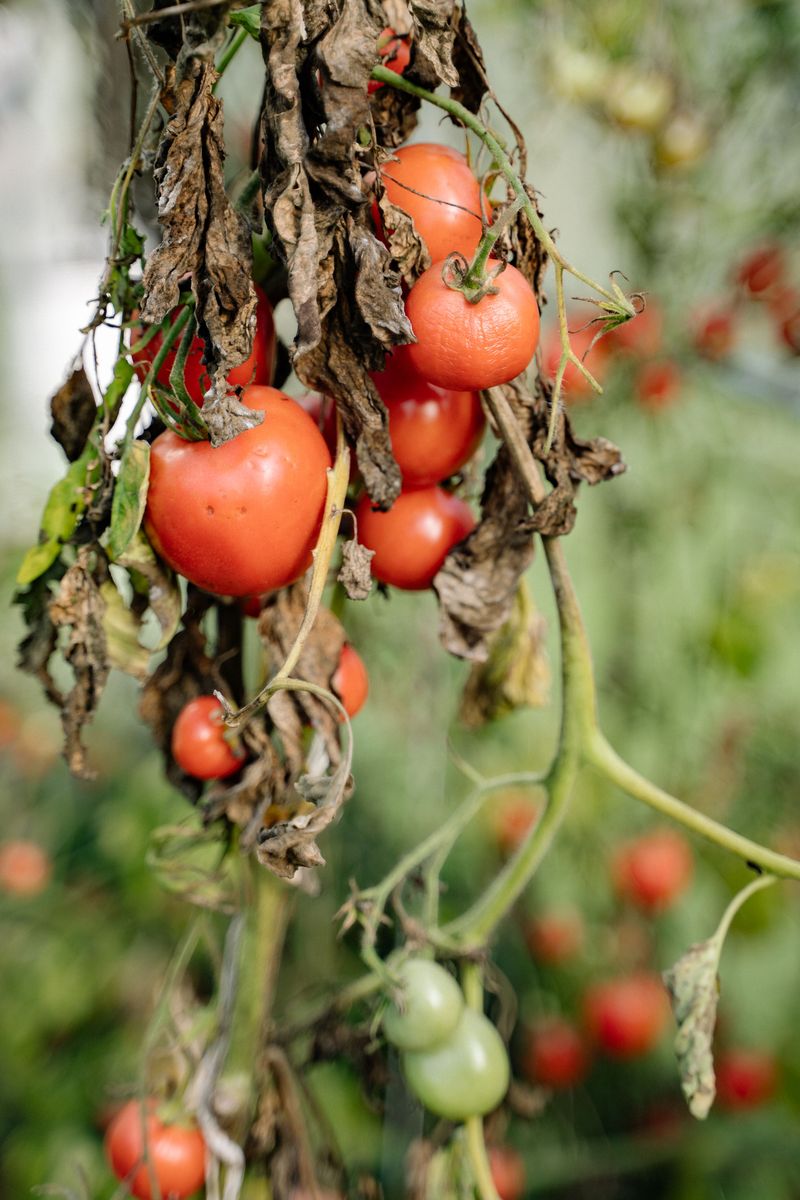
Few things are more frustrating than a tomato plant covered in flowers that never become tomatoes. You water it, feed it, stake it carefully, and still end up with nothing but empty blossoms on the vine.
Warm nights are often the hidden culprit. Tomatoes have a narrow temperature window for successful pollination.
When nighttime temps stay above 70 degrees Fahrenheit consistently, pollen becomes less viable and fertilization fails.
The blossoms open, but the reproductive process breaks down. Flowers fall off without setting fruit, a process gardeners call blossom drop.
It looks like neglect, but the real cause is overnight heat stress on the plant’s reproductive system.
Maryland’s summer nights won’t cool down enough for traditional tomato varieties to perform reliably in peak summer. Standard slicers and heirlooms are especially vulnerable during July and August heat waves.
Switching to heat-tolerant varieties changes the outcome dramatically. Look for cultivars like Solar Fire, Heatmaster, or Sweet 100 cherry tomatoes. These are specifically bred to set fruit even when nights refuse to cooperate.
Timing also matters. Planting tomatoes early enough so the main fruiting period falls in June, before nights get too warm, gives you a better shot at a full harvest.
A second planting in late July can catch the cooler nights of early fall. Adapting to the heat works better than resisting it.
Shallow Roots Wilt Under Stress

Roots are a plant’s lifeline, pulling up water and nutrients from deep in the soil. But when nights stay warm, the soil surface stays warm too, and shallow roots are affected the most.
Many common garden plants develop shallow root systems when young or when watered frequently but lightly. Those surface roots sit in the warmest zone of the soil profile, which is exactly where heat stress hits hardest after a warm night.
Soil temperature near the surface can remain uncomfortably warm through the night in a Maryland summer. Roots operating at that temperature struggle to absorb water efficiently, even when moisture is present in the soil.
The result is wilting that looks like drought stress but is actually heat stress. Watering more only makes things worse if it encourages roots to stay shallow.
Deep, infrequent watering trains roots to chase moisture deeper where soil stays cooler. Water deeply two or three times per week rather than a little each day. Let the top inch or two dry out slightly between sessions to encourage downward root growth.
Deeper roots find cooler, more stable soil conditions. Mulching with three to four inches of organic material like straw or shredded leaves helps keep soil cooler. Mulched beds can run noticeably cooler than bare soil.
That difference protects roots and keeps your plants standing tall through the toughest summer stretch.
Pests And Microbes Multiply Faster
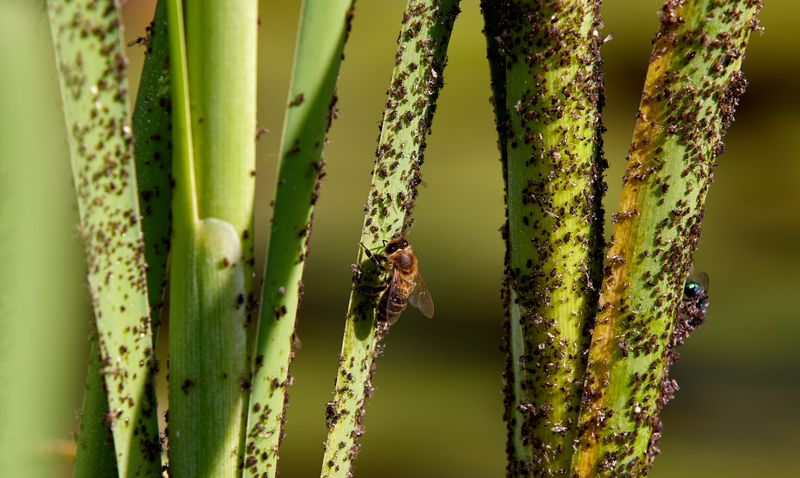
Warm nights are not just hard on your plants. They are favorable conditions for pests and pathogens to spread. Insects, fungi, and bacteria all thrive in sustained warmth.
Aphids, spider mites, and whiteflies reproduce in cycles tied to temperature. Warmer nights shorten those cycles dramatically.
A population that might double in a couple of weeks under cooler conditions can double much faster when nights stay warm.
Fungal diseases like powdery mildew and downy mildew spread fastest when warm temperatures combine with high humidity.
Maryland’s summer nights won’t cool down, and that creates near-perfect conditions for fungal spores to germinate and spread across leaf surfaces overnight.
Bacterial diseases follow a similar pattern. Warm, moist conditions accelerate bacterial growth on damaged or stressed plant tissue.
Plants already weakened by heat stress have fewer resources to fight back. Scouting your garden every morning is the most effective early warning system you have.
Check the undersides of leaves for aphid colonies, look for powdery coatings on squash and cucumber leaves, and watch for unusual spotting or wilting.
Neem oil applied in the early morning or evening disrupts pest cycles without harsh chemicals. Copper-based fungicide sprays help control bacterial and fungal spread when applied before an outbreak gets established.
Staying ahead of problems is always easier than addressing problems after they’ve taken hold.