The Native North Carolina Tree That Cuts Ticks At Yard Level While Shading Your Whole Backyard
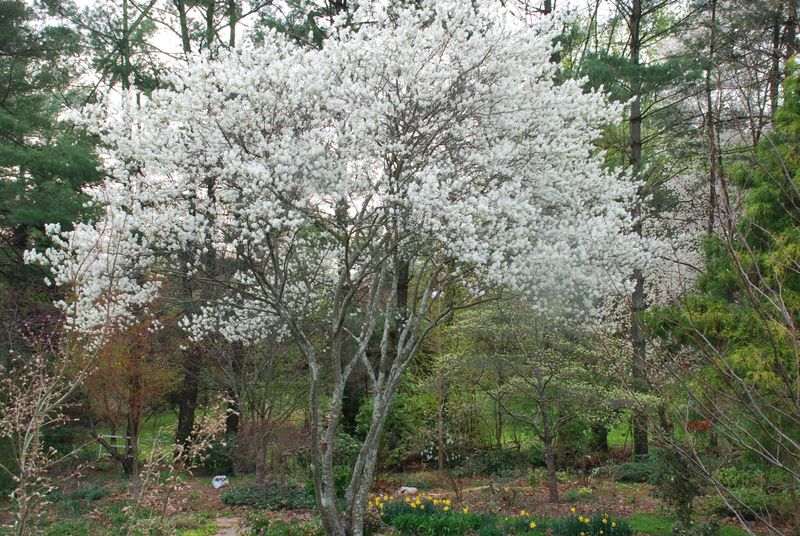
You drag your patio chair into the shade on a July afternoon in the Piedmont, and somewhere between your sweet tea and your second trip to the yard, you spot a tick crawling up your ankle. That moment is exactly why so many North Carolina homeowners are searching for a tree that does double duty overhead and on the ground. Downy serviceberry, Amelanchier arborea, is a genuinely beautiful native small tree worth planting, but the real story about ticks is more complicated than one plant can solve.
Meet North Carolina’s Downy Serviceberry
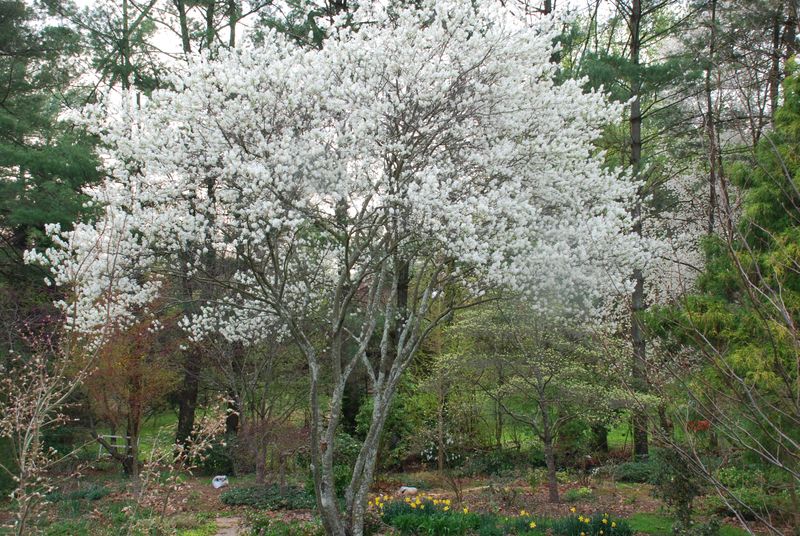
Spend a morning on a wooded slope anywhere from the North Carolina mountains down through the Piedmont and into the Coastal Plain in late March or early April, and you will likely see downy serviceberry, Amelanchier arborea, already in bloom before most other trees have thought about leafing out. NC State Extension confirms it is native statewide, growing in open woods, wooded slopes, and even along stream banks from the high mountains to the coast.
In a cultivated yard, serviceberry typically reaches 15 to 25 feet tall. Wild specimens can push closer to 40 feet, but the backyard version stays in small-tree territory, more like a large dogwood than a full canopy oak. It tolerates full sun to partial shade and handles a range of soils, from sandy Coastal Plain ground to Piedmont red clay, as long as drainage is reasonable and the soil leans acidic to neutral.
The tree earns its place in a North Carolina yard through four seasons of interest. Spring brings clusters of white flowers that feed early bees and butterflies before most garden plants wake up. Summer delivers red to purple fruit that songbirds, small mammals, and even the occasional fox will clean off in a matter of days. The canopy offers real, welcome shade through the muggy months, and fall color adds warm reds and oranges before the leaves drop.
Serviceberry is a genuinely rewarding native tree for shade, seasonal interest, and wildlife habitat. No reliable evidence or public-health recommendation, however, identifies it as a plant that reduces yard-level ticks, and that distinction matters for anyone making decisions about their family’s safety outdoors.
Why the Tick-Control Promise Does Not Hold
Here is where it gets tricky. The idea that planting a particular tree will cut tick populations in your yard sounds appealing, especially when you are tired of spraying. But no reliable study, NC State Extension resource, or public-health recommendation links downy serviceberry to any measurable reduction in ticks, tick bites, or tickborne disease risk.
Research actually points in a different direction. A 2021 observational study of 210 residential properties in Indiana found that greater vegetation cover, and particularly canopy cover, was associated with tick presence on those properties. A separate study of residential yards on Staten Island found that the amount and configuration of nearby canopy predicted the presence of blacklegged and lone star ticks, and that log and brush piles further increased the odds of finding them. Neither study was conducted in North Carolina, and neither proves that planting one serviceberry will attract ticks to your yard.
Your North Carolina Garden Changes Every Week. Your Plan Should Too.
Gardening in North Carolina changes quickly throughout the season. Every Friday you’ll receive a simple weekly plan showing exactly what to plant, prune, fertilize, harvest, and protect so you never miss the right timing.
But both directly contradict any blanket claim that overhead canopy naturally keeps ticks away.
Some readers may have heard that eastern red cedar, Juniperus virginiana, another native North Carolina tree, has tick-fighting properties because cedarwood oil shows tick toxicity in laboratory tests. USDA research confirmed that cedarwood oil is genuinely unpleasant for ticks in controlled settings, but a living cedar tree in your yard is a different thing entirely from a tested oil compound. A 2024 CDC-published review noted that field data for cedarwood-oil minimum-risk products against naturally occurring blacklegged tick populations were still lacking. A tree is not a pesticide, and native status does not equal pest control.
Manage Tick Exposure At Ground Level
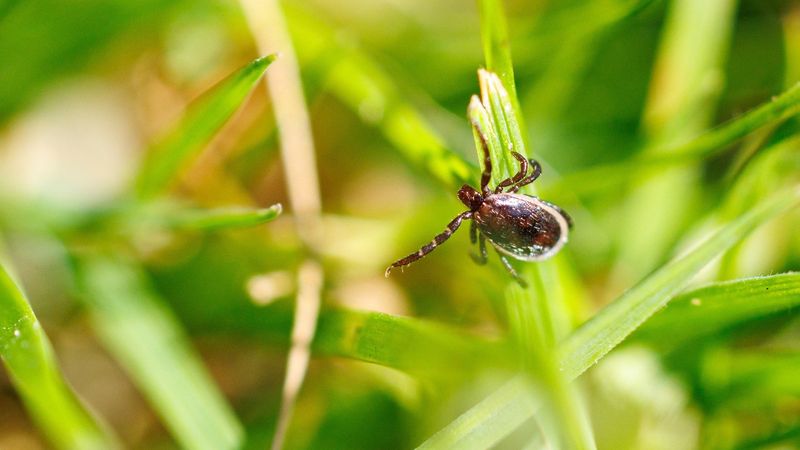
Ticks do most of their waiting at ground level, perched on grass blades, leaf litter, and low vegetation with their front legs outstretched, ready to grab onto whatever walks by. That is the biology that makes yard-level management genuinely useful, and it is where the real work happens.
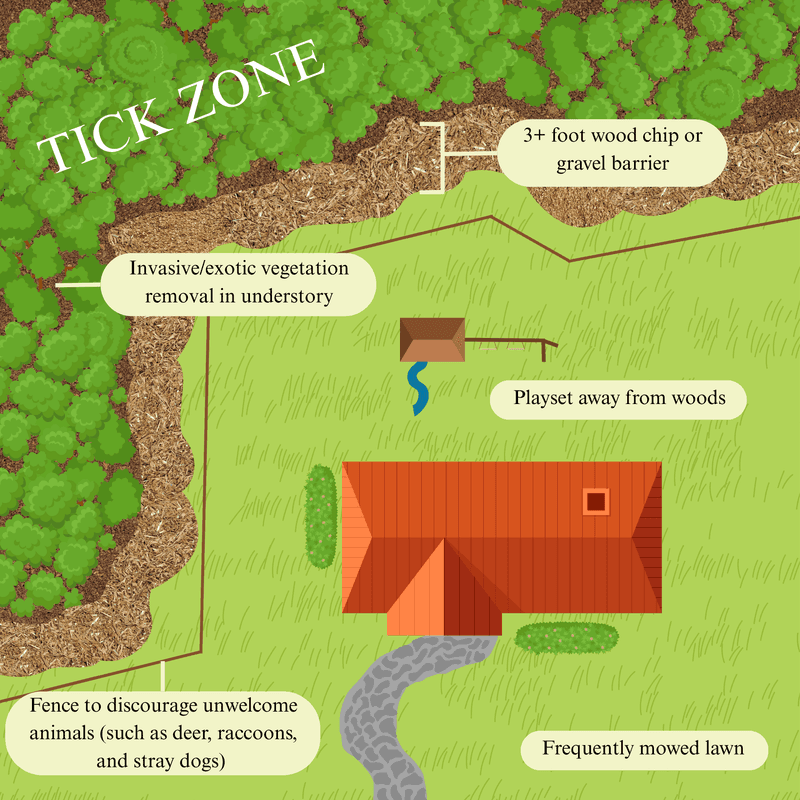
CDC tick prevention guidance recommends a straightforward set of yard habits: keep grass mowed short, remove leaf litter regularly, clear tall grass and brush from around the house and yard edges, and trim lower branches and shrubs to let more sunlight reach the ground. Ticks prefer cool, moist, shaded spots, so opening up the ground layer around patios, play areas, and regular seating spots makes those zones genuinely less hospitable. The CDC-backed Tick Management Handbook specifically recommends a three-foot-wide strip of wood chips or gravel between your lawn and any wooded or brushy area. That physical barrier interrupts the path ticks travel from wooded edges into the mowed yard where people spend time.
Place play equipment, benches, and outdoor furniture in sunny, open spots rather than near wooded edges or dense ground cover. Sunny, dry ground is not prime tick habitat, and those 3 feet of wood chips or gravel between lawn and woods can make a real difference in the zones you use most. CDC Lyme disease prevention guidance is clear that these measures help reduce exposure in specific areas of a yard. They do not eliminate ticks from a whole property, and one unnoticed infected tick can still transmit illness.
Think of ground-level management as reducing the odds in the spots that matter most, not as a complete solution.
Choose The Tree’s Site For Its Real Needs
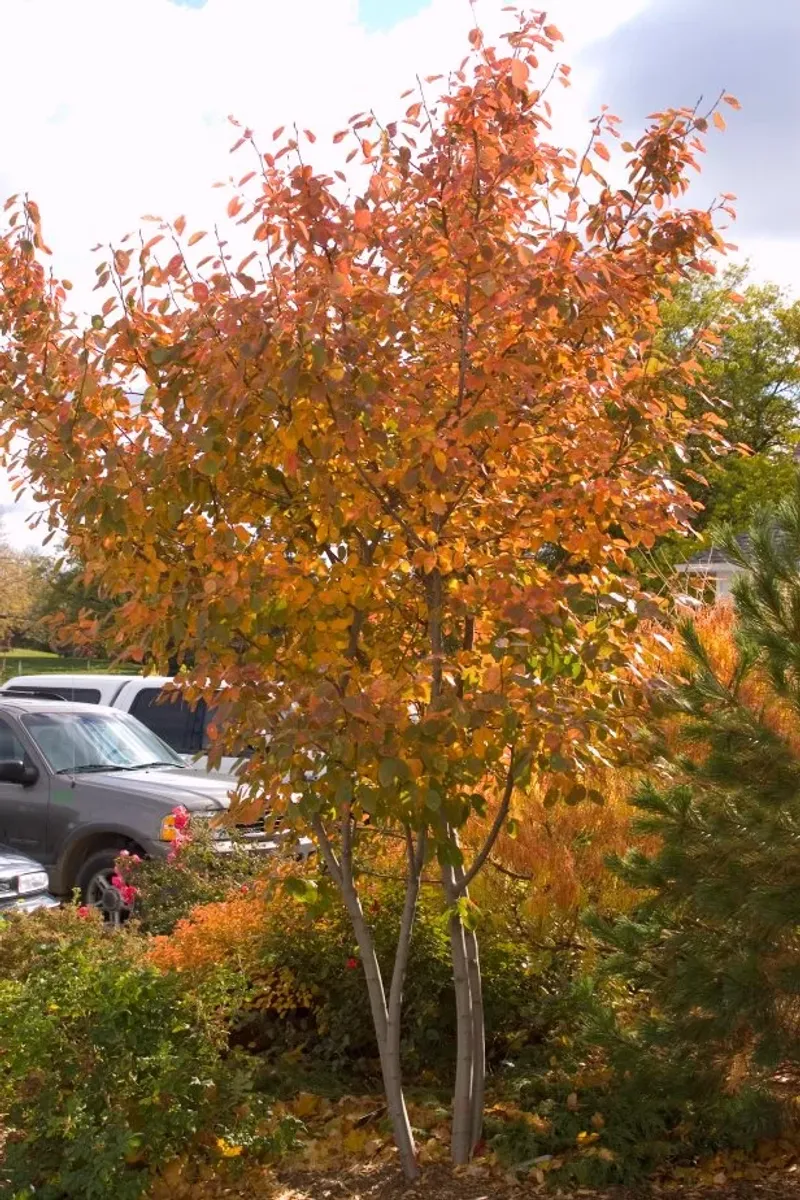
Picking the right spot for a serviceberry comes down to practical fit, not tick avoidance. The tree tops out around 15 to 25 feet in cultivation, so it can shade a patio, a seating area, or a corner of the yard beautifully. It cannot, at that size, shade an entire backyard on its own, and expecting it to do so sets up a disappointment. Plan for its mature width, which typically runs 15 to 25 feet as well, and give it room to grow without crowding structures, power lines, or neighboring plants.
NC State Extension notes that serviceberry performs best in full sun to partial shade with moist, well-drained, acidic to neutral soil. In the Piedmont, that often means amending heavy clay to improve drainage before planting. On the sandy soils of the Coastal Plain, consistent moisture during establishment matters more. Either way, avoid low spots where water pools after rain, because poorly drained ground stresses the roots and invites disease.
Separately from where you put the tree, think about where people spend time. CDC guidance recommends keeping patios, decks, play equipment, and regular seating areas away from wooded edges, dense brush, and deep leaf litter. That is sound advice for any yard, regardless of which trees you plant. Serviceberry placement is a question of mature size, drainage, desired shade, and access for maintenance.
Where you put your chairs and your children’s swing set is a separate decision, one that should factor in proximity to wooded edges and the tick habitat that comes with them.
Grow It For Flowers, Fruit, And Habitat
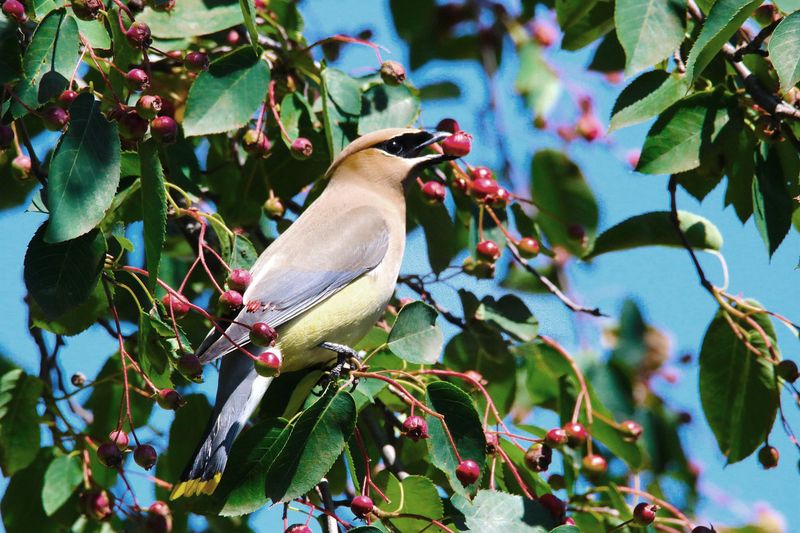
A serviceberry planted in the right spot rewards you quickly. Most trees begin flowering within two to three years of planting, producing clusters of white blooms in late March or early April, weeks before most common landscape shrubs open up. Early-season bees and native pollinators depend on those flowers, and the tree genuinely earns its keep as a food source before the rest of the yard has warmed up.
By late May or June, the fruit ripens from green to red to deep purple, and the wildlife competition for it is real. NC State Extension’s backyard bird habitat guidance lists serviceberry fruit as a valuable food source for songbirds, and robins, cedar waxwings, and thrushes will find the tree fast. Small mammals and butterflies round out the visitor list through the season. The fruit is edible for people too, mildly sweet with a flavor somewhere between a blueberry and a mild cherry.
For cultivation, give a new tree regular water through its first two growing seasons, roughly an inch per week if rain does not cover it. NC State Extension’s native plants handbook recommends acidic to neutral soil with good drainage, and mulching around the base helps retain moisture and moderate soil temperature through the hot months. Full sun produces the best flower and fruit set, while partial shade is tolerated but may reduce the crop. All of these benefits are real and well-documented.
They reflect the tree’s ecological value, and that value stands on its own without adding pest-control claims that the evidence does not support.
Account For North Carolina’s Different Tick Risks
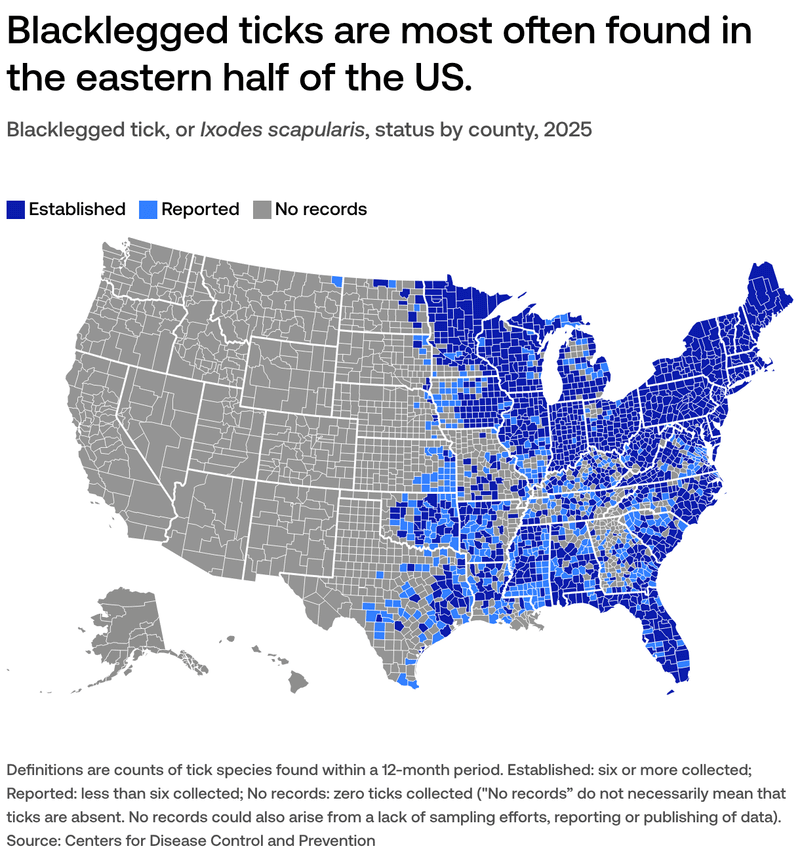
North Carolina is a long state, and tick country looks different depending on where you live. The mountains around Asheville, the red clay Piedmont stretching from Charlotte to Raleigh, the Sandhills, and the humid Coastal Plain all have their own mix of tick species and seasonal patterns. A single planting strategy does not fit all of them.
The North Carolina Division of Public Health’s tick information page lists several medically important tickborne illnesses reported in the state, including Rocky Mountain spotted fever and other spotted-fever illnesses, ehrlichiosis, Lyme disease, and STARI. These are caused by different pathogens, carried by different tick species, and they do not all behave the same way in the landscape. The American dog tick, the lone star tick, and the blacklegged tick each have their own habitat preferences and activity windows across the state.
CDC surveillance data show that some tick species tolerate drier, more open woodland conditions, while others are more strongly tied to moist leaf litter and dense understory. That variation means that the right yard-management approach in the Coastal Plain, where summer humidity stays high and leaf litter breaks down slowly, may differ from what makes sense on a well-drained mountain property. The practical takeaway is straightforward: learn which tick species are most common in your part of North Carolina, pay attention to the seasons when they are most active, and adjust your yard habits and personal protection accordingly. No single tree, and no single yard tactic, covers the full range of risk across the state.
Protect People And Pets After Outdoor Activity
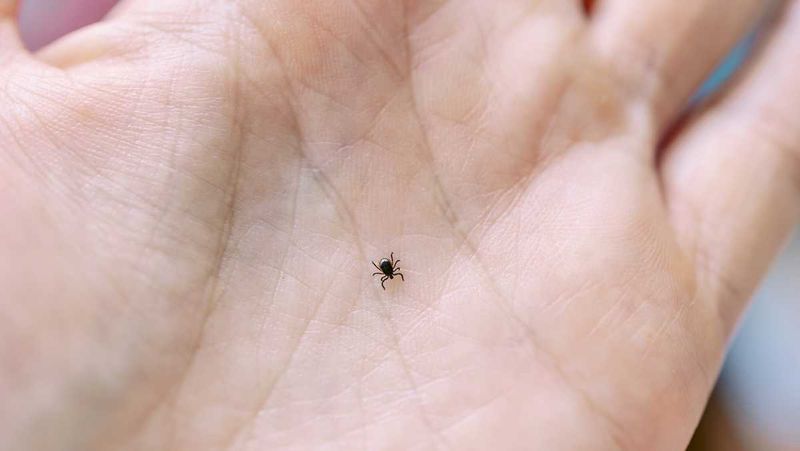
Even a well-managed yard still has ticks, and the habits you build after coming inside matter as much as what you do to the landscape. Many Piedmont and Coastal Plain homeowners find that the tick they pull off at bedtime hitched a ride during a ten-minute walk to the compost bin, not a hike through deep woods. Ticks are patient, and they are small enough to miss on a quick glance.
CDC pet tick prevention guidance recommends checking dogs and cats daily, especially after time in the yard, and using veterinarian-recommended tick prevention products year-round. Dogs are particularly good at carrying ticks indoors without showing any obvious sign, and a tick that drops off a dog inside the house can find a person just as easily. Ask your vet which product fits your pet’s size, health, and lifestyle, because the options vary and not every product works equally well for every situation.
After yard work or outdoor activity, CDC guidance recommends checking all skin surfaces, clothing, and gear before coming inside. Tumble dry clothes on high heat for 10 minutes to kill any ticks that rode in on fabric. If you find a tick attached, remove it promptly with fine-tipped tweezers, grasping as close to the skin as possible and pulling upward with steady, even pressure. North Carolina public health guidance advises seeking medical care if fever, rash, severe headache, muscle aches, or other flu-like symptoms develop after a tick bite or outdoor exposure.
These steps help reduce your risk, but none of them, individually or together, can guarantee that a tick or illness will never reach you or your family.
Plant The Serviceberry, Not The Promise
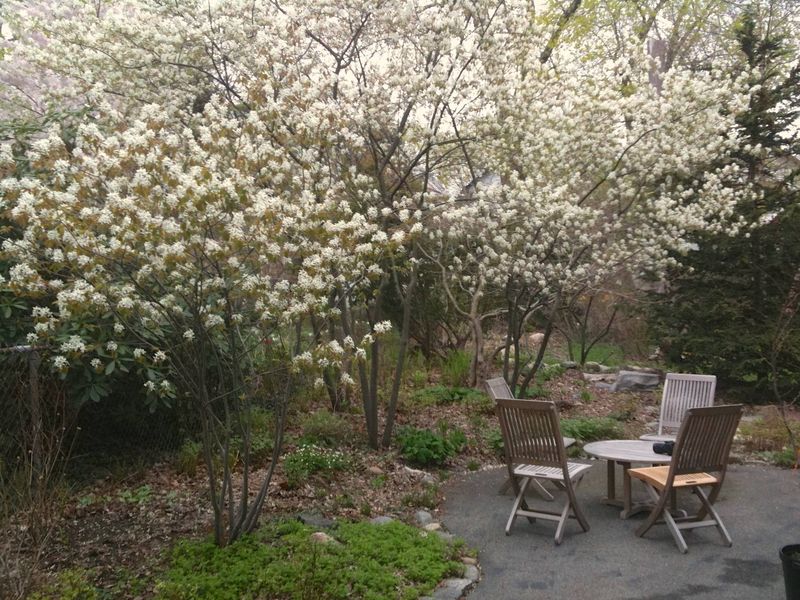
Downy serviceberry is a tree worth planting. At 15 to 25 feet tall, it fits a real yard without overwhelming it, and its documented benefits are genuine: spring flowers for pollinators, summer fruit for birds and wildlife, seasonal shade for a patio or seating area, and year-round habitat value for the native ecosystem. Those are good enough reasons on their own.
Managing tick exposure, though, is separate work. Keep grass short, clear leaf litter, maintain that 3-foot wood-chip or gravel buffer between your lawn and any wooded edge, and locate play areas and outdoor furniture in open, sunny spots. Check yourself, your kids, and your pets after every time outside. Use EPA-registered repellents on skin and clothing when you are spending time in higher-risk areas, and follow the product label exactly.
If you are considering a yard pesticide treatment, EPA-registered products applied according to their labels are the appropriate tool, not a living tree or an essential oil. Field data for natural-ingredient products remain limited, and no planting substitutes for proven protection. The serviceberry does real work overhead and for wildlife. The tick work happens at ground level, in your habits, and on your skin.
Both matter, and neither one does the other’s job.