7 Heat-Loving North Carolina Plants That Keep Thriving While Hydrangeas Wilt In The July Sun
You water the hydrangeas at 7 a.m., and by the time you carry your coffee to the porch, the blooms are already flopping like wet paper towels. July in North Carolina does that. The heat piles on, an afternoon storm rolls through, and then the sun comes back hotter than before. But some plants shrug all of it off and keep blooming while your hydrangeas beg for shade.
Here are seven that stay standing when the thermometer will not quit.
1. Black-Eyed Susan
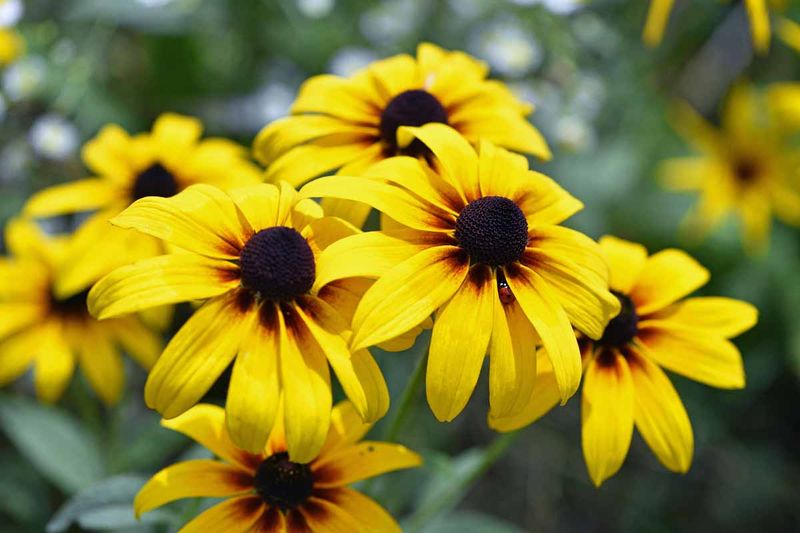
Picture a roadside ditch in the Piedmont in late July, dry as a cracker, and still there is a mound of gold nodding in the heat. That is black-eyed Susan (Rudbeckia hirta) doing what it does best, which is not caring how miserable the weather gets.
Here is the plain reason it wins. As a native prairie plant, its roots dig deep instead of spreading shallow, so it pulls up water from below when the top few inches of your red clay have baked hard. Hydrangeas keep their thirsty roots near the surface, which is exactly why they faint first.
Give each plant about 18 to 24 inches of elbow room and full sun, meaning six or more hours a day. Water it well the first three weeks to settle it in, then mostly leave it alone. Come August you can water once a week if there is no rain, and it will bloom from June clear into October.
Goldfinches love the seed heads too, so leave a few standing into fall instead of cutting everything back. NC State Extension lists Rudbeckia as a reliable pollinator plant across the state. You get color, you get birds, and you barely touch the hose. Genuinely hard to beat for the trouble it saves you.
2. Lantana
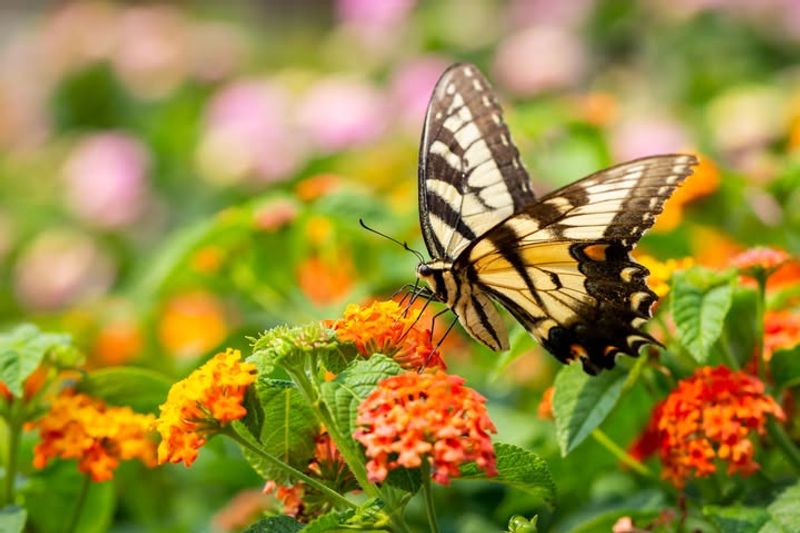
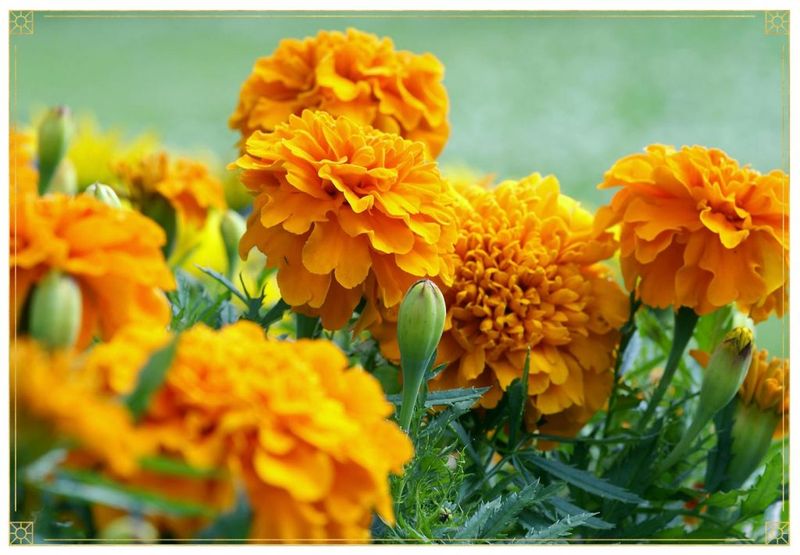
You know that spot by the mailbox where nothing survives, the one that turns to hot dust every summer. Lantana (Lantana camara) will not just survive there. It will genuinely take over if you let it.
The trick lantana pulls is thick, slightly rough leaves that hold moisture and shrug off scorching afternoon sun. While your hydrangea leaves curl and crisp at the edges, lantana keeps pumping out clusters of tiny flowers that shift from yellow to orange to pink as they age.
Plant it after your last frost, usually mid-April in the Piedmont and late March closer to the coast. Space plants 24 to 36 inches apart because they sprawl fast in warm ground. Full sun and decent drainage are all it asks, and standing water is the one thing it truly hates, so skip the boggy corners.
Butterflies swarm it, and swallowtails will visit your porch all day long during a cookout. Water once a week in a real dry spell, otherwise let it ride. In the warmer coastal zones it can come back year after year, while Piedmont gardeners often treat it as an annual after a hard winter snap. Either way, it earns its keep in a single blazing summer.
3. Coneflower
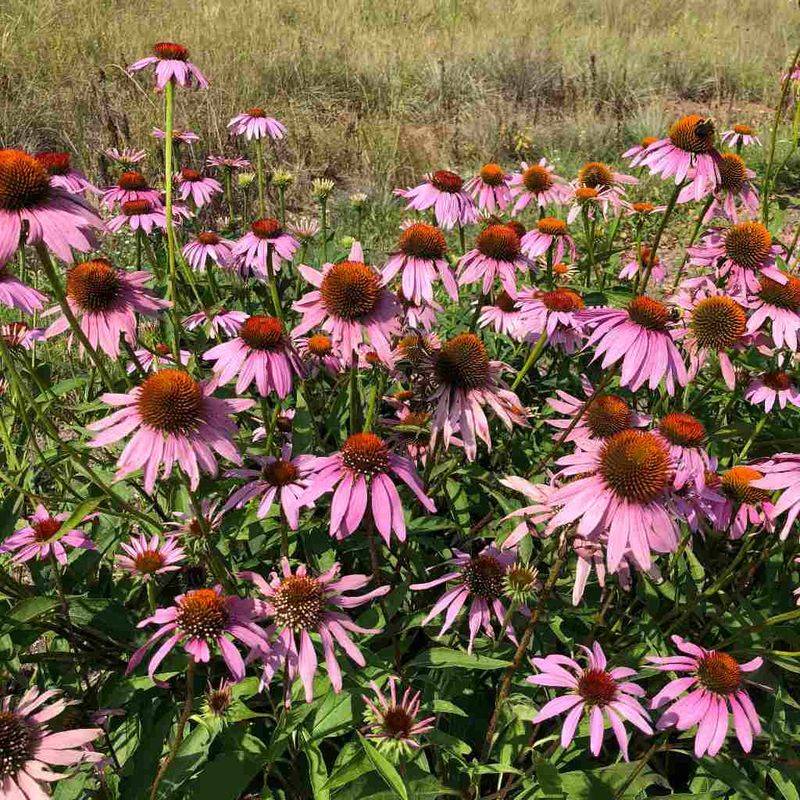
A myth floats around garden centers that native flowers look scruffy and wild. Purple coneflower (Echinacea purpurea) politely proves that wrong every July while standing tall in 95-degree heat.
Your North Carolina Garden Changes Every Week. Your Plan Should Too.
Gardening in North Carolina changes quickly throughout the season. Every Friday you’ll receive a simple weekly plan showing exactly what to plant, prune, fertilize, harvest, and protect so you never miss the right timing.
What makes it tough is a deep taproot, the kind of anchor root that reaches straight down two feet or more. That is its private water reserve. When the Sandhills go weeks without a soaking rain, coneflower sips from down deep while shallow-rooted plants above it wilt by noon.
Set new plants about 18 inches apart in full sun to light afternoon shade. Water them through the first summer to build those roots, then back off. An established clump genuinely needs almost nothing from you, maybe a deep soak every ten days in a drought.
Here is where it gets fun. Leave the spent flowers standing and the spiky seed heads feed goldfinches straight through fall and winter. Bees and butterflies work the blooms all summer, so a small patch turns into a busy little diner in your yard.
NC State Extension recommends echinacea as a dependable native perennial for pollinator gardens statewide. Plant it once and it comes back bigger every spring, which is about the best deal a tired gardener can ask for.
4. Crape Myrtle
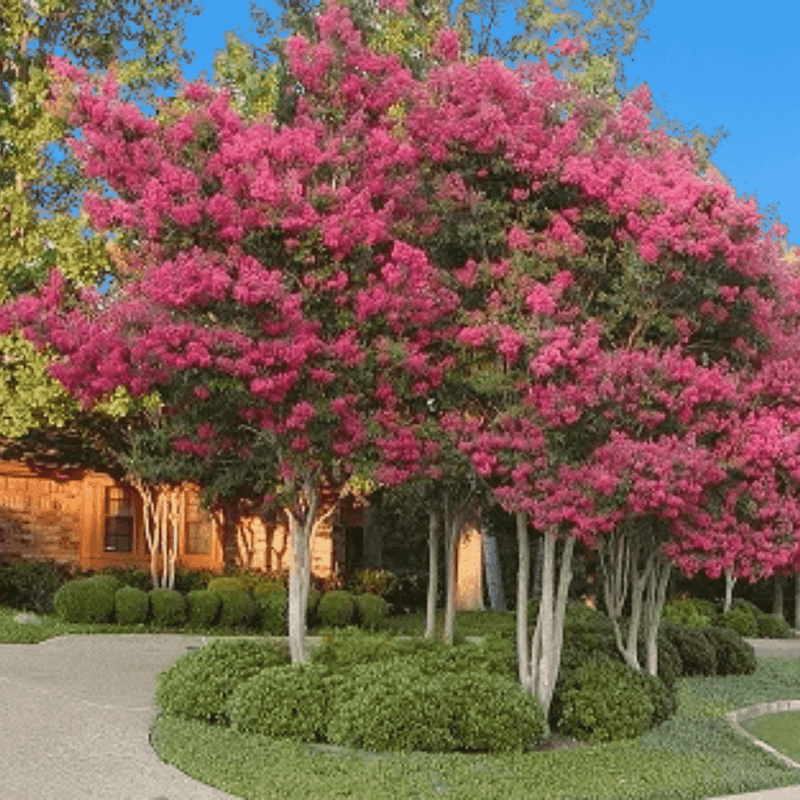
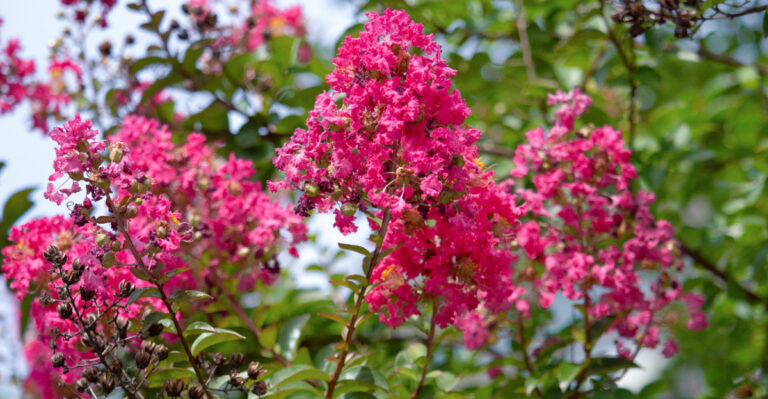
Drive any Piedmont street in August and the flowering trees glowing pink, white, and watermelon red are almost all crape myrtle (Lagerstroemia). People call it the lilac of the South, and for good reason.
The reason it thrives while everything else sulks is simple timing. Crape myrtle saves its big show for the hottest stretch of the year, blooming for up to 100 days from early summer into September. Heat is the trigger, not the enemy. The more sun and warmth it gets, the harder it flowers.
Plant one in full sun with room to grow, since dwarf types stay around three feet while full-size trees reach 20 feet or more. Give it a deep watering weekly the first year, then it handles our droughts on its own.
One honest warning. Resist the urge to chop it back hard every winter, a habit so common around here that gardeners nicknamed it crape murder. Light shaping is all it wants. NC State Extension advises against that heavy topping because it ruins the tree’s natural shape.
Do it right and you get a low-fuss tree that shades the porch and blooms through every cookout and muggy evening you throw at it.
5. Joe Pye Weed
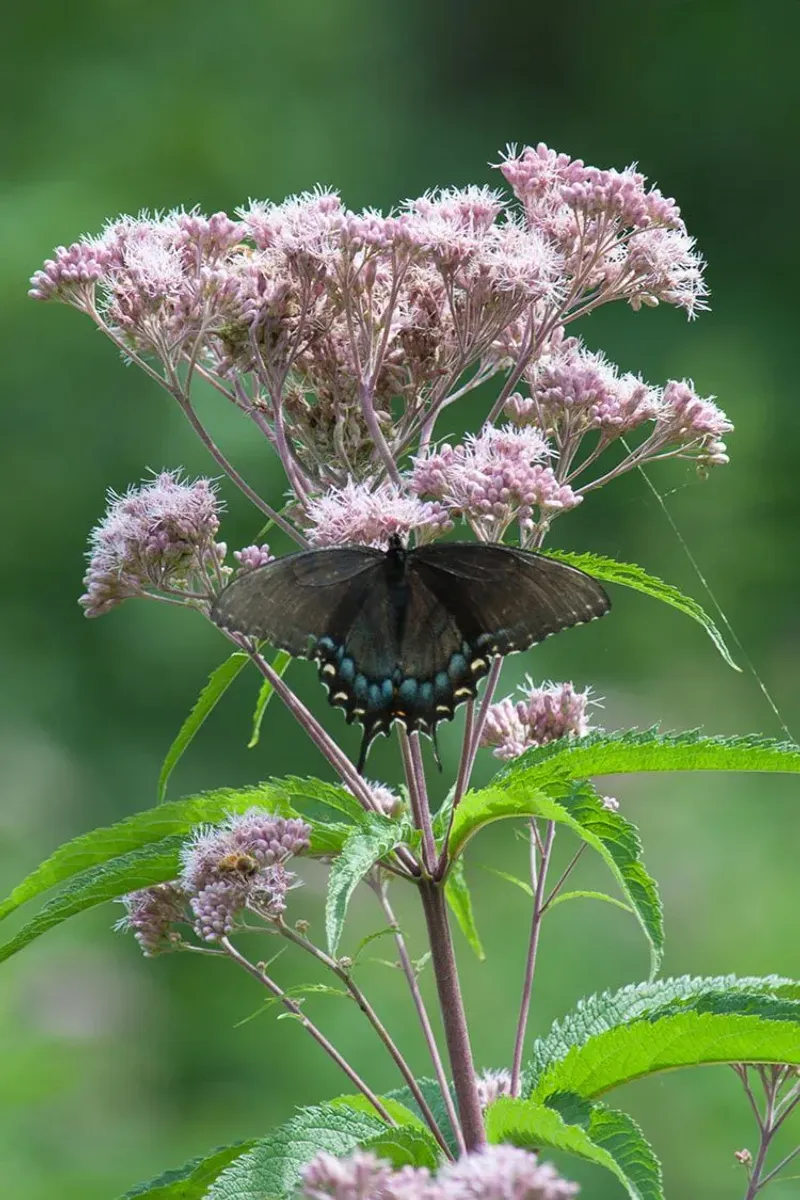
The name sounds like a weed you would yank, but Joe Pye weed (Eutrochium purpureum) is a towering native that turns a soggy back corner into the best late-summer show in the yard.
Most heat-tough plants want dry feet. Joe Pye flips that script. It loves the damp low spots and drainage ditches that drown other flowers, which makes it your answer for that wet corner where hydrangeas rot and sulk.
By late July it can stand five to seven feet tall, topped with dusty pink flower heads the size of dinner plates. Monarch butterflies passing through North Carolina on their fall trip south stop here to fuel up, and the buzz around a mature plant is genuinely something to watch on a still evening.
Plant it in spring, give it two to three feet of space, and put it near the back of a bed so shorter plants stand in front. It wants full sun to part shade and moist soil, so it is one of the few tough natives that actually appreciates our afternoon thunderstorms.
Cut the stalks down in late winter and leave it be the rest of the year. You get height, pollinators, and a fall monarch pit stop with almost no effort.
6. Yucca
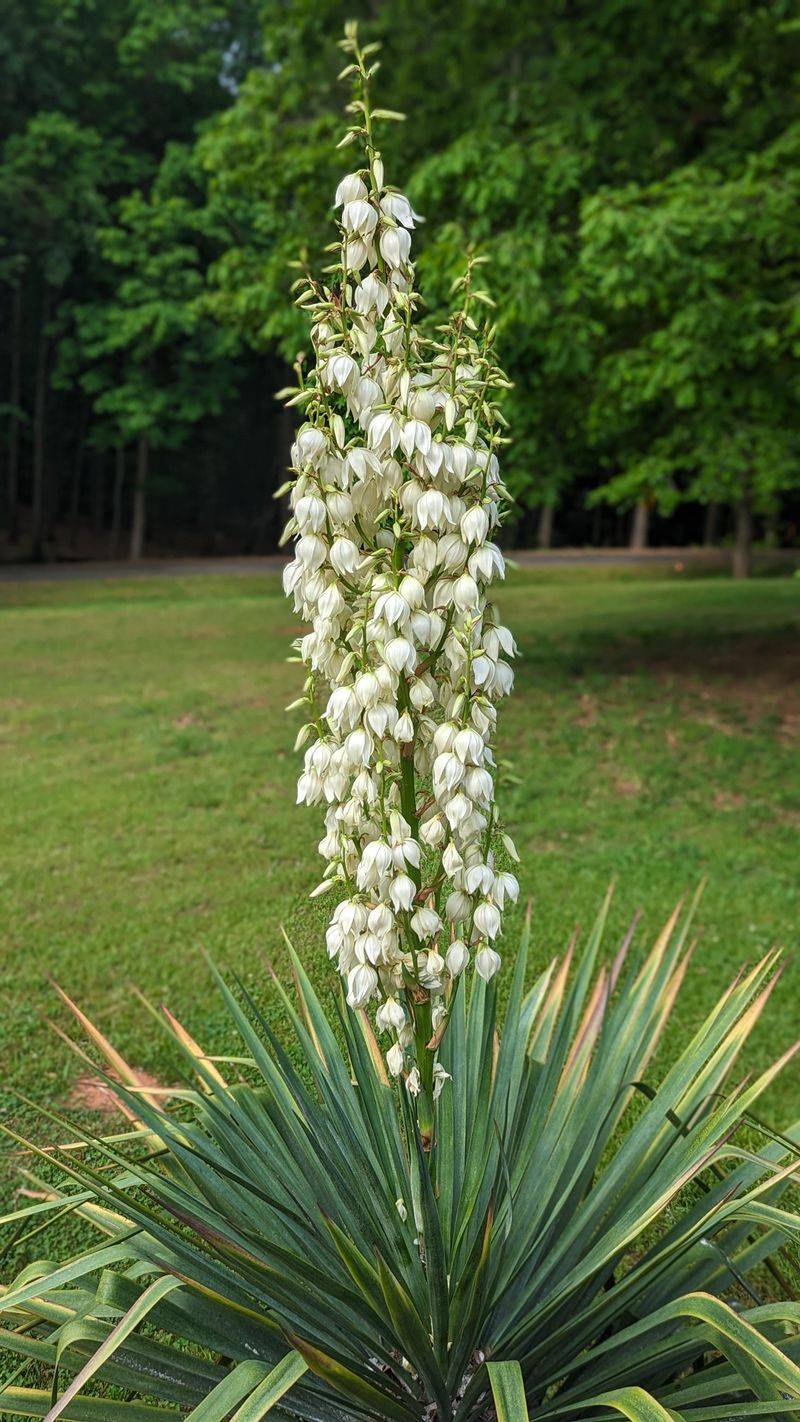
If you have ever touched a yucca leaf by accident, you remember it. Those stiff, sword-shaped blades are the whole secret to why yucca (Yucca filamentosa) laughs at a North Carolina drought.
Its narrow, waxy leaves lose very little water to the air, and a deep root system stores what little rain the Sandhills and sandy Coastal Plain hand out. While your hydrangea gulps water like it is going out of style, yucca coasts through a three-week dry spell without a flinch.
Give it full sun and, above all, sandy or well-drained soil. Heavy wet clay is the one thing that will rot it, so raise the bed or amend with grit if your ground stays soggy. Space plants about three feet apart to leave room for the spread.
In early summer it sends up a dramatic flower stalk, sometimes five feet tall, loaded with creamy white bells that glow at dusk. Native yucca moths pollinate those flowers in a partnership found almost nowhere else in nature.
Once it is planted, you can nearly forget about it. No watering, no feeding, no fuss, just a bold sculptural shape that holds the garden together while softer plants melt in the heat.
7. Coreopsis
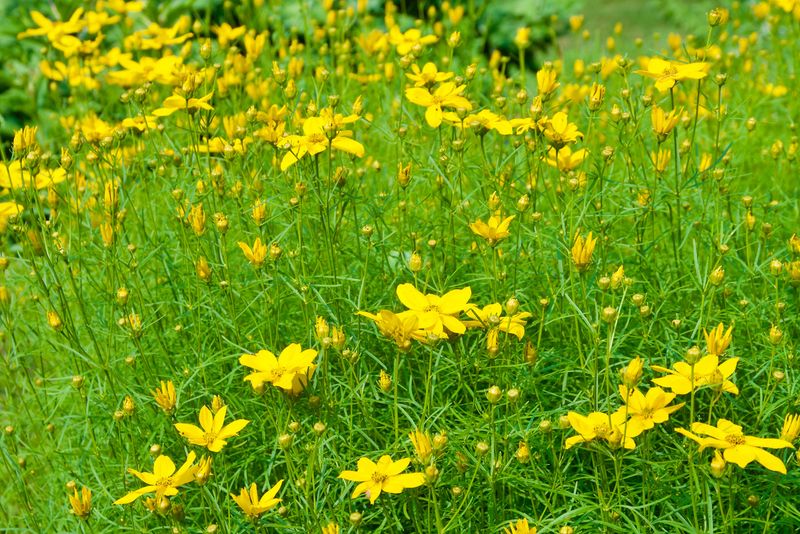
Some plants demand a lot of fussing for a short payoff. Coreopsis (Coreopsis verticillata), the state wildflower of a few Southern states and a mainstay of North Carolina roadsides, does the opposite. It blooms its heart out and asks for almost nothing back.
The fine, thread-like foliage is built for heat. Those skinny leaves catch less scorching sun than broad hydrangea leaves, so the plant loses less water and keeps its cool through a muggy August afternoon.
You get a low mound covered in small daisy-like flowers, mostly bright yellow, blooming from June into fall. Shear the whole thing back by about a third in midsummer and it rewards you with a fresh flush of blooms within a couple of weeks.
Plant it 18 inches apart in full sun with average, well-drained soil. It is genuinely happy in poor ground, so do not bother pampering it with rich compost. Water the first few weeks, then let it prove itself.
Small native bees work the flowers all season, and the tidy mounded shape makes it a clean front-edge plant along a walkway or bed. Plant it once, and it comes back thicker each spring while you spend your July evenings on the porch instead of the hose.