The Arizona Yard Features That Keep Cactus Wrens Nesting Nearby

If you’ve ever heard a loud, raspy chatter coming from a shrub instead of the sky, you’ve likely crossed paths with a cactus wren. This small, patterned bird with bold white eyebrows and a speckled chest doesn’t hide the way most tiny songbirds do.
It builds its nest right inside a spiny cholla or prickly pear and defends its territory against birds twice its size. That kind of nerve is exactly why the cactus wren earned its spot as Arizona’s state bird.
An Arizona yard that keeps cactus wrens coming back isn’t an accident. It comes down to a handful of specific choices a homeowner makes, from the right spiny plants to reliable shelter and a steady food source.
Together, these elements turn an ordinary lawn into a safe outpost for this bold little desert dweller.
1. Standing Cholla Or Prickly Pear Cactus
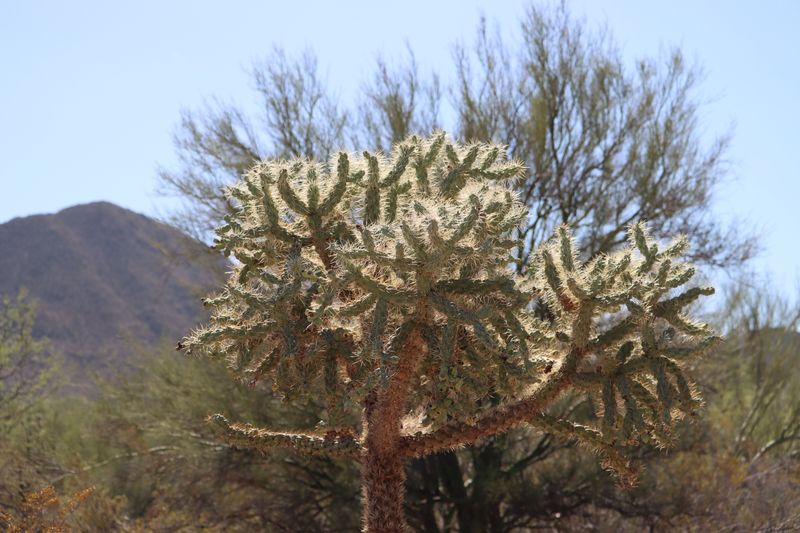
Cholla cactus is basically a cactus wren’s dream home address. These birds build their flask-shaped nests almost exclusively inside the sharp, interlocking spines of cholla or prickly pear cactus.
Few predators are eager to tangle with a cholla’s sharp defenses. No snake or hawk has an easy time reaching eggs or chicks tucked inside those spines.
If you plant a chain-fruit cholla or a teddy bear cholla in your yard, you are essentially hanging a “Vacancy” sign for nesting pairs. Mature plants with thick branch clusters are especially attractive to nesting birds.
Prickly pear patches also work well, especially when they grow tall and dense enough to offer structural support. A bird needs a stable platform that will not collapse mid-season.
This tight bond with cholla is one of the clearest examples of desert adaptation in North American birds. Few backyard relationships showcase survival instinct quite this well.
Planting native cholla varieties takes patience since they grow slowly, but the payoff is enormous. Once established, they need almost no water and attract birds year after year with very little upkeep.
Skip the ornamental cacti from big box stores and look for locally sourced native species at a desert plant nursery. Your yard will look more natural, and your local wrens will reward you with their unmistakable rattling song most mornings.
2. Native Desert Landscaping Instead Of Manicured Lawn

A perfectly trimmed green lawn might look tidy, but to a cactus wren, it looks like unused space. These birds evolved in the rugged Sonoran Desert, not a golf course.
Swapping grass for native desert plants is one of the most effective things you can do for local wildlife. It also slashes your water bill, which is a very welcome bonus in Arizona summers.
Native plants like palo verde, desert willow, brittlebush, and fairy duster create the layered habitat that wrens rely on for food and shelter. Each plant layer supports insects, which are the backbone of the wren’s diet.
A yard with varied heights, from ground-hugging succulents to mid-size shrubs to tall saguaros, mimics the natural desert structure. That structural complexity is what signals safety and abundance to nesting birds.
Your Arizona Garden Changes Every Week. Your Plan Should Too.
Gardening in Arizona changes quickly throughout the season. Every Friday you’ll receive a simple weekly plan showing exactly what to plant, prune, fertilize, harvest, and protect so you never miss the right timing.
You do not need a massive yard to pull this off. Even a small corner planted with native species can become a busy hub of bird activity within a single season.
Contact your local cooperative extension office or a native plant society chapter for free advice on what grows best in your specific zip code. Regional expertise makes a big difference when selecting the right plants.
Once your native landscape matures, maintenance drops dramatically. The Arizona yard features that keep cactus wrens nesting nearby are almost always low-effort, high-reward choices that benefit your whole neighborhood ecosystem.
3. Dense, Spiny Vegetation Near The Nest Site
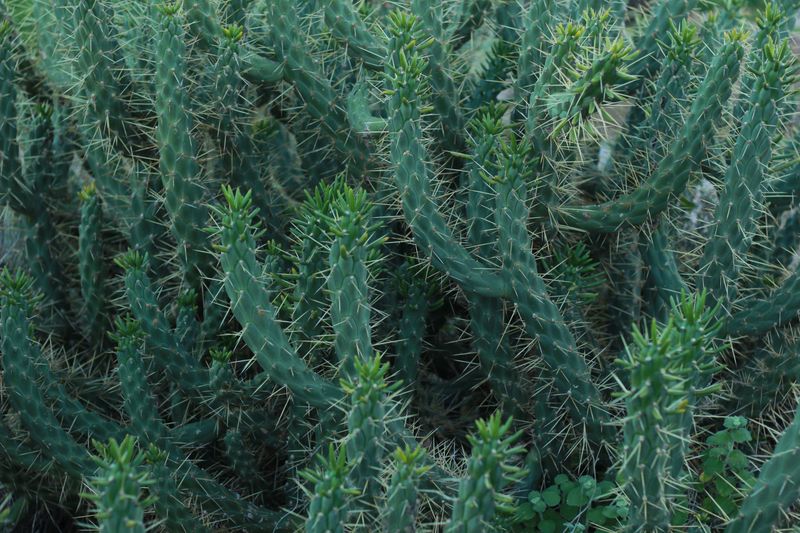
Cactus wrens are not shy birds, but they are smart ones. They pick nest locations surrounded by dense, thorny vegetation that makes approaching the nest genuinely painful for predators.
Think of it like installing a security system made entirely of thorns. The denser and spinier the surrounding shrubs, the safer the nest feels to a breeding pair.
Desert hackberry, wolfberry, and catclaw acacia are excellent native shrubs that create this kind of protective barrier. These plants are tough, drought-tolerant, and beloved by multiple species of desert songbirds.
Grouping spiny plants together rather than spacing them out individually creates a thicket effect. That cluster of vegetation becomes a safe corridor that birds can move through without exposing themselves to open sky.
Predators like roadrunners, snakes, and larger birds of prey avoid pushing through painful thorns when easier prey is available elsewhere. That avoidance behavior is exactly what nesting wrens count on each breeding season.
If you already have some spiny plants, resist the urge to trim them back in late winter or early spring. That is prime nesting prep time, and a freshly pruned shrub loses its protective density exactly when wrens need it most.
Letting your spiny plants grow naturally and a bit wild is not laziness. It is genuinely good habitat management, and the birds nesting in your yard will prove it with every noisy, cheerful song at dawn.
4. A Reliable Water Source Nearby
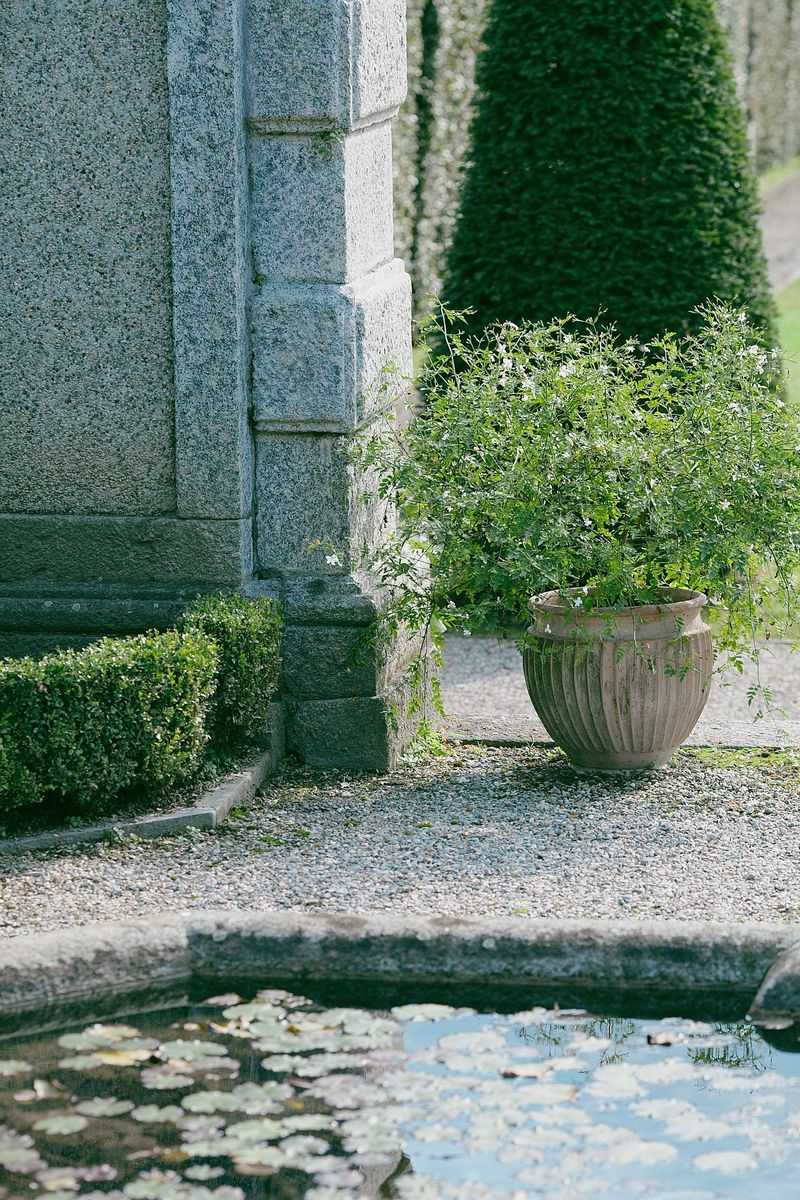
Water in the desert is not just convenient, it is survival. Cactus wrens get some moisture from the insects and berries they eat, but a nearby water source is a serious nesting incentive.
A shallow bird bath placed within a comfortable distance of nesting vegetation can make your yard dramatically more attractive to breeding pairs. Shallow is the key word here since wrens are not fans of deep water.
Keep the water level no deeper than two inches, and place a few flat rocks inside the basin so birds can stand without struggling. Clean the bath every two to three days to prevent algae and mosquito breeding.
Moving water is even more appealing to most birds, including wrens. A small solar-powered dripper or wiggler creates gentle movement that catches a bird’s eye from a surprising distance.
Position the water source in a semi-shaded spot to slow evaporation during scorching summer months. Arizona heat can empty a shallow bath in just a few hours without some afternoon shade coverage.
Avoid placing the bath directly under a feeder since falling seed creates a soggy, contaminated mess. A few feet of separation keeps the water fresher and the area tidier for visiting birds.
Once wrens discover a dependable water spot in your yard, they will return to it daily and often bring their fledglings along. That loyalty is one of the most rewarding sights in any backyard birding experience.
5. Insects And Native Seed Sources For Foraging
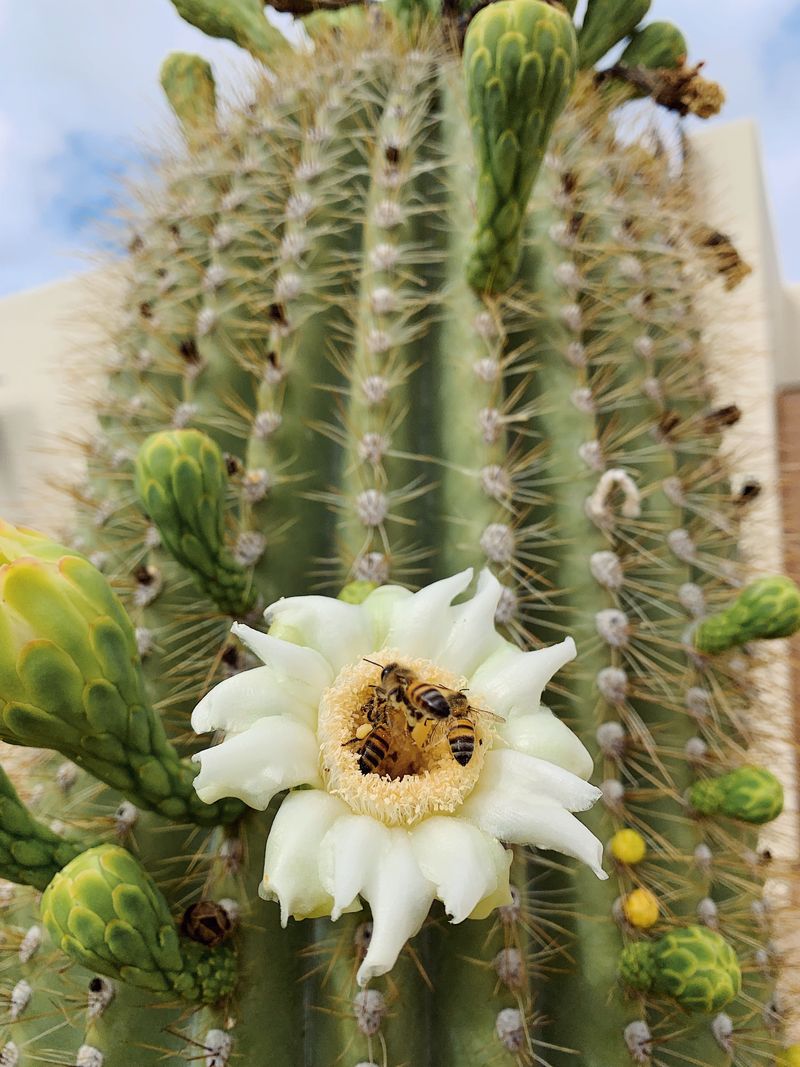
Cactus wrens eat like they live, boldly and without apology. Their diet is a rotating mix of beetles, grasshoppers, ants, spiders, and the occasional berry or seed from native plants.
A yard that supports insect life is a yard that feeds nesting wrens. Without bugs, the birds have nothing to bring back to hungry chicks in the nest.
Native flowering plants like globe mallow, desert marigold, and sacred datura attract the insects that wrens depend on. Each bloom becomes a tiny foraging station that keeps the food chain humming.
Leaving leaf litter and fallen debris in garden corners creates microhabitats where beetles and pill bugs thrive. Wrens love to flip debris with their strong bills and snatch whatever scurries out from underneath.
Native seed-producing plants like desert grasses and wolfberry also supplement the wren’s protein-heavy diet, especially in late summer when insects become less abundant. Variety in plant species means variety in the food supply.
Avoid planting only ornamental non-native species since they typically support far fewer insect species than native plants. The ecological difference between a native shrub and an imported ornamental is enormous for local wildlife.
A yard bursting with diverse native plants creates a self-sustaining food web that benefits wrens, lizards, butterflies, and dozens of other desert neighbors. You stop buying birdseed and start growing a living pantry instead.
6. Minimal Pesticide Use In The Yard
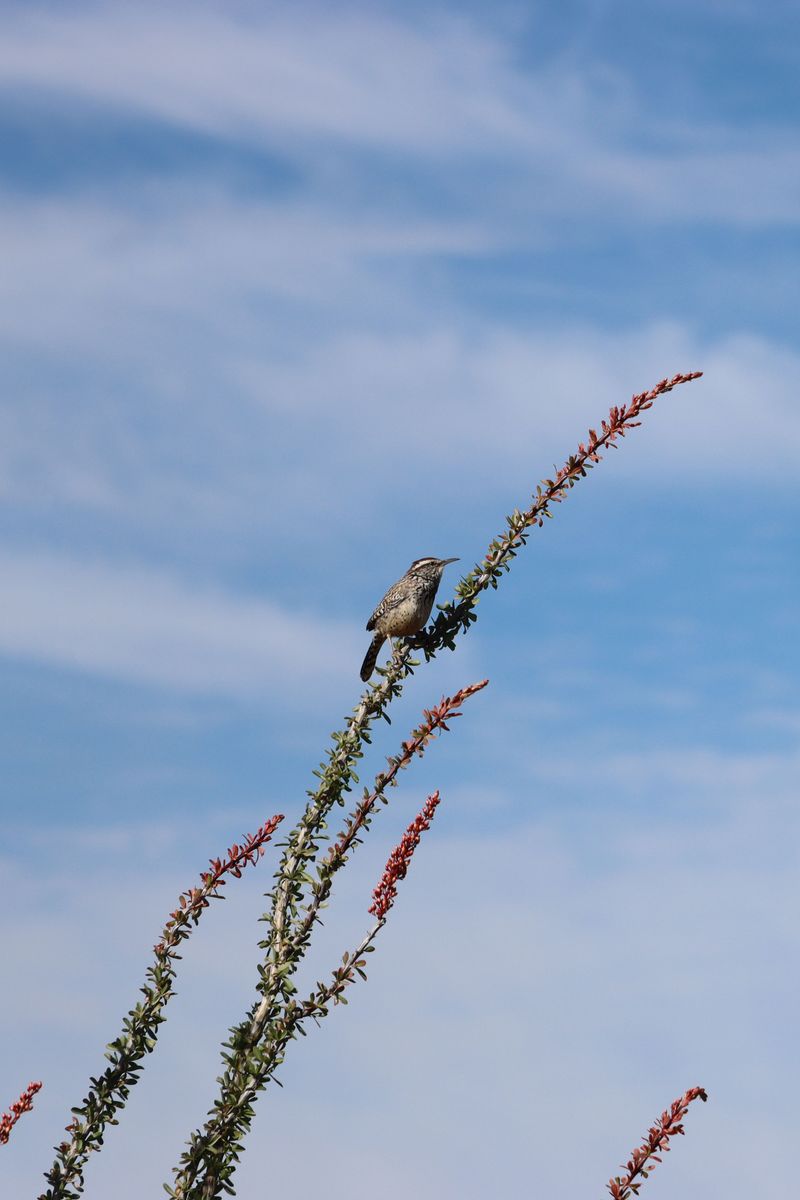
Pesticides and cactus wrens do not mix. When you spray for insects, you are wiping out the very food source that nesting wrens need to raise their chicks successfully.
Even pesticides labeled as safe for birds can cause harmful side effects when a wren eats a contaminated insect. The harm is invisible but very real in the food chain.
Cutting back on chemical sprays is one of the fastest ways to improve your yard’s value as wildlife habitat. Insects rebound quickly once the chemical pressure is removed, often within a single season.
If you must address specific pest problems, choose targeted biological controls instead of broad-spectrum sprays. Neem oil applied carefully to individual plants causes far less collateral damage than a general yard treatment.
Companion planting is another smart approach where certain native plants naturally repel unwanted insects while attracting beneficial ones. Desert lavender and native salvias, for example, deter some pests without any chemicals at all.
Encouraging lizards and birds to frequent your yard creates a natural pest control crew that works around the clock for free. A single cactus wren can consume a large number of insects each day during peak breeding season.
Embracing a slightly imperfect, bug-friendly yard is a mindset shift that pays off in wildlife richness. The Arizona yard features that keep cactus wrens nesting nearby are almost always tied to accepting nature’s messiness with open arms.
7. Open Ground Patches For Foraging Behavior

Not every inch of your yard needs to be planted. Cactus wrens actually need open ground patches to forage effectively, and bare sandy soil is part of a healthy desert habitat.
These birds walk and hop along the ground with impressive confidence, flipping rocks and debris to find hidden insects underneath. An open area gives them room to work their foraging magic without obstruction.
A mix of open ground and surrounding vegetation creates what ecologists call edge habitat, and it is incredibly productive for birds. The boundary between open and planted areas is where food concentrations tend to be highest.
Ground patches also allow wrens to spot approaching predators from a distance while they feed. Open sightlines are a safety feature, not just a design choice, for a bird that stays alert to its surroundings.
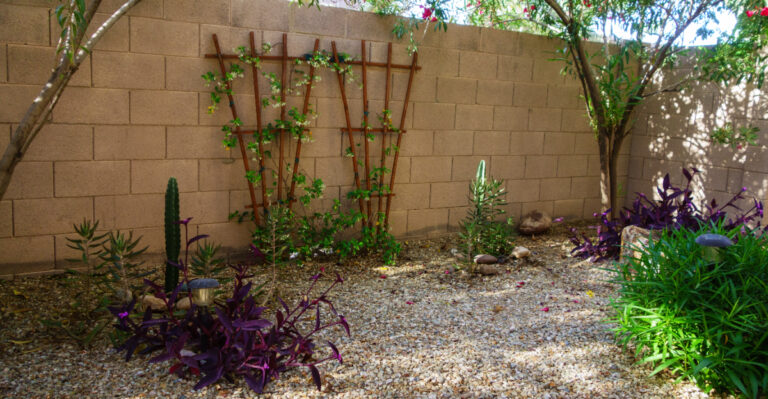
Gravel mulch works well in these open areas since it mimics the natural desert floor and stays cooler than concrete. Avoid rubber mulch or thick wood chips, which suppress the insect activity that wrens are hunting for.
Keep at least one open ground zone near your nesting vegetation so foraging birds do not have to travel far from the nest. Short foraging trips mean more food deliveries to chicks and a lower risk of predator exposure.
A little bare ground in your landscape is not a flaw. It is a feature that makes your yard genuinely functional for one of Arizona’s most charismatic and entertaining native birds.
8. Limited Yard Disturbance During Nesting Season
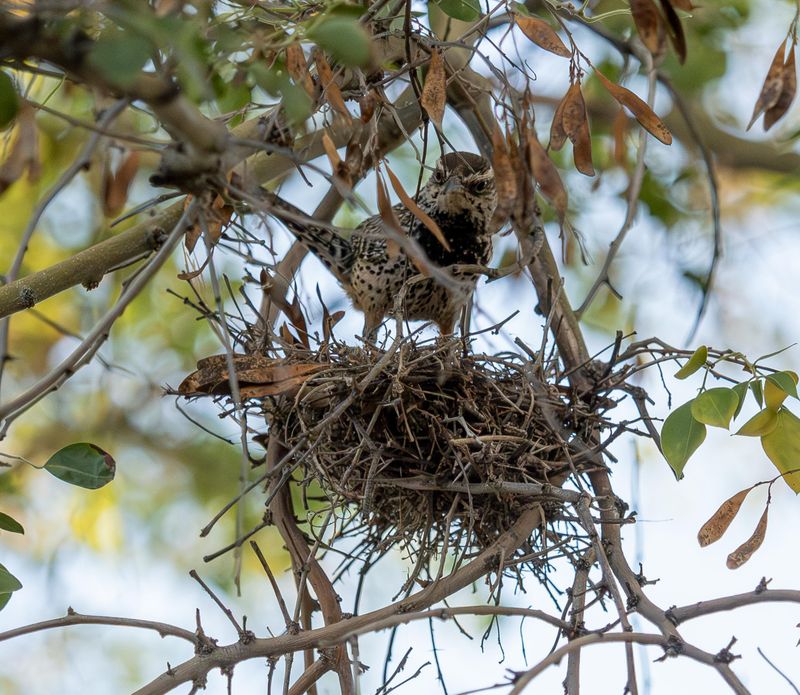
Cactus wrens typically begin nesting in March, with activity continuing into early September, and that window is when your yard needs to become a quiet zone. Constant activity near a nest can cause birds to abandon their eggs.
Loud power tools, frequent foot traffic, and major landscaping projects send stress signals to nesting birds. A pair that feels threatened may relocate or stop feeding chicks in the nest.
Mark the location of any active nest you find and create a casual buffer around it. You do not need caution tape, just a mental note to stay at least ten feet away during the busy nesting weeks.
Trimming trees and shrubs before February is the smartest approach. Getting your landscaping tasks done early means you are not disrupting anything once eggs have been laid.
Dogs and outdoor cats are a significant disturbance factor that many homeowners overlook. Keeping pets away from known nest areas during breeding season is a simple and meaningful act of habitat stewardship.
Even well-meaning birdwatchers can cause harm by approaching nests too closely or too often. Enjoy the activity from a respectful distance with binoculars and let the birds do their thing undisturbed.
The Arizona yard features that keep cactus wrens nesting nearby all share one quiet truth: these birds reward patience and restraint more than any fancy feeder or expensive upgrade ever could.