The Most Underrated North Carolina Native Tree That Thrives When Planted In October
Some trees demand your attention the moment you walk into a nursery. Big showy labels, dramatic photos, the whole production.
And then there is serviceberry, sitting quietly in the corner looking completely unremarkable in its pot, which is honestly a crime because this North Carolina native is one of the most genuinely rewarding trees you can plant in your yard.
We are talking white blossoms appearing before almost anything else wakes up in spring, sweet berries that taste like a blueberry and an almond decided to collaborate, stunning fall color, and wildlife activity that will have you reaching for binoculars on a regular basis.
Oh and October happens to be the ideal time to get one in the ground. Cool air, warm soil, and roots quietly settling in while you go about your fall weekend.
Your yard has been missing this one.
1. Meet The Serviceberry, North Carolina’s Quiet Garden Star
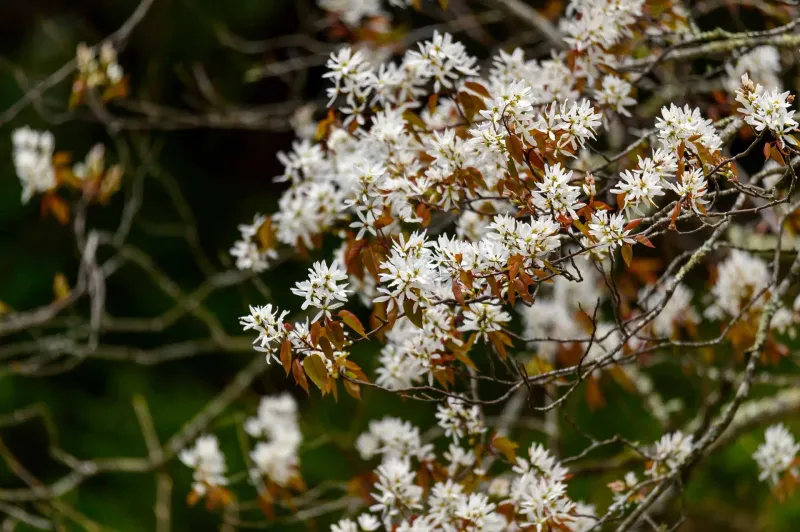
Old mountain folks had a name for it long before garden centers did. Many called it sarvis, and the tree we mean is the serviceberry, also known as Amelanchier.
Two types grow wild across North Carolina. Amelanchier arborea likes upland woods, while Amelanchier canadensis enjoys moister spots closer to the coast.
Both are small trees or big shrubs, usually reaching 15 to 25 feet tall. That size fits nicely in a front yard, beside a patio, or near a bedroom window.
So why is it underrated? Most people walk past it at nurseries because it looks plain in a pot during fall.
Give it one spring, though, and opinions change fast. Clouds of white flowers show up in March or early April, well before dogwoods and redbuds take their turn.
After the blooms come small berries that ripen in June. Birds go wild for them, and people can enjoy them too.
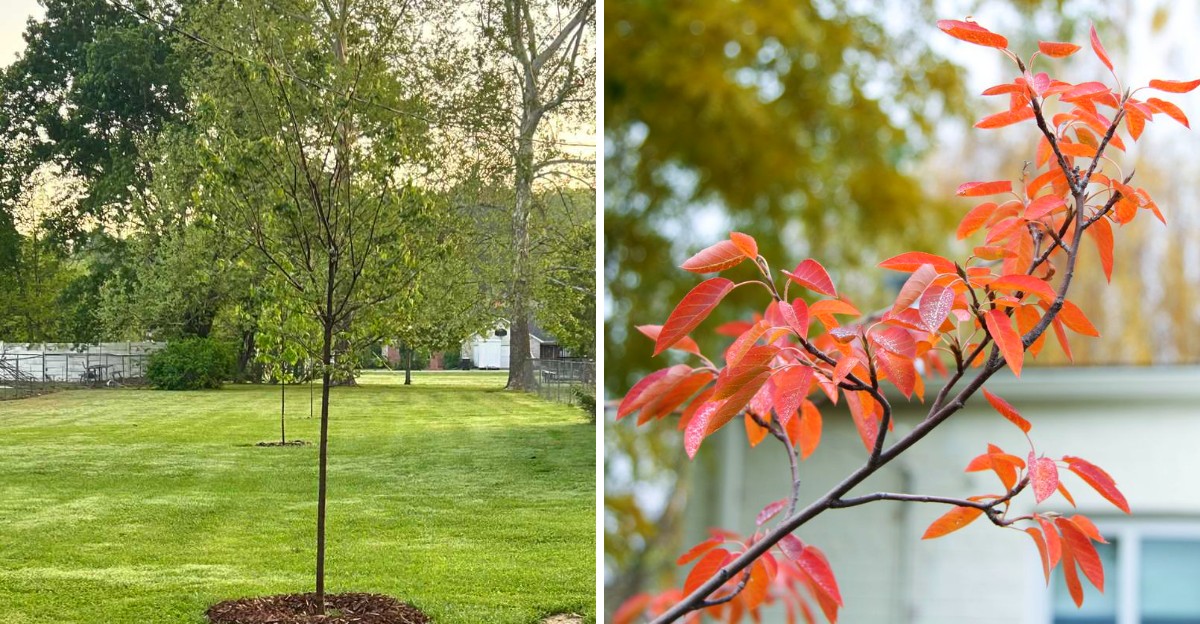
Fall brings another treat, with leaves turning orange, red, and gold. In winter, the smooth gray bark with faint stripes keeps things pretty.
That adds up to four seasons of beauty from one modest tree. Few other natives offer that much while asking for so little.
If you want a tree with real local roots, this one belongs on your list. It has been part of the landscape here for thousands of years.
2. Why October Planting Works So Well
Gardeners have a saying that fall is for planting, and they mean it. October hits a sweet spot that spring planting simply cannot match.
Here is the reason. The air cools down, but the soil stays warm from summer for several more weeks.
Warm soil helps roots grow, even when the leaves above are slowing down. The tree spends its energy underground instead of pushing out new leaves.
By the time spring arrives, your serviceberry already has a head start. Strong roots mean it can handle the first hot summer much better.
Rain also tends to be friendlier in fall across North Carolina. You will likely water less than you would with a May planting.
Your North Carolina Garden Changes Every Week. Your Plan Should Too.
Gardening in North Carolina changes quickly throughout the season. Every Friday you’ll receive a simple weekly plan showing exactly what to plant, prune, fertilize, harvest, and protect so you never miss the right timing.
Another bonus is that pests and heat stress drop off in cooler months. Young trees get a calm, easy start without battling the summer sun.
Nurseries often run fall sales in October too. That means you may grab a healthy tree for a lower price.
A good plan is to plant in early to mid October. That gives roots several weeks of root-growing time before winter sets in, though the exact window varies by region across North Carolina, with mountain gardeners having a shorter window and coastal gardeners enjoying more time.
Mark your calendar now so you do not miss the window. Your future self will thank you every spring when those white blossoms appear.
3. Picking The Right Spot In Your Yard

Location can make or break any tree. Luckily, serviceberry is pretty easygoing about where it lives.
Full sun gives you the most flowers and berries. Still, it handles partial shade nicely, especially at the edge of taller trees.
In the wild, serviceberry often grows along forest edges. Copying that setting in your yard helps it feel right at home.
Soil should drain well but hold some moisture. Amelanchier canadensis can handle wetter ground, so it works for low spots or near rain gardens.
Red clay is common in much of North Carolina, and that is okay. Just avoid places where water puddles for days after a storm.
Think about size before you dig. Leave about 10 to 15 feet of space from houses, fences, and other trees.
Look up, too, because power lines can cause trouble later. Thankfully, serviceberry usually stays short enough to fit under many lines.
A spot you can see from inside makes a big difference. Early blooms and visiting birds are much more fun when you can enjoy them from the kitchen table.
Spend a few minutes walking your yard before buying. A little planning now saves you from moving a tree later.
4. Step By Step October Planting For North Carolina Gardeners
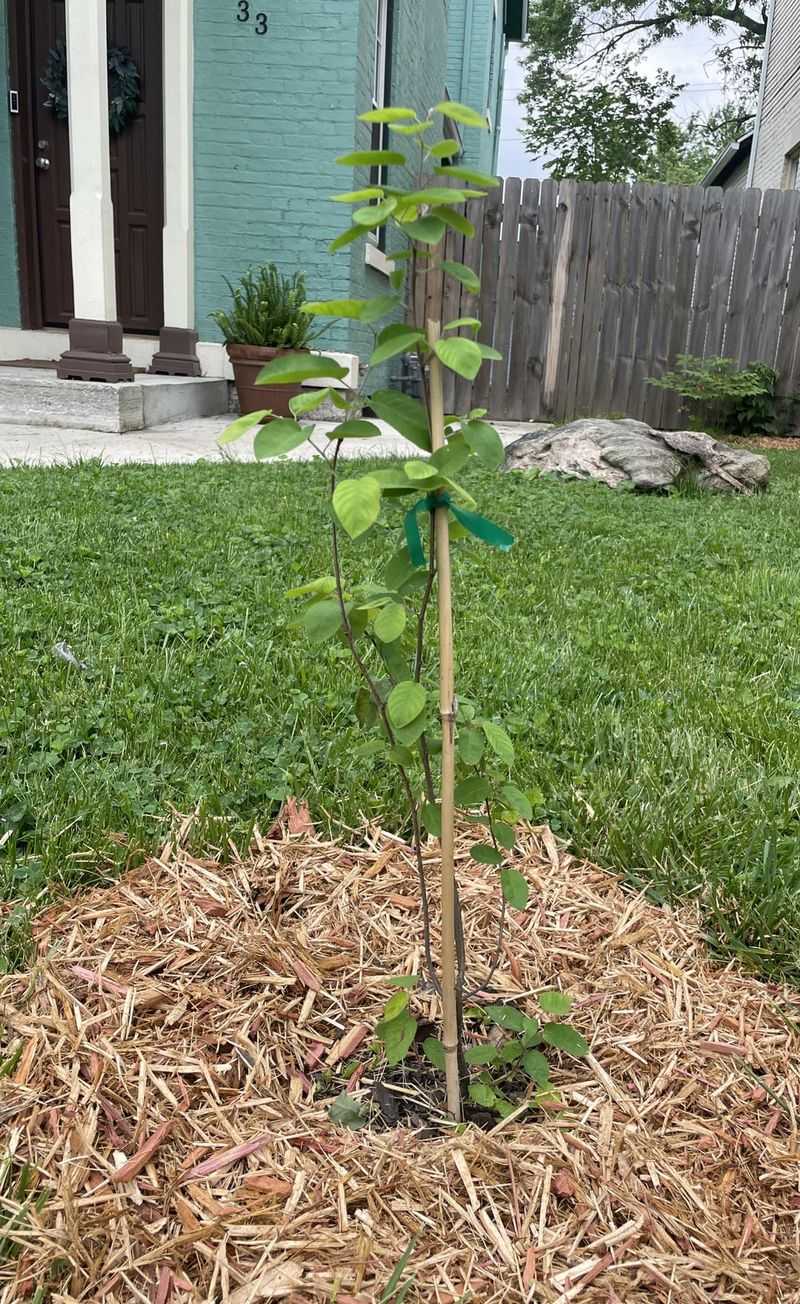
Grab a shovel, a hose, and some mulch. That is really all you need for this job.
First, dig a hole two to three times wider than the root ball. Keep the depth the same as the pot, not deeper.
Wide holes let roots spread into loose soil. Deep holes can cause the tree to sink, which may lead to soggy roots.
Next, slide the tree out of its pot gently. If roots circle around the bottom, tease them loose with your fingers.
Set the tree so the top of the root ball sits slightly above ground level. That small bump helps water drain away from the trunk.
Fill the hole with the soil you dug out. Many experts now recommend filling with native soil rather than a heavily amended mix, since roots need to adjust to the surrounding soil conditions and learn to thrive in what is actually there.
Water slowly and deeply once the hole is filled. Press the soil lightly to remove big air pockets.
Spread two to three inches of mulch in a wide circle. Keep it a few inches away from the trunk, like a donut instead of a volcano.
Skip fertilizer for now. A fall-planted tree in North Carolina wants to grow roots, not leafy new shoots.
That is the whole process. Most people finish in under an hour.
5. Watering And Care Tips Through Winter
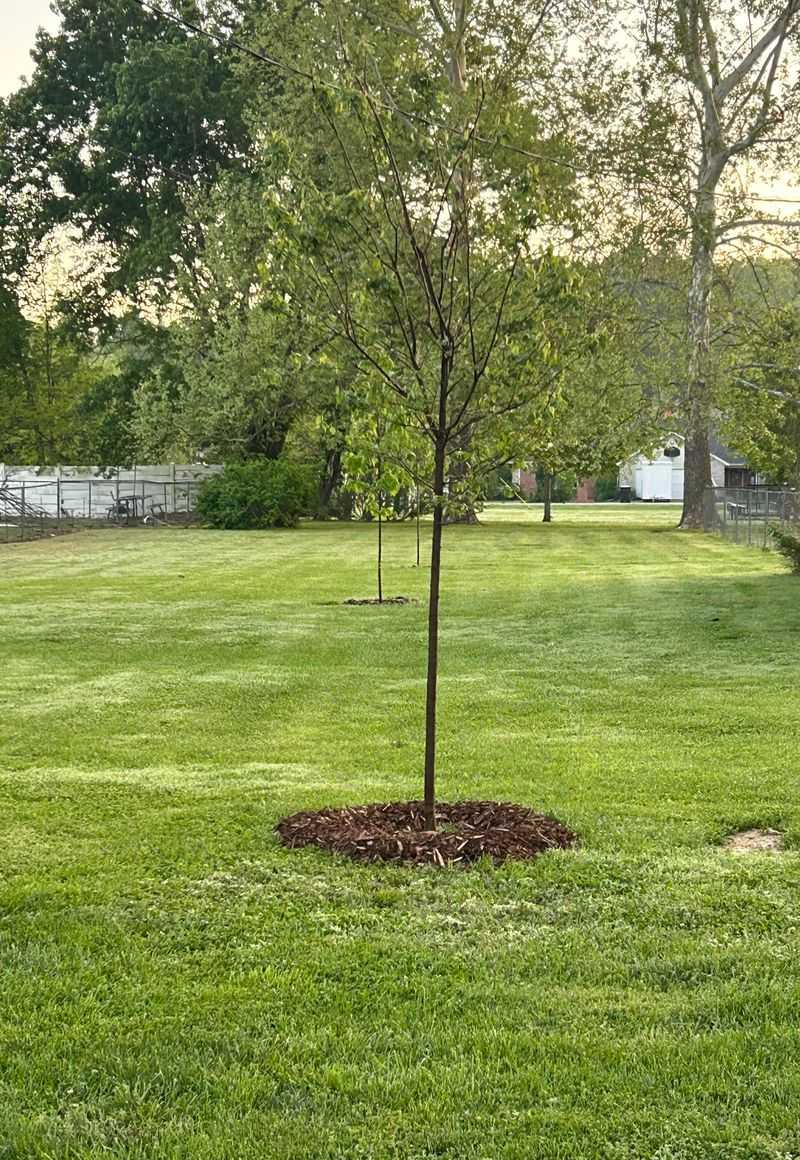
A new tree is a bit like a new puppy. It needs extra attention for the first year, then it mostly takes care of itself.
After planting, water about once a week if rain is light. A slow soak of around ten gallons works well for a small tree.
Push a finger into the soil to check before watering. Damp soil means wait a few days, and dry soil means it is time.
Winters in North Carolina are usually mild, but dry spells happen. Even with bare branches, roots still drink when the ground is not frozen.
Keep the mulch ring fresh and tidy. It holds in moisture and shields roots from sudden cold snaps.
Deer and rabbits sometimes nibble young bark in winter. A simple wire tree guard can protect the trunk until spring.
Hold off on pruning for now. Wait until late winter, and only trim broken or crossing branches.
Come spring, keep up weekly watering through the first summer. By year two, the tree will need help mainly during long droughts.
That small effort pays off quickly. Many gardeners see their first good bloom just a season or two after planting.
6. Spring Blossoms That Wake Up North Carolina Early
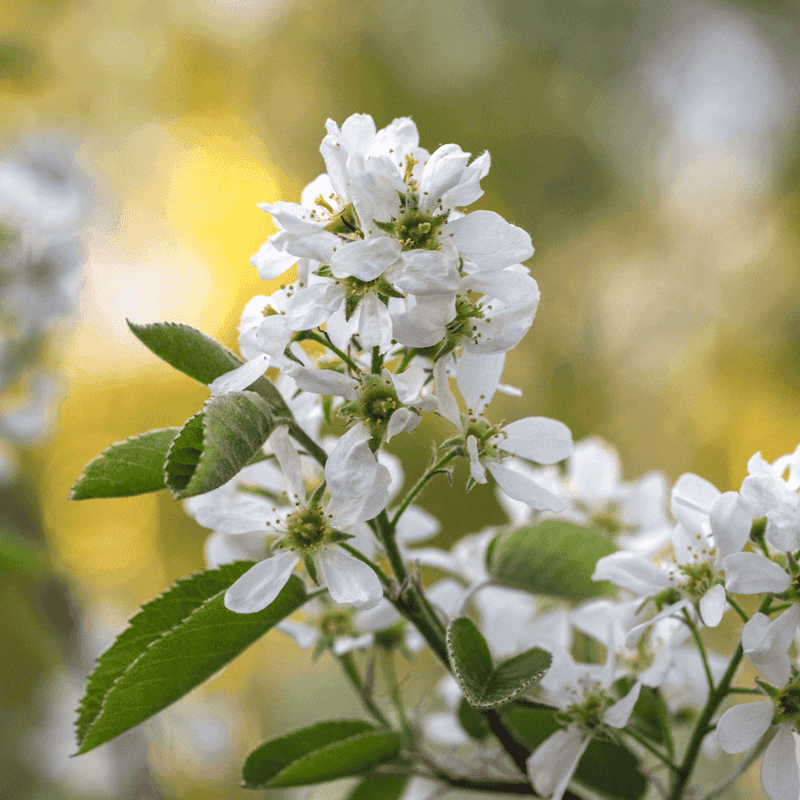
Late winter can feel like it will drag on forever. Then one morning, a cloud of white petals appears on bare branches, and everything feels brighter.
Serviceberry is one of the first native trees to bloom here. Its starry flowers often open in March, sometimes even late February in warmer areas of the state.
The petals are long and slender, almost like ribbons. They flutter in the breeze and give the tree a soft, airy look.
The origin of the name serviceberry is actually a topic of some debate. One widely shared folk explanation suggests that mountain communities associated the tree’s bloom with the return of traveling preachers in spring, when roads became passable again after winter.
Other accounts link the name to the similarity of its fruit to the European service tree, or to early uses of the plant by Native American communities. Whatever the true origin, the name has stuck, and the tree itself has been a beloved part of the Southern Appalachian landscape for as long as people have been paying attention to it.
Early bees and other pollinators love the blossoms too. Few flowers are open that early, so your tree becomes a welcome snack bar.
The bloom only lasts about a week or two. Short as it is, people often stop on the sidewalk just to look.
For the best show, plant several trees in a group. A small cluster looks like a snowy cloud drifting through your yard.
7. Tasty Berries From Your Own Backyard
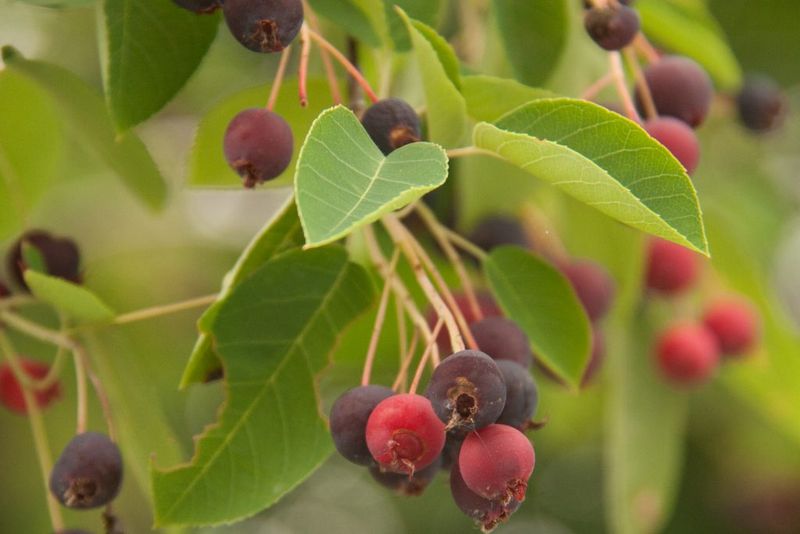
Ever tasted a berry that seems to mix blueberry, cherry, and a hint of almond? That is the flavor waiting on your serviceberry each June.
The fruits start red and slowly turn deep purple. Once they are dark and soft, they are ready to pick.
Many people call them Juneberries for good reason. They ripen right as school lets out, which makes picking a fun family project.
You can eat them fresh off the branch. Tiny seeds inside are soft and add a nutty crunch.
Bakers love them in muffins, pies, and pancakes. They also make a lovely jam that tastes like early summer.
Here is the catch. Birds know exactly when the berries ripen, and they move fast.
Robins, cedar waxwings, and catbirds may clean off a tree in a day or two. A light bird net can save a share for you.
Or just plan to share and enjoy the show. Watching flocks of birds feast is half the fun.
Serviceberries are packed with vitamins and antioxidants. They are a healthy, homegrown treat that most grocery stores do not even carry.
Freeze extras on a baking sheet, then bag them. You will have a taste of summer ready for winter smoothies.
8. A Wildlife Magnet Across North Carolina
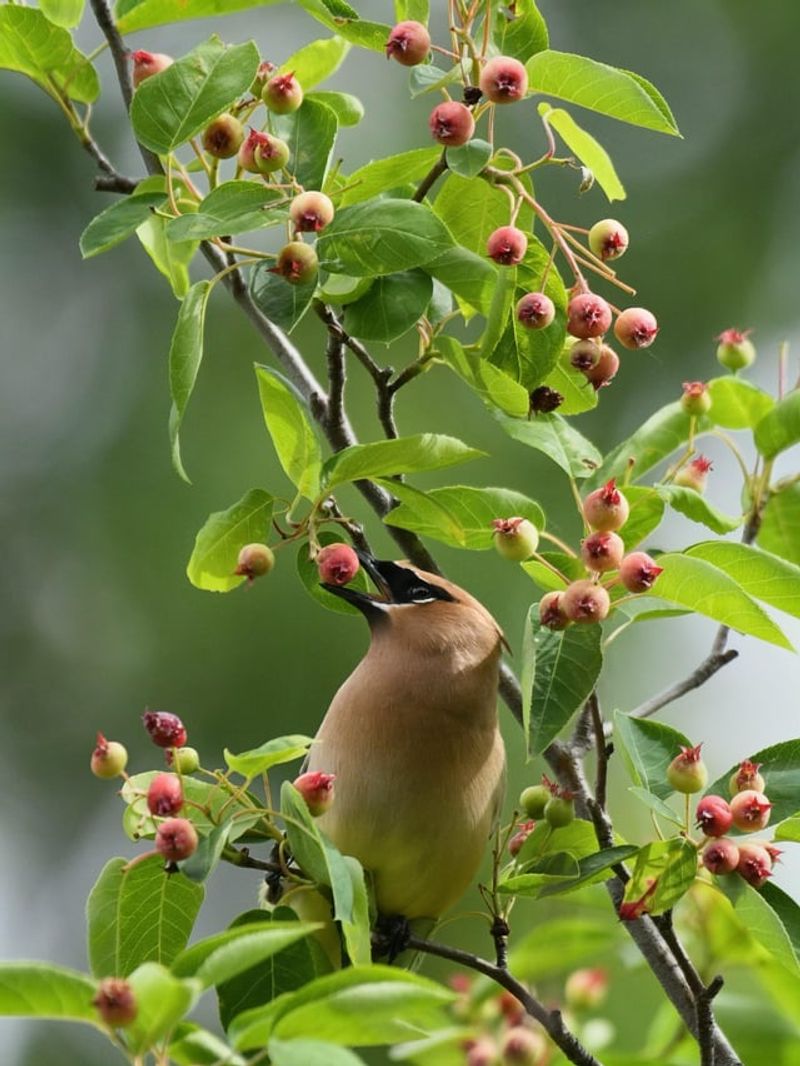
Bird lovers, get your binoculars ready. Few backyard trees pull in wildlife quite like serviceberry.
Serviceberry is well-documented as attracting a wide variety of bird species that rely on its fruit, and the list of regular visitors can be genuinely impressive once the berries ripen. Bluebirds, orioles, woodpeckers, and thrushes all stop by for a snack.
Early flowers feed native bees when food is scarce. Mason bees and mining bees are some of the busiest visitors.
The leaves matter too, even if you cannot see it right away. They host caterpillars of butterflies like the red-spotted purple and the striped hairstreak.
Those caterpillars become baby bird food in spring. That makes the tree a full buffet, not just a berry stand.
Small mammals join the party as well. Squirrels, chipmunks, and even foxes enjoy fallen fruit.
Planting natives like this helps local ecosystems stay healthy. Wildlife in North Carolina evolved alongside these trees, so they know just how to use them.
Want even more visitors? Add a birdbath nearby and leave some leaf litter under the branches.
Native plants in nearby beds, like coneflowers or blueberries, round out the habitat. Soon your yard becomes a busy little nature center.
Kids especially love tracking who shows up. Keep a simple notebook and see how many species you can spot in one season.
9. Fall Color And Year Round Charm In North Carolina
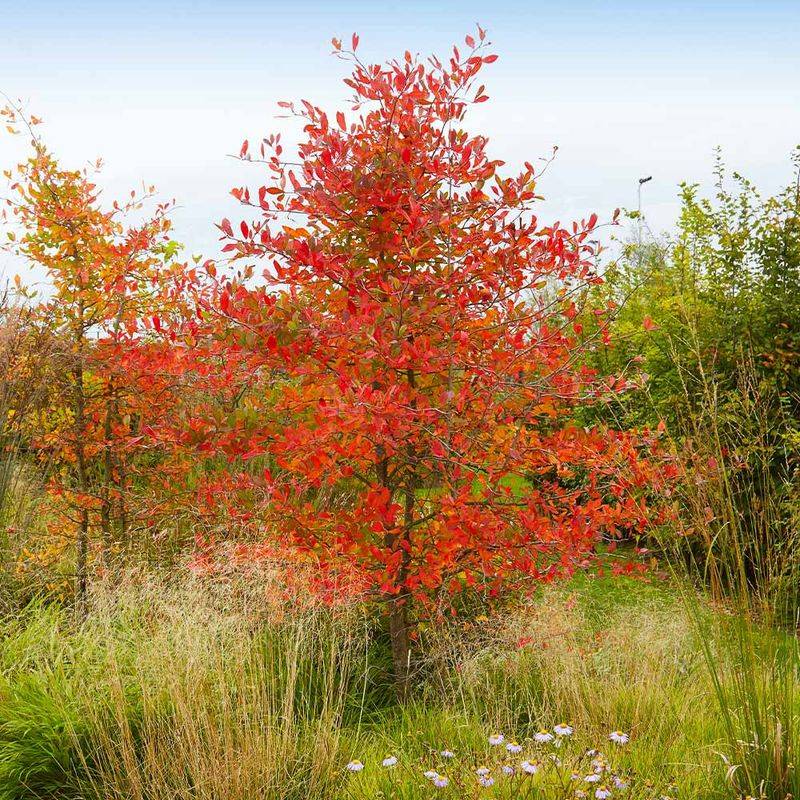
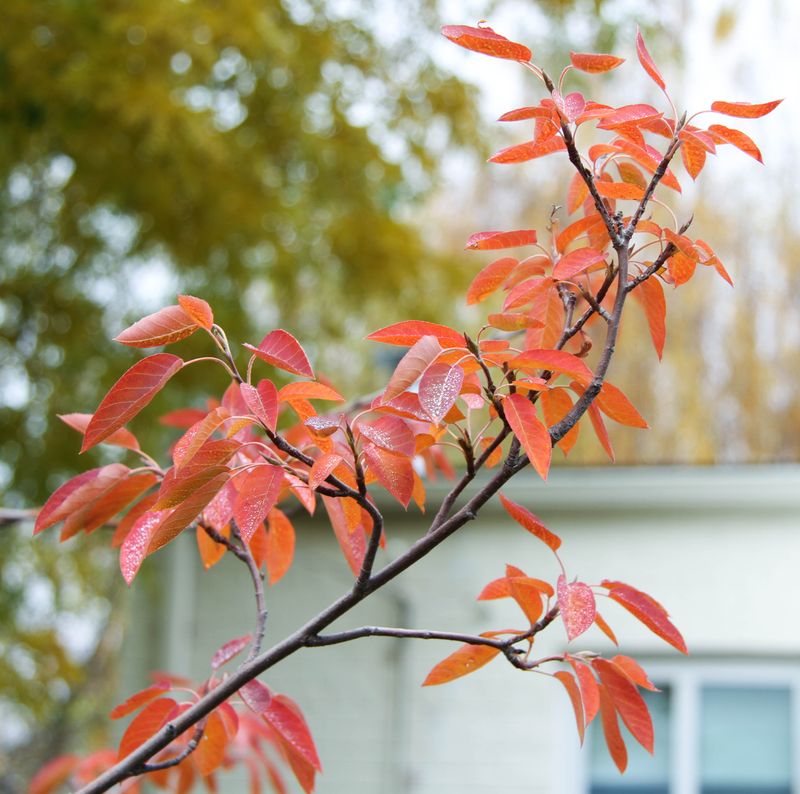
Just when you think the show is over, autumn brings an encore. Serviceberry leaves glow in shades of orange, apricot, and scarlet.
The color often peaks in late October or early November. It pairs beautifully with the golds of hickories and the reds of maples.
Fun timing, right? The same month you plant a new tree is when older ones put on their brightest show.
Winter has its own quiet beauty. The bark is smooth and silvery gray, with thin dark lines that look almost painted on.
Bare branches catch frost and snow in a lovely way. On icy mornings, the tree can sparkle like a glass sculpture.
Shape matters too. Many serviceberries grow with several trunks, giving them a graceful, natural look.
You can also train one into a single trunk if you prefer. Remove extra stems while the tree is young for a cleaner shape.
Few small trees offer something every single season. Flowers, fruit, color, and bark make serviceberry a true all-around performer.
For anyone gardening in North Carolina, that kind of value is hard to beat. One October planting can reward you for decades to come.
So grab a shovel this fall. Your yard is ready for its underrated star.