The Most Underrated North Carolina Native That Fills A Dry Slope Better Than Anything At The Nursery
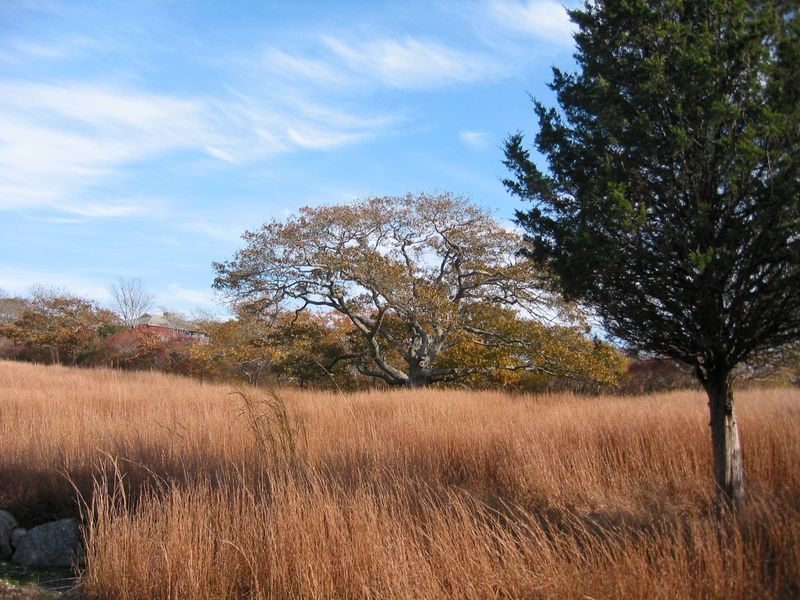
That baking slope behind your house, the one where the fescue turned to dust by July and the azaleas just sat there looking miserable, has a native grass built almost exactly for it. Little bluestem, Schizachyrium scoparium, grows wild on dry ridges and hilltops across North Carolina, and most homeowners drive right past it at the nursery without a second look. It is not a miracle plant, and it will not cover your slope overnight, but for a full-sun, well-drained hillside that gets no irrigation love, it may be the most honestly site-matched choice you can make.
A Strong Native Match, Not a Miracle Plant
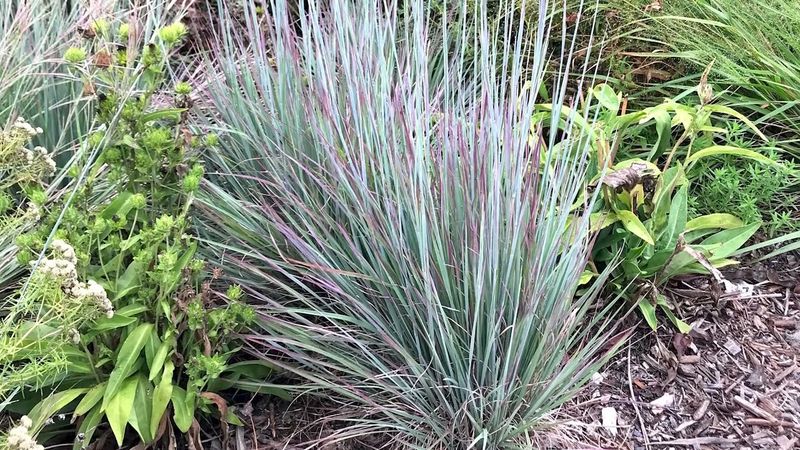
Somewhere between the knockout roses and the endless bags of mulch, little bluestem keeps getting skipped. That is a shame, because NC State Extension describes Schizachyrium scoparium as tolerant of infertile soils, highly drought-resistant once established, and adapted to the heat and humidity that define a North Carolina summer. Its value is not that it outperforms every plant at the nursery. Its value is that it genuinely fits the conditions most ornamentals quietly struggle with.
Picture a clumping bunchgrass that stands roughly 2 to 4 feet tall and about as wide, sending up blue-green blades through the summer heat while your neighbor’s hydrangeas droop by noon. By October, those same blades shift to warm copper and bronze, holding color well into winter when most of the slope would otherwise look bare and brown. That seasonal shift is one of the reasons many Piedmont gardeners who do plant it end up wishing they had used more of it.
The species is broadly listed as suitable across the Piedmont, mountains, and Coastal Plain of North Carolina, so it is not a plant with a narrow regional window. What it does require is a specific set of conditions: full sun, dry to average soil, and good drainage. On a hot, exposed slope that sheds water fast and bakes from late morning onward, those requirements line up almost perfectly. The honest framing is not that little bluestem beats everything else.
It is that few plants are as well matched to that particular problem site, and most homeowners are not planting it.
Why Little Bluestem Handles A Difficult Slope
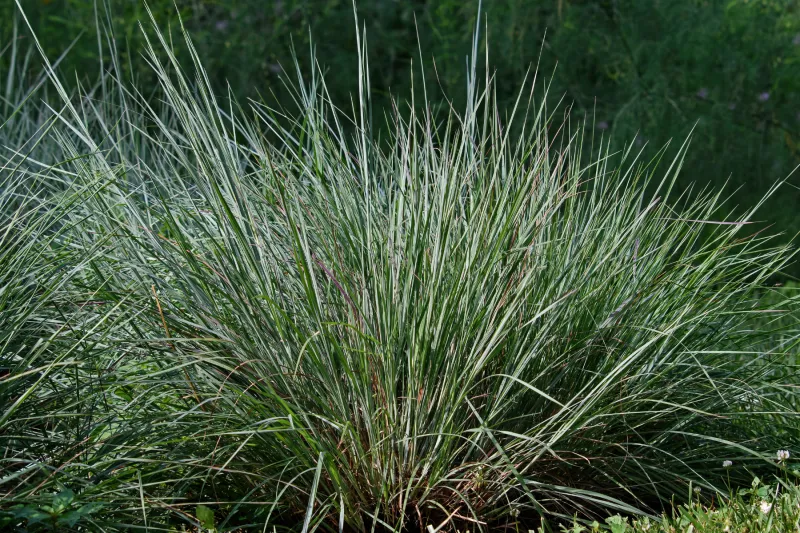
Most ornamental plants sold at North Carolina garden centers were bred or selected for rich, well-watered soil. Put them on a dry, south-facing slope with compacted clay or thin sandy ground, and they spend their first summer just trying to survive. Little bluestem evolved in exactly those conditions. NC State lists its soil tolerance as broad: sand, loam, clay, shallow rocky ground, and low-fertility sites all fall within its range.
It also handles heat, humidity, and salt exposure, which matters more than most people expect on a slope that radiates stored heat through the afternoon.
The root system is where the real work happens. USDA NRCS identifies little bluestem as a plant of dry uplands, ridges, and steep slopes, noting that its dense, deep roots contribute to soil coverage, wildlife shelter, and use in erosion-control plantings. Those roots grow down rather than out, which helps anchor individual clumps and pull moisture from deeper in the soil profile once the plant is established. On a slope that sheds surface water quickly, that depth matters.
Your North Carolina Garden Changes Every Week. Your Plan Should Too.
Gardening in North Carolina changes quickly throughout the season. Every Friday you’ll receive a simple weekly plan showing exactly what to plant, prune, fertilize, harvest, and protect so you never miss the right timing.
Here is where it gets tricky, though. NRCS also notes that little bluestem can be slow to establish, especially from seed, so the benefits described above develop over months and seasons, not weeks. A newly installed plug does not arrive drought-tolerant. It arrives as a small plant in a strange piece of ground, and it needs consistent moisture while its roots are finding their footing.
The drought resistance that makes this grass so well suited to a dry slope is a trait it earns through establishment, not one it brings to the job on day one.
Design A Meadow, Not A Lawn
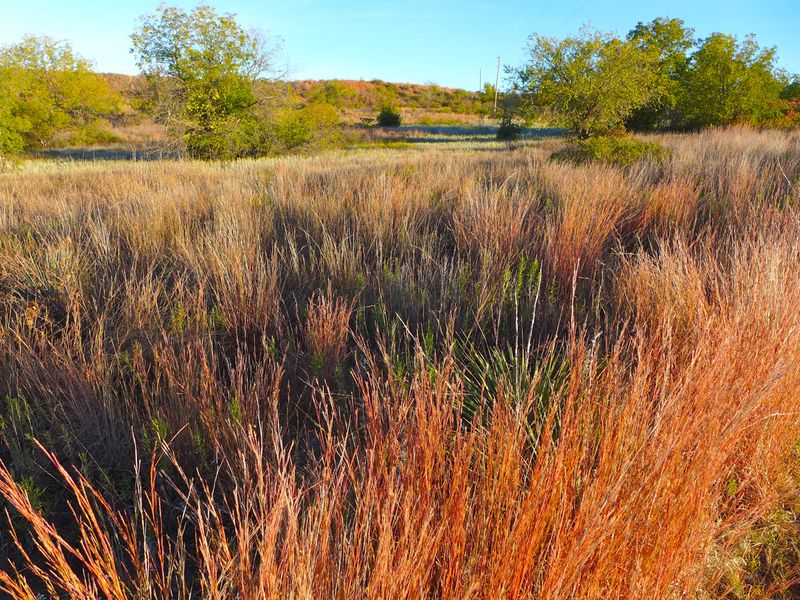
Before the first plug goes in the ground, get one picture clearly in your head: this is not lawn grass. Little bluestem forms individual upright clumps, and those clumps do not knit together into a dense, walkable sod the way fescue or bermudagrass does. NC State specifically recommends it for mass plantings, meadows, borders, drought-tolerant gardens, and pollinator plantings, not for areas that need foot traffic or regular mowing. A slope planted with little bluestem will look like a living, textured hillside, not a manicured lawn, and that is actually the point.
Spacing those clumps is a judgment call based on the plant’s mature dimensions. At roughly 2 to 4 feet tall and wide at maturity, a working estimate of 18 to 30 inches on center gives each plant room to fill out without crowding its neighbors. That range is an editorial calculation from the plant’s mature spread, not a formal North Carolina planting standard, so treat it as a starting point rather than a rule. Tighter spacing, closer to 18 inches, speeds up visual coverage and reduces bare soil between plants but raises your upfront plant cost significantly.
Wider spacing, around 24 to 30 inches, cuts cost but means you will be looking at open ground for a longer stretch of time while the planting fills in.
Even at tight spacing, clumps may leave some open soil between them during the first year or two.
NC State Extension notes that low-growing, spreading perennials work well as groundcovers, and mixing a few shorter spreading natives into the gaps can give you better year-round coverage than a little bluestem monoculture alone. Think of the slope as a meadow in progress, not a project with a finish line.Prepare The Site Before You Plant
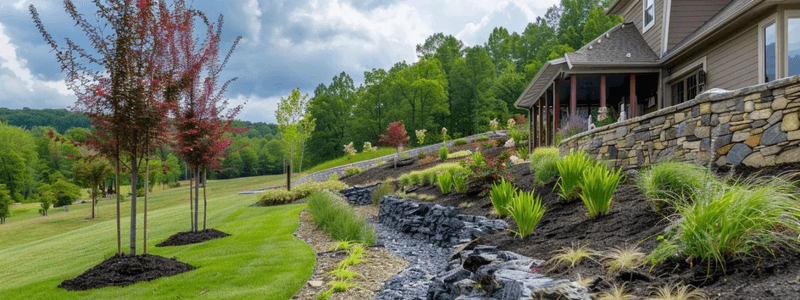
Walk the slope before you order a single plant. Watch where water travels during a hard rain, note any spots where it pools or cuts a channel, and look for the places that stay dry longest after a storm. That observation tells you more about your actual planting conditions than any plant label will. If water is concentrating in one area or cutting into the soil, that is a drainage or erosion issue that needs to be addressed before plants go in, not something a grass planting will fix on its own.
Once you understand the site, the first real job is weed control. Perennial weeds, especially things like bermudagrass, nutsedge, or wild blackberry, will outcompete young little bluestem during establishment if they are not removed first. Get them out by the root before planting day, and plan to stay on top of them during the first growing season. After weeds, test your soil.
NC State Extension recommends correcting compaction and incorporating amendments across the planting area rather than digging isolated pockets of improved soil around each plant. A general application of 1 to 3 inches of compost worked into the top several inches of soil can help loosen compacted ground, but let your soil test guide any lime or fertilizer decisions.
Do not skip the soil test because the plant is native. Native status does not eliminate the need for preparation. Excess fertilizer can actually favor weeds over little bluestem, and adding lime without knowing your pH can create problems rather than solve them. The preparation sequence is observe, then remove weeds, then test, then amend based on results.
That order matters, and doing it before planting day gives your grass the clearest possible path to a successful first season.
Give Young Plants Water And Stable Mulch
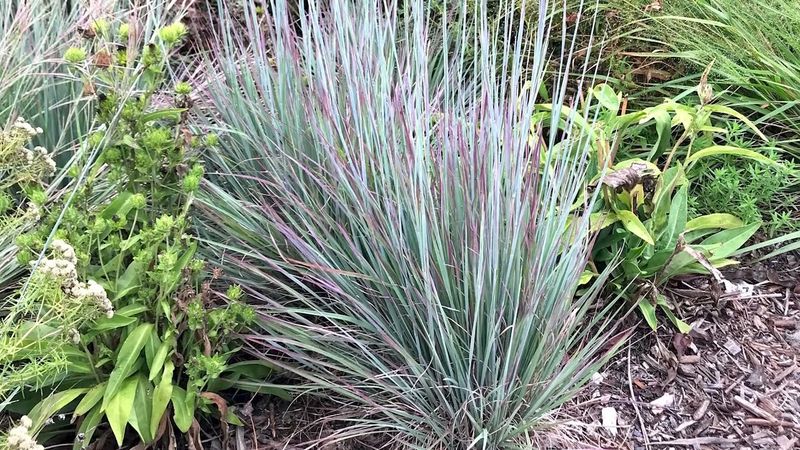
Planting day is not the finish line, it is the starting gun for about a year of attentive care. Water each plant thoroughly at installation, making sure moisture reaches the full root ball and the surrounding soil. Then plan to come back. NC State drought guidance and its wildlife-landscape resources both emphasize that new native plantings need regular watering while roots are getting established, which in a North Carolina summer can mean checking soil moisture every few days during a dry stretch.
A plant labeled drought-tolerant can still fail in its first August if nobody waters it.
Mulch helps hold that moisture and keeps the soil temperature from swinging wildly on a baking slope. NC State planting guidance and its native-plant handbook both recommend roughly 2 to 3 inches of mulch around new plantings. On a slope, the type of mulch matters as much as the depth. Loose bark nuggets can float downhill in a heavy rain and end up piled at the bottom of the slope instead of doing any good.
A fibrous mulch that knits together, shredded hardwood or pine straw, stays put better and is a more practical choice for any hillside planting. Keep mulch a few inches away from the grass crowns so moisture does not collect against the base of the plant.
NC State wildlife-landscape guidance recommends leaving established stems and seed heads standing through the winter. On a slope that otherwise looks bare and brown from November through February, that standing structure is genuinely useful, providing cover and seeds for birds and small mammals. Then, in late winter or early spring, cut the plants back to just a few inches above the ground. NC State’s little bluestem profile supports this late-winter or early-spring cutting as the standard maintenance approach.
New growth pushes up from the base, the clumps stay tidy, and the cycle starts again. No burning required, no special equipment, just a pair of loppers and a wheelbarrow.
Read The Slope’s Light, Moisture, And Region
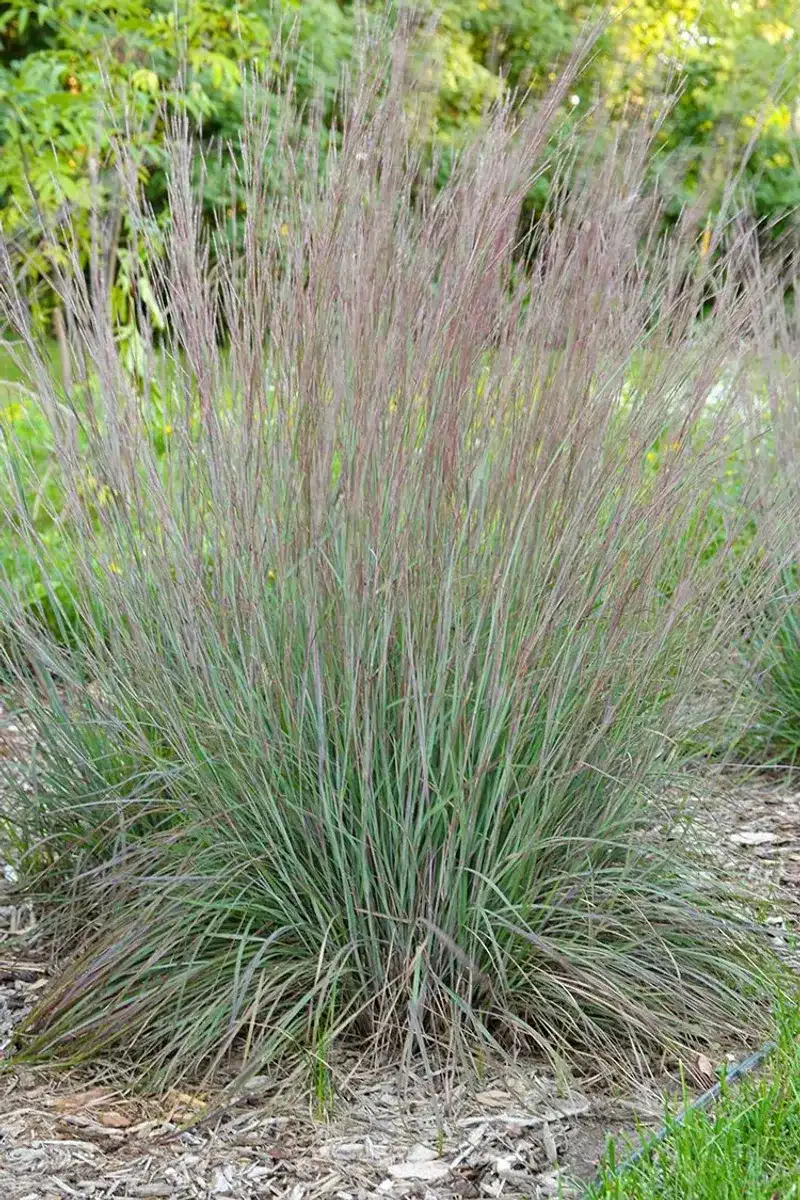
A plant label that says a species is suited to North Carolina is a starting point, not a guarantee. The actual conditions on your slope may vary more than you expect, even across a short run of hillside. Full sun, defined by NC State as at least 6 hours of direct sunlight daily, is the non-negotiable requirement for little bluestem. The upper shoulder of a south- or west-facing slope in the Piedmont usually meets that threshold easily, often getting 8 to 10 hours in midsummer.
But if a tree line, a fence, or a neighboring structure throws shade across part of the slope by early afternoon, that section may not be the right place for this grass.
Moisture also shifts as you move down a slope. The top tends to be the hottest and driest, the middle sheds water quickly and dries out fast, and the lower edge may actually hold moisture longer after a storm. Little bluestem genuinely does not want wet feet, so the bottom of a slope that stays damp for days after rain is a poor spot for it, even if the upper two-thirds would be perfect. Map those microhabitats before you plant and adjust your layout accordingly.
Across North Carolina’s regions, the species is broadly listed for the Piedmont, mountains, and Coastal Plain. NC Sea Grant’s Coastal Landscapes Initiative selected little bluestem as a native plant pick specifically for harsh coastal conditions involving strong sun, wind, dry sandy soil, and salt exposure. That documented use in coastal settings is worth knowing if you garden near the coast, though local sourcing and site conditions should still guide your choices. One more thing to check before you leave the nursery: confirm that the label reads Schizachyrium scoparium, because some introduced bluestems sold under similar common names can be aggressive or invasive in other regions.
The scientific name on the tag is the one thing you actually need to verify before the plant comes home with you.
Know When Plants Cannot Solve The Erosion

Little bluestem can help reduce bare soil and slow surface runoff once it is established, and those are real benefits on a dry slope that loses topsoil every time a heavy rain rolls through. But there is a firm line between a stabilizing planting and an erosion-control project. New Hanover County Cooperative Extension advises that terraces may be needed on steep slopes to slow water and make plant establishment possible in the first place. If your slope has active gullies, concentrated runoff from a roofline or driveway, a poorly placed culvert, or soil that is visibly moving after every storm, those are infrastructure problems.
Plants alone will not fix them.
Get the drainage right first. That may mean regrading, adding a French drain, redirecting a downspout, or bringing in a contractor who can assess the slope properly. Once water is moving predictably and the soil is stable enough to hold a plant, little bluestem has a genuine role to play in covering that ground and keeping it covered over time. Trying to shortcut the infrastructure step by planting first is how you end up losing both the plants and more topsoil.
On a slope that is actually ready for planting, the wildlife benefits are one of the most satisfying parts of the finished picture. NC State lists little bluestem as a larval host for several skipper and moth species, a source of seeds for songbirds and small mammals, and a provider of year-round cover. NC Sea Grant’s plant picks reinforce its wildlife value in harsh open conditions. A slope planted with this grass is not an instant makeover.
It is a patient, living landscape that earns its keep season by season, and by the third year, most people who planted it are glad they did not settle for another round of fescue seed.