The Small Native Trees Built For Western North Carolina Mountain Front Yards And Their Wild Temperature Swings
You wake up in Boone to a 28-degree April morning, frost on the truck, and by lunch it is 70 and sunny. That whiplash is normal in Western North Carolina, and it wrecks a lot of pretty nursery trees folks plant out of hope. But the mountains grew their own answer long before anyone sold a burlap root ball, small native trees that shrug off cold snaps, late frosts, and thin rocky soil. Here are seven of them built for your front yard, the wildlife they feed, and exactly how to give each one a fair start.
1. Eastern Redbud Handles The Late-Frost Gamble
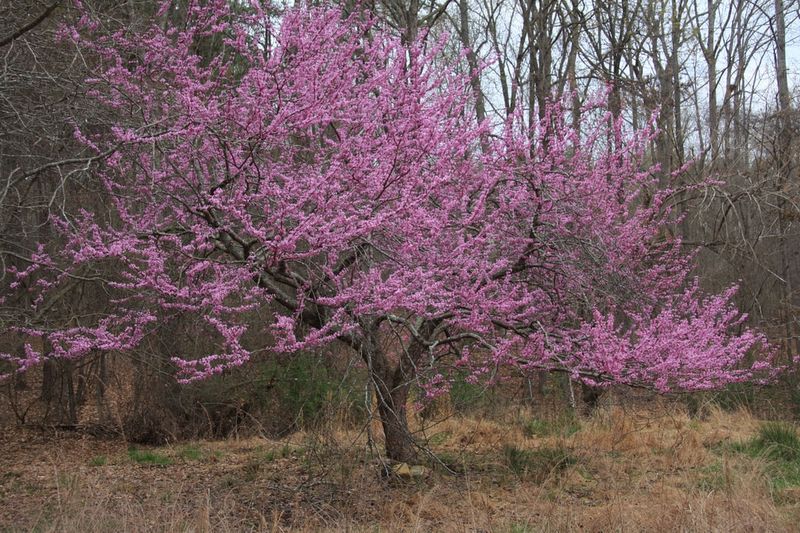
Picture your yard in late March, still brown and tired, and one tree lights up hot pink right on the bare branches. That is Eastern redbud (Cercis canadensis), and it does its show before most trees even wake up.
The worry people have is simple. Blooms that early should get zapped by a mountain cold snap, right? Redbud has a trick. It flowers along old wood, meaning last year’s stems, and the buds are tough enough to ride out a dip into the upper 20s that would ruin a peach crop.
In the 6a and 6b zones common around Asheville and Boone, it keeps coming back year after year.
Redbud stays small, usually 20 to 25 feet, so it fits under power lines and beside a porch without a fight. Plant it in spring or early fall, dig the hole twice as wide as the root ball but no deeper, and water it once a week its first summer.
Native bees crowd those spring flowers when little else is open, which genuinely matters in a cold mountain valley. And after the pink fades, the heart-shaped leaves keep the whole thing looking friendly all season.
2. Flowering Dogwood Owns The Cool Understory
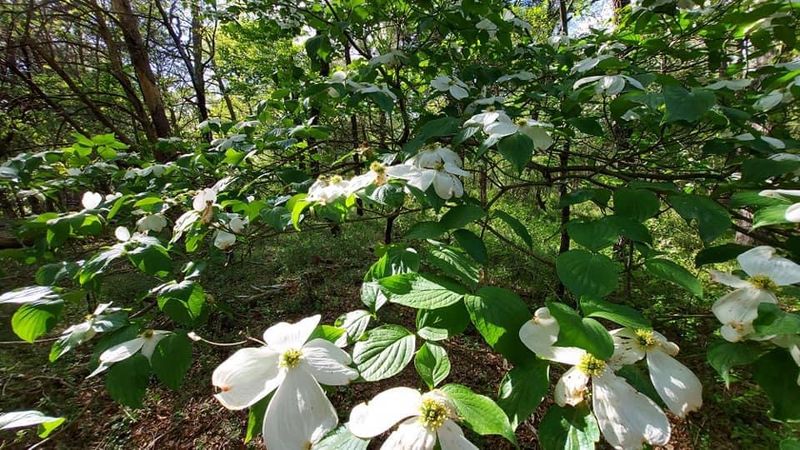
Every spring somebody in the mountains posts a photo of white blooms floating along a wood line and asks what it is. Flowering dogwood (Cornus florida) is North Carolina’s state flower, and it grew up in exactly the spot most people struggle to fill, the shady edge under bigger trees.
Here is where it gets tricky. Plant dogwood out in blazing full sun on a hot slope and it sulks, scorches, and invites disease. But tuck it where it gets morning sun and afternoon shade, the way it lives naturally on a north-facing cove, and it thrives through the wild temperature swings.
It tops out around 15 to 30 feet and grows slow, maybe a foot a year, which suits a small front yard fine. Mulch it two to three inches deep, keep the mulch off the trunk, and it stays cool-rooted through summer storms.
Come fall the leaves turn deep red and the trees hang red berries that migrating birds strip fast. A dogwood is not a magic solution to a bare yard, but as one layer of a shady native planting, few small trees pull their weight this well.
3. Serviceberry Feeds The Birds Before Summer
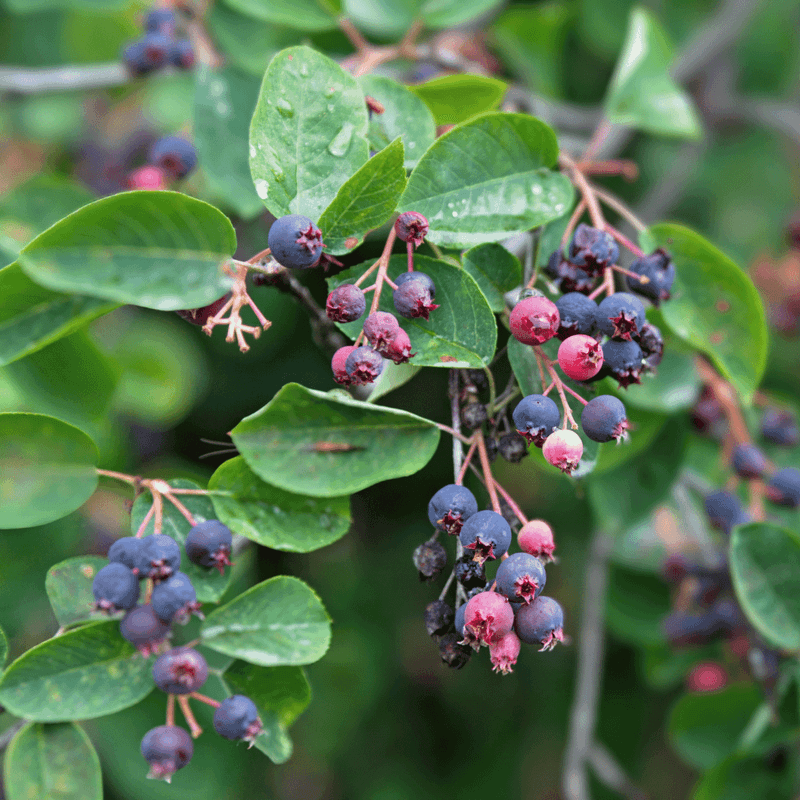
Long before your tomatoes go in the ground, serviceberry (Amelanchier arborea) is already showing off. Old mountain folks called it sarvis or shadbush, and they timed spring chores by its early white flowers.
Your North Carolina Garden Changes Every Week. Your Plan Should Too.
Gardening in North Carolina changes quickly throughout the season. Every Friday you’ll receive a simple weekly plan showing exactly what to plant, prune, fertilize, harvest, and protect so you never miss the right timing.
What makes it special is the payoff in June. Small blue-purple berries ripen sweet, tasting somewhere between a blueberry and an almond, and the birds go absolutely feral for them. Cedar waxwings and robins will clean a tree in a couple days if you do not pick first.
Cold does not faze it. Serviceberry is happy through zone 4, so a mountain winter is a mild joke to it, and a surprise 25-degree night in May will not knock it back. It grows as a graceful multi-stem clump 15 to 25 feet tall, perfect for anchoring a corner of the yard.
Give it decent drainage and a spot with at least a half day of sun. Water deeply once a week the first year, then it mostly handles itself. Fall brings orange and red leaves, so you actually get three seasons of interest from one modest tree.
4. Fringetree Laughs Off Sudden Cold Snaps
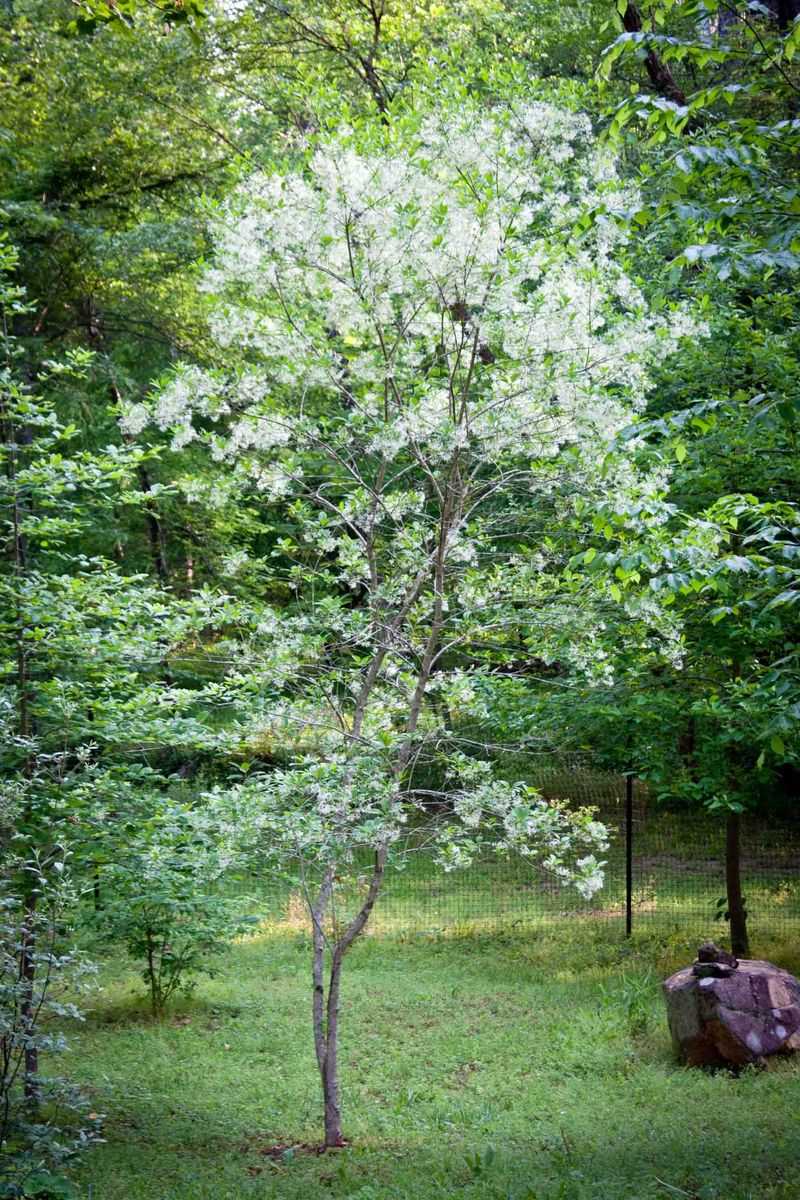
Imagine a small tree that looks like it got draped in white lace, drooping fringy flowers that flutter in a breeze. Fringetree (Chionanthus virginicus) is one of the last natives to bloom, waiting until May when the frost danger has mostly passed.
That late timing is the whole point. While your redbud and dogwood gambled on early spring, fringetree hangs back and dodges the worst cold snaps entirely. When a freak 30-degree night hits after Easter, it does not care because it has not budged yet.
It stays genuinely small, often 12 to 20 feet, and grows slow and tidy, so it never overwhelms a front walkway or a small mountain lot. Full sun to part shade both work, and it tolerates the clay-laced soil common on graded mountain building sites.
Female trees set dark blue fruit that birds appreciate in late summer. Plant it where you will walk past in May, because the flowers carry a light, sweet scent. Slow to establish is the honest catch here, so be patient the first two seasons and water through dry spells.
5. Red Maple Reads The Thermometer For You
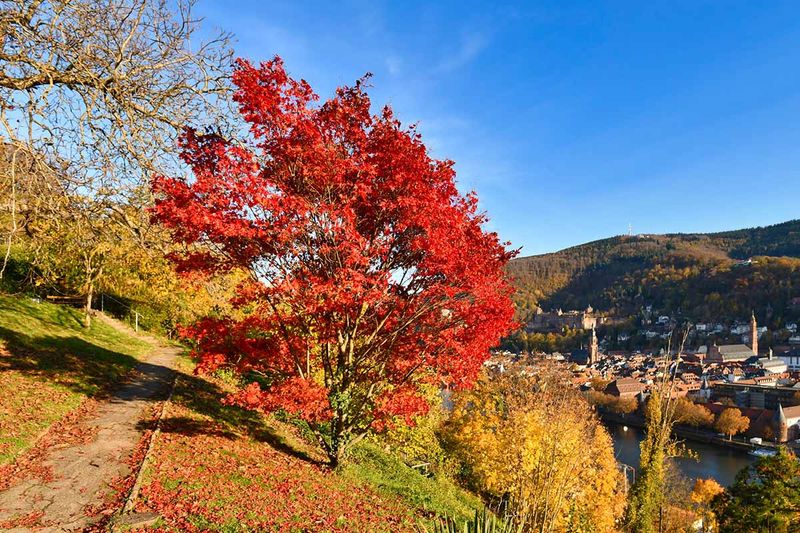
Ask ten neighbors which tree turns first every fall and half will point at the same fiery red one. Red maple (Acer rubrum) is the most adaptable native tree in the eastern woods, and it treats mountain temperature swings like a normal Tuesday.
Here is the surprising part. It handles soggy low spots and dry ridges, it grows in zone 3 through 9, and it shifts its flowering and leaf-out to match whatever a given spring throws at it. A cold, slow April or a warm early one, red maple adjusts.
For a small front yard, choose a compact cultivar or keep an eye on spacing, since the straight species can reach 40 feet or more over decades. Plant it at least 15 to 20 feet from the house and any septic lines to keep roots out of trouble.
It offers tiny red flowers in late winter that feed the first stirring pollinators, then that unbeatable scarlet October color the mountains are famous for. Not fussy, not slow, and honestly hard to kill, red maple is the reliable workhorse of this whole list.
6. Sourwood Delivers Bees And A Sweet Payoff
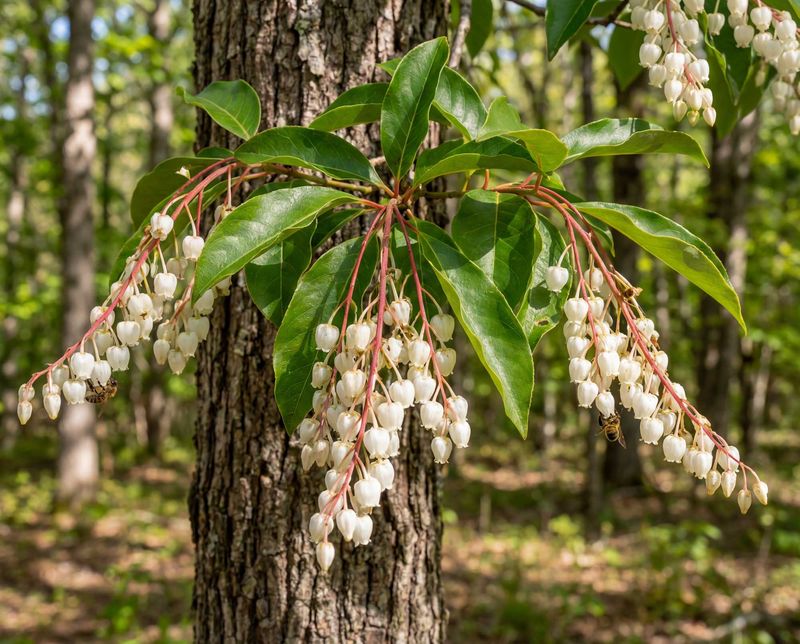
Anybody who has tasted real mountain honey has a soft spot for sourwood (Oxydendrum arboreum). The prized sourwood honey that sells at every WNC roadside stand comes straight from this tree’s midsummer flowers.
Sourwood does something odd and wonderful. It blooms in June and July, right when almost nothing else is flowering, so honeybees and native bees mob those little white bells during a hungry stretch of summer. That gap-filling bloom is its reason to earn a spot in your yard.
It is a true mountain native, comfortable on the acidic, rocky soil that makes other trees quit, and it shrugs off both summer heat and winter cold in zones 5 through 9. Expect a slender tree of 20 to 30 feet with a slightly leaning, artistic shape.
Give it full sun for the best flowering and best fall color. And that fall color is a showstopper, one of the earliest and deepest crimson displays around. Slow-growing and a little particular about drainage, sourwood rewards patience with beauty, bees, and bragging rights.
7. American Hophornbeam Stands Firm In Wind
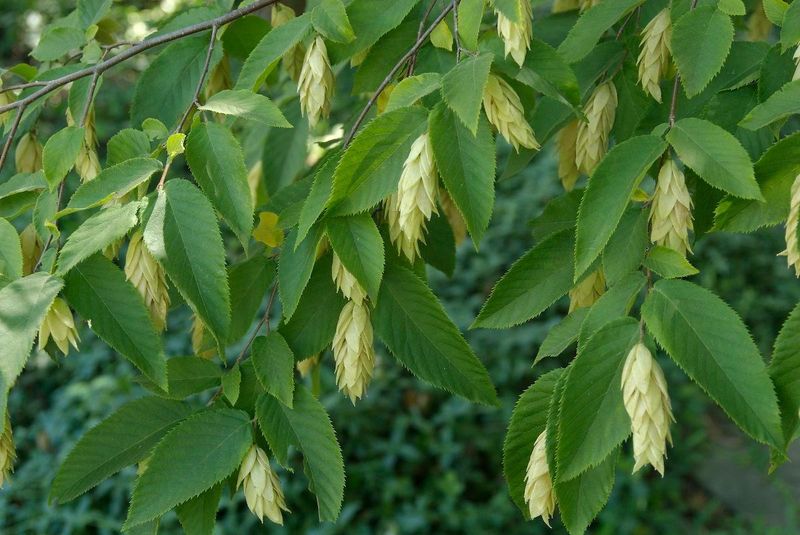
Mountain wind is a bully. It snaps limbs off soft-wooded trees during summer storms and hurricane remnants that push inland from June through November. American hophornbeam (Ostrya virginiana) is the quiet tough guy that holds up when the big showy trees do not.
People overlook it because it does not flash pink or scarlet. Its gift is toughness. The wood is so dense old-timers called it ironwood and used it for tool handles and sled runners, and that same density lets it stand through gusts that shred a Bradford pear.
It stays small and understory-sized, 25 to 35 feet at most, with fine branches and papery hop-like seed clusters that give it its name. Deep shade or part sun both suit it, so it fills the tricky north-side spot beside a house.
Drought does not rattle it once established, and it holds happily through mountain cold to zone 3. Plant it as a windbreak anchor 20 feet off the house, water it the first summer, then mostly forget it. On a stormy WNC ridge, that kind of steadiness is worth more than flowers.