Pennsylvania Zucchini Growing Mistakes That Lead To No Harvest (And How To Avoid Them)
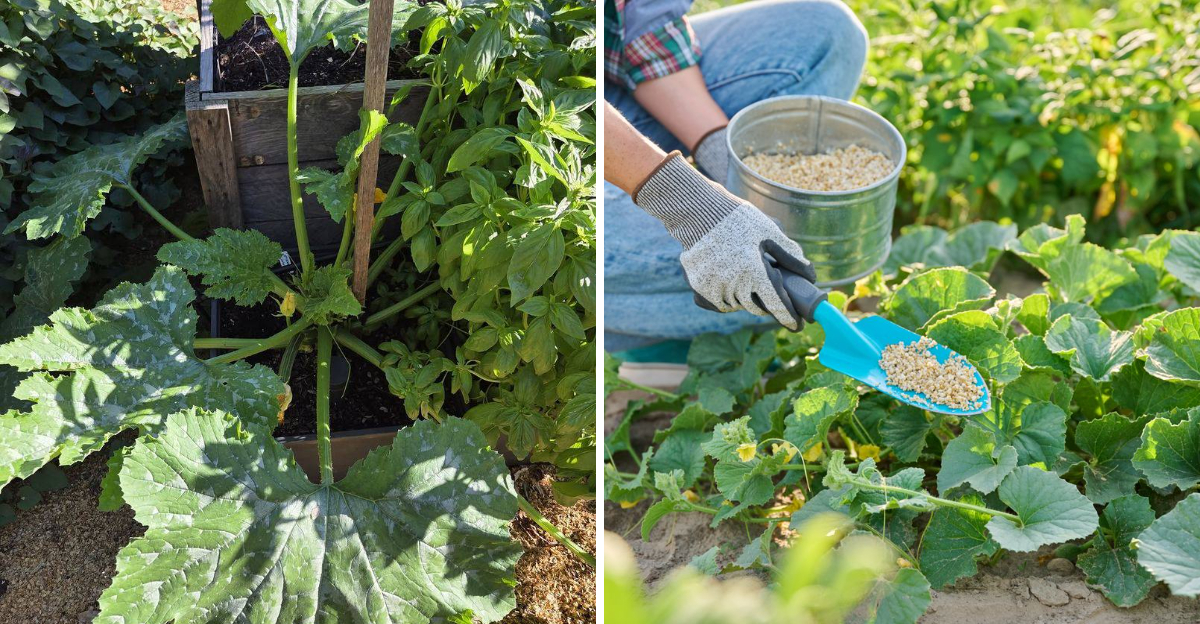
Zucchini has a reputation for being one of the easiest vegetables you can grow. The jokes about leaving bags of it on neighbors’ porches because you can’t give it away fast enough are everywhere.
But every summer, Pennsylvania gardeners who expected an effortless harvest find themselves staring at plants that look healthy and vigorous and are producing absolutely nothing worth eating.
Zucchini can absolutely fail. And it does so in ways that catch people off guard precisely because the plant looks so promising right up until it doesn’t.
The frustrating part is that most zucchini growing mistakes are completely avoidable. They’re not the result of bad luck or a difficult season.
They’re predictable patterns that show up in Pennsylvania gardens year after year, often made by gardeners who followed all the basic advice and still ended up with nothing to show for it.
Understanding what actually goes wrong with Pennsylvania zucchini, and why, is the first step toward a harvest that actually delivers on all that promise.
1. Planting Before The Soil Is Warm Enough
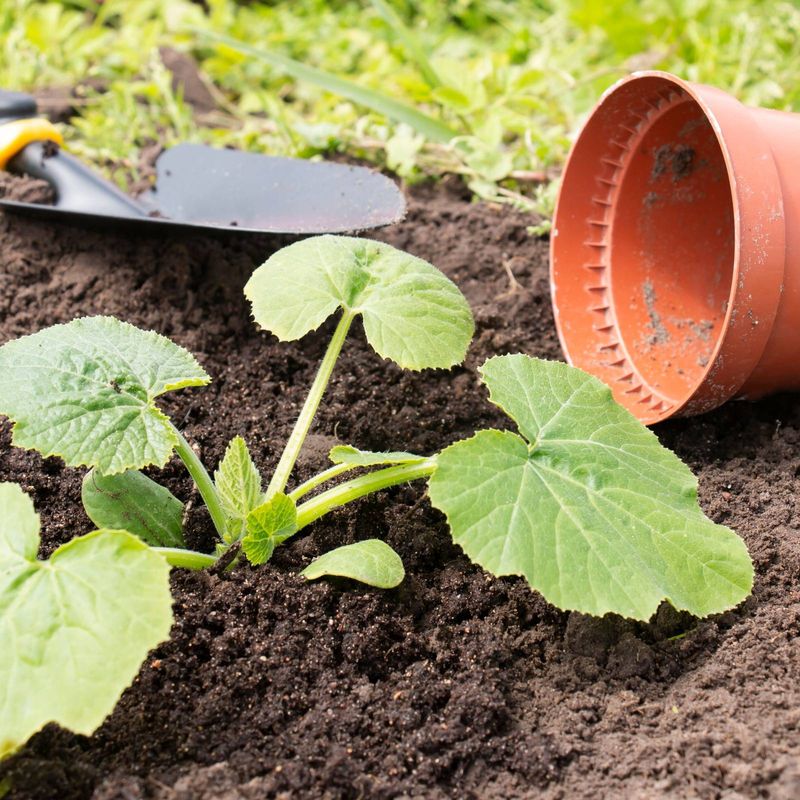
Many Pennsylvania gardeners get excited when the calendar flips to May and rush to get their zucchini seeds in the ground. That eagerness is completely understandable, but planting too early is one of the most common reasons a crop never takes off.
Zucchini seeds need warm soil to wake up and start growing. When the soil is too cold, seeds can sit in the ground for weeks without sprouting, and some will simply rot before they ever get a chance.
Pennsylvania’s last frost dates vary across the state. Gardeners in Philadelphia may see frost-free conditions by mid-April, while those in the central or northern parts of the state may need to wait until mid-May or even later.
Checking your local frost date is a smart first step, but do not stop there. Soil temperature matters just as much as air temperature, and the two do not always match up.
Use a simple soil thermometer, which you can find at most garden centers, to check the temperature a few inches down. Wait until the reading stays at or above 65 degrees Fahrenheit consistently before planting.
If you want to get a head start, try warming the soil with black plastic mulch for a week or two before planting. You can also start seeds indoors two to three weeks before your target transplant date.
Hardening off seedlings gradually before moving them outside helps reduce transplant shock. A little patience at the beginning of the season pays off big when your zucchini plants take off strong and healthy from the very start.
2. Growing Zucchini In Too Much Shade
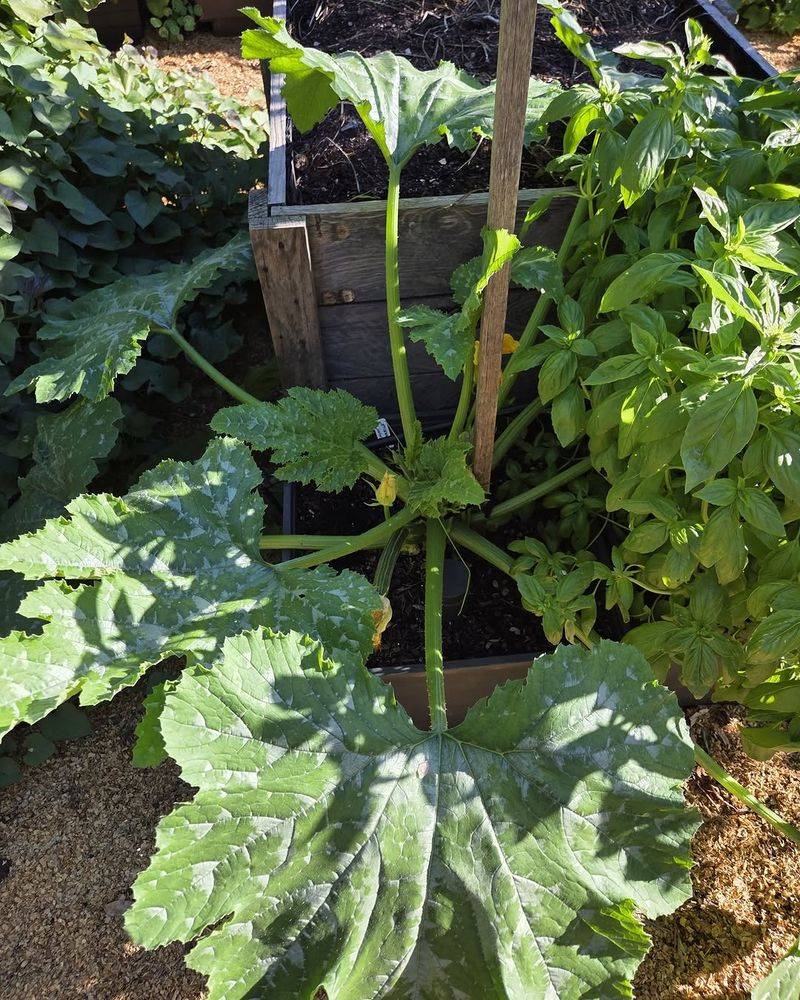
Sunlight is not optional for zucchini. It is absolutely essential. Zucchini plants are sun-lovers that need at least six to eight hours of direct sunlight every single day to grow, flower, and produce fruit.
When they are planted in a shady spot, something interesting happens: the plant puts all its energy into growing massive leaves in an attempt to catch more light.
Your Pennsylvania Garden Changes Every Week. Your Plan Should Too.
Gardening in Pennsylvania changes quickly throughout the season. Every Friday you’ll receive a simple weekly plan showing exactly what to plant, prune, fertilize, harvest, and protect so you never miss the right timing.
Those leaves look impressive, but they come at a cost. Flowers become sparse, and fruit production slows to almost nothing.
Pennsylvania yards and gardens are often surrounded by mature trees, tall fences, or neighboring structures that create more shade than you might expect. The shading situation can also change throughout the season as trees fill out with summer leaves.
A spot that looks sunny in early spring may end up in deep shade by July. Walk through your garden at different times of day and actually watch where the sun falls before choosing your planting location.
Beyond reducing yields, shady and crowded conditions create another problem: disease. Zucchini is already prone to powdery mildew, a fungal issue that thrives in low-light, humid environments.
Pennsylvania summers can get quite humid, so giving your plants plenty of sun and good air circulation is your best defense. Space plants at least three to four feet apart to keep air moving between them.
If your yard has limited sunny spots, consider growing zucchini in large containers that you can move to follow the sun. Even a patio or driveway edge that gets full sun can become a productive growing spot when you use the right-sized container and quality potting mix.
3. Assuming Early Male Flowers Mean The Plant Will Not Produce
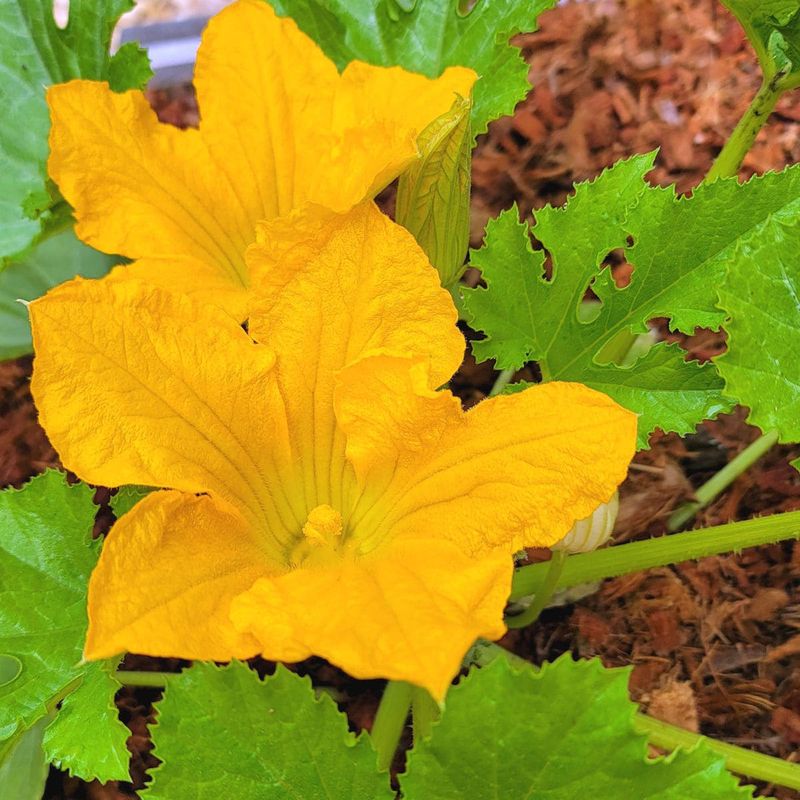
Picture this: your zucchini plant is covered in cheerful yellow flowers, you are feeling great about your garden, and then every single bloom drops to the ground without forming a single fruit. Panic sets in.
You start wondering if something is seriously wrong with your plant. Before you give up, take a breath.
What you are seeing is completely normal zucchini behavior, and it happens to almost every gardener at some point.
Zucchini plants produce male and female flowers separately on the same plant. Male flowers always show up first, sometimes by a full week or two.
Their job is to get the plant ready for pollination. Male flowers grow on long, thin stems with no swollen base.
Female flowers come later and have a tiny, zucchini-shaped bump right behind the petals. That little bump is the baby fruit waiting to be pollinated.
If a female flower does not get enough pollen, that tiny fruit will turn yellow and drop off, which can look alarming if you do not know what to expect.
The fix is simple: give your plant more time. Once female flowers start appearing, check them carefully each morning when they are freshly open.
Bees are your best friends at this stage. A healthy garden with plenty of flowering plants nearby will attract more pollinators naturally.
Avoid spraying pesticides during bloom time, especially in the morning when bees are most active. If you notice female flowers opening but no bees are around, try hand-pollinating.
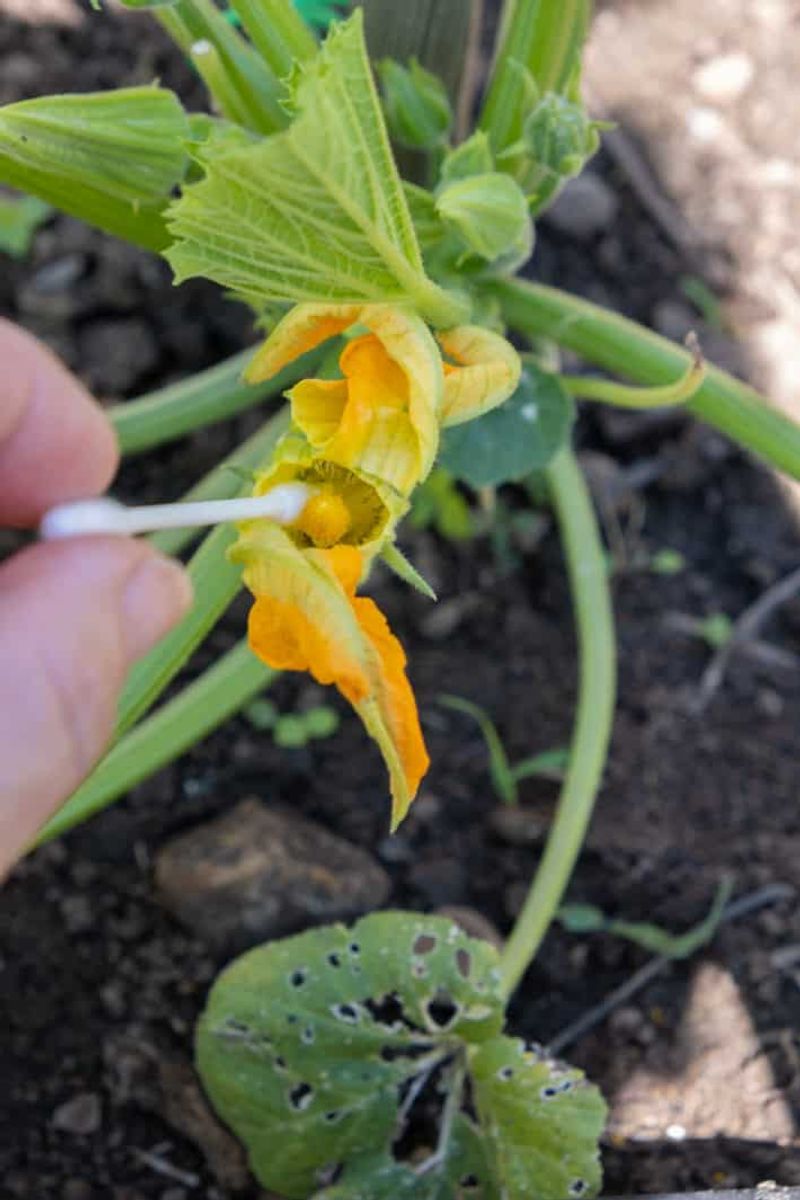
Use a small paintbrush or a cotton swab to transfer pollen from a male flower directly into the center of an open female flower. It only takes a minute and really works.
4. Failing To Provide Adequate Pollination
Pollination is the single most important step between a zucchini flower and an actual zucchini on your plate. Without it, every female flower that opens will form a tiny fruit that quickly shrivels up and falls off the plant.
This is one of the most frustrating things to watch happen in a garden, especially when the plants look otherwise healthy and full of blooms. Understanding why it happens puts you in a much better position to fix it.
Bees are the main pollinators for zucchini. They carry pollen from male flowers to female flowers as they move through the garden.
When bee populations are low, which can happen in urban neighborhoods, areas with heavy pesticide use, or during cool and rainy stretches of weather, pollination suffers.
Pennsylvania can have unpredictable early summer weather, and a week of cool, cloudy days can keep bees from flying just when your flowers are at their peak.
There are several practical ways to boost pollination in your garden. First, plant flowers that attract bees nearby.
Marigolds, basil, borage, and lavender are all great choices that also happen to look beautiful next to a vegetable patch. Second, avoid using broad-spectrum insecticides anywhere near your zucchini plants, especially during the morning hours when flowers are open.
Third, if you suspect low bee activity, hand-pollination is a reliable backup. Pick a freshly opened male flower, peel back the petals, and gently dab the pollen-covered center against the inside of an open female flower.
Do this in the morning for best results. Even one successful pollination can produce a full-sized zucchini within a week.
5. Applying Too Much Nitrogen Fertilizer
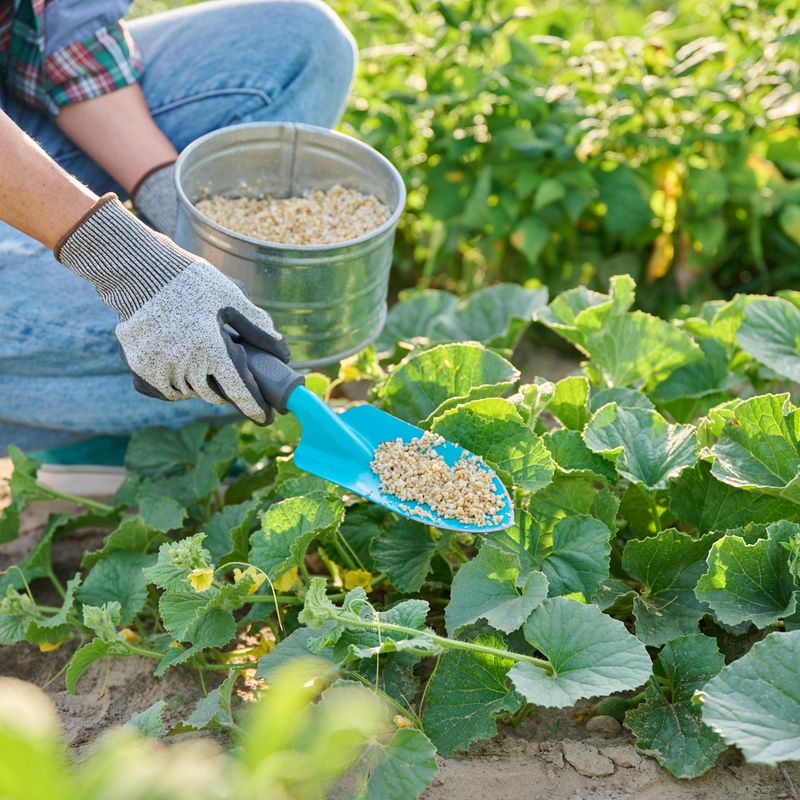
Fertilizer feels like a gift to your garden, but too much of the wrong kind can quietly work against you. Nitrogen is the nutrient responsible for leafy, green growth, and zucchini plants will absolutely run with it if given the chance.
Excess nitrogen sends a signal to the plant to keep producing more stems and leaves rather than shifting its energy toward flowering and fruiting. The result is a plant that looks spectacular but delivers almost nothing to eat.
This mistake is especially common among gardeners who use high-nitrogen fertilizers designed for lawns or leafy greens. Those products are not the right fit for fruiting vegetables like zucchini.
Pennsylvania soils vary quite a bit from one region to another, so what works in one backyard may create problems in another. The smartest move before adding any fertilizer is to get your soil tested.
Penn State Extension offers affordable soil testing services, and the results will tell you exactly what your garden needs and what it already has too much of.
Compost is one of the best amendments you can add to a zucchini bed. It improves soil structure, feeds beneficial organisms, and provides a slow, balanced release of nutrients without overloading the plant with nitrogen.
If you do use a commercial fertilizer, look for one with a higher middle number on the label, which represents phosphorus and supports root development and flowering. Balanced formulas like 10-10-10 are a safer choice than high-nitrogen options.
Feed your zucchini plants once or twice during the season rather than on a weekly schedule. Less is genuinely more when it comes to fertilizing fruiting vegetables.
6. Ignoring Squash Vine Borer Damage
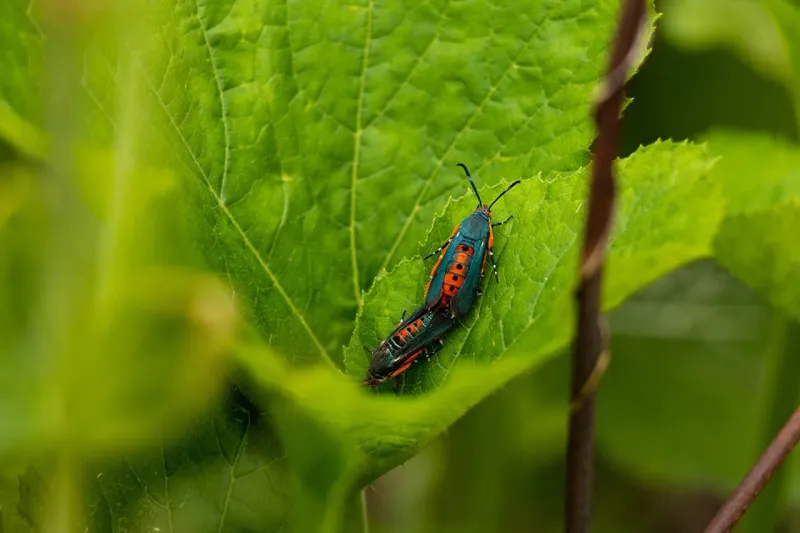
Few garden pests cause as much sudden heartbreak as the squash vine borer. One morning your zucchini plant looks perfectly fine, and the next day it is completely wilted even though the soil is moist and the weather has been good.
That dramatic collapse is the calling card of this sneaky pest, and by the time you notice it, the damage is already well underway. Squash vine borers are a serious problem throughout Pennsylvania, and catching them early is the only real way to manage them.
The adult squash vine borer is actually a moth that looks a bit like a wasp, with a bright orange and black body. It lays tiny, flat, reddish-brown eggs at the base of zucchini stems in late June and July.
When the eggs hatch, the larvae tunnel into the stem and start feeding from the inside. The stem cannot move water up to the leaves and fruit, so the plant wilts fast.
You may notice small holes at the base of the stem along with a powdery, sawdust-like material called frass.
Check your plant stems at the soil line at least once a week starting in late June. If you find entry holes and frass, you can try slitting the stem carefully with a small knife, removing the larva by hand, and then mounding moist soil over the damaged area to encourage new roots to form.
Row covers placed over young plants before the adult moths start flying can prevent egg-laying in the first place. Remove covers once flowers appear so bees can still access the blooms.
Rotating your zucchini to a different garden spot each year also helps reduce borer populations over time.