7 Deer-Resistant Privacy Plants Pennsylvania Gardeners Use Instead Of Arborvitae
Deer often browse heavily on unprotected shrubs overnight. Watching months of growth disappear can be frustrating for gardeners.
Pennsylvania yards face this exact problem every single season. Nobody warned you how relentless local deer populations truly are. Choosing tougher plants changes everything about your outdoor privacy plan.
No plant is entirely deer-proof, but these seven are far less likely to be browsed than arborvitae. Certain shrubs resist nibbling while still growing thick and tall. Texture, density, and structure all matter for lasting screening power.
Height alone will not protect your border from constant browsing pressure. Options today outperform anything gardeners planted many seasons back.
Real answers exist beyond advice you already know well. Local homeowners across Pennsylvania are quietly upgrading their privacy approach.
Smart selections mean fewer replacements and far less frustration each spring. Every choice you make now shapes your yard for years.
Patience matters, but so does picking plants built to endure. Skip this guidance and you may face the same recurring challenge again.
1. American Holly
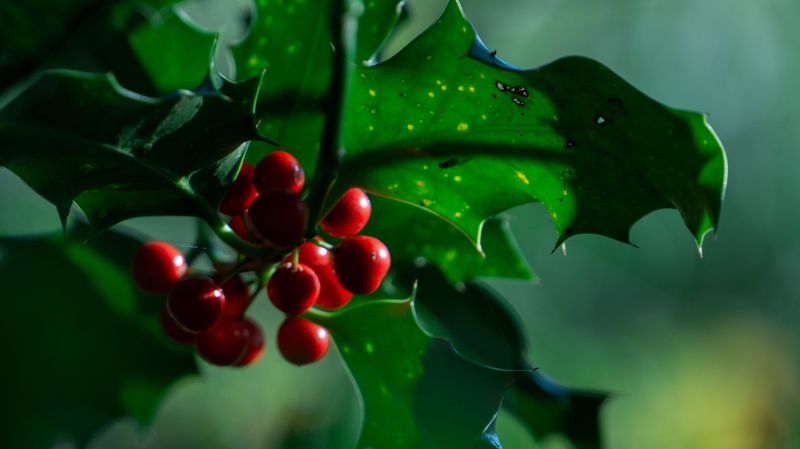
Picture a plant that looks like a holiday card all year long. American Holly brings glossy, deep green leaves and blazing red berries that pop against gray winter skies.
Few evergreens manage to feel festive and functional at the same time, but this one pulls it off effortlessly.
Deer tend to avoid this plant because of its spiny, sharp-edged leaves. That natural defense makes it one of the most reliable deer-resistant privacy plants in the Mid-Atlantic region.
Hungry browsers simply move along once they brush against those prickly edges, leaving your border untouched.
American Holly grows slowly but steadily, reaching heights of 15 to 30 feet at maturity. Its dense, pyramidal shape creates a solid visual barrier between your Pennsylvania yard and the neighbors.
Given enough time, it forms a wall of foliage thick enough to block sightlines completely. You will need both a male and female plant to get berries, so plan accordingly.
Plant them about 10 feet apart for the best coverage and berry production. Skipping this detail means glossy leaves without the signature red display.
This native tree thrives in full sun to partial shade and tolerates a wide range of soil types. It handles wet soil better than many evergreens, which is a big win for low-lying yards.
Birds absolutely love the berries, so your privacy screen doubles as a wildlife habitat. Cedar waxwings and bluebirds will visit all winter long.
American Holly also holds its color through harsh cold snaps and heavy snow. Once established, it is a low-maintenance, reliable choice that rewards patient Pennsylvania gardeners with a year-round screen
2. Inkberry Holly
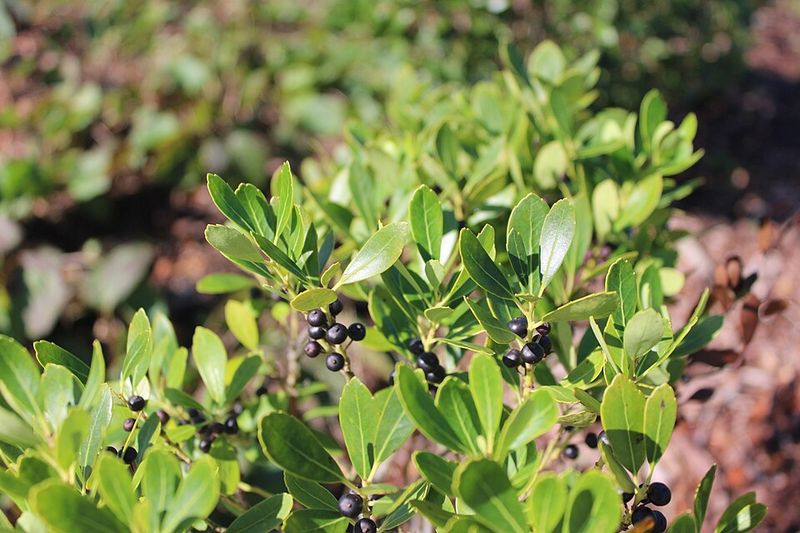
Inkberry Holly is the underdog of the holly world, and it deserves way more credit. This native shrub is tough, adaptable, and almost completely ignored by deer.
Gardeners searching for something reliable rarely expect this much performance from such a modest plant.
Unlike its spiny cousins, Inkberry has smooth, oval leaves that stay dark green through most of the year. The small black berries appear in late summer and persist well into winter, feeding local songbirds.
Your Pennsylvania Garden Changes Every Week. Your Plan Should Too.
Gardening in Pennsylvania changes quickly throughout the season. Every Friday you’ll receive a simple weekly plan showing exactly what to plant, prune, fertilize, harvest, and protect so you never miss the right timing.
That quiet contribution to wildlife makes it more than just a pretty screen. Compact cultivars like ‘Shamrock’ or ‘Strongbox’ stay tidy without constant trimming.
They top out around 4 to 6 feet, making them ideal for low-to-mid-height privacy screens. Their manageable size means less pruning and more time enjoying the results.
One of the biggest advantages here is moisture tolerance. Inkberry thrives in wet, boggy spots where other shrubs would struggle or rot at the roots.
That resilience makes it a smart pick for tricky drainage areas. Plant it in full sun for the densest growth, though it handles partial shade without much complaint. Space plants about 4 feet apart to form a tight, weed-suppressing hedge over time.
Inkberry is also a native plant, which means it supports local pollinators and wildlife far better than imported alternatives. Choosing native plants is a smart move for long-term garden health.
Gardeners who want low drama and high function will find Inkberry Holly to be a reliable partner. It greens up fast in spring, holds its shape, and never ends up on a deer menu.
3. Norway Spruce
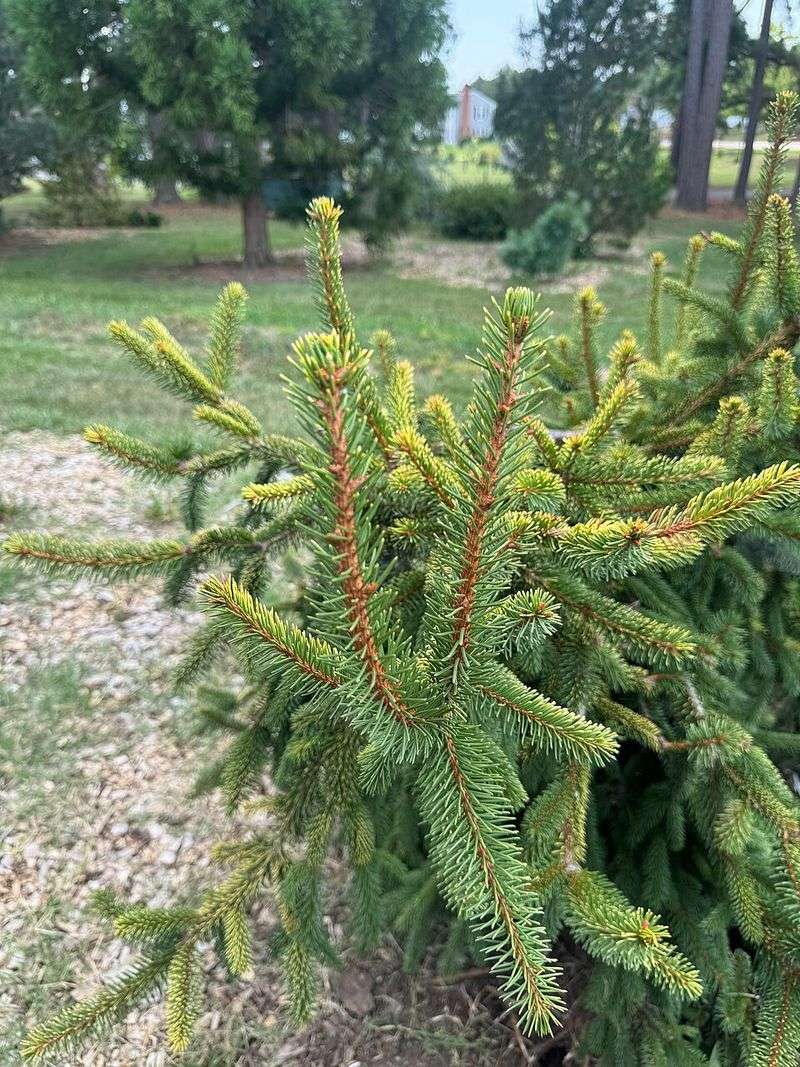
Norway Spruce grows fast, and in the privacy screen world, speed matters. This conifer can shoot up 3 feet or more per year under good conditions, outpacing most competitors easily.
That growth rate alone makes it a favorite for gardeners tired of waiting. Deer generally leave Norway Spruce alone once the trees get past the sapling stage.
The stiff, sharp needles are not exactly appetizing, which is great news for impatient Pennsylvania gardeners. Early protection during those first vulnerable years still pays off later.
At full size, these trees can tower 40 to 60 feet tall with a spread of 25 feet. That kind of mass creates a serious windbreak and sound barrier, not just a visual screen.
Few plants offer that much functional coverage in one package. The drooping, layered branch tips give Norway Spruce a graceful, weeping character that looks elegant even in winter.
Few evergreens have this kind of visual drama without any extra effort. That elegance holds up whether the tree stands alone or in a row.
Plant them in full sun and well-drained soil for the fastest establishment. Space them 15 to 20 feet apart if you want individual specimens, or 8 feet apart for a dense screen.
Getting spacing right early prevents crowding problems down the road. Norway Spruce handles cold winters like a champ and tolerates clay soil better than many other conifers. It requires very little upkeep once established.
Few trees ask for so little once they settle in. For gardeners who need quick results and serious coverage, this tree delivers both.
A row of Norway Spruce can transform an exposed yard into a sheltered retreat within just a few years. Few plants offer that much payoff for so little ongoing effort.
4. Eastern Red Cedar
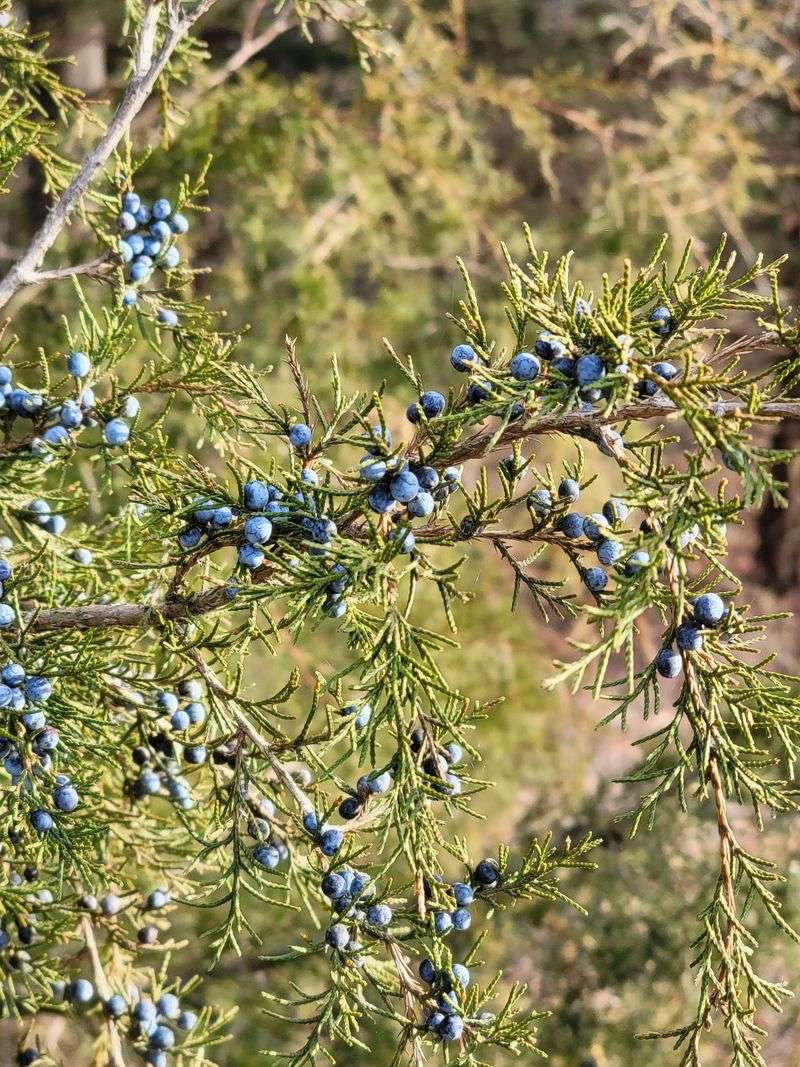
Eastern Red Cedar is one of the toughest native trees you can plant. It handles drought, poor soil, wind, and neglect without skipping a beat. Few natives ask for so little while giving back so much structure.
Deer rarely browse on Eastern Red Cedar, especially once the tree matures. The aromatic foliage has a sharp, resinous scent that most deer find unappealing. That built-in defense means less fencing and fewer repeat plantings for you.
This tree grows at a moderate pace, adding about 1 to 2 feet per year in good conditions. Over time, it builds into a dense, columnar shape that blocks sightlines beautifully.
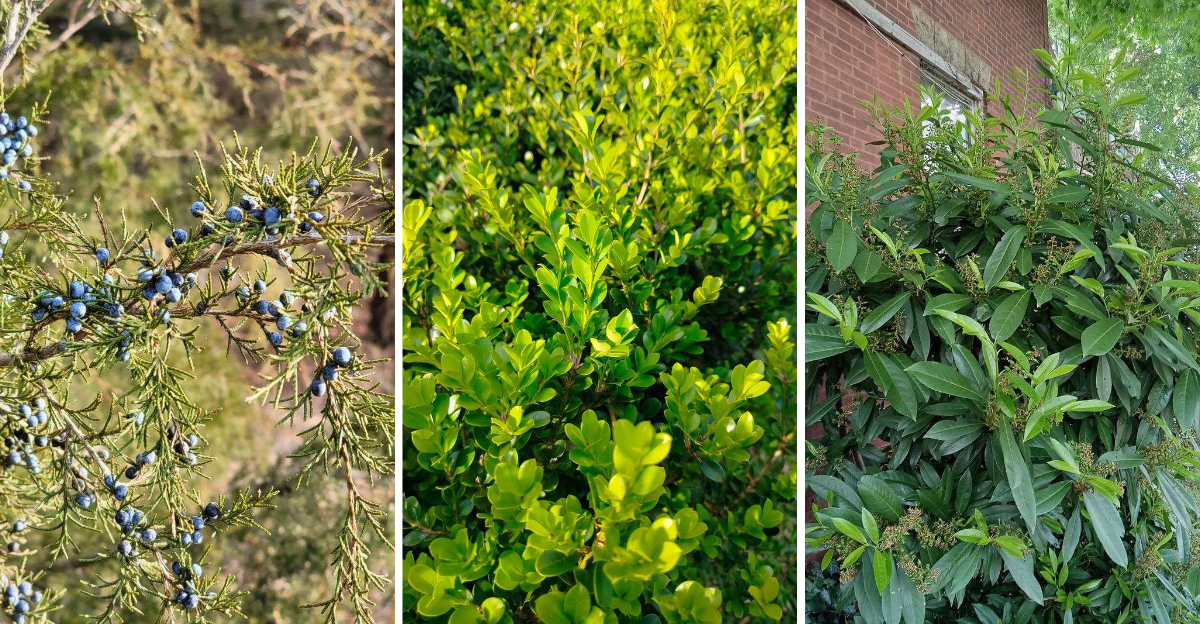
Patience here pays off with a screen that only gets better with age. The blue-green foliage turns slightly bronze in winter, which adds a warm, seasonal color shift to your landscape. Small blue berries appear on female trees and attract cedar waxwings by the dozens.
That splash of wildlife activity keeps the yard feeling alive all winter. Eastern Red Cedar tolerates almost any soil type, including rocky, sandy, or clay-heavy ground. That flexibility makes it a go-to choice for challenging spots where other plants refuse to cooperate.
Full sun is where this tree thrives best, so avoid planting it in shaded corners. Give it room to breathe and it will reward you with decades of reliable screening.
As a bonus, the wood is naturally rot-resistant and insect-repelling, which is why it has long been used in cedar chests. Planting one means adding a tree with a long history of practical use.
5. Upright Juniper (‘Spartan’ Or ‘Skyrocket’)
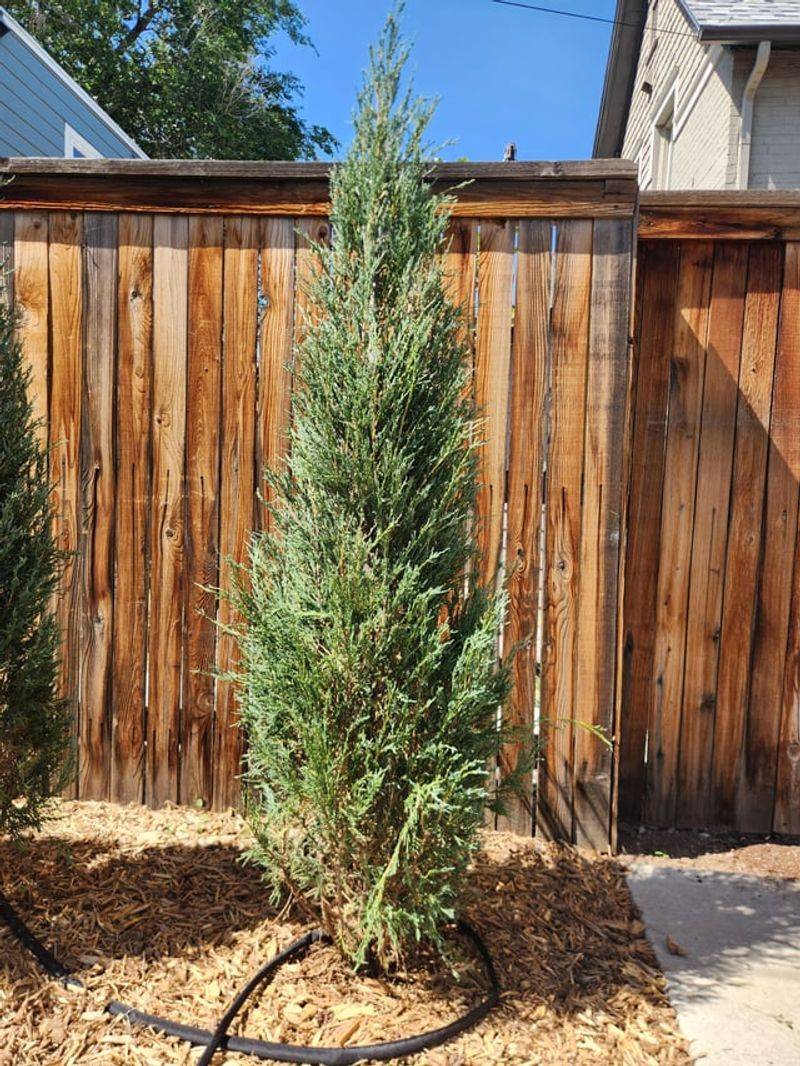
Slim, tall, and almost impossibly tidy, upright junipers are the workhorses of the privacy screen world. Varieties like ‘Spartan’ and ‘Skyrocket’ give you serious height without eating up your Pennsylvania yard space.
That narrow footprint makes them ideal for tight side yards and property lines. ‘Spartan’ juniper grows into a dense, emerald-green column reaching 15 feet tall and just 5 feet wide.
‘Skyrocket’ grows in an even narrower, upright column. Choosing between them often comes down to how slim you need the profile.
Deer tend to avoid junipers because of their prickly foliage and strong aromatic oils. That built-in protection makes upright junipers some of the most dependable deer-resistant privacy plants available.
Fewer repellents and fewer replacements mean less hassle for you long term. Both varieties grow at a moderate to fast rate, adding 12 to 18 inches per year in ideal conditions.
Plant them in a single row and you will have a solid screen within three to five seasons. That timeline beats most slow-growing evergreen alternatives by years. Full sun is essential for tight, dense growth, so pick your sunniest border for these trees.
Poor drainage is their one real weakness, so avoid low-lying spots that collect standing water.
Upright junipers need almost no pruning to maintain their shape, which saves you hours of weekend work. An occasional light trim keeps them looking sharp and encourages fresh growth.
Whether you go with ‘Spartan’ or ‘Skyrocket,’ you are choosing a plant that earns its place every single season. These are consistent, low-maintenance performers in the privacy garden world.
6. Schip Laurel
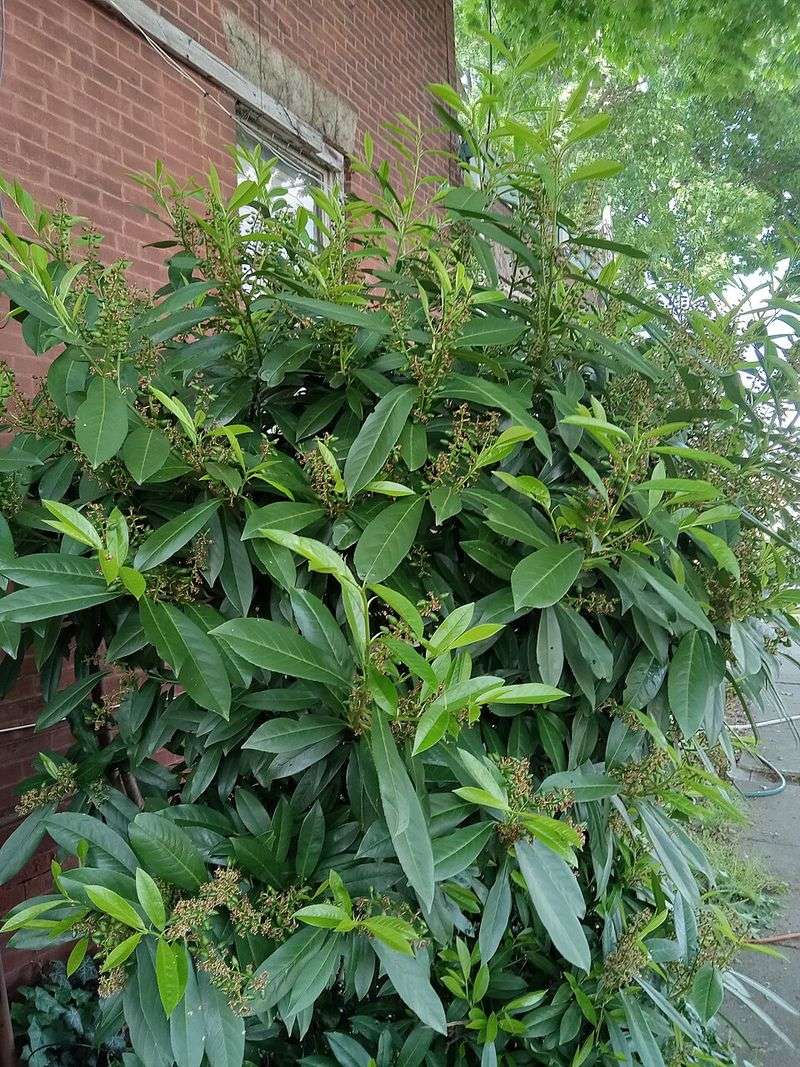
Skip Laurel is a standout performer in shade gardens. Few plants grow this fast, look this polished, and hold up this well under a forest canopy. Even gardeners with tricky shaded lots find real success here.
Deer generally pass on Skip Laurel because its leaves contain compounds that are mildly toxic to them. That natural deterrent keeps your hedge intact through even the hungriest winter months. You get reliable coverage without constant spraying or fencing.
The large, glossy leaves catch and reflect light beautifully, giving the hedge a lush, tropical look even in cooler climates. In spring, fragrant white flower spikes appear and fill the air with a sweet, almond-like scent.
That seasonal bonus turns a simple hedge into a sensory experience. Skip Laurel grows quickly, adding 2 to 3 feet per year under good conditions.
Within a few seasons, a newly planted row fills in to create a solid, attractive barrier. Few shade-tolerant shrubs close gaps this fast.
It handles full shade, partial shade, and full sun with equal ease, which is rare in the shrub world. That adaptability makes it the go-to choice for tricky spots under mature trees or along north-facing fences.
Space plants about 4 to 6 feet apart for a dense hedge effect. Pruning once or twice a year keeps the shape clean and encourages the thick, bushy growth that makes it so effective as a screen.
If you want fast coverage with minimal fuss and fewer deer issues, Skip Laurel is a strong option. Pennsylvania gardeners who discover it rarely go back to anything else.
7. Boxwood
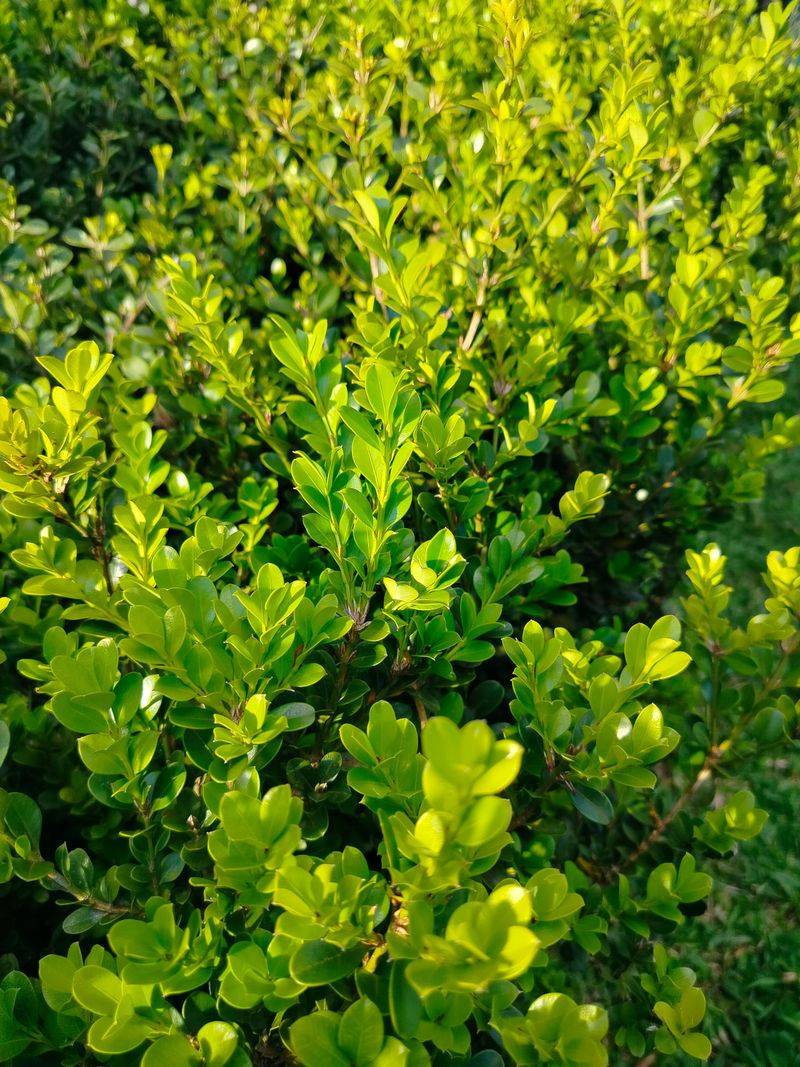
Boxwood has been the backbone of formal gardens for centuries, and it earns that reputation every single day.
Few shrubs offer this level of density, structure, and year-round green color. That timeless look never feels dated, even in modern landscapes.
Deer tend to avoid boxwood because of its strong, distinctive scent that most people find pleasant but browsers find off-putting.
That natural repellent quality makes it a smart, reliable choice for exposed borders. Fewer losses mean less replanting and more consistent structure over time.
Compact varieties like ‘Green Mountain’ or ‘Green Velvet’ stay tidy and full without aggressive pruning. They work beautifully as low hedges, foundation plantings, or formal border accents. Either option adapts easily to small yards and tight spaces.
Boxwood grows slowly, which is actually a benefit if you want a hedge that holds its shape between trims.
Once established, it is a low-maintenance, reliable choice that rewards patient gardeners with a year-round screen. That patience upfront pays off in decades of dependable structure.
Full sun to partial shade suits boxwood well, and it prefers well-drained, slightly acidic soil. Avoid planting in spots with poor drainage, as wet roots are the fastest way to stress these shrubs.
One thing to watch for is boxwood blight, a fungal disease that has been reported in parts of the Mid-Atlantic region.
Choosing resistant varieties and ensuring good air circulation between plants keeps this problem at bay.
For homeowners who want a classic, structured look among their deer-resistant privacy plants, boxwood is the timeless answer. It brings old-world elegance to any yard while pulling its weight as a practical screen.