The One Native North Carolina Vine That Covers A Bare Fence Before Summer Ends
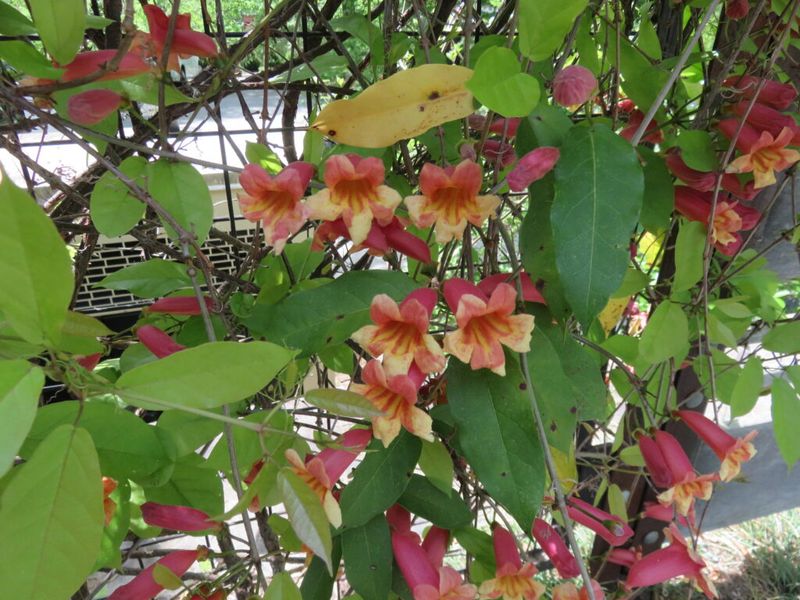
That chain-link fence catches your eye every single evening, and it is not doing anyone any favors. If you have been looking for a native plant that can actually make a dent in all that bare metal before the summer cookouts are over, crossvine might be the answer you did not know to ask for. It is a true North Carolina native, it climbs fast, and it brings real orange-red flowers that hummingbirds will visit starting in late winter. Just know going in that how much fence it covers in one season depends on a handful of real-world factors, and this article will walk you through every one of them.
Crossvine Offers A Promising Fence Fix
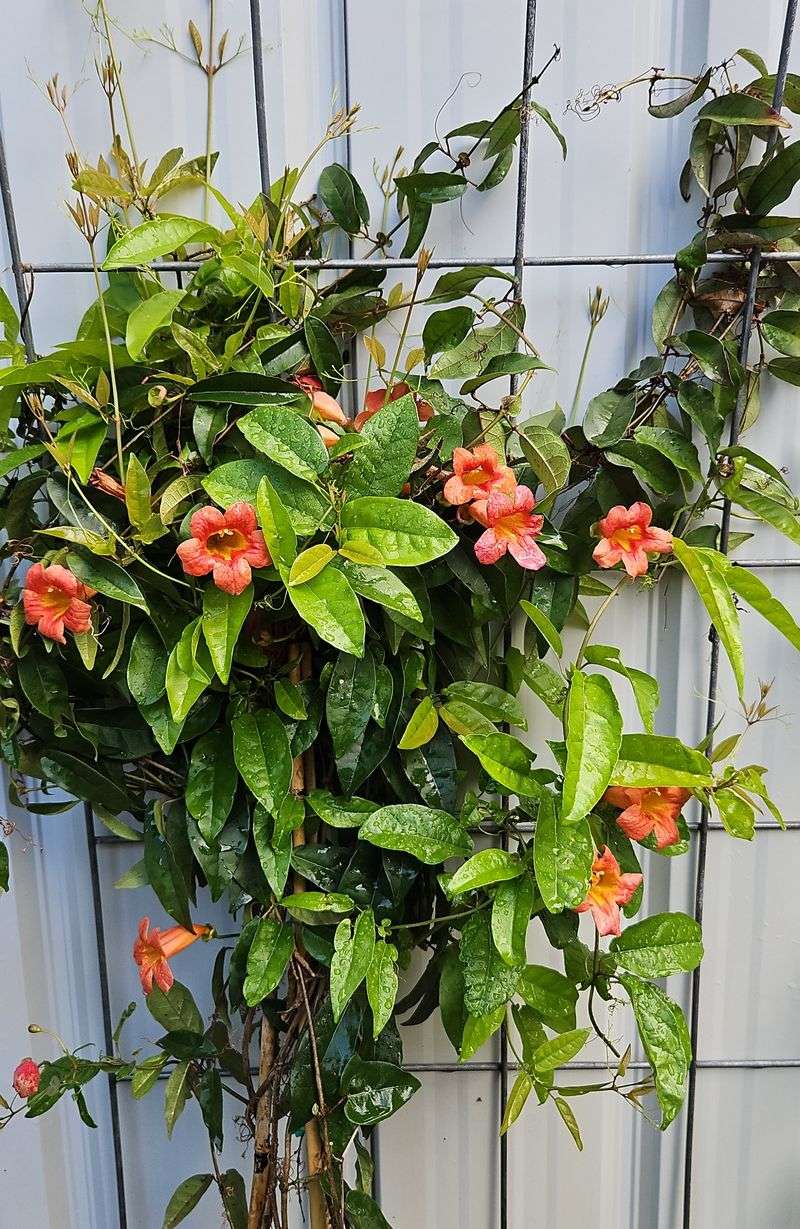
Pull up a chair and take a good look at that chain-link fence. The plant most likely to green it up fast, without bringing in something invasive or out of place, is crossvine, Bignonia capreolata, a woody perennial native to the southeastern United States, including every region of North Carolina from the Coastal Plain to the mountains.
NC State Extension’s plant database classifies crossvine as a rapid grower that can reach a mature height of roughly 30 to 50 feet, which is more than enough vine to work with on a standard backyard fence. The University of Georgia Cooperative Extension also calls it a good plant for quickly covering trellises and fences across the Southeast, which lines up well with what North Carolina homeowners are hoping to see.
Here is the honest part: authoritative sources back up the words “rapid” and “quick,” but none of them promise that one newly planted vine will swallow an entire fence before Labor Day. First-season results depend on the size of the plant you buy, the length of your fence, how much sun the spot gets, what the soil is like, and how well the roots establish during those first critical weeks.
Think of crossvine as a strong native candidate rather than a guaranteed solution. A large, well-rooted specimen planted in a sunny spot with decent soil in early spring has a genuinely good shot at impressive coverage by late summer. A small plant dropped into hard Piedmont clay in June, with no follow-up watering, will spend most of its energy just trying to survive. The variables are real, and knowing them puts you in control.
Its Tendrils Fit Chain Link
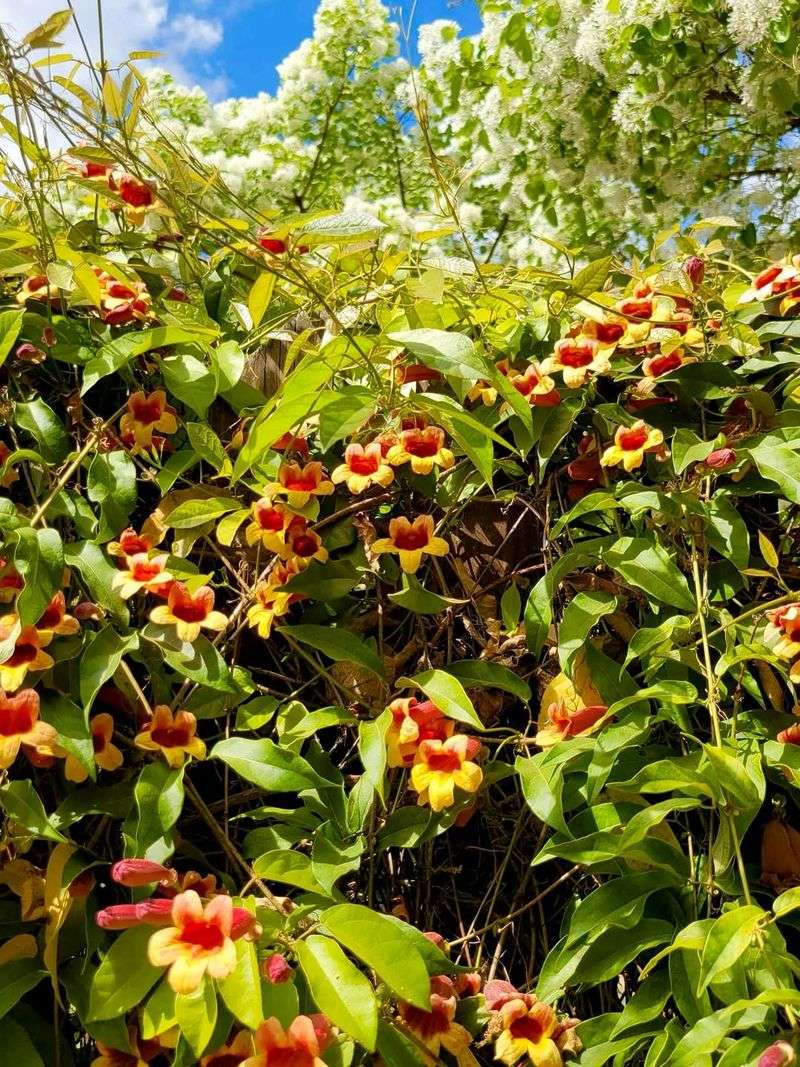
Walk up close to a crossvine and look at how it actually grabs onto things. Unlike a twining vine that wraps its whole stem around a post, crossvine grows branched tendrils that reach out and coil around whatever they touch, and at the tip of each tendril sits a small adhesive disk that sticks to the surface like a tiny suction cup.
That combination of wrap-and-stick is exactly what makes chain link a good match. The diamond-shaped openings in the mesh give the tendrils plenty of places to catch, and NC State’s cross-vine profile specifically lists fences and pine trees among the structures crossvine climbs in the wild. The vine is not just tolerating the fence; it is genuinely built for it.
Your North Carolina Garden Changes Every Week. Your Plan Should Too.
Gardening in North Carolina changes quickly throughout the season. Every Friday you’ll receive a simple weekly plan showing exactly what to plant, prune, fertilize, harvest, and protect so you never miss the right timing.
That said, a vigorous woody vine is only as secure as the structure it is climbing. Before you plant anything, walk the fence line and check every post. Lean on a few of them. If posts wobble, mesh sags, or the fence tilts noticeably, fix those problems first.
A mature crossvine can carry real weight and volume, and a weak fence will not hold up to years of that load.
Also think ahead about gates and access panels. A vine that covers a fence beautifully can also cover a latch you need to reach every week. Plan where the vine goes and where it does not, and leave clear zones around anything that requires regular access. A little planning now saves a lot of untangling later.
Light And Soil Set The Pace
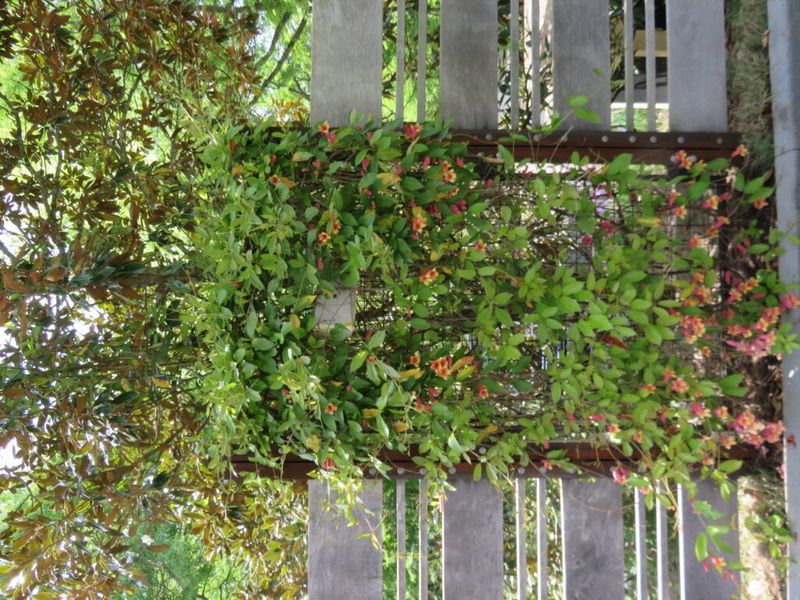
Sunlight is the single biggest lever you can pull when it comes to how fast crossvine grows. NC State lists it as tolerant of full sun, partial shade, and dappled shade, but more direct sun generally means more flowers and more aggressive growth. If your fence runs along the south or west side of the yard and gets six or more hours of direct light, you are working with the best possible setup.
A shadier fence on the north side of a house will still support crossvine, but expect slower coverage and fewer of those orange-red blooms. Many Piedmont gardeners are surprised to find that a vine they planted in a partly shaded spot behaves like a completely different plant compared to one growing in full afternoon sun just a few feet away.
Soil is the other half of the equation. NC State’s crossvine profile lists a preference for organically rich, well-drained soil, while also noting tolerance for sand and loam, occasional dryness, and occasional wet periods. That range covers a lot of North Carolina ground, from the sandy Coastal Plain to the heavier soils of the Piedmont foothills.
What crossvine does not love is compacted red clay with standing water after every rain, which describes more than a few suburban backyards across the Triangle and Triad. NC State’s native plants handbook recommends testing your soil and improving the entire planting area before you put anything in the ground. Favorable conditions improve your odds of fast cover, but they cannot manufacture a guarantee.
Build Roots Before Chasing Height
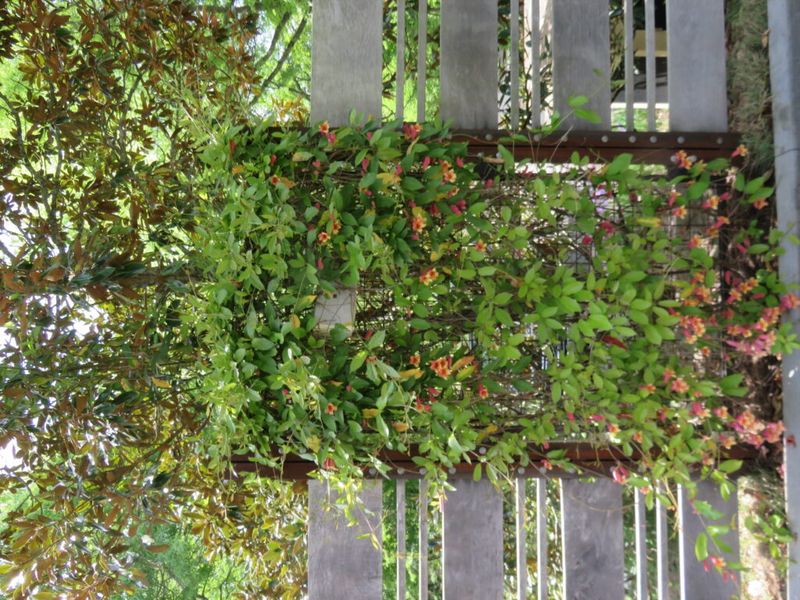
Spring and fall are the two best windows for planting woody vines in North Carolina. Fall planting lets roots settle into warm soil while cooler air reduces stress on the top growth, and spring planting gives the vine a full growing season to push upward. Either window works; what matters most is what happens in the first few weeks after the vine goes in the ground.
Set the plant at the same depth it was growing in the nursery container, not deeper. Planting too deep is one of the most common reasons young vines struggle, and it is completely avoidable. NC State’s native plants handbook advises improving compacted soil across the whole planting area rather than just filling the hole back in. Loosening a 3-foot-wide zone around the planting spot gives those first roots room to run without hitting a wall of hard clay 6 inches out.
Water thoroughly right after planting, and keep checking soil moisture until you can see the vine actively pushing new growth. The NC State woody ornamentals handbook is clear that watering needs vary by soil type and exposure, so tie your schedule to what the soil actually feels like rather than a fixed number of days. Sandy Coastal Plain soil dries out fast; Piedmont clay holds moisture longer but can also stay soggy after a storm.
Spread a 2- to 3-inch layer of mulch in a ring around the base, keeping it a few inches away from the stem itself. Mulch slows moisture loss, keeps the soil temperature steadier through North Carolina’s unpredictable early-season cold snaps, and cuts down on the weeds that would otherwise compete with a young vine for water and nutrients. Pull competing turf and weeds from the planting zone and keep that area clear through the first full growing season.
Guide New Growth Across The Fence
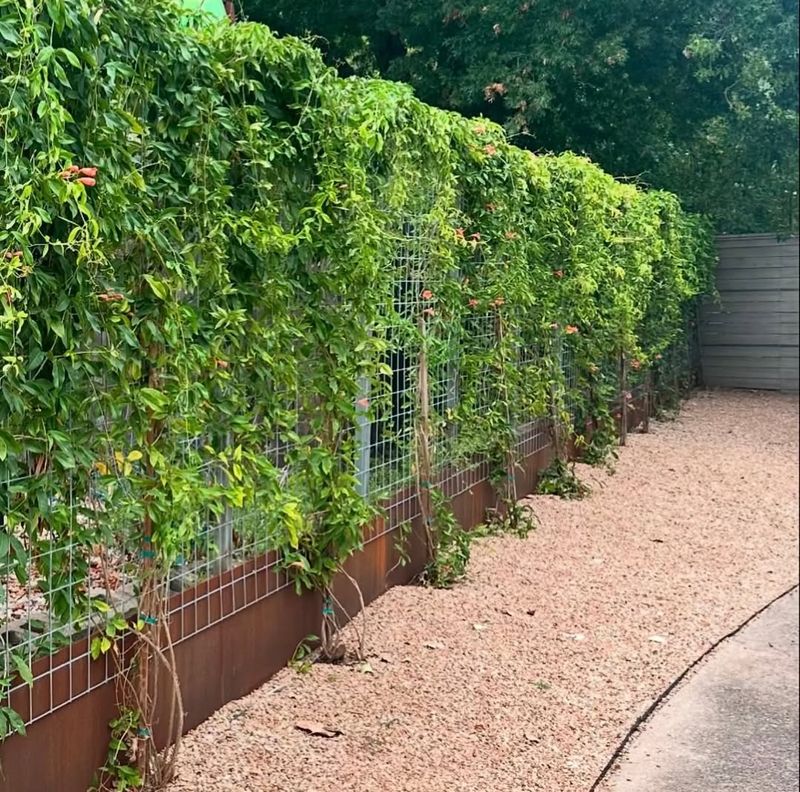
A newly planted crossvine does not automatically spread itself evenly across your fence. It sends out long shoots that will head wherever light and air pull them, which sometimes means straight up a single post instead of spreading sideways the way you were picturing. Getting ahead of that early means physically weaving young shoots through the chain-link openings every week or two while the stems are still flexible.
Think of the first growing season as training, not just waiting. NC State’s cross-vine page confirms that the vine climbs fences using its tendrils, but those tendrils still need something to grab. Tucking new growth into the mesh gives the adhesive disks a surface to latch onto and directs the vine where you actually want it to go.
A larger, well-rooted specimen from the nursery will generally make a faster visual impact than a small plant in a 4-inch pot, but even a big container plant spends a good portion of its first season building roots underground rather than racing across the fence above. That is not a flaw; it is how the plant sets itself up for years of strong growth afterward.
Keep gates, walkways, and any panel you need to open regularly completely clear of growth from the start. Crossvine does not know where your latch is. NC State’s native plants guidance supports monitoring young plantings regularly, and a fence vine rewards that attention more than most plants. A 10-foot section of chain-link and a 60-foot fence line require very different expectations from the same plant in the same first summer.
Expect Seasonal Change Across North Carolina
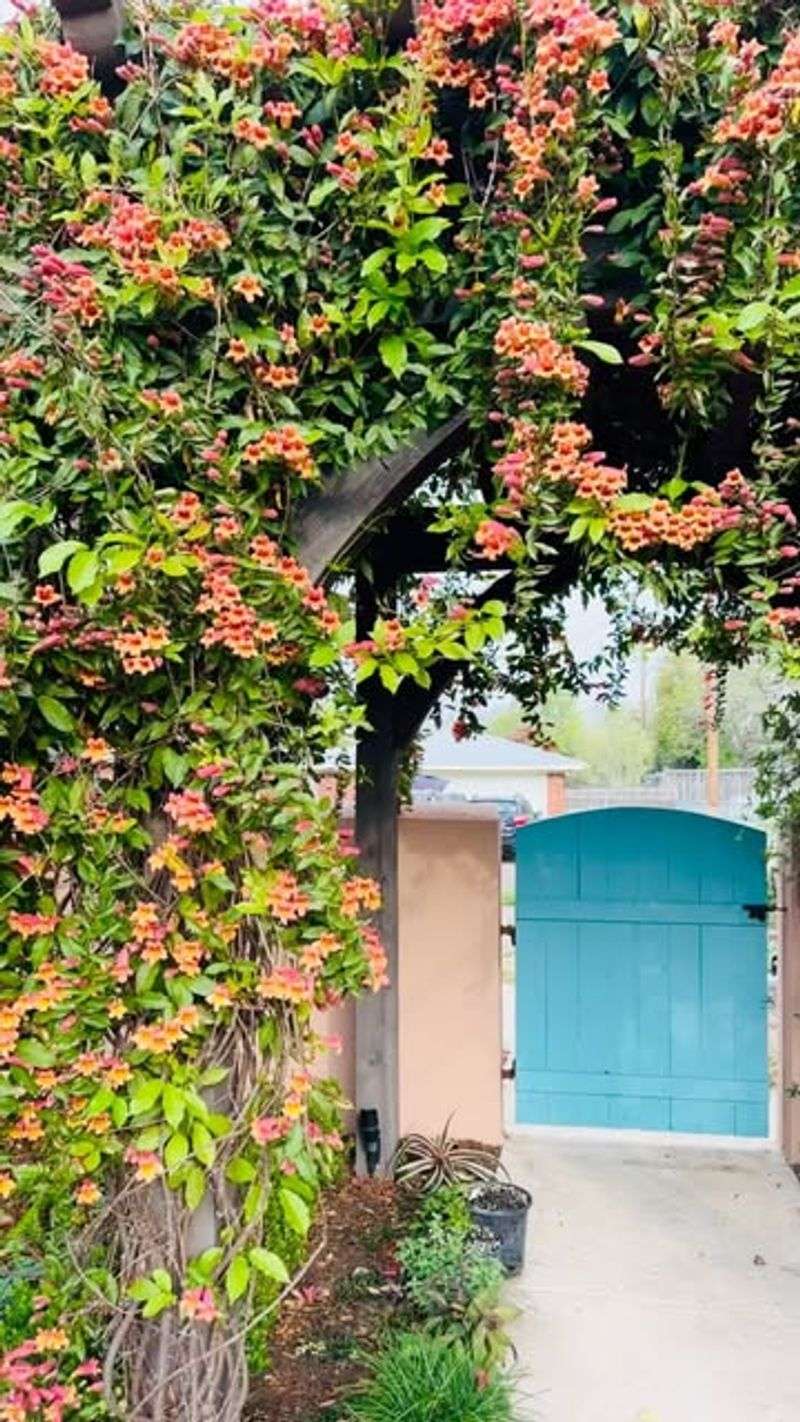
One of the things people genuinely appreciate about crossvine in the warmer parts of North Carolina is that it holds its leaves through most of the winter. Along the coast and in the lower Piedmont, where temperatures rarely drop hard for long, crossvine behaves as a semi-evergreen to fully evergreen vine, keeping that fence covered even in January.
Mountain gardeners should expect a different experience. NC State’s plant profile notes that severe winters can kill the top growth back to the ground, even when the roots come through just fine. In zone 6a areas near Boone or Blowing Rock, a bad cold snap can strip the vine down to bare stems by February. The roots survive and the vine regrows, but the fence goes bare again until spring warms the soil.
The flowers are worth the wait wherever you garden. Crossvine blooms in late winter to early spring, usually February through April depending on your location in the state. The trumpet-shaped flowers appear in clusters of two to five and range from yellow and orange to a deep reddish-orange. Hummingbirds notice them almost immediately, often showing up before the vine has fully leafed back out.
That early bloom is one of the traits that sets crossvine apart from plain green fence-cover options. You get the privacy and the softening effect during the growing season, plus a genuine wildlife moment in late winter when almost nothing else in the yard is doing anything interesting yet.
Fast Growth Still Requires Maintenance
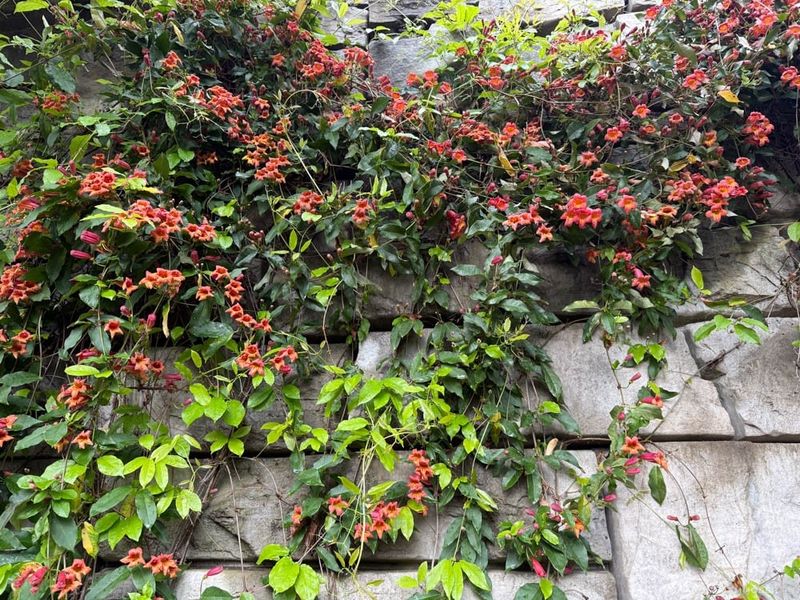
Plant it and forget it is a tempting idea, but crossvine does not quite work that way. The good news is that NC State reports no major insect pests and no serious disease problems, so you are not going to be spraying anything or dealing with a recurring pest battle. The maintenance that crossvine actually requires is about managing its enthusiasm rather than fighting something attacking it.
Root suckers are the main thing to stay on top of. NC State’s crossvine profile notes that the plant spreads through both seed and root suckers, and if you ignore them for a season, you can end up with young plants popping up several feet from the original vine. Pull suckers when they are small, while the ground is soft after rain. Waiting until they are woody makes the job much harder.
Pruning the main vine once or twice a year keeps it from blocking gates, overrunning neighboring plants, or climbing into places you did not intend. Light shaping right after the spring bloom preserves next year’s flower buds and keeps the plant tidy without setting it back. NC State’s native plants handbook advises against heavy fertilization as a way to push faster growth. Fertilizing without a soil test can create a flush of soft, weak growth that is more vulnerable to stress, and it does nothing to fix poor drainage or low light.
One safety point that should not get buried at the bottom: crossvine carries a high flammability rating in the NC State plant database, and NC State’s fire-resistant landscaping guidance for North Carolina addresses the importance of keeping high-flammability plants out of the defensible space immediately around a home. If you live in a fire-prone area of the Sandhills, the western Piedmont, or the mountains, keep crossvine on a fence that is set back from the house rather than running it directly against siding, eaves, or a wooden deck.
Choose The Vine That Fits Your Yard
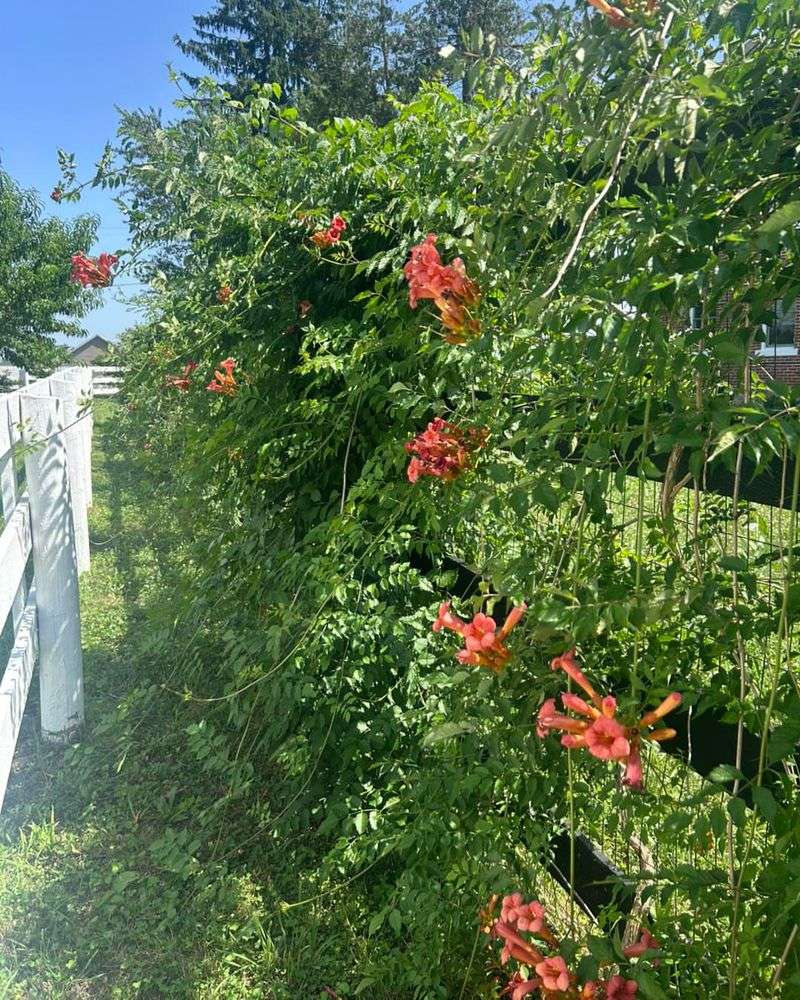
Before you head to the nursery, it helps to know what you are not buying. Three other vines come up constantly in conversations about fast fence cover in North Carolina, and each one is a different plant with a different story.
Native trumpet honeysuckle, Lonicera sempervirens, is a legitimate North Carolina native and a real option for a fence. NC State’s trumpet honeysuckle profile puts its mature height at roughly 10 to 20 feet, which makes it a better fit for a shorter fence or a yard where you want something easier to contain. It is hummingbird-friendly and well-behaved, just not quite the rapid large-scale cover that crossvine offers.
Japanese honeysuckle, Lonicera japonica, is a different plant entirely. NC State’s Lonicera genus page identifies Japanese honeysuckle as invasive in North Carolina. Do not plant it, and do not let a nursery sell you one as a native alternative.
Trumpet vine, Campsis radicans, is actually a North Carolina native, but NC State’s trumpet vine profile warns that it can sucker profusely, self-seed heavily, and form colonies that are genuinely difficult to remove. It is not the same plant as crossvine, and its management demands are considerably higher.
Crossvine earns the recommendation when your fence is structurally sound, the site gets at least a few hours of sun, the soil drains reasonably well, and you are ready to guide and prune a large woody vine over the long term. Go in with realistic first-season expectations, give the roots time to settle, and crossvine will very likely reward that patience with years of genuine, living fence cover. The chain-link is still out there, but by midsummer it will be a lot harder to see.