Why North Carolina Gardeners Are Using Ollas For Deeper More Efficient Watering
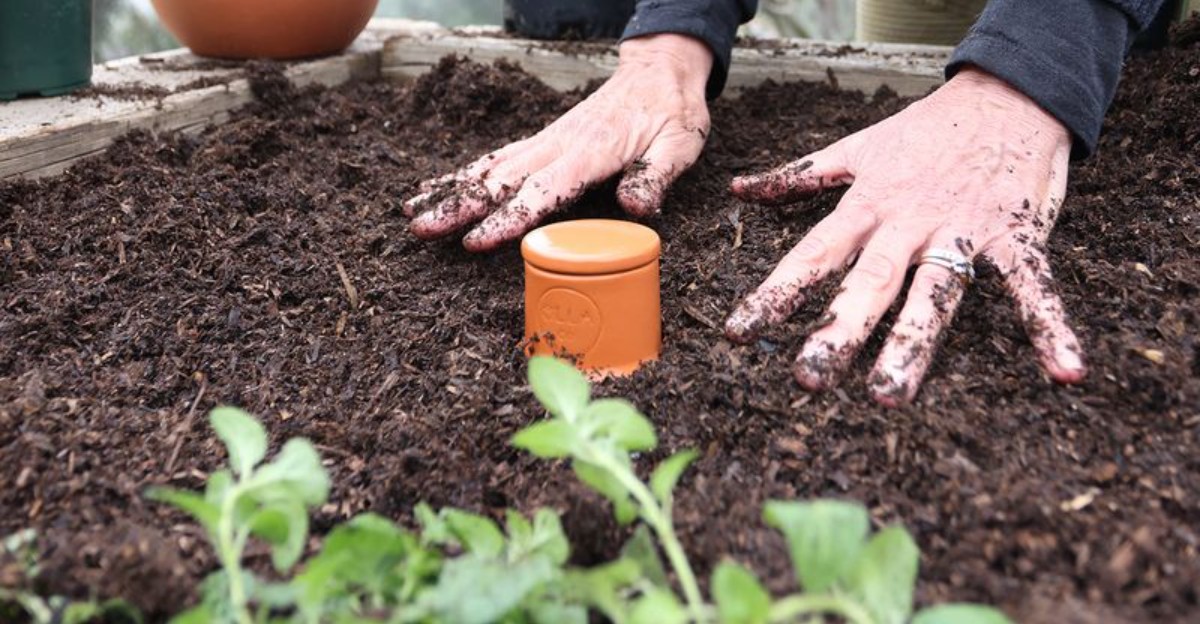
Ollas are an old watering method gaining fresh attention among North Carolina gardeners looking for a more efficient way to keep plants hydrated.
These unglazed clay pots are buried in the soil and filled with water, which then seeps out slowly through the porous walls directly to plant roots below the surface.
This slow, steady release is different from surface watering, which often loses moisture to evaporation before it ever reaches the root zone.
By delivering water underground, ollas help plants develop deeper root systems and reduce the frequency of watering needed, especially during hot, dry stretches common in North Carolina summers.
For gardeners tired of watching water run off or evaporate before doing much good, this method offers a simple, low-tech solution. Here’s why more North Carolina gardeners are turning to ollas for deeper, more effective watering in their gardens.
1. Water Moves Out Near The Roots
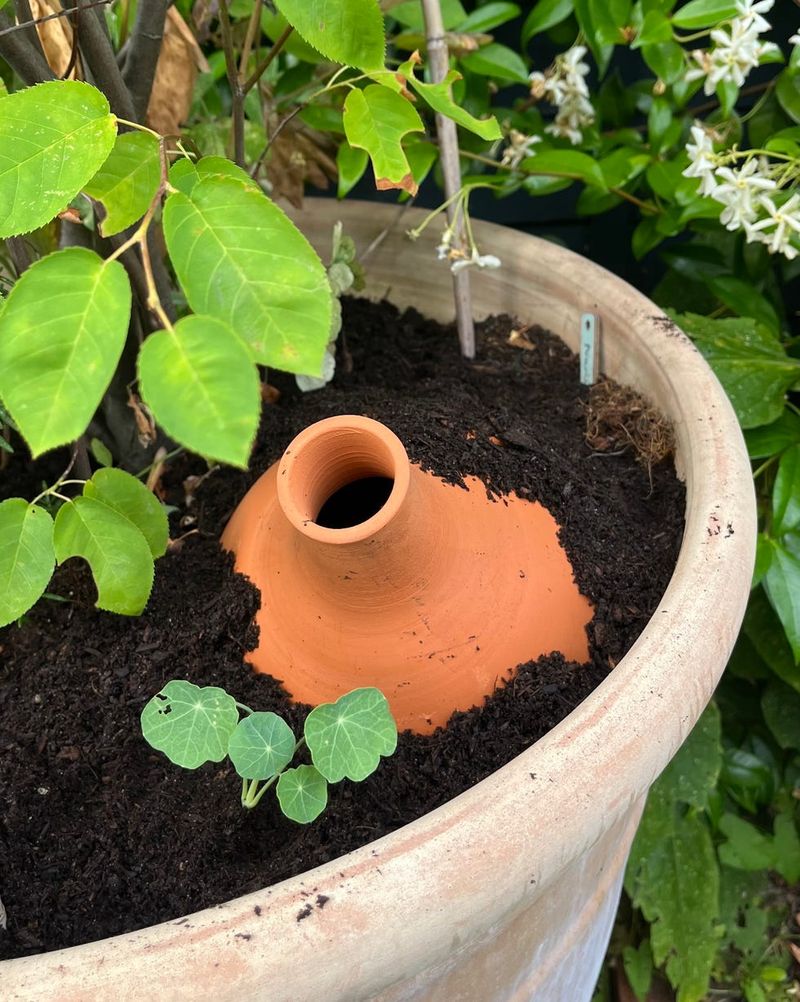
Picture a clay pot sitting quietly under the soil, doing its job without any noise or fuss. That is exactly how an olla works. The pot is made from unglazed terracotta, which has tiny holes all through its walls.
Water inside the olla slowly passes through those tiny openings and into the soil around it. The best part is that this only happens when the soil nearby starts to dry out. When the ground is damp, the clay holds the water in.
Plant roots are smart, and they grow toward moisture. Over time, roots wrap gently around the buried pot, drinking exactly what they need.
This keeps water focused in the root zone instead of spreading it all over the surface where plants cannot reach it.
North Carolina soil can shift between soggy clay and dry sand depending on where you live. An olla adjusts to both because the soil itself controls how fast the water leaves the pot. Dry soil pulls harder, so more water moves out during hot spells.
Because the moisture stays close to the roots, less water gets wasted. Your plants stay happier, and you use far less from the hose. Many gardeners notice stronger, deeper roots within just a few weeks of burying their first olla.
It feels almost magical, but it is really just clay, water, and thirsty roots working together the way nature intended.
2. They Reduce Surface Watering
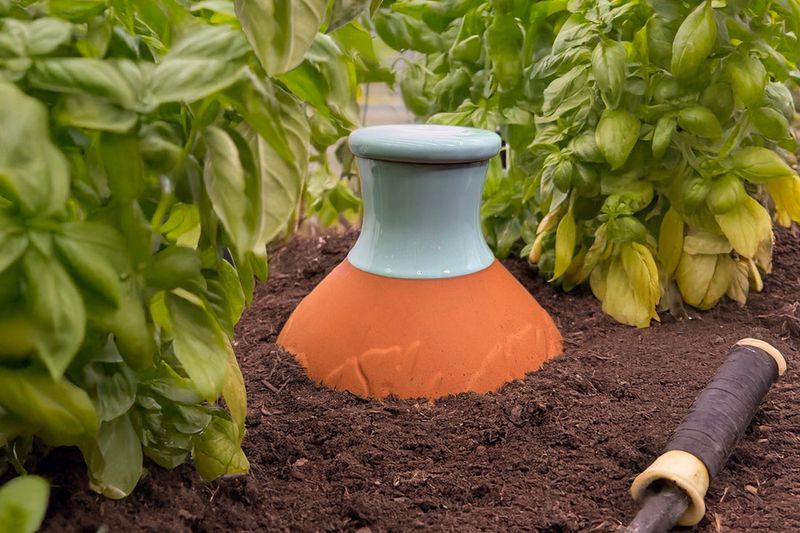
Ever notice how quickly a puddle vanishes on a hot afternoon? That is the sun and wind stealing your water before plants can use it. Surface watering loses a big chunk of moisture this way.
Ollas skip that problem completely. Since the water sits inside a buried pot, it never touches the open air until it soaks into the soil below. The sun simply cannot reach it.
When you spray the top of the ground with a hose, much of that water evaporates or runs off before it sinks down. You end up watering again and again, which wastes both time and gallons. An olla keeps the water hidden and protected.
North Carolina summers bring plenty of heat and breezy afternoons, both of which dry out soil fast. By keeping water underground, ollas hold onto moisture that would otherwise disappear into the air.
Your North Carolina Garden Changes Every Week. Your Plan Should Too.
Gardening in North Carolina changes quickly throughout the season. Every Friday you’ll receive a simple weekly plan showing exactly what to plant, prune, fertilize, harvest, and protect so you never miss the right timing.
There is another bonus here too. A dry soil surface means fewer weeds sprouting, because weed seeds on top need moisture to grow. With ollas, that top layer stays crumbly and dry while the roots below stay refreshed.
You also cut down on fungus and mold that love wet leaves and soggy surfaces. Keeping foliage dry helps your plants stay healthier through humid stretches.
Less evaporation, fewer weeds, and cleaner leaves all add up to a smarter way to water. Once gardeners see how much they save, they rarely go back to soaking the top of the bed.
3. They Can Help During Hot Dry Periods
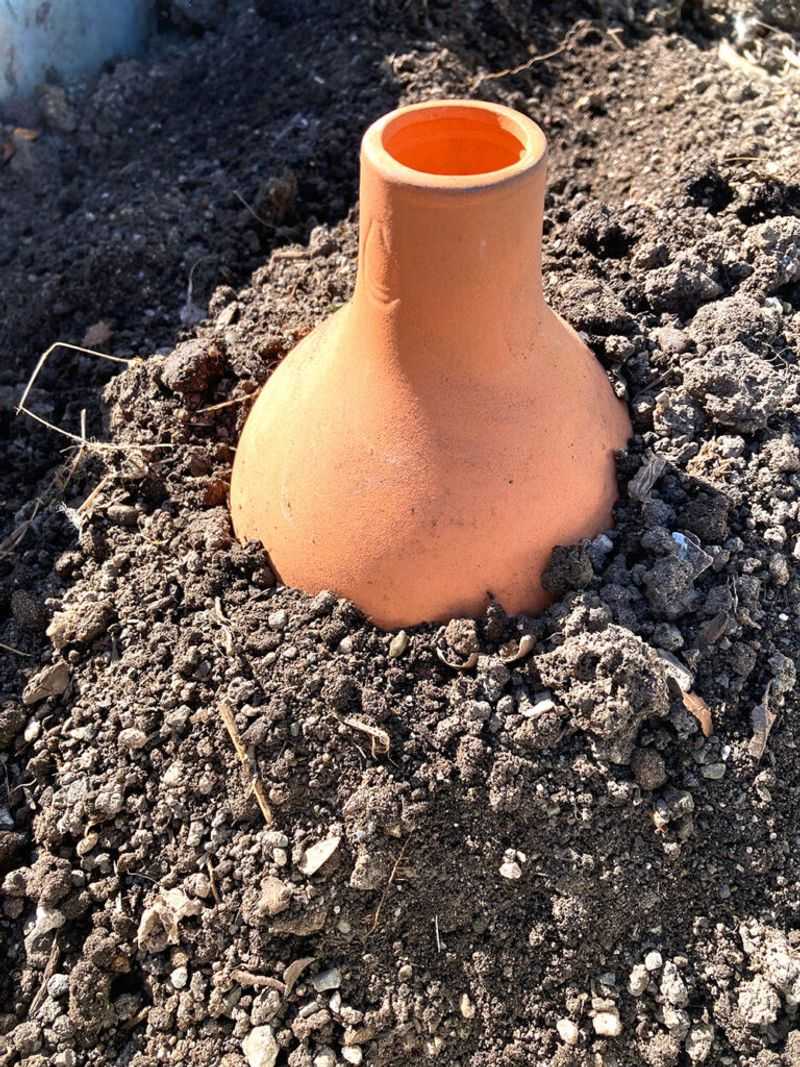
Summer in North Carolina can turn brutal in a hurry. One week your garden is green and lively, and the next the soil is cracking under a blazing sky. Ollas give plants a steady drink during these tough stretches.
Because the pot releases water slowly and all day long, your plants get a calm, even supply of moisture. There are no dry gaps between watering sessions like you get with a hose or sprinkler.
This matters most when temperatures climb and the ground dries faster than usual. The drier the soil gets, the more water the olla lets out, almost like it senses the plants are thirsty.
That said, an olla is a helper, not a miracle worker. You still need to check on your garden during a heat wave. Peek at the soil, feel it with your fingers, and lift the lid to see how much water is left inside.
During the hottest days, a busy olla might empty out in a single day. Refilling it in the morning gives plants a full tank to sip from through the afternoon.
Some gardeners pair ollas with a light layer of mulch to hold moisture even longer. The two work beautifully together during dry spells.
Keeping an eye on your beds is still part of the deal. But with an olla quietly working underground, your plants have a much better shot at staying strong when the North Carolina heat refuses to let up.
4. They Encourage Deeper Moisture
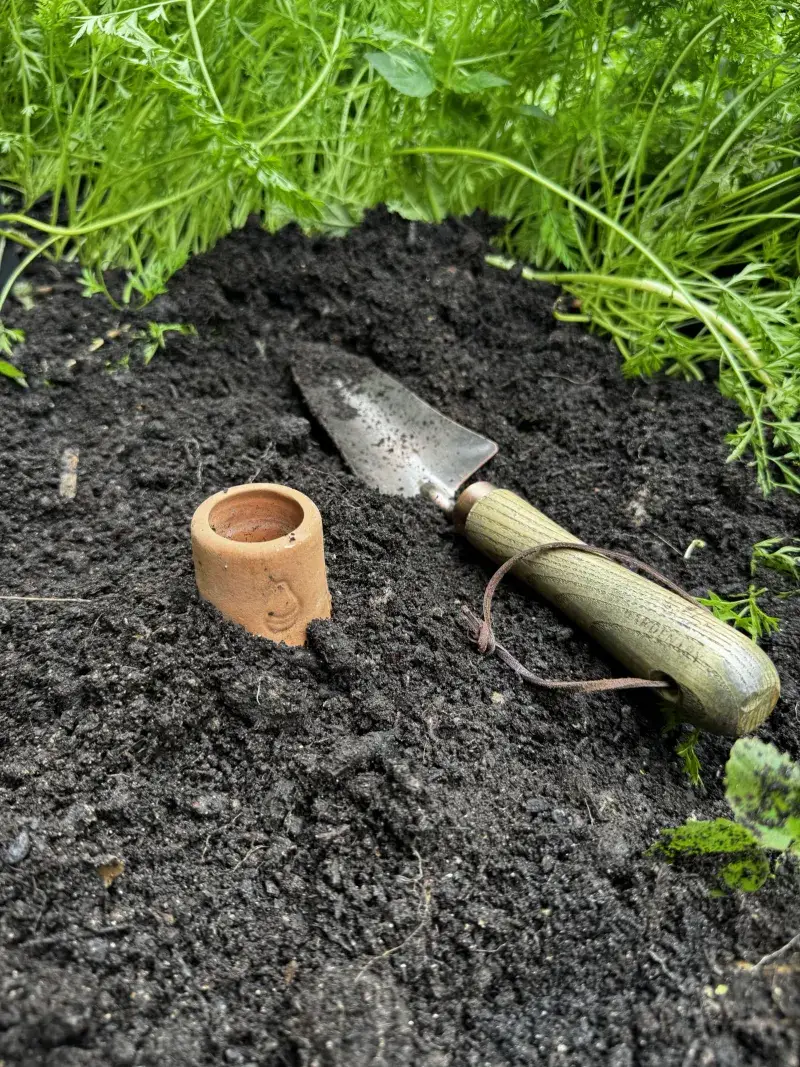
Shallow watering trains plants to be lazy. When you only wet the top inch of soil, roots stay near the surface where they dry out quickly and struggle during heat.
Ollas flip that habit around. Since the pot sits several inches below the surface, it delivers water right into the deeper part of the root zone. Roots follow that moisture downward.
Deeper roots are tougher roots. They reach cooler, damper soil that does not swing wildly between wet and dry, which helps plants handle stress far better.
Think about how a quick sprinkle from the hose usually soaks only the very top. The water rarely travels deep enough to reach the roots that really keep a plant steady. An olla places the water where it counts.
North Carolina gardens often sit on heavy clay that resists soaking from above. Water tends to run off or pool instead of sinking in. Because the olla sits inside the soil, it feeds moisture directly into that clay from the middle out.
Over time, plants with deeper roots need less frequent watering. They become steadier and more able to weather a dry afternoon without wilting the moment the sun peaks.
Stronger roots also mean stronger plants overall, with better fruit, leaves, and blooms. You are building a healthier garden from the ground up, literally.
By encouraging roots to dig down instead of hugging the surface, ollas set your plants up for long-term success season after season.
5. They Work Especially Well In Small Gardens
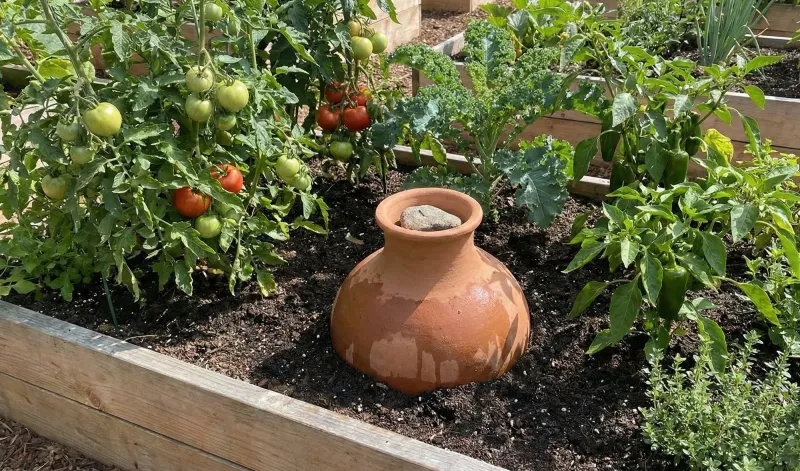
Not every gardener has acres to work with, and that is perfectly fine. Ollas shine brightest in small spaces where plants grow close together and share the same pocket of soil.
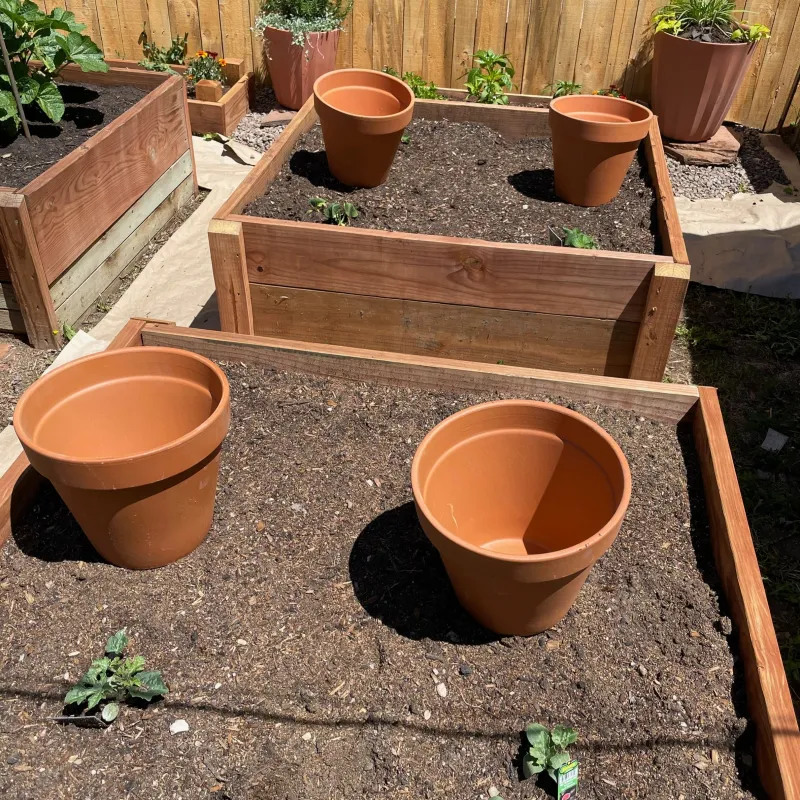
In a raised bed or a cozy vegetable patch, one buried pot can quietly water everything within reach of its moisture zone. That circle of dampness usually stretches out about as wide as the pot is tall.
Because the plants are packed in tightly, their roots all tap into the same wet ring around the olla. This makes each pot incredibly efficient in a compact garden.
Raised beds are especially common in North Carolina backyards, and they tend to dry out faster than ground-level plots. An olla helps solve that by keeping steady moisture right in the middle of the action.
You do not need many pots either. A small bed might only need one or two ollas to keep leafy greens, peppers, herbs, and tomatoes content all season long.
Container gardens and patio setups can use smaller ollas too, giving apartment gardeners the same benefits on a tiny scale. Even a single big pot on a balcony can hold one.
Placing plants in a circle around the olla helps everyone get a fair share. Think of the pot as the center of a little watering wheel.
For anyone gardening in a snug space, ollas offer a simple, low-cost way to keep every plant thriving without dragging the hose out daily.
6. They Can Reduce Watering Trips
Dragging the hose out every single evening gets old fast. Ollas offer a break from that endless chore by holding a supply of water and letting it out little by little.
A properly sized pot can keep plants watered for several days at a stretch. Instead of soaking the soil daily, you might only refill the olla once or twice a week.
That slow release is the secret. The clay hands out water gradually as the soil dries, so a single fill lasts far longer than a quick surface soak ever could.
For busy folks, this is a huge relief. If you travel, work long hours, or simply forget sometimes, an olla keeps your garden steady while you are away.
The size of the pot matters here. A bigger olla holds more water and stretches longer between fills, while a small one may need topping off more often, especially in the heat.
During North Carolina’s cooler, wetter weeks, you might barely touch it at all. The soil stays moist, so the pot slows way down on its own.
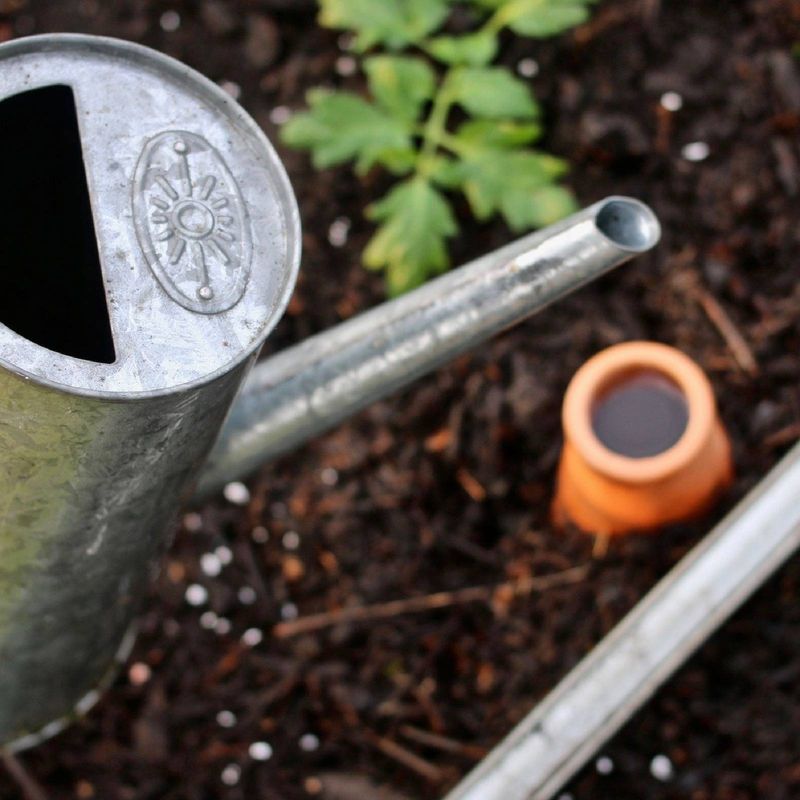
Refilling is easy too. Just pop the lid, pour water in from a can or hose, and cover it back up. The whole thing takes only a few seconds.
Fewer watering trips means more time to actually enjoy your garden instead of babysitting it. That freedom is a big reason so many gardeners fall in love with ollas and never look back.
7. They Still Need To Be Managed Carefully
As handy as ollas are, they are not a set-it-and-forget-it gadget. A little care keeps them working the way you want all season long.
The most important habit is refilling. An empty olla waters nothing, so checking the water level often is key, especially when temperatures spike and plants drink more.
Feeling the soil around the pot tells you a lot. If the ground nearby seems dry even with a full olla, some plants may sit too far from the moisture zone and need extra help.
Ollas are made of clay, which means they can crack if bumped hard or if freezing weather sneaks up. Many North Carolina gardeners lift their pots out before winter frost settles in to protect them.
Keeping a lid or cover on top matters too. It stops dirt, bugs, and mosquitoes from getting inside and keeps the water clean for your plants.
Do not assume one pot can handle a giant bed or every thirsty plant during a scorching heat wave. Large or water-hungry plants might still need a hand from the hose now and then.
Placement makes a difference as well. Burying the olla too shallow or too deep can throw off how the water spreads to nearby roots.
With a quick weekly check and a refill or two, an olla rewards you with healthier plants and less work. A small bit of attention goes a long way toward keeping your garden happy and your watering routine simple.