North Carolina Perennials You Plant Once And Never Have To Replace Again
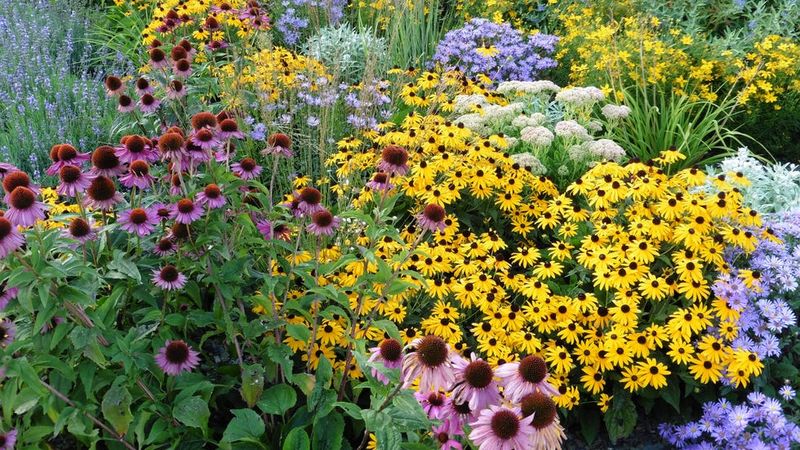
You water, you weed, you replant every spring, and by August half the bed looks tired anyway. There is a better way, and your grandmother probably knew it. North Carolina has a short list of tough perennials you tuck into the ground one time, then mostly leave alone for years. They come back on their own, they feed the bees and the fall monarchs, and they shrug off our muggy summers and surprise cold snaps.
Plant these once, and you buy yourself weekends back.
1. Purple Coneflower Handles Red Clay Without Complaint
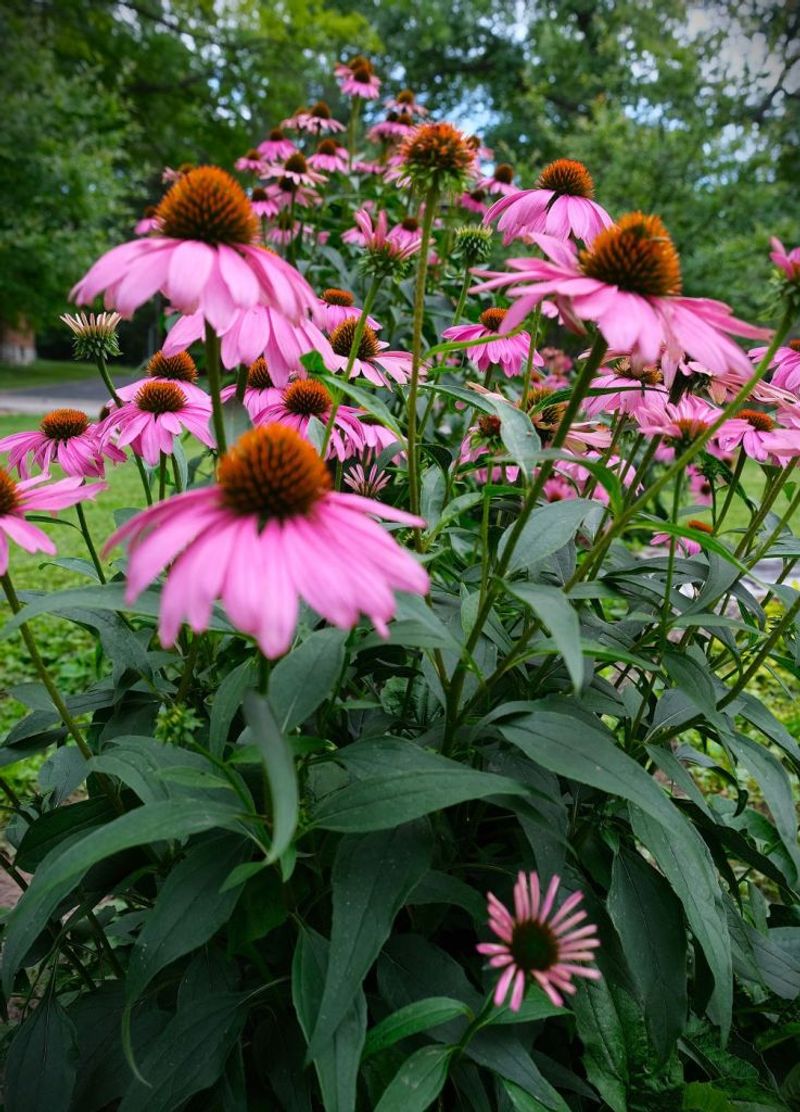
Picture the driest corner of your yard in late July, the spot where the hose never quite reaches. Most flowers give up there. Purple coneflower (Echinacea purpurea) digs in and blooms anyway.
Here is the turn. Its roots drive deep into Piedmont red clay, so once it settles in after the first season, it finds its own water during those August dry spells between storms. Native to our region, it did not read the memo about needing pampering.
Plant it in full sun, meaning at least 6 hours a day, and space the crowns about 18 inches apart. Fall or early spring works, roughly 6 weeks before your first hard frost so roots can grip. Do not baby it with rich soil. Lean clay actually keeps the stems sturdy.
Then leave the seed heads standing through winter. Goldfinches cling to them on cold mornings, and the spent stalks shelter beneficial insects. NC State Extension lists coneflower among the reliable natives for pollinator plantings across the state.
Come the second summer, one plant becomes a small colony, and butterflies treat it like a diner. You did the work once. The coneflower handles the rest, year after year, while you sip coffee on the porch and watch the bees clock in.
2. Black-Eyed Susan Fills Gaps Faster Than Weeds
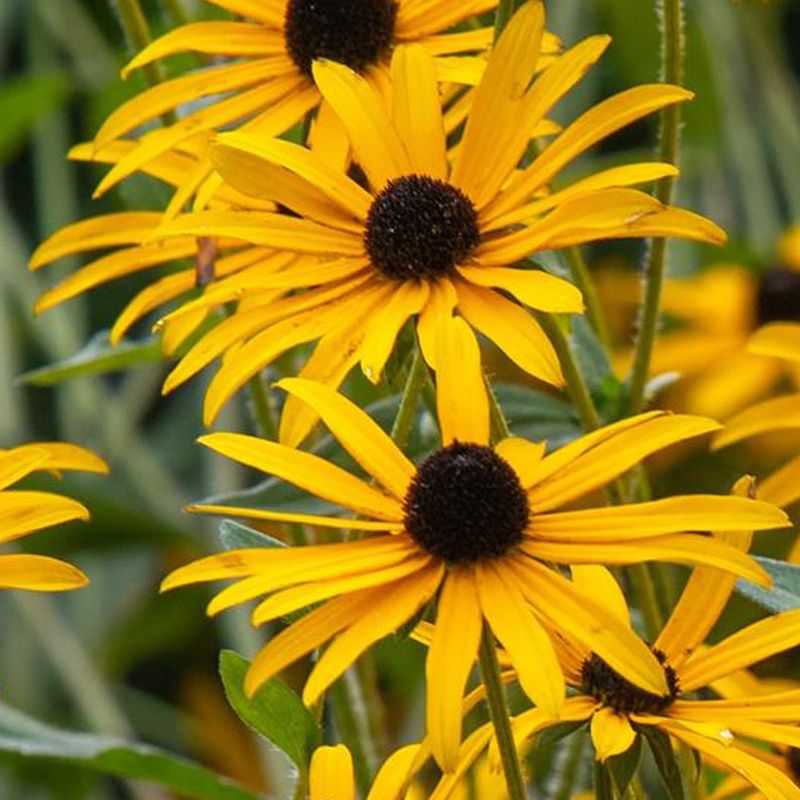
You clear a patch of bare ground in the Coastal Plain, and within weeks the weeds move in like uninvited cousins. Plant black-eyed Susan (Rudbeckia hirta) there instead, and it beats the weeds to the punch.
What surprises people is how it spreads. The golden daisies drop seed all summer, so a few plants quietly fill an entire border in two or three seasons. That habit means fewer bare spots for crabgrass to grab.
Give it full sun and average soil, even sandy ground. Space starter plants about 12 to 18 inches apart, then step back. It tolerates our humid heat and the occasional soggy stretch after a hurricane blows through between June and November.
The bloom runs from June clear into October, longer than almost anything else in the bed. Bees and small butterflies work it daily, and by fall the dark seed heads feed the finches.
Cut it back after frost if you like tidy, or leave the stalks for wildlife. Either way, it returns thicker next spring. And here is the quiet payoff. You planted flowers to crowd out weeds, and the flowers actually won.
3. Daylilies Survive Neglect That Kills Everything Else
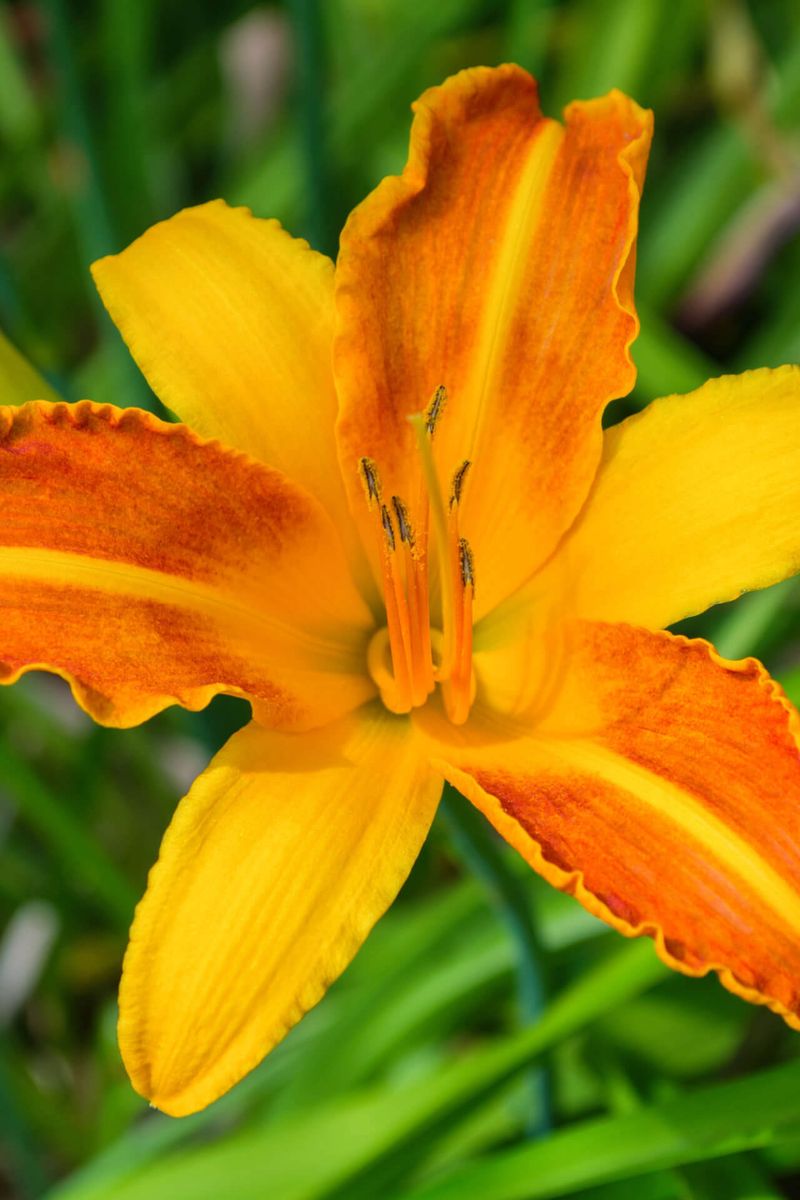
Drive any back road in North Carolina in June and you will spot orange daylilies blooming beside an abandoned homeplace. Nobody has watered them in decades. They keep going.
Your North Carolina Garden Changes Every Week. Your Plan Should Too.
Gardening in North Carolina changes quickly throughout the season. Every Friday you’ll receive a simple weekly plan showing exactly what to plant, prune, fertilize, harvest, and protect so you never miss the right timing.
Daylily (Hemerocallis) earned the nickname of the perfect perennial for a reason. The thick, fleshy roots store water, so it laughs at drought, ignores poor soil, and comes back from a cold snap that flattens softer plants.
Set the crowns so the point where roots meet leaves sits about an inch below the surface, and space them 18 to 24 inches apart. Full sun gives the most blooms, but they take part shade too. Plant spring or fall.
Every few years, when a clump gets crowded and blooms thin out, dig it up and split it with a sharp spade. One clump becomes four free plants. That is the only real chore, and it is optional.
They are not native, so they will not feed pollinators the way milkweed does, and that is worth being honest about. But for a bulletproof edge along a driveway or mailbox, few things ask so little. Plant them once and they may outlive the mailbox.
4. Milkweed Turns Your Yard Into A Monarch Stop
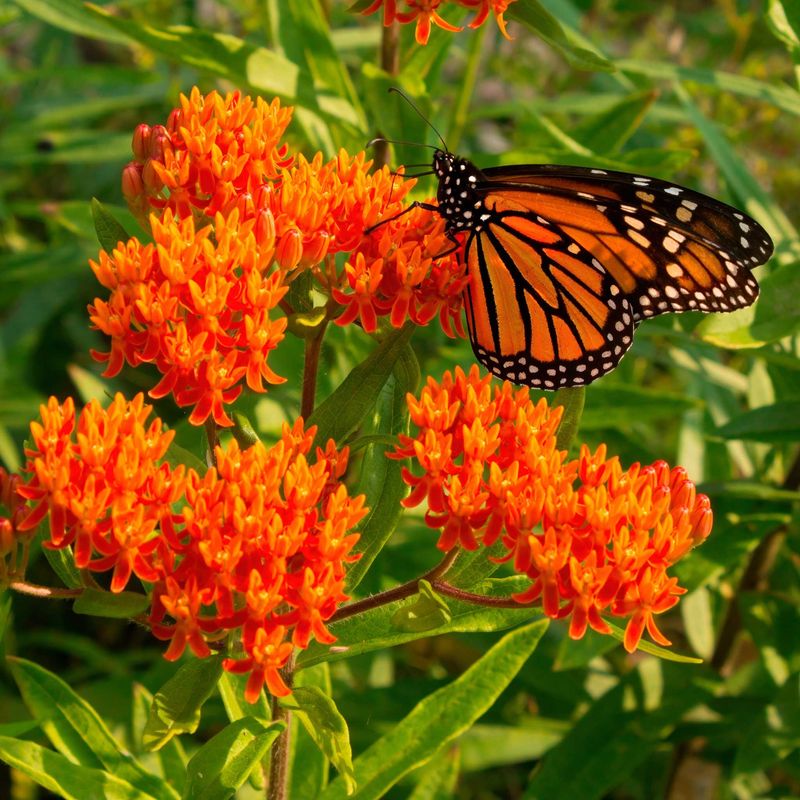
Late September in the Piedmont, and a flurry of orange wings drifts through, monarchs heading south to Mexico. They are hunting for one thing, and if you planted it, they will land in your yard.
Butterfly milkweed (Asclepias tuberosa) is the only plant monarch caterpillars can eat. No milkweed, no monarchs. It is genuinely that simple, and that important.
The clumping orange kind suits our clay best. Plant it in full sun in well-drained ground, space plants about 18 inches apart, and pick a permanent spot because the taproot goes deep and resents being moved. Fall planting lets it establish before summer.
Do not fuss over it. Milkweed actually prefers lean, dry soil, so skip the fertilizer and easy on the water once it is rooted. Too much kindness rots the crown.
You will see aphids some years. Blast them with a hose rather than spray, since pesticides kill the very caterpillars you want. NC State Extension recommends native milkweed species for supporting monarch populations.
The kicker comes the first time you spot a striped caterpillar chewing a leaf. You did not just plant a flower. You built a rest stop on a 2,000-mile journey, right there by the fence.
5. Joe Pye Weed Anchors The Wet Spot You Hate
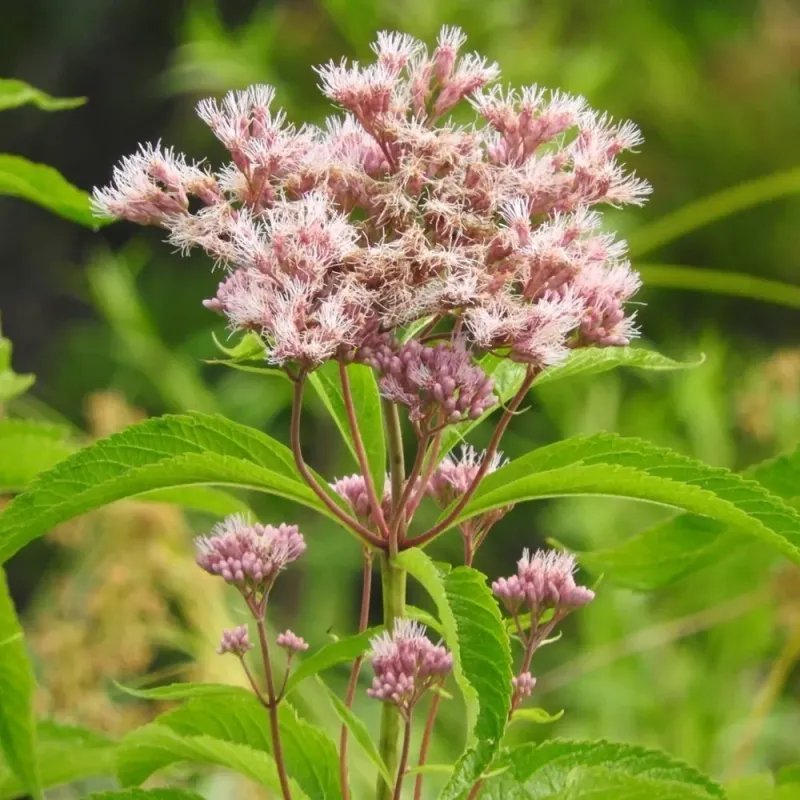
Every yard has that low corner that stays soggy after a storm, the patch where grass sulks and mosquitoes gather. Instead of fighting it, hand it over to Joe Pye weed (Eutrochium purpureum).
Most flowers drown in wet feet. This tall native drinks it up, rising 5 to 7 feet with dusty-mauve flower clusters that swarm with butterflies in late summer. It turns a problem spot into the best show in the yard.
Plant it in full sun to part shade in that moist ground, and give it room, about 3 feet between plants, because it fills out fast. Once established, it needs no watering and no staking in a sheltered spot.
Here is where it gets tricky. In a dry, exposed bed it will flop and sulk, so match it to the damp mountain or Piedmont low ground it loves. Right plant, right place, and you never touch it again.
Butterflies mob the blooms, and swallowtails especially work it on warm afternoons. Cut the stalks in late winter, leaving them standing through the cold to shelter overwintering insects.
That eyesore corner becomes the spot friends ask about. You solved drainage with a flower.
6. Bearded Iris Returns Every Spring On Its Own
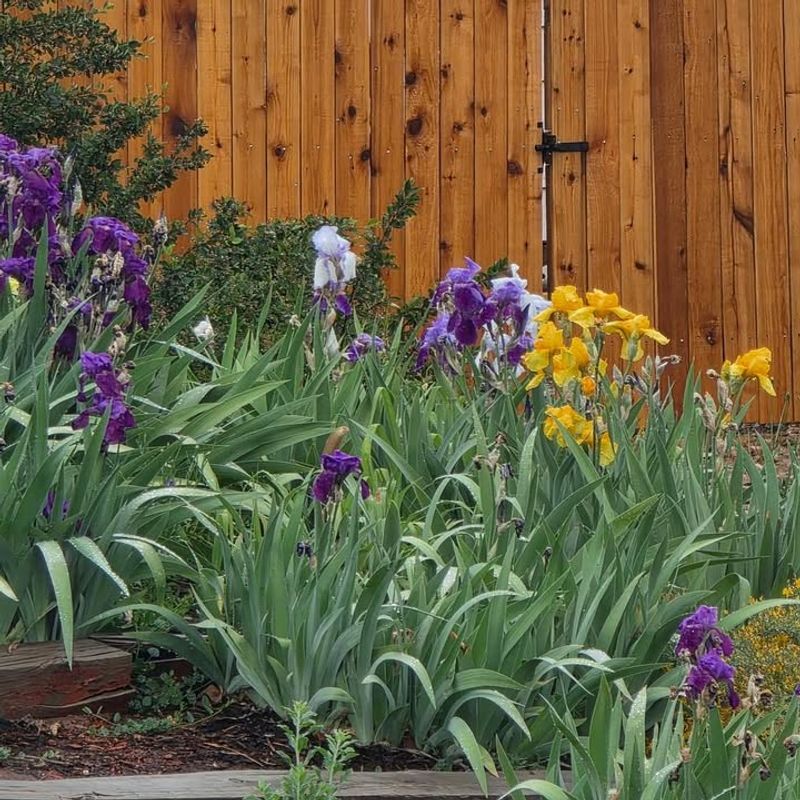
Grandmother’s iris. Somebody in your family grew them, and odds are the same clump still blooms at the old house, untouched for 40 years.
Bearded iris (Iris germanica) grows from a fat rhizome that sits right at the soil surface, storing everything it needs to return each April. Neglect suits it fine. In fact, too much water and mulch rot the rhizome, so the lazy gardener wins here.
Plant the rhizomes in summer, roughly July through September, with the top just barely exposed to the sun and spaced about 12 to 18 inches apart. Full sun and good drainage are the whole secret. Our clay works if the spot does not stay wet.
Every 3 to 4 years the clump gets crowded and blooms drop off. Dig it, snap the rhizomes apart, replant a few, and give the rest to neighbors. That sharing is half the fun.
They are not big pollinator plants, but early bees do visit, and the blooms open before much else wakes up. That first fat purple flower against a gray Piedmont March feels like a promise kept. You planted it once, maybe before the kids were born, and it just keeps showing up.
7. Hostas Turn Deep Shade Into Something Beautiful
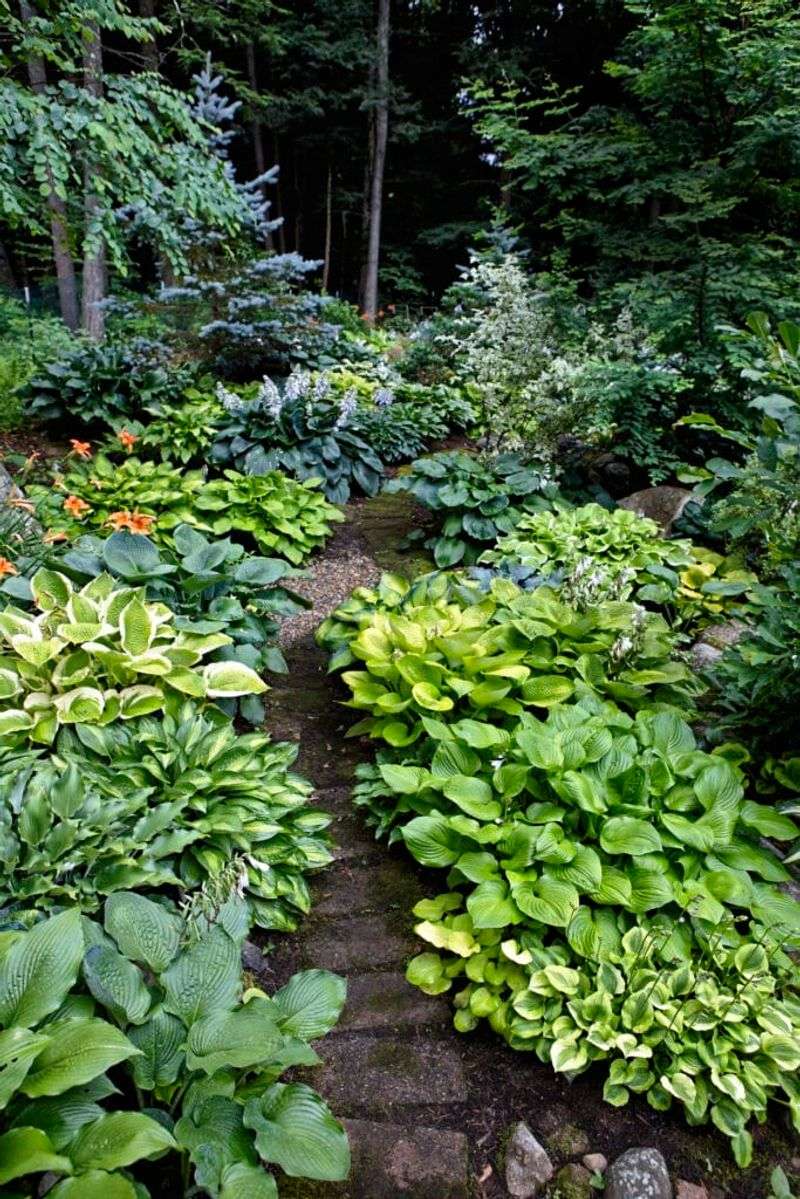
The north side of the house, under the big oak, where nothing will grow and the grass gave up years ago. Sun-loving flowers starve there. Hostas throw a party.
Hosta cultivars thrive in the exact low-light spots that defeat everything else, unfurling broad leaves in green, blue, and cream. For NC yards buried in shade from mature hardwoods, they are the answer.
Plant them in spring or early fall, space the crowns 18 to 30 inches apart depending on the variety, and mix compost into that hungry root-filled soil. They want steady moisture, so the shady, cooler ground helps them out.
Now the honest part. Deer treat hostas like a salad bar, and in rural and mountain areas that is a real fight. A repellent spray or a fenced spot helps, but it is one layer, not a cure.
Slugs also nibble after wet spells, and our summer storms bring plenty. A little diatomaceous earth or hand-picking on damp evenings keeps them in check.
Left alone in a protected bed, one hosta becomes a lush mound that returns bigger each year. You turned the yard’s dead zone into its calmest, greenest corner, and you did it with a plant that asks for shade you already have.
8. Goldenrod Feeds The Bees When Nothing Else Does
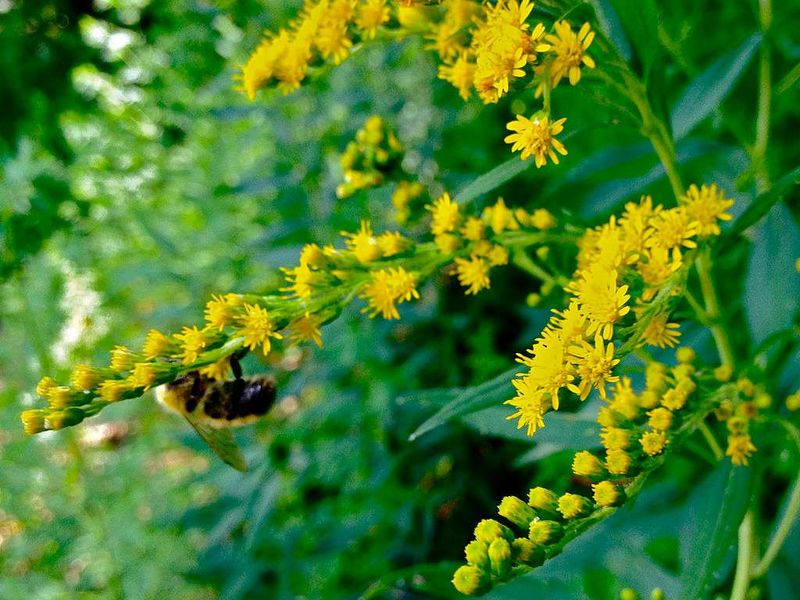
People blame goldenrod for their fall sneezing, and that is a genuine case of mistaken identity. The real culprit is ragweed blooming at the same time. Goldenrod’s pollen is heavy and sticky, carried by bees, not wind.
Goldenrod (Solidago) matters because it blooms in September and October, the lean season when almost nothing else offers food. Late bees, migrating butterflies, and countless beneficial insects depend on that last big meal before winter.
Plant it in full sun in average or even poor soil, space clumps about 18 to 24 inches apart, and choose a clumping variety like showy goldenrod if you want it to behave. Some wild types run, so pick your kind on purpose.
It needs no watering once rooted and shrugs off heat, drought, and clay across the Piedmont and Sandhills. Cut it back in late winter and it returns thicker.
Pair it with purple asters and you get a gold-and-lavender show that lights up the yard as the season fades. NC State Extension recognizes native goldenrods as valuable late-season pollinator plants.
Watching a plant hum with life in October, long after the summer flowers quit, is a small, real reward. You gave the bees a going-away party, and they show up every year.
9. Sedum Barely Needs You To Notice It
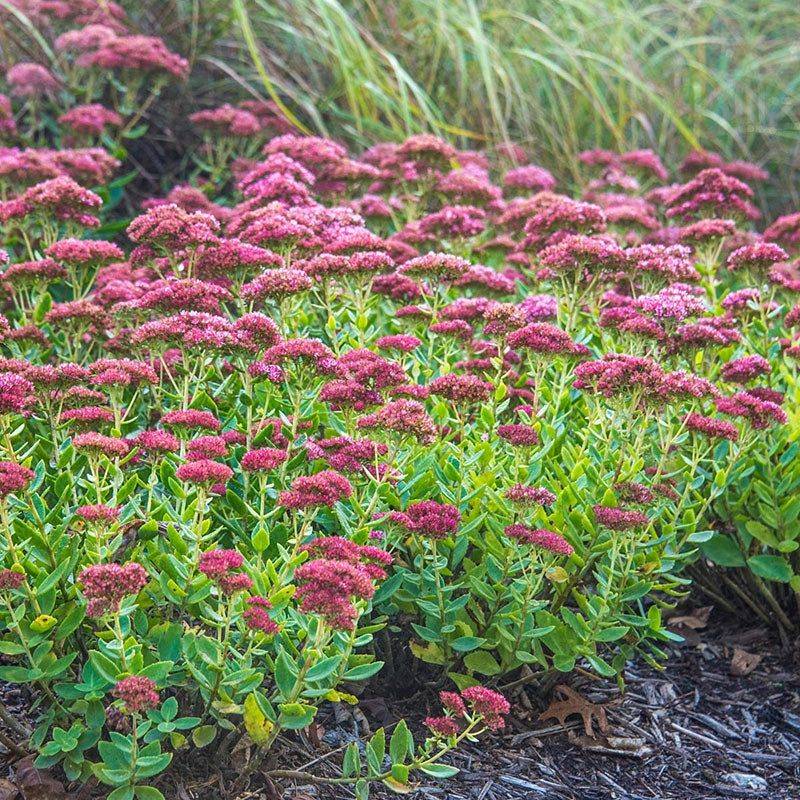
Forget to water for two weeks in a coastal July, and most plants turn to crisp. Sedum just sits there, plump and calm, storing water in its own fat leaves like a camel.
Autumn Joy sedum (Hylotelephium spectabile) and its low creeping cousins survive on almost pure neglect. That water-storing trick makes them the go-to for the sandy Coastal Plain and any spot you keep forgetting.
Plant in full sun and well-drained soil. Wet feet are the one thing that kills it, so skip the soggy corners. Space upright types about 18 inches apart, and set groundcover sedums closer to knit into a mat.
The tall kinds bloom dusty pink in late summer, and bees and butterflies cover the flat flower heads like a landing pad. Groundcover types choke out weeds in gravel and along hot walkways where nothing else bothers to grow.
Leave the seed heads through winter for texture and a little wildlife shelter, then cut back in spring. Split crowded clumps every few years for free plants.
Here is the quiet win. Sedum thrives on the water you did not give it and the attention you never paid. For a busy homeowner, that is nearly the ideal relationship.
10. Oakleaf Hydrangea Gives You Four Seasons In One Shrub
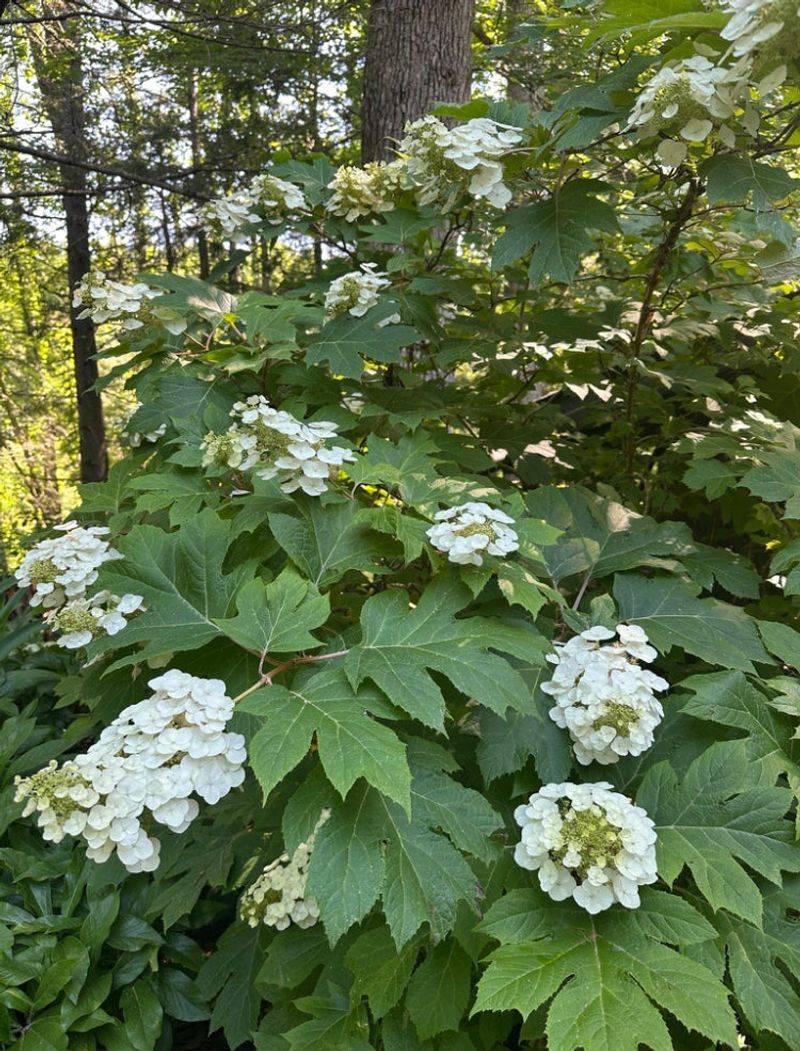
Most people plant the blue mophead hydrangea, then panic every spring after a cold snap zaps the buds and the whole shrub sulks with no flowers. There is a native cousin that skips that heartbreak.
Oakleaf hydrangea (Hydrangea quercifolia) is North Carolina born and tough. It blooms on old wood, meaning last year’s stems, but its buds handle our surprise April frosts far better than the fussy French kinds.
The real reason to plant it is the four-season show. White cone flowers in early summer age to pink, the big oak-shaped leaves turn deep burgundy in fall, and peeling cinnamon bark carries the winter. One shrub, all year.
Plant it in part shade in soil that drains, and give it room, about 4 to 6 feet, because it grows into a broad mound. Water the first summer through our dry spells, then mostly leave it alone.
Do not prune in spring or you cut off the flowers. Trim right after it blooms if you must, and honestly, it looks best barely touched.
Native bees work the blooms, and birds shelter in the branches. You planted one shrub and got spring, summer, fall, and winter interest from it. That is the kind of deal that makes you feel a little smug, and you earned it.