What North Carolina Crape Myrtles Look Like In Fall Color Before Everyone Forgets They Have Any
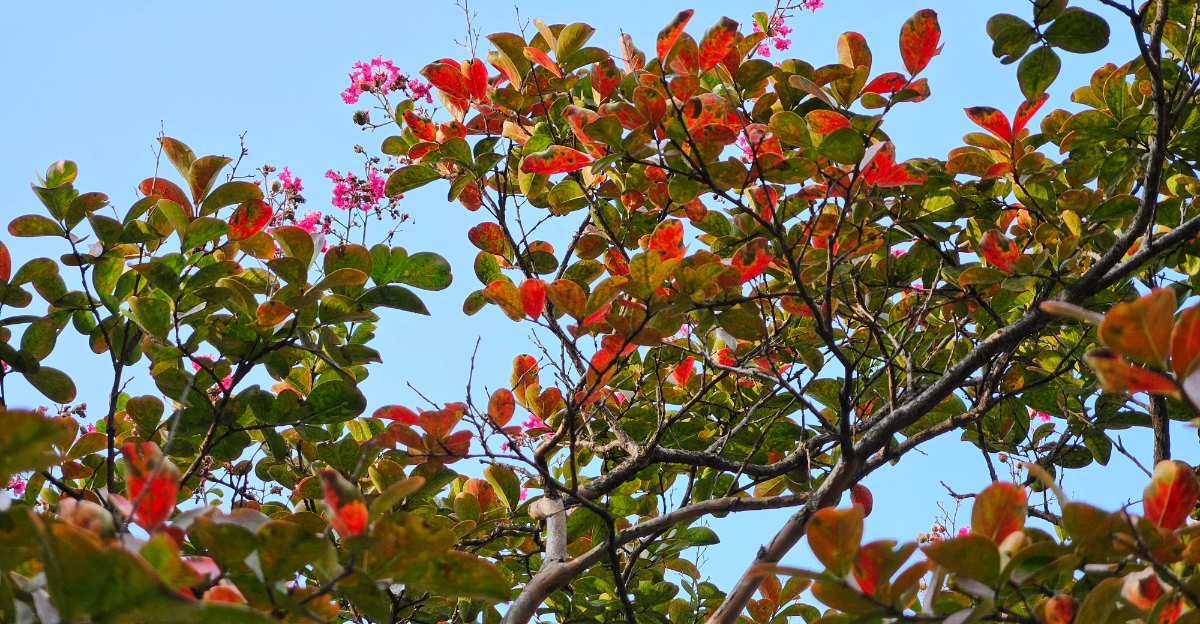
Crape myrtles get all their attention in summer, celebrated for weeks of vibrant blooms that define so many North Carolina yards.
But once those flowers fade, most people stop paying attention entirely, assuming the tree’s best moment has already passed for the year.
What almost nobody expects is what happens next, quietly unfolding in the weeks that follow while everyone’s attention has already moved elsewhere.
This overlooked transformation rivals some of the most celebrated fall foliage trees, yet it rarely gets mentioned in the same breath.
Many homeowners are genuinely surprised the first time they notice it happening in their own yard. It’s easy to miss if you’re not looking for it, especially with so many other trees competing for attention this time of year.
Once you know what to watch for, you’ll never overlook your crape myrtle again once summer ends.
1. The Leaves Can Turn Brilliant Red
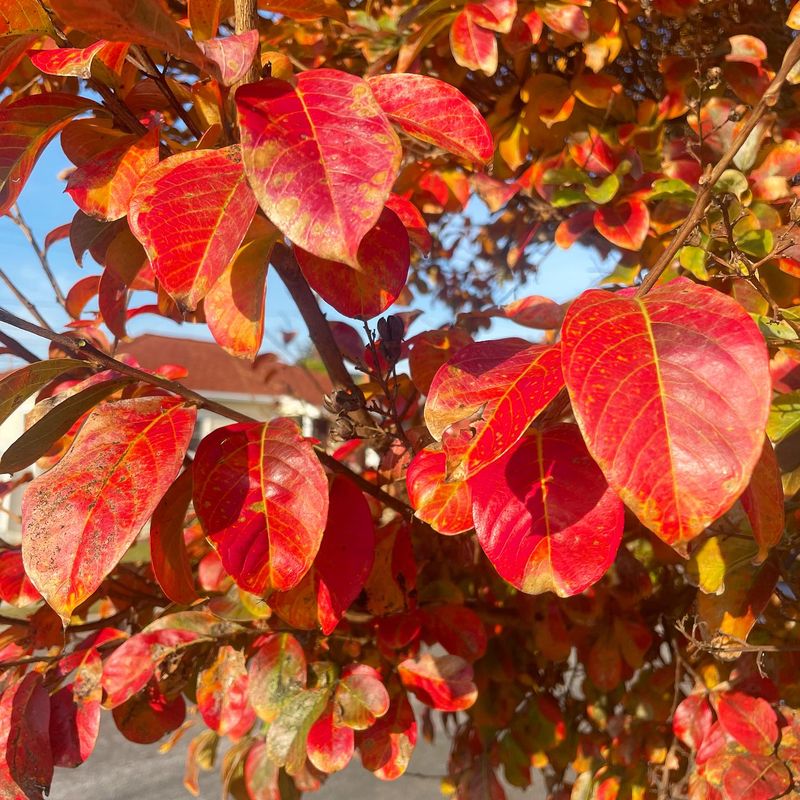
Picture a tree that spends all summer covered in soft pink or purple flowers, then surprises you with leaves that glow like hot coals. That is exactly what many crape myrtles do once temperatures start to drop across North Carolina.
As the nights grow cooler and the days get shorter, the green pigment in the leaves fades away. Underneath, red and burgundy shades take over. These colors were hiding all along, just waiting for the right moment to shine.
Not every crape myrtle turns the same shade of red. Some lean toward a rich wine color, while others burn bright and cheerful. The difference often comes down to the type of tree and how much sunlight it gets during the day.
Trees planted in full sun usually show off the boldest reds. If your crape myrtle sits in the shade, the color may look softer or arrive a little later in the season.
Weather plays a big part too. Sunny days paired with crisp, cool nights help push the red tones to their brightest. A warm, cloudy autumn can make the colors a bit more muted.
If you want a red fall show in your yard, pay attention to where you plant. Give your tree plenty of room and sunshine, and it will reward you when October rolls around.
Many gardeners are shocked the first time they see their summer bloomer glowing red, proving crape myrtles have far more to offer than pretty flowers.
2. Orange Shows Up Too
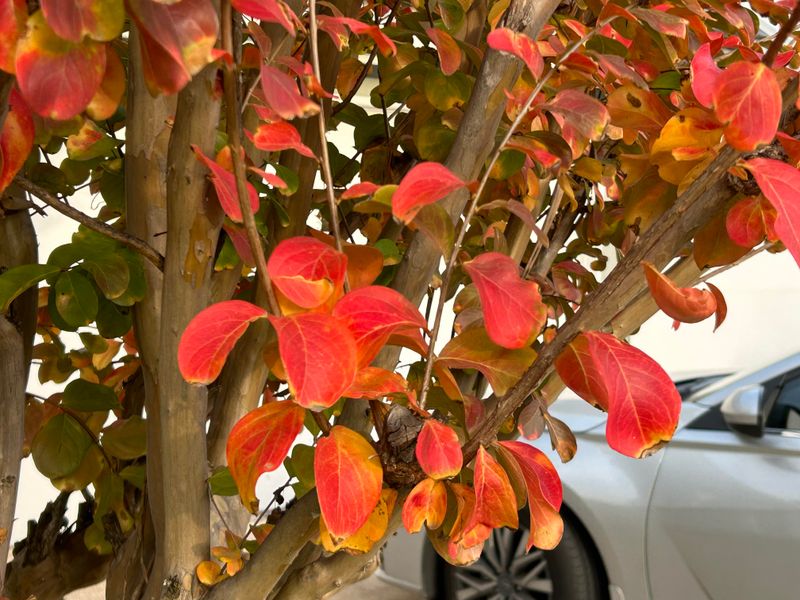
Red is not the only warm color these trees can produce. Plenty of crape myrtles trade their summer green for a bright, pumpkin-like orange that lights up the whole yard.
The change usually starts slowly. First you might notice a few leaves near the top turning a soft amber. Then, over a couple of weeks, the entire tree can shift into a glowing orange blanket that catches everyone’s eye.
Orange happens because of special pigments called carotenoids. These are the same pigments that make carrots and pumpkins their sunny color. They stay hidden behind the green all summer, then step forward once the green fades.
Your North Carolina Garden Changes Every Week. Your Plan Should Too.
Gardening in North Carolina changes quickly throughout the season. Every Friday you’ll receive a simple weekly plan showing exactly what to plant, prune, fertilize, harvest, and protect so you never miss the right timing.
Some trees show a mix of orange with a little red or yellow blended in. That combination gives the leaves a warm, glowing look, almost like a sunset resting in your garden.
Cool weather really helps the orange pop. When North Carolina gets those crisp mornings in October and November, the shade grows deeper and richer. A mild fall might give you a paler orange instead.
If you love this warm autumn look, pick a variety known for orange tones and give it a sunny spot. The more direct light your tree receives, the more vivid the color tends to be.
Watching a crape myrtle glow orange feels like getting a bonus gift after a long summer of flowers. Many gardeners say it is their favorite part of owning the tree, since the surprise arrives right when other plants start to fade for the year.
3. Some Trees Turn Golden Yellow
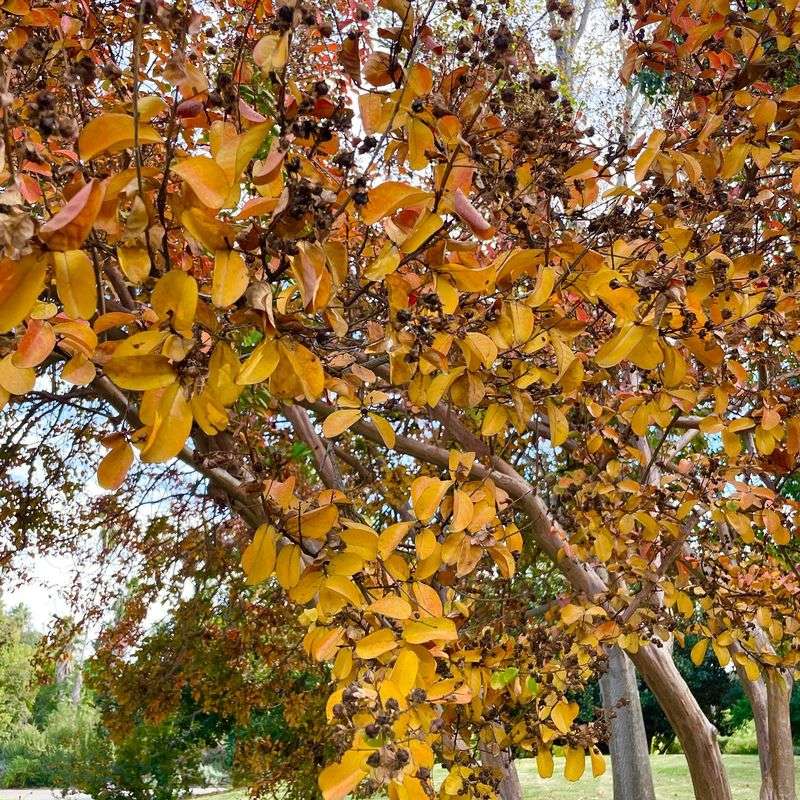
Not every crape myrtle goes for bold reds and oranges. Some prefer a gentler path and turn a warm, buttery yellow that feels cheerful and bright.
Yellow is a completely normal fall color for these trees, and it happens for the same reason leaves turn orange. Once the green pigment steps aside, the yellow pigments that were there all along finally get their moment to shine.
A golden crape myrtle can light up a shady corner of the yard. Even on a cloudy day, those yellow leaves seem to glow, adding a soft warmth that makes the whole garden feel cozy.
Certain varieties naturally lean toward yellow instead of red. If a friend’s tree turns gold while yours turns red, that difference likely comes down to the type each of you planted.
Growing conditions matter too. A tree that gets a bit less sun may show more yellow, while extra sunshine can push some trees toward orange or red instead.
Yellow leaves also mix beautifully with other fall plants. Pair a golden crape myrtle with red mums or purple asters, and you create a garden scene worth photographing.
If soft gold sounds like your style, look for cultivars that are known for yellow autumn color before you buy. That way you know what to expect when the season turns.
The best part is that yellow crape myrtles remind us fall does not have to be all fire and flame. Sometimes a gentle glow is exactly what a garden needs to close out the year.
4. Catawba Has Great Fall Color
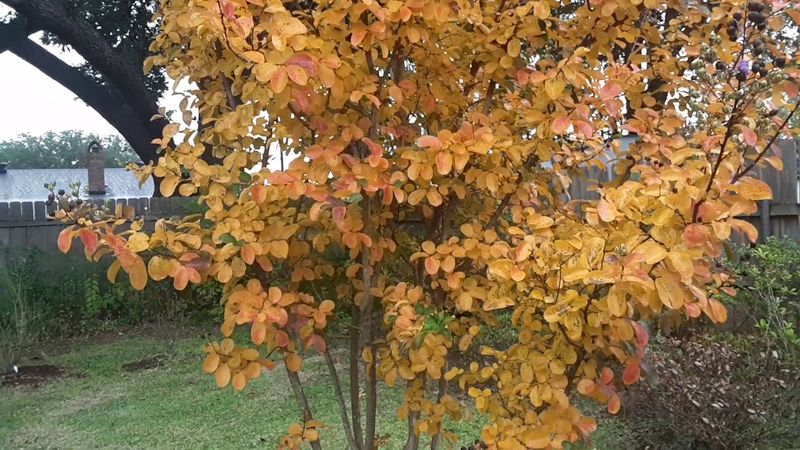
If you want a crape myrtle that gives you two great shows in one year, Catawba deserves a spot on your list. This popular variety is famous for its deep purple summer flowers.
During the warm months, Catawba covers itself in clusters of rich purple blooms. The color is bold and eye-catching, making it a favorite in many North Carolina yards and along neighborhood streets.
The real surprise comes when summer ends. As the flowers fade and the weather cools, Catawba’s leaves shift into warm shades of orange and red. Suddenly the same tree that was purple all summer looks completely different.
That double performance is what makes Catawba so special. You get months of flowers followed by weeks of fiery leaves, all from one tree.
Catawba stays fairly compact compared to some giant crape myrtles. Its medium size makes it easy to fit into smaller yards, near patios, or in a spot where you want color without a huge tree.
To get the best fall show, plant Catawba where it gets plenty of sun. Full sunlight helps both the purple flowers and the autumn leaves reach their brightest.
Fun bonus: Catawba also resists mildew fairly well, which keeps the leaves looking clean and healthy through the growing season. Healthy leaves usually mean better fall color.
For gardeners who want maximum value from a single plant, Catawba is hard to beat. Purple in summer, orange and red in fall, and a friendly size make it a smart, colorful choice year after year.
5. Natchez Turns Orange And Red
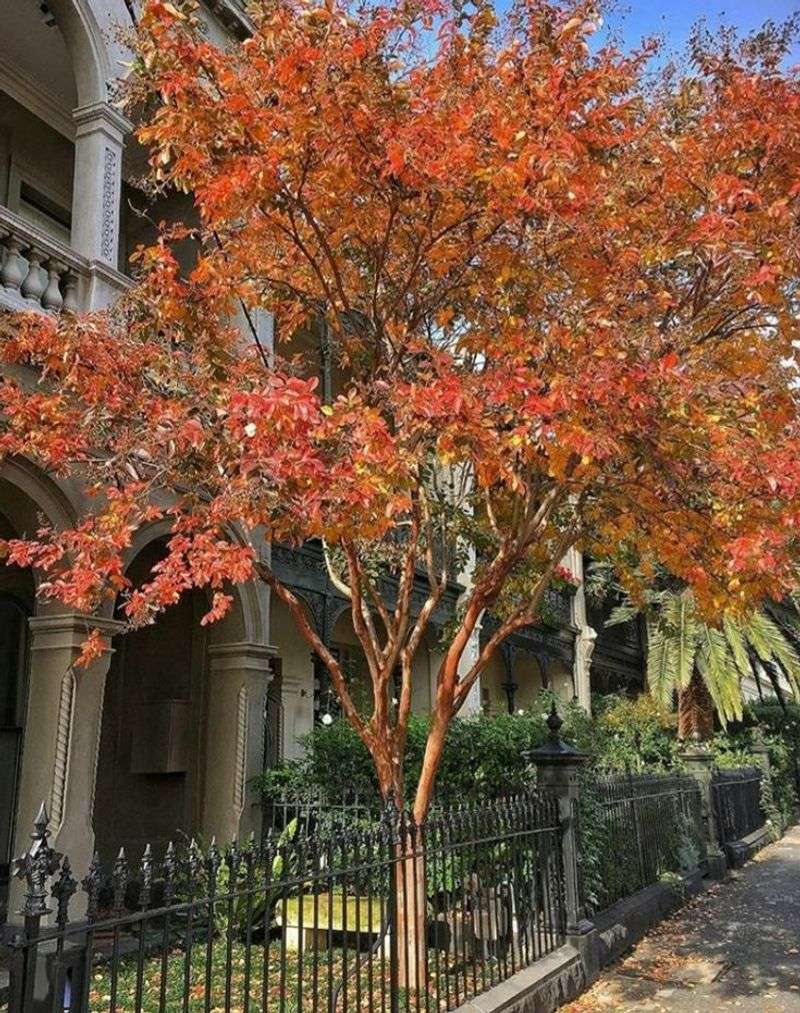
Meet the tree that many people call the king of crape myrtles. Natchez is a tall, elegant variety loved for its clouds of pure white flowers all summer long.
Those white blooms give the tree a fresh, clean look during the hottest months. But the fun does not stop when the flowers fade.
Once autumn arrives, Natchez trades its white flowers for leaves that turn brilliant orange and red. The change is dramatic, taking the tree from cool and calm to warm and fiery in just a few weeks.
Natchez grows fast and can reach impressive heights, sometimes twenty feet or more. That size means the fall color spreads across a wide canopy, creating a real focal point in any yard.
The tree also shows off smooth, peeling bark in shades of cinnamon and tan. Combined with the bright leaves, this bark makes Natchez look great from every angle in autumn.
Plant Natchez in full sun for the best results. Good light helps the white flowers stay bright and pushes the fall leaves toward their strongest orange and red tones.
Because it grows so large, give Natchez plenty of room to stretch out. Crowding it against a house or fence limits both its shape and its color.
Gardeners who want a big, showy tree with year-round appeal often land on Natchez for good reason. White summer flowers, fiery fall leaves, and beautiful bark make it one of the most rewarding crape myrtles you can grow in North Carolina.
6. Acoma And Apache Bring More Red
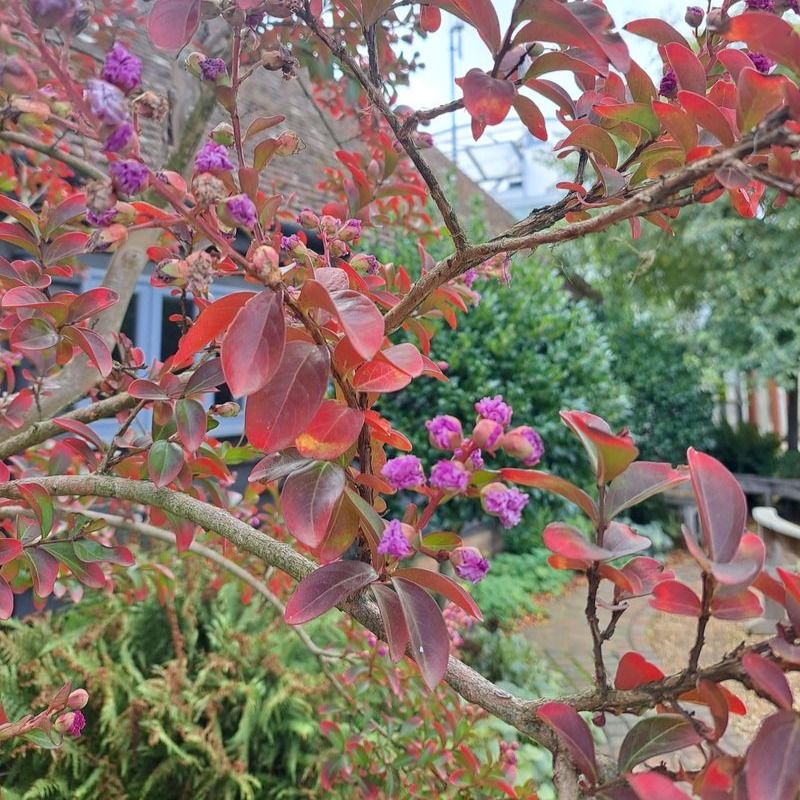
Two more varieties worth knowing are Acoma and Apache, and both bring extra warmth to the autumn garden. They may sound similar, but each has its own personality.
Acoma is a smaller, spreading crape myrtle with graceful, weeping branches. In summer it produces soft white flowers that give it a light, airy feel.
When fall arrives, Acoma’s leaves turn a lovely red. Because the tree stays low and wide, that red color sits closer to eye level, making it easy to enjoy up close.
Apache takes a slightly different route. This variety shows off bright pink flowers during the warm months, adding a cheerful pop to the landscape.
Come autumn, Apache’s leaves shift into a mix of orange and red. The blend gives the tree a glowing, sunset-like look that really stands out against a blue sky.
Both varieties handle mildew well, which helps keep their leaves clean and their fall color strong. Healthy foliage almost always produces richer autumn shades.
Acoma works great in smaller spaces or as a low accent near a walkway. Its compact shape means you can plant it where a taller tree would not fit.
Apache fits nicely as a mid-sized specimen that offers pink flowers and fiery leaves in one package. Together, these two prove that crape myrtles come in many shapes and colors.
Whether you want a low red spreader or a bright orange bloomer, Acoma and Apache give North Carolina gardeners more colorful options to choose from when planning their fall display.
7. Fall Color Depends On The Variety
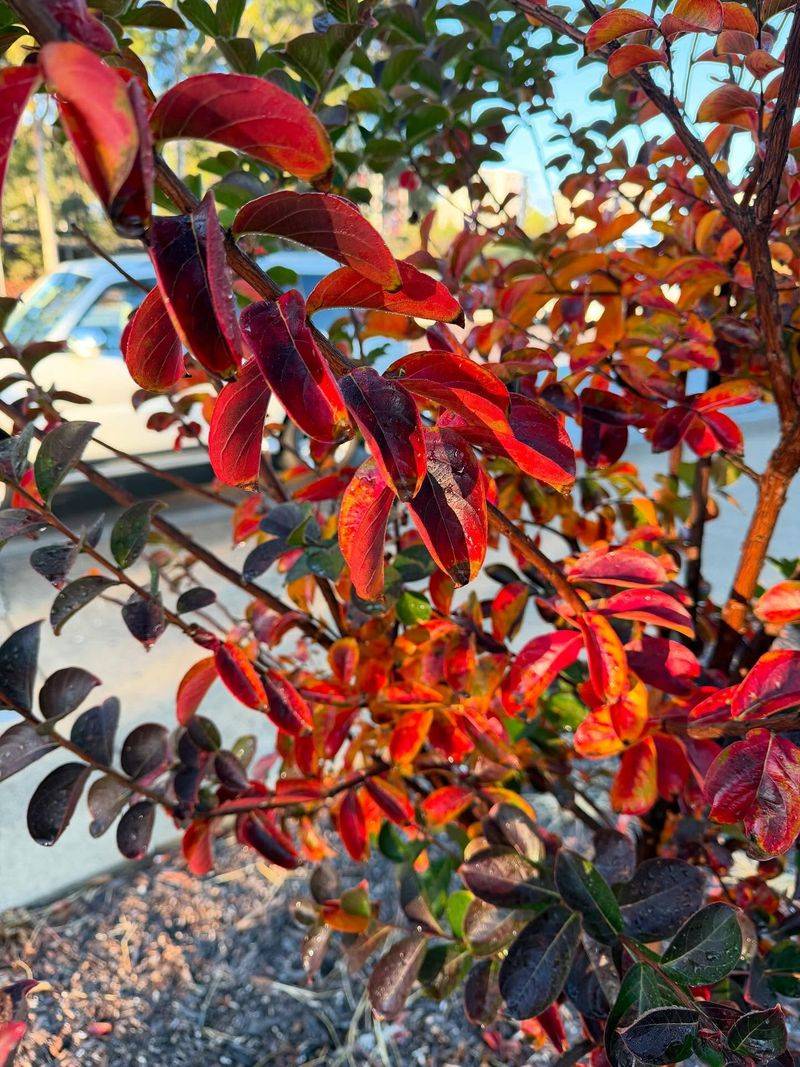
Ever wonder why one crape myrtle blazes with color while another barely changes? The answer usually comes down to the exact type you planted.
Crape myrtles come in dozens of named varieties, and each one behaves a little differently in autumn. Some are bred for strong red or orange leaves, while others focus mostly on flowers and offer weaker fall color.
This is why choosing the right cultivar matters so much. If bright autumn leaves are your goal, you cannot just grab any crape myrtle and hope for the best.
Before buying, do a little homework. Look up which varieties are known for great fall color, then pick one that matches the shade you love, whether that is red, orange, or gold.
Weather and location still play a role, but they cannot force color from a tree that simply does not have it in its genes. Even in a perfect autumn, a low-color variety will stay dull.
Talking to a local nursery can help a lot. Staff often know which types perform best in North Carolina’s climate and can point you toward reliable choices.
Sunlight remains important too. Almost every variety shows better fall color in full sun than in heavy shade, so plant accordingly.
The good news is that with so many options available, you can find a crape myrtle that fits your yard and your taste.
A little planning at the garden center pays off with weeks of colorful leaves each fall, turning a simple tree into a true seasonal showstopper year after year.
8. The Show Continues After The Leaves
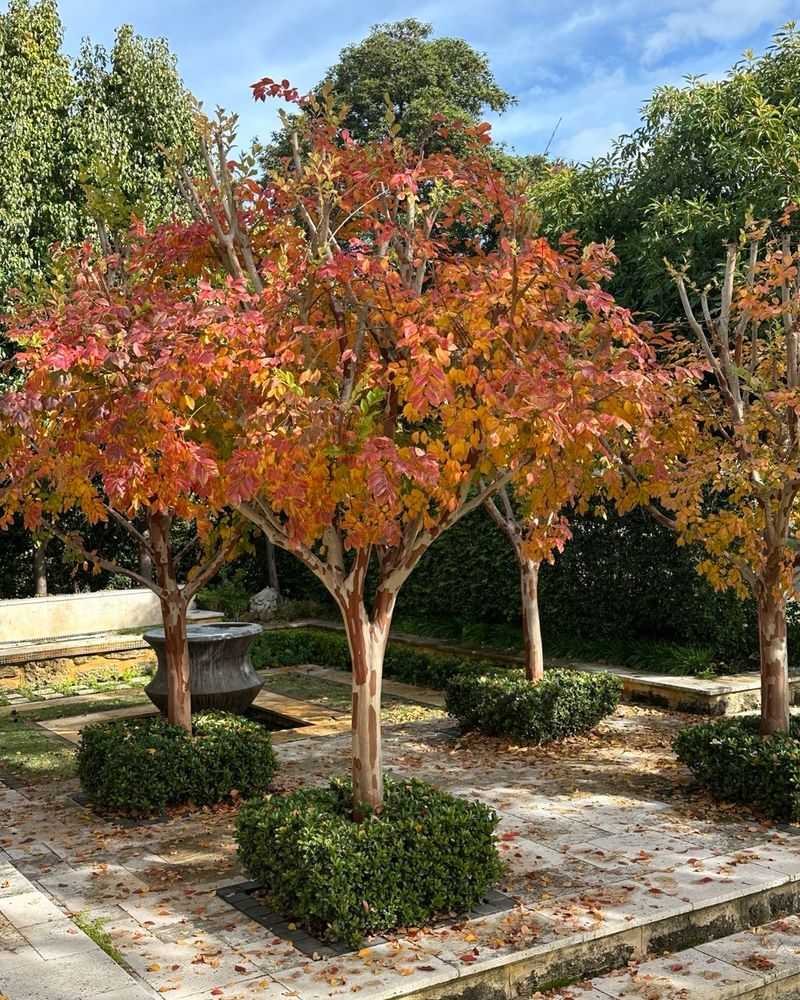
Here is the best-kept secret about crape myrtles: even after the colorful leaves drop, the tree keeps giving you something to admire.
Once the branches go bare, your eyes finally notice the bark. Crape myrtle bark peels away in thin layers, revealing smooth patches in shades of cinnamon, tan, gray, and cream.
That peeling bark, called exfoliating bark, looks especially striking in winter light. Many gardeners say it is one of the tree’s most beautiful features, and it lasts all season long.
The tree also holds onto small brown seed capsules after the flowers finish. These round little pods dot the branches and add texture against the sky.
Birds sometimes visit those seed capsules for a snack, bringing extra life to your yard during the quiet cold months. A little wildlife activity makes the winter garden feel less empty.
The smooth, twisting trunks also stand out once the leaves are gone. Their sculptural shape gives the tree an artistic look that no flower can match.
Because of this, crape myrtles earn their keep in every season. Flowers in summer, bright leaves in fall, and beautiful bark plus seed pods in winter make them a true four-season plant.
To enjoy the bark even more, gently remove any suckers and lower growth so the trunks stay visible. A clean base lets that colorful bark take center stage.
So before anyone claims crape myrtles have nothing to offer once the flowers fade, remind them the show is far from over. These trees stay interesting right through the coldest weeks of the year.