What North Carolina Gardeners Who Never See A Single Tick Are Growing Along Their Yard Borders

You drag your patio chair into the shade on a July evening and wonder why your neighbor never seems to find a tick after working in the garden, while you pulled three off your socks last weekend. The easy answer is that they must be growing something special along their border, some fragrant herb or native wildflower that ticks cannot stand. The real answer is a little less magical and a lot more useful, because no single plant has been shown to make a North Carolina yard tick-free. What actually may be helping is how that border is built, maintained, and separated from the woods, brush, and leaf litter where ticks spend most of their time.
The Plant Secret Does Not Hold Up
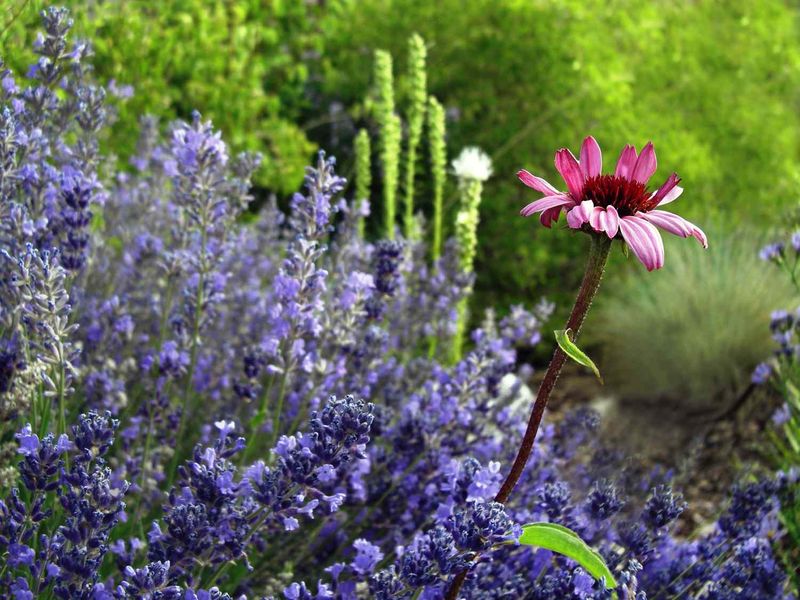
The story is genuinely appealing. A neighbor grows a neat row of lavender or rosemary along the yard edge, and somehow ticks never seem to find their way in. It feels like a secret worth knowing, and garden forums across North Carolina pass it around every summer like a recipe. But extension specialists reviewing the available research have found no reliable evidence that a particular landscape plant makes a property tick-free or explains why one household rarely notices ticks compared to another.
Some plant compounds do show repellent activity in laboratory settings or when concentrated into products. Lavender, rosemary, mint, marigolds, and chrysanthemums all appear in those studies. But a living plant in your yard is not a laboratory vial. The amount of material an intact plant releases into the open air around your border is nowhere near enough to create a protective zone across the property, and no field study has demonstrated otherwise.
That does not mean the border is doing nothing. A well-maintained edge may be working in a completely different way than the plant’s fragrance. A visible, clear transition between your lawn and the woods or brush beyond it can separate the places people actually use from the places ticks are most likely to be waiting. The plant itself might be beautiful, attract pollinators, hold mulch in place, or discourage deer from browsing through.
Those are real benefits. Tick repellency across the yard, though, is not one of them, and CDC guidance on reducing tick exposure focuses on yard design and maintenance rather than plant selection.
Think About Habitat, Hosts, And Exposure
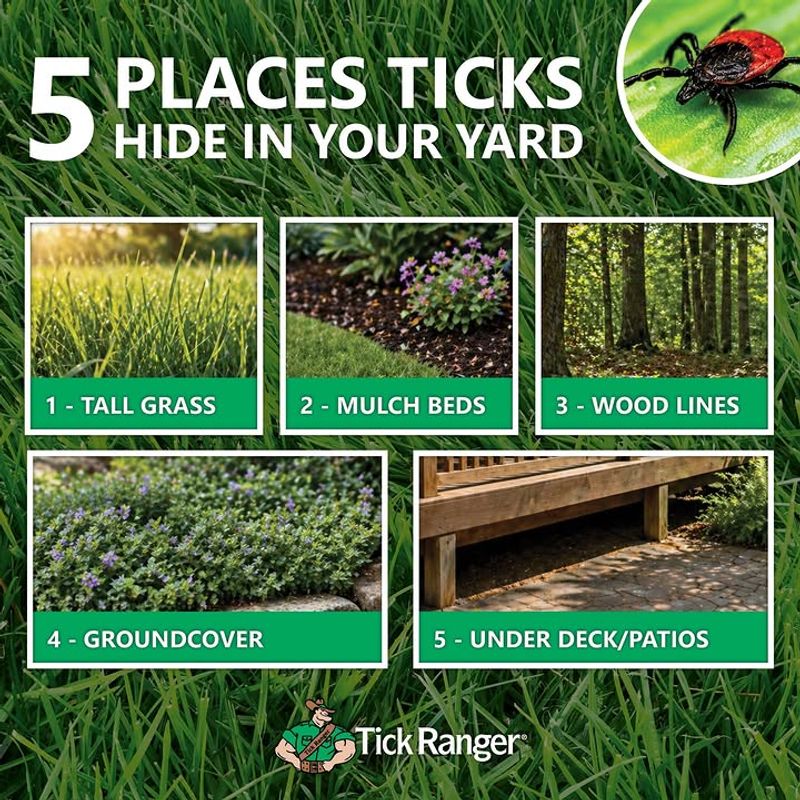
Ticks do not chase people down the driveway. They climb to the tips of grass blades, low shrubs, or leaf edges and wait, sometimes for days, for a warm-blooded host to brush past. That behavior is called questing, and the conditions that support it matter far more than what your border plants are named.
Shade, moisture, leaf litter, tall grass, and brush give ticks the cool, humid environment they need to survive between hosts. Clutter, stone walls, log piles, and overgrown edges give host animals, mice especially, places to nest and travel. A field study of residential yards found more questing tick larvae in areas where trash or certain edge features were present, connecting the structure of the yard to where ticks were actually found.
Your North Carolina Garden Changes Every Week. Your Plan Should Too.
Gardening in North Carolina changes quickly throughout the season. Every Friday you’ll receive a simple weekly plan showing exactly what to plant, prune, fertilize, harvest, and protect so you never miss the right timing.
North Carolina’s tick picture adds another layer of complexity. The state is home to several species, and a study of ticks removed from outdoor workers in North Carolina found that lone star ticks, Amblyomma americanum, made up roughly 93 to 95 percent of submissions in 2011 and 2012. American dog ticks, Gulf Coast ticks, and blacklegged ticks were also collected. Much of the commonly shared guidance about yard barriers was developed with blacklegged ticks in mind, particularly in Lyme disease-endemic regions farther north.
That guidance may still offer some help here, but it does not represent every tick species a Coastal Plain or Sandhills gardener is likely to encounter.
Regional variation matters too. A mountain yard in zone 6b and a coastal yard in zone 8b face different humidity levels, plant communities, and wildlife pressure. North Carolina tick surveillance data reflects that patchwork. No single border design solves every yard’s situation, and understanding what draws ticks to a specific spot is the more useful starting point.
Create A Maintained Three-Foot Transition

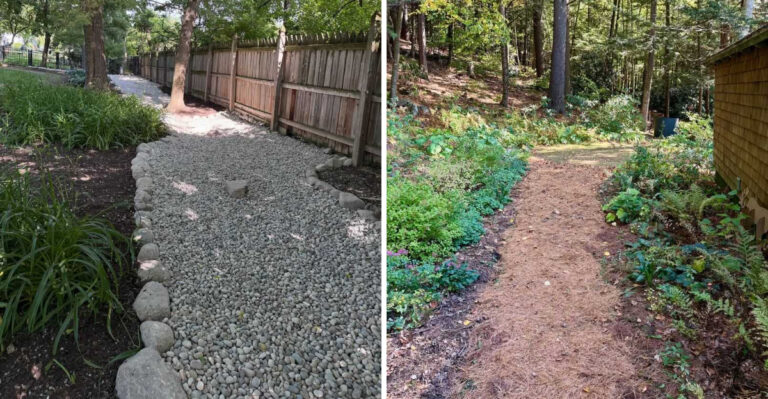
Here is where it gets practical. One of the more defensible landscape steps you can take is placing a roughly 3-foot-wide strip of wood chips or gravel between your mowed lawn and any wooded, brushy, or unmowed area beyond it. CDC guidance describes this kind of transition as a way to restrict blacklegged tick movement into recreational areas, and the logic is straightforward: ticks prefer to travel through moist, shaded vegetation, and an open, dry strip gives them less cover to cross.
The older Tick Management Handbook is more measured, noting that results vary with material type, shade level, woods density, starting tick numbers, and how consistently the strip is maintained. A 2019 residential yard study found only partial support for several common yard recommendations and could not fully test barriers because too few properties had them in place. A laboratory study on wood products found that some materials lost any barrier effect quickly, while certain cedar sawdust treatments lasted longer under controlled conditions.
So the strip may reduce tick movement into your high-use areas, and it can give you a visible, inspectable boundary that is easy to walk and maintain. But it does not stop ticks entirely, and it does not work the same way for every species or every yard in North Carolina.
Keeping the strip functional is ordinary landscape upkeep. After a storm blows mulch into the lawn or washes gravel into the planting bed, raking it back into place restores the separation. Think of it as maintaining a boundary, not as a proven tick-control treatment. That framing keeps expectations realistic and keeps the habit sustainable over a whole season of muggy Piedmont afternoons and hurricane-season downpours.
Protect The Places People Use Most

Trying to make every square foot of a North Carolina yard inhospitable to ticks is an overwhelming goal. A more manageable approach is protecting the specific places where people actually spend time, the patio, the deck, the sandbox, the garden bench, the kids’ play set.
CDC recommendations specifically suggest placing high-use areas away from woodland edges and trees when layout allows. Even moving a play set 10 to 15 feet farther from the tree line can put it in a sunnier, drier spot that is less appealing to questing ticks. Keep the grass in these zones mowed short, because ticks rarely quest successfully in a well-maintained lawn with good sun exposure.
Clearing brush, tall grass, and leaf litter from the areas immediately surrounding these spaces is worth the effort. Research on urban residential yards associated log and brush piles with higher odds of finding ticks, and a separate study connected clutter and certain edge features with more questing larvae near homes. That does not mean every brush pile guarantees ticks, but it does mean that a tidy, open recreation zone is a reasonable priority.
Old furniture stored against the fence, a forgotten wood pile shoved into the corner, a pile of last fall’s leaves still sitting against the house in June: these are the kinds of features worth addressing. Relocate wood piles at least 3 feet from the lawn edge if possible, and keep them stacked neatly so air can move through. Remove debris that gives mice and other small hosts places to shelter close to where your family gathers. The goal is not a sterile yard, it is a yard where the cookout area is genuinely easier to enjoy without a tick check interrupting the evening.
Keep Native Plants And Choose Them Carefully
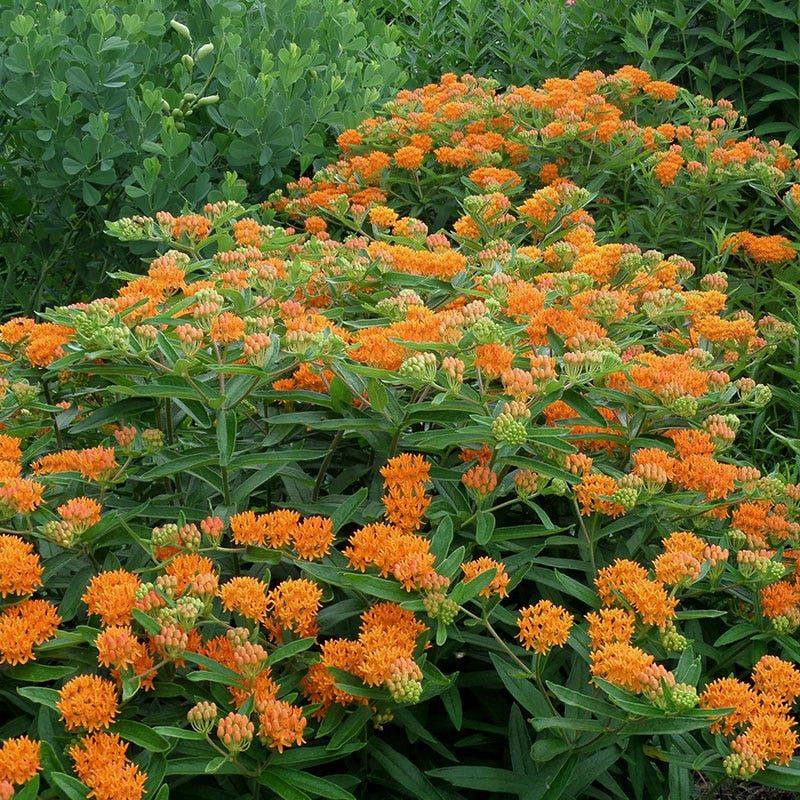
Native plants belong in a North Carolina yard. Full stop. The concern is not the plants themselves but where they go and how they are managed, because a tangled, uncut native meadow pressed directly against your porch steps creates different conditions than a defined planting bed with a clear, dry edge between it and the lawn.
Matching plants to the right site conditions is the starting point. NC State Extension’s native plant guidance emphasizes fitting each species to regional soil, moisture, light, and available space before worrying about anything else. A plant that is stressed and struggling produces more litter, spreads less predictably, and generally looks worse than one growing in conditions it actually prefers.
Butterfly weed, Asclepias tuberosa, is a strong choice for well-drained, drought-prone spots, the kind of sandy Coastal Plain or Sandhills border that stays dry all summer. It tops out around 2 feet, feeds monarchs and native bees, and handles North Carolina heat without complaint. Swamp milkweed, Asclepias incarnata, prefers consistently moist conditions and suits low spots or rain garden edges where water lingers after afternoon storms. Joe-Pye weed, Eutrochium purpureum, can reach 5 to 7 feet tall in moist soil and works well as a back-of-border statement plant, just give it room and expect to manage the litter it drops in fall.
Keep deer resistance and wildlife value in their own category, separate from tick reduction. A deer-resistant plant may lower browsing pressure along your border, but it does not repel ticks, and mice, raccoons, birds, and pets can all transport ticks regardless of what is planted. A defined planting bed with a maintained transition edge is a more defensible design than any particular plant name on the label.
Manage The Border And Its Visitors
A border planting is not a set-it-and-forget-it feature. The maintenance habits that keep it looking good are also the ones that keep it from becoming a tick-friendly environment right next to your recreation zone.
Mow the lawn up to the edge of the planting bed on a regular schedule. Keep the area within about 3 feet of seating, pathways, and play areas as short and open as possible. When leaves accumulate inside the planting bed in fall, remove the excess rather than letting it build into a thick layer. Leaf litter is valuable habitat for overwintering insects in the right location, but a deep, damp mat of it directly beside your patio chairs is a different situation.
CDC tick prevention guidance consistently points to removing leaf litter and keeping grass short as practical steps for reducing tick habitat near high-use areas.
Deer management deserves its own consideration. Deer carry ticks, and a yard with heavy deer traffic has more tick-introduction events than one with less. Fencing is generally the most reliable exclusion method, as NC State Extension notes that exclusion tends to outperform other deer-management approaches. Deer-resistant plants can reduce how often deer push through a border, but no plant is completely deer-proof, and deer resistance is not the same as tick resistance.
Pesticides fit into this picture as one option among several, not a standalone answer. EPA integrated pest management principles frame targeted pesticide use as one layer of a broader approach that includes monitoring, physical changes, and prevention. Broad yard spraying can reduce tick numbers in treated areas but exposes pollinators, pets, and aquatic systems to risk if applied carelessly. A border that is well-placed, regularly maintained, and separated from the main recreation area does more consistent work than any single spray application.
Keep Checking Even After You Improve The Yard
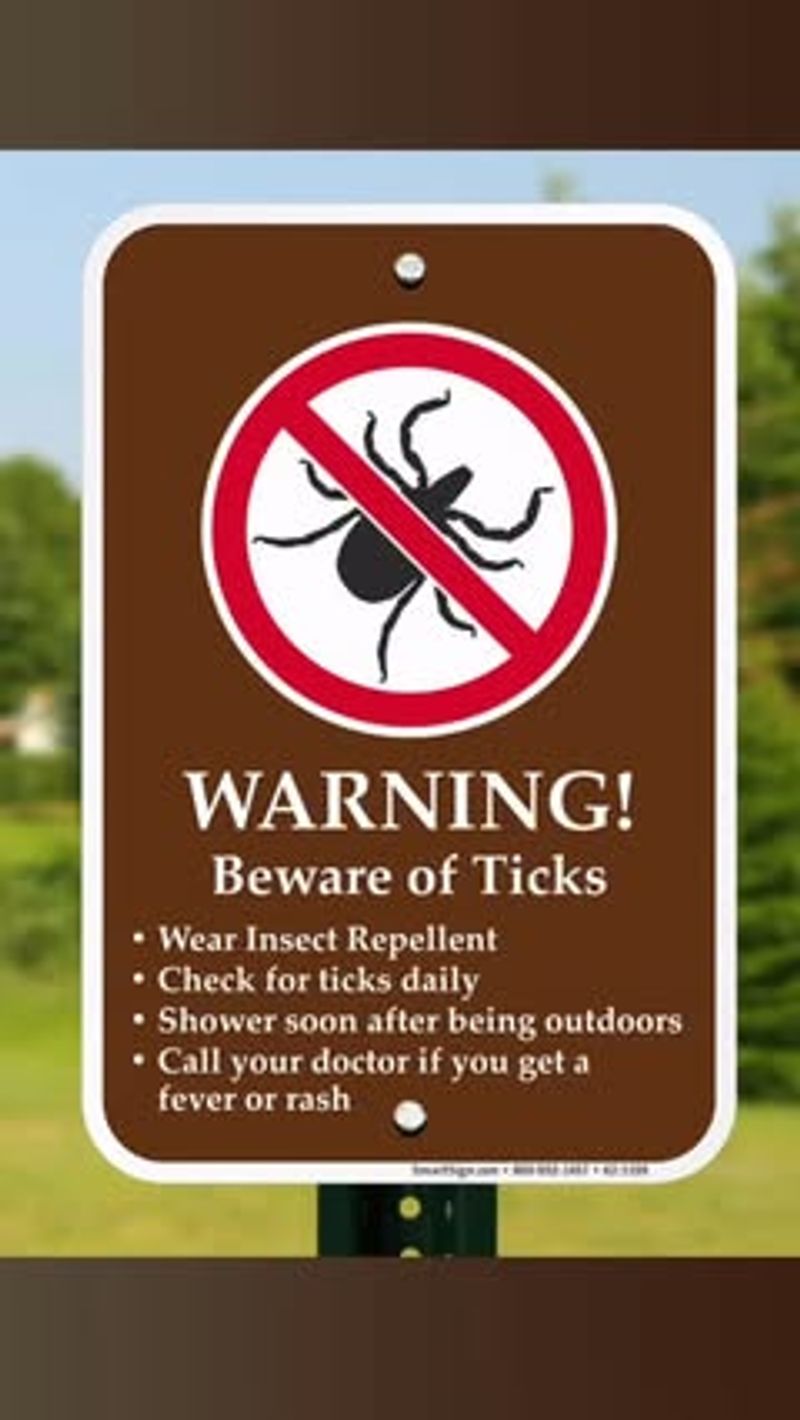
Landscape changes reduce exposure opportunities. They do not make a yard tick-free, and that distinction matters every time you or a family member comes back inside after being outdoors.
CDC guidance recommends a full tick check after any outdoor exposure, including time in your own backyard. Check skin and hair carefully, paying attention to the scalp, behind the ears, under the arms, around the waist, and behind the knees. Check children thoroughly. Check pets before they come inside, because a dog or cat that has been in brushy areas can carry ticks into the house without showing any obvious signs.
Toss clothes into a dryer on high heat for 10 minutes to kill any ticks that did not attach. Showering within 2 hours of coming indoors can help remove unattached ticks and may reduce the risk of Lyme disease transmission.
Repellents add another layer of protection when you are working in the yard or spending time near the border. NC State Extension’s repellent guidance and the CDC both list EPA-registered options that include DEET, picaridin, IR3535, PMD, and 2-undecanone as skin-applied choices. Products containing oil of lemon eucalyptus or PMD should not be used on children under 3. Treat clothing and gear with 0.5 percent permethrin, which is formulated for fabric, not skin.
Do not substitute crushed herbs, essential oils, or homemade extracts for registered products on skin, children, or pets.
The goal here is not a perfect yard, it is a yard where the risks are lower and the habits are solid. A maintained transition, a tidy recreation zone, well-chosen native plants in defined beds, and a quick check before you sit down for the evening add up to something genuinely useful. That is a yard worth feeling proud of, even if no single plant deserves the credit.