7 Worst Vegetables To Start In North Carolina June Heat And 5 That Actually Germinate Better Now
Planting timing in North Carolina is more nuanced than most general gardening calendars acknowledge, and June is where that gap between generic advice and regional reality shows up most clearly.
The combination of intense heat, high soil temperatures, and humidity that defines June across much of the state shuts down germination for certain vegetables entirely, no matter how carefully the seed is planted or watered.
Pushing those crops into the ground now because the calendar says summer is planting season leads to poor germination rates, weak seedlings, and wasted effort.
At the same time, several vegetables actually use those exact conditions to germinate faster and more reliably than they would at any other point in the season.
Knowing which group each crop falls into changes how productive the rest of your summer garden can be.
1. Lettuce
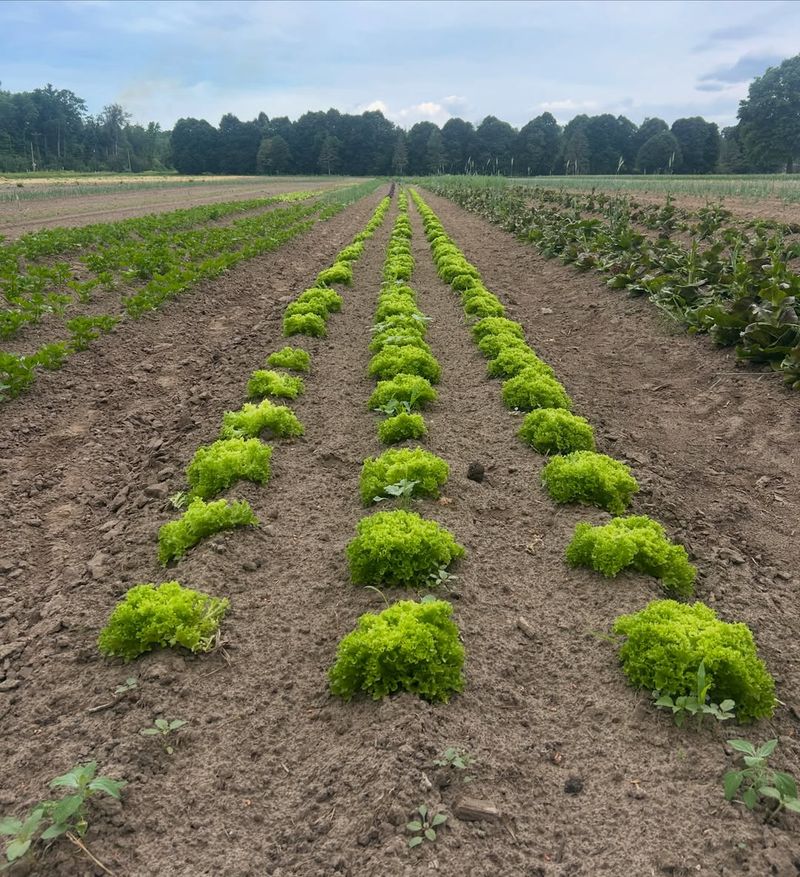
Lettuce is one of those vegetables that looks great in spring but turns into a real headache the moment June arrives in North Carolina.
Soil temperatures above 75 degrees Fahrenheit cause lettuce seeds to enter a state called thermodormancy, which basically means they refuse to sprout no matter how much you water them.
Even if a few seeds do manage to germinate, the seedlings quickly suffer in the heat.
Once temperatures climb into the upper 80s and 90s, lettuce plants bolt rapidly. Bolting means the plant sends up a tall flower stalk and shifts all its energy toward producing seeds instead of leaves.
The leaves left behind become intensely bitter and almost inedible, making your harvest pretty disappointing.
North Carolina summers are simply too aggressive for lettuce to produce anything worth eating.
Your best strategy is to wait until late August or early September to sow lettuce seeds again, when cooler soil temperatures return and the plant can grow without stress.
Many gardeners also find success starting lettuce indoors under grow lights in late winter for a productive spring crop. Saving your seeds and your effort for the right season makes all the difference with this cool-weather favorite.
2. Spinach
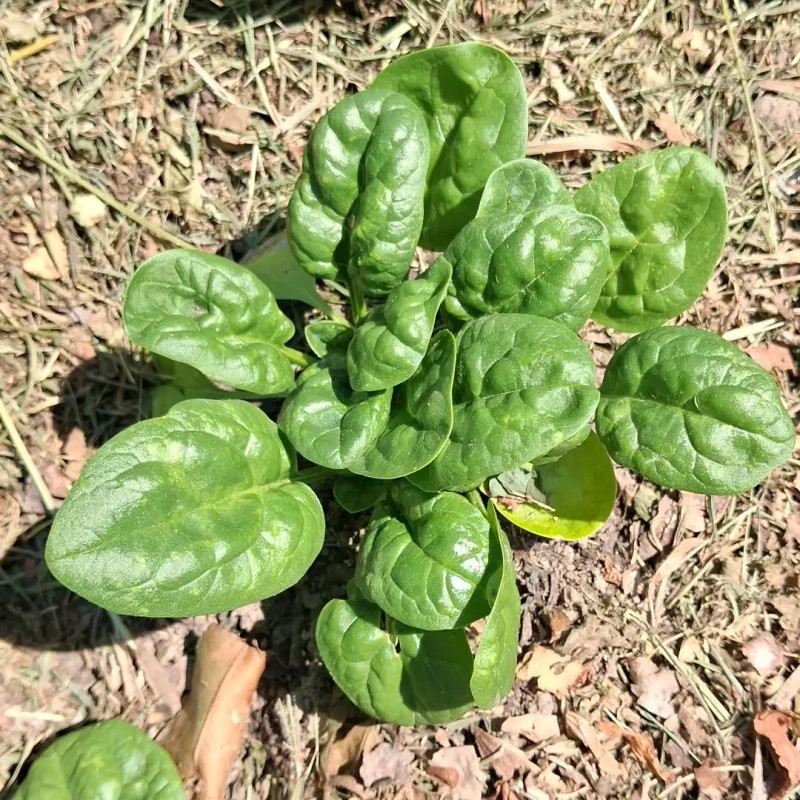
Spinach is notoriously stubborn when the thermometer climbs, and June heat is basically its worst nightmare.
Germination rates for spinach seeds drop dramatically once soil temperatures exceed 85 degrees Fahrenheit, which is almost guaranteed in most NC gardens by early June.
You can plant the seeds, water faithfully, and still end up with almost nothing to show for your effort.
Even seeds that do manage to sprout will struggle almost immediately. Spinach is a short-day plant that responds to increasing daylight and heat by bolting within just a few weeks of germinating.
Once bolting begins, leaf production stops and the plant becomes bitter and tough, making it completely unappealing for salads or cooking.
The good news is that spinach is absolutely worth growing in North Carolina, just not in June. Aim for a late September or early October planting for a fall crop that will carry you well into December.
For spring harvests, direct sow seeds outdoors in late February through March when soil temperatures stay consistently cool. Some gardeners even plant spinach in cold frames or low tunnels to extend the season on both ends.
Your North Carolina Garden Changes Every Week. Your Plan Should Too.
Gardening in North Carolina changes quickly throughout the season. Every Friday you’ll receive a simple weekly plan showing exactly what to plant, prune, fertilize, harvest, and protect so you never miss the right timing.
Patience with the calendar pays off big time with spinach, and the sweet, tender leaves you get in cooler months are absolutely worth the wait.
3. Radishes
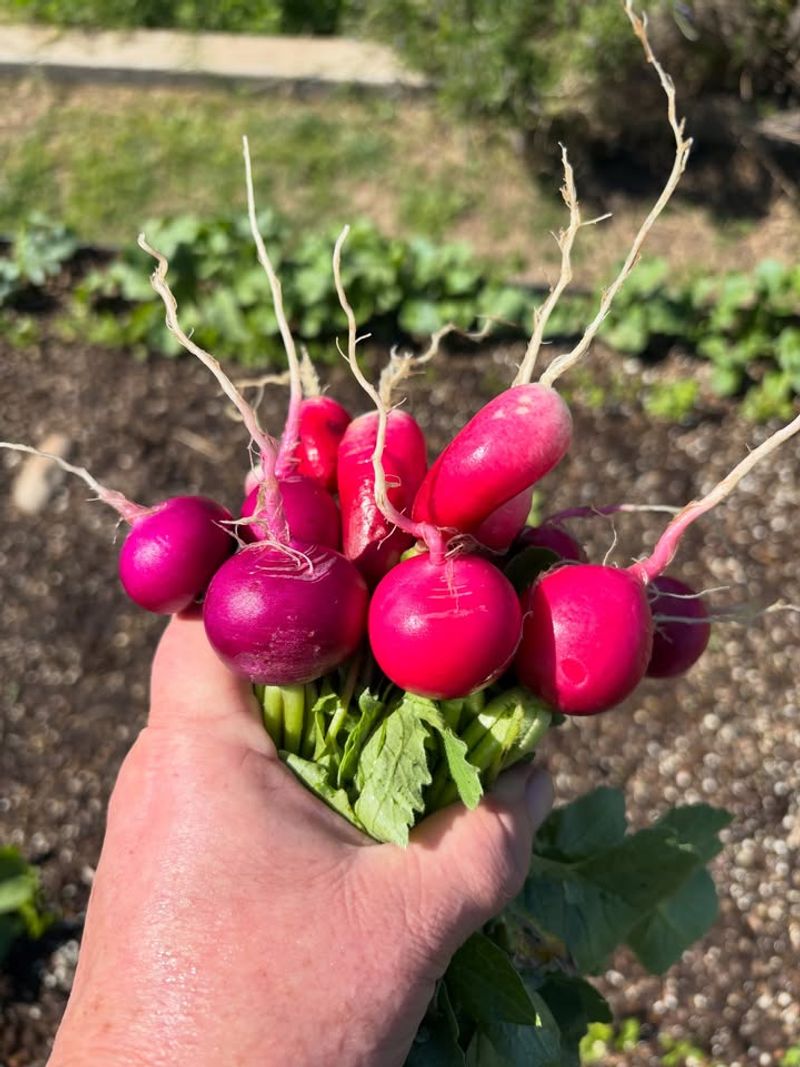
Radishes have a reputation for being one of the easiest and fastest vegetables to grow, and that reputation is well earned, but only when temperatures cooperate.
June in North Carolina pushes soil temps well beyond the 65 to 70 degree sweet spot that radishes need to develop round, crisp, flavorful roots.
Plant them now and you are setting yourself up for a frustrating harvest of thin, spindly, or pithy roots with almost no culinary value.
Hot soil causes radishes to put their energy into producing leaves and flowers rather than developing the root you actually want to eat. The roots that do form tend to be woody, hollow, or extremely pungent, making them unpleasant to eat raw or cooked.
Pest pressure also increases significantly in summer, with flea beetles targeting radish seedlings aggressively in warm weather.
Radishes genuinely shine in spring and fall in North Carolina. A late February through April planting gives you crisp, mild roots in as few as 25 days, and a September through October planting delivers some of the best radishes you will ever taste.
If you love growing radishes and cannot wait, try succession planting every two weeks starting in late August to keep a steady supply coming through the cooler months ahead.
The flavor difference between a heat-stressed radish and a cool-season radish is remarkable and worth the timing adjustment.
4. Peas
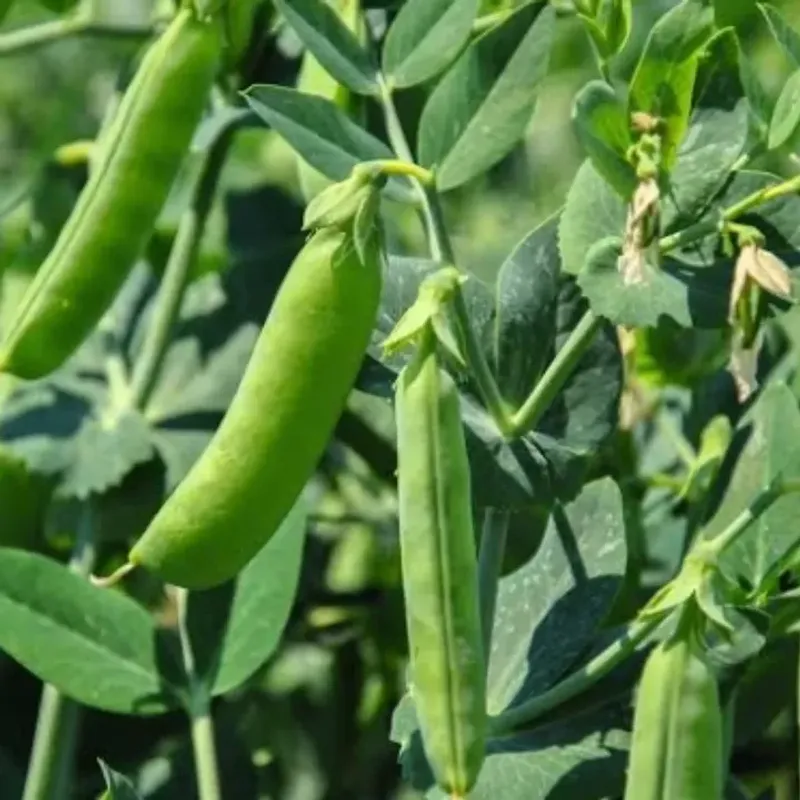
Peas are one of the most rewarding spring vegetables in North Carolina, but planting them in June is a recipe for total disappointment.
Pea seeds prefer soil temperatures between 45 and 70 degrees Fahrenheit for reliable germination, and June soil in NC regularly exceeds 80 degrees or more.
Seeds planted in these conditions either rot in the ground or sprout weakly and collapse before producing anything useful.
Even if plants manage to get established, pea flowers drop off the plant when daytime temperatures consistently reach above 85 degrees Fahrenheit. No flowers means no pods, and no pods means no harvest.
The plants also become vulnerable to powdery mildew and root rot in warm, humid conditions, which are both extremely common in our summers.
Timing is everything with peas in this region. For spring crops, aim to direct sow seeds outdoors in late January through early March, giving plants time to mature before the heat arrives.
For a fall crop, plant peas in late September through mid-October, allowing the vines to grow and produce pods as temperatures cool into November.
Some gardeners pre-chill their seeds in the refrigerator for a day or two before fall planting to encourage faster germination.
Choosing heat-tolerant varieties like Iron and Clay or heat-resistant snap peas can also give you a slightly longer window in borderline conditions.
5. Broccoli
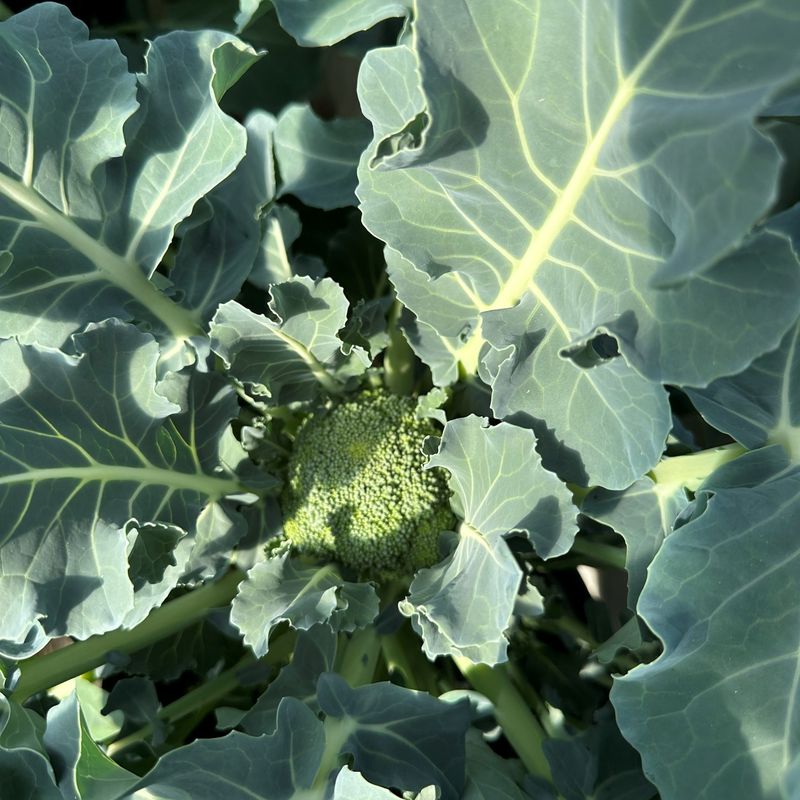
Broccoli is a cold-weather champion that simply has no place in a North Carolina June garden.
Seeds need soil temperatures between 45 and 85 degrees Fahrenheit for good germination, and while June soil can technically fall within that upper range, the real problem comes after germination.
Seedlings that sprout in hot weather struggle to develop properly, and heads that do form are typically small, loose, and prone to bolting almost immediately.
When broccoli experiences high temperatures during head formation, a process called buttoning occurs, where the plant produces many tiny, unusable heads instead of one large, marketable head.
The plant also rushes to flower, turning yellow and becoming completely inedible within days of head formation.
Humidity combined with heat also creates ideal conditions for downy mildew and black rot, two fungal diseases that spread quickly through broccoli crops in summer.
North Carolina gardeners have the best luck with broccoli when they start seeds indoors in late July or early August and transplant seedlings outdoors in September.
This fall timing allows heads to develop during the cool, crisp days of October and November, producing firm, flavorful broccoli with excellent texture.
For a spring crop, start seeds indoors in late December or January and transplant outside in February or early March.
Choosing varieties like Belstar or Premium Crop, both known for better heat tolerance, can also improve your results at the margins of the season.
6. Cauliflower
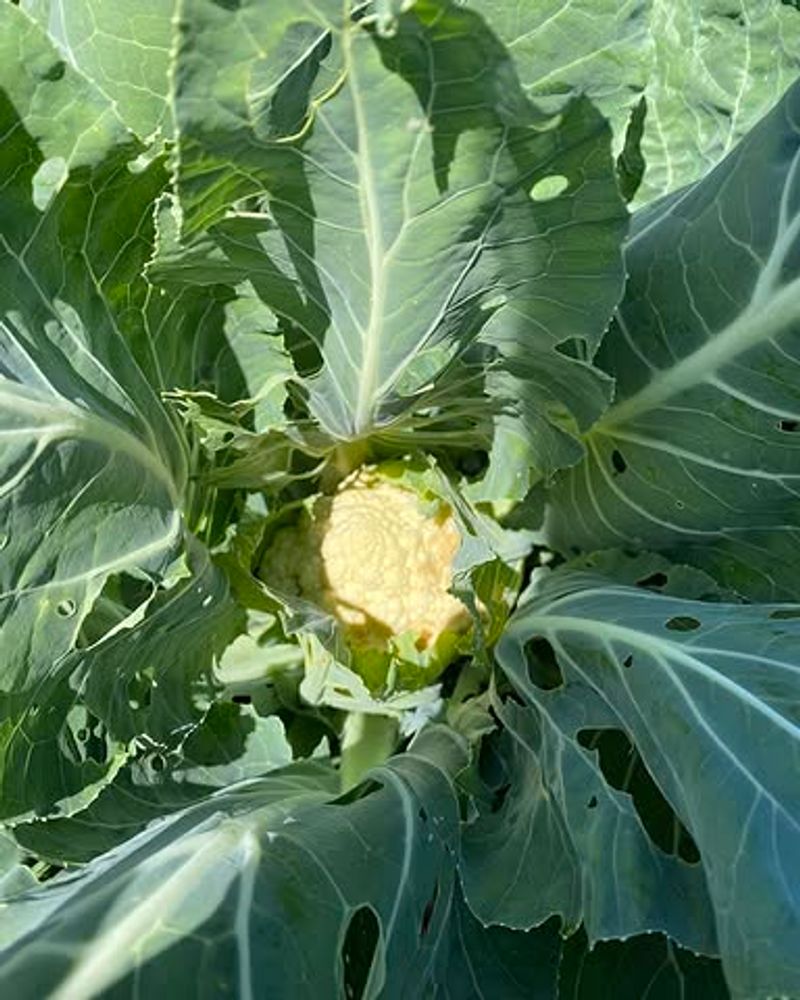
Cauliflower is widely considered the most temperature-sensitive brassica, and that sensitivity makes it a genuinely poor choice for June planting.
Even a few days of temperatures above 80 degrees Fahrenheit during head development can cause the curds, which are the white florets you eat, to become loose, ricey, or discolored.
June in most of North Carolina blows well past that threshold on a daily basis.
Germination itself can be hit or miss in hot soil, but the bigger challenge is keeping transplants alive and productive once they are in the ground.
Heat stress causes cauliflower leaves to curl, roots to struggle with water uptake, and heads to form unevenly or not at all.
The plant also becomes highly attractive to cabbage worms and aphids during warm months, adding another layer of difficulty to an already challenging crop.
Successful cauliflower growing in North Carolina happens almost entirely in the fall and early spring windows. Start seeds indoors in late July through early August and transplant in mid-September for a fall crop that benefits from cooling temperatures.
For spring, start seeds indoors in December and get transplants in the ground by late February.
Varieties like Snow Crown and Amazing tend to perform better under variable conditions, but even they need cool temperatures to produce quality heads.
Cauliflower rewards patience and precise timing more than almost any other vegetable in the home garden.
7. Mustard Greens
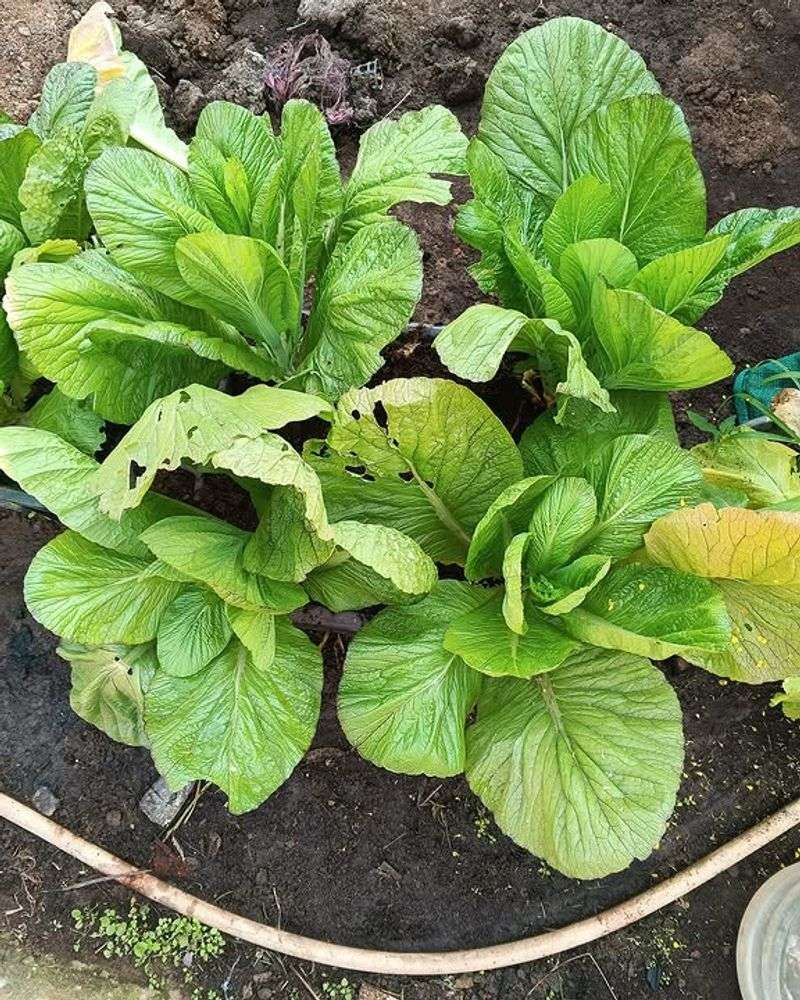
Mustard greens are beloved in North Carolina kitchens, especially in the Piedmont and eastern regions where they are a staple of Southern cooking. But planting them in June is almost guaranteed to produce a frustrating result.
Like other brassicas, mustard greens bolt quickly when exposed to long days and high temperatures, sending up flower stalks within days or weeks of germination and making the leaves intensely bitter and tough.
The flavor change in heat-stressed mustard greens is dramatic. Leaves that would normally have a pleasant, peppery bite become almost unbearably sharp and bitter, with a fibrous texture that makes them unpleasant to cook or eat raw.
Flea beetles, which are tiny jumping insects that chew small holes through leaves, also become a major pest problem for brassicas planted in warm weather, and mustard greens are one of their favorite targets.
For genuinely great mustard greens, North Carolina gardeners should plan for a fall planting between late August and mid-September, or a very early spring planting in February through March.
Fall-grown mustard greens actually benefit from light frosts, which soften their natural pungency and bring out a slightly sweeter, more complex flavor.
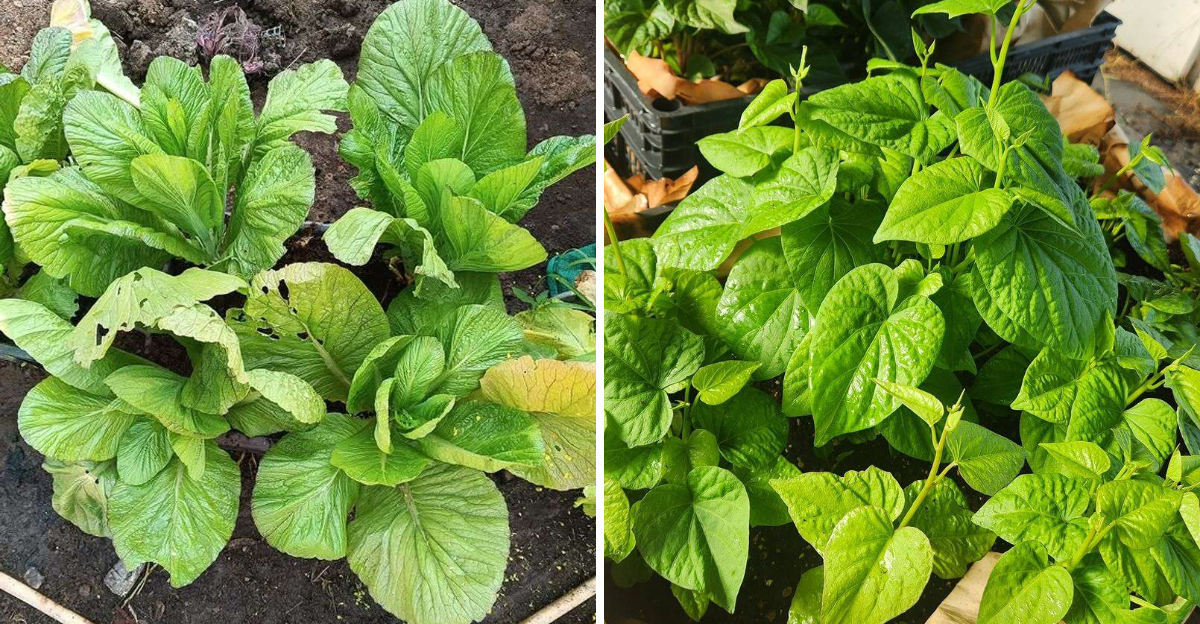
Varieties like Florida Broadleaf and Tendergreen perform reliably in NC conditions. If you want leafy greens to grow through summer, consider heat-tolerant alternatives like sweet potato leaves, which handle the heat beautifully and deliver excellent nutrition.
8. Okra (Best For June Heat)
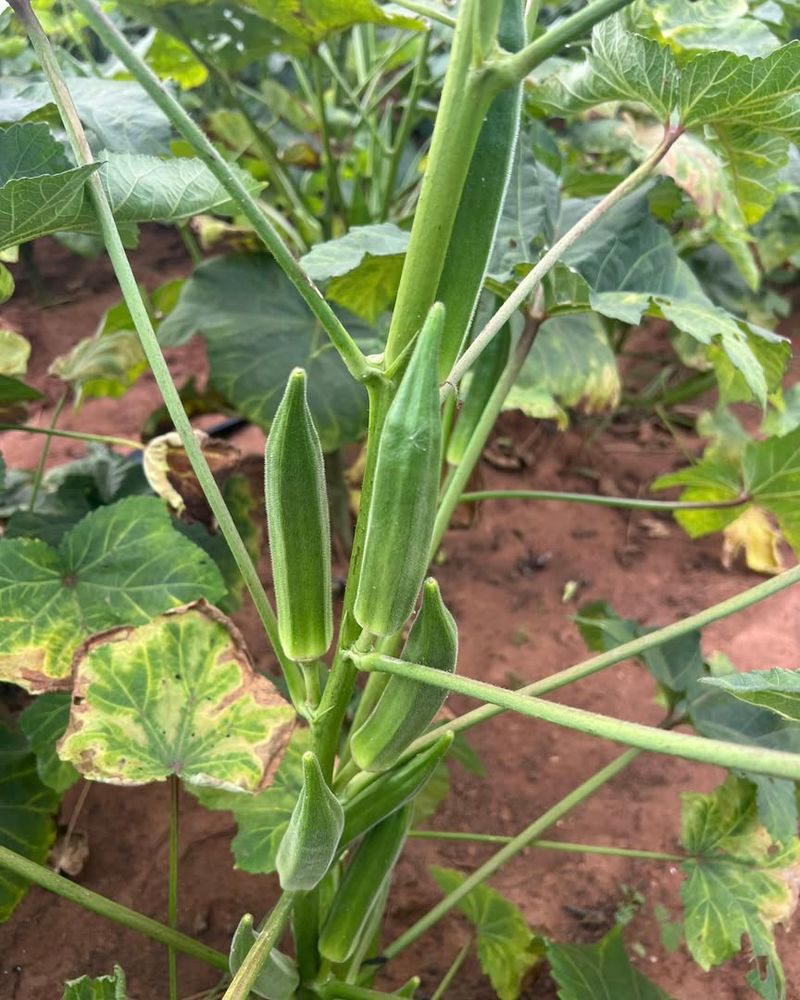
Okra and North Carolina summer heat are practically made for each other.
This warm-season powerhouse actually needs soil temperatures of at least 65 to 70 degrees Fahrenheit for reliable germination, and in June, most NC soils are hitting 75 to 85 degrees or even higher, which is exactly the sweet spot okra loves.
Seeds planted directly in the ground in June will typically sprout within 5 to 7 days under these warm conditions.
Okra plants grow vigorously through the hottest months, producing beautiful hibiscus-like yellow flowers followed by tender pods that are ready to harvest just 4 to 5 days after flowering.
The key to keeping production high is harvesting pods frequently, every 2 to 3 days, before they become tough and fibrous.
Plants that are allowed to develop overgrown pods will slow down their production significantly, so staying on top of the harvest is important.
For best results in North Carolina, space okra plants about 18 to 24 inches apart in rows set 3 feet apart, giving each plant plenty of room to grow tall and branch out.
Okra performs well in a range of soil types but thrives in well-drained, slightly acidic soil with a pH between 6.0 and 6.5.
Water consistently during dry spells, aiming for about one inch per week. Varieties like Clemson Spineless 80 and Jambalaya are popular choices among NC home gardeners for their reliable production and excellent pod quality.
9. Southern Cowpea (Best For June Heat)
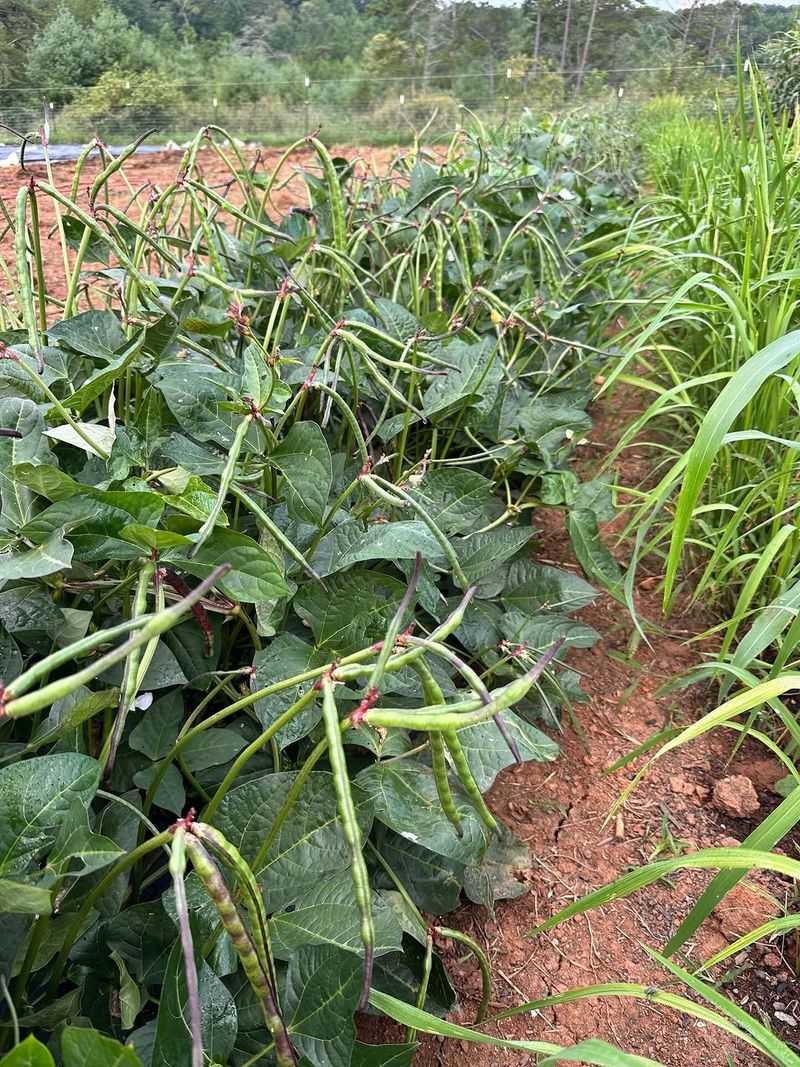
Few vegetables are as well suited to NC summer as the Southern cowpea, also widely known as the black-eyed pea. This crop has been a cornerstone of Southern agriculture for centuries, and for very good reason.
Cowpeas germinate best when soil temperatures are between 60 and 95 degrees Fahrenheit, meaning June in North Carolina is essentially perfect planting weather for this resilient, productive legume.
Beyond heat tolerance, cowpeas bring another major benefit to the garden: they fix nitrogen from the air into the soil through a natural process involving beneficial bacteria on their roots.
This means they actually improve your soil while they grow, making them an excellent crop to follow with heavy feeders like corn or tomatoes later in the season.
They also require very little fertilizer to perform well, which keeps your gardening costs low.
Plant cowpea seeds directly in the garden about one inch deep, spacing them 4 to 6 inches apart in rows set 24 to 36 inches apart. They prefer well-drained soil and full sun exposure, and once established, they handle dry spells better than most garden vegetables.
Water regularly for the first few weeks after planting, then reduce irrigation as plants mature since cowpeas are notably drought-tolerant.
Varieties like Iron and Clay, Pinkeye Purple Hull, and Mississippi Silver are all well-adapted to North Carolina conditions and deliver excellent yields through late summer and into early fall.
10. Sweet Potatoes (Best For June Heat)
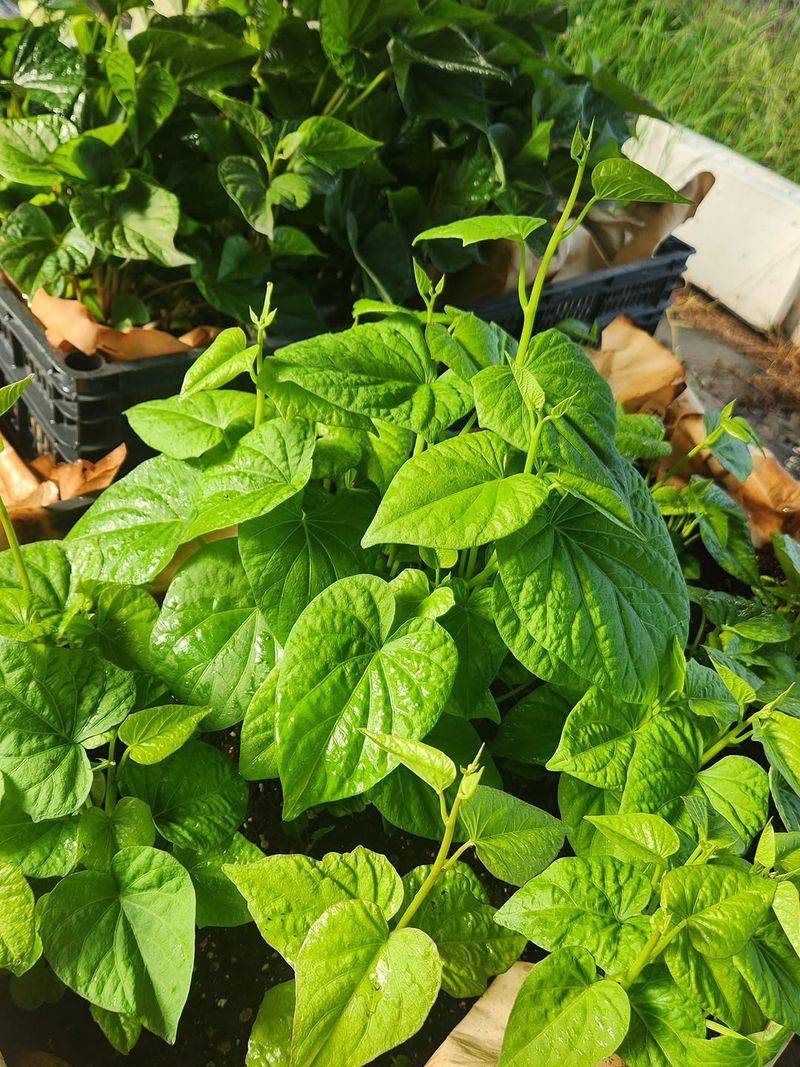
Sweet potatoes are one of the most perfectly matched crops for hot, humid summers, and June is genuinely one of the best times to get them established.
These plants are not grown from seeds but from slips, which are small rooted cuttings taken from a mature sweet potato.
Slips need warm soil, ideally between 65 and 85 degrees Fahrenheit, to root quickly and begin growing, and June soil in NC provides exactly that warmth without any help needed.
Once established, sweet potato vines spread aggressively and cover the soil surface, which actually helps suppress weeds and retain soil moisture during the hottest weeks of summer.
The vines are remarkably low-maintenance compared to many other vegetables, needing only occasional watering during extended dry periods and no staking or trellising.
Their deep root systems make them surprisingly resilient to heat and short dry spells.
For a successful harvest, plant slips about 12 to 18 inches apart in rows set 3 to 4 feet apart in loose, well-drained soil. Sandy loam soil works best and encourages straight, well-shaped roots.
Avoid heavy clay soils, which can cause roots to become oddly shaped or crack during growth. Sweet potatoes typically need 90 to 120 days to reach full maturity, meaning a June planting will be ready for harvest in September or October.
Beauregard and Covington are two varieties that consistently perform extremely well across our diverse growing regions.
11. Yardlong Beans (Best For June Heat)
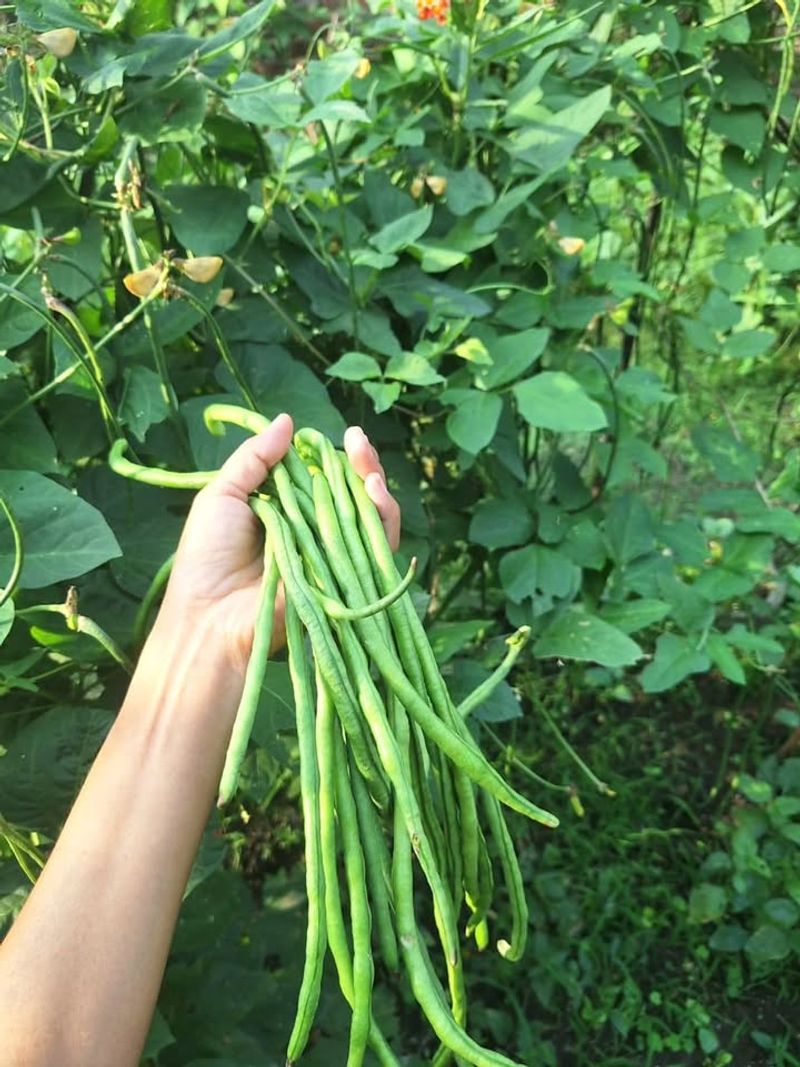
Yardlong beans, sometimes called asparagus beans or Chinese long beans, are an incredible summer crop that North Carolina gardeners are still discovering.
Despite the name, pods typically reach 18 to 24 inches long rather than a full yard, but that is still an impressive and productive harvest from each plant.
These beans are closely related to cowpeas and share the same love of hot weather, germinating reliably when soil temperatures sit between 70 and 95 degrees Fahrenheit, which perfectly describes a June garden.
One important difference between yardlong beans and regular bush beans is that yardlong beans are vigorous climbing vines. They need a sturdy trellis, fence, or support structure at least 6 feet tall to grow properly and produce well.
Investing in good support before planting saves a lot of trouble later, since the vines grow quickly and become heavy with pods.
Pods should be harvested when they reach about 18 inches long and are still tender and slender, as they become tough and fibrous if left on the vine too long.
Plant seeds directly in the garden about one inch deep and 4 to 6 inches apart, with rows spaced 18 to 24 inches apart along your trellis. Full sun is essential, and the plants appreciate consistent moisture during flowering and pod development.
Reduce watering slightly once pods begin to fill out. Yardlong beans are notably resistant to many common bean pests and diseases, making them a lower-maintenance option than traditional snap beans for summer growing in North Carolina’s warm, humid climate.
12. Malabar Spinach (Best For June Heat)
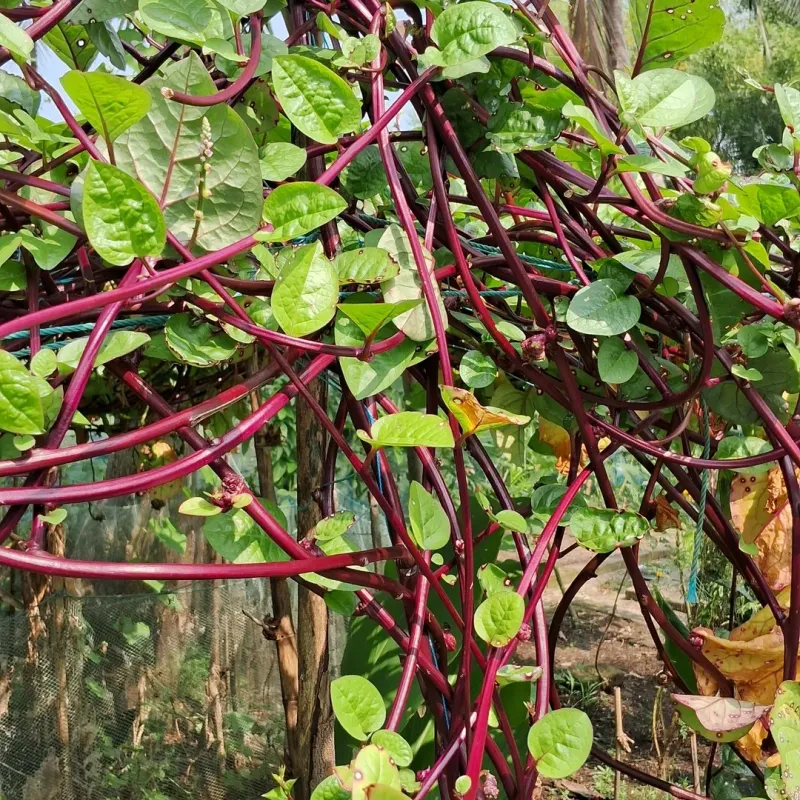
Anyone who has ever tried to grow regular spinach in a North Carolina summer and failed will find Malabar spinach to be a genuinely exciting discovery. Despite sharing the name spinach, Malabar spinach is not botanically related to true spinach at all.
It is actually a tropical vine native to South Asia and Africa, and it absolutely thrives in heat and humidity, two conditions that send traditional spinach bolting immediately.
June in North Carolina is practically ideal for getting Malabar spinach established from seed or transplant.
The thick, glossy leaves have a mild, slightly mucilaginous texture when cooked, similar to regular spinach, and they work beautifully in stir-fries, soups, curries, and smoothies.
The plant grows as a vigorous climbing vine and benefits from a trellis or fence to keep it organized and productive.
Young, tender leaves are the most flavorful and have the best texture, so harvesting regularly from the top of the plant encourages continuous new growth throughout summer.
Plant Malabar spinach in full sun for best results, since it needs at least 6 to 8 hours of direct sunlight daily to grow vigorously. It tolerates a wide range of soil types but performs best in rich, well-drained soil with consistent moisture.
Water regularly, especially during dry stretches, and apply a layer of mulch around the base to retain soil moisture and keep roots cool. Seeds can be soaked in water overnight before planting to speed up germination.
Red-stemmed varieties add a striking ornamental quality to the garden alongside their culinary value.