The One Thing To Do After Japanese Beetles Leave Your North Carolina Yard Or They Come Back Worse
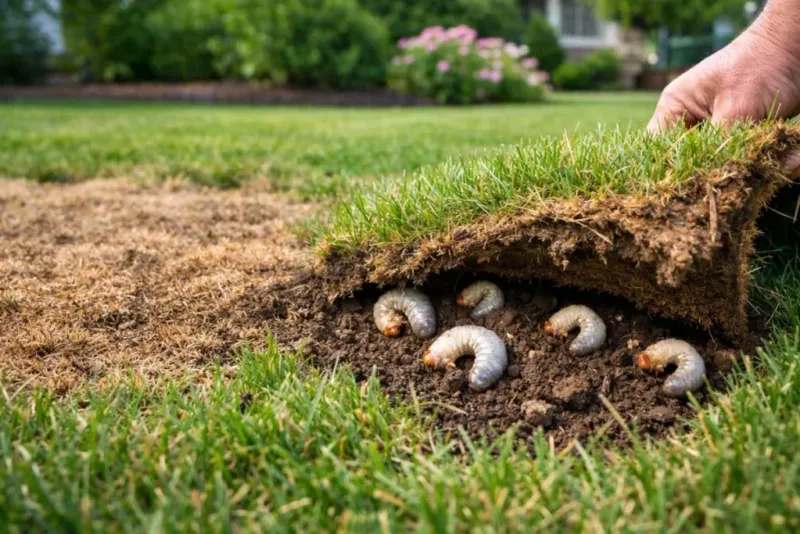
Japanese beetles spend a few flashy weeks chewing through your roses and grape leaves, then vanish as quickly as they came. What most North Carolina homeowners do not realize is that the beetles left eggs behind in the soil, and those eggs are already hatching into grubs that feed on grass roots through the rest of summer and into fall. The good news is that one practical step taken now can help you decide whether your lawn needs treatment before the damage gets serious. That step is not grabbing a bag of grub killer off the shelf, it is grabbing a trowel and taking a close look at what is actually living under your turf.
Inspect Before You Treat The Lawn
Here is the part the title gets a little ahead of itself on: Japanese beetles leaving your yard does not automatically mean next summer will be worse. Adult beetles are strong fliers. They can arrive from a neighbor’s untreated pasture, a nearby golf course, or a weedy lot down the road, so what happens next year depends on weather, soil moisture, turf health, and where adults choose to lay their eggs, not just on whether beetles visited your yard this season.
That said, the beetles that were in your yard very likely laid eggs in your lawn while they were feeding. Those eggs hatch in roughly 8 to 14 days, and the young grubs begin feeding on grass roots almost immediately. That root feeding is the real problem worth addressing now, and NC State Extension’s turf pest guide recommends inspecting multiple lawn areas before deciding whether curative treatment is justified, because grubs tend to concentrate in patches rather than spreading evenly.
The goal of this inspection is to protect your grass roots, not to guarantee an empty yard of adult beetles next year. Grub treatment is primarily a turf-health decision. As
University of Minnesota Extension explains, treating grubs is unlikely to reduce the adult beetles that feed on your ornamental plants, since adults can fly in from untreated areas well beyond your property line.Preventive grub treatments follow a different logic entirely. Those applications depend on product timing, site history, risk level, and what the label specifies, and they do not necessarily require a current grub count. What the inspection described here is built for is a curative decision: you found beetles this summer, you want to know whether your lawn has enough grubs to justify treatment now, and you want to spend your money and effort where they will actually do something. The EPA’s lawn and garden guidance consistently supports targeted, evidence-based pest decisions over routine preventive applications.
Why The Lawn Can Still Hide Grubs
Japanese beetles follow a tidy seasonal schedule in North Carolina, and understanding it helps you know why the lawn looks fine on the surface while something is quietly happening underground. Adult beetles emerge in late June or early July, feed on foliage and flowers for four to six weeks, and lay eggs in the soil throughout that period. A single female can lay 40 to 60 eggs over her lifetime, depositing small clusters a few inches down in moist, grassy areas.
Your North Carolina Garden Changes Every Week. Your Plan Should Too.
Gardening in North Carolina changes quickly throughout the season. Every Friday you’ll receive a simple weekly plan showing exactly what to plant, prune, fertilize, harvest, and protect so you never miss the right timing.
According to NC State’s arthropod pest guide for turf, eggs hatch in about 8 to 14 days, and the tiny larvae begin feeding on organic matter and fine grass roots almost immediately. Through August and into September, those grubs grow through their first and second instars, feeding actively near the soil surface where turf roots are most concentrated. North Carolina generally sees one generation per year, so the grubs present now are the ones that will overwinter and complete development the following spring.
Root feeding during late summer is where the real turf damage accumulates. The grass above may look perfectly normal for weeks while the root system is being steadily reduced below. By the time yellowing or thinning appears, the damage is already underway. That delay is exactly why a post-season inspection matters more than a quick visual scan from the driveway.
Future adult abundance is a separate question entirely. Dry soil during egg-laying can sharply reduce how many eggs survive. A wet, warm summer can support larger populations. University of Minnesota Extension notes that a heavy beetle season one year does not reliably predict a worse season the next, and adults flying in from other properties can inflate local numbers regardless of what your lawn’s grub count turns out to be.
Sample Several One-Square-Foot Sections
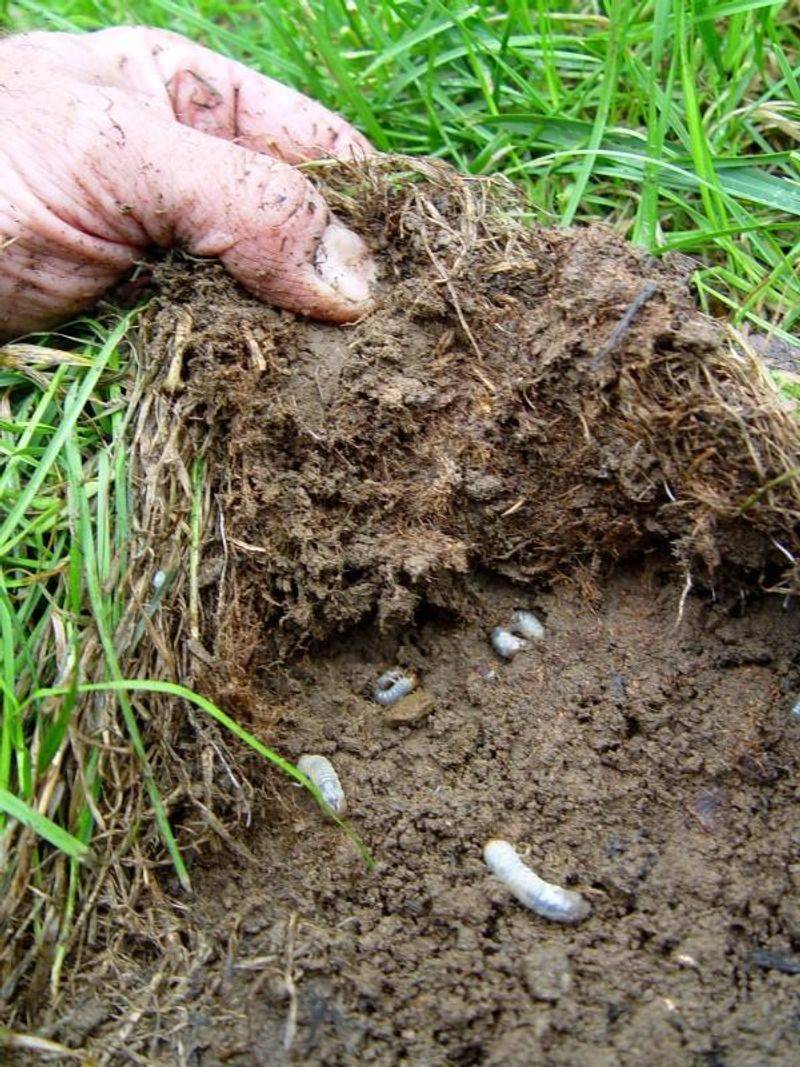
Walk the yard before you cut anything. You are looking for turf that has yellowed, thinned noticeably, turned spongy underfoot, or feels loose when you give it a gentle tug. Those are the spots most likely to be hiding grubs beneath the surface. Mark two or three of those areas, then pick one or two spots in grass that still looks healthy nearby, because grubs do not always stay under the worst-looking turf.
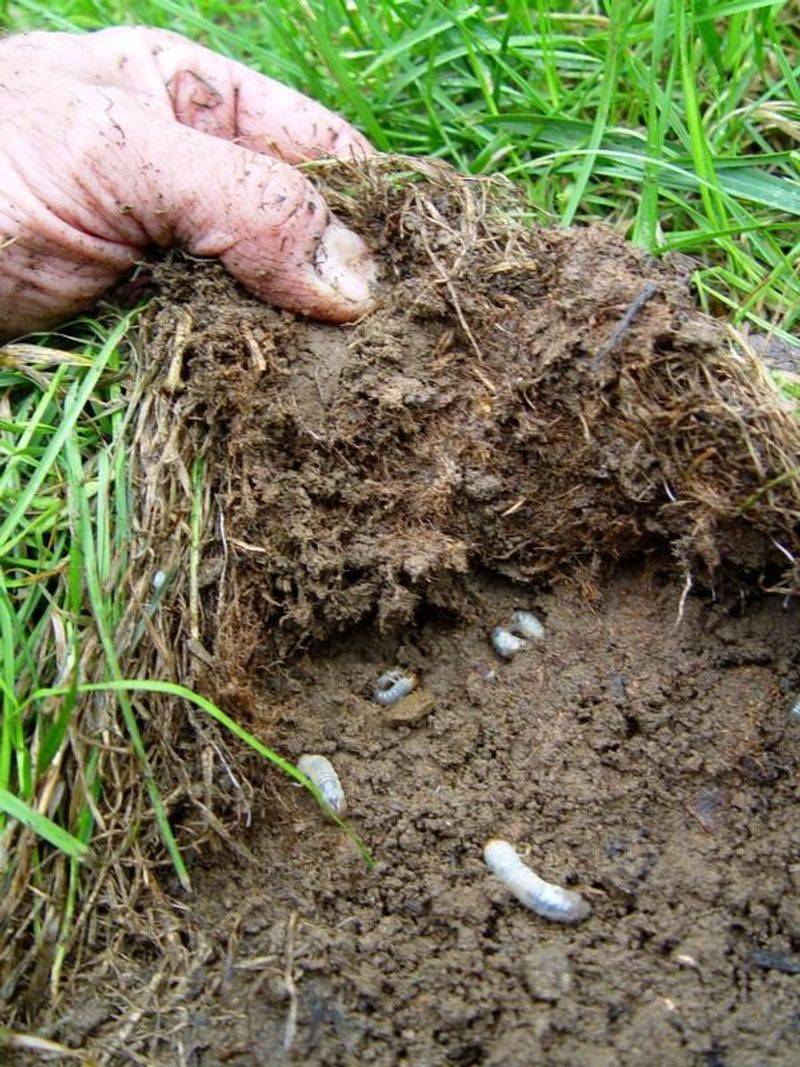
To sample, use a sharp spade or a sturdy trowel to cut three sides of a roughly one-square-foot square. Make your cuts about 3 inches deep, then slide the tool under the sod and fold it back like opening a book. You want to expose the thatch layer, the root zone, and the top 2 to 4 inches of soil. Work slowly and look carefully, because small grubs in early instars can be easy to miss against sandy or dark soil.
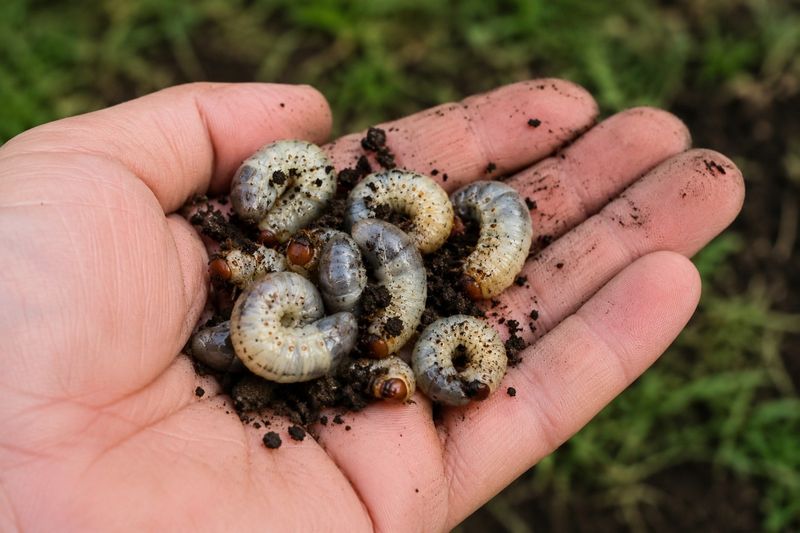
What you are searching for are cream-colored, C-shaped larvae with a tan or brown head capsule and three pairs of small legs near the front of the body. NC State’s turf pest guide describes this general appearance across several scarab species found in North Carolina lawns. That shared look is also a caution: appearance alone does not confirm which species you have found, and species identity can affect how you respond.
Count every grub you find in each sample square and write the number down. Then fold the sod back into place, press it down firmly with your foot, and water that spot if the soil is dry. A grub you put back is not a wasted sample, it is data. Repeat this process across at least three to five spots spread around the yard, because grubs tend to cluster in patches.
One sample that comes up empty does not mean the rest of the lawn is clear, and one high-count sample does not mean every corner is infested.
Use Damage And Grub Counts Together
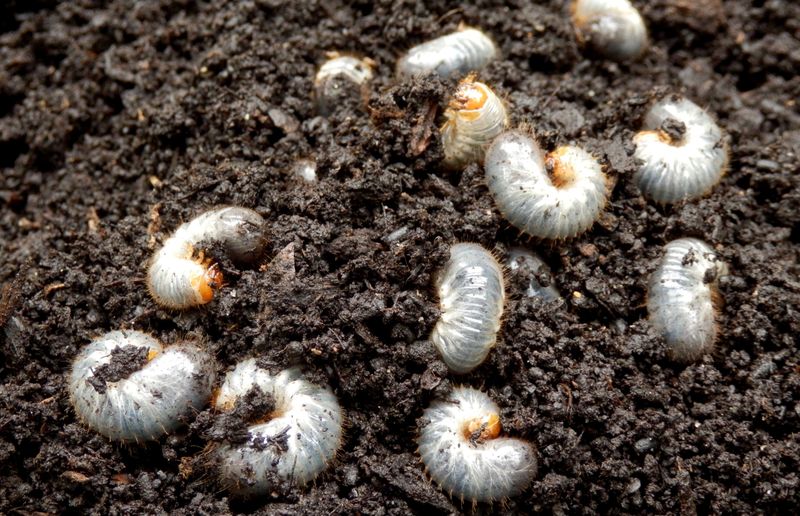
A raw grub count only tells part of the story. The number you find matters, but so does the condition of the turf above it, the recent weather, and what you are actually trying to protect. A lawn that is already drought-stressed and thin going into fall is more vulnerable to root feeding than a dense, well-rooted stand of tall fescue that got regular deep watering through July and August.
Purdue Extension guidance cites roughly 6 to 8 Japanese beetle grubs per square foot as an average action threshold, while Minnesota research suggests healthy turf can sometimes tolerate up to 10 before significant damage appears. NC State places the general curative range at 5 to 10 grubs per square foot depending on species, turf condition, and history. None of these numbers are universal rules. They are starting points for a judgment call.
Root-feeding damage shows up as turf that yellows in irregular patches, feels spongy when you walk on it, or lifts away from the soil with almost no resistance, like a piece of loose carpet. If you can roll back a section of your lawn with one hand, grubs have likely been busy there for a while. Skunks, crows, and moles digging in the lawn can suggest grub activity, though those animals also hunt earthworms and other soil creatures, so their presence is a clue rather than a confirmation.
A lawn with 2 or 3 grubs per square foot in otherwise healthy turf probably does not need a pesticide application. University of Minnesota Extension is direct on this point: grub control is mainly for protecting turf from root damage, and treating a lawn that does not have a meaningful infestation wastes money and exposes non-target insects to unnecessary risk. Let the count, the damage, and the turf condition together drive the decision, not the fact that beetles were present this summer.
Match Treatment Timing To The Grub Stage
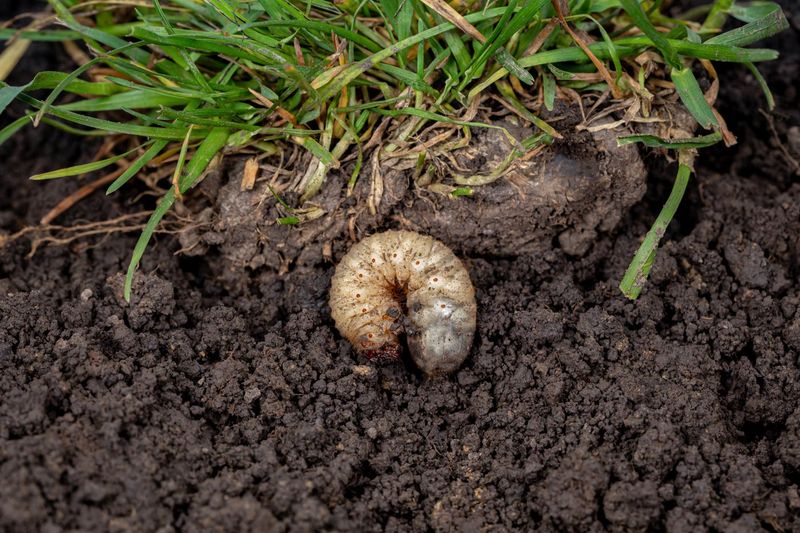
Timing a grub treatment by the calendar date alone is a shortcut that often does not work. The date matters, but so does the size of the grubs you found, the species involved, recent rainfall, soil temperature, and what the product label actually requires. Getting two or three of those factors wrong at once is how a homeowner spends money on a treatment that does very little.
For curative applications targeting smaller, actively feeding grubs, late July through mid-September is generally the most productive window for Japanese beetle larvae in North Carolina. At that stage the grubs are still in their first or second instar, roughly half an inch or smaller, feeding near the soil surface where contact with a properly applied product is most likely. NC State’s turf pest guide lists August through October and April through early May as general curative periods for white grubs, but those ranges cover multiple species with different timing and should be read alongside the specific product label, not instead of it.
Once grubs reach their third instar in late fall, they are nearly full-sized and begin moving deeper into the soil to overwinter. At that point, curative treatments may provide only partial control or fail entirely. University of Minnesota Extension recommends targeting grubs while they are still small and near the surface, and notes that rescue treatments applied to large, deep-dwelling grubs are far less reliable.
Spring treatment deserves a specific caution. Large spring grubs are harder to kill, they feed for a shorter period before pupating, and spring damage from Japanese beetle grubs is often less severe than fall damage. More importantly,
UMN Extension points out that spring grub treatment does nothing to prevent new adult beetles from arriving and laying fresh eggs later that summer. Preventive applications, which are applied before egg laying begins or around peak adult flight, follow a completely different product and timing logic and are not a substitute for a post-season curative decision based on actual grub counts.Identify The Grub Before Choosing A Product
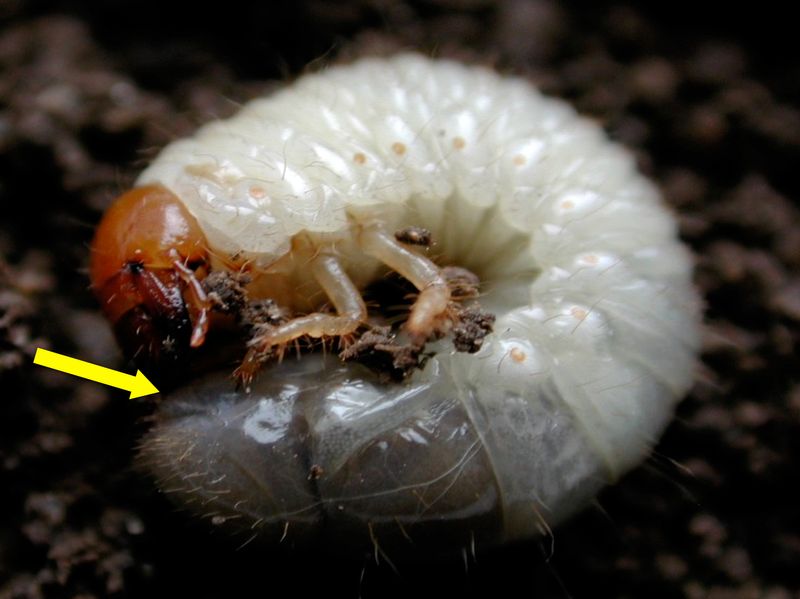
Cream-colored and C-shaped is a description that fits several different grubs living in North Carolina soil right now. Japanese beetles share that basic look with green June beetles, masked chafers, May beetles, June beetles, Asiatic garden beetles, and other scarab species. Assuming every grub you find came from a Japanese beetle is one of the more common mistakes homeowners make, and it can lead to applying the wrong product at the wrong time.
NC State’s arthropod pest guide lists all of these species as possible contributors to white grub populations in North Carolina turf. Their life cycles, peak feeding periods, and responses to different management approaches vary enough that species identity genuinely changes what you should do next.
Green June beetles deserve special attention in the Piedmont and Coastal Plain. Their grubs can be more elongated than the tightly curled C-shape typical of Japanese beetle larvae, and they often crawl on their backs rather than curling up when disturbed. NC State’s green June beetle guide describes how these grubs can push up small soil mounds or create surface disturbance as they move through the thatch layer, which sometimes looks like earthworm casting activity. NC State also notes that some contact products used for other grub species should not be watered in for green June beetle situations, a difference that matters when you are standing in the lawn products aisle.
If you are not confident in your identification, take a sample to your local NC State Extension office or submit a photo through their online pest identification service before choosing a product. Applying Japanese beetle timing and label instructions to a different grub species without reliable identification is a good way to get disappointing results and spend money unnecessarily.
Let The Product Label Control Any Treatment
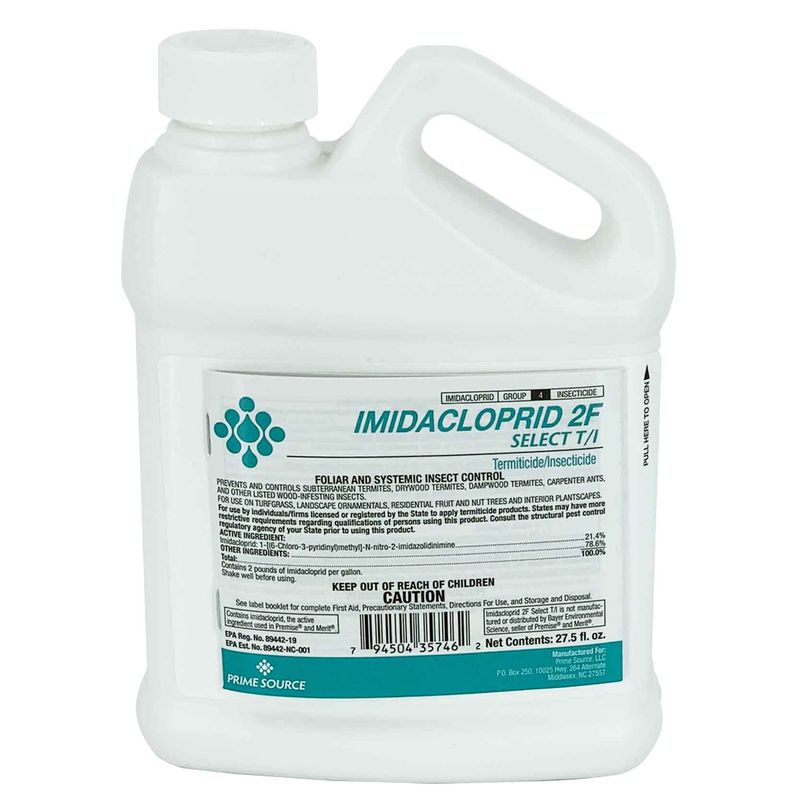
Once your grub counts, damage assessment, timing, and species evidence point toward treatment, the product label takes over as the authority. Not a YouTube video, not a neighbor’s recommendation, not a social-media post with a specific mix ratio. The label is a legal document, and it controls rate, application method, watering instructions, reentry intervals, and protective equipment requirements. Two products in the same product category can have meaningfully different directions.
Choose a product that is specifically labeled for the grub species you identified and for use on the lawn site you have, whether that is a home lawn, a landscape bed, or a high-traffic area. EPA lawn and garden guidance is consistent on this point: use only products registered for the target pest and site, follow the label rate, and keep people and pets off the treated area as directed. Applying more product than the label specifies does not improve results and increases risk to soil organisms, beneficial insects, and water quality.
Pollinator safety instructions vary by product and must be followed as written. Some labels require or recommend avoiding application when bees are foraging or when blooming weeds are present in the treatment area. Others specify application timing windows or reentry restrictions tied to bee activity. Do not assume one universal rule applies to every lawn product; read what your specific label says and follow it.
Biological options come up in these conversations, and they deserve honest treatment. NC State’s white grubs in turf resource addresses milky spore, a naturally occurring bacterium sometimes marketed as a long-term Japanese beetle grub control. Newer university guidance, including NC State’s organic lawn care guide, describes its benefit as unclear or inconsistent in modern trials. Treat it as an option with uncertain results rather than a guaranteed solution.
Japanese beetle traps are similarly limited: NC State’s Japanese beetle publication and UMN Extension both warn that traps can draw more adults toward nearby ornamental plants than they capture, making them better suited as monitoring tools than as whole-yard population control.
Build Turf That Can Tolerate Damage
Grub treatment, when it is warranted, protects the root zone. But a lawn that is already stressed going into the season is going to feel every grub harder than one that is dense, well-rooted, and properly maintained. Turf resilience is not a soft concept; it is the practical difference between a lawn that bounces back from moderate grub pressure and one that turns into a muddy patchwork by October.
NC State’s turf pest guide recommends appropriate fertilization, mowing at the correct height for your grass species, and infrequent deep watering rather than frequent shallow irrigation. Deep, infrequent watering encourages roots to grow downward, which makes turf more drought-tolerant and better able to compensate for some root loss. Shallow daily watering keeps roots near the surface and can actually make grub damage more visible, faster.
Excess nitrogen pushes lush, fast-growing top growth that the root system cannot always support, and overfertilized turf tends to be weaker when pest pressure arrives. Mowing too short stresses the grass and reduces its ability to recover from any kind of damage. These are not complicated fixes, they are the basics that make everything else work better.
One more thing worth repeating before you close the shed: treating grubs in your lawn protects your grass, but it will not keep adult Japanese beetles from flying in from other properties and landing on your roses, crape myrtles, or linden trees next July. Those are two separate problems with two separate responses. Inspect several spots, count honestly, identify cautiously, treat only when the numbers and damage justify it, follow the label, and build turf that can handle a little pressure. A lawn that starts next spring in good shape is your best asset, whatever the beetles decide to do.