6 Vegetables To Avoid In North Carolina Full Shade And 6 That Still Produce
Not every corner of a North Carolina yard is created equal, and some spots will set up your vegetable garden to fail before you even plant the first seed.
Full shade is one of those conditions that looks workable from a distance but reveals its true character about six weeks into the growing season, usually right when you were hoping to start harvesting.
Some vegetables respond to shade with polite indifference and then produce almost nothing. Others get creative in ways you did not ask for, growing tall and leafy while completely ignoring the whole point of being a food crop.
But here is what most gardening lists skip over entirely: a handful of vegetables actually perform better in shade than in full sun, and North Carolina’s specific climate is a big part of why.
The difference between a wasted bed and a productive one sometimes comes down to knowing which side of that line each plant falls on. Do you know which six belong in the shade?
Tomatoes Need More Sun Than Full Shade Gives
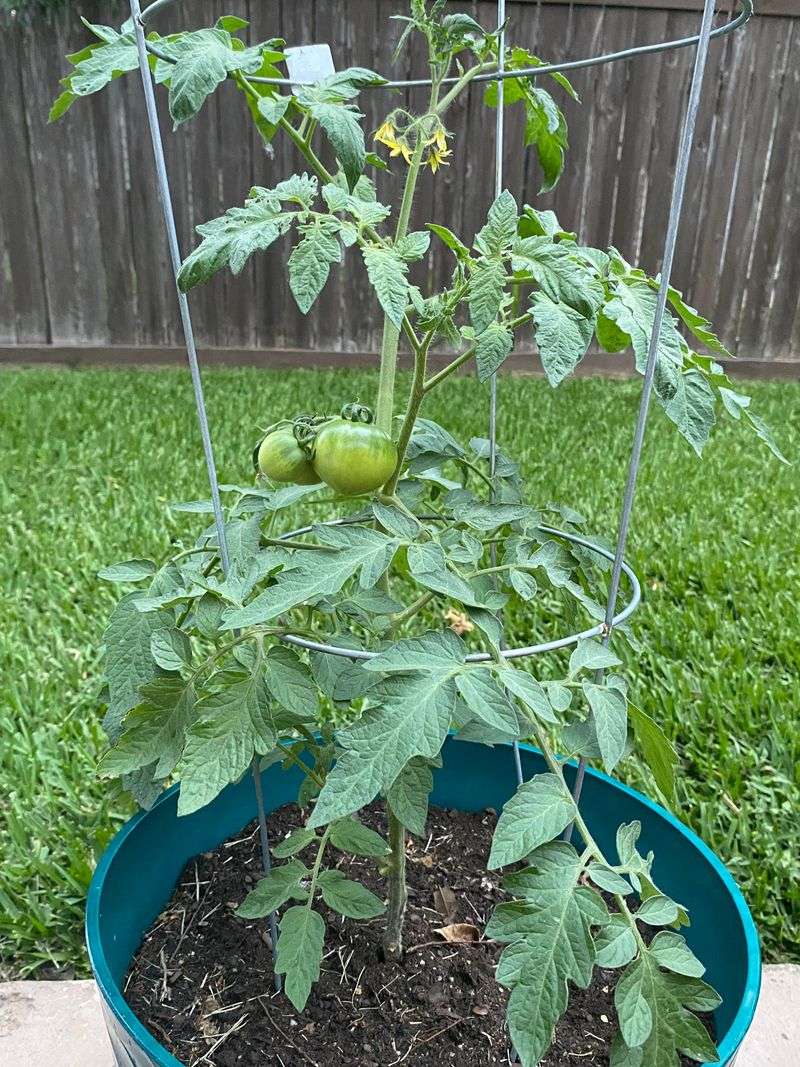
Planting tomatoes under large trees or on the north side of a fence is one of the most common shady bed mistakes North Carolina gardeners make, and it almost never works out the way anyone hopes.
Tomatoes are among the most sun-hungry vegetables you can grow, and full shade is simply not enough to fuel the process that turns flowers into fruit.
In full shade, plants may grow tall and leafy as they stretch toward any available light, but blooms rarely appear and fruit set becomes nearly impossible without strong solar energy driving the plant’s metabolism.
The vine looks productive. The harvest does not cooperate.
North Carolina summers are warm and humid, which already stresses tomatoes in ways that require maximum sun exposure to counteract.
Shaded tomatoes are also more vulnerable to fungal diseases like early blight and leaf spot because air circulation is poor and foliage stays damp longer after rain.
The combination of low light and trapped moisture is basically a welcome mat for every problem tomatoes are prone to.
A tomato plant that gets full sun will consistently outperform a shaded one by a wide margin, and the flavor difference in the fruit is noticeable and worth every bit of extra effort you put into finding a better spot.
Move them to the sunniest location available, even if that means a container on a patio. The tomato does not care about the container. It cares about the sun, and it will let you know loudly when it is not getting enough.
Peppers Struggle Without Direct Light
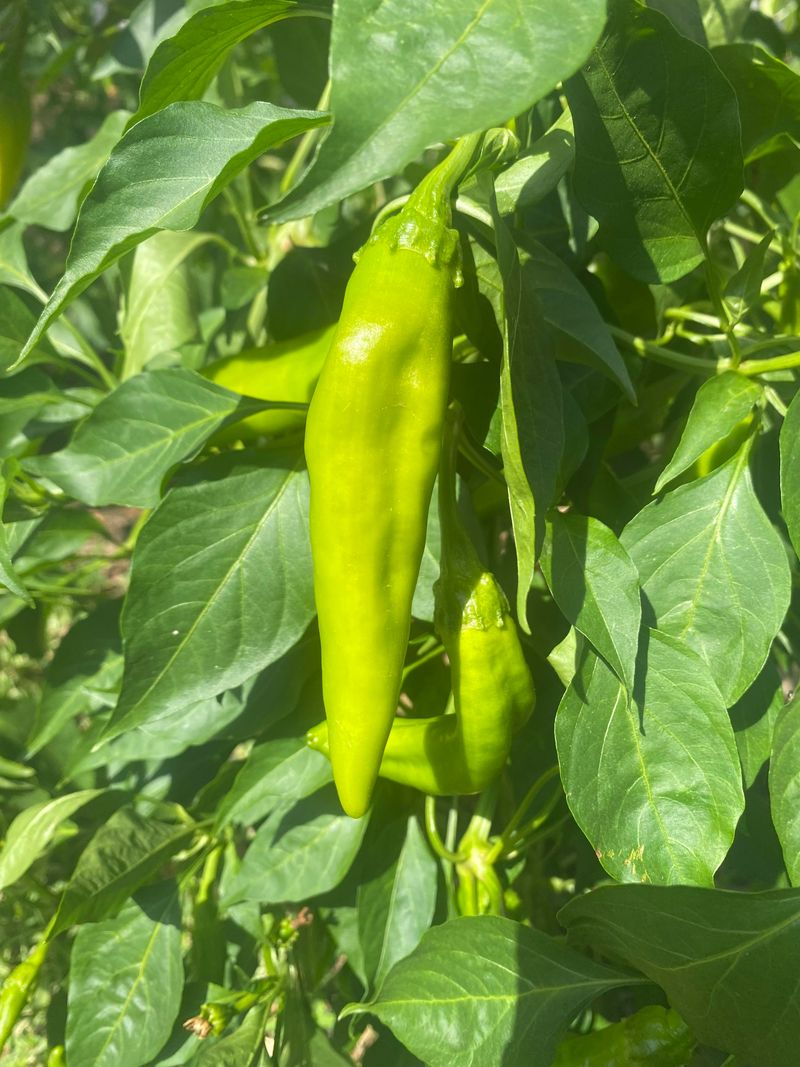
Warmth is everything to a pepper plant.
Anyone who has grown peppers in North Carolina knows they love long, hot summers with plenty of direct sun baking the soil and warming the roots.
Full shade takes away exactly what peppers need most, and the results are almost always disappointing in a very predictable way.
Without strong direct light, pepper plants stay small and produce very few flowers. Even when flowers do appear, they often drop before setting fruit because the plant simply does not have enough energy from photosynthesis to support fruit development.
Your North Carolina Garden Changes Every Week. Your Plan Should Too.
Gardening in North Carolina changes quickly throughout the season. Every Friday you’ll receive a simple weekly plan showing exactly what to plant, prune, fertilize, harvest, and protect so you never miss the right timing.
You end up with a green plant that looks perfectly healthy and delivers almost nothing to the kitchen, which is its own kind of frustrating.
There is also a pest and disease angle worth knowing about. Shaded pepper plants attract aphids more readily, and the lack of air movement in dense shade encourages moisture buildup on leaves, which invites fungal problems.
Peppers placed in shaded beds often struggle from early summer all the way through fall without ever producing a meaningful harvest.
The growing season in North Carolina is long enough to get genuinely great pepper harvests, but only when plants are placed in the right spot.
Full shade removes that opportunity completely and replaces it with a lot of watering and weeding in exchange for a handful of nothing.
Save your pepper seedlings for the sunniest part of the garden and let them do what they are actually capable of doing.
Eggplant Needs Heat And Bright Sun
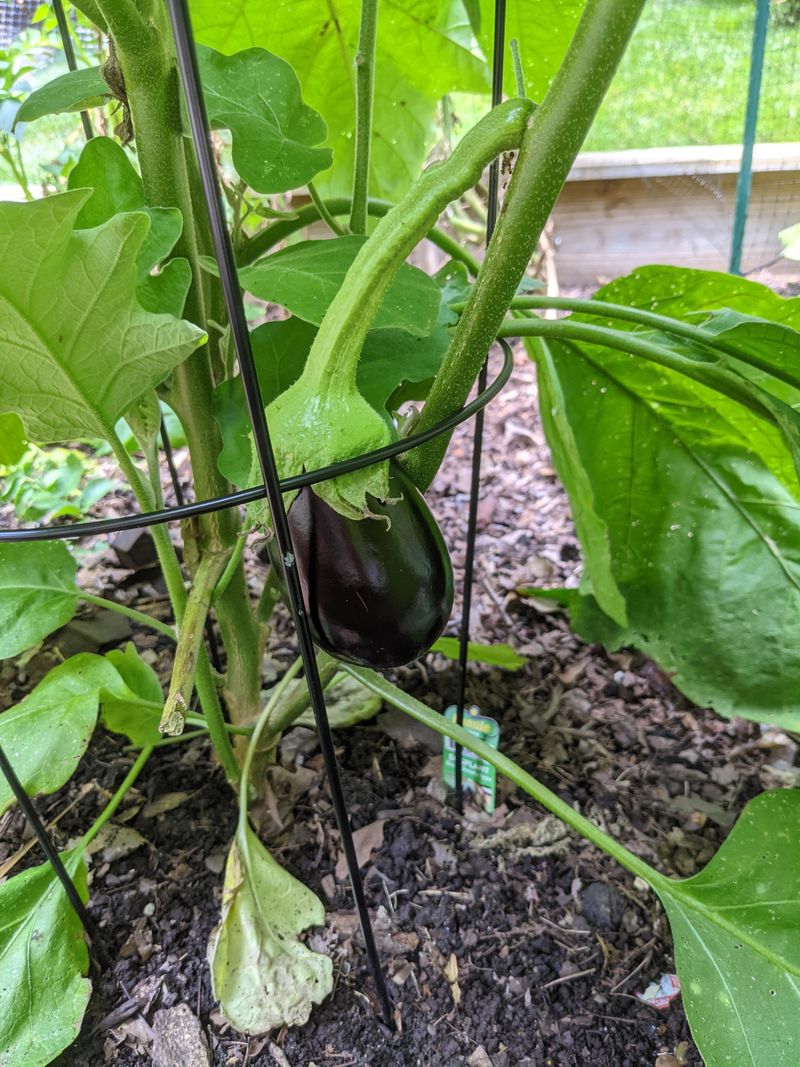
Few vegetables are as devoted to heat and sunshine as eggplant.
This crop thrives in the long, warm summers that North Carolina offers, but only when planted where the sun can reach it directly for most of the day.
Full shade produces results that are nearly always a waste of garden space, time, and perfectly good seedlings.
Eggplant originates from tropical regions of South Asia, which tells you a great deal about what it expects from its growing environment. It wants baking heat, intense light, and warm soil.
Full shade in a North Carolina yard, especially under mature hardwoods, creates exactly the opposite conditions: cooler soil temperatures, reduced light intensity, and higher humidity that slows plant growth considerably.
When eggplant does not get enough sun, it grows slowly and produces undersized leaves.
Flowering is delayed or absent, and any fruit that does manage to form tends to be small, pale, and lacking the rich flavor that makes eggplant worth growing in the first place.
The plant may survive. It rarely thrives, and there is a real difference between the two.
Container gardening works well for eggplant, giving you the flexibility to move plants into the sunniest spots available as the season shifts.
Shaded areas of the yard are genuinely better used for crops that benefit from lower light conditions rather than sacrificing eggplant through an unproductive season that leaves everyone disappointed, especially the eggplant.
Cucumbers Need Light For Strong Fruiting
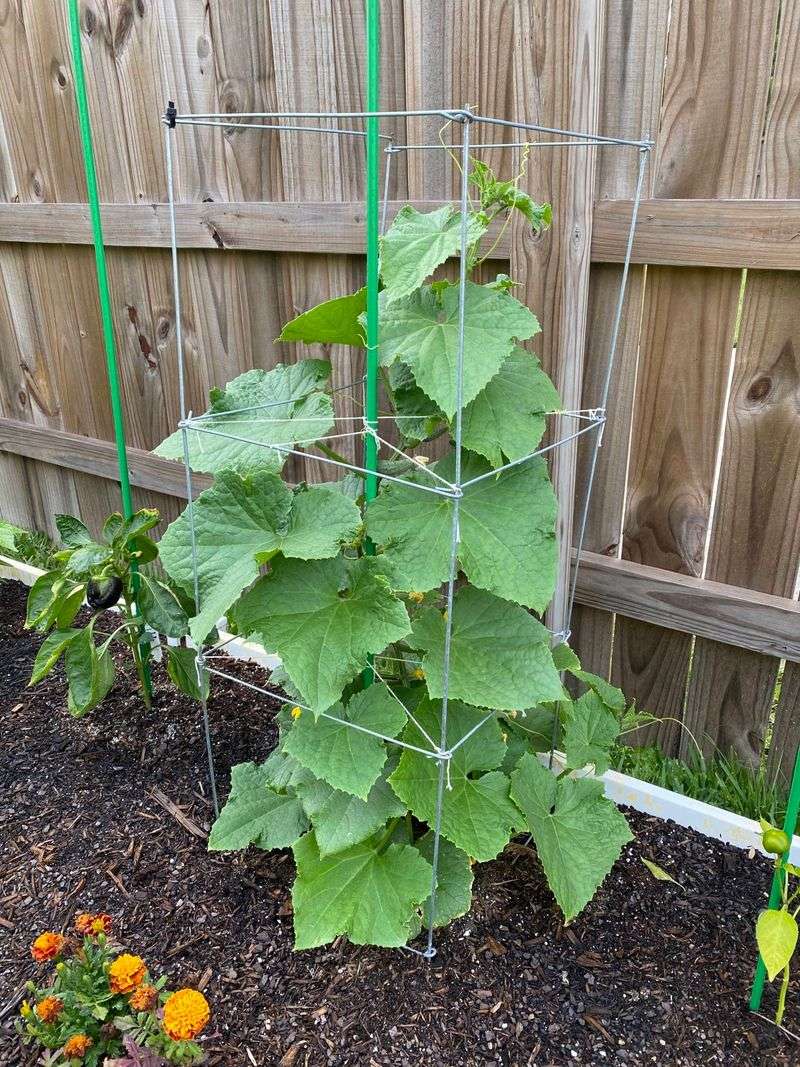
Harvest disappointment hits fast when cucumbers go into a shaded bed.
These fast-growing vines look vigorous at first, climbing and spreading with enthusiasm, but without adequate sunlight the flowers fail to develop properly and fruit set drops off sharply.
What starts as a promising vine can turn into a leafy sprawl with almost nothing to show at harvest time.
Cucumbers need a minimum of six hours of direct sun per day and perform best with even more than that. In North Carolina, the summer heat combined with full sun creates ideal conditions for rapid growth and heavy fruiting.
Take away the sun and you take away the engine that drives the whole operation, and the vine does not find a quiet way to tell you.
Shaded cucumber plants also face a higher risk of powdery mildew, a common fungal problem in North Carolina gardens.
The disease spreads quickly in low-light, high-humidity conditions and coats the leaves with a white powder that weakens plants fast. Full shade makes the problem worse by trapping moisture and limiting airflow around the vines at the same time.
Cucumbers also rely on pollinators to set fruit. Bees and other beneficial insects tend to work in sunny, open areas rather than deep shade, so pollination rates drop in shaded locations on top of everything else.
Planting cucumbers in full sun gives them light, warmth, airflow, and better pollinator visits all at once, which is the combination that produces the crisp, abundant harvests most North Carolina gardeners are actually hoping for.
Squash Needs Space And Sun Power
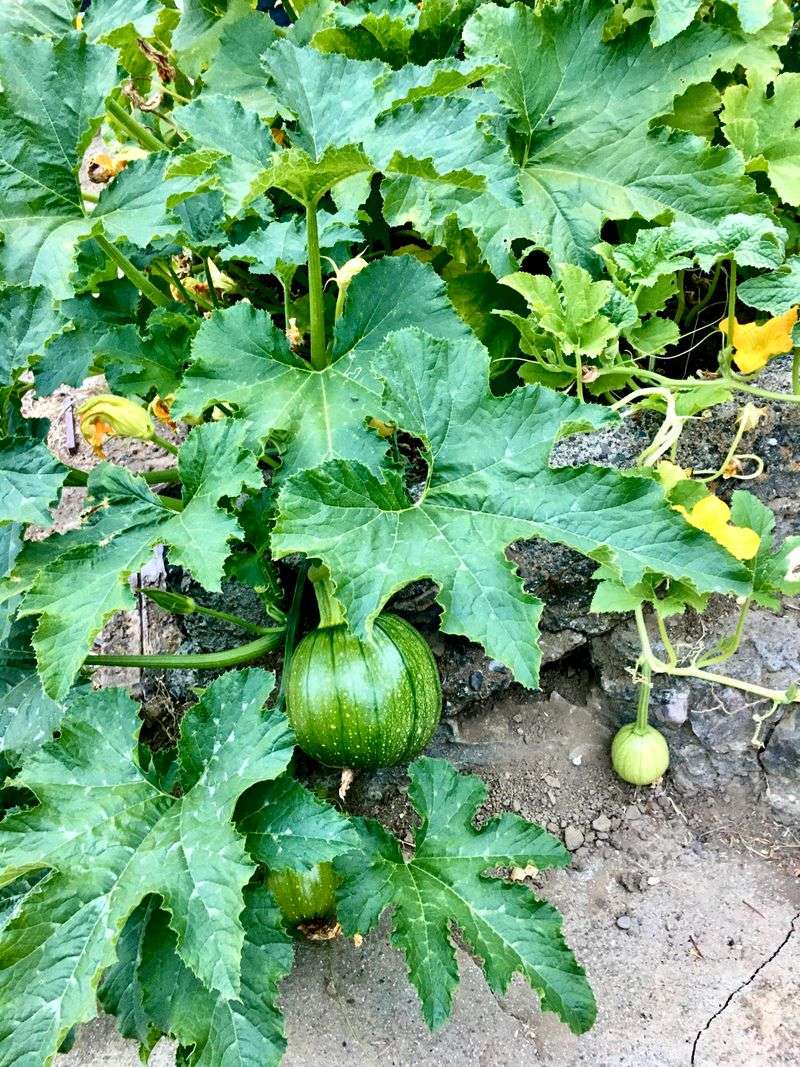
Big plants need big energy, and squash is one of the biggest energy consumers in the vegetable garden.
Zucchini, yellow summer squash, butternut, all of them depend on strong sunlight to fuel the rapid leaf growth, heavy blooming, and fruit development that make squash such a productive crop in North Carolina gardens.
Shade removes that fuel source entirely.
In full shade, squash plants grow slowly and produce fewer male and female flowers. Without enough blooms, pollination cannot happen, and without pollination, there is no fruit.
The large leaves that squash develops actually make the problem worse in shade because they need even more solar energy than smaller-leafed crops to sustain themselves through the season.
Squash vine borers and squash bugs are already significant pest challenges in North Carolina. Shaded squash plants that are stressed from low light are less able to handle that pest pressure, making an already difficult situation harder to manage.
Sun-grown squash has better vigor and recovers from pest damage more effectively than plants struggling in poor light conditions.
Squash needs full sun with plenty of space for air circulation, at least three to four feet between plants.
Crowded, shaded squash beds are a reliable recipe for disease, poor harvests, and the kind of frustration that makes people consider giving up on the whole vegetable garden.
Give squash the open, sunny real estate it needs and it will reward you with more fruit than you planned for, often faster than almost anything else you are growing.
Melons Need Heat To Build Sweetness
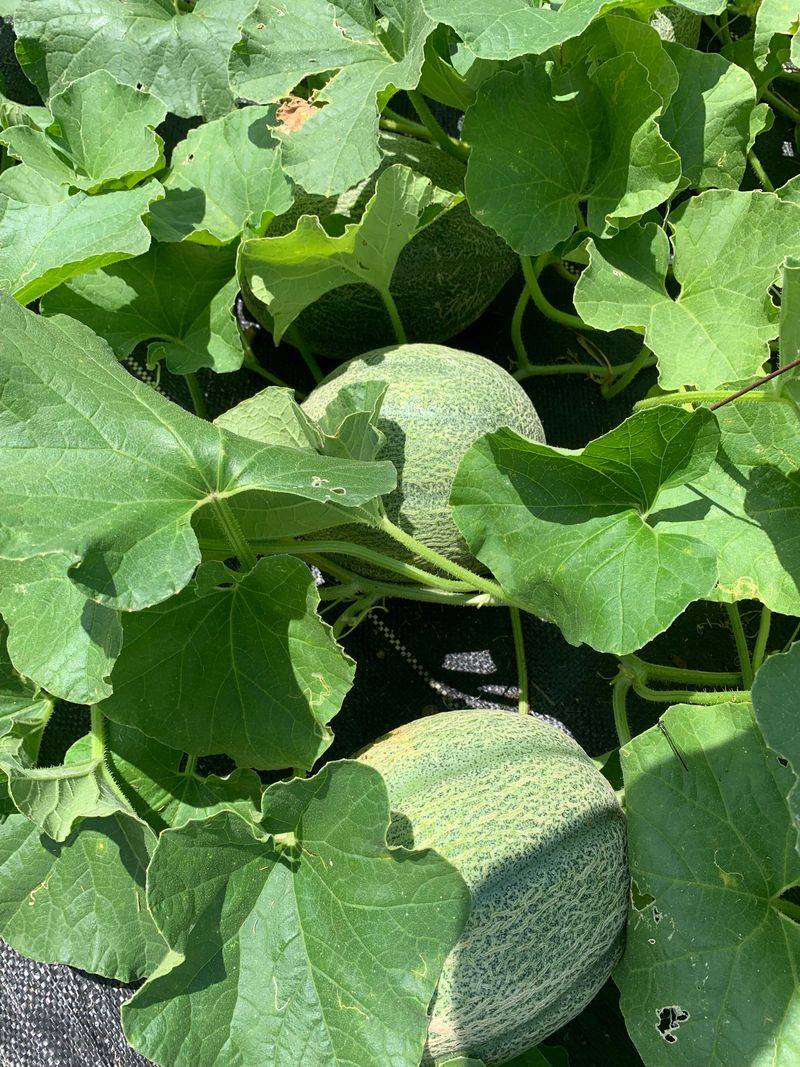
There is a reason North Carolina farmers grow some of the sweetest watermelons and cantaloupes in the country.
The long, hot, sun-drenched summers in the Piedmont and eastern regions provide exactly the heat and light intensity that melons need to concentrate sugars and develop deep, complex flavor.
Full shade strips all of that away and leaves you with a vine and very little else.
Melons are not just sun lovers. They are sun dependents. Without consistent direct sunlight and warm soil temperatures, the vines grow slowly and the fruit that does form stays bland and watery.
Sugar development in melons is directly tied to photosynthesis, which requires strong, unfiltered light for most of the growing day. A shaded melon patch is a long growing season with nothing sweet at the end of it.
Raised beds in full sun with dark, heat-absorbing soil work especially well for getting melons off to a strong start in North Carolina.
The more warmth and light the soil holds, the better the roots function and the more efficiently the plant moves sugars into developing fruit.
Melons typically need 70 to 90 days depending on the variety. Shaded conditions extend that timeline because cool, dark environments slow every stage of growth from germination to ripening.
With the North Carolina growing season already measured carefully, any delay caused by poor light placement can push melons past the first frost window.
The season ends before a single fruit is ready to pick, which is exactly as disappointing as it sounds.
Lettuce Handles Bright Shade Better
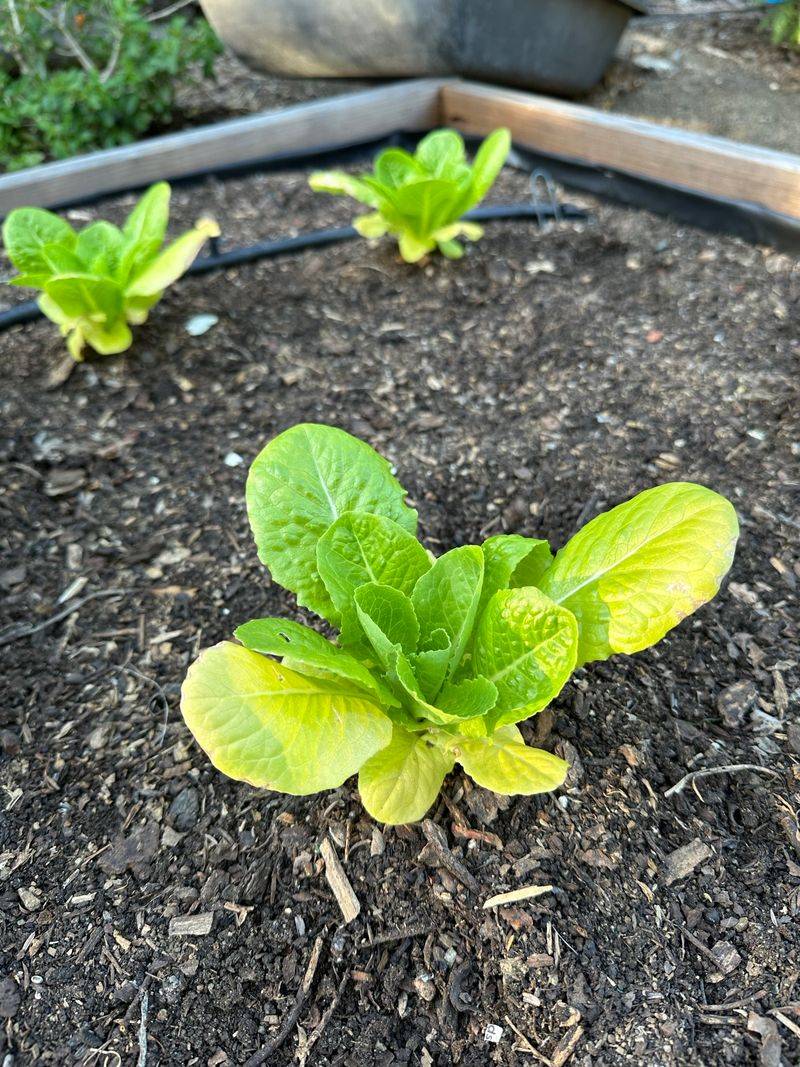
Leafy crops have a different relationship with sunlight than fruiting vegetables, and lettuce is one of the best examples of a vegetable that can genuinely benefit from reduced light in North Carolina.
The problem with lettuce in this state is not usually too little sun. It is too much heat. Bright shade or filtered light can actually extend the harvest window significantly.
Lettuce bolts quickly when temperatures climb above 75 to 80 degrees Fahrenheit. Once it bolts, the leaves turn bitter and the plant shifts all its energy toward seeds rather than tender, edible growth.
Planting lettuce under a light tree canopy or on the east side of a taller structure protects it from the intense afternoon sun that triggers bolting in summer, buying you weeks of additional harvest that a full-sun bed simply cannot provide.
Bright shade means the plant still gets indirect light and some direct morning sun, not true deep darkness. That distinction matters.
Lettuce needs some light to photosynthesize and produce leaves, but it does not need the six-plus hours that fruiting crops require. Two to four hours of direct light combined with bright ambient light is often enough for solid leaf production.
Varieties like oakleaf, butterhead, and looseleaf types tend to handle lower light better than crisphead varieties.
Succession planting in a bright shaded bed keeps fresh lettuce coming to the table over a longer stretch of the season.
It turns out the shadiest bed in the yard might just be the best place for the salad, which is a plot twist most gardeners do not see coming.
Spinach Produces Leaves In Cooler Shade
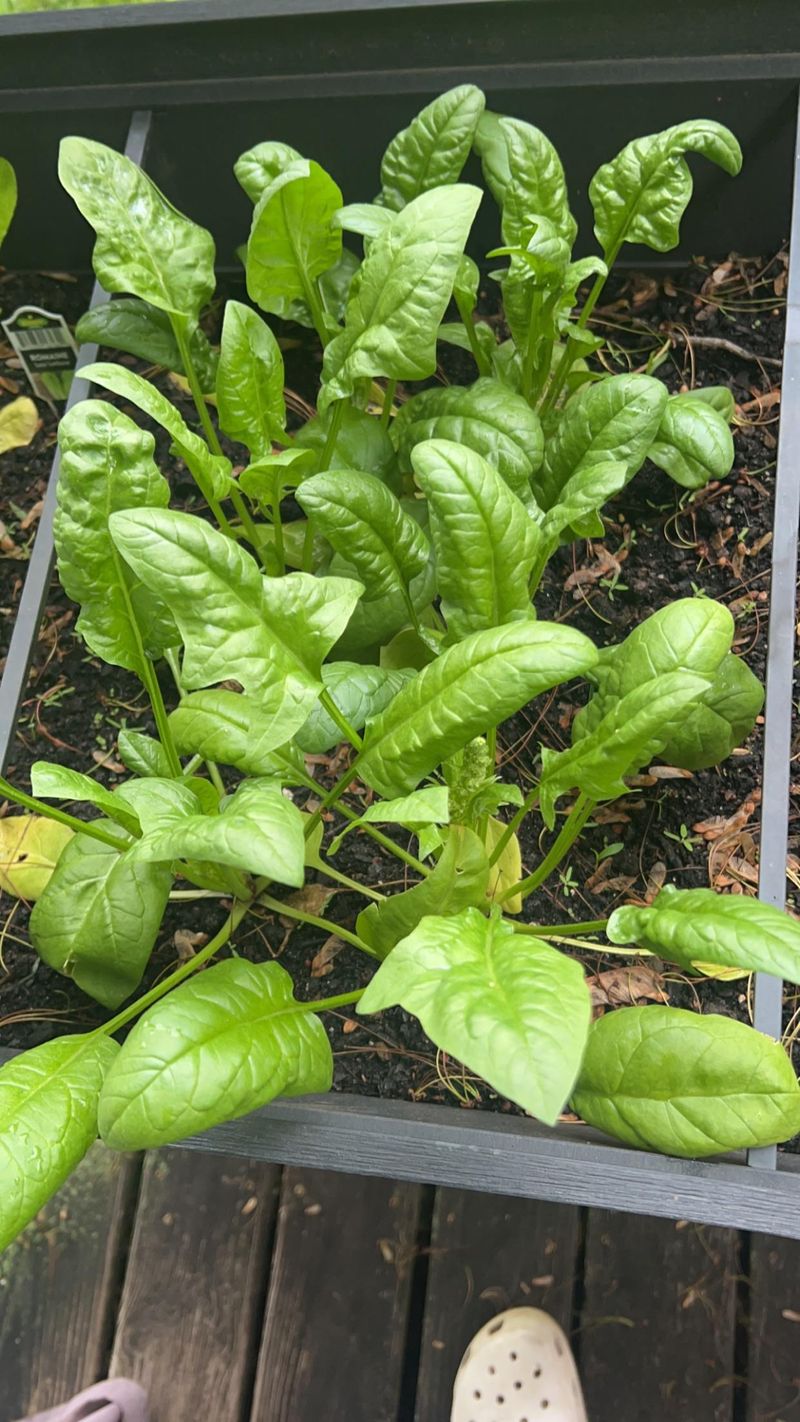
Cool, quiet, and reliable, spinach genuinely earns its place in a shaded North Carolina garden bed.
It is a cool-season vegetable that struggles in direct summer sun but can produce generous harvests of dark, nutritious leaves when planted in filtered light or partial shade during the warmer edges of the growing season.
In North Carolina, where spring warms fast, that kind of cooling effect is genuinely useful.
Spinach prefers soil temperatures between 45 and 65 degrees Fahrenheit for germination and steady growth. Shaded beds stay cooler longer and give spinach more time to establish before heat stress sets in.
Fall plantings in bright shade can also extend the harvest well into November, especially in the Piedmont and mountain regions of the state, long after a full-sun bed has given up on producing anything worth eating.
The leaves are what you are growing, not flowers or fruit, so spinach does not need the high photosynthetic output that sun-hungry crops require.
A solid harvest is possible with just three to four hours of direct light per day, supplemented by bright ambient light throughout the rest of the day. That makes it one of the most practical choices for a partially shaded bed that would otherwise sit unused.
Baby spinach leaves are especially well suited to lower-light growing because they are harvested young before the plant fully matures.
Sowing seeds every two weeks in a shaded bed keeps a steady supply coming through the season.
Varieties like Tyee and Bloomsdale Long Standing hold up well even when light levels drop a bit below ideal, which is exactly the kind of reliability a shaded bed needs from its residents.
Kale Can Work In Filtered Light
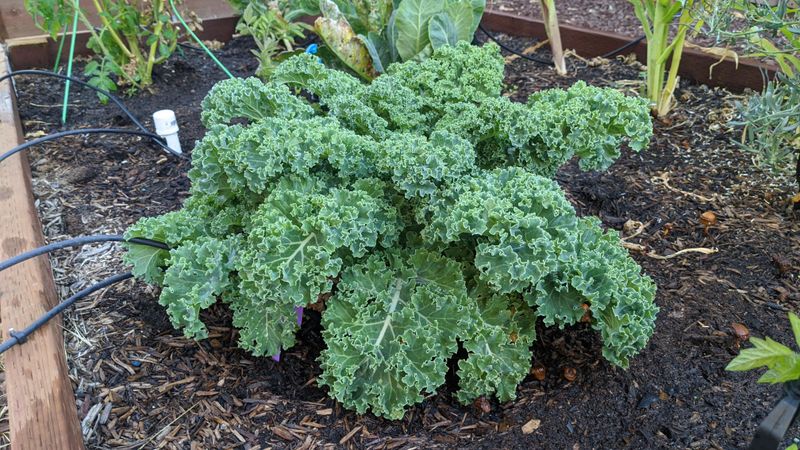
Tough, cold-hardy, and packed with nutrients, kale is one of the most forgiving vegetables you can plant in a North Carolina garden.
It prefers full sun and grows faster with six or more hours of direct light, but it can still produce a worthwhile harvest in filtered light or partial shade. That flexibility makes it a genuinely smart choice for less-than-ideal spots in the yard.
Kale is a leafy crop focused on leaf production rather than flowering and fruiting.
Leafy crops generally have lower light requirements because they do not need to power the complex, energy-intensive process of forming seeds and fruit.
Kale in filtered light grows more slowly than kale in full sun, but the leaves it produces tend to be tender and sometimes even sweeter because slower growth allows sugars to concentrate in the tissue.
In North Carolina, kale performs best as a fall and winter crop. A partially shaded bed that stays cooler than a sun-exposed one can work in the plant’s favor during the transition from summer into fall.
Frost actually improves kale flavor, so pushing the season later with some shade protection has real culinary benefits that go beyond just extending the harvest window.
Varieties like Lacinato, Red Russian, and Winterbor perform consistently well in North Carolina conditions. In filtered light, spacing plants further apart than usual helps each one capture as much available light as possible.
Regular harvesting of outer leaves encourages continuous new growth throughout the season, keeping the bed productive for months at a stretch. Slower growth, better flavor, and a longer season from a shadier spot. That is a trade most gardeners would happily take.
Collards Give Shade Gardens Leafy Value
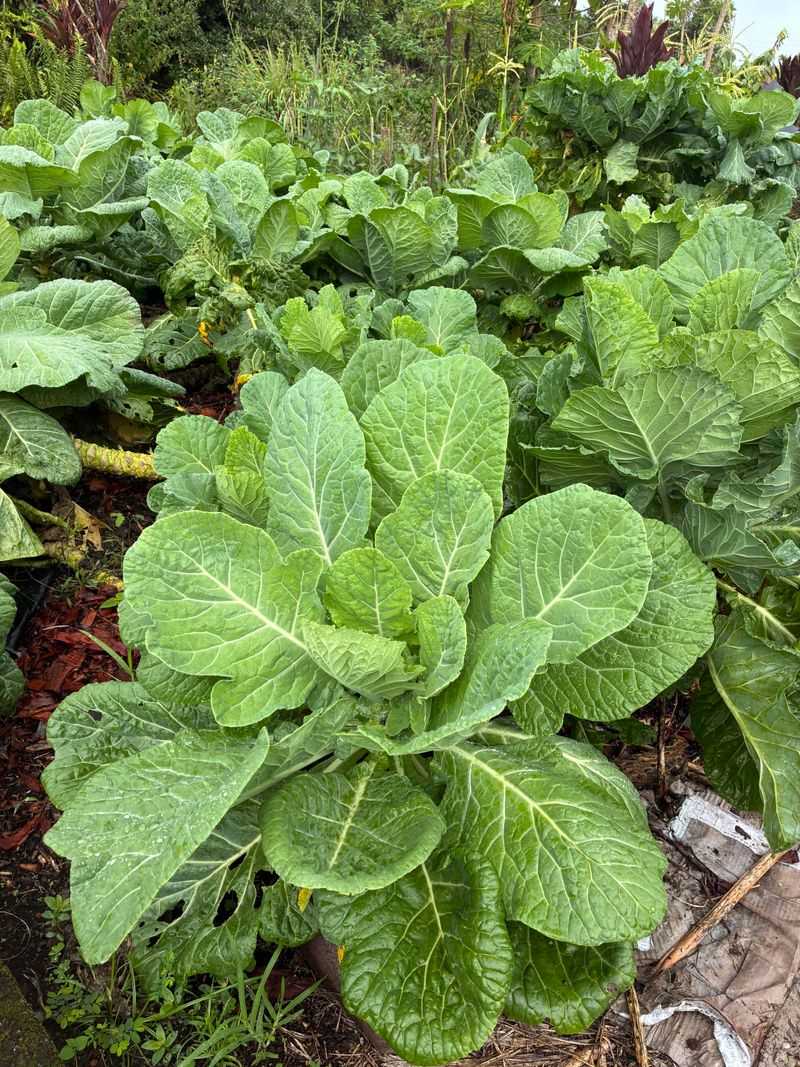
Collards are as North Carolina as a vegetable can get.
They appear on dinner tables across the state from the mountains to the coast, and what many gardeners do not realize is that they are also one of the more shade-tolerant vegetables available.
That makes them a practical option for beds that do not get full sun all day and need something reliable in return.
Like kale and spinach, collards are grown for their leaves rather than fruit, which lowers their light requirements significantly compared to tomatoes, peppers, and cucumbers.
They can produce respectable harvests with three to five hours of direct sunlight supplemented by bright ambient light throughout the day.
In true deep shade with very little light reaching the soil, even collards will underperform, but in bright partial shade they hold their own with minimal fuss.
One practical advantage of collards in a shaded bed is their tolerance for heat.
Compared to lettuce and spinach, collards handle warmer temperatures considerably better, which means they can stay productive in a partially shaded summer bed even as the season heats up.
This makes them useful across a longer portion of the North Carolina growing calendar than most other shade-tolerant crops.
Varieties like Champion, Georgia Southern, and Vates are widely grown and well adapted to North Carolina conditions.
Harvesting leaves from the bottom of the plant upward encourages continuous growth and keeps the bed producing for many weeks without replanting.
The shadiest bed in the yard producing steady collard greens all summer is exactly the kind of outcome North Carolina gardening was made for.
Radishes Produce Quickly In Limited Light
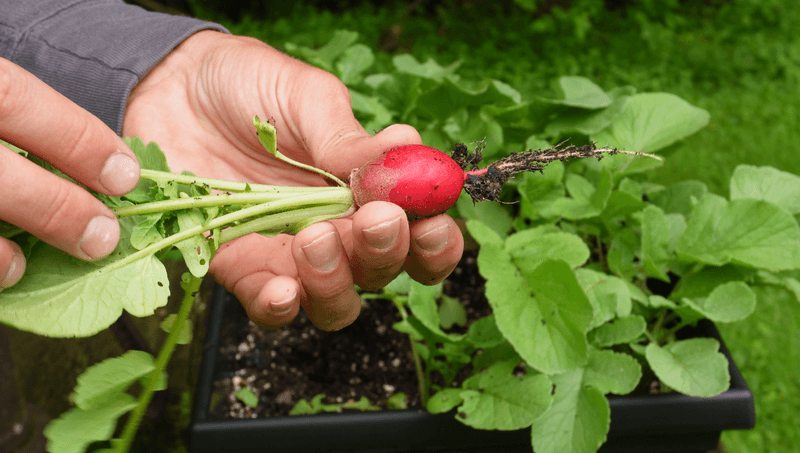
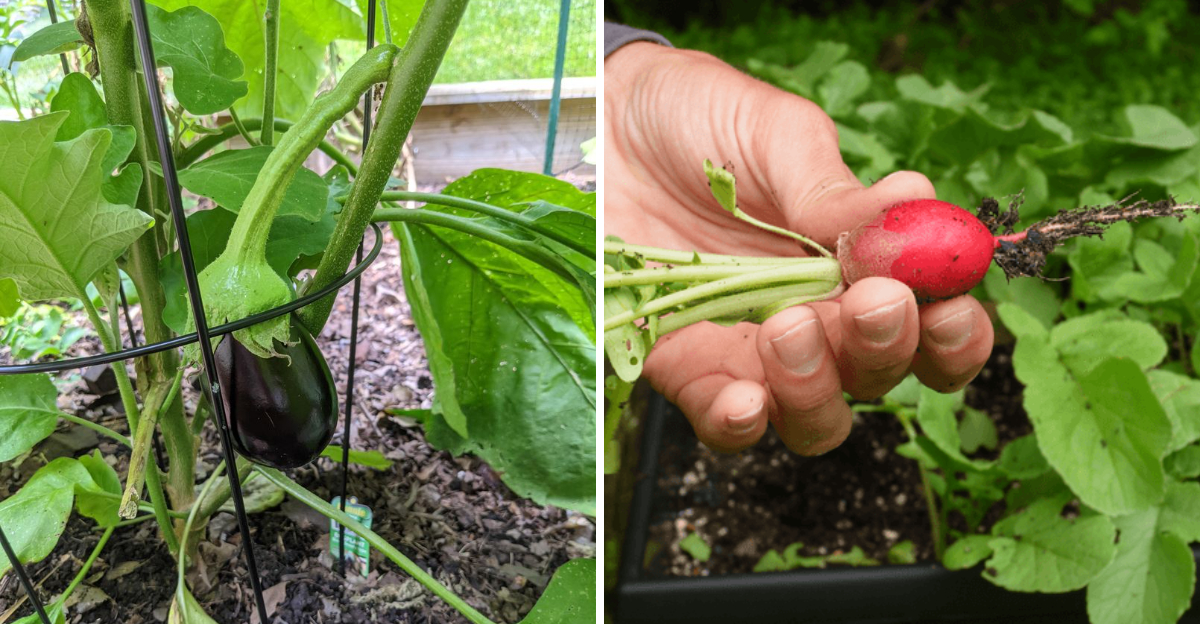
Speed is the secret weapon of the radish. No other common vegetable goes from seed to harvest faster, with many varieties ready to pull in just 22 to 30 days after planting.
That rapid growth cycle is part of what makes radishes one of the most practical vegetables to try in a lower-light bed, because they simply do not need as long a period of sustained sunlight as slower-maturing crops.
Radishes develop underground, which means the plant is not trying to power fruit formation above the soil surface the way tomatoes or cucumbers do.
The edible root grows quickly as long as the plant gets enough light to photosynthesize at a basic level. Three to four hours of direct light per day, combined with bright indirect light, is often enough to produce a decent harvest in a partially shaded bed.
In North Carolina, radishes work well as a cool-season crop planted in early spring and again in fall. Shaded beds that stay cooler longer actually help radishes avoid the bolting and pithy texture that comes when they are exposed to too much heat.
A bed on the north side of a structure or under a light canopy can produce better-quality radishes in late spring than a fully exposed bed that heats up quickly.
Cherry Belle, Easter Egg, and French Breakfast are popular varieties well suited to North Carolina conditions. Sow seeds directly into the soil about half an inch deep and one inch apart.
Thin seedlings to two inches apart once they sprout. Consistent moisture matters as much as light for radish quality, so keep the soil evenly moist throughout the short growing window.
Twenty-five days from seed to harvest is a timeline that very few things in the vegetable garden can beat.
Parsley Adds Flavor In Shady Beds
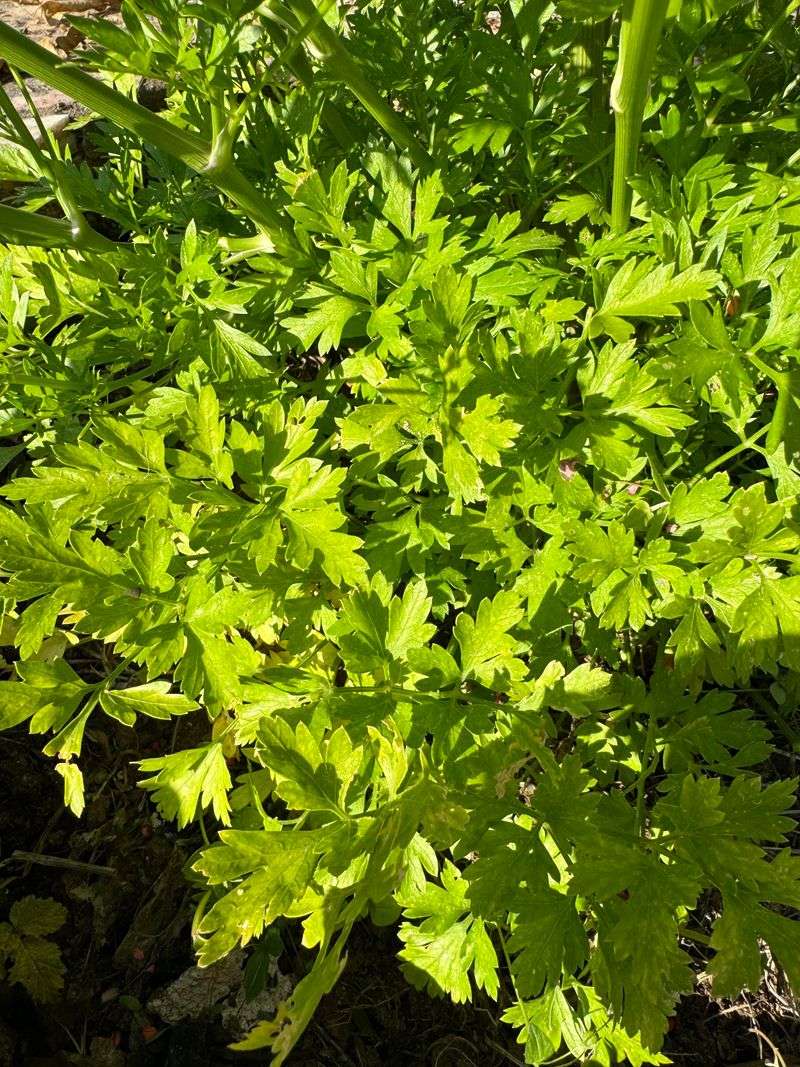
Herbs often get overlooked in vegetable garden planning, but parsley deserves a spot on every North Carolina gardener’s list, especially for shaded beds.
Unlike most culinary herbs that demand full sun, parsley handles partial shade graciously and still produces flavorful, aromatic leaves worth harvesting regularly throughout the season.
It is the herb that quietly makes itself useful in the corners nobody else wants.
Parsley is a biennial plant that completes its life cycle over two years rather than one. In its first year it focuses entirely on producing the lush leaf growth that cooks prize in the kitchen.
That leafy focus means parsley does not need the same intense light energy required to form flowers and fruit.
Three to four hours of direct sun per day with bright ambient light the rest of the time is usually enough to keep it healthy and productive.
North Carolina’s mild winters in the Piedmont and coastal regions allow parsley to overwinter with minimal protection, giving gardeners a head start on spring harvests.
Planting parsley in a partially shaded bed near the kitchen door is a practical choice that makes it easy to snip fresh leaves while cooking without a long walk across the yard.
Both curly parsley and flat-leaf Italian parsley grow well in North Carolina. Flat-leaf varieties tend to have stronger flavor and are preferred by most cooks, while curly types lean more ornamental.
Soak seeds overnight before planting to speed up the notoriously slow germination process.
Once established, parsley is low maintenance and remarkably productive, offering fresh flavor from a corner of the garden that might otherwise sit empty all season and feel like a missed opportunity.