How Kudzu Spreads Into Georgia Yards And Why It’s So Hard To Stop
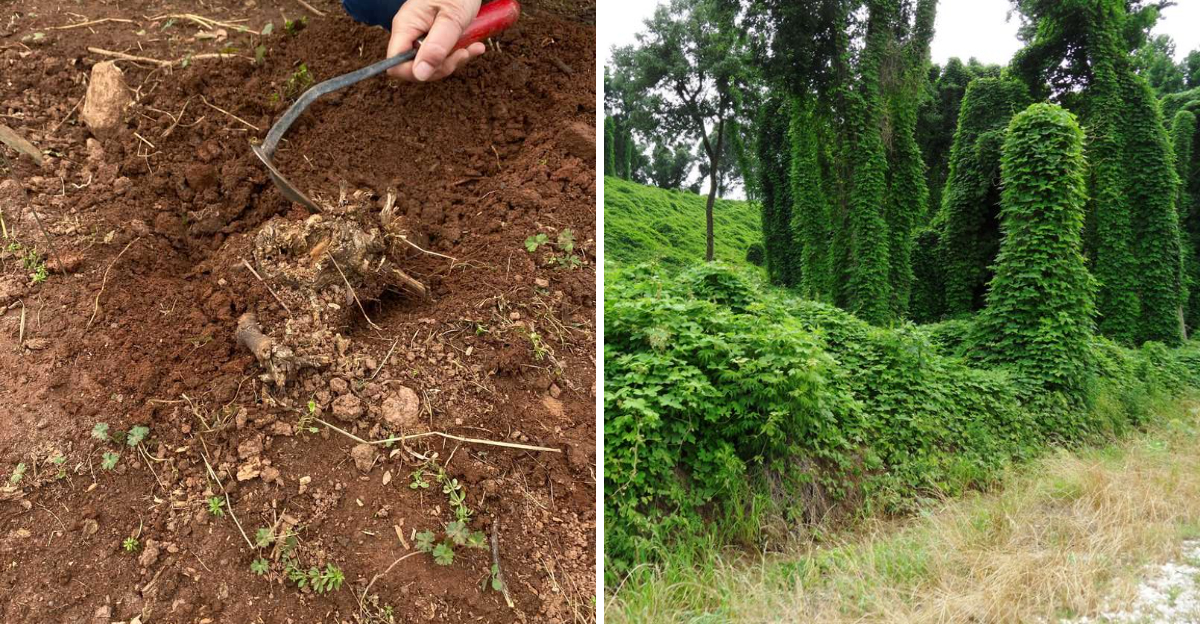
Most invasive plants don’t take over overnight, which is exactly why they’re so easy to underestimate at first. A few vines along a fence or tree line may not seem like an urgent problem until they suddenly begin covering everything nearby.
Waiting too long gives them a much bigger head start than many gardeners expect.
Kudzu grows aggressively once conditions are right, spreading by vines that quickly reach new areas and root where they touch the ground. That’s one reason it becomes so difficult to control after it gets established.
Georgia has the warm climate this vine thrives in, making early action far more effective than dealing with a widespread infestation later.
Spotting it early and acting quickly can save you a great deal of work in the seasons ahead.
1. Underground Roots Keep Sending Up New Growth
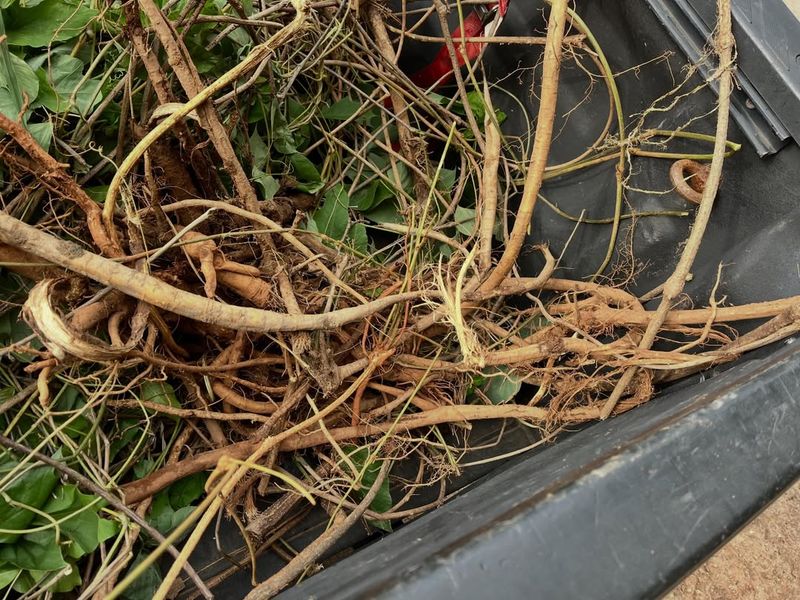
Cut the vine above ground, and kudzu barely notices. The real problem is hiding several feet below the surface.
Kudzu roots can reach depths of six feet or more in loose, sandy soil. In Georgia’s red clay, they tend to stay shallower but spread wider.
Either way, the root system is massive and stores enormous amounts of energy.
Even a small piece of root left in the ground can send up fresh shoots within days. Pulling vines from the surface does nothing to the root system underneath.
Gardeners often feel like they made progress, only to find new green growth popping up a week later.
Root crowns, which are the thick knobby sections where roots meet stems, can weigh several pounds. One mature kudzu plant may have dozens of these crowns spread across a wide area.
Each crown acts almost like a separate plant, capable of sprouting on its own.
Removing vines without addressing the roots is like trimming a weed instead of pulling it. The plant redirects energy downward whenever top growth is removed.
Over time, roots grow deeper and more established with each season of regrowth.
Patience matters more than effort here. Repeated removal of top growth can slowly weaken the roots, but results take months or years.
2. Fast Growing Vines Climb Trees And Fences

Kudzu can grow up to a foot per day under the right conditions. That is not an exaggeration.
Warm temperatures, humidity, and full sun create nearly perfect growing conditions across much of the Southeast.
Vines spread outward along the ground first, then reach upward once they find something to grab. Fences, tree trunks, utility poles, and even parked equipment can become covered surprisingly fast.
Once vines climb high enough, they block sunlight from reaching the plants underneath.
Trees draped in kudzu are not just an eyesore. The extra weight from dense vine coverage can stress branches, especially during storms.
Weakened limbs become more likely to break under wind or ice loads, creating hazards near homes and walkways.
Fences suffer differently. Wooden posts rot faster when vines trap moisture against the wood.
Metal fences can rust more quickly for the same reason. Vinyl fencing holds up better structurally, but kudzu still climbs it without any trouble.
Your Georgia Garden Changes Every Week. Your Plan Should Too.
Gardening in Georgia changes quickly throughout the season. Every Friday you’ll receive a simple weekly plan showing exactly what to plant, prune, fertilize, harvest, and protect so you never miss the right timing.
Pulling vines off structures should happen regularly throughout the growing season. Waiting until fall means the plant has already stored energy for next year.
Removing vines in late spring or early summer, before they mature, puts more pressure on the root system.
3. Large Root Crowns Store Plenty Of Energy
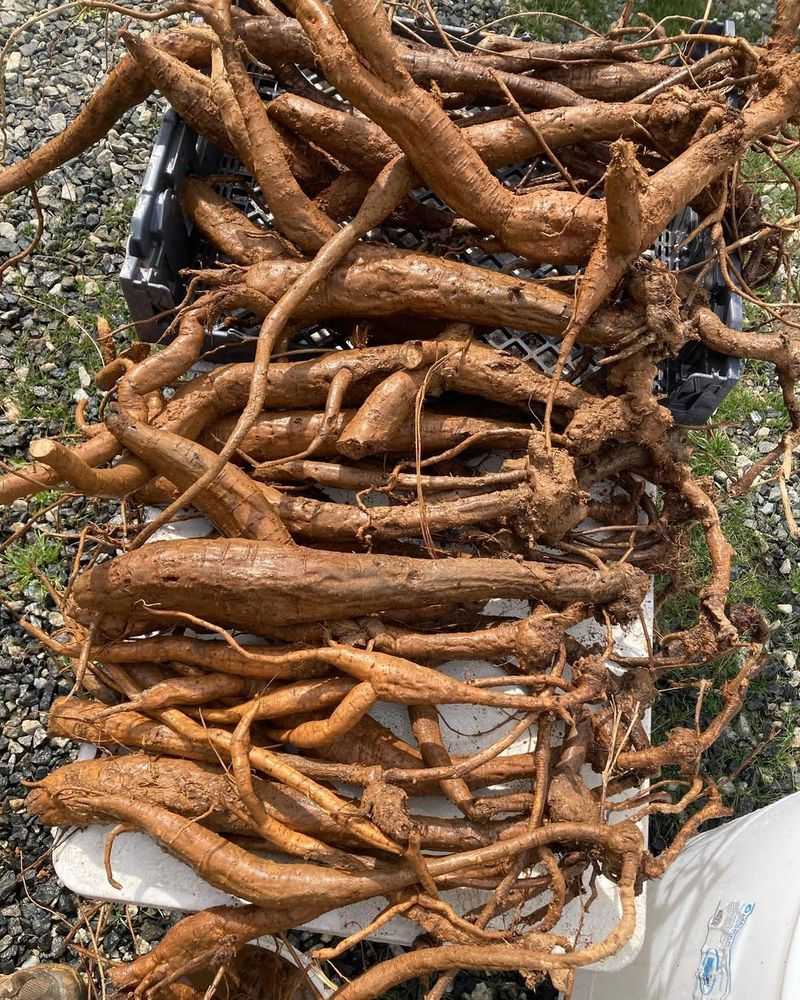
Few plants pack as much stored energy as kudzu does inside its root crowns. Starchy and dense, these structures act like underground fuel tanks that power regrowth season after season.
A single root crown can weigh anywhere from a few ounces to over ten pounds in mature plants. Older infestations may have root crowns the size of a soccer ball buried just below the surface.
Spotting them during removal is important because leaving even one behind means the plant bounces back.
Root crowns form at the base of each stem and just below the soil line. Over time, a single plant produces multiple crowns as vines spread and root at their nodes.
Each node that touches soil can develop its own crown, multiplying the problem steadily.
Digging out crowns requires real effort, especially in compacted soil. A sharp spade or mattock works better than a standard garden shovel.
Loosening the soil around the crown before lifting it out reduces the chance of breaking roots and leaving fragments behind.
Crowns removed from the ground should not be left on-site. Tossing them into a compost pile is a bad idea since they can re-root if conditions allow.
Bagging them in heavy-duty trash bags and removing them from the property is the safer approach.
Expect the process to take several sessions.
4. Remove New Shoots As Soon As They Appear
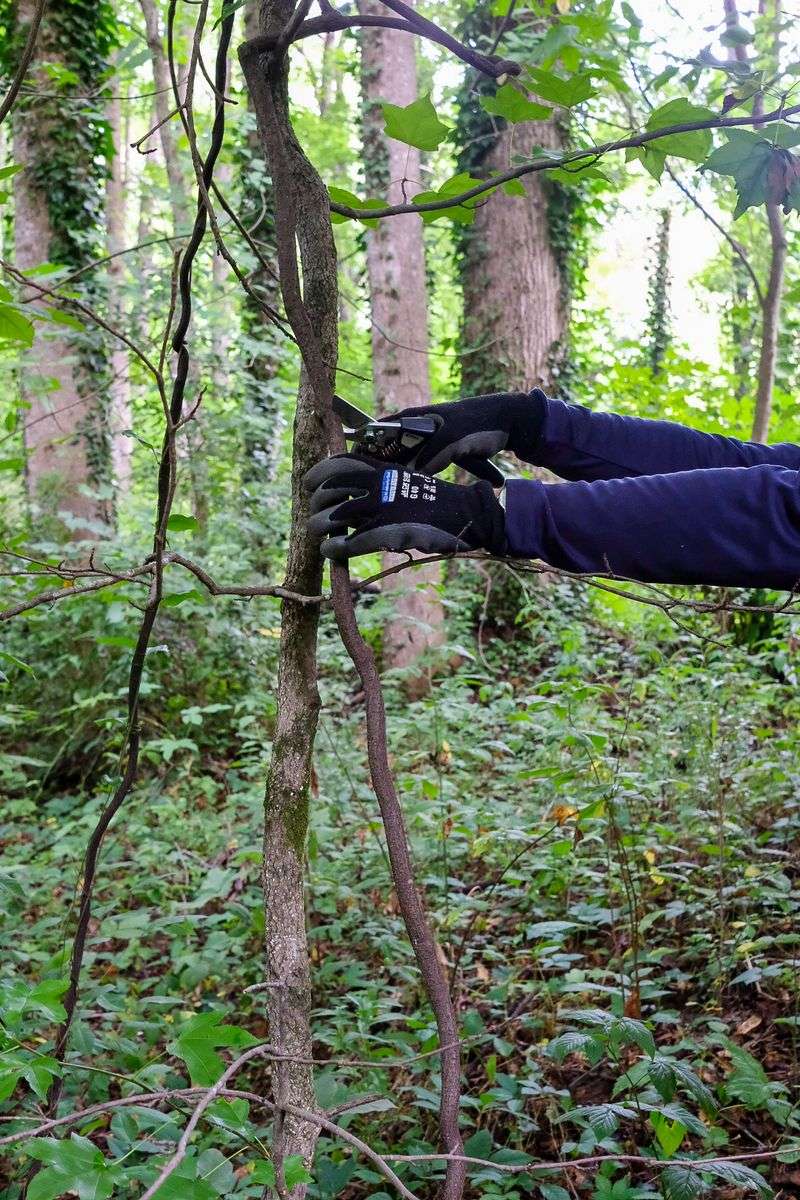
Timing matters more than technique when dealing with new kudzu shoots. Catching them early, before they harden and establish, takes far less effort than pulling mature vines.
New shoots are soft, easy to pull, and have not yet stored much energy in the roots below. Removing them at this stage forces the plant to burn through stored root energy to send up replacement growth.
Repeat this often enough, and the root system gradually weakens.
Shoots that go unchecked for even a few weeks become harder to manage. They thicken quickly and start producing leaves that fuel more root energy storage.
Letting new growth mature essentially recharges the underground system you are trying to exhaust.
Check the perimeter of your yard at least once a week during the growing season. Kudzu tends to emerge first along fence lines, woodland edges, and disturbed soil areas.
Spotting it early along these edges prevents it from spreading inward toward the rest of your yard.
Hand-pulling works fine for small, isolated shoots. Wear gloves since repeated pulling can irritate skin.
For larger patches, cutting at the soil line with pruning shears or a hoe is faster and just as effective at that stage.
5. Dig Out The Root Crown Whenever Possible
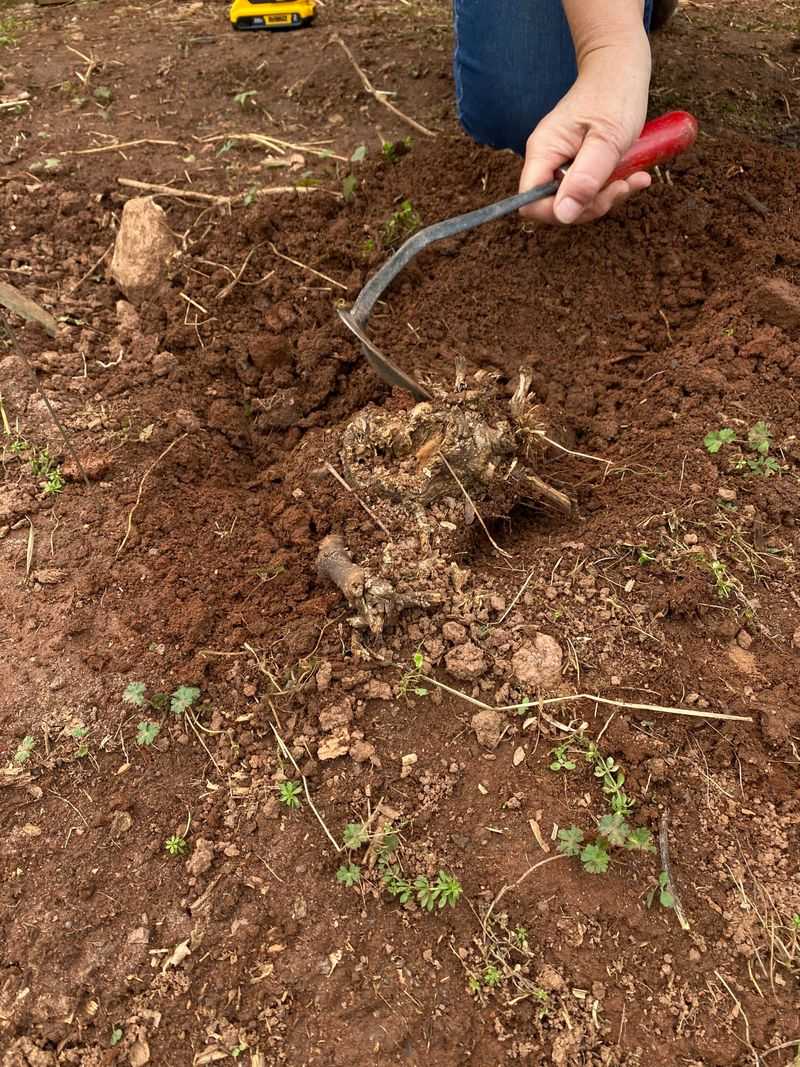
No other manual control method comes close to the long-term effectiveness of crown removal. Cutting vines slows things down.
Removing crowns actually takes away the plant’s ability to regrow from that specific spot.
Each crown you remove is one less fuel source for the plant. Over multiple seasons of consistent digging, the overall root system shrinks.
Progress is slow, but it is measurable if you keep track of where you have worked.
Start crown removal in late summer or early fall when kudzu has used much of its stored energy on top growth. Crowns at this time are slightly easier to separate from surrounding roots.
Spring removal is also effective, catching plants before they invest energy into new vines.
Use a mattock or heavy digging fork rather than a standard spade. Rocky or clay-heavy soil in parts of Georgia can make digging difficult, so the right tool matters.
Loosening soil in a wide circle around the crown before attempting to lift it reduces root breakage.
Mark removed areas with small flags or stakes. Returning to check those spots every few weeks helps you catch any regrowth from root fragments you missed.
Keeping a simple map of treated areas prevents you from skipping sections by accident.
Crown removal paired with consistent shoot pulling creates a solid two-part approach.
6. Cover Cut Vines With Heavy Tarps
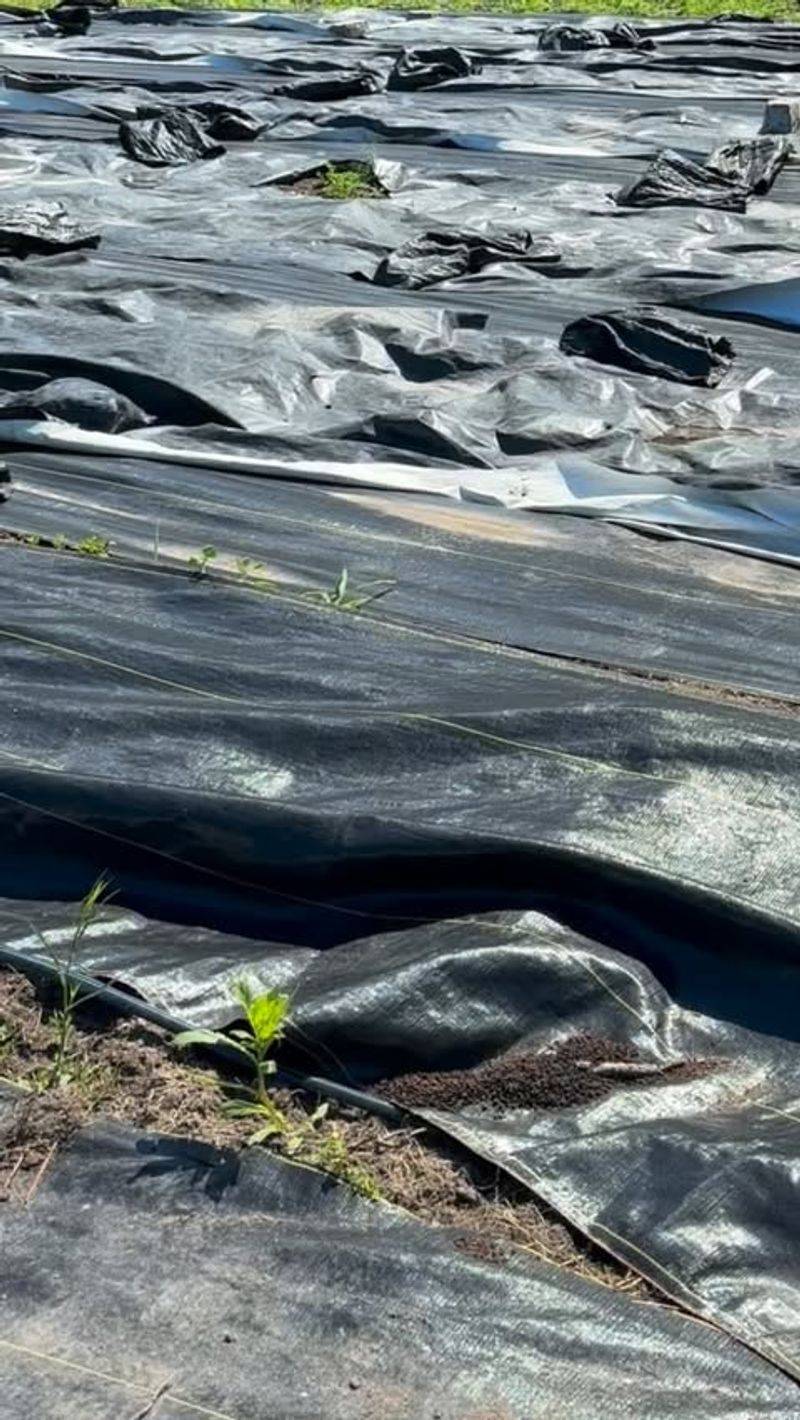
Sunlight is what keeps kudzu alive above ground. Block it long enough, and the plant struggles to produce the energy it needs to sustain regrowth.
Heavy tarps or thick black plastic sheeting can create that darkness effectively when used correctly.
Cut vines as close to the ground as possible before laying tarps down. Covering live, standing vines without cutting first makes it harder to get a flat seal against the soil.
Gaps along the edges allow light in and reduce the method’s effectiveness.
Secure edges with rocks, sandbags, stakes, or soil to prevent wind from lifting the covering. Even small gaps let enough light through for stubborn vines to survive underneath.
Overlap sections by at least a foot when covering large areas.
Leave tarps in place for a full growing season at minimum. Checking underneath after two or three months often shows pale, weakened growth rather than full regrowth.
That is a sign the method is working, though it rarely solves the problem in a single season.
Combining tarps with crown removal speeds up results noticeably. Tarps suppress surface regrowth while you work on removing crowns along the edges.
Tackling both at once prevents the plant from recovering through either pathway.
Tarps work best on relatively flat ground. Sloped areas make it harder to maintain a tight seal.
7. Stay Consistent Until The Vines Stop Returning
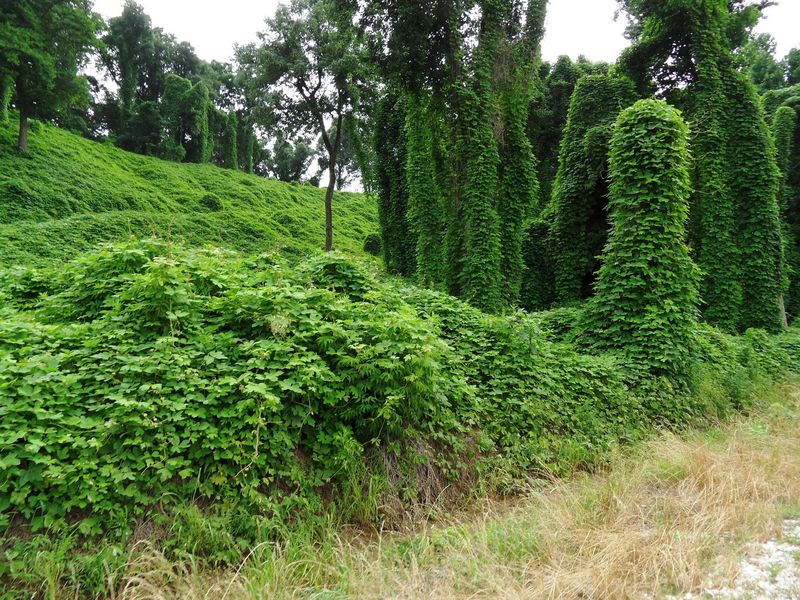
Kudzu does not give up after one or two seasons of control efforts. Expect the process to stretch across multiple years, especially in yards where the plant has been established for a long time.
Root systems built up over five or ten years cannot be exhausted in a single summer. Repeated removal of top growth, combined with crown digging, slowly depletes stored energy.
Most homeowners who stick with it start seeing clear improvement by the second or third year.
Keeping a simple log helps more than most people expect. Note where you removed crowns, when you cut vines, and where new growth appeared.
Patterns often emerge that show which areas need more frequent attention and which are starting to recover.
Skipping a season is one of the most common setbacks. Kudzu rebounds quickly when pressure is removed, sometimes recovering two years of progress in a single warm summer.
Staying active through the growing season, even with minimal effort, prevents major setbacks.
Involve neighbors if kudzu is spreading from adjacent properties. A shared boundary where one side keeps the plant in check while the other does nothing leads to frustrating cycles of reinfestation.
Coordinated efforts across property lines produce better results for everyone involved.