The One Thing Georgia Peonies Need In July For Better Blooms Next Spring
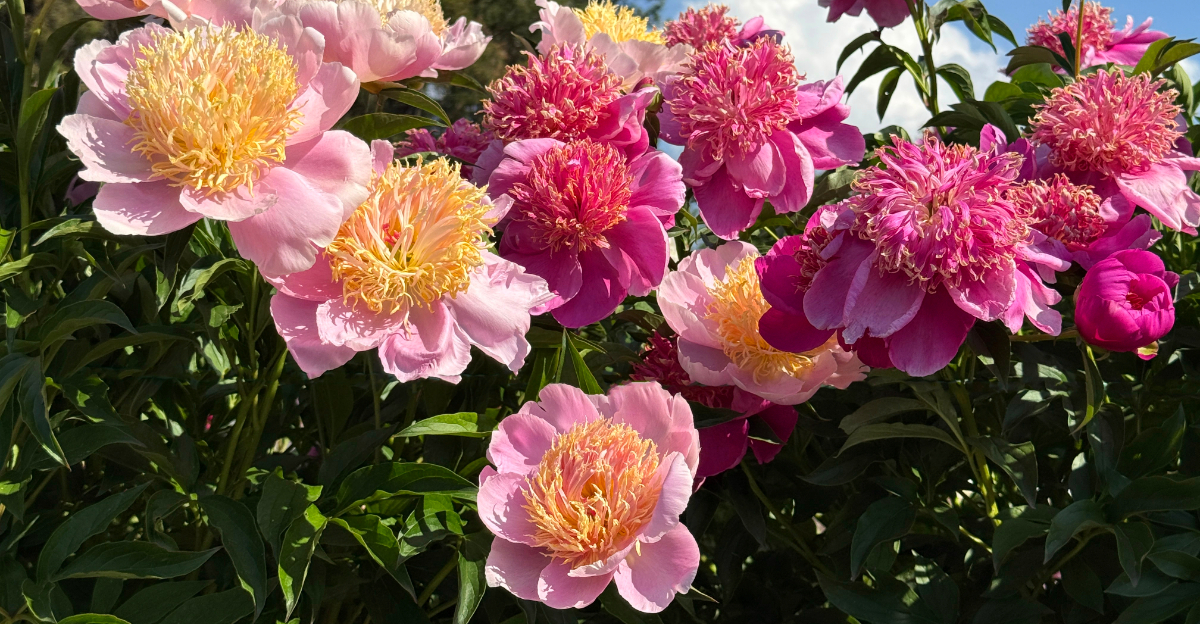
Missing next spring’s peony blooms often starts with something you didn’t do in the middle of summer. That’s frustrating because the plants usually look healthy, giving you no hint that anything is wrong.
July is when a single care habit quietly influences how well those flower buds develop for the following season.
Many gardeners stop paying attention once blooming ends, but that’s exactly when your plants still need support. Give them what they need now instead of waiting until next spring.
Healthy foliage continues doing important work in Georgia, and helping the plant store enough energy now leads to a much better floral display later.
That small effort takes very little time today, yet it can reward you with stronger, fuller blooms when your peonies wake up after winter.
1. Leave Every Healthy Leaf In Place
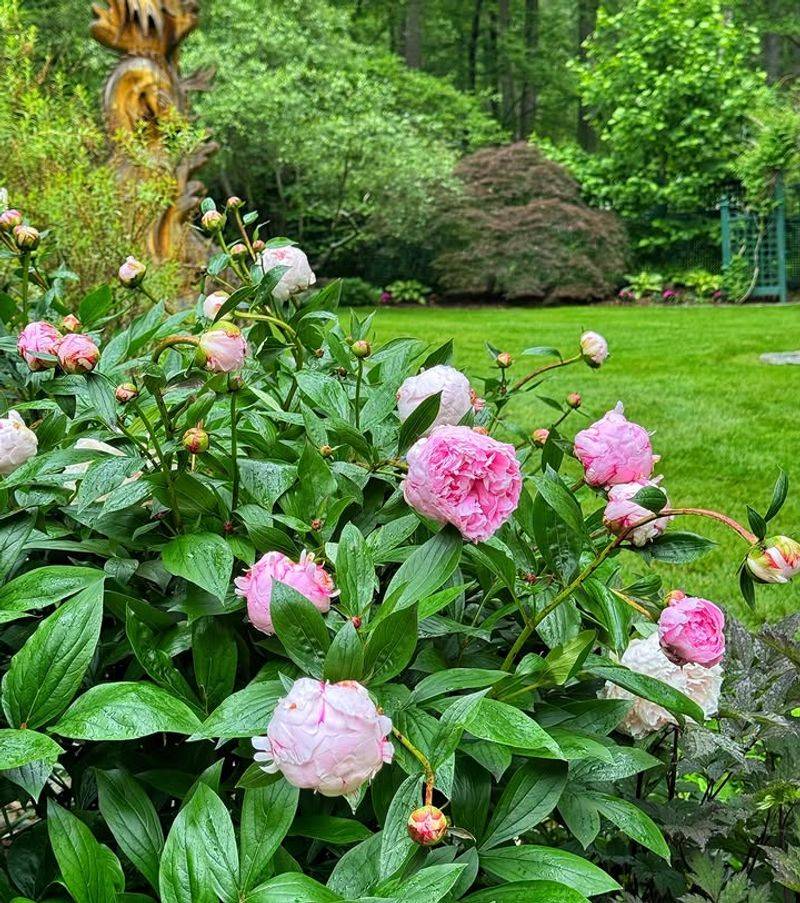
Cutting back peony leaves in July feels tidy, but it quietly works against you. Leaves are the engine behind next spring’s blooms.
Every green leaf still attached to the plant is pulling sunlight and converting it into stored energy inside the roots.
Peonies depend on a full growing season above ground to build up enough reserves for flowering. Remove the foliage too early, and the plant heads into fall running low on fuel.
Blooms next spring may be smaller, fewer, or slow to open.
Healthy leaves should stay put until they start browning on their own, which usually happens sometime in fall. Even leaves that look a little worn or spotted are still contributing as long as they remain green and attached.
If a leaf shows signs of a fungal problem like botrytis, remove just that leaf and dispose of it away from the garden bed. Spot-treating is fine.
Stripping the whole plant is not.
In warmer Southern climates, the temptation to clean up beds early is real, especially when summer heat makes everything look a bit rough. Resist it.
A messy-looking peony with full foliage will outperform a tidy one that got cut back too soon.
2. Water During Extended Dry Spells
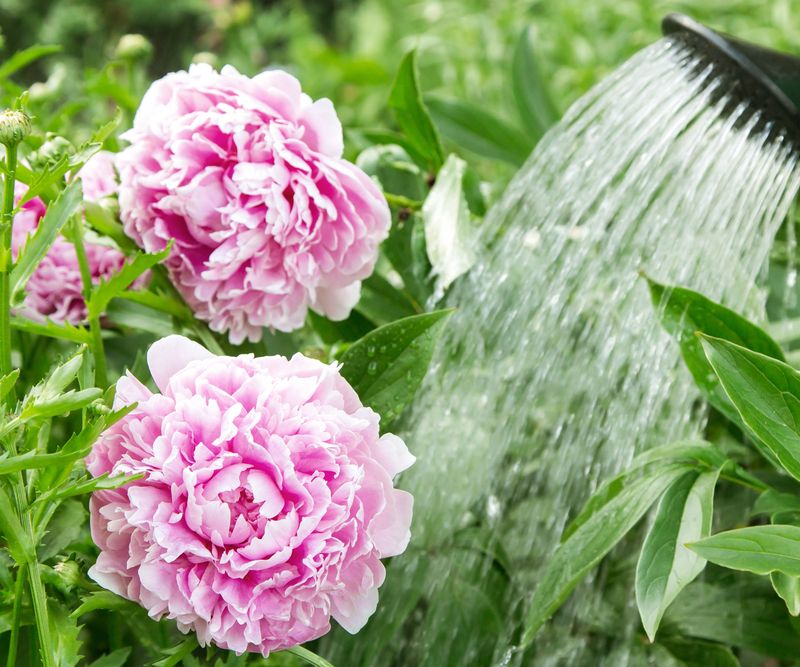
Peonies have a reputation for being tough, and they mostly are. But weeks without rain during peak summer heat can stress even well-established plants more than people realize.
July across much of the South can bring stretches of dry weather that last two weeks or longer. During those dry spells, the roots are still working, and the foliage is still trying to photosynthesize.
Without enough moisture, the plant shifts into a kind of protective slowdown that can affect how well it stores energy for spring.
Watering deeply once a week during dry stretches is usually enough for established plants. A slow, deep soak at the base is far more useful than a quick splash across the leaves.
Wet foliage sitting overnight can invite fungal issues, so morning watering at the soil level is the better approach.
Newly planted peonies need more consistent moisture in their first summer. They haven’t had time to develop a deep root system yet, so shallow soil drying out matters more to them than to older plants.
Your Georgia Garden Changes Every Week. Your Plan Should Too.
Gardening in Georgia changes quickly throughout the season. Every Friday you’ll receive a simple weekly plan showing exactly what to plant, prune, fertilize, harvest, and protect so you never miss the right timing.
You don’t need to set up an irrigation schedule for average summers. Pay attention to the forecast, check the soil a few inches down, and water when it feels dry.
3. Keep Mulch Away From The Crown
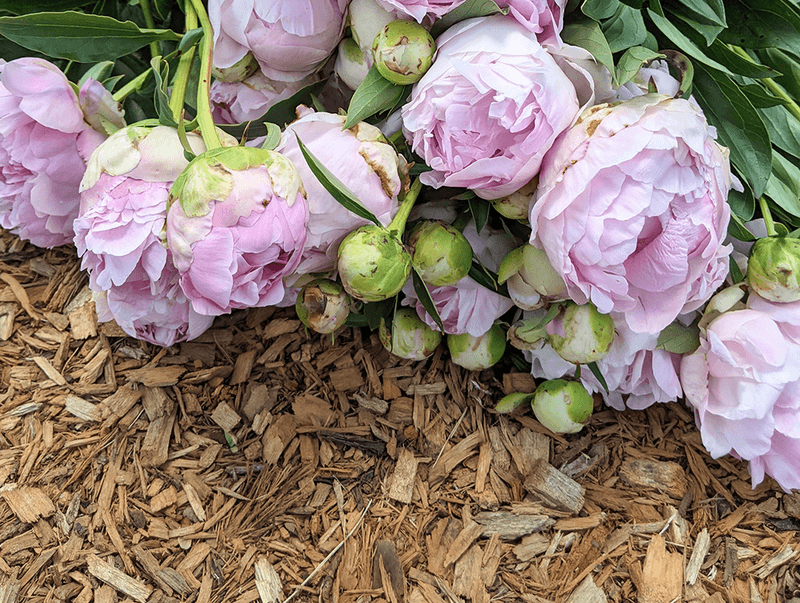
Mulch is one of the best tools in a summer garden. It holds moisture, moderates soil temperature, and slows weed growth.
Around peonies though, placement matters more than most people think.
Peonies are famously sensitive about their crown depth. Planted even slightly too deep, they tend to produce lots of foliage but very few flowers.
Burying the crown under thick mulch during summer creates a similar problem. It traps moisture right at the base of the stems and raises the soil temperature in a way that can mimic being planted too deep.
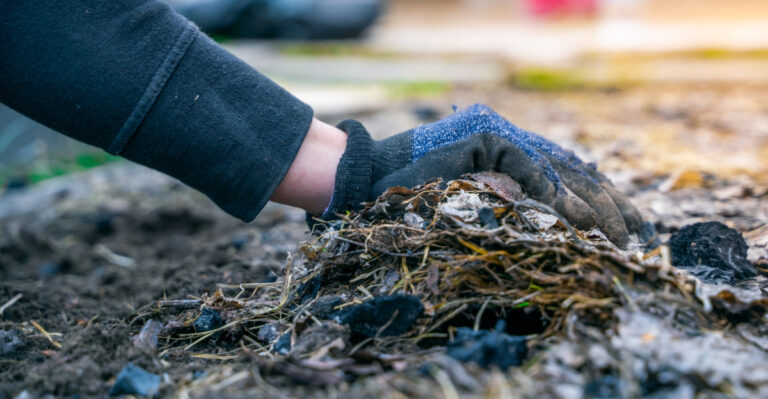
Pull mulch back a few inches from the base of each plant. Leave the soil around the crown open and able to breathe.
You can mulch the rest of the bed generously without any issues. Just keep that center zone clear.
A few inches of clearance is enough. You are not trying to leave a large bare patch around the plant.
Just avoid letting mulch pile up against the stems or sit directly over where the crown meets the soil.
In Georgia, summer heat and humidity already put stress on peony crowns. Adding a thick layer of warm, moist mulch right on top of them is an extra burden they don’t need.
4. Avoid Fertilizing During Peak Summer Heat
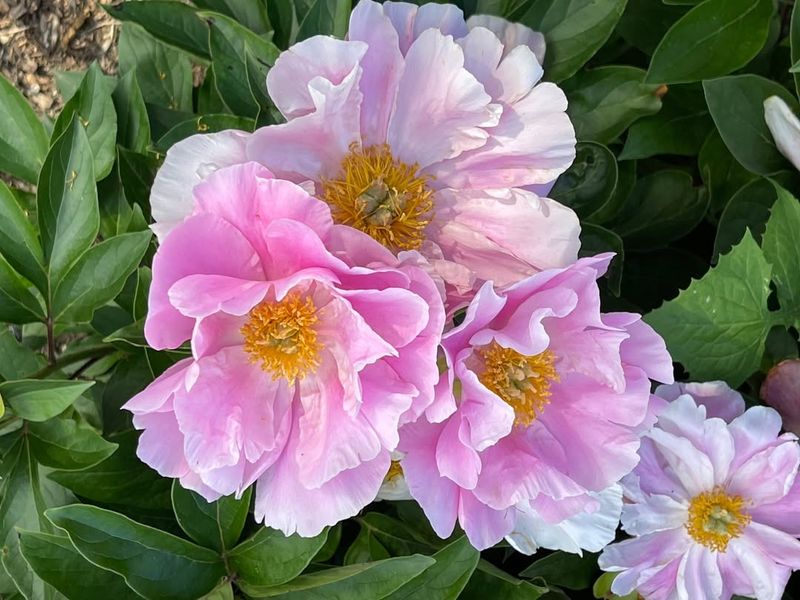
Fertilizer timing matters as much as fertilizer type. Pushing nutrients into peonies during July heat is one of those well-meaning moves that tends to backfire.
When temperatures climb into the upper 80s and 90s, plants naturally slow down. Root activity decreases.
Nutrient uptake becomes less efficient. Applying fertilizer during this window often means the nutrients sit in the soil unused, or worse, they push the plant into weak, heat-stressed new growth that has little chance of hardening off before fall.
Peonies don’t need heavy feeding at all compared to many flowering perennials. A light application of a low-nitrogen fertilizer in early fall, after temperatures start dropping, is a more productive approach.
That timing supports root development heading into dormancy without encouraging soft late-season growth.
If you fertilized in spring after blooms faded, that’s usually plenty for the year. Skip July entirely.
The plant is not in a phase where it can use extra nutrients well, and the risk of stressing the root zone outweighs any potential benefit.
Bone meal worked lightly into the soil around the drip line in September or October is a popular option among peony growers in the South. It breaks down slowly and supports root strength going into winter.
5. Keep Weeds From Competing For Moisture
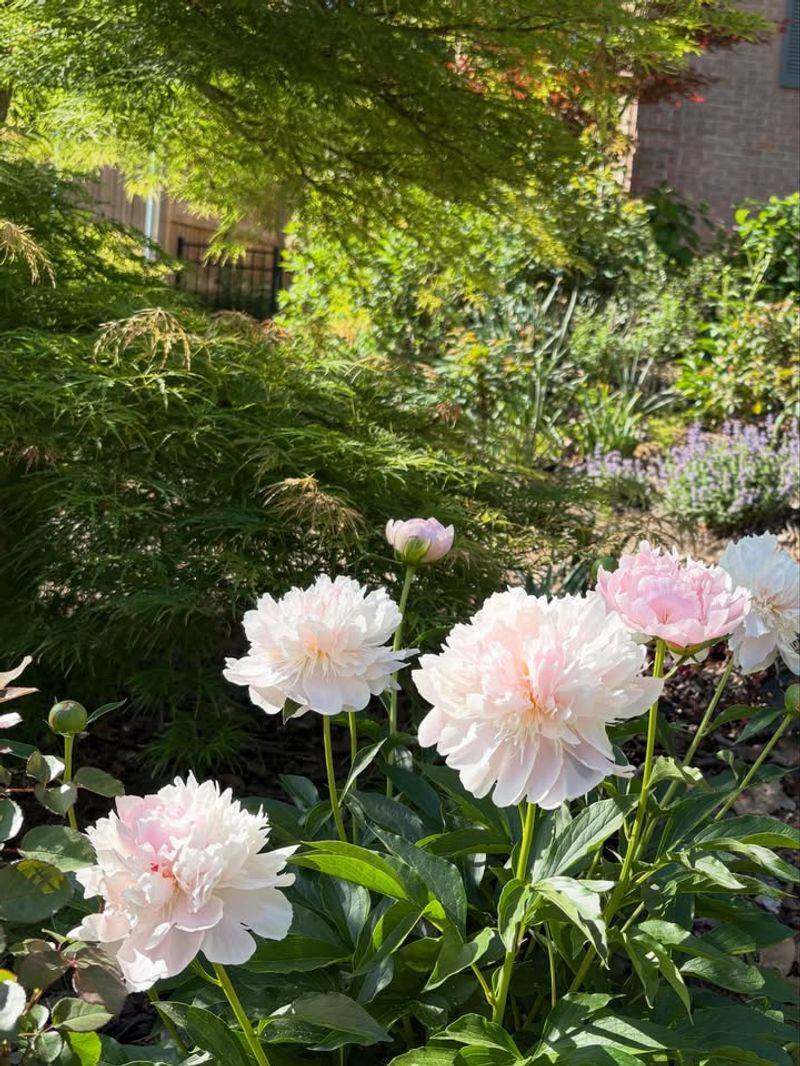
Weeds in a peony bed are not just an eyesore. During dry summer months, they pull moisture and nutrients from the same soil your peonies are depending on to store energy for spring.
Peonies are not aggressive competitors. They put their resources into root development and energy storage, not into outmuscling surrounding plants.
When weeds move in close, the peonies often come up short in that competition, especially during hot, dry stretches when soil moisture is already limited.
Pulling weeds by hand near peony crowns is safer than using a hoe. The crown and its shallow feeder roots sit close to the soil surface.
Aggressive cultivation tools can nick or disturb them without you realizing it. Hand-pulling keeps you in control and gives you a chance to check on the crown condition at the same time.
Keeping the bed mulched between plants helps slow weed germination significantly. Fewer weeds sprout when the soil surface stays covered.
Just remember to keep that mulch pulled back from the crown itself, as mentioned earlier.
A quick pass through your beds every week or two during summer takes very little time. Catching weeds while they’re small is far easier than dealing with them once they’ve rooted deeply or gone to seed.
6. Remove Spent Blooms Without Shortening Stems
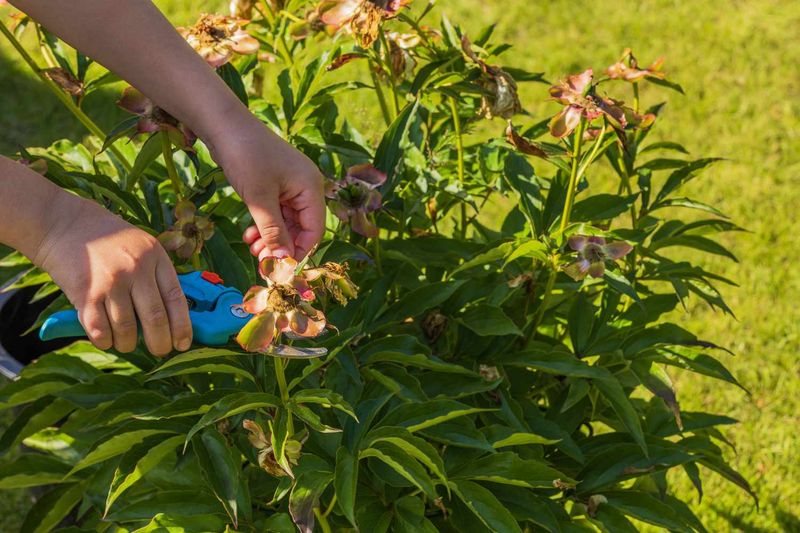
By July, peony blooms are long gone in most Southern gardens. Deadheading should have happened weeks ago, but if you missed a few spent flower heads, it’s worth knowing how to handle them correctly.
Cutting off a faded bloom right at the base of the flower is the right move. What you want to avoid is cutting the stem short or removing the leaves attached to it.
Those leaves are still working, and the stem they’re attached to is part of the plant’s food-producing system for the rest of the season.
Seed pods that form after blooms fade should also be removed. Letting the plant put energy into seed production draws resources away from root development.
Snip the seed head off cleanly, leave the stem and its leaves completely intact, and move on.
Some gardeners assume cutting stems back in summer helps the plant focus its energy better. In practice, fewer leaves means less photosynthesis and less stored energy going into the roots.
Shorter stems are not more efficient. They’re just less capable of doing the work the plant needs done.
A clean pair of snips or small pruners works well for this. Wipe the blades between plants if you’re moving through a garden with multiple peonies.
7. Mark Plant Locations Before Winter Arrives
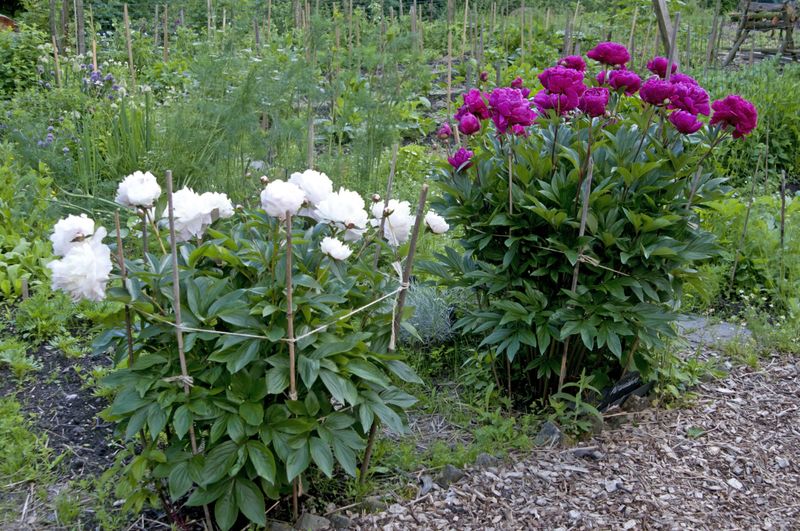
Peonies vanish completely above ground once they go dormant. What looks like a full, leafy plant in July becomes nothing but bare soil by late fall, and that creates a real problem come spring planting season.
Unmarked peony locations get stepped on, dug into, and accidentally planted over more often than most gardeners would like to admit.
A simple stake or garden marker placed beside each plant in late summer, while you can still see exactly where they are, saves a lot of frustration later.
Wooden stakes, small flags, or even smooth river rocks work fine as markers. The goal is just to know where the crown is sitting underground so you can protect that zone through fall and early spring.
Anything that stays visible through winter does the job.
In areas of Georgia with mild winters, some gardeners get overconfident about remembering plant locations. Months pass, the bed gets covered in leaf litter or pine straw, and suddenly nobody can recall where anything was.
A marker takes thirty seconds to place and prevents months of uncertainty.
Marking also helps if you plan to add new plants or bulbs to the bed in fall. Knowing exactly where your peonies are sleeping lets you plant around them without crowding the root zone.