Fall Leaves Piled Along Georgia Foundations Can Bring Roaches Right To The Door
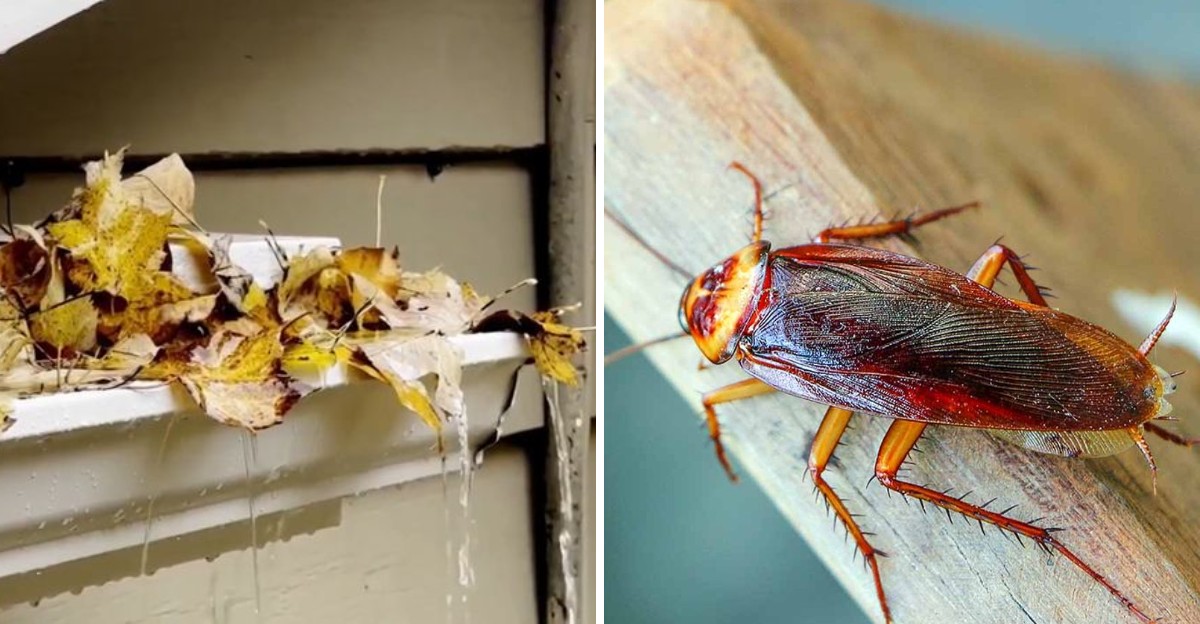
Blowing leaves against the house might seem like a quick way to clear the lawn without hauling it away.
The trouble is that a damp pile pressed against your foundation makes a comfortable home for roaches. It holds moisture, stays dark, and gives them something to eat as the leaves break down.
Once they settle in that close to the house, getting inside is not much of a stretch.
Small gaps around pipes and siding are usually all they need. In Georgia, where fall often stays warm and humid, roaches may remain active around those piles for weeks.
Many homeowners never connect the roach in the kitchen to the leaves outside.
Walk the edge of your house this week and see how close your leaf piles sit to the siding.
1. That Tidy Leaf Pile By The Back Steps Might Be Hosting Guests
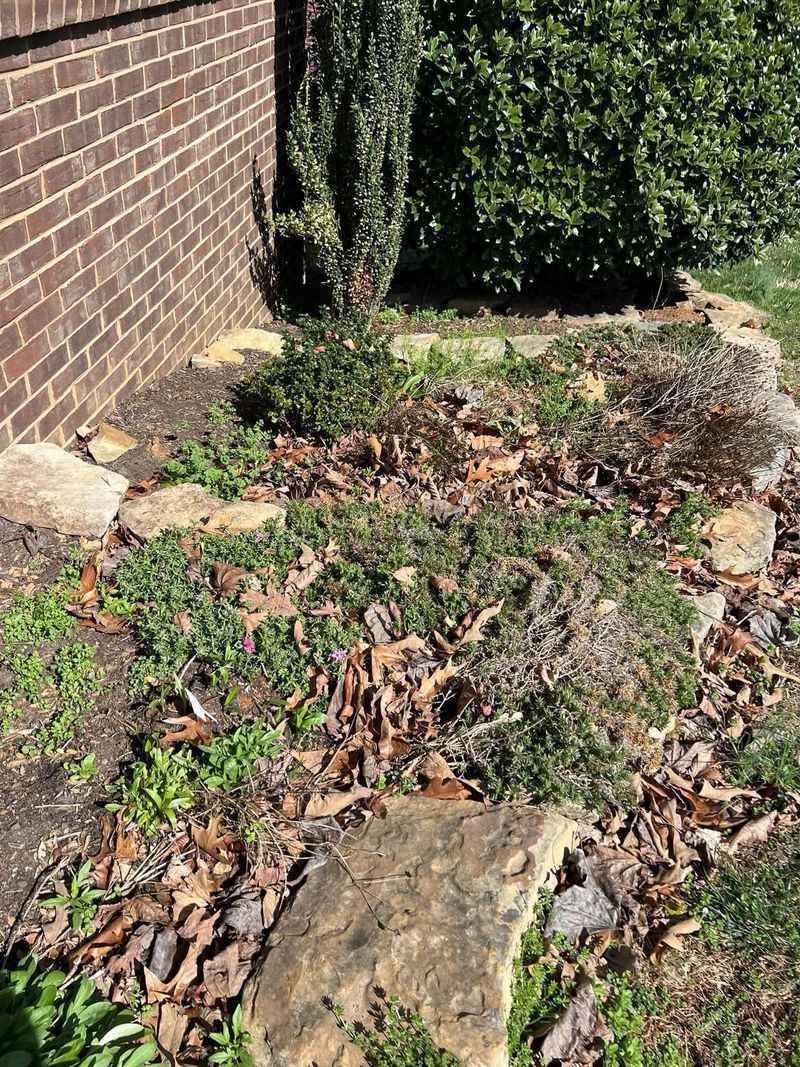
Neat does not always mean harmless. A leaf pile tucked beside your back steps can look like a finished chore while quietly turning into a hideout.
Most Georgia yards shed a heavy load of oak, maple, and sweetgum leaves between October and December.
When those leaves get raked into one spot near the house, they settle and pack down after a few rains. The top layer may look dry, but the bottom usually stays cool and moist for days.
Roaches and other crawling insects tend to favor exactly that kind of hidden, sheltered space.
You might not notice anything at first. Roaches are mostly active at night, so a pile can hold insects for weeks before one shows up in your kitchen.
Try a simple check on a mild evening by lifting the edge of the pile with a rake and a flashlight.
If you spot quick brown insects, beetles, or pill bugs scattering, the pile is doing more than sitting there. Those critters are not always roaches, but they show the spot holds moisture and shelter.
Moving the pile a short distance takes only a few minutes and can remove an easy hiding place.
Leaves are not the enemy here, since location matters much more than the leaves themselves.
2. Decaying Leaves Supply Moisture, Food, And Shelter All At Once
Few things in a yard offer as much to a roach as a soggy layer of rotting leaves. It covers three of their biggest needs in one spot.
Moisture comes first, because roaches lose water easily and seek out damp places to stay comfortable.
Wet leaves hold rain and dew long after the lawn dries. In Georgia, where fall can swing between warm afternoons and chilly nights, that trapped moisture sticks around.
Food follows close behind as the leaves break down.
Outdoor roaches are scavengers that eat decaying plant matter, fungi, and other organic bits. A breaking-down pile basically becomes a slow buffet they can graze on for weeks.
Shelter rounds out the list, since layered leaves block wind, sunlight, and hungry birds.
Here is a helpful way to think about it as a gardener. Anything that stays wet, dark, and full of plant scraps will likely draw insects, whether it is a leaf pile, old mulch, or a stack of firewood.
Your Georgia Garden Changes Every Week. Your Plan Should Too.
Gardening in Georgia changes quickly throughout the season. Every Friday you’ll receive a simple weekly plan showing exactly what to plant, prune, fertilize, harvest, and protect so you never miss the right timing.
You cannot stop leaves from decaying, and you would not want to, since that process feeds soil.
What you can control is how thick the layer gets and how close it sits to your walls. Spreading leaves thinner or shredding them helps them dry faster, though results depend on weather and shade.
3. Smokybrown Roaches Find Shelter In Damp Outdoor Debris
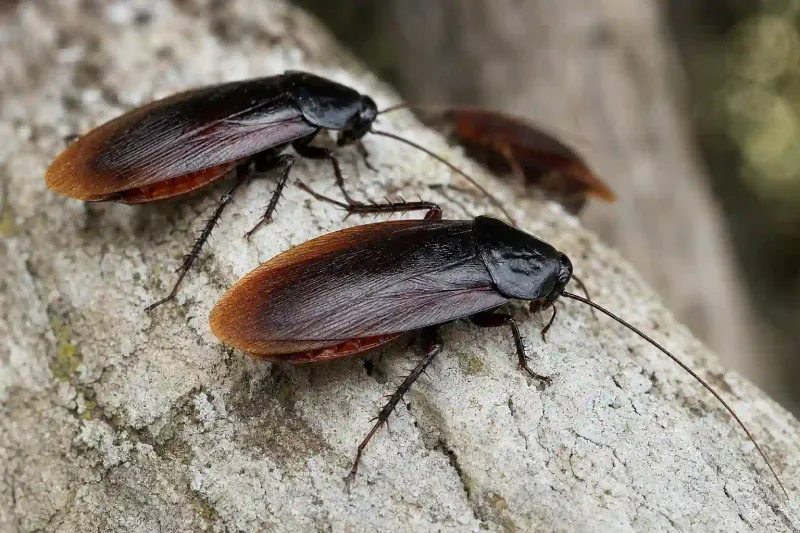
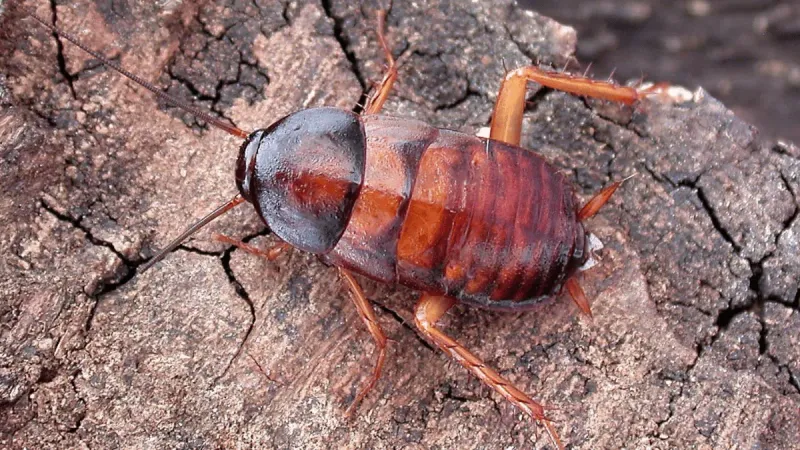
Meet the smokybrown cockroach, a common outdoor roach across the Southeast. It is a shiny, dark mahogany insect that often grows over an inch long.
Unlike the small German roach that lives mostly indoors, smokybrowns usually prefer life outside.
You will often find them in tree holes, mulch, gutters, woodpiles, and thick leaf litter. They need humid places because they can dry out quickly in open air.
Georgia’s warm, humid climate suits them well, so they are a familiar sight for many homeowners here.
Adults can fly, and they are drawn to lights at night. That is one reason people sometimes see them near porch lights or open doors after dark.
They do not usually aim to live indoors long term.
Still, they may wander inside looking for water or when outdoor conditions change. A damp pile right by the house simply shortens their trip.
If you see one inside now and then, it may have come from nearby outdoor shelter rather than a hidden indoor colony. Regular sightings are a different story, and a pest pro can help figure out the source.
4. Against The Foundation, Nearby Openings Offer A Route Indoors
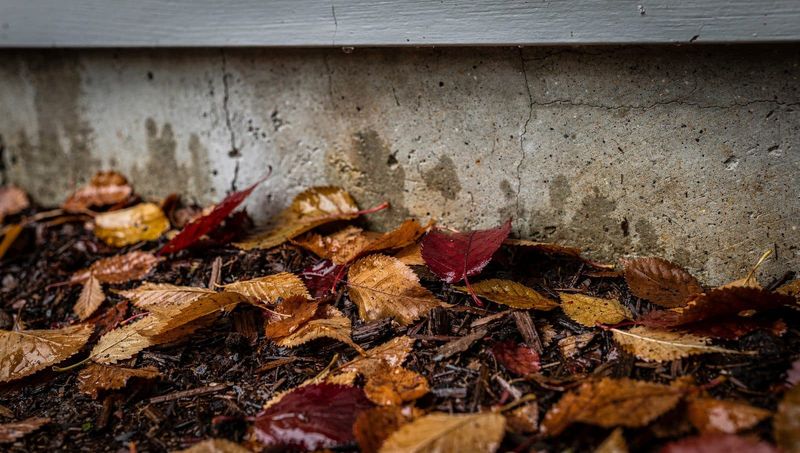
Distance matters more than most people think. A leaf pile two inches from your wall is a very different thing than one ten feet out in the yard.
Houses have small gaps where pipes, wires, and vents pass through the walls.
Weep holes in brick, cracks near slabs, and worn door sweeps also create tiny doorways. Roaches can squeeze through surprisingly narrow spaces, often ones you would barely notice.
When leaves pile up right against those spots, insects hiding inside have a sheltered path straight to the gaps.
Many Georgia homes sit on slabs or crawl spaces, and both can have openings near ground level. Crawl space vents in particular sit low, right where leaves tend to drift and collect.
Take a slow walk around your house with a flashlight this fall.
Look for gaps around the hose bib, dryer vent, cable lines, and AC line set. Small cracks can often be sealed with caulk, while larger holes may need expanding foam or copper mesh.
Check door sweeps too, especially on garage and back doors that get heavy use.
Sealing will not stop every insect, but pairing it with a clear strip along the foundation can cut down the easy routes inside.
5. Clogged Gutters Create Another Moisture Problem Above
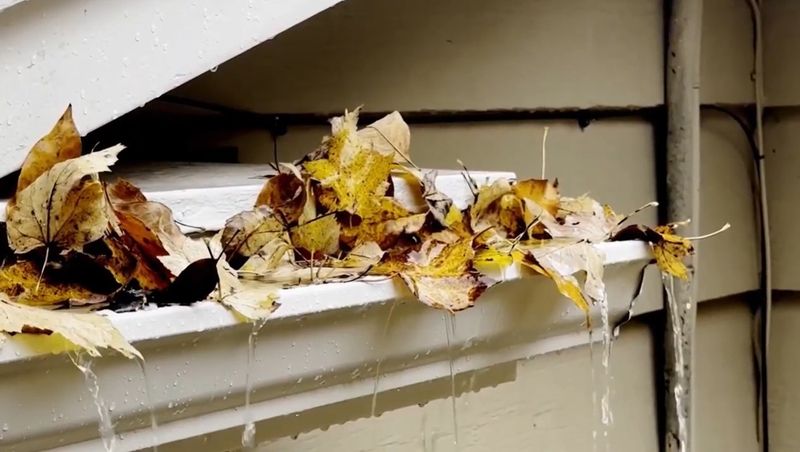
Look up for a second. While you are raking the ground, the gutters may be holding a soggy leaf pile of their own.
Clogged gutters trap wet leaves and standing water, which creates the kind of dark, damp spot roaches like.
Smokybrown roaches in particular are known to shelter in gutters. From there, they can reach attics, soffits, and roofline gaps without ever touching the ground.
Overflow adds a second problem down below.
When water spills over a blocked gutter, it soaks the soil and leaves along the foundation. That keeps the base of your house wetter for longer after each rain.
Here in Georgia, pine needles and oak leaves are frequent gutter cloggers, and fall storms can fill them fast.
Cleaning gutters at least once in late fall is a good habit, and some yards with lots of trees may need it more often. Use a sturdy ladder, and ask for help or hire someone if heights make you uneasy.
Make sure downspouts push water several feet away from the house.
Simple extensions or splash blocks cost little and can help keep the soil near your walls drier. Gutter guards may reduce clogs, though they still need occasional checking.
6. Pull Leaf Piles Away From The House To Reduce Nearby Shelter
Grab a rake and a tarp, because this fix is refreshingly low-tech. Moving leaves a short distance can take away a hiding spot right at your door.
Aim to keep a strip of about a foot or more clear along the foundation.
Some pest pros suggest keeping mulch and debris pulled back from walls, too. A dry, open border makes it harder for insects to stay hidden while they move toward the house.
A tarp makes the job quicker since you can drag a big load in one trip.
Leaf blowers help on patios and along walkways. Just aim them away from the house so you do not push leaves back into corners.
Don’t forget the tricky spots like behind shrubs, under decks, and beside AC units.
Those areas collect leaves quietly and often stay shaded and damp. A quick check every week or two during peak leaf drop keeps them from building up.
Across much of Georgia, leaves keep falling well into December, so one cleanup usually is not enough.
Keep expectations realistic, since clearing leaves lowers the odds of roaches near the house but will not remove them from the neighborhood.
7. Beds Farther From The House Can Still Put Those Leaves To Use
Good news for gardeners who hate wasting free mulch. Those same leaves can do real work once they are moved to the right place.
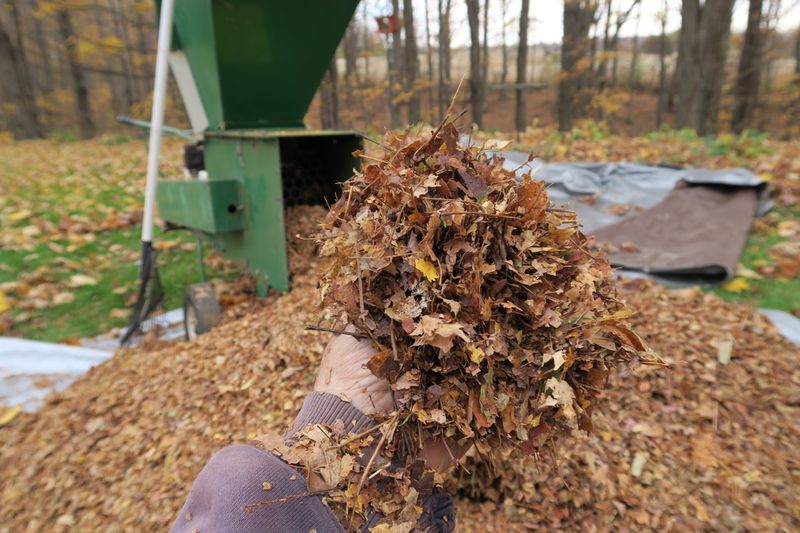
Shredded leaves make a helpful mulch for garden beds that sit well away from the house.
Running them over with a mower breaks them into smaller pieces that dry faster and are less likely to mat. A layer of two or three inches can help hold soil moisture and protect roots in winter.
Georgia’s red clay soils in particular can benefit from the organic matter leaves add over time.
Compost bins or open leaf piles work well too, as long as they sit a good distance from your walls. Turning a pile now and then helps it break down, though speed depends on moisture and temperature.
Vegetable gardens can use chopped leaves as a winter cover over empty rows.
Try tucking leaves around shrubs at the back of the yard or under trees near the property line. Insects may still move into those spots, but they will be farther from your doors.
By spring, much of that leaf layer will have softened into the soil beneath it.
It is a small shift in habit that keeps your yard healthy while giving roaches fewer reasons to visit.