9 Things To Do When Your Ohio Hydrangeas Wilt In The Heat (And 3 Mistakes To Avoid)
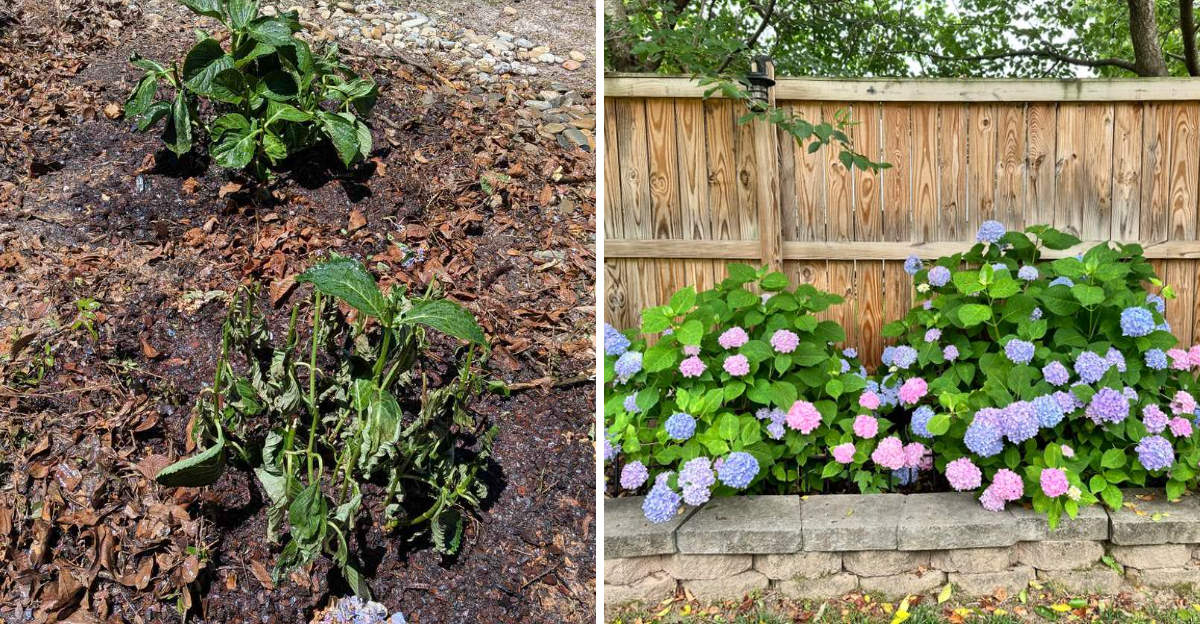
Wilting hydrangeas in Ohio summer heat is one of those sights that sends gardeners into immediate action. That is usually where the mistakes get made.
The plant looks distressed, and the instinct is to fix it fast. But the fixes that feel most logical in that moment are not always the ones that actually help.
Ohio hydrangeas wilt for more than one reason. The response that saves a heat-stressed plant can damage one that is wilting for a completely different cause.
Getting that wrong costs the plant more than the wilt itself ever would have. Most people grab the hose.
Some reach for fertilizer. A few do both.
All three can turn a recoverable situation into a longer problem depending on what actually caused the wilt in the first place. This list sorts out what helps, what hurts, and how to tell the difference before the plant pays for the wrong call.
1. Check The Soil Before You Panic Water
A drooping leaf in the afternoon does not automatically mean dry roots. Hydrangeas can wilt in direct sun even when the soil still holds plenty of moisture.
The leaves may be losing water faster than the roots can replace it during peak heat. OSU Extension guidance notes that this kind of temporary wilt is common in summer and often corrects itself by evening or the next morning.
Before reaching for the hose, push two fingers or a wooden dowel into the soil. Check several inches down near the outer edge of the plant.
Dry, crumbly soil that pulls away from your fingers is a real sign of drought stress. Cool, damp soil that sticks together means the roots may already have what they need.
Compare how the plant looks early in the morning versus mid-afternoon. A hydrangea that stands upright at sunrise but droops by two in the afternoon is likely reacting to heat.
It may not be reacting to thirst. One that looks wilted at both times, with dry soil confirmed, is a stronger candidate for deep watering.
Checking first prevents overwatering, which can damage roots just as seriously as drought. Soil moisture is the real starting point for every decision that follows.
2. Water Deeply Beyond The Base Of The Plant
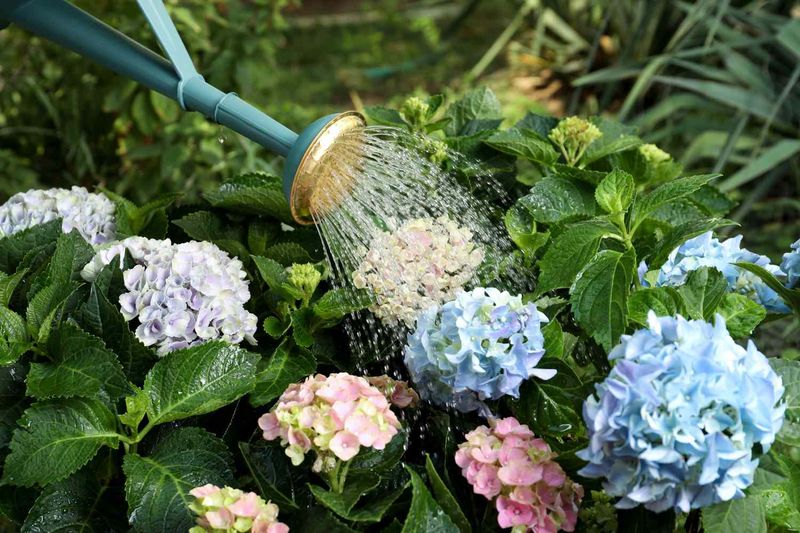
Once you have confirmed the soil is actually dry, slow and thorough watering gives stressed roots the best chance to recover. Hydrangea roots spread outward beyond the visible base of the plant, often reaching as far as the outermost leaves or drip line.
A quick splash at the stem may wet the surface without ever reaching the root zone where water is needed most.
Move the hose slowly around the outer edge of the plant rather than holding it in one spot. Let water soak in gradually so it does not run off the surface before reaching deep roots.
University extension sources explain that deep, infrequent watering encourages roots to grow downward. That makes plants more resilient during future dry spells.
Shallow daily watering can do the opposite, keeping roots near the surface where soil dries fastest.
Your Ohio Garden Changes Every Week. Your Plan Should Too.
Gardening in Ohio changes quickly throughout the season. Every Friday you’ll receive a simple weekly plan showing exactly what to plant, prune, fertilize, harvest, and protect so you never miss the right timing.
Watering needs vary depending on soil type, plant size, how long the plant has been established, and current weather. Sandy soils drain faster and may need more frequent attention than clay-heavy soils.
Newly planted hydrangeas need more consistent moisture than established shrubs. The goal is to water slowly, cover the full root zone, and let the soil absorb fully before adding more.
3. Mulch The Roots Before Heat Builds Again
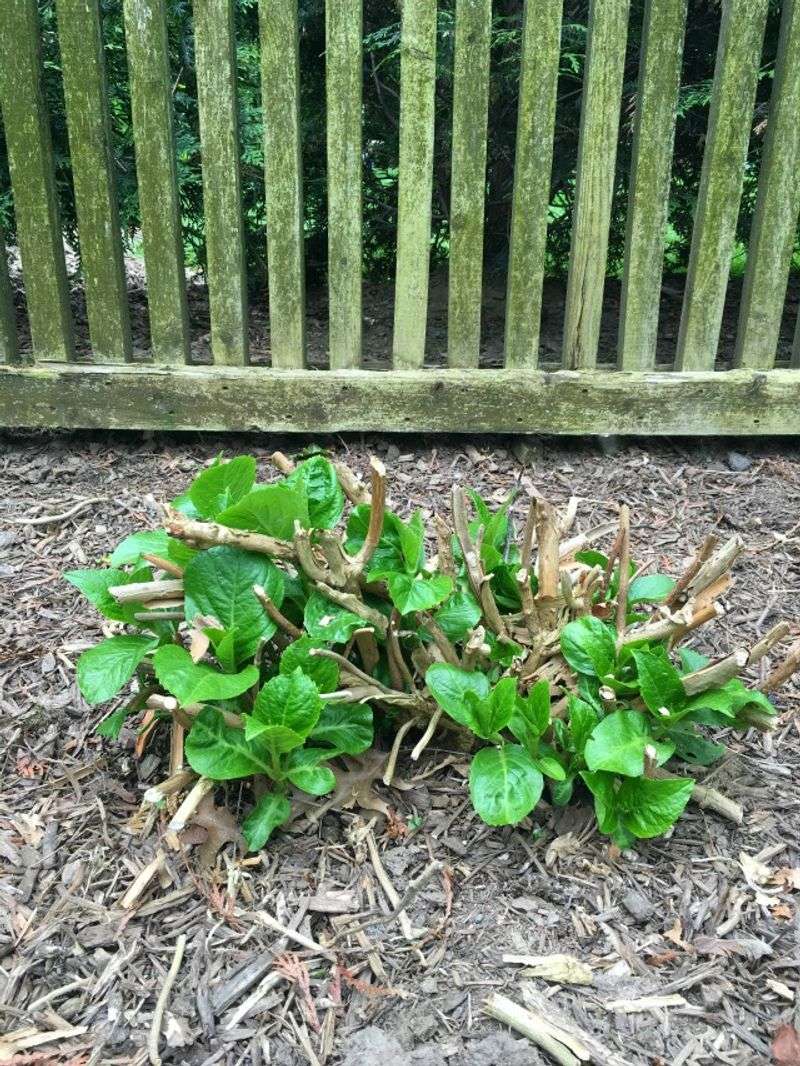
Bare soil in an Ohio summer garden heats up fast, and once it dries out, it can pull moisture away from roots quickly. A layer of organic mulch around your hydrangea acts like a buffer, slowing that process down considerably.
Horticulture experts advise that mulch can help conserve soil moisture and reduce soil temperature fluctuations. It can also give watering sessions a longer-lasting effect.
Shredded bark, wood chips, or shredded leaves are all reasonable choices for organic mulch in home gardens. Apply a layer roughly two to three inches thick, spreading it out to the drip line of the plant.
Keep the mulch a few inches away from the crown and stem to prevent rot and discourage pests from nesting close to the base.
If you already have mulch in place, check whether it has thinned out or compacted over the season. A compressed, crusty mulch layer can actually shed water rather than hold it.
Refresh thin spots before the next heat wave arrives rather than waiting until the plant is already stressed. Mulch is a preventive tool, and it works best when it is in place before temperatures climb.
It does not replace watering during extended dry periods, but it can significantly reduce how often watering is needed.
4. Give Afternoon Shade During Brutal Heat
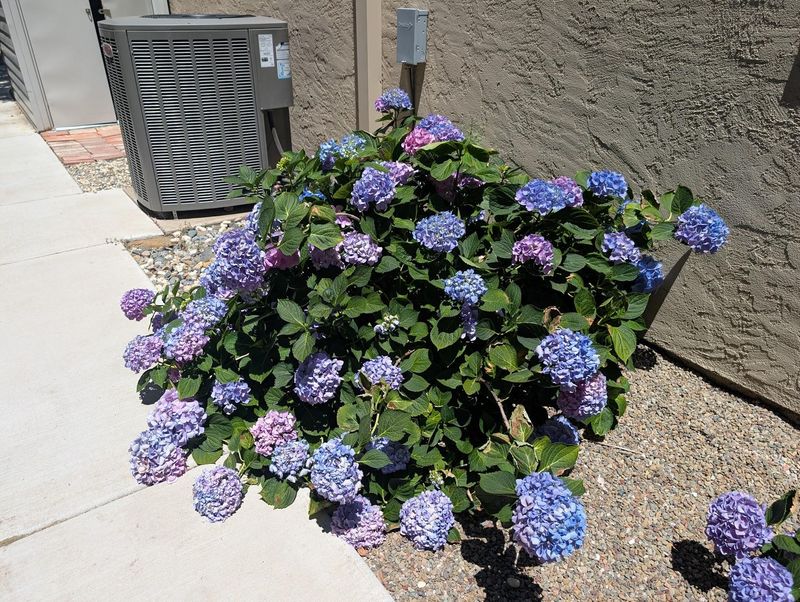
Afternoon sun can be relentless during a Buckeye State heat wave, and hydrangeas planted in western or southern exposures often feel it the hardest.
Even species that tolerate more sun can show dramatic wilting when temperatures push past the upper eighties or into the nineties.
That is especially true when hot sun hits for several hours in a row.
A temporary shade solution can take real pressure off a struggling plant during extreme heat.
Shade cloth attached to stakes, a patio umbrella positioned nearby, or even a strategically placed lawn chair can block the worst afternoon rays without permanently changing the growing spot.
Botanical garden guidance recommends morning sun with afternoon shade for many hydrangea varieties. That combination is especially helpful in southern or exposed central regions of the state.
Shade is not a permanent fix for a plant that is fundamentally in the wrong location, but it can buy time during a heat spike. Some hydrangea types, including smooth hydrangeas native to eastern North America, can tolerate more shade than others.
Panicle hydrangeas generally handle more sun, while bigleaf varieties tend to appreciate afternoon relief. Match any shade solution to the specific plant you are growing, and remove temporary covers once temperatures return to a manageable range.
5. Move Containers Out Of Direct Afternoon Sun
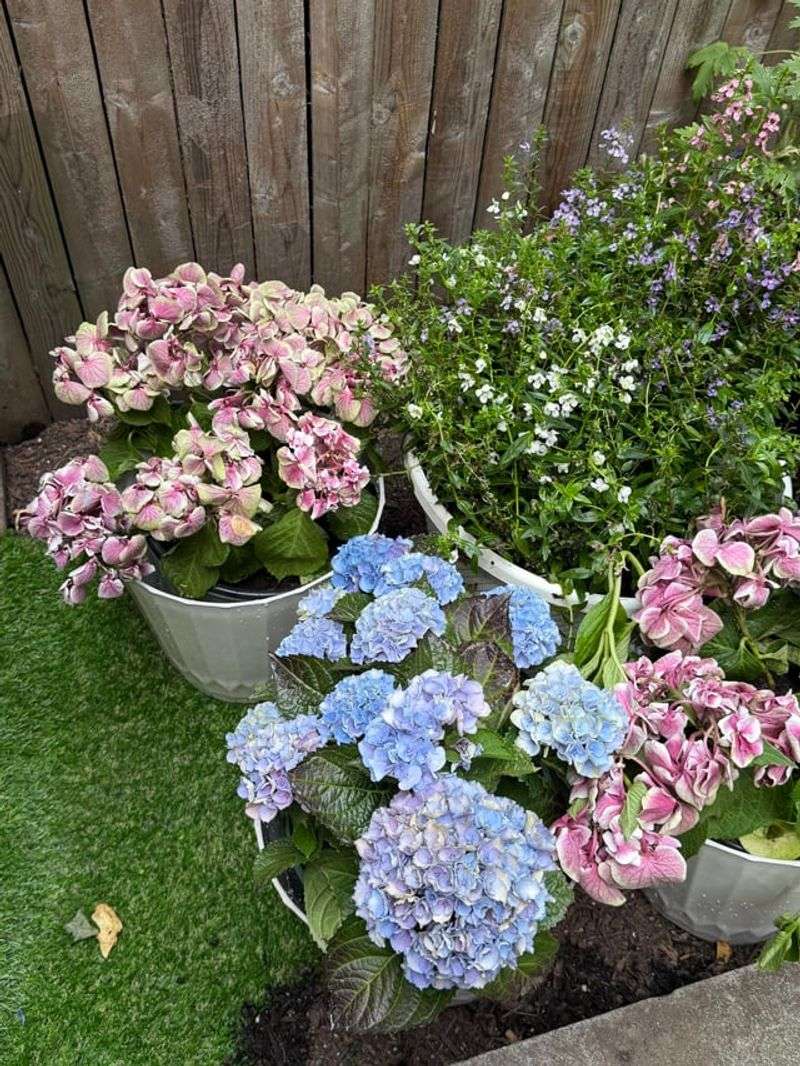
Pots sitting on a sunny patio or driveway in the afternoon can become surprisingly hostile environments for hydrangeas.
Container walls absorb heat, roots have no cool ground to reach into, and the limited soil volume dries out much faster than an in-ground planting.
A container hydrangea can go from moist to dangerously dry within a single hot afternoon.
Moving a pot to a spot with bright indirect light or morning sun and afternoon shade can make a meaningful difference during heat waves. Even shifting the container a few feet to the east side of a wall or fence can reduce heat load significantly.
Check the drainage holes at the bottom to make sure water can escape freely. Blocked drainage leads to soggy, oxygen-poor roots, which can cause wilting that looks identical to drought stress.
When the soil is confirmed dry, water until excess runs freely from the drainage holes. Then let the pot drain completely.
Avoid leaving containers sitting in saucers full of standing water, since roots sitting in pooled water can develop rot quickly. Small pots dry out faster than large ones, so consider sizing up if a container hydrangea struggles repeatedly through summer.
A larger volume of soil holds moisture longer and buffers roots from rapid temperature swings.
6. Water Early So Leaves Dry Before Night
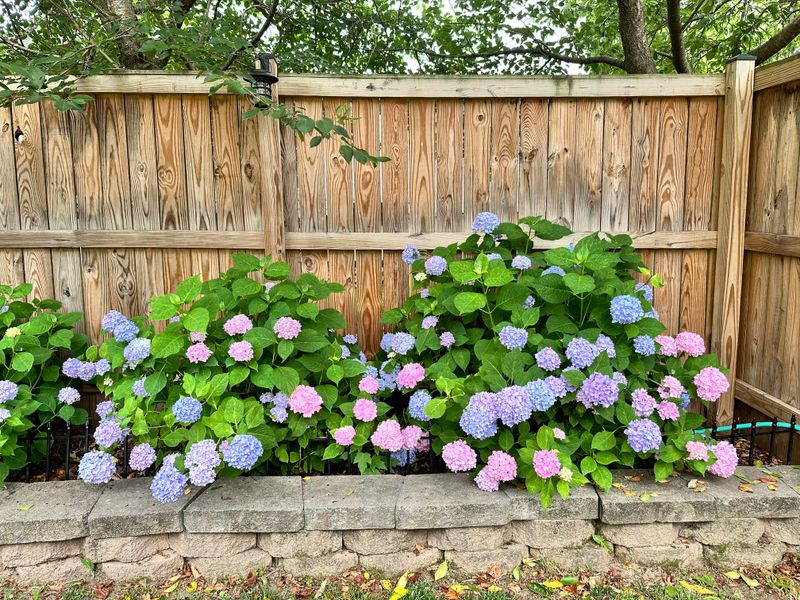
Morning is a strong time to water garden hydrangeas, and the reasoning goes beyond simple preference. Watering early gives the soil a chance to absorb moisture before the hottest part of the day, so roots enter peak heat with better reserves.
Any water that accidentally lands on foliage has hours of sunlight and air movement to dry it off before night arrives.
University extension sources explain that consistently wet foliage can encourage fungal diseases in humid conditions. That is especially true overnight and can include powdery mildew and leaf spot.
Ohio summers can be quite humid, particularly in northern and central regions, so reducing unnecessary leaf wetness is a sensible habit. Aim the hose or drip line at the soil rather than overhead whenever possible.
Evening watering is not always harmful, especially if it is the only realistic option on a given day. The bigger concern is routine overhead watering late in the evening during warm, humid weather.
Morning watering is simply a better default habit during the heat season because it supports both root health and foliage health at the same time. Rain naturally wets the whole plant, and gardeners cannot control that.
But when you are holding the hose, directing water to the root zone in the morning is the most consistently helpful approach.
7. Leave Scorched Leaves Until They Stop Helping
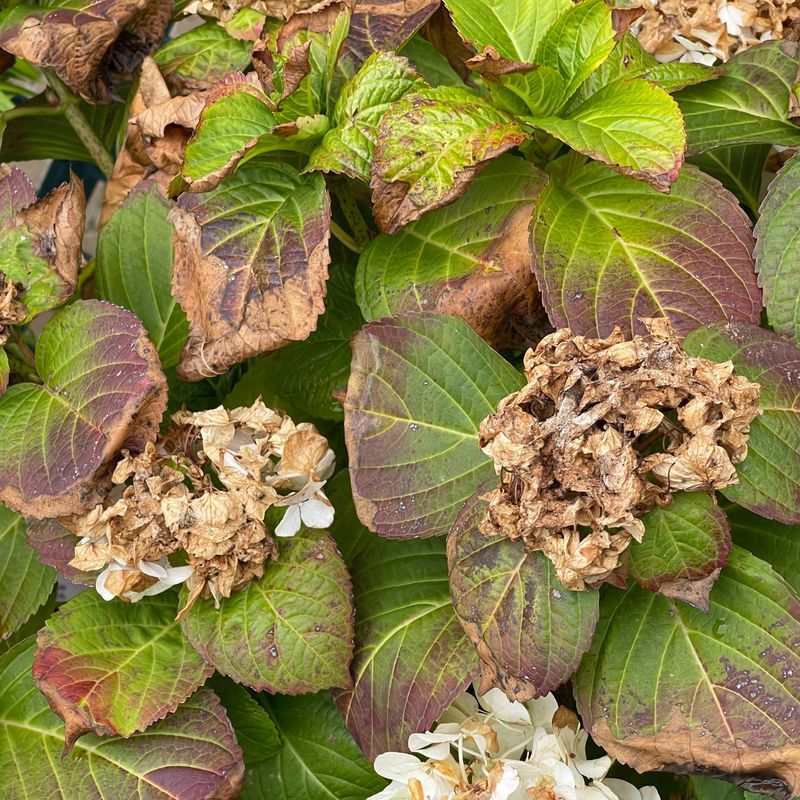
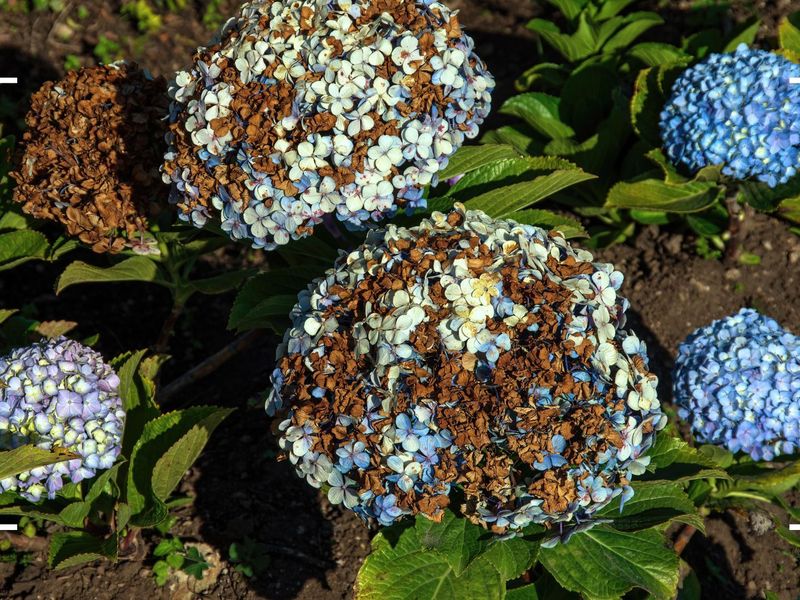
Brown edges and crispy patches on hydrangea leaves can look alarming after a heat wave, but not every damaged leaf needs to come off immediately.
Leaves that still carry green tissue are likely still performing some photosynthesis and contributing energy to the plant.
Removing them too early takes away resources the plant may be using to recover.
Plant-care guidance warns against stripping a heat-stressed plant of its remaining foliage in a rush to tidy things up. A plant that has already lost root function or soil moisture support does not benefit from losing more leaf surface.
Let the heat wave pass, make sure watering and mulch are in order, and then assess the damage with fresh eyes a week or two later.
Fully brown, crispy, or lifeless leaves can be removed once the plant has stabilized, since they serve no further purpose and can look untidy. Leaves that appear partly brown but still hold green sections are worth leaving alone for now.
Severe scorch on the same leaves will not reverse, but new growth that emerges under better conditions may look significantly healthier. Patience here is genuinely useful.
A stressed hydrangea recovering from heat damage needs steady support, not a dramatic pruning session while it is still struggling to hold on.
8. Pause Fertilizer While The Plant Is Stressed
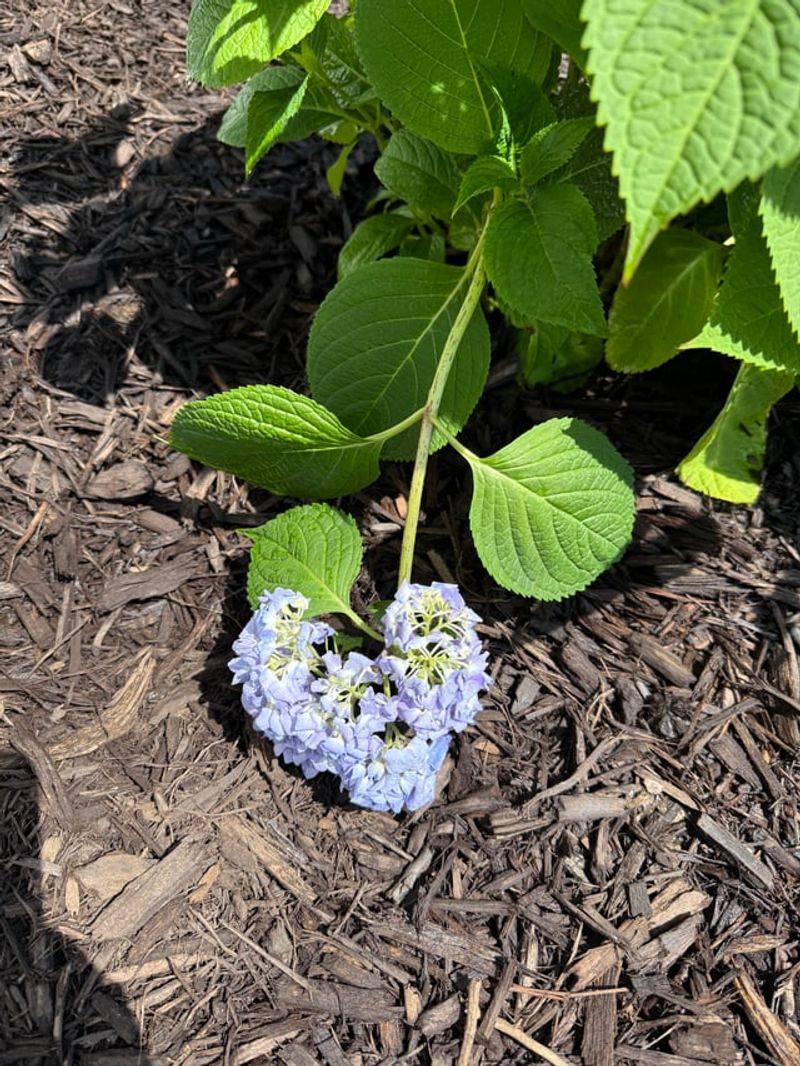
Reaching for fertilizer when a hydrangea looks rough is a natural impulse, but it can backfire badly during heat stress. Fertilizer does not fix wilting caused by heat, dry soil, or root damage.
When roots are struggling, they cannot absorb nutrients efficiently. Adding fertilizer to dry or damaged roots can increase salt concentration in the soil, making stress worse rather than better.
Horticulture experts advise waiting until a plant has recovered, is well-hydrated, and is actively growing before resuming a fertilizer schedule.
Applying high-nitrogen fertilizer during extreme heat can push new tender growth that the plant cannot support under stress.
That soft new growth is also more vulnerable to sun scorch and further wilting.
Hydrangeas do benefit from nutrients, and fertilizing at the right time supports healthy blooms and strong stems. A soil test through OSU Extension can help identify what your specific soil actually needs, which is more useful than guessing.
Once temperatures moderate and the plant shows signs of recovery, a balanced, slow-release fertilizer applied according to label directions is a reasonable next step. The key is timing.
Fertilizer is a growth tool, not a rescue tool, and using it during a heat crisis tends to add stress rather than relieve it.
9. Watch Morning Recovery Before Changing Everything
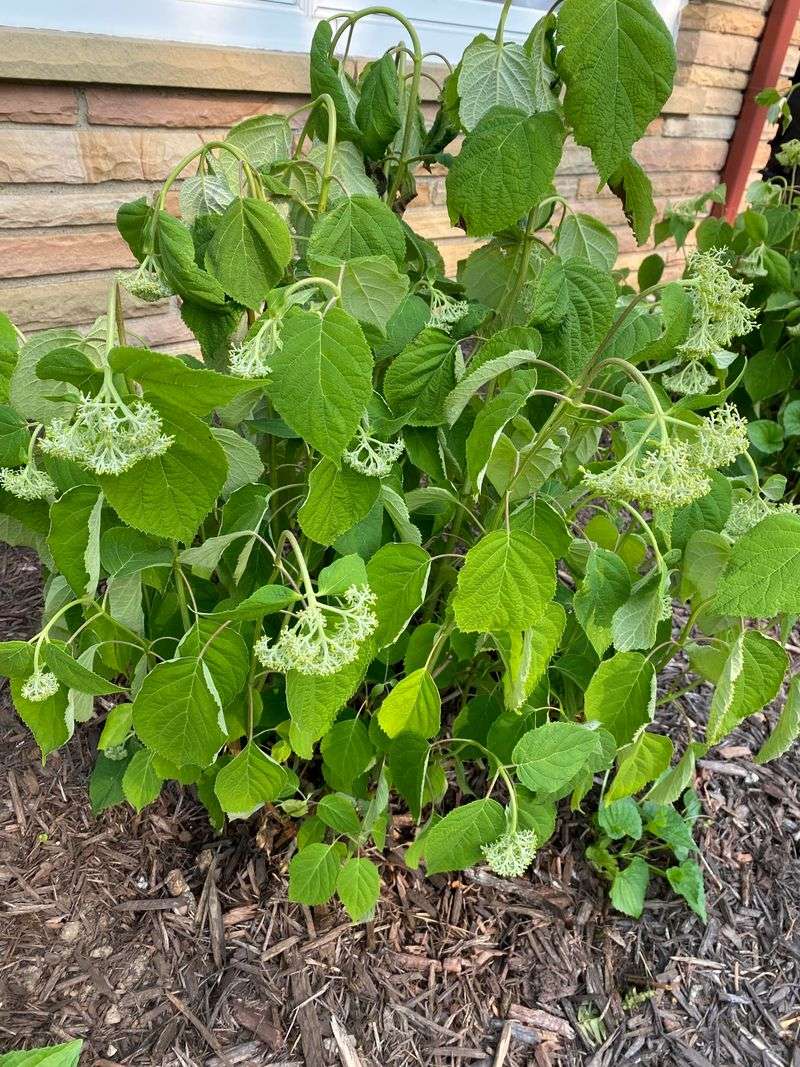
Before moving a plant, cutting it back, or making major changes to its location, spend a morning watching what it actually does.
A hydrangea that droops dramatically by two in the afternoon but stands upright at seven in the morning is giving you useful information.
That pattern points more toward afternoon heat stress than toward a fundamental problem with water supply or root health.
Track the pattern over a few days. Note which side of the plant wilts first, how long it takes to recover each evening, and whether the soil stays consistently dry or holds some moisture.
These observations can point toward specific solutions, such as adding mulch, adjusting watering timing, or blocking afternoon sun, without requiring drastic changes.
Repeated severe wilting that does not recover by morning, combined with dry soil, is a stronger sign that watering habits or site conditions need real adjustment. Container plants that wilt repeatedly may need a larger pot or a shadier spot.
Garden plants with persistent wilt despite moist soil may have a root issue worth investigating further. A local extension office or certified horticulturist can help assess unusual or persistent decline.
Morning observation is a low-cost, high-information first step that often reveals exactly what the plant is trying to communicate.
10. Do Not Drown Roots In Soggy Soil
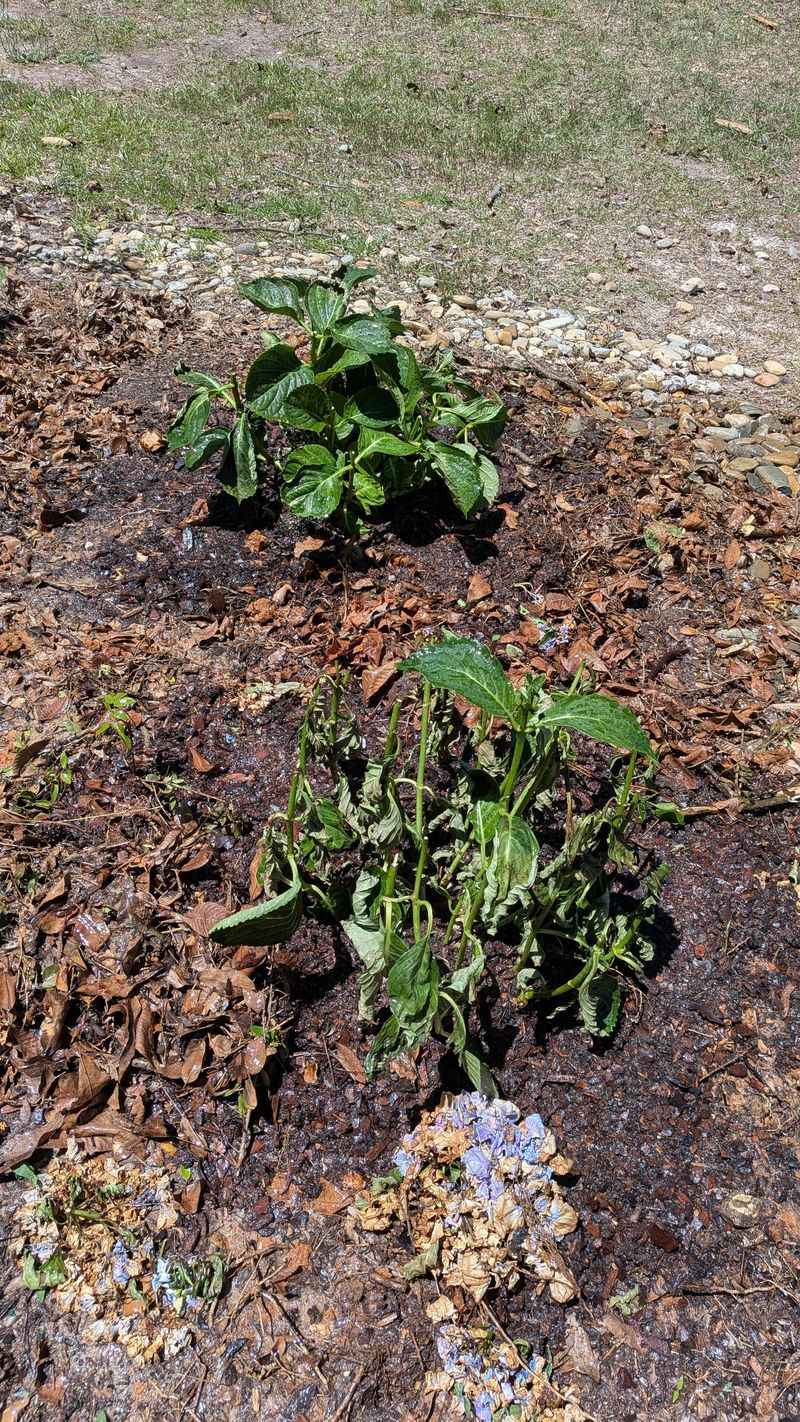
Soggy roots and dry roots can produce nearly identical symptoms on the surface. Both can cause wilting, drooping leaves, and a plant that looks like it is struggling.
This overlap is exactly why checking the soil before watering matters so much. Adding more water to already saturated soil reduces the oxygen available to roots, and roots that cannot breathe begin to break down.
Plant pathology resources describe overwatering as one of the more common causes of hydrangea decline in home gardens.
Heavy clay soils, which are widespread across parts of Ohio, hold water longer than sandy or loamy soils, making overwatering easier to do accidentally.
Poor drainage around foundations and low-lying garden spots can also keep roots sitting in water long after rain has passed.
Check drainage by watching how quickly water moves through the soil after a rain or watering session. Standing water that remains for many hours points to a drainage problem worth addressing over time.
Improving soil structure with compost can help, though significant drainage issues may need professional assessment. For container plants, empty saucers after watering and confirm drainage holes are clear.
Keeping roots consistently wet is not the same as keeping them well-watered, and the difference matters a great deal to long-term plant health.
11. Do Not Mist Leaves And Call It Watering
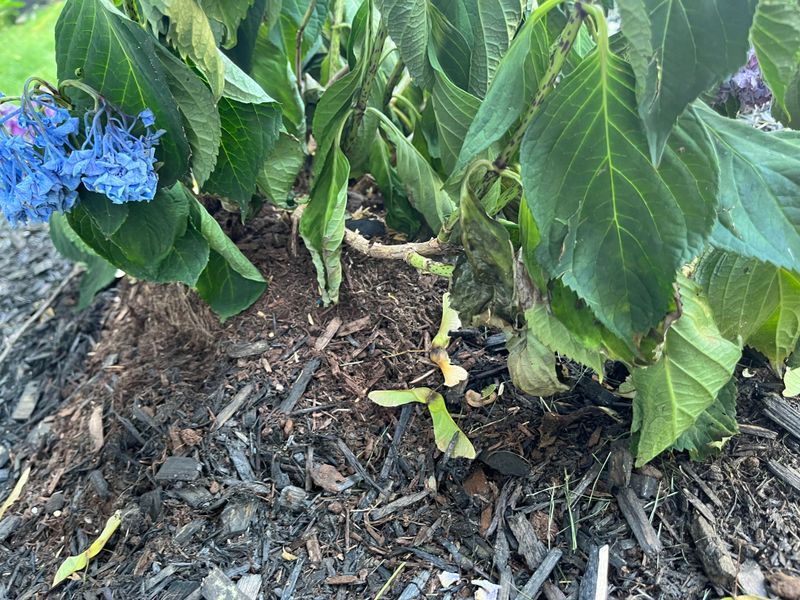
A light mist on wilting leaves can look refreshing, and it might briefly cool the leaf surface by a small amount. But misting does not deliver water to the root zone, which is the only place a thirsty hydrangea can actually absorb and use moisture.
Treating misting as a substitute for proper watering leaves the real problem completely unaddressed.
Frequent overhead leaf wetting in warm, humid conditions can create an environment where fungal diseases find it easier to establish. It is also ineffective as a watering method.
Ohio summers bring real humidity, especially in central and northern regions, and leaf spot diseases are a recognized concern for hydrangeas in these conditions.
Plant pathology resources note that reducing unnecessary leaf wetness is a practical way to lower disease pressure over the season.
If you want to help a heat-stressed hydrangea, focus on the soil. Water deeply at the root zone, refresh the mulch layer, and consider moving a container or adding temporary shade if afternoon sun is the main driver of stress.
These steps address the actual causes of wilt rather than the appearance of it.
Misting has its place in some propagation or humidity-sensitive situations, but as a response to heat wilt in an established garden hydrangea, it simply does not reach the problem where it lives.
12. Do Not Prune Heat Damage Too Soon
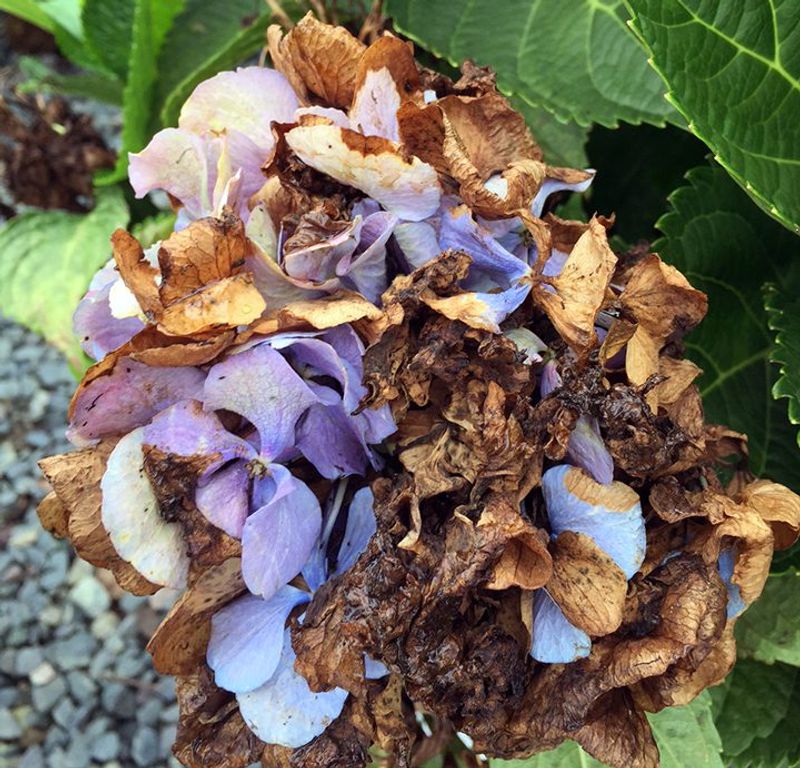
A heat-battered hydrangea with brown edges and drooping stems can trigger a strong urge to grab the pruners and clean things up. Resist that urge until the heat wave has clearly passed and the plant has had time to stabilize.
Stems and leaves that look damaged may still be supporting the plant in ways that are not immediately visible. Removing them during active stress can slow recovery rather than speed it up.
Different hydrangea types also have different pruning windows, and cutting at the wrong time can remove next season’s flower buds. Bigleaf hydrangeas, which are common in local gardens, bloom on old wood in most cases and should not be pruned heavily in summer.
Panicle and smooth hydrangeas are more forgiving about pruning timing, but even they benefit from waiting until the stress period is over before any significant cuts are made.
Once temperatures settle and the plant begins to show new growth or recovery, assess what is truly withered versus what simply looks rough. Snip only crispy, fully deceased stems and remove clearly diseased material promptly.
Leave the rest until the appropriate pruning season for your specific variety. Wilted hydrangeas need steady soil moisture, mulch, and reduced heat stress, not an aggressive haircut while they are already working hard just to survive.
Careful observation and patience are the real finishing tools here.