Japanese Beetles Leave These Plants Alone After Roses In North Carolina Get Destroyed
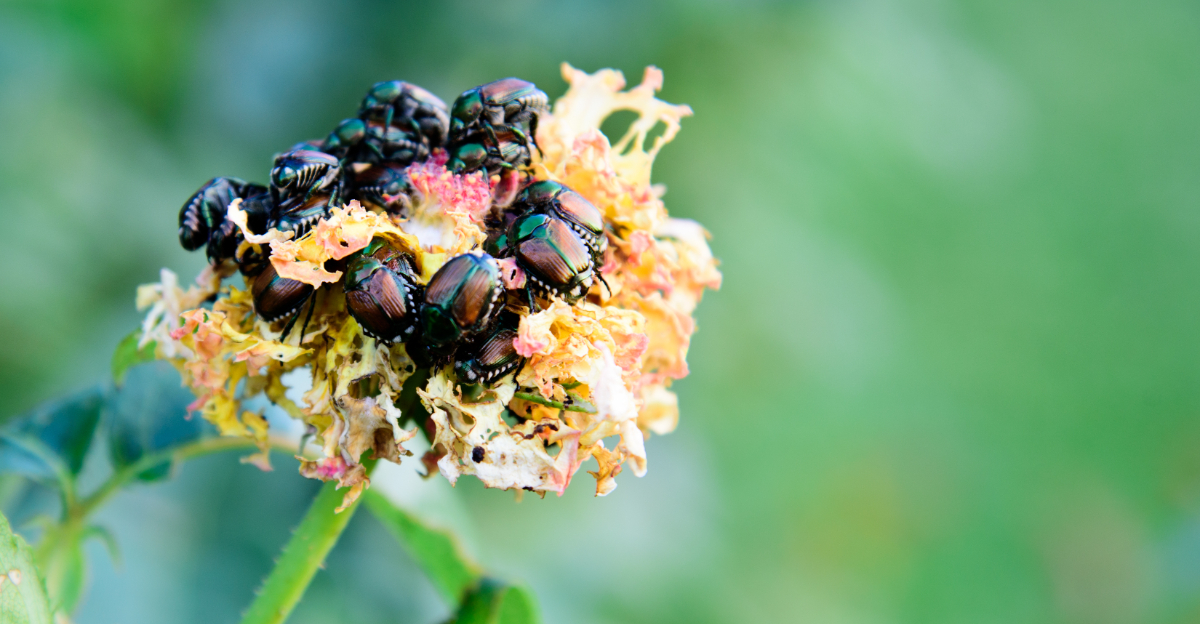
Japanese beetles have a clear list of favorites, and once they finish devouring roses in North Carolina gardens, certain other plants tend to stay untouched.
Beetles are drawn to thin, tender leaves with a strong scent, which explains their love for roses in the first place.
Plants like boxwood, holly, and most native ferns rarely attract their attention. Herbs such as rosemary, sage, and mint also tend to repel beetles thanks to their strong aromatic oils.
Ornamental grasses are another safe bet since their tough, fibrous leaves aren’t appealing to chew through. Gardeners frustrated by skeletonized rose leaves can plant these alternatives nearby without much worry.
Timing matters too, since beetle activity peaks for a few weeks in early summer before tapering off. Choosing resistant plants now can save your garden from repeat damage next season.
1. Boxwood
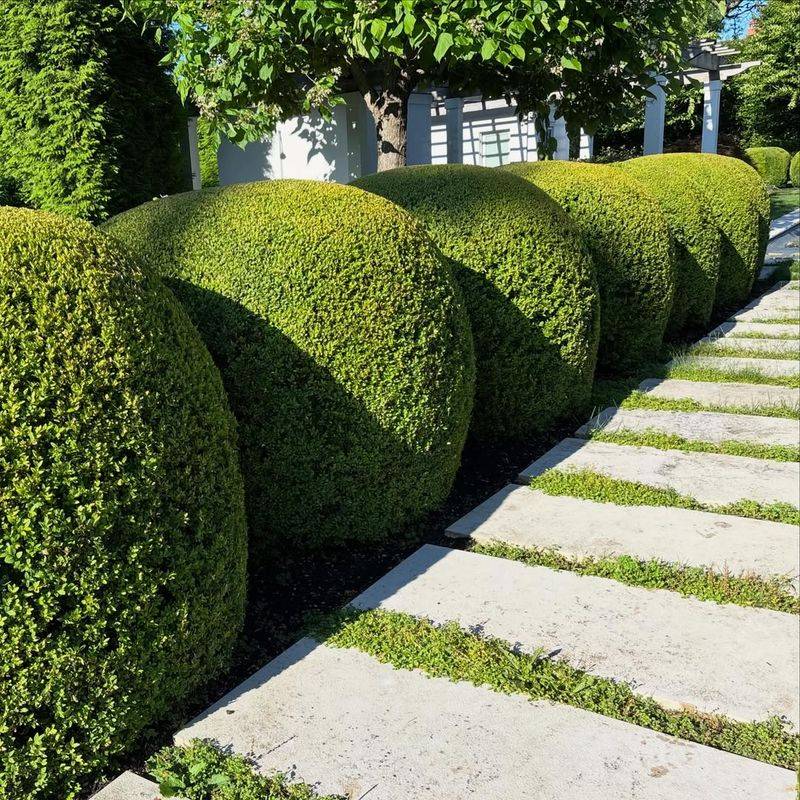
Few plants bring the same sense of structure and polish to a garden as boxwood. North Carolina gardeners have relied on it for decades to frame beds, define pathways, and anchor foundation plantings with clean, consistent greenery.
Adult Japanese beetles show very little interest in boxwood foliage, which makes it a genuinely useful plant to have when nearby roses are getting hammered during summer.
Boxwood works beautifully as a low border, a container planting, or a formal hedge around a patio or entry. Its dense, compact growth holds shape well and provides a green backdrop that lets other plants stand out.
You can find varieties suited to full sun or partial shade, so matching one to your specific planting spot is completely doable with a little research before you buy.
Drainage and airflow matter a lot with boxwood. Planting in poorly drained soil or crowding shrubs too close together invites fungal problems and root rot that have nothing to do with beetles.
Give each plant enough room to breathe, and avoid overhead watering when possible to keep foliage dry.
Low beetle preference does not mean zero beetle activity. During heavy infestation years, some minor feeding may still occur, so keep an eye on your plants through July and August.
Boxwood can also face issues from boxwood blight, spider mites, and leafminers, so routine monitoring is smart.
Choosing a disease-resistant variety suited to your region gives your plants the best possible start and keeps maintenance manageable throughout the growing season.
2. Forsythia
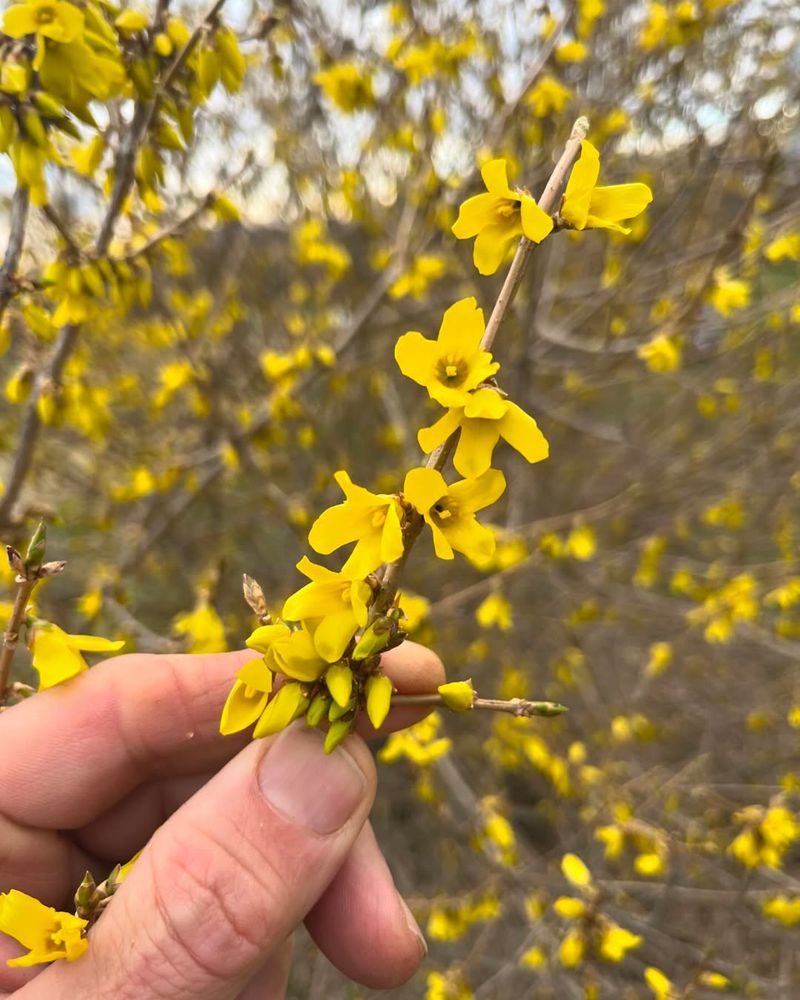
Forsythia is the plant that tells you winter is finally over. Those bright yellow flowers burst open on arching stems before most other shrubs even think about waking up, and the whole display happens weeks before adult Japanese beetles become active.
That timing alone makes forsythia one of the smartest seasonal plants a North Carolina gardener can choose.
Beyond its cheerful spring show, forsythia earns its place in the landscape through the rest of the growing season as a reliable green backdrop.
It works well planted as a loose hedge, grouped along a fence line, or used to soften a corner where a larger mass of foliage is needed.
The arching, fountain-like shape gives it a relaxed, natural look that pairs nicely with more structured plants nearby.
Your North Carolina Garden Changes Every Week. Your Plan Should Too.
Gardening in North Carolina changes quickly throughout the season. Every Friday you’ll receive a simple weekly plan showing exactly what to plant, prune, fertilize, harvest, and protect so you never miss the right timing.
Forsythia thrives in full sun and grows vigorously once established, so spacing matters. Most varieties reach six to ten feet tall and wide at maturity, which surprises gardeners who underestimate how much room they need.
Planting too close to walkways or structures creates a pruning headache down the road, so plan ahead and give each shrub the space it actually needs.
Occasional renewal pruning keeps forsythia looking its best. Removing a few of the oldest, thickest stems at ground level every few years encourages fresh, vigorous growth and better flowering.
While Japanese beetles are not drawn to forsythia the way they are to roses, staying observant during beetle season is always a good habit. A healthy, well-maintained shrub handles any minor stress far better than a neglected one.
3. Southern Magnolia
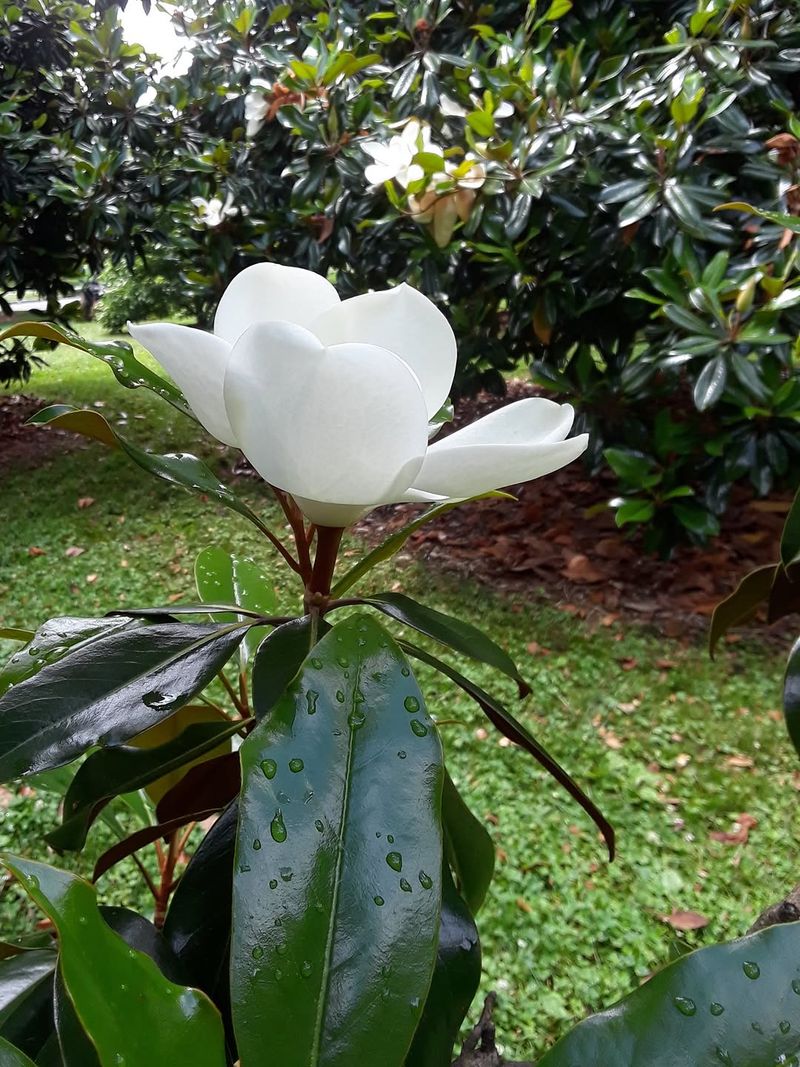
Southern magnolia commands attention like almost nothing else in a North Carolina landscape. Its large, creamy white flowers open in early summer and carry a fragrance that stops people in their tracks.
The glossy, dark green leaves stay on the tree year-round, providing shade and visual weight through every season. For gardeners looking to add something truly dramatic, southern magnolia delivers on every level.
One of the practical reasons magnolia earns a spot on this list is that adult Japanese beetles show very little interest in feeding on its foliage.
Researchers and gardeners alike have noted that magnolia consistently receives far less beetle damage compared to roses, grapes, and linden trees.
That does not mean you should expect a completely untouched tree during a heavy beetle year, but the level of feeding is typically minor and does not threaten overall tree health.
Southern magnolia grows large, and that point cannot be emphasized enough. A mature tree can reach sixty to eighty feet tall with a wide, spreading canopy, which makes it completely wrong for a small bed or tight urban lot.
Before planting, honestly assess the available space and make sure the tree has room to grow without interfering with rooflines, power lines, or nearby structures.
This tree performs best in well-drained soil with adequate moisture during establishment. The first two to three years after planting are the most critical, so regular watering during dry stretches is important.
Once established, southern magnolia is tough, long-lived, and one of the most rewarding trees a North Carolina gardener can grow.
4. Eastern Redbud
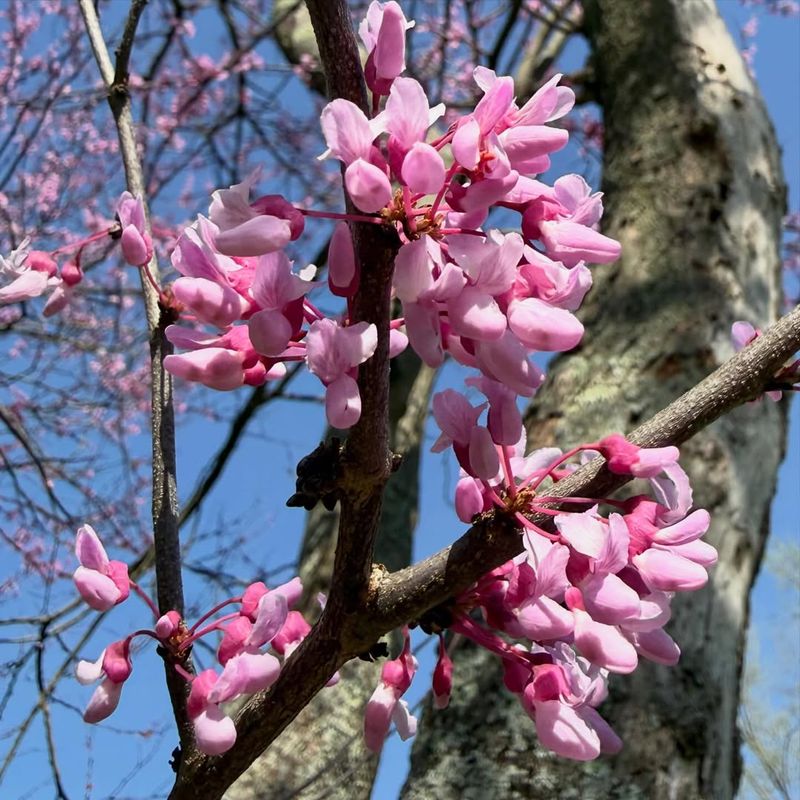
Eastern redbud puts on one of the most stunning early spring shows of any native tree in North Carolina.
Before a single leaf appears, the branches are completely covered in tiny pink to purple flowers that seem to glow against a clear spring sky.
Pollinators absolutely love it, and so do gardeners who want something beautiful, native, and far less appealing to adult Japanese beetles than roses tend to be.
Redbud is a smaller tree, typically reaching fifteen to thirty feet tall with a rounded to spreading canopy.
That manageable size makes it a great fit for residential yards, naturalized areas, and mixed native plantings where a large shade tree would be too much.
It works especially well planted near a patio or along a property edge where its spring flower display can be enjoyed up close.
Choosing the right location matters for long-term success. Eastern redbud prefers well-drained soil and tolerates a range of light conditions from full sun to partial shade, though it flowers most heavily in sunnier spots.
Avoid low-lying areas where water pools after rain, as consistently wet roots create stress that weakens the tree over time.
During the first two growing seasons, consistent watering helps the tree establish a strong root system. Once settled in, redbud becomes relatively low-maintenance and rewards patience with better flowering each year.
Keep in mind that during unusually large beetle seasons, some minor feeding on foliage is still possible.
Monitoring through peak summer months and keeping the tree healthy overall is the most practical approach for any North Carolina gardener.
5. Flowering Dogwood
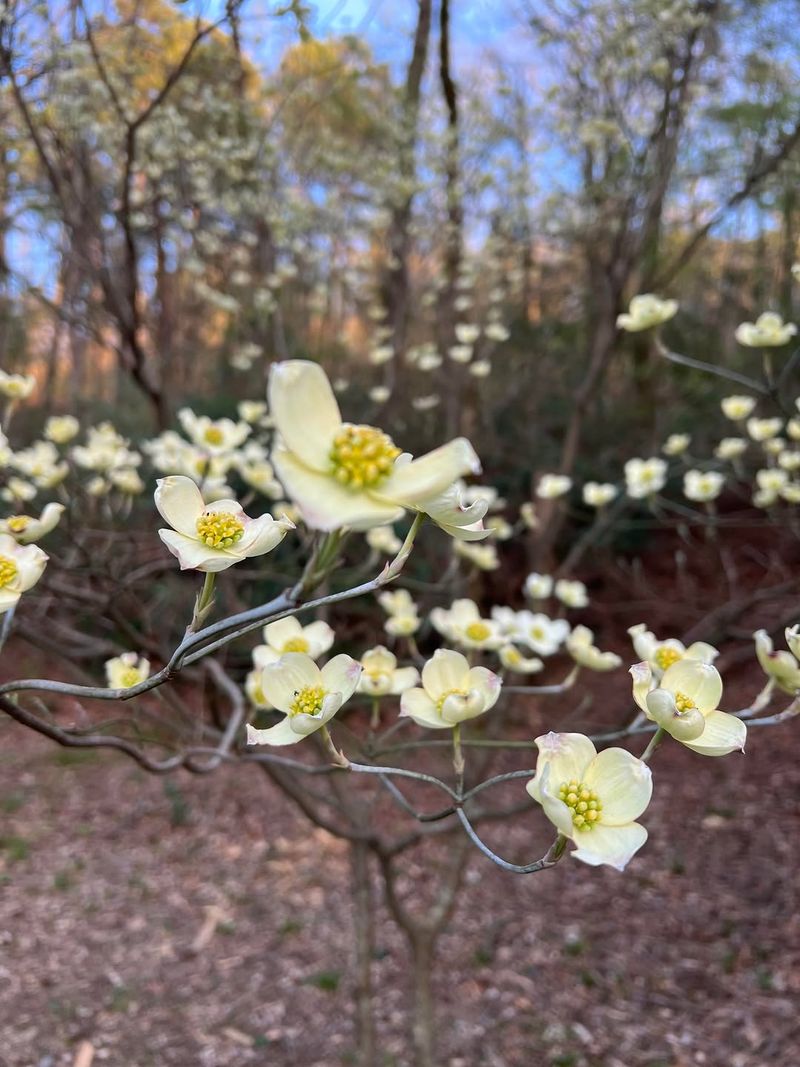
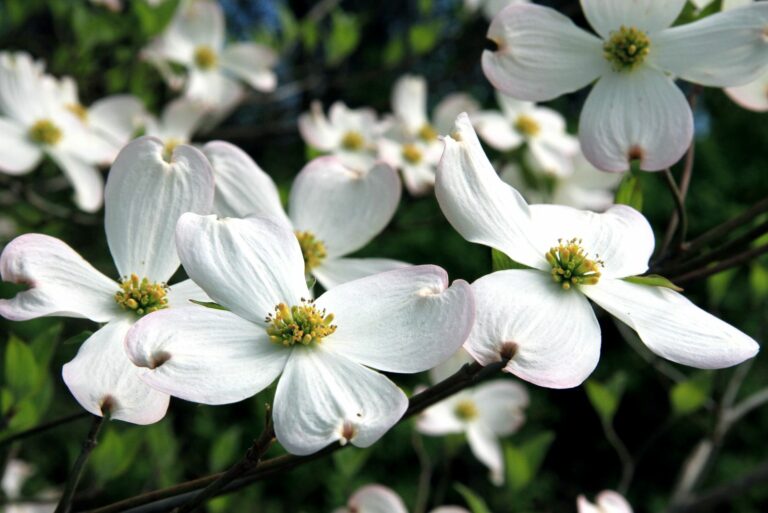
Flowering dogwood is one of those trees that earns admiration in every single season. In spring, the showy white or pink bracts open before the leaves, creating a soft, cloud-like display that makes the whole yard feel like something out of a painting.
By fall, the foliage shifts to deep red and burgundy while clusters of bright red fruit appear, drawing in birds and other wildlife. Winter reveals an elegant branching structure that adds real character to the landscape.
From a Japanese beetle standpoint, flowering dogwood consistently appears on lists of woody plants that adult beetles tend to pass over.
That is genuinely useful information for North Carolina gardeners who have watched beetles strip their roses bare and are ready to rethink what they plant.
Swapping in a native dogwood adds four-season beauty while reducing one source of summer frustration.
Placement is everything with flowering dogwood. This tree evolved as an understory plant, meaning it naturally grows beneath a taller canopy where it gets filtered light and protection from intense afternoon sun.
Planting it in full, blazing sun with no overhead shade stresses the tree and makes it more vulnerable to other problems like dogwood anthracnose and borers.
Well-drained soil with consistent moisture during dry periods gives dogwood the best chance of thriving long-term. Avoid compacting the soil around the root zone and keep mulch a few inches away from the trunk.
While beetle feeding is unlikely to be a major issue, staying observant for other common dogwood concerns keeps the tree looking its absolute best through every season.
6. American Holly
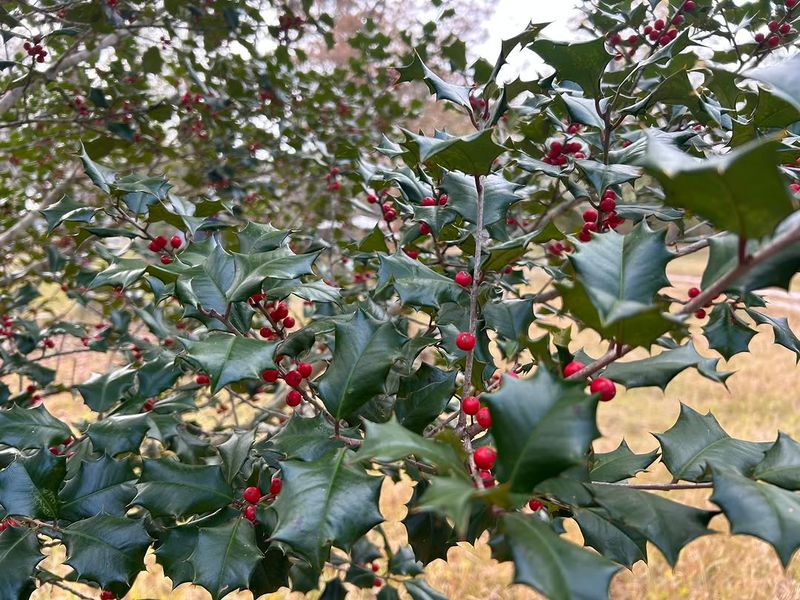
American holly brings something to the landscape that very few other plants can match: year-round visual interest topped off with brilliant red berries in winter.
Those berries are not just pretty, they are a critical food source for cedar waxwings, mockingbirds, and other wildlife that rely on native plants to get through the colder months.
Planting American holly means investing in your local ecosystem while also adding serious screening power to your yard.
Japanese beetles show much less interest in American holly compared to roses, grapes, and many fruit trees that tend to attract heavy feeding.
That lower preference makes holly a smart choice for North Carolina gardeners who want a dependable native evergreen that does not become a beetle magnet every July and August.
The thick, glossy foliage holds up visually through every season and provides dense screening along property lines or between neighbors.
Space and sunlight are the two things to think about most before planting. American holly can reach forty to fifty feet tall in ideal conditions, though many cultivated varieties stay considerably smaller.
Full sun produces the heaviest berry crops, while partial shade is tolerated but may reduce fruiting. Make sure the soil drains well, as consistently soggy roots stress the tree over time.
Berry production requires careful plant selection. American holly is dioecious, meaning you need both a male and a female plant nearby for the female to produce fruit.
Many nurseries sell named cultivars with specific pollination requirements noted on the tag, so ask questions before you buy. Getting that detail right from the start saves a lot of disappointment down the road.
7. Eastern Redcedar
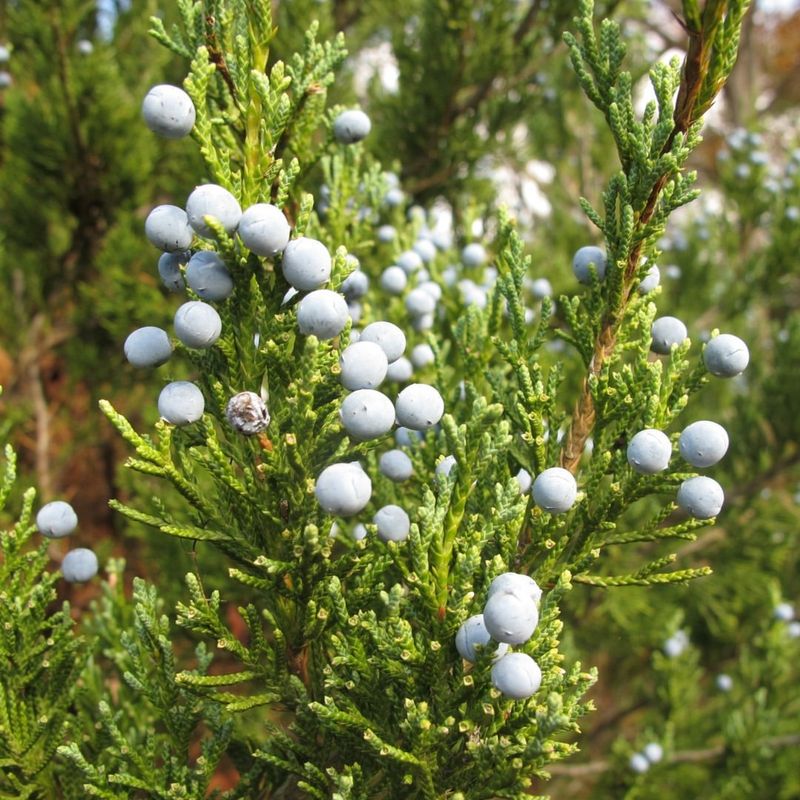
Eastern redcedar is the kind of plant that quietly does everything right. It grows where other trees struggle, tolerates drought once established, provides dense year-round screening, and supports an impressive range of wildlife.
Cedar waxwings, in particular, are named partly for their fondness for the small, blue-gray berries this tree produces. For North Carolina gardeners wanting a tough, native evergreen that earns its keep in every season, redcedar is hard to beat.
Junipers as a group, including eastern redcedar, are widely recognized as plants that adult Japanese beetles tend to avoid. The scale-shaped, aromatic foliage simply does not appeal to them the way softer, broader-leafed plants do.
That resistance makes redcedar a genuinely practical option for gardeners rebuilding a landscape plan after beetles have caused real damage to more vulnerable plants nearby.
Eastern redcedar grows into a substantial tree over time, commonly reaching forty to fifty feet tall in open landscapes.
It takes on a naturally columnar or pyramidal shape that works beautifully as a windbreak, privacy row, or wildlife corridor along a property edge.
Full sun and well-drained soil are the main requirements, and once established, this tree needs very little supplemental watering or attention.
One planning note worth remembering involves nearby plants. Eastern redcedar serves as an alternate host in the cedar-apple rust disease cycle, which can affect apples, crabapples, and hawthorns planted close by.
If your landscape already includes apple relatives, check spacing carefully and consult local extension resources before adding redcedar to the mix.
With thoughtful placement, though, this native evergreen is a genuinely rewarding long-term addition to any North Carolina yard.