Root Cuttings Are the Winter Trick for Growing More Blackberries and Garden Phlox in North Carolina
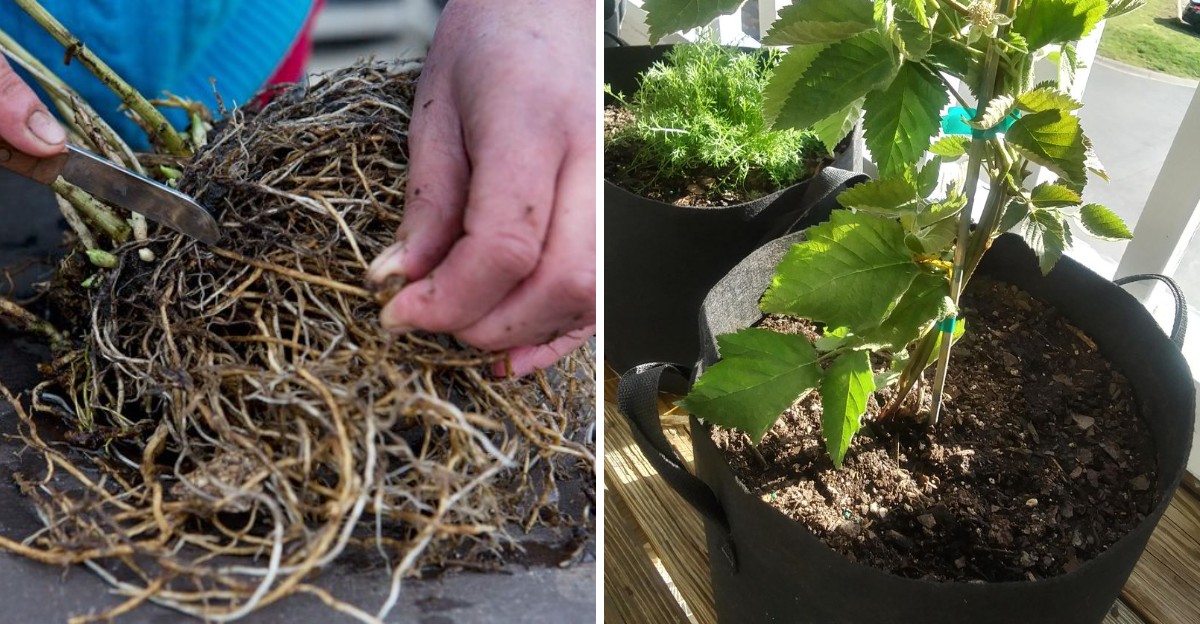
A snippet of root no longer than your finger can grow into a whole new bramble loaded with fruit. No leaves, no stems, no visible buds. Just a brown little stub sitting in cold soil.
Gardeners have quietly used this move for centuries, and it works best when the yard looks its sleepiest. Those chilly weeks hold a secret. Roots are packed with stored sugar, ready to fuel fresh shoots once the soil warms.
I love that it costs nothing but a shovel, a sharp knife, a few pots, and a little patience. You also get exact copies of the plants you already adore. Here in North Carolina, the timing lines up beautifully with our mild, damp winters.
One fragrant summer flower, a favorite of butterflies, plays along too. Then why let all that buried potential sit idle in the dark until spring?
1. Those Brown Winter Roots Are Hiding a Stash of Energy
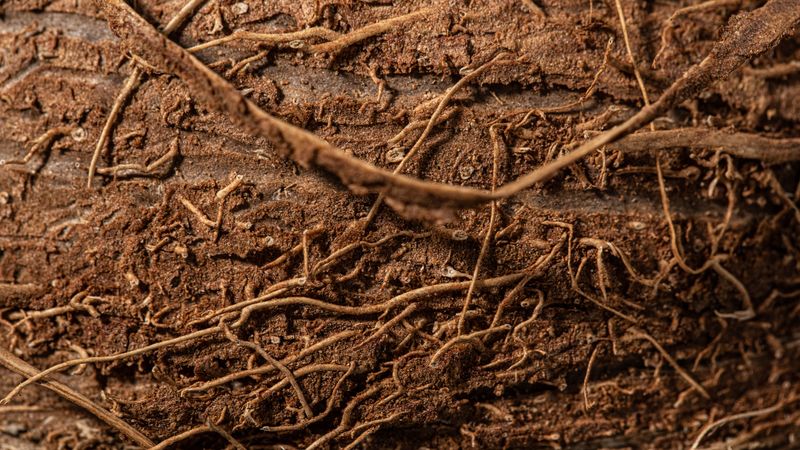
Underground, your garden is busier than it looks in January. When leaves drop and stems go quiet, many perennials pull sugars and starches down into their roots for safekeeping.
Plant scientists call these stored reserves carbohydrates, and they work like a packed lunch.
A root section cut during dormancy carries enough fuel to wake up hidden buds and push out new shoots. Some plants, including blackberries and garden phlox, form these shoots right from root tissue, which is why the trick works so well for them.
Timing matters because a sleeping plant is not trying to feed leaves or flowers. All that energy sits right where you want it. Cut the same root in July and much of the plant’s effort is going into foliage and fruit instead.
Winter offers another quiet perk. The parent plant barely notices a few roots missing, since it has no leaves demanding water. You can take a handful of pieces and it will bounce back just fine come spring.
Personally, I find this the most satisfying kind of garden math. One healthy plant, a few careful cuts, and several new plants by summer, all from material that would otherwise stay hidden in the dirt.
2. Blackberry Root Cuttings Are Simpler Than You’d Expect
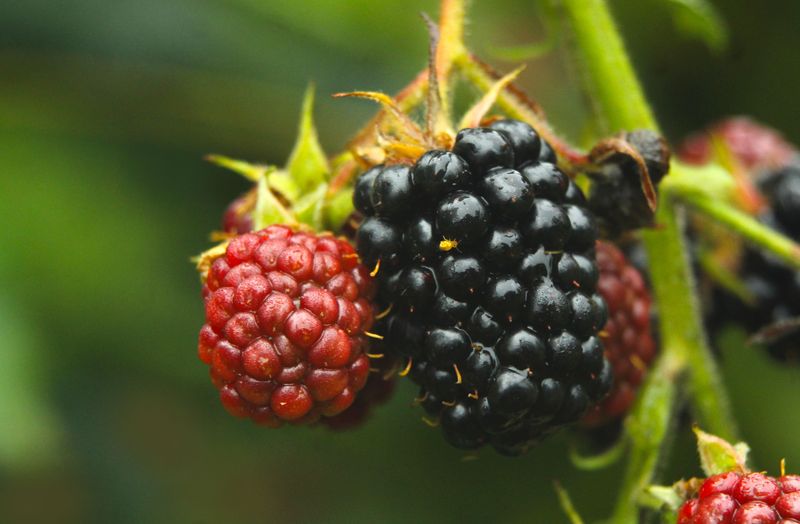
Grab a spade on a mild winter afternoon and you can start a whole new blackberry row before lunch. NC State Extension points to late fall and winter, roughly December into January, as the right window for this job.
Dig carefully about a foot out from a healthy plant until you find roots roughly a quarter inch thick, about the width of a pencil. Snip off a few and cut them into pieces 3 to 6 inches long. Leave plenty of roots behind so the mother plant stays strong.
From there, you have two choices. Plant the pieces right away, laid flat in a furrow and covered with 2 to 3 inches of loose soil. Or bundle them in damp peat moss or sawdust and keep them somewhere cool until early spring planting.
Keep the soil evenly moist but not soggy. Soggy ground invites rot, especially in heavy clay. Raised rows help a lot if your yard holds water after rain. By late spring, little green shoots should poke through.
Erect, thorny types sucker eagerly and tend to respond best, though most cultivated blackberries will give it a go. Mark each spot with a stake so you remember where your future berries are hiding.
3. Garden Phlox Roots Can Sprout a Whole Bed of Blooms
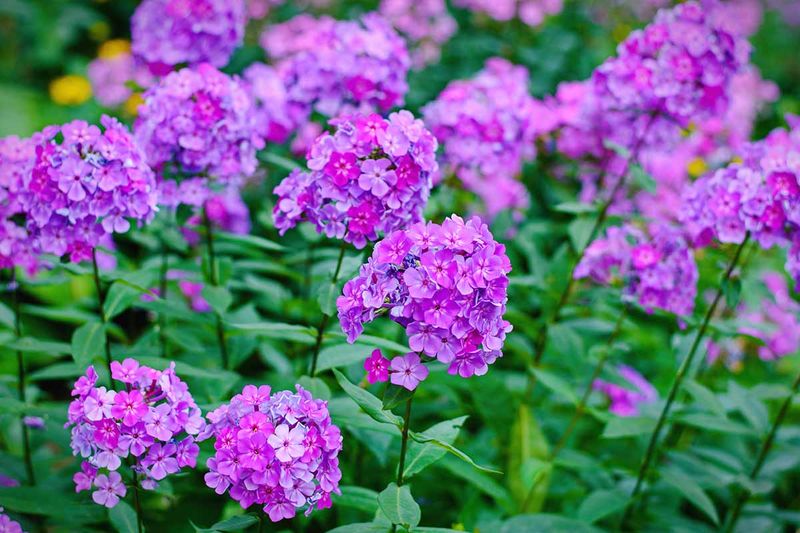
Swallowtails drifting over clouds of pink and lavender flowers in July start with something surprisingly plain. Garden phlox, Phlox paniculata, is native to the eastern United States, and its fleshy roots are ready to multiply in winter.
Lift a clump gently with a garden fork while the plant is dormant. Wash off some soil so you can see the roots clearly, then choose the thicker, healthy ones. Snip them into pieces about 2 to 4 inches long, as the Royal Horticultural Society recommends.
Fill a tray or wide pot with moist, gritty potting mix. Lay the pieces flat on the surface, spaced about 2 inches apart. Cover them with a thin layer of mix, then top with a sprinkle of grit to hold moisture and keep things tidy.
Set the tray somewhere cool, bright, and sheltered. Water lightly whenever the surface starts to dry. Within weeks of spring warmth, tiny leaves usually appear.
Once each sprout has a few sets of leaves, move it into its own pot. Replant the parent clump right away, too. I like doing this with a favorite color, because every new plant blooms exactly like the original.
4. Thick Roots Stand Up While Thin Roots Lie Flat
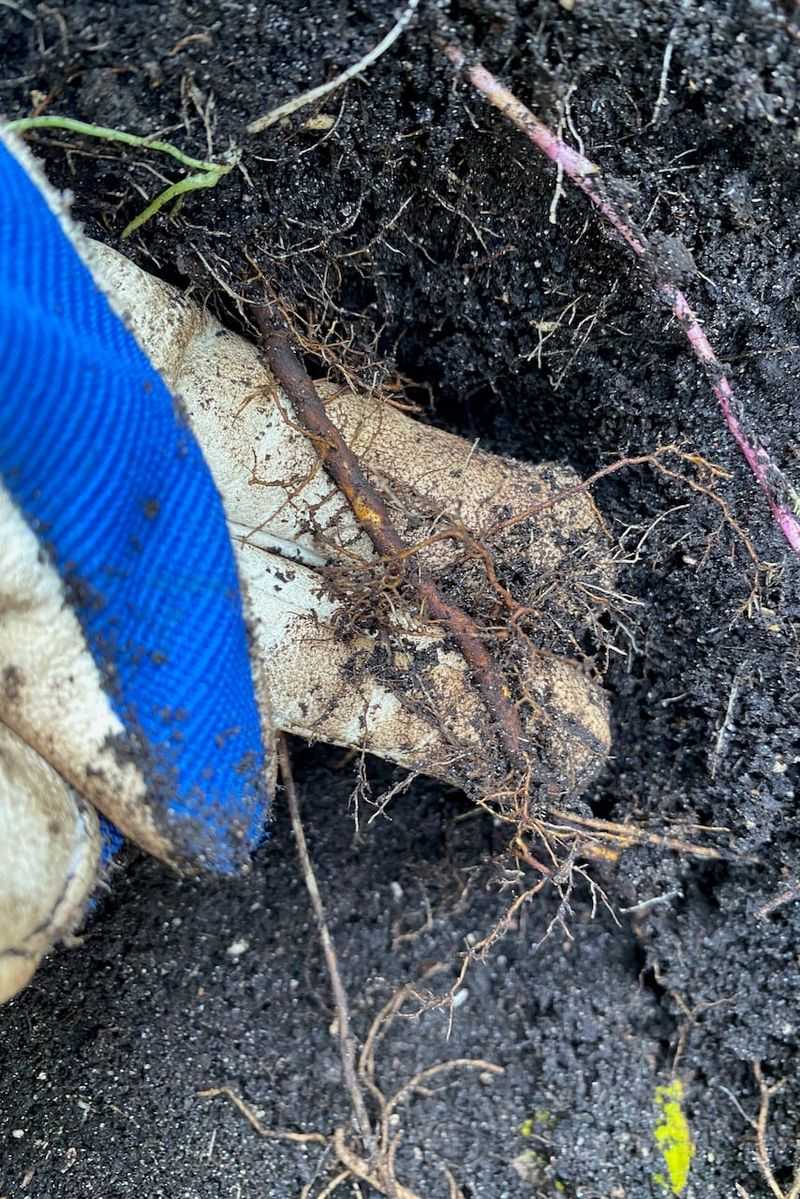
Roots have a top and a bottom, and they care which way you plant them. Gardeners call this polarity, and getting it backward is the most common reason a cutting just sits there.
An old nursery trick makes it easy to remember. Cut straight across the end that was closest to the plant’s crown. Cut at a slant on the end that pointed away from it. Now every piece tells you which side goes up.
Thicker pieces, around pencil width, can be pushed upright into pots with the flat end level with or just below the surface. Thin, wiry roots are trickier to sort, so lay those flat instead. Horizontal pieces will sprout no matter which end is which.
For blackberries in the field, most growers simply lay pieces flat in a trench. It saves time and works well. Phlox roots are often slender, so flat placement suits them nicely too.
Use a sharp, clean knife or pruners for every cut. Crushed ends invite rot, while clean cuts heal fast. A quick wipe of rubbing alcohol between plants is a smart habit, especially if you’re working with more than one variety.
5. Phlox Root Cuttings Can Leave Pesky Nematodes Behind
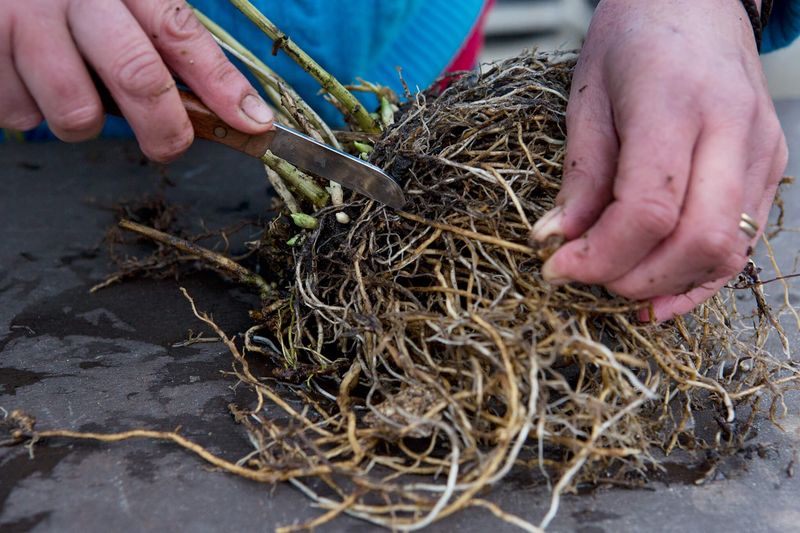
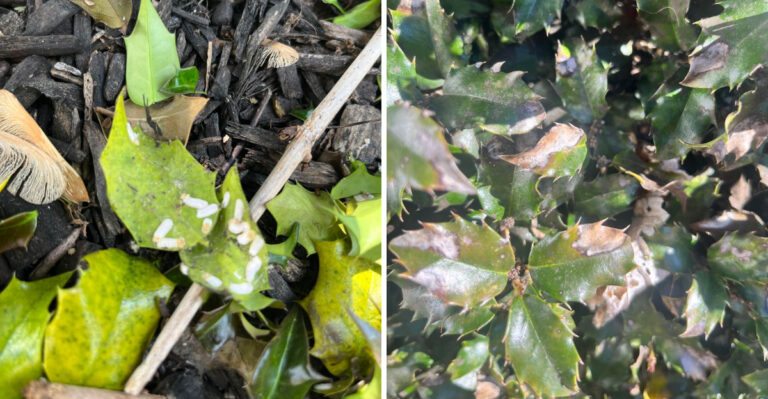
Twisted, crinkled phlox stems with narrow, wavy leaves sometimes point to a tiny troublemaker called the phlox stem nematode. These microscopic worms live inside stems and leaves, making plants look stunted and odd.
Root cuttings offer a clever escape. According to the Royal Horticultural Society, these nematodes mostly live in the above-ground parts of the plant rather than the roots.
Starting fresh from clean root pieces lets you raise new plants that are far less likely to carry the pest.
Wash each root well before cutting, and toss old stems and leaves in the trash rather than the compost pile. Plant your new starts in a different spot from the infested bed. That gives them a clean beginning.
Not every misshapen phlox has nematodes, though. Herbicide drift, cold damage, and other problems can look similar. If you’re unsure, your local county Extension office can help you figure out what’s going on.
Root cuttings won’t fix powdery mildew, which is a separate fungal issue. Still, I love having a tool that turns a struggling clump into a fresh, healthy batch. Sometimes the best rescue plan starts in the dirt.
6. Thornless Blackberry Canes Might Sprout Back Prickly
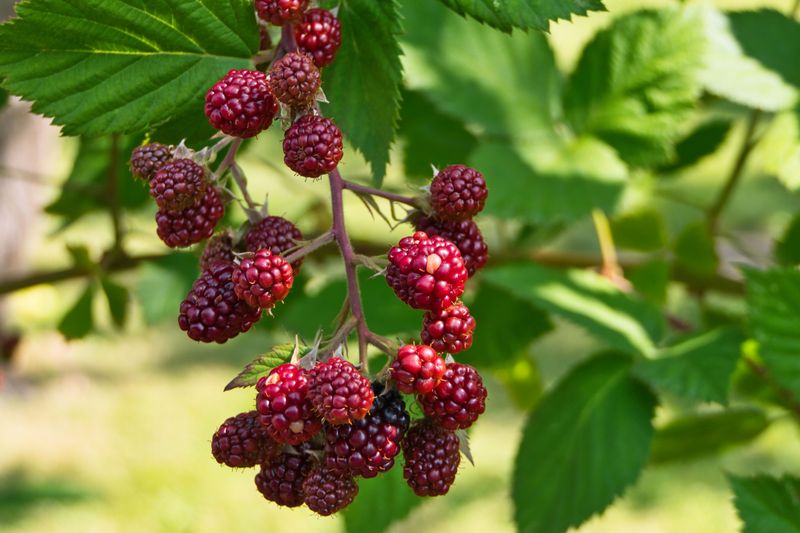
Here’s a twist that surprises plenty of berry growers. Some older thornless blackberry varieties grow thorny canes when started from root cuttings.
The reason is fascinating. Certain early thornless types, such as Thornless Evergreen, are what scientists call chimeras. Their outer layer of cells carries the thornless trait, while the inner layers still carry thorns.
Roots form from those inner cells, so the new shoots can come up prickly. Modern thornless varieties from the University of Arkansas breeding program, like Navaho, Ouachita, and Natchez, are different.
Their thornlessness is built into every cell, so root cuttings come true. Check your variety name before you start digging.
For chimera types, tip layering is the better route. Bend a cane tip to the ground in late summer, cover it with soil, and it will root on its own. That keeps the smooth canes you paid for.
Patents matter too. Many newer blackberries are protected by plant patents, which limit propagation even for home use while the patent is active. Older public varieties are fine to share. A quick search for your variety saves you from headaches later.
7. A Cold Frame Keeps Potted Root Cuttings Cozy Through Freezes
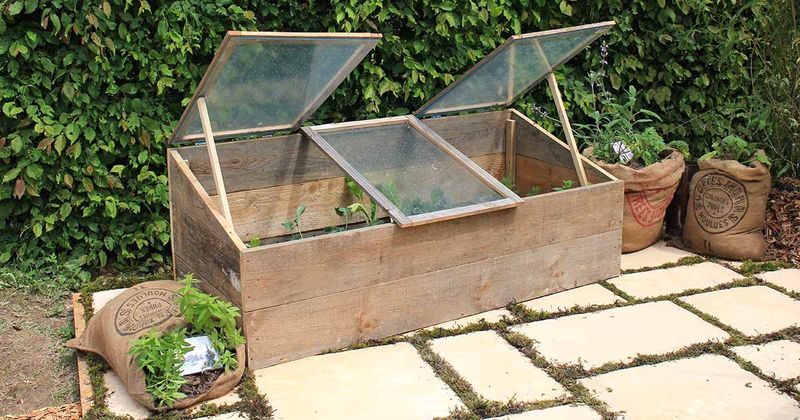
Mountain gardens near Boone and beach gardens near Wilmington live in nearly different worlds come January. North Carolina stretches from about USDA zone 6a in the high mountains to 8b along the southern coast and 9a on parts of the Outer Banks.
Cuttings planted straight into the ground usually handle a typical Piedmont or coastal winter with a little mulch on top.
A few inches of straw or shredded leaves keeps soil temperatures steady and stops freeze-thaw cycles from heaving pieces out of the ground.
Potted cuttings are more exposed. Roots in containers feel the cold faster than roots in the earth. A simple cold frame, an unheated garage, or a sheltered spot against a north-facing wall gives them a buffer.
In the mountains, waiting is often wiser. Store bundled blackberry roots in damp peat inside a cool basement, then plant once the ground thaws in early spring. Phlox trays can sit in a cold frame until the weather settles.
Check moisture every week or two. Winter wind dries pots faster than most folks expect. Damp, not dripping, is the goal, and a cool, steady home beats a warm windowsill that wakes cuttings up too soon.
8. Your Young Blackberry and Phlox Starts Are Ready for Spring Planting
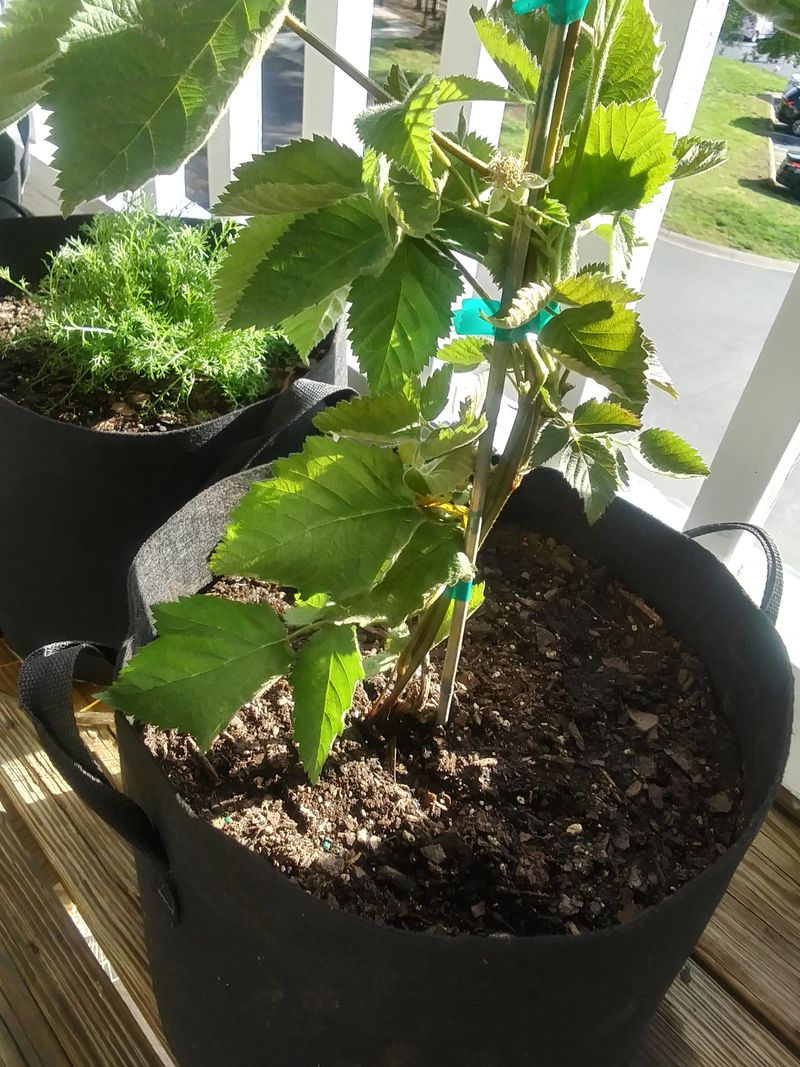
Spring is when all that quiet winter work finally pays off. Those little shoots need a good home to turn into bushels of berries and armloads of flowers.
Blackberries want full sun and well-drained soil. NC State Extension suggests a pH around 5.5 to 6.5, so a soil test through the state lab is a smart first step. Space plants a few feet apart in rows and plan a trellis for trailing types.
Garden phlox enjoys sun too, though afternoon shade helps in hot eastern counties. Give each plant room to breathe.
Good airflow is the best defense against powdery mildew in our sticky summers, and mildew-resistant varieties like Jeana or David make the job easier.
Harden off potted starts for about a week before planting. Set them outside in shade, then a bit more sun each day. Water deeply after planting and add mulch.
Stick with cultivated varieties rather than digging wild brambles. Some roadside types, like Himalayan blackberry, are invasive. Next winter, you can repeat the whole process and share extras with friends. I think that might be the best part of all.