What MDARD Is Warning Michigan Gardeners About Post-Storm Yard Debris
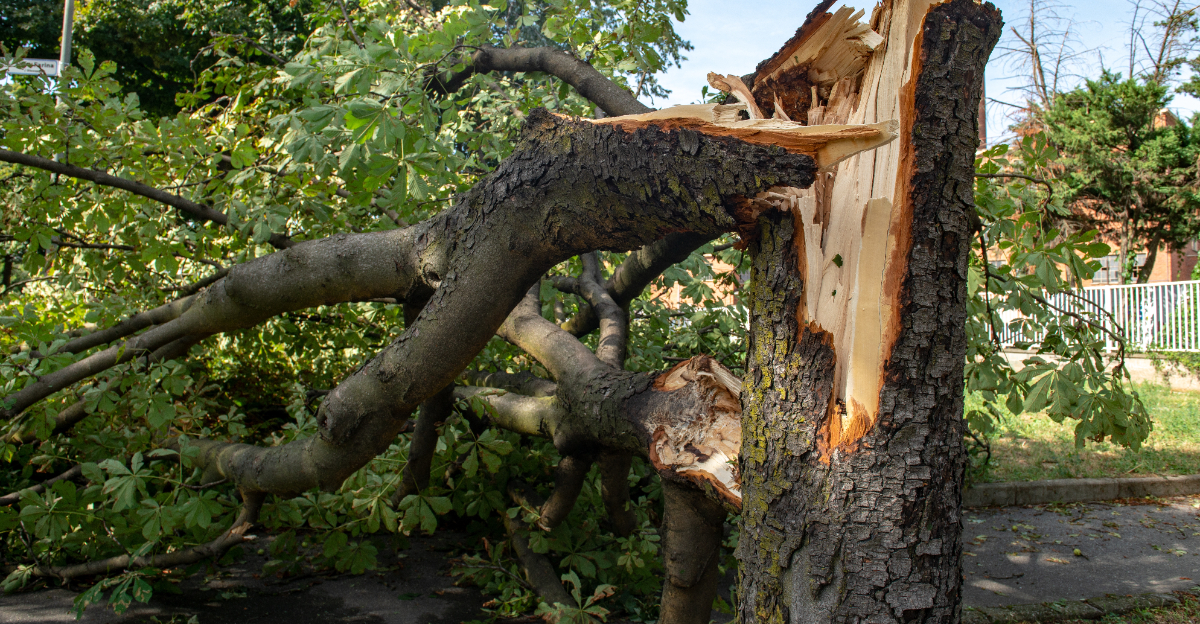
After severe storms roll through Michigan, state agencies including the Michigan DNR and EGLE provide guidance on handling yard debris safely and responsibly.
Fallen branches and uprooted plants can carry pests or diseases that spread quickly if debris is moved carelessly across property lines.
Gardeners are encouraged to inspect damaged trees and shrubs for signs of invasive insects before hauling anything away.
Burning storm debris may be restricted by state and local open-burning rules, so residents should check Michigan’s burn-permit requirements and contact their local municipality before burning any material.
Large piles of fresh pine logs and branches left undisturbed during warm weather can provide breeding material for native pine bark beetles.
Michigan environmental and natural-resource officials recommend locally chipping, mulching or composting suitable plant material rather than allowing large amounts of debris to accumulate.
Reporting unusual pest activity found in storm damaged trees helps track outbreaks across the state. Following these guidelines protects both your garden and the wider Michigan ecosystem.
1. Untreated Storm Wood Can Carry Hidden Pests
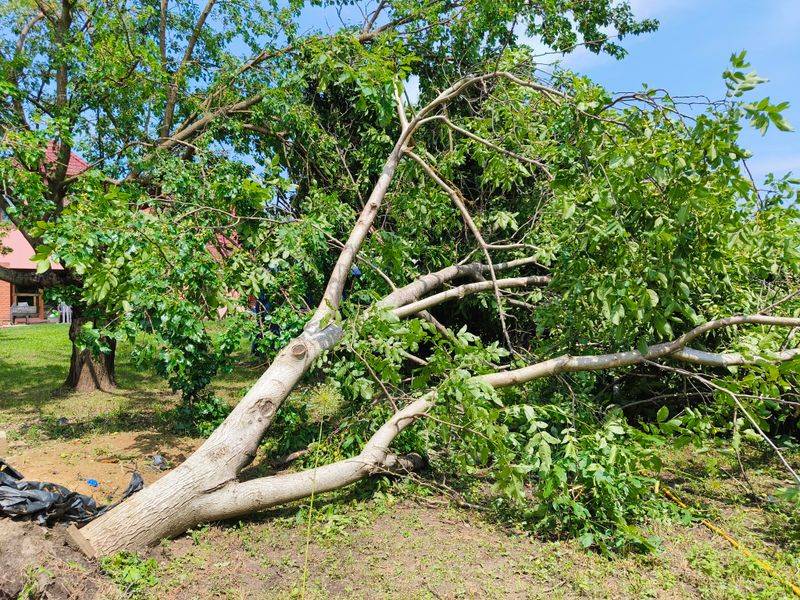
Most people look at a pile of storm wood and see firewood or yard waste. What they cannot see is what might be hiding inside the bark.
MDARD and the Michigan DNR report that more than 140 pests and plant diseases can hitch a ride on or in untreated firewood, making untreated wood risky to move over long distances.
Emerald ash borer larvae can remain hidden beneath bark, while spongy moth egg masses may be attached to logs, trees, vehicles, trailers and other outdoor surfaces.
By the time anyone notices something is wrong, those pests may have already spread to nearby trees.
That is exactly why moving storm-damaged wood to another property, campground, county, or region without proper treatment raises serious red flags for officials.
Not every piece of fallen wood is infested, and that is worth remembering. The concern is that you simply cannot tell by looking.
Michigan has already experienced major tree losses from invasive insects that traveled in moved wood, so the caution from MDARD is rooted in real, documented history.
Storm damage creates a lot of loose wood quickly, and that wood can travel fast if people are not careful.
Before loading up a trailer with logs or hauling branches to a friend’s property across the county, it is worth pausing to think about what might be riding along.
When in doubt, keeping that wood local and processing it on-site is always the safer choice for trees and landscapes.
2. Storm Wood Should Stay Close To Where It Fell
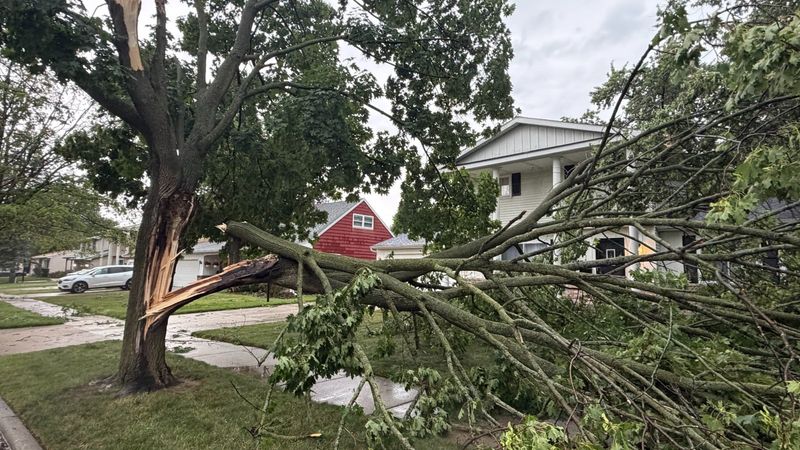
Here is something most gardeners do not realize: where you move storm wood matters just as much as how you handle it.
MDARD and the Michigan DNR both recommend not moving untreated firewood more than 10 miles from where it was originally cut.
That guideline exists specifically to slow the spread of hidden insects and plant diseases that can travel undetected inside wood.
It is important to understand that this 10-mile recommendation applies to firewood as a pest-prevention measure. It is not a universal legal rule that covers every single type of yard debris in every situation.
Your Michigan Garden Changes Every Week. Your Plan Should Too.
Gardening in Michigan changes quickly throughout the season. Every Friday you’ll receive a simple weekly plan showing exactly what to plant, prune, fertilize, harvest, and protect so you never miss the right timing.
Still, the spirit of the guidance is clear: the farther untreated wood travels, the greater the chance of introducing something harmful into a landscape that was previously unaffected.
Keeping storm wood on the original property whenever practical is the simplest way to follow this guidance.
Using untreated wood on the property where it originated or allowing it to decompose naturally can limit the risk of spreading pests, while burning should occur only where state and local rules permit it.
If the amount of debris is too large to manage alone, reaching out to a local tree service or checking with the municipality for guidance makes good sense. Michigan’s forests and home landscapes are genuinely worth protecting.
Moving wood just a few miles down the road might feel harmless, but pests do not need much of a head start to establish themselves somewhere new.
Staying local with untreated storm wood is one of the easiest and most effective things a gardener can do this season.
3. Chipping And Mulching Storm Debris Locally Is A Smart Move
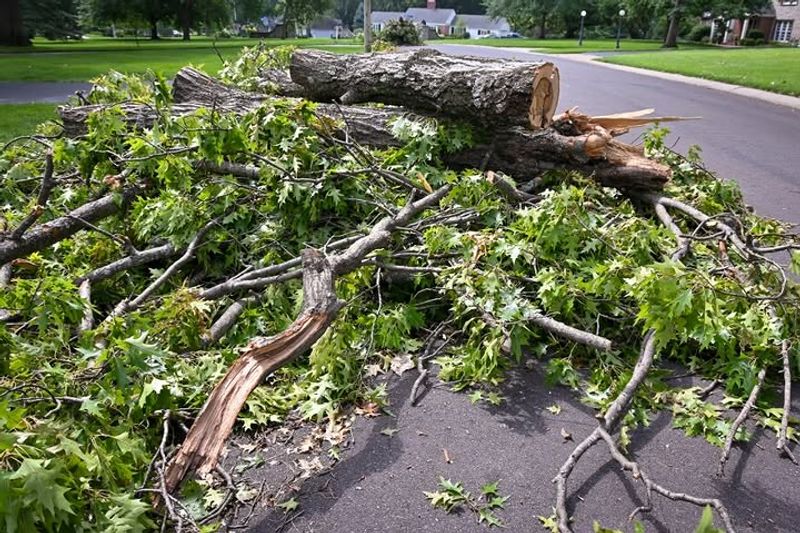
After a storm, branches and woody debris pile up fast, and hauling all of it away can feel overwhelming.
Chipping or shredding that material right on your own property is one of the most practical options available to gardeners.
Turning branches into wood chips or mulch keeps the debris out of landfills, saves on disposal costs, and gives you something genuinely useful for garden beds and pathways.
Processed wood chips can be spread around flower beds, vegetable gardens, or along garden paths where they help retain moisture and reduce weeds.
Using the material on the same property where the storm wood originated is exactly the kind of local reuse that MDARD and environmental officials encourage.
It reduces the temptation to load up a vehicle and transport whole logs or large branches to a distant location. One thing to keep in mind: chipping is not the same as certified heat treatment.
Chipping or shredding wood simplifies local reuse, but it does not replace certified heat treatment or eliminate all insects, eggs, and plant pathogens.
Gardeners must also inspect the debris carefully to ensure invasive seeds, roots, or reproductive parts do not spread unwanted plants across the yard.
Many municipalities also offer community chipping programs after major storms, so checking with local officials about those resources is always a good idea.
Whether you chip it yourself or use a community program, processing debris locally is genuinely one of the best post-storm strategies a gardener can put into action.
4. Fresh Pine Debris Calls For A Prompt Cleanup
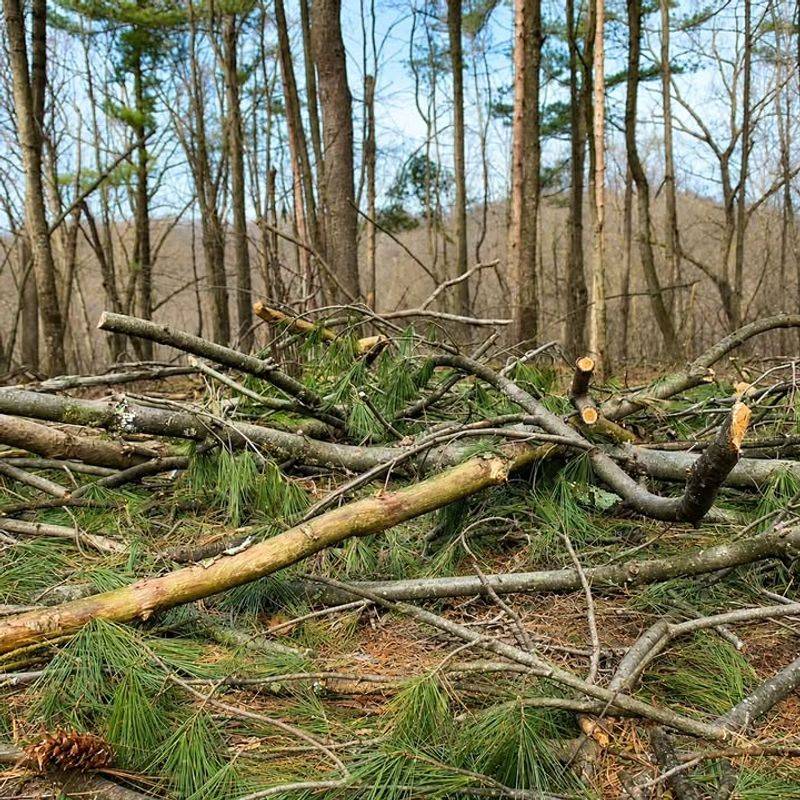
Spring storms in Michigan can bring down a surprising amount of pine material, and while it might be tempting to leave those piles sitting until the weather improves, that approach comes with a real downside.
Large amounts of fresh pine logs and branches left in dense, undisturbed piles during warm spring weather can provide breeding material for native pine bark beetles, which are attracted to stressed, damaged or recently cut pine.
This becomes a bigger concern after major storm events when large volumes of fresh material accumulate quickly.
Native pine bark beetles are not invasive species, but they can still cause problems when they have an abundance of fresh breeding material sitting in one spot.
Separating, chipping, burning in an approved fire pit, or properly removing fresh pine debris in a timely way reduces the conditions that invite beetle activity.
The goal is not to panic over every fallen pine branch but to avoid creating concentrated piles that sit untouched through the warmest weeks of spring.
Large pines that have fallen, trunks that are leaning dangerously, or major structural damage should always be handled by a qualified tree professional.
Working around large fallen pines without proper training and equipment is genuinely risky, and professionals have the tools to manage the debris safely and responsibly.
Staying on top of pine cleanup after spring storms is one of those tasks that pays off quickly.
A little prompt action goes a long way toward keeping the yard healthy and reducing the chance of beetle activity spreading to nearby standing pine trees that are still thriving in the landscape.
5. Oak Cleanup Timing Can Make A Big Difference
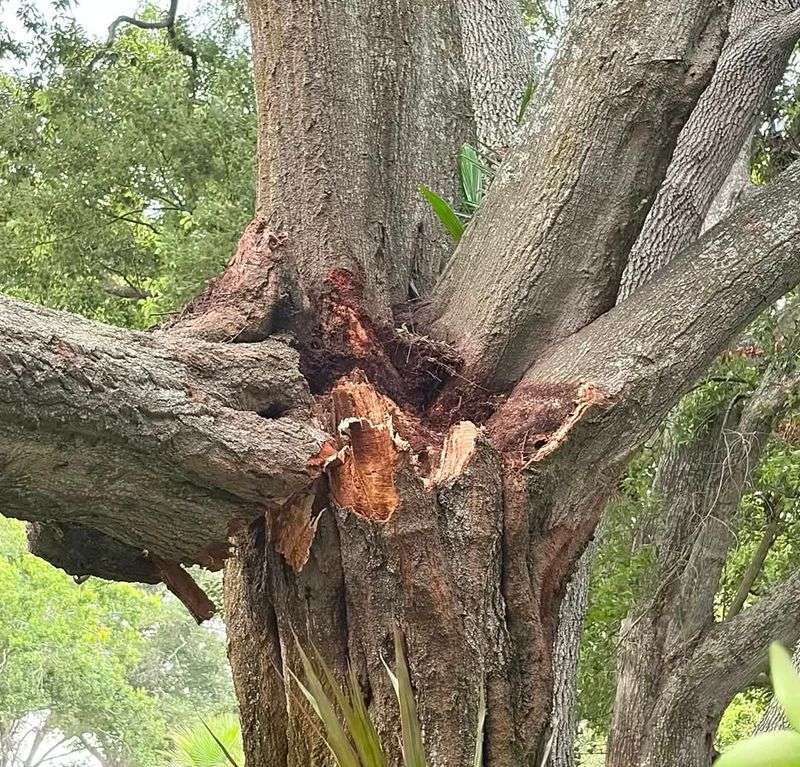
Oak trees are some of Michigan’s most beloved landscape trees, and they need a little extra attention when storm season overlaps with a specific window on the calendar.
The Michigan DNR identifies April 15 through July 15 as the high-risk period for oak wilt transmission.
During these months, fresh wounds on oak trees can attract sap beetles that carry the oak wilt fungus, making timing a genuinely important factor in protecting these trees.
Optional pruning, cutting, or any activity that creates a fresh wound on an oak should be postponed during this window whenever possible.
Storm damage that creates an immediate safety hazard is a different situation, and prompt professional attention may be necessary.
A certified arborist or qualified tree-care professional is the right person to consult when storm damage to oaks is significant or when safety is a concern.
When unavoidable wounds do occur on oaks during the high-risk period, Michigan DNR guidance recommends covering fresh cuts promptly with tree-wound paint or latex-based paint.
This helps reduce the chance of sap beetles reaching the wound before it begins to seal naturally.
Not every storm-damaged oak tree has oak wilt, and there is no need to assume the worst, but taking these precautions costs very little and offers meaningful protection.
Gardeners who are unsure about the condition of their oak trees after a storm should not hesitate to call in a professional.
Getting an expert assessment early is far easier than managing a serious tree health problem later in the season, especially when oak wilt has the potential to spread to neighboring trees.
6. Small Vegetative Debris Works Well In A Compost Pile
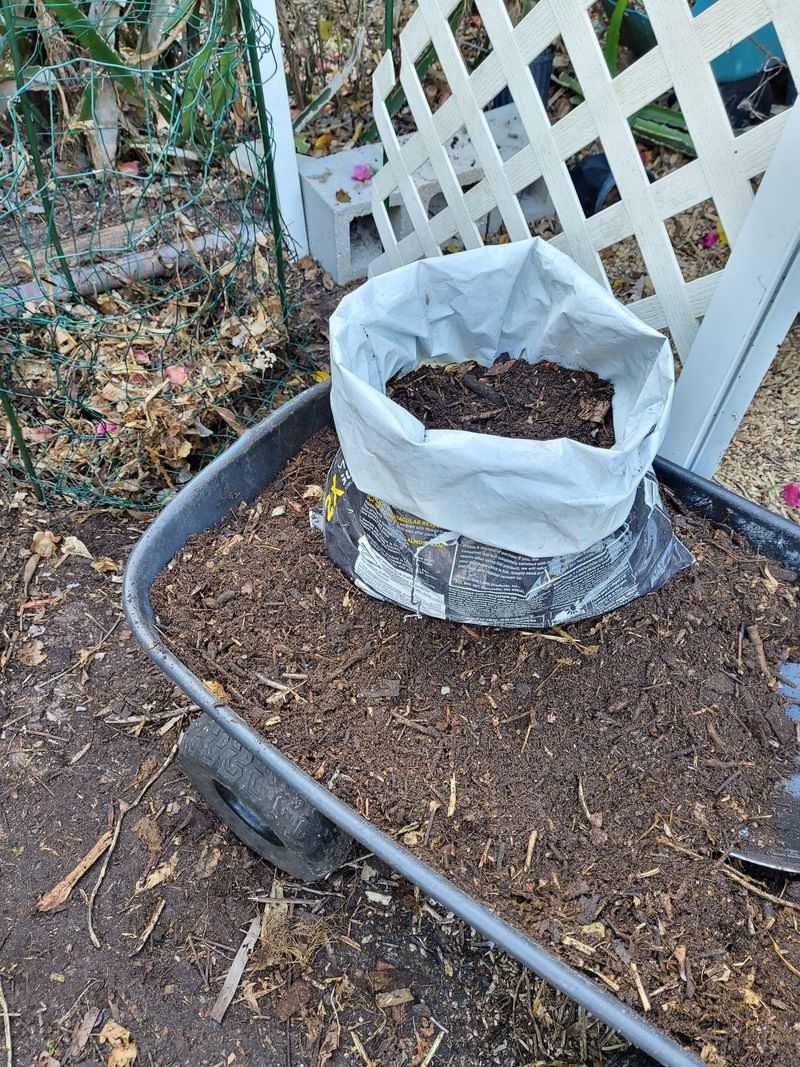
Not all storm debris is the same, and the smaller stuff, things like fallen leaves, grass clippings, garden plant material, and thin branches, actually has a very convenient destination: the compost pile.
Michigan’s Department of Environment, Great Lakes, and Energy identifies composting as a preferred option for suitable storm-generated vegetative debris when the material is not being retained for an appropriate use such as wildlife habitat.
That is a strong endorsement from a credible source, and it makes a lot of practical sense for home gardeners. A well-managed home compost pile can handle a lot of the lighter debris that storms produce.
Layering green material like fresh leaves and plant stems with brown material like dry branches and cardboard keeps the pile balanced and breaking down efficiently.
The finished compost can go right back into garden beds, enriching the soil naturally and reducing the need for store-bought amendments.
When home composting is not practical due to volume, space, or HOA rules, community and commercial composting options are worth exploring.
Many Michigan municipalities offer authorized composting drop-off sites, especially after storm events when debris volumes spike.
Registered composting facilities are equipped to handle larger quantities of material safely and properly.
One thing to confirm before dropping anything off: accepted materials and branch-size limits vary by community and facility.
Some programs accept branches up to a certain diameter while others only take softer plant material. Checking local guidelines before loading up the car saves time and avoids a wasted trip.
Composting storm debris is genuinely one of the most resourceful things a Michigan gardener can do after a big weather event.
7. Storm Debris Taken Off-Site Should Go To An Approved Location
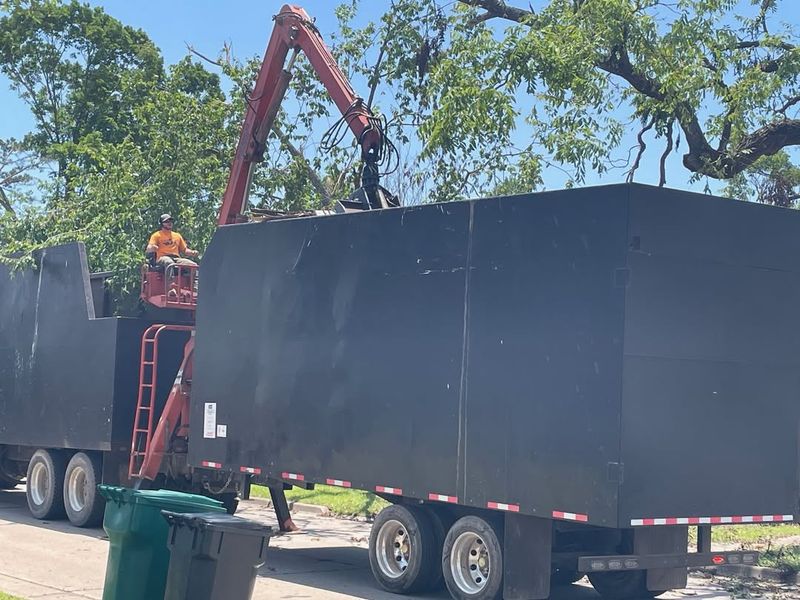
After a big storm, it can be tempting to just get rid of debris as quickly as possible, but where that debris ends up actually matters quite a bit.
Dumping storm material on roadsides, public land, wetlands, streams, lakes, or neighboring property without the owner’s permission is not only inconsiderate but can also carry legal consequences in Michigan.
Protecting natural areas from unauthorized dumping is something communities take seriously, especially after large weather events.
Michigan communities often set up temporary or expanded collection sites after severe storms to help residents manage large volumes of debris.
These sites can vary significantly in terms of operating hours, accepted materials, and specific disposal rules.
What works at one drop-off location in one county may not apply at all to a site in the next town over, so checking local guidelines before hauling anything anywhere is genuinely important.
Curbside collection programs also operate differently across communities. Some areas require debris to be bundled in a specific way, cut to a maximum length, or placed at the curb by a certain date.
Others may only accept material during designated collection windows. Ignoring those requirements can mean debris sitting uncollected for weeks, which creates its own set of problems for neighbors and the neighborhood.
Before taking storm debris off the property, check with your municipality, township or county for approved collection sites, accepted materials and transportation requirements.
Local websites, social media pages, and community hotlines are usually updated quickly after major storms.
Taking five minutes to confirm the rules saves hassle and ensures debris ends up exactly where it is supposed to go, helping the whole community recover faster.
8. Suspicious Insects And Egg Masses Should Be Reported Right Away
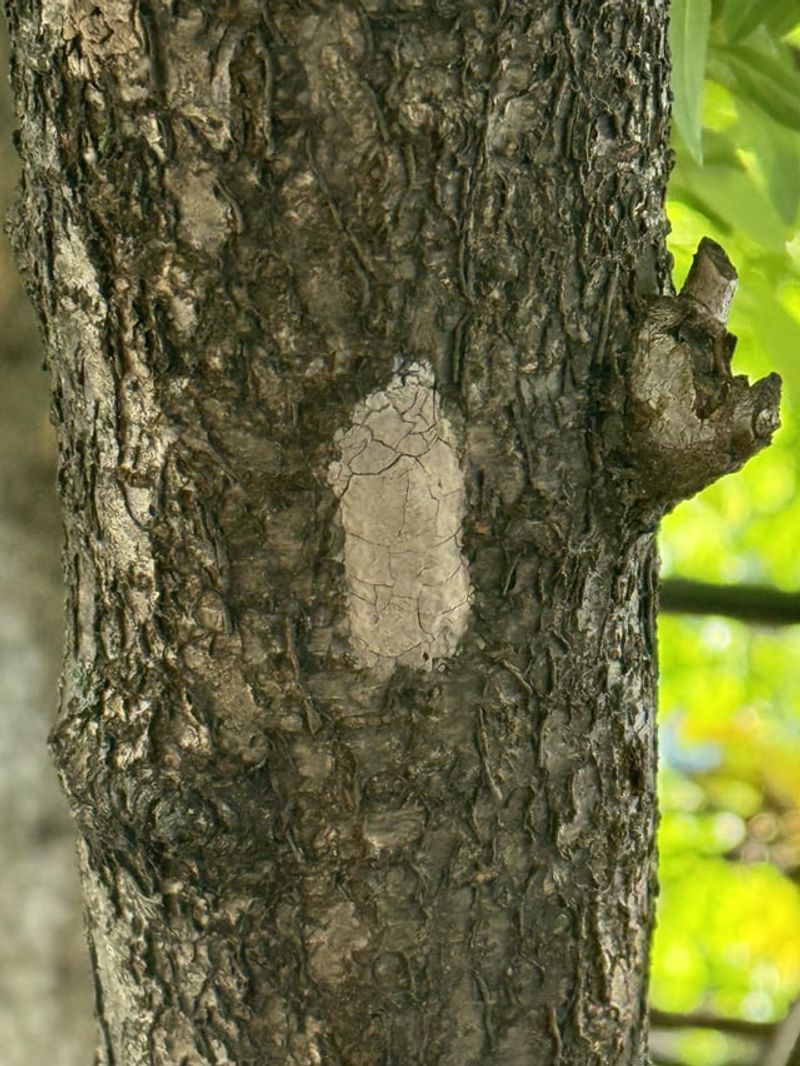
Storm cleanup puts gardeners up close and personal with bark, wood, soil, and plant material that does not always get a second look during normal yard work.
That extra time spent handling debris is actually a perfect opportunity to spot something unusual.
Unfamiliar insects, strange egg masses on bark, or unexpected symptoms on plants are all things worth paying attention to, because invasive pests are very good at hitchhiking on exactly this kind of material.
Invasive species can travel on firewood, soil, plants, outdoor equipment, trailers, and even vehicle wheel wells.
Storm events that move large volumes of wood and plant material around can unintentionally help pests spread faster than they otherwise would.
Catching an unusual insect, egg mass or plant symptom early and reporting it through Michigan’s official invasive-species system can help state agencies investigate potential new infestations before they become widely established.
When something suspicious turns up, the recommended steps are straightforward. Photograph the insect, egg mass, or plant symptom as clearly as possible. Record the exact location where it was found.
Avoid moving potentially infested material to another spot, since that could spread the problem further.
These small actions make a real difference for the people working to protect Michigan’s trees and plants. Michigan has an official resource for exactly this situation.
The state’s Identify and Report invasive species webpage walks gardeners through the correct reporting method for different suspected species, since procedures can vary depending on what has been found.
Early reports from observant gardeners have helped officials catch invasive pests before they spread widely, making community awareness one of the most powerful tools available for protecting Michigan’s landscapes.