Why Texans Should Never Spray Horticultural Oils During A Summer Heatwave
If you have ever dragged the hose out during the hottest stretch of a July afternoon, hoping to save a wilting lawn, the results told a different story by evening. Patches that looked fine at noon turned brown and brittle by dinner time.
It seems backwards. More water in the heat should help, not hurt, especially when the grass already looks like it is begging for relief.
Yet gardeners keep making this same move every summer, watching their lawn suffer for it. The timing turns out to matter more than the water itself.
High Heat Turns Horticultural Oils Into A Plant Damage Risk
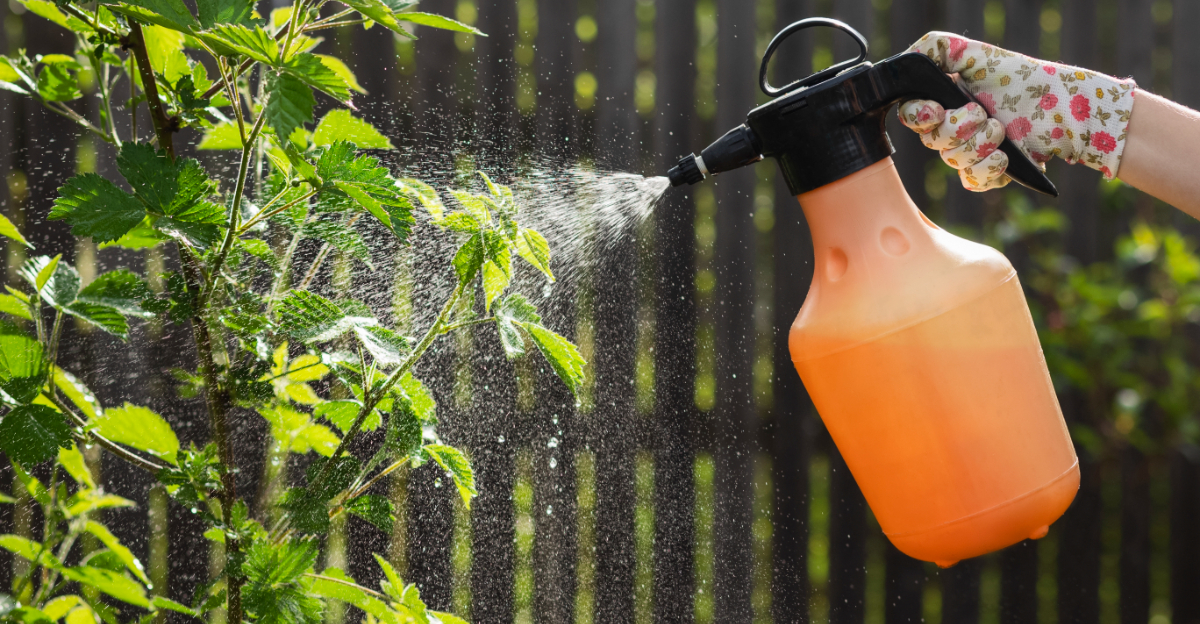
Your garden is not a frying pan, but high heat can make it act like one. Spraying horticultural oils when temperatures climb above 90 degrees Fahrenheit creates a serious problem for your plants.
Oil coats the surface of leaves and stems to smother pests like spider mites and aphids. That coating works great in mild weather, but summer heat changes everything fast.
When the sun beats down hard, that thin layer of oil heats up quickly on the leaf surface. The trapped heat under the coating can cause cell damage in the plant tissue almost immediately.
Texas summers regularly push past 100 degrees, making horticultural oil spraying especially risky here. The oil coating traps heat against the leaf surface and blocks the plant’s ability to cool itself.
Plants cannot sweat the way people do, so they have limited ways to cool down fast. Once heat damage starts, it spreads across leaves within hours and rarely recovers.
Gardeners who spray horticultural oils during a heatwave often assume the damage came from pests. The real culprit is the oil itself, turned harmful by extreme conditions.
Knowing how oil interacts with high temperatures helps you protect your garden instead of harming it. Smart timing is your most powerful tool against accidental plant damage this summer.
Leaf Burn Signs Show Up Fast After Oil Application In Heat
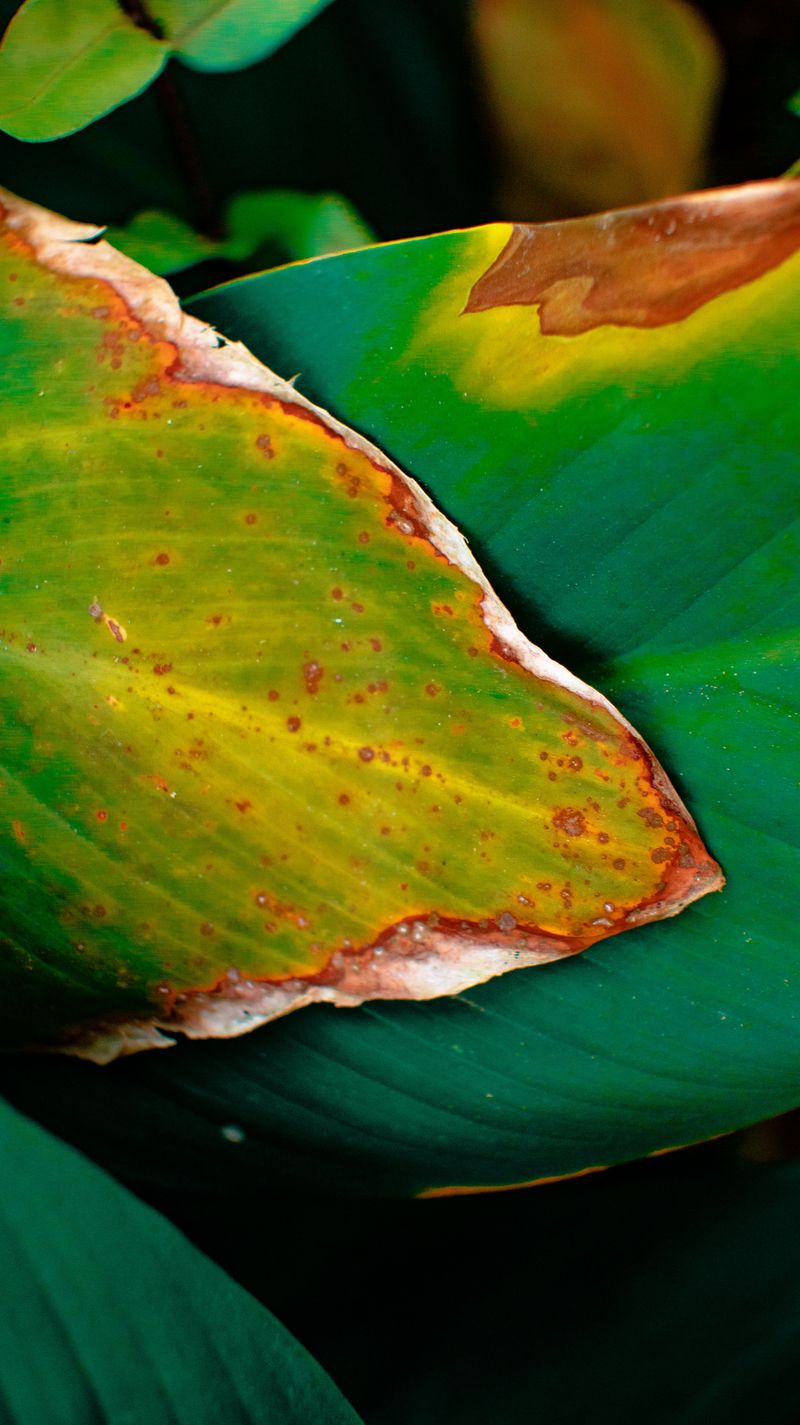
Brown edges creeping across your favorite tomato plant overnight are a discouraging feeling. That kind of damage often traces back to oil applied during peak heat hours.
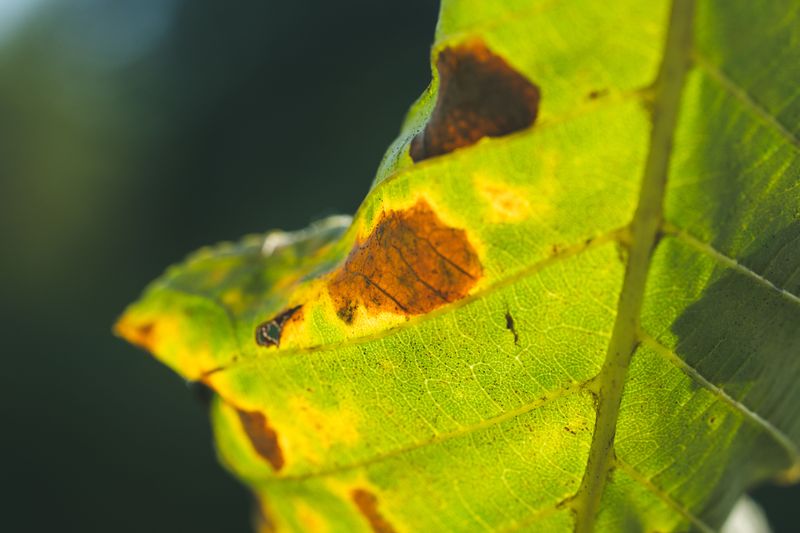
Leaf burn from horticultural oil looks a lot like drought stress at first glance. You will notice yellowing, browning at the edges, and a papery texture forming on the leaf surface.
The damage shows up surprisingly fast, sometimes within just a few hours of spraying. By the next morning, entire sections of foliage can look toasted and beyond saving.
Young leaves and new growth are especially vulnerable because their cell walls are thinner. Mature leaves handle heat stress slightly better, but no leaf is fully protected when oil and extreme heat combine.
Gardeners sometimes respond by watering heavily after spotting burn signs, but water alone cannot undo the cellular damage. Once the oil has cooked into the leaf tissue, recovery is slow and incomplete at best.
The tricky part is that symptoms can mimic other problems like fungal disease or nutrient deficiency. Misidentifying the cause leads to wrong treatments, wasting time while the plant continues to struggle.
Your Texas Garden Changes Every Week. Your Plan Should Too.
Gardening in Texas changes quickly throughout the season. Every Friday you’ll receive a simple weekly plan showing exactly what to plant, prune, fertilize, harvest, and protect so you never miss the right timing.
Catching these signs early and connecting them to recent oil applications saves you from repeating the mistake. Your plants are giving you clear feedback, and learning to read those signals makes you a sharper, more confident gardener.
Ideal Temperature Windows For Safe Oil Spraying In Texas
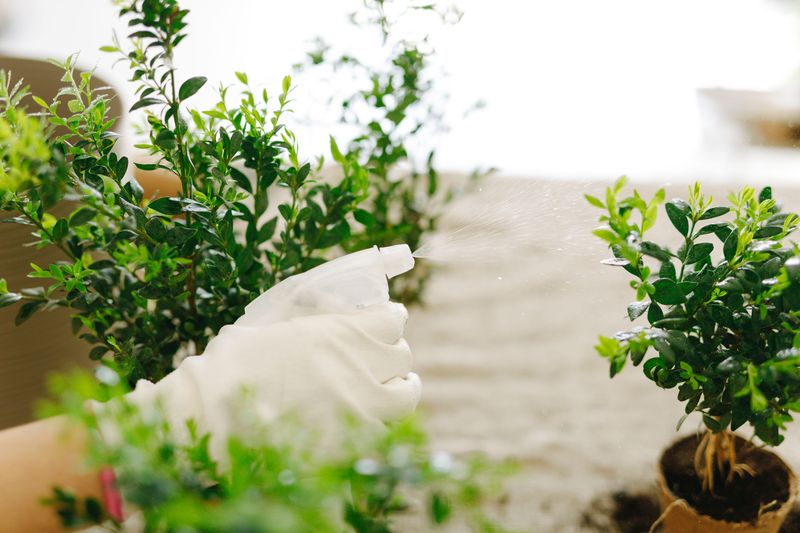
Timing your spray schedule around the right temperatures is the single smartest move you can make. Most horticultural oil labels recommend applying when temps fall between 40 and 85 degrees Fahrenheit.
In Texas, that comfortable window can feel frustratingly narrow during the summer months. Spring and fall offer the most reliable opportunities for safe oil applications across the state.
Checking a reliable weather forecast before you ever fill your sprayer is a non-negotiable habit. You want a stretch of cooler temperatures after application to give the oil time to dry safely.
High humidity also plays a role, since moist conditions slow the oil from drying and extend the risk period. Aim for days with moderate humidity levels rather than the swampy afternoons Texas often delivers in July and August.
Some gardeners assume cloudy days make heat less of a concern, but cloud cover alone rarely drops temperatures enough to make it safe. Ground temperatures can stay dangerously high even when the sky looks overcast.
Reading the label on your specific oil product matters because formulations vary in their heat tolerance. Some newer lightweight oils have slightly higher temperature thresholds, but none are designed for true heatwave conditions.
Respecting those temperature guidelines keeps horticultural oils working as the helpful pest control tool they are meant to be. Patience now protects the hard work you have already put into your garden.
Morning And Evening Timing Cuts Down Heat Stress
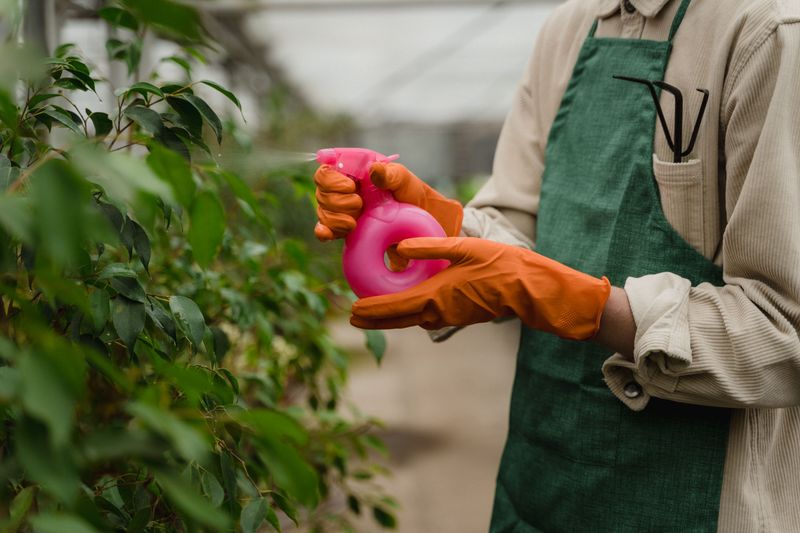
Early morning in a Texas garden has a kind of magic to it, cool air, soft light, and plants that look ready to take on the day. That window between sunrise and about 9 a.m. is also your best shot at safe oil application.
Spraying early gives the oil time to settle and begin working before temperatures start climbing. By the time the midday heat arrives, the product has had hours to do its job without cooking the foliage.
Evening applications after 6 p.m. offer a second viable window during the hotter months. Temperatures drop enough in most Texas regions by early evening to reduce the heat stress risk significantly.
One thing to watch with evening spraying is lingering moisture overnight. Wet foliage sitting through a humid night can invite fungal problems, so check conditions before choosing this timing option.
Midday spraying, roughly between 10 a.m. and 5 p.m., should be avoided during a heatwave. That is when sunlight is most intense and plant surfaces reach their highest temperatures of the day.
Even on days that feel slightly cooler, midday application of horticultural oils during a summer heatwave period is a gamble not worth taking. The risk to reward ratio simply does not favor the gardener.
Building a consistent early morning spray routine protects your plants and makes pest management feel far less stressful. Great habits in the garden tend to pay off in healthier, more resilient plants over time.
Drought Stressed Plants Face Higher Sensitivity To Oils
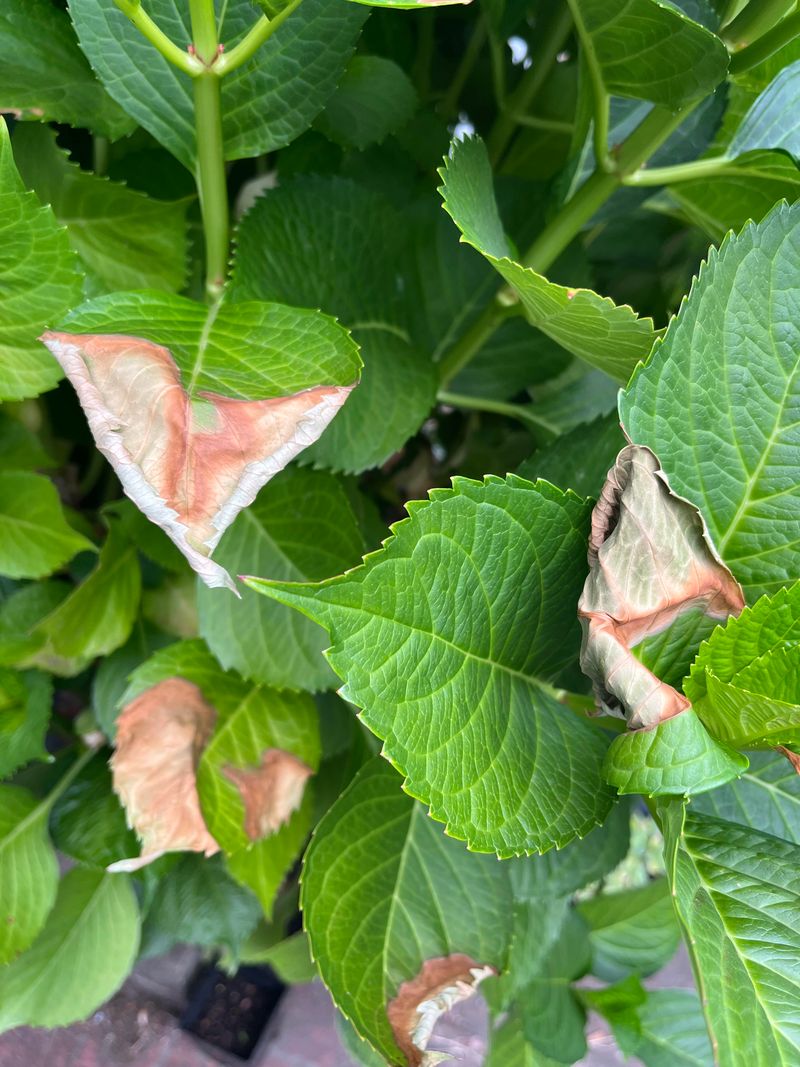
Picture a plant that has gone three days without enough water in the middle of a Texas August. Now imagine coating its already-struggling leaves with horticultural oil.
Drought stress weakens a plant’s natural defenses and makes its tissues far more sensitive to outside irritants. Oil applied to a dehydrated plant causes damage at much lower temperatures than it would on a well-watered one.
When plants are thirsty, their stomata, the tiny pores on leaves, stay closed to conserve water. Closed stomata cannot release the heat that builds up under an oil coating, making burn damage almost unavoidable.
Texas gardeners deal with extended dry spells regularly, especially from June through September. Checking soil moisture before reaching for the sprayer is a step that many people skip but should not.
A simple finger test works fine here. Push your finger two inches into the soil, and if it feels dry, water deeply first and wait a day or two before any oil application.
Plants recovering from drought stress need time to bounce back before they can handle any kind of chemical treatment, even gentle organic ones. Rushing the process puts already vulnerable plants at even greater risk.
Horticultural oils are most effective and safest on plants that are well-hydrated and otherwise healthy. Giving your garden the water it needs first is the foundation of any smart pest control plan during summer.
Alternative Pest Control Options During Peak Summer Heat
Just because horticultural oils are off the table during a heatwave does not mean pests get a free pass. Plenty of effective alternatives hold up well in extreme Texas summer conditions.
Insecticidal soap sprays are a popular swap because they break down faster and carry a lower risk of heat-related leaf burn. Apply them during the same cool morning or evening windows for the best results.
Neem oil, while also an oil-based product, behaves differently from traditional horticultural oils in some formulations. Check the label and treat neem with the same temperature caution you would give any oil product.
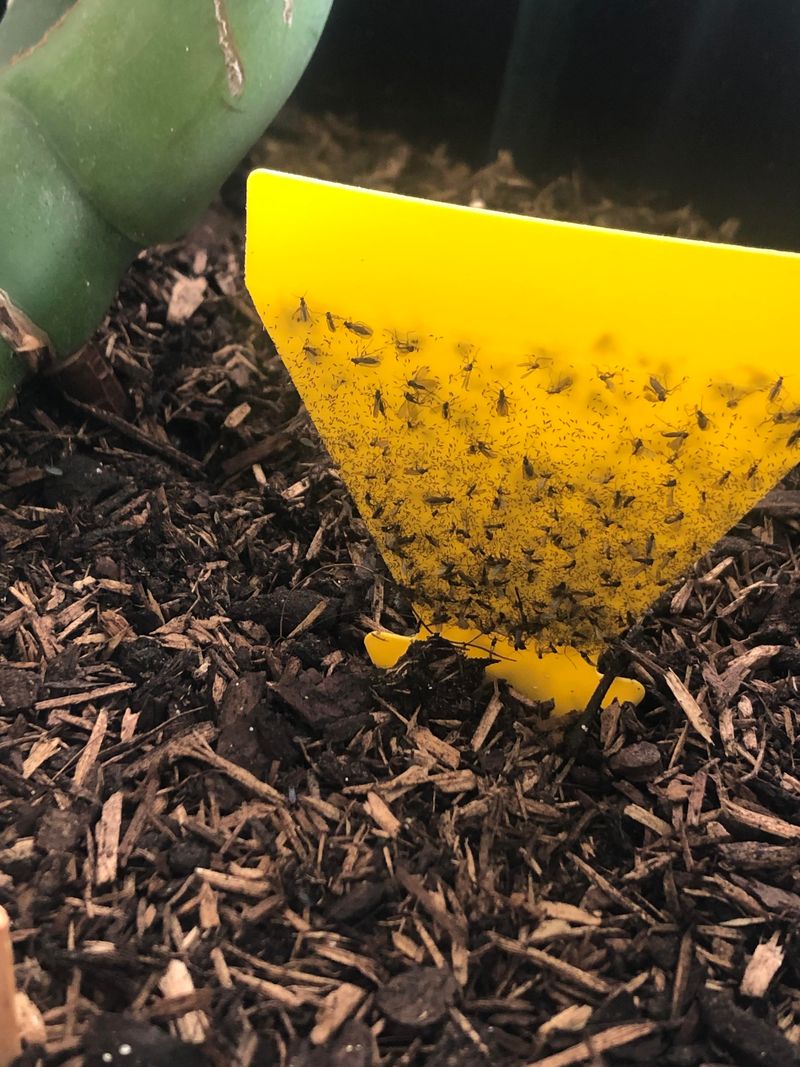
Yellow sticky traps work around the clock without heat sensitivity at all. Hanging them near affected plants catches flying pests like whiteflies and fungus gnats without any spray required.
Diatomaceous earth is another heat-safe option that works well in dry Texas conditions. Sprinkle it around the base of plants to create a barrier that damages soft-bodied insects without harming your foliage.
Encouraging beneficial insects like lacewings and ladybugs gives you natural pest control that operates largely independent of temperature concerns. Planting flowers like marigolds and dill nearby attracts these helpful allies all season long.
Managing pests during a summer heatwave takes creativity, but solid options exist beyond horticultural oil. Smart watering, good airflow, and the right timing make every method work better.