Native California Plants That Support Native Bumblebees In Your Yard
Bumblebee populations appear to be declining across parts of North America, and most gardeners do not realize how quickly. Something quietly happening inside your garden could reverse that pattern fast.
Few ordinary backyards hold as much untapped ecological power as yours. California shelters species found absolutely nowhere else on earth.
Most commercial nurseries sell flowers these particular bees cannot even use. Native bumblebees crave very specific shapes, colors, and precise bloom times.
Choosing correctly always means choosing plants that evolved directly beside them. Those wild corridors once buzzed constantly with motion.
Now hushed stillness spreads across California that once used to hum. You shape what returns to that quiet ground.
Bees remember strong habitat and faithfully return every single season. Every single bloom you plant sends a clear signal they recognize.
Nothing about this actually demands expensive tools or rare expertise. Real change always starts smaller than most people ever expect. Once you see what these flowers attract, stopping becomes impossible.
1. California Sage
Crush a single leaf of California Sage between your fingers and the smell will transport you straight to a sun-baked hillside. That sharp, herbal fragrance is pure wild California.
Salvia species native to the state are absolute powerhouses for supporting native bumblebees. The tubular flowers are shaped almost perfectly for a bumblebee’s body.
When a bee pushes inside to reach the nectar, it brushes against the stamens and picks up a dusting of pollen. The plant and the bee essentially evolved together over thousands of years.
Black Sage, White Sage, and Cleveland Sage are among the best choices for a home garden. Each one blooms at slightly different times, which extends the feeding season for your local bees.
These plants are incredibly drought-tolerant once established, making them ideal for water-wise landscaping. They ask for almost nothing and give back enormously.
Plant them in a sunny spot with good drainage and step back. They grow fast, smell incredible, and attract not just bumblebees but also hummingbirds and butterflies.
One thing to keep in mind is that overly wet soil can cause root rot. Plant on a slope or raised bed if your yard tends to hold moisture.
Watching a bumblebee work a spike of sage blooms is one of those simple joys that slows you down. It is the kind of moment that makes a garden feel genuinely alive and worth every bit of effort.
2. Lupine
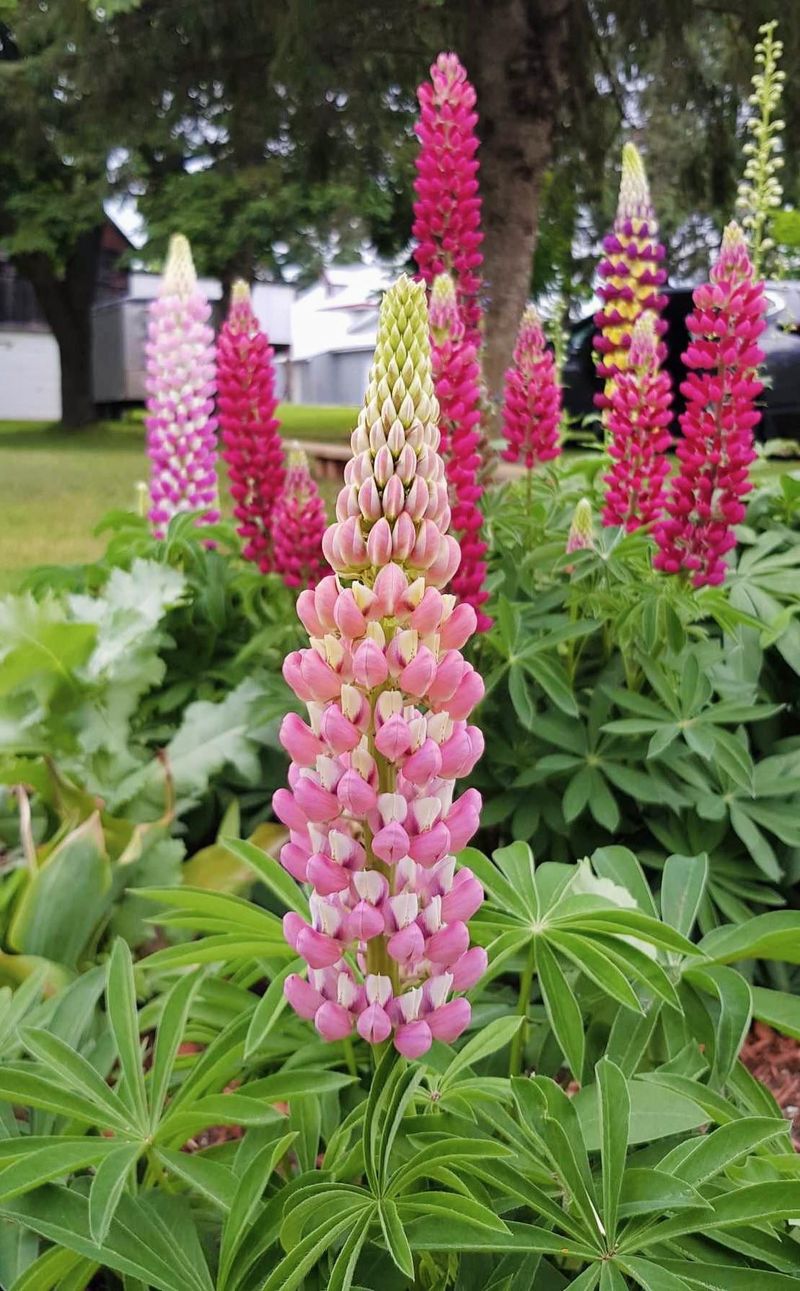
Few plants announce spring quite like a Lupine spike shooting up from the ground. Those tall, candle-like columns of blue and purple blooms are instantly recognizable along roadsides and hillsides across the state.
What most people do not know is that Lupine flowers use a mechanical trigger to release their pollen. Bumblebees are uniquely built to unlock it.
A bee lands on the flower and presses down on its keel petal with its body weight. That pressure triggers a mechanical release, dusting the bee with pollen.
Honeybees rarely trigger this release effectively. Only native bumblebees and a few other specialists have the weight and technique to unlock Lupine pollen.
Your California Garden Changes Every Week. Your Plan Should Too.
Gardening in California changes quickly throughout the season. Every Friday you’ll receive a simple weekly plan showing exactly what to plant, prune, fertilize, harvest, and protect so you never miss the right timing.
That relationship makes Lupine one of the most important native California plants for supporting bumblebee populations. Without bees, Lupine struggles to reproduce effectively.
Planting Lupine in your yard creates a critical resource that commercial landscapes simply cannot offer. It is a direct investment in local bumblebee survival.
Choose native species like Arroyo Lupine or Sky Lupine for the best ecological fit. They are adapted to local soils and rainfall patterns, so they establish quickly.
Lupine also fixes nitrogen in the soil, which improves fertility for surrounding plants. It is one of those rare garden additions that makes the whole yard healthier.
Watching a bumblebee trigger a Lupine flower up close is a memorable experience. Once you see it, you will look at this plant differently.
3. California Lilac
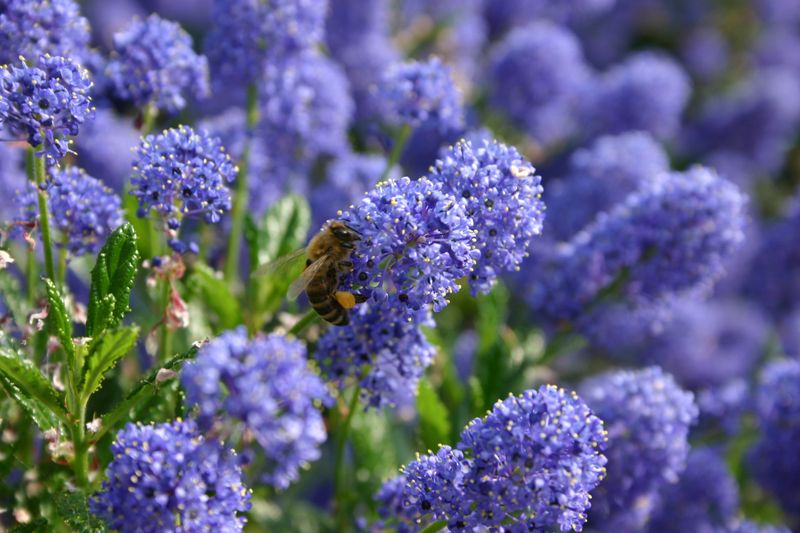
Walk past a California Lilac in full bloom and your nose will stop you cold. The sweet, almost honey-like scent hits you before you even see the flowers.
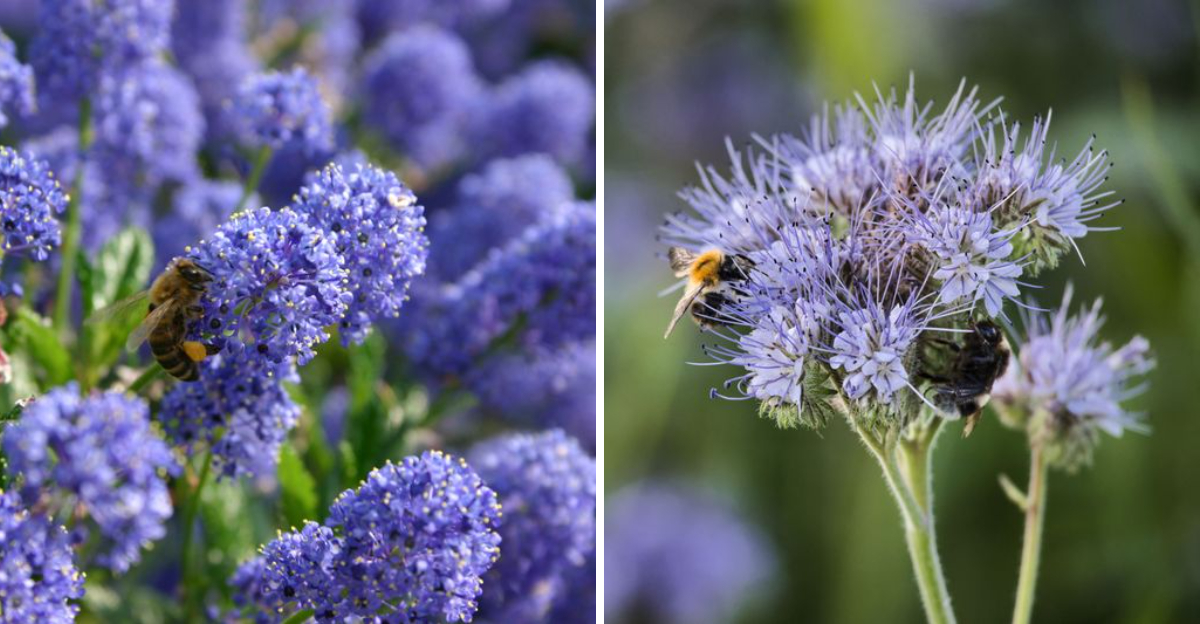
This native shrub, known scientifically as Ceanothus, produces dense clusters of tiny blue or purple blooms each spring. Bumblebees are strongly drawn to it, often covering the branches in large numbers.
What makes Ceanothus so special for native bees is its massive pollen output. One mature shrub can support dozens of foraging bees on a single warm afternoon.
Planting it is surprisingly low effort once established. It thrives in well-drained soil, loves full sun, and needs very little water after its first year.
You can find varieties ranging from ground-hugging spreaders to tall, six-foot hedges. That flexibility makes it work in almost any yard size or shape.
Gardeners in dry climates especially love Ceanothus because it handles drought without complaint. It looks lush even when summer turns dry and brown.
The blooms typically arrive between February and May, which is perfectly timed for early-season bumblebee queens. Those queens are building their colonies and desperately need rich pollen sources.
Pair it near a sunny fence or slope for best results. Once you see your first bumblebee burying its face deep into those tiny blossoms, you will understand why this plant is so highly regarded.
4. Phacelia
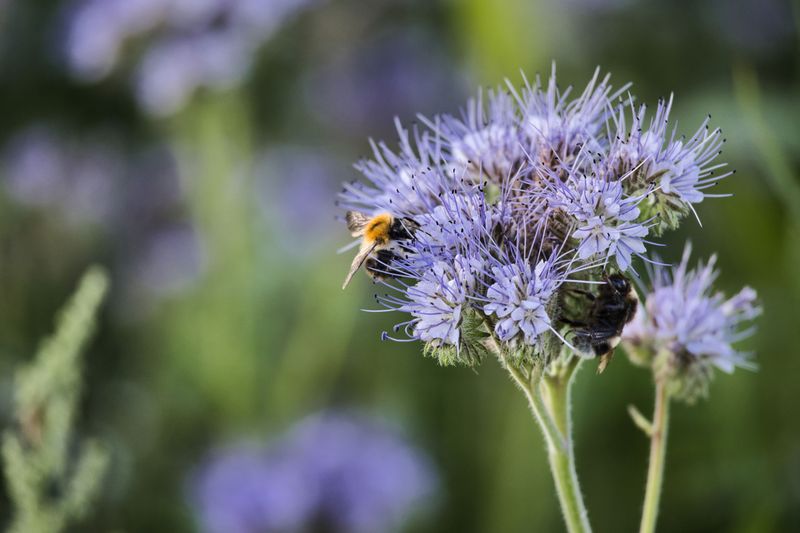
Phacelia might be one of the most underrated wildflowers in the native plant world. Gardeners who discover it tend to become enthusiastic fans, and for good reason.
The flowers are a vivid violet-blue, shaped into loose, curling clusters that look almost like scorpion tails. Bees find that color nearly irresistible from a distance.
Scientists have confirmed that bumblebees can see ultraviolet light, and Phacelia flowers have UV patterns invisible to human eyes. To a bee, these blooms act as highly visible signals of an available food source.
Growing Phacelia from seed is genuinely easy. Scatter seeds in fall or early spring on bare, sunny soil and water lightly until they sprout.
Once established, they need almost no care. They self-seed readily, which means your patch can grow larger every single year without you lifting a finger.
The bloom period typically runs from early spring through early summer. During that window, a healthy patch will hum with activity from morning until dusk.
Phacelia is also a fantastic cover crop for vegetable gardens. It improves soil structure while feeding pollinators, so it pulls double duty in a productive yard.
One small caution: some people experience mild skin irritation when handling the leaves. Wearing gloves while planting is a smart move just to be safe.
But the payoff is enormous, especially for native California plants that support native bumblebees. A single square foot of blooming Phacelia can feel like a whole buzzing ecosystem all on its own.
5. Manzanita
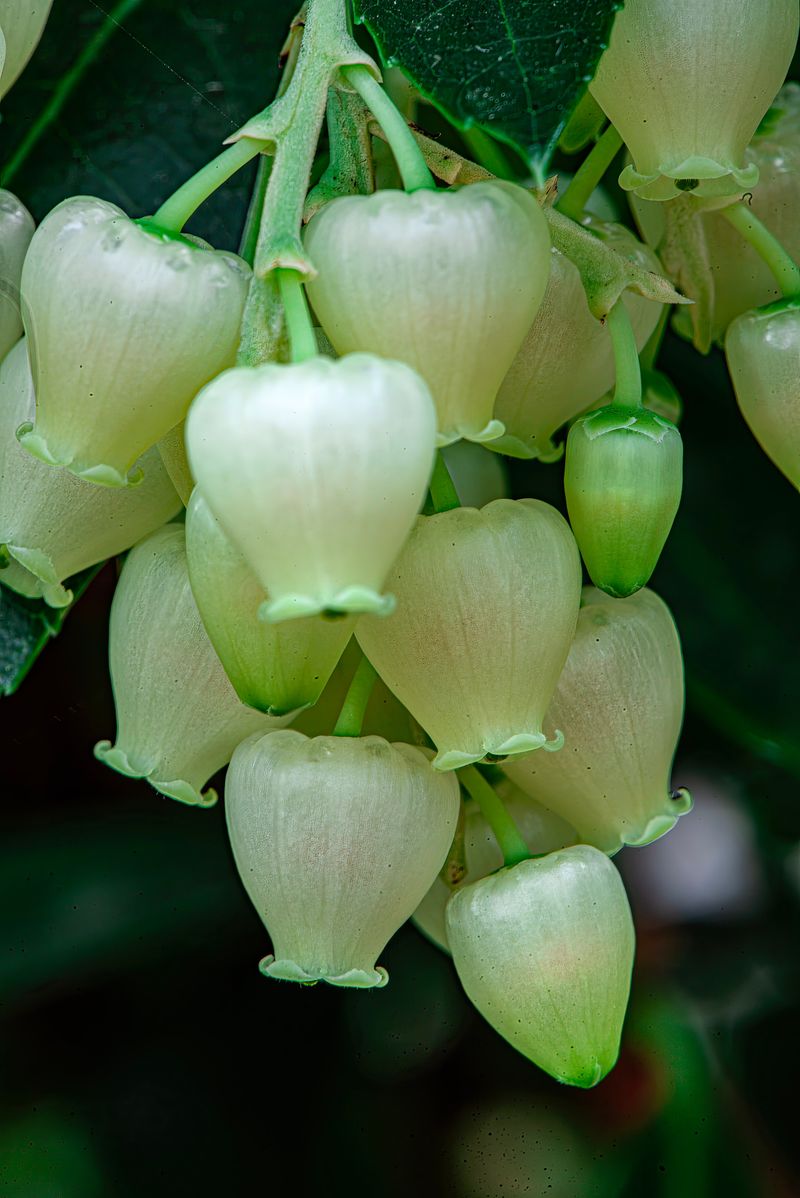
Manzanita is one of those plants that earns admiration in every season. The smooth, cinnamon-red bark glows in winter light, and the tiny pink blossoms arrive just when bees need them most.
Blooming as early as December in some regions, Manzanita is a genuine lifesaver for early-emerging bumblebee queens. Those queens wake up hungry after a long winter dormancy.
The flowers are small, urn-shaped, and packed with nectar and pollen. Bumblebees hover beneath the drooping clusters and work them with impressive speed and precision.
There are dozens of native Arctostaphylos species to choose from, ranging from low ground covers to large multi-trunked shrubs. That variety means you can find one that suits nearly any garden space.
Once established, Manzanita is extraordinarily drought-tolerant. It evolved in the dry foothills and chaparral zones, so it thrives with minimal irrigation after the first couple of seasons.
Plant it in well-drained soil and full sun for the best results. Avoid overwatering, which is actually the most common mistake people make with this plant.
Manzanita also provides food for birds, shelter for small insects, and visual structure that anchors a native garden beautifully. It gives far more than it asks.
The berries that follow the flowers are edible and were an important food source for Indigenous communities for centuries. That deep history adds a layer of meaning to every plant you put in the ground.
A Manzanita in your yard is not just a plant. It supports an entire web of wildlife in one low-maintenance shrub.
6. Woolly Blue Curls
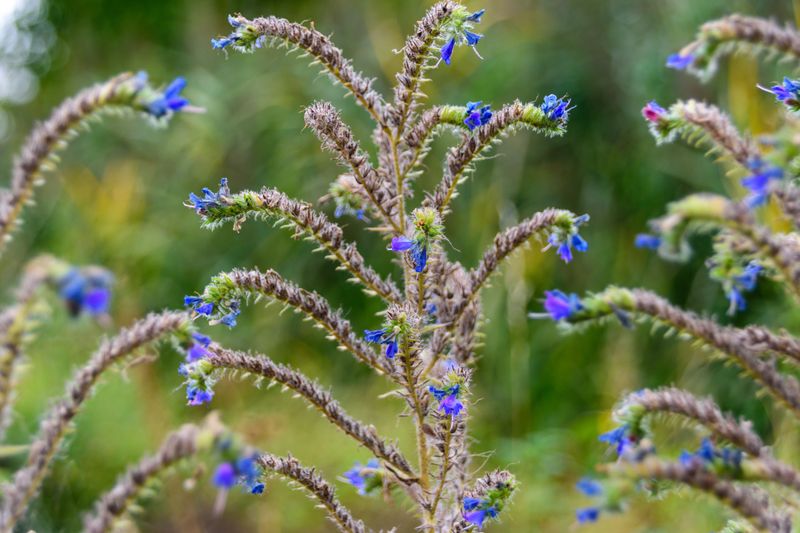
Woolly Blue Curls has one of the most distinctive names in the native plant world, and the plant lives up to it. The flower spikes are electric blue with fuzzy purple wool coating the stems.
Known botanically as Trichostema lanatum, this shrub is practically built for bumblebees. The arching stamens act like a pollen-delivery system, dusting bees right on the back as they feed.
That clever design is not accidental. The plant evolved alongside native bees over millions of years, and the partnership is still going strong today.
Woolly Blue Curls blooms from spring through summer, sometimes pushing flowers into fall in mild coastal areas. That extended season makes it one of the most valuable plants in a bee-friendly garden.
It does best in full sun with fast-draining, sandy, or rocky soil. If your yard has heavy clay, amend the planting area generously before putting one in the ground.
Established plants are very drought-tolerant and dislike summer irrigation. Less water actually encourages better blooming, which feels counterintuitive but really works.
The aromatic leaves release a camphor-like scent that fills the air on warm afternoons. Sitting near one on a hot summer day is a genuinely sensory experience.
Finding this plant at nurseries can take some searching, but specialty native plant nurseries usually carry it. The hunt is worth it once you see bumblebees working those wild blue spikes with pure enthusiasm.
7. Penstemon
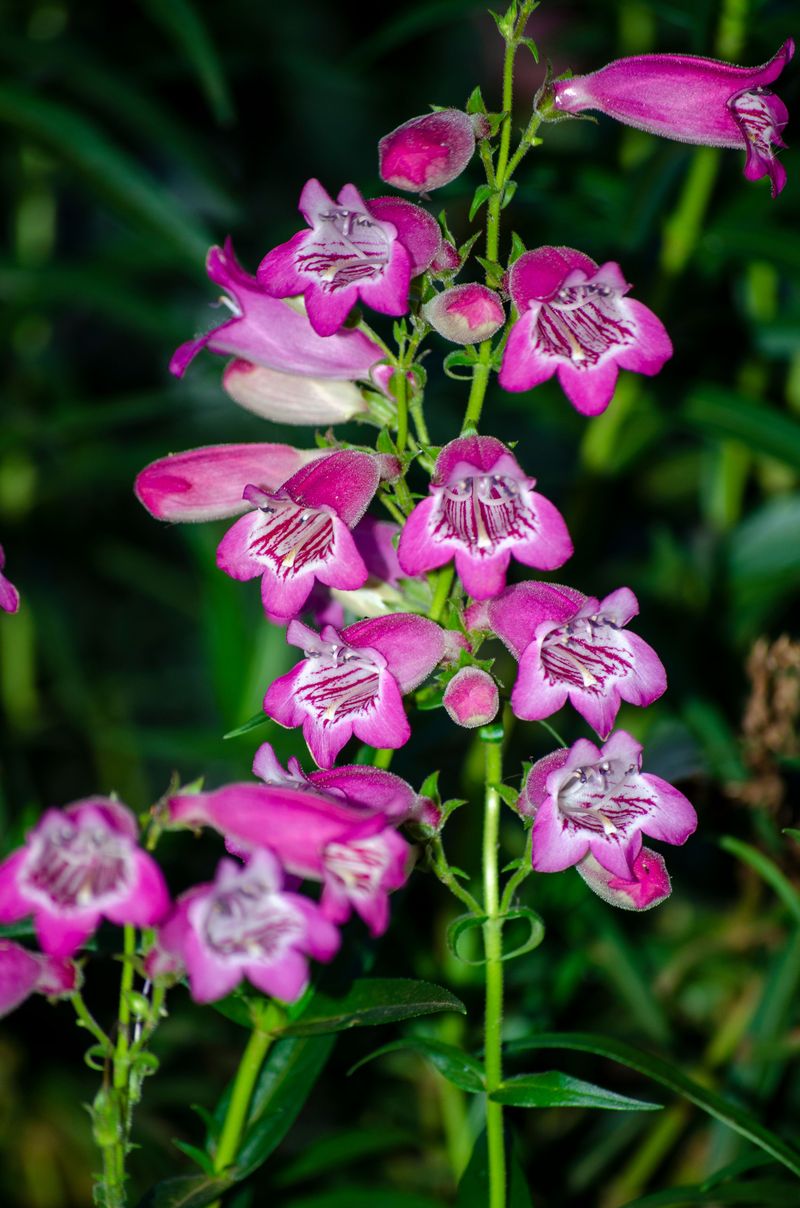
Penstemon is the kind of plant that makes gardening feel easier, even for beginners. It is tough, beautiful, and bees absolutely adore it.
The tubular flowers come in shades of red, purple, pink, and white depending on the species. Bumblebees are strong enough to push inside even tighter blooms that smaller bees cannot access.
That strength gives bumblebees a competitive advantage on Penstemon flowers. They often get first access to the richest nectar before other pollinators arrive.
Native species like Scarlet Bugler, Foothill Penstemon, and Royal Penstemon are excellent choices for home gardens across the state. Each one has slightly different needs and bloom times.
Most Penstemon species prefer well-drained soil and full to partial sun. They handle dry summers well and resent heavy, wet conditions during the warm months.
Planting a mix of two or three species creates a longer bloom window that keeps bees fed from spring well into summer. Staggered bloom times are a smart strategy in any pollinator garden.
Penstemon also attracts hummingbirds, which adds another layer of wildlife activity to your yard. A garden that feeds both bees and birds is one that never feels boring.
Removing spent flowers encourages repeat blooming in some species. A little attention in early summer can extend the floral display by several extra weeks.
Few native California plants that support native bumblebees offer this level of color and wildlife value in one tidy package. Penstemon earns its spot every single time.
8. California Buckwheat
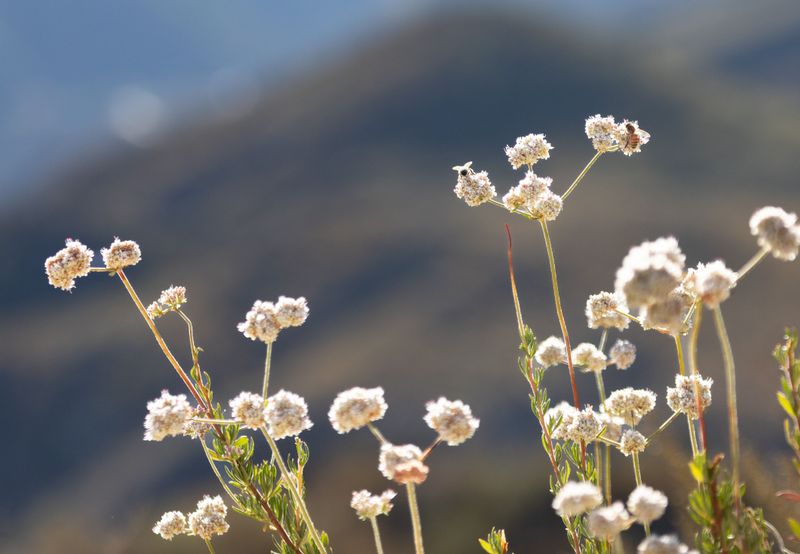
California Buckwheat might be one of the most reliable plants you can add to a pollinator garden in the state. It blooms for months, feeds dozens of species, and asks for almost nothing in return.
Known as Eriogonum fasciculatum, this tough shrub covers itself in flat-topped clusters of tiny white and pink flowers from late spring through fall. Bumblebees work those clusters like time is running out.
The flowers are small but incredibly numerous, offering a consistent and abundant food source across a long season. Consistency matters enormously for bee colonies that need steady supplies to raise their young.
After the flowers fade, the rusty-red seed heads stay on the plant through winter. Those dried structures provide visual interest and food for birds during the cold months.
Buckwheat is one of the most drought-adapted plants in the native palette. Once established, it can survive on rainfall alone in most parts of the state.
Plant it in full sun and lean, well-drained soil for the most vigorous growth. Rich, amended soil can actually cause overly lush growth that reduces flowering.
Coastal, foothill, and desert garden styles all work beautifully with California Buckwheat. Its natural, wild appearance fits into almost any informal landscape design.
Ecologists consider it a keystone plant because so many species depend on it. Supporting it in your yard means supporting an entire web of interconnected wildlife.
For anyone serious about native California plants that support native bumblebees, Buckwheat is a strong foundational choice for a thriving pollinator garden.