The Texas Lawn Fertilizer Mistakes Most Homeowners Make In September
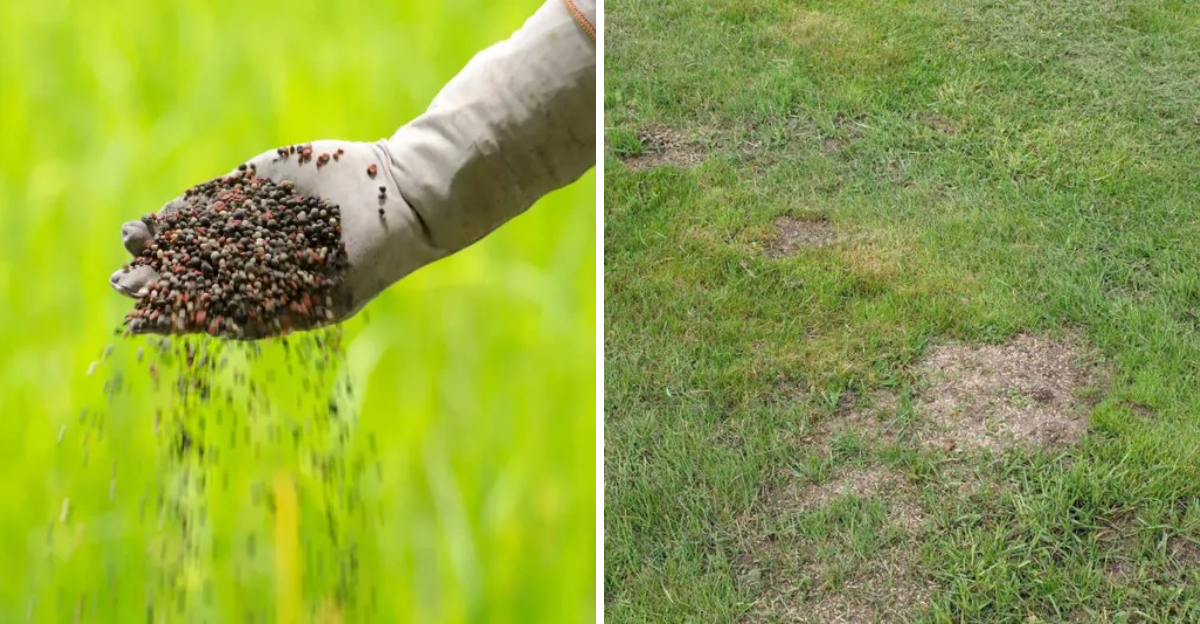
September in Texas feels like the moment to finally give the lawn attention after a brutal summer. The heat is easing, the grass is recovering, and reaching for the fertilizer bag feels like exactly the right move.
For most Texas lawns, fall feeding is the right call. But the way most homeowners execute it is where things go wrong.
The mistakes aren’t about whether to feed the lawn. They’re about what’s being applied, how much, and when relative to the lawn’s actual recovery timeline.
Getting any of these wrong during the fall transition window causes problems that don’t show up immediately but become very clear by winter, when grass that should be hardening off is instead pushing soft, vulnerable new growth it never had time to protect.
Here’s what most Texas homeowners are doing wrong with lawn fertilizer in September and what to do instead.
1. Piling On Nitrogen When Grass Is Slowing Down
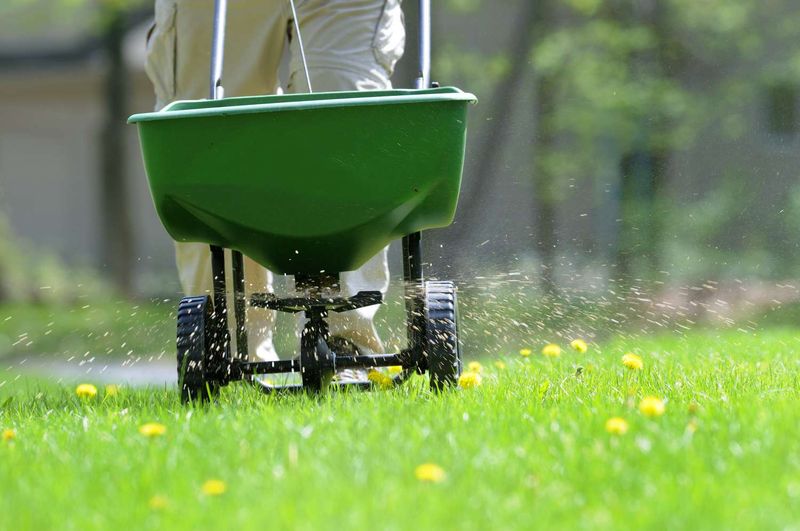
September in Texas feels like a fresh start for your yard, and that green flush can trick you into thinking more nitrogen equals faster growth. In reality, warm-season grasses like Bermuda, St. Augustine, and Zoysia are already reading the signals of shorter days.
Their growth naturally begins to taper as temperatures cool. When you load them up with heavy nitrogen, you force a burst of tender new blades that the plant did not plan for.
That new growth is soft and thirsty, and it struggles to harden off before the first cool snap arrives. Instead of a stronger lawn, you get one that looks lush for a couple weeks and then fades.
A smarter move is to ease back on nitrogen as fall approaches. Many Texas turf experts suggest lighter feedings that support roots rather than a green explosion up top.
Think of it like feeding a kid a giant candy bar right before bedtime. Sure, there is a quick spike of energy, but the crash that follows is rough.
Your grass reacts in a similar way when it gets more than it can use. The leftover nitrogen does not vanish, and it can cause problems down the road.
If your lawn already looks decent, resist the urge to push it harder. A slower, steadier approach keeps blades tough and ready for what comes next.
Check your grass type first, since each one has its own timing. Matching your feeding to that schedule beats guessing every single time.
2. Ignoring The First-Frost Countdown
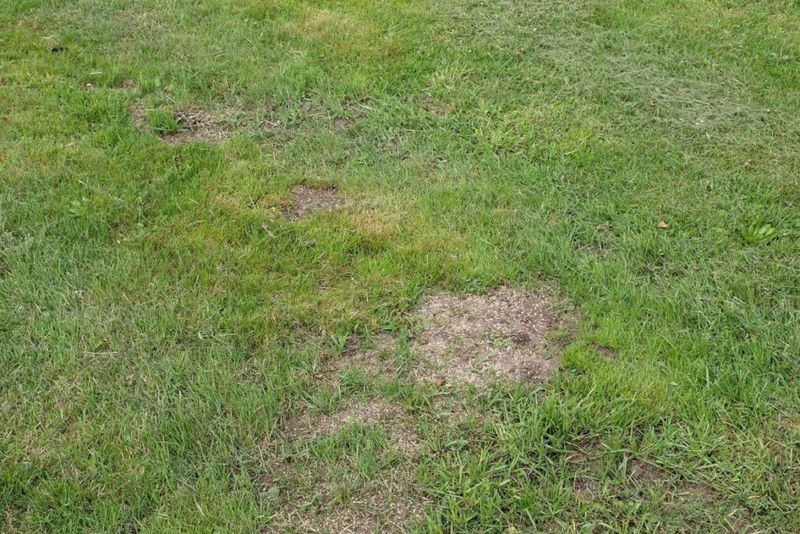
Here is something a lot of homeowners forget: fertilizer timing revolves around your first expected cool spell, not the number on the bag. Across much of Texas, that first light frost can show up anywhere from late October to December, depending on your region.
Feeding warm-season grass too close to that date leaves fresh growth exposed and unprepared. Tender new blades that pop up in late September may not toughen up in time.
Once the temperature dips, that soft growth turns brown and stringy fast. Your lawn ends up looking patchy instead of the healthy green you were hoping for.
Your Texas Garden Changes Every Week. Your Plan Should Too.
Gardening in Texas changes quickly throughout the season. Every Friday you’ll receive a simple weekly plan showing exactly what to plant, prune, fertilize, harvest, and protect so you never miss the right timing.
The general rule many turf specialists share is to stop heavy feeding about six to eight weeks before your average first frost. That window gives the grass time to slow down naturally and store energy in its roots.
Roots are the real hero here, since they carry your lawn through the cool months underground. A strong root system springs back quicker when warm weather returns.
Pull up your local first-frost estimate from a state extension site or a trusted weather source. North Texas and the Panhandle chill earlier than the coast or the valley.
Once you know your date, count backward and mark your last big feeding on the calendar. It takes two minutes and saves a lot of guessing.
Treat that date like an appointment you do not want to miss. Your grass follows the seasons whether you plan around them or not.
3. Skipping The Soil Test Before You Feed
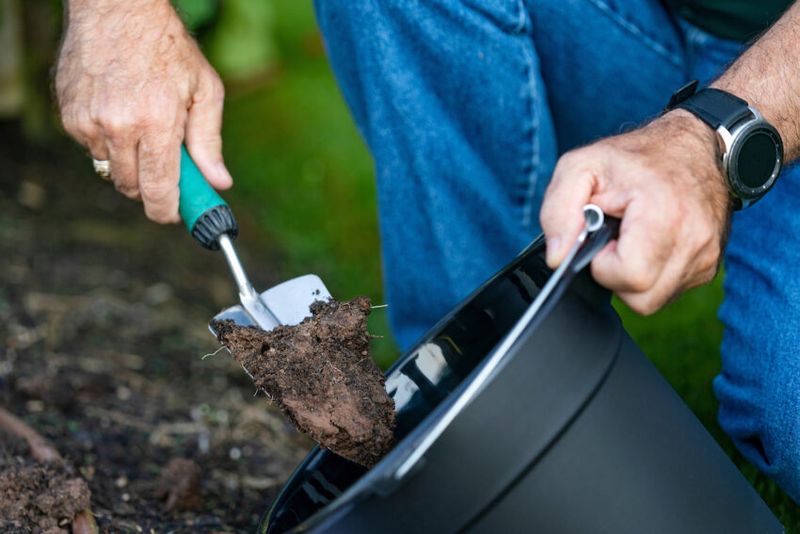
Picture buying vitamins for a problem you never actually had. That is basically what happens when you fertilize without knowing what your soil already holds.
Many Texas yards have plenty of certain nutrients locked in the dirt from years of past applications. Adding more of what is already there does nothing helpful, and it can throw the balance off.
A simple soil test clears up the mystery for just a few dollars. Your county extension office can walk you through mailing in a small sample.
The results tell you exactly what your lawn needs and what it can skip. That means you stop wasting money on nutrients your grass cannot even use.
Overfeeding often starts with a guess, and guessing tends to lean toward too much. When you have real numbers in front of you, the temptation to overdo it fades.
Soil pH matters too, since grass struggles to grab nutrients when the pH sits too high or too low. A test flags that issue before it becomes a headache.
Texas soils vary wildly, from sandy east Texas ground to heavy clay farther west. One neighborhood recipe rarely fits every yard on the block.
Timing a test in late summer sets you up perfectly for smart fall decisions. You get to feed with a plan instead of a hunch.
Save the printout so you can compare results year after year. Watching those trends helps you fine-tune your care for the long haul.
4. Dumping Quick-Release Products On Stressed Turf
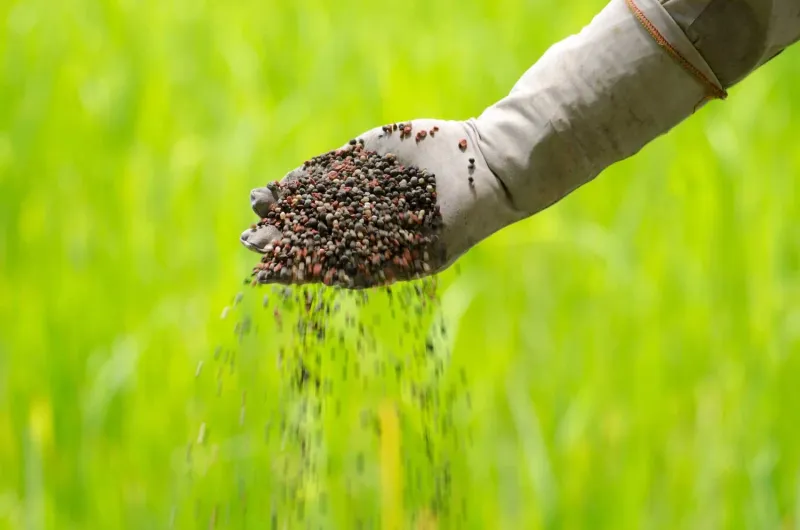
Ever notice how some fertilizers promise instant green in just a few days? Those fast-acting, quick-release products can be tempting, especially when your lawn looks a little tired after summer.
The trouble is that quick-release nitrogen hits the grass all at once. On a lawn still recovering from months of heat, that sudden surge is a lot to handle.
Grass that has been fighting drought and high temperatures does not need a shock. It needs a steady, gentle supply of nutrients it can absorb over time.
Slow-release fertilizers work more like a slow drip than a fire hose. They feed the lawn bit by bit, which matches how the grass actually uses food.
You also lower the risk of burning tender blades with a slow-release option. That burn shows up as yellow or brown streaks right where you applied too much.
Check the bag label for the words slow-release or controlled-release before you buy. A quick glance at the numbers saves your lawn from an unwanted growth spike.
Watering properly after any feeding helps carry nutrients down to the roots. Light, even irrigation beats a heavy soak that pushes product off your yard.
If your grass is clearly stressed, sometimes waiting a week is the wiser call. Let it perk up before you introduce anything new.
Patience here pays off with a lawn that greens up evenly. A slow build tends to last far longer than a rushed one.
5. Forgetting That Runoff Reaches The Neighborhood
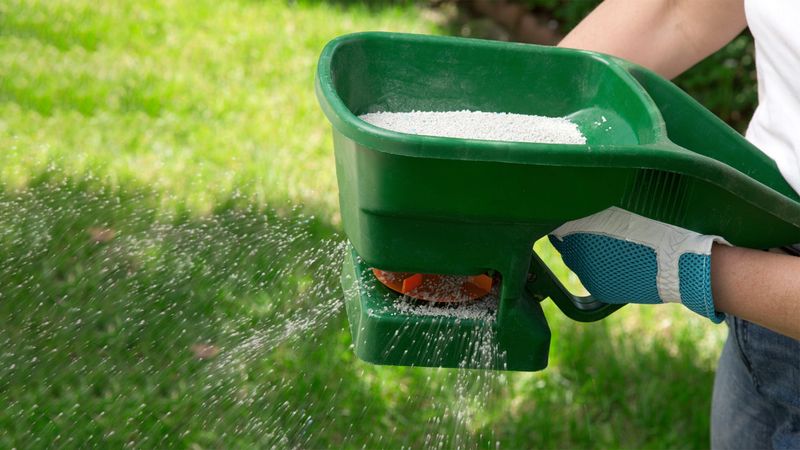
What lands on your lawn does not always stay on your lawn. When you apply more fertilizer than the grass can soak up, the extra has to go somewhere.
A heavy Texas rain can wash those leftover nutrients straight off your yard. From there, they travel down driveways, into gutters, and out to creeks and lakes.
Once in the water, that extra nitrogen and phosphorus feed algae instead of grass. Big algae blooms can harm fish and cloud up water the whole community shares.
Overfeeding turns a private yard decision into a neighborhood-wide ripple. Your good intentions can quietly affect ponds and streams a mile away.
The fix is refreshingly simple: apply only what your lawn can actually use. Following label rates keeps nutrients where they belong, feeding your roots.
Sweeping stray granules off sidewalks and driveways back onto the grass helps too. Those loose pellets on concrete head straight for the storm drain otherwise.
Try to check the forecast before you spread anything. Feeding right before a downpour is like leaving the tap running on purpose.
Leaving a small buffer of unfertilized space near ditches and water edges adds another layer of protection. That strip catches stray nutrients before they escape.
Being mindful here does not cost you a healthier lawn. It simply means smarter timing and a lighter hand with the bag.
Your grass thrives, and the local water stays cleaner. That is a win worth aiming for every season.
6. Assuming Greener Now Means Healthier Later
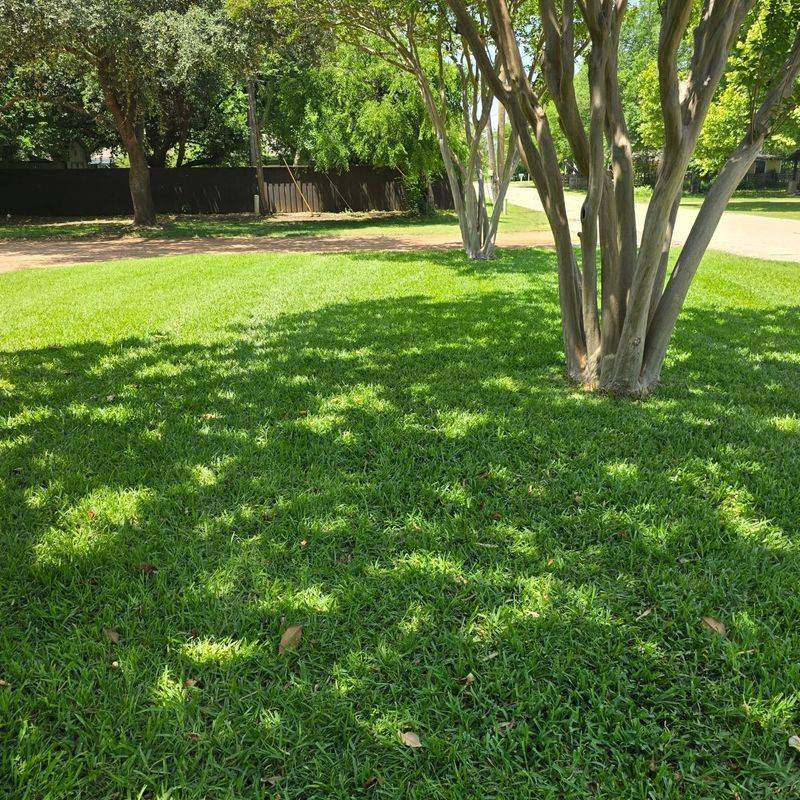
Bright, deep green looks impressive, and it is easy to treat color as the ultimate scorecard. A lawn stuffed with extra nitrogen can flash that showy green in no time.
Underneath that color, though, the story can be very different. All that top growth often comes at the expense of a strong root system below.
Grass pouring energy into leaves has less to spare for roots. Come the cool months, shallow roots leave the lawn more vulnerable to stress.
Heavy feeding can also invite pests and fungus that love lush, tender blades. What looks like a trophy lawn today can turn into a problem patch later.
Real lawn health shows up in resilience, not just a single flashy photo. A yard with deep roots bounces back after cold snaps and dry spells.
Aim for a steady, natural green rather than an unnaturally vivid shade. That balanced color usually signals a lawn getting exactly what it needs.
Mowing at the right height supports this goal as much as feeding does. Taller blades shade the soil and encourage roots to reach deeper.
Give your lawn credit for knowing how to prepare for the seasons. Your job is to support that rhythm, not override it with extra food.
Trade the quick thrill of instant green for the payoff of long-term strength. A lawn built on healthy roots rewards you every single spring.
Slow and steady really does carry the day here. Your future self, staring at a lush April yard, will thank you.