Pennsylvania Gardeners Are Quietly Using This Natural Mulch To Cool Baking Soil
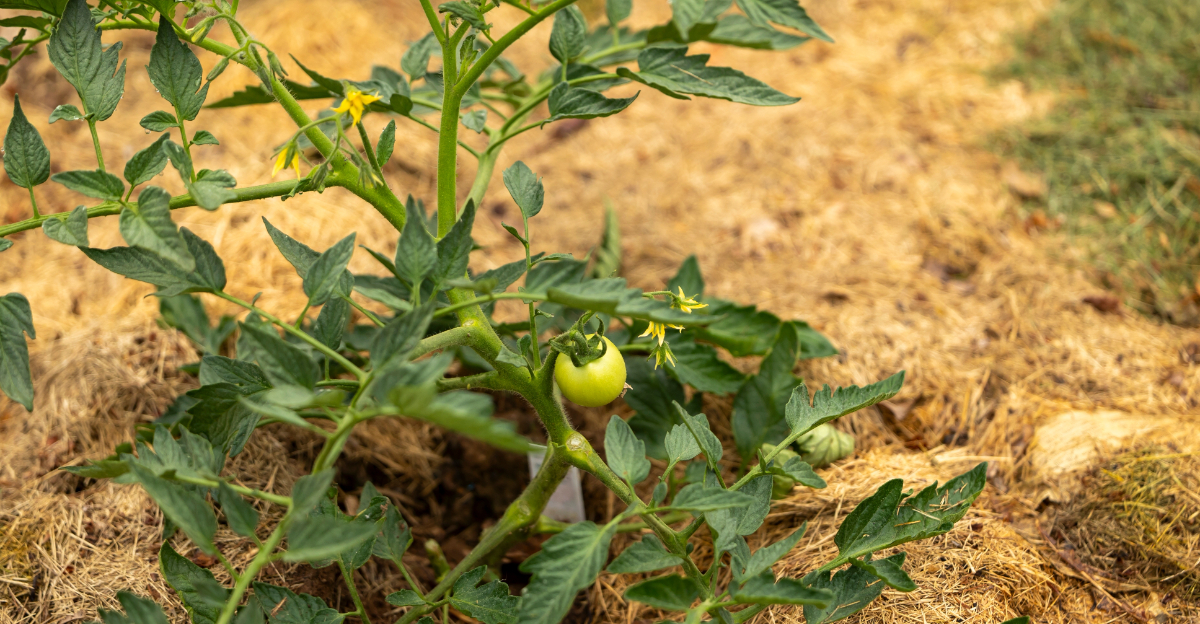
Pennsylvania soil turns stubborn by late summer, cracking at the surface while roots gasp underneath. One quiet fix has farmers and backyard growers reaching for the same solution season after season.
A simple layer spread across tired beds works like a cooling blanket, blocking the sun before it ever touches the dirt. Within days, moisture stops vanishing and plants stand up straighter under the heat.
This material barely costs anything, often sitting forgotten at local farm stands until someone remembers its worth. Spread a few inches thick, it slowly breaks down and feeds the soil it protects.
If cracked, thirsty beds have become a familiar sight this season, the answer might be hiding closer than expected.
This Quiet Garden Trend Is Helping Soil Stay Cooler Longer
Your soil is quietly cooking. Summer sun pounds the ground for hours, and bare soil can heat up fast enough to stress plant roots.
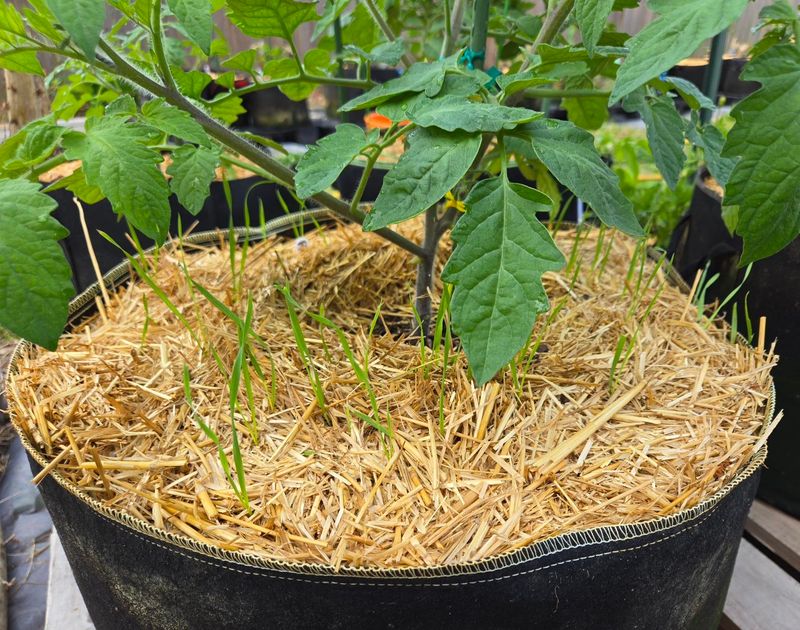
Straw mulch acts like a sunhat for your garden beds. It sits on top of the soil and blocks direct sunlight before it turns the ground into a heat trap.
Gardeners who have switched to this natural mulch notice the difference almost immediately. The soil beneath feels noticeably cooler when you press your hand down through the straw layer.
Cooler soil means roots stay comfortable, even when air temperatures climb into the upper eighties. Plants spend less energy surviving heat stress and more energy producing fruit, flowers, and foliage.
Straw is not the flashiest garden product on the shelf. It does not come in a designer bag or smell like cedar, but it quietly outperforms many expensive alternatives.
The trend has been spreading through backyard gardens and small farms across Pennsylvania without much fanfare. Neighbors notice lush, productive beds and start asking questions.
Once you try laying down a few inches of straw, the results speak for themselves. Your soil stays workable, your plants look happier, and your garden stops feeling like a constant struggle against the weather.
Natural mulch like straw is one of those old-school tricks that stayed relevant while other trends came and went. Smart gardeners just kept using it quietly while everyone else chased the newest trend.
Light Colored Mulch Reflects Heat Better Than Dark Bark
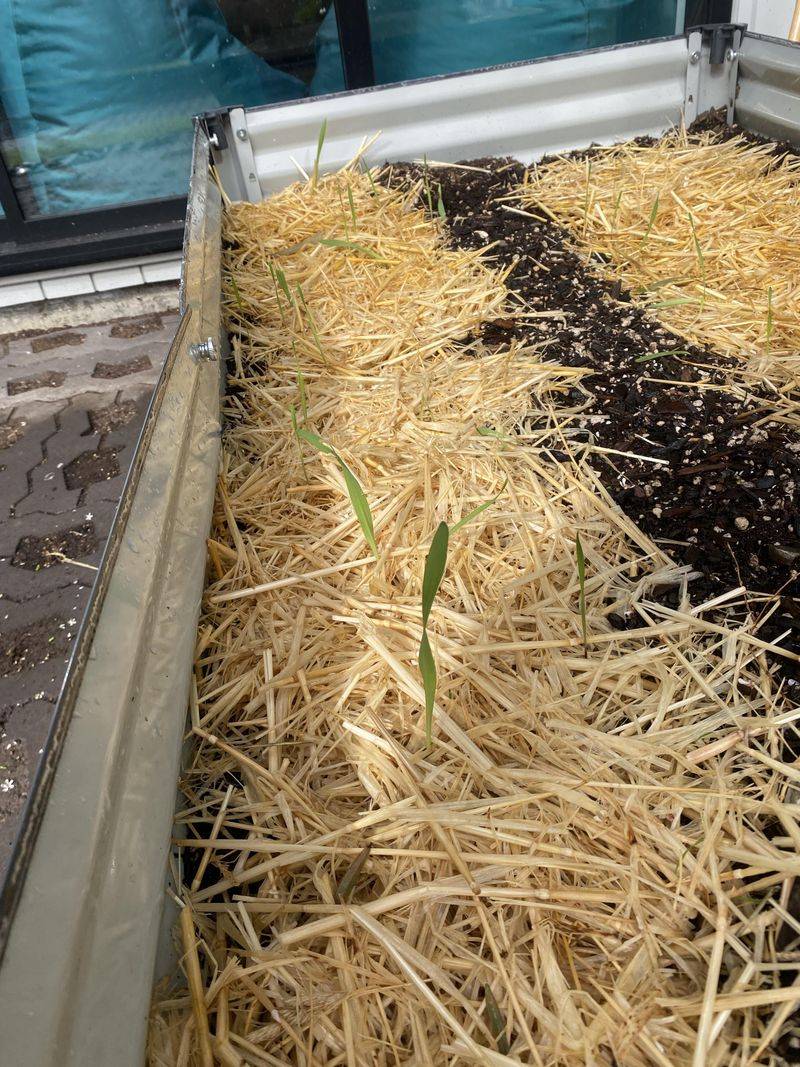
Color matters more than most gardeners realize. Light-colored straw bounces sunlight back into the sky instead of soaking it up like a sponge.
Dark bark mulch looks polished and tidy, but it absorbs heat the same way a black car sitting in a parking lot does. By midday, that dark surface is radiating warmth straight down into your soil.
Straw, with its pale golden tones, behaves very differently. It reflects a significant portion of incoming solar radiation before it ever reaches the ground beneath.
Lighter-colored materials naturally reflect more sunlight, which helps keep soil cooler than darker alternatives during peak summer hours. That gap matters enormously for root health.
Roots are sensitive to temperature swings. When soil heats past a certain point, nutrient absorption slows down and plants start showing signs of stress even if watering seems adequate.
Your Pennsylvania Garden Changes Every Week. Your Plan Should Too.
Gardening in Pennsylvania changes quickly throughout the season. Every Friday you’ll receive a simple weekly plan showing exactly what to plant, prune, fertilize, harvest, and protect so you never miss the right timing.
Switching from dark bark to pale straw is one of the easiest adjustments a Pennsylvania gardener can make in summer. The change costs very little and the payoff shows up within days.
Tomatoes, peppers, and squash especially benefit from cooler root zones. These crops produce far better yields when their roots are not straining against overheated ground.
Light-colored natural mulch is not just a visual choice, it is a science-backed strategy. Choosing straw over dark bark could be the single smartest swap you make this growing season.
Straw Keeps Soil Moisture Locked In During Dry Spells
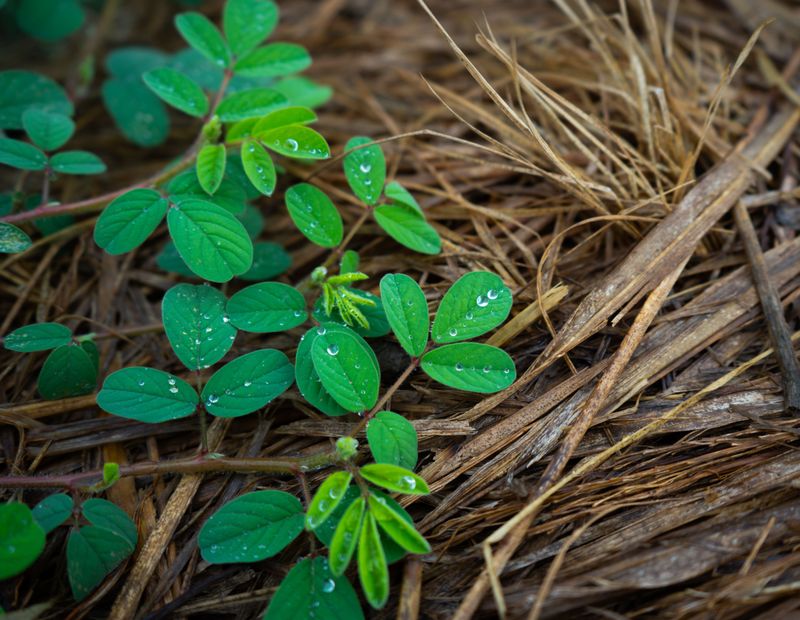
Dry spells hit hard in summer, and bare soil loses moisture fast. A few hours of afternoon sun can pull significant water right out of unprotected ground.
Straw creates a physical barrier between the soil surface and the air above it. That barrier slows evaporation dramatically, keeping moisture where plant roots can actually reach it.
Gardeners who mulch with straw often notice they water less frequently during hot stretches. Many experienced growers describe the difference as significant.
The science behind it is straightforward. Evaporation requires energy from sunlight and moving air, and straw interrupts both of those forces at the soil surface.
Underneath a good straw layer, the soil stays noticeably damp longer after each watering. You can dig a finger in and feel the difference compared to bare garden beds nearby.
This moisture retention also benefits soil biology. Earthworms and beneficial microbes thrive in moist, cool conditions and struggle when soil dries out and bakes in the sun.
Healthy soil biology breaks down organic matter, improves structure, and feeds plants naturally. Straw mulch supports all of that simply by keeping conditions stable underground.
During a two-week Pennsylvania dry spell, the difference between mulched and bare beds becomes dramatic. Mulched plants stay upright and productive while unprotected neighbors wilt and struggle to recover between waterings.
Applying Straw Mulch At The Right Depth For Best Results
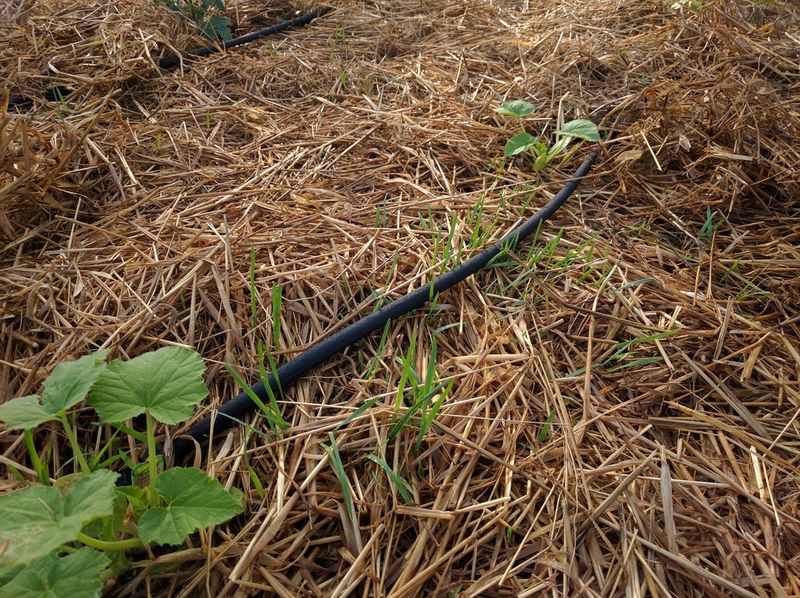
Thickness makes all the difference with straw mulch. Too thin and the sun punches right through it, too thick and you risk blocking air and water from reaching roots.
For Pennsylvania gardens, the sweet spot is between three and four inches deep. That depth provides solid insulation without smothering the soil underneath.
Start by clearing away any weeds before you lay the straw down. Mulch will slow new weed growth, but it cannot fix what is already established beneath it.
Spread the straw loosely rather than packing it tight. A fluffy layer traps air, which adds to the insulating effect and keeps the barrier from matting down too quickly.
Keep straw pulled back an inch or two from plant stems. Direct contact with stems can trap moisture against them and invite rot or fungal problems over time.
Around young seedlings, apply a slightly thinner layer at first. As plants establish and grow taller, you can build the straw up to the full recommended depth.
After heavy rain, check the straw and fluff it back up if it has compressed. Compressed straw loses some of its insulating ability and can start to form a crust that slows water penetration.
Refreshing your straw layer mid-season is a smart habit. Adding a thin top-up keeps the protection consistent as the bottom layer begins breaking down into the soil below.
Straw Versus Wood Chips For Summer Soil Protection
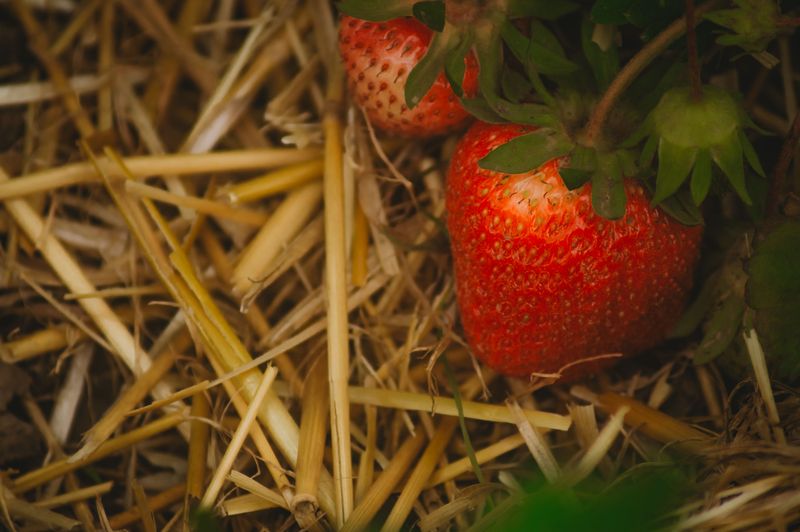
Both straw and wood chips protect soil, but they behave quite differently once you dig into the details. Choosing the right one depends on what your garden actually needs.
Wood chips excel at long-term weed suppression and break down slowly over several seasons. They work beautifully in perennial beds and around shrubs where you want lasting ground cover.
Straw breaks down faster, which means it feeds your soil with organic matter more quickly. That rapid decomposition is a genuine advantage in vegetable beds where soil health matters season to season.
For heat management specifically, straw tends to outperform wood chips in summer. Its lighter color and looser texture create better airflow and reflect more sunlight away from the soil surface.
Wood chips, especially darker varieties, can hold heat and release it slowly through the night. In moderate climates that is fine, but during heat waves it can keep root zones warmer than ideal.
Cost is another factor worth weighing. Straw is often cheaper per bale than bulk wood chips, especially if you buy from local farms or feed stores rather than garden centers.
Straw is also easier to move and remove at the end of the season. Wood chips take more effort to clear out and can introduce unwanted fungal growth if left too long in wet conditions.
For summer vegetable gardens in Pennsylvania, straw wins on most practical counts. It cools better, feeds the soil faster, and keeps things simpler for the average home grower.
Where To Source Weed Free Straw For Your Garden
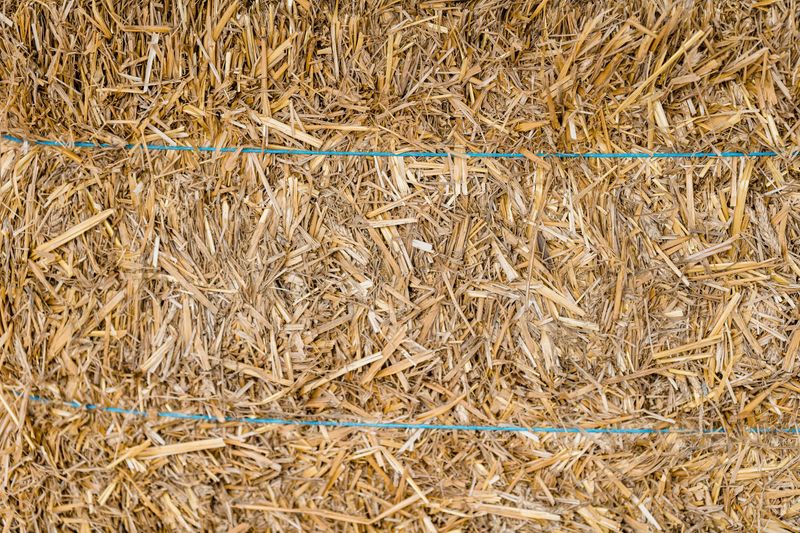
Not all straw is created equal, and sourcing the wrong kind can introduce a season’s worth of weed headaches. The goal is clean, weed-free straw from a reliable supplier.
Feed stores and farm supply shops are often the best starting point. They stock straw bales intended for animal bedding, which tends to be cleaner and better sorted than decorative bales.
Ask specifically whether the straw is from a field that was sprayed with persistent herbicides. Some agricultural fields use chemicals that can linger in the straw and harm garden plants.
Local farms that grow small grains like wheat, oats, or rye are excellent sources. Building a relationship with a nearby farmer can get you access to fresh, clean bales at fair prices.
Farmers markets sometimes carry straw in late summer and fall. Vendors there are usually happy to answer sourcing questions and often know exactly where their product came from.
Online farm marketplaces and community agriculture groups can also connect you with local suppliers. A quick search in your area often turns up options within a short drive.
Avoid decorative straw from craft stores or big box retailers during Halloween season. That product is not sorted for cleanliness and frequently contains seed heads that will sprout all over your beds.
Finding a trusted source takes a little effort the first time, but once you establish it, restocking becomes easy. Good straw from a solid supplier makes natural mulch one of the best investments in your summer garden.