The Ohio Yard Spots Where Chiggers Are Waiting (And How They Differ From Ticks)

Most Ohio homeowners know about ticks. They check after hikes, they treat the yard edges, they have a protocol.
Chiggers get far less attention, and that gap in awareness is exactly where the itching starts. Chiggers and ticks share some habitat but operate differently, hide in different spots, and require a different set of precautions to avoid.
Treating them as the same problem is why people who think they have managed their tick exposure still come inside with welts they cannot explain.
Ohio yards have specific spots where chiggers concentrate in numbers that make an encounter almost certain for anyone spending time in the wrong place at the wrong time.
Those spots are not random and they are not obvious to someone who has never thought about chiggers specifically. Knowing where they wait, and how they behave differently from ticks, changes how a yard gets used and how a body gets checked afterward.
1. Check The Tall Grass Along Fence Lines
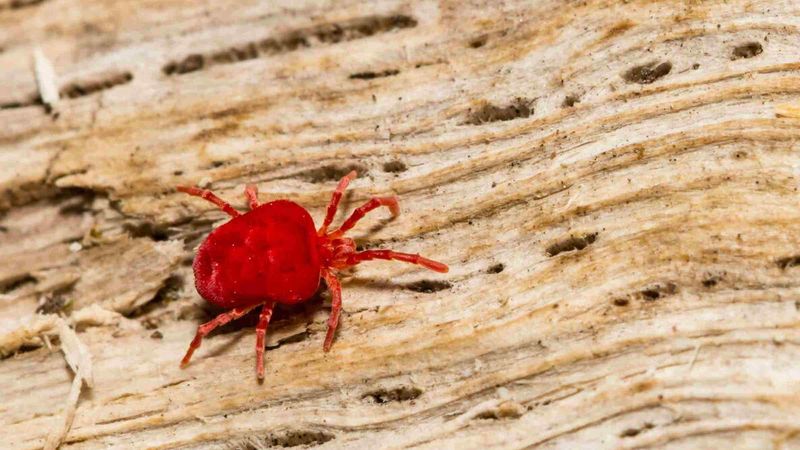
A strip of tall, uncut grass running along a fence line might look harmless, but it can be one of the more overlooked contact zones in a yard.
Chiggers are often encountered in grassy and weedy areas, and fence lines tend to collect exactly the kind of dense, low vegetation that raises exposure risk.
Ohio University Extension resources explain that chigger larvae are most active during warm summer months. They tend to cluster where grass and weeds grow thick and undisturbed.
Ticks can also use tall grass and vegetation to reach a passing host. A tick climbs to the tip of a grass blade or low stem and waits for contact, a behavior called questing.
That means both pests can be present in the same unmowed strip, though for different reasons and with different feeding behaviors.
Keeping fence lines trimmed is one of the most practical steps you can take. Mow or edge along fences regularly, especially during peak summer activity.
When you do work near a fence line, tuck your pants into your socks, wear long sleeves, and apply a repellent according to the product label. After any time near tall grass, check your skin carefully and shower as soon as you can.
No fence line can be declared pest-free, but shorter grass gives both chiggers and ticks fewer places to reach you.
2. Watch Brushy Edges Where Skin Brushes Leaves

Picture a narrow path through the side yard where shrubs have crept in from both sides and low branches brush your arms as you pass. Spots like that are exactly where chigger and tick exposure can increase.
Both pests are more likely to be encountered where people or pets brush against low vegetation, because contact is how they reach a host in the first place.
Chiggers cling to the tips of grasses and low plants and transfer to skin or clothing on contact. Ticks quest from vegetation in a similar way, but once a tick reaches you, it seeks a spot to attach and feed, which can take time and often goes unnoticed.
Your Ohio Garden Changes Every Week. Your Plan Should Too.
Gardening in Ohio changes quickly throughout the season. Every Friday you’ll receive a simple weekly plan showing exactly what to plant, prune, fertilize, harvest, and protect so you never miss the right timing.
University extension sources note that overgrown shrub borders, brushy garden edges, and unmaintained paths are common tick and chigger contact zones.
Widening paths through brushy areas helps reduce how much vegetation touches you as you move through. Pruning back overgrown shrubs and keeping borders defined also lowers the chance of repeated skin contact with problem vegetation.
When working in brushy spots, tuck clothing in, wear long pants and sleeves, and use a repellent labeled for the purpose.
Showering after time in brushy areas washes off any unattached chigger larvae and gives you a chance to spot any ticks before they settle in.
Brushy edges do not have to be eliminated, just managed carefully.
3. Avoid Sitting In Weedy Lawn Patches

Kneeling down to pull weeds or letting kids sprawl in a rough, unmowed patch of lawn puts skin close to the ground where chigger larvae may be active.
Chigger exposure tends to increase during direct contact with weedy or overgrown ground, especially during the warm months when larvae are most active.
OSU Extension guidance notes that chigger activity peaks in summer and drops off significantly after the first hard frost.
Sitting or kneeling directly in weedy grass raises exposure more than simply walking through it, because skin stays in contact with vegetation longer.
Ticks are also found in grassy and weedy areas, though tick exposure more often follows brushing against taller grass or brush rather than sitting on open ground.
The two pests share some habitat but behave differently once they reach a host.
One easy habit is using a folding chair, a blanket, or a kneeling pad whenever you need to be low to the ground in a rough lawn area. Mowing weedy patches regularly reduces the habitat that chigger larvae prefer.
It is also worth noting that chiggers do not burrow into skin, a common myth worth clearing up. They bite at the skin surface and move on.
After time in weedy areas, shower promptly, wash your clothes in hot water, and check for ticks on warm, hidden body areas. A little preparation goes a long way.
4. Clear Leaf Litter Near Shady Garden Beds

Damp, shaded leaf litter along Ohio garden beds is one of the better-documented tick habitats. The CDC and university extension sources consistently link blacklegged ticks with leaf litter and wooded or brushy environments.
These areas provide the moisture and shade that help ticks survive. Leaf litter piled along high-traffic garden edges brings that habitat closer to where people actually spend time.
Chigger risk near leaf litter is less straightforward, and claims about chiggers in leaf litter specifically should be read with care. What is well-supported is that chiggers favor warm, moist, vegetated areas, and shaded garden beds can fit that description during summer.
Keeping the focus on tick risk in leaf litter is the more source-backed approach.
Clearing excess leaf litter from paths, garden borders, and play areas that people use regularly can help reduce tick contact. Yard prevention guidance advises creating defined transitions between natural areas and maintained lawn.
Ticks often move from leaf-litter zones into open spaces along those edges. You do not need to strip every leaf from your property.
Natural areas away from high foot traffic can keep their leaf cover. Focus clearing efforts on the edges where people and pets actually walk, sit, or play.
Wearing gloves and long sleeves when handling leaf litter is a practical habit. Washing up afterward takes only a few minutes but adds real protection throughout the season.
5. Treat Wooded Borders As Tick Territory Too

The line where a mowed lawn meets a wooded edge is one of the most well-documented tick contact zones in residential settings. CDC guidance consistently identifies wooded areas, brush piles, tall grass near woods, and leaf-litter edges as high-risk tick habitats.
Children playing near a wooded border or adults gardening along a tree line can encounter ticks without realizing it.
Creating a clear transition zone between lawn and woods is one of the most practical steps yard prevention guidance recommends. A strip of wood chips or gravel between maintained lawn and wooded areas can reduce tick movement into open spaces.
Keeping play equipment, seating areas, and paths away from wooded edges lowers the number of times people cross into higher-risk zones.
Staying on established paths when walking near woods also helps. Ticks quest from vegetation, so brushing against low branches or stepping through leaf litter at a wooded edge raises the chance of contact.
After any time near a wooded border, do a full tick check on yourself, your children, and your pets. Check warm, hidden areas including behind the knees, around the waistband, and behind the ears.
If you find an attached tick, remove it correctly using fine-tipped tweezers, grasping as close to the skin as possible. Do not use folk removal methods.
If symptoms develop after a tick bite, contact a healthcare professional promptly.
6. Know Chiggers Bite Fast But Do Not Stay Attached
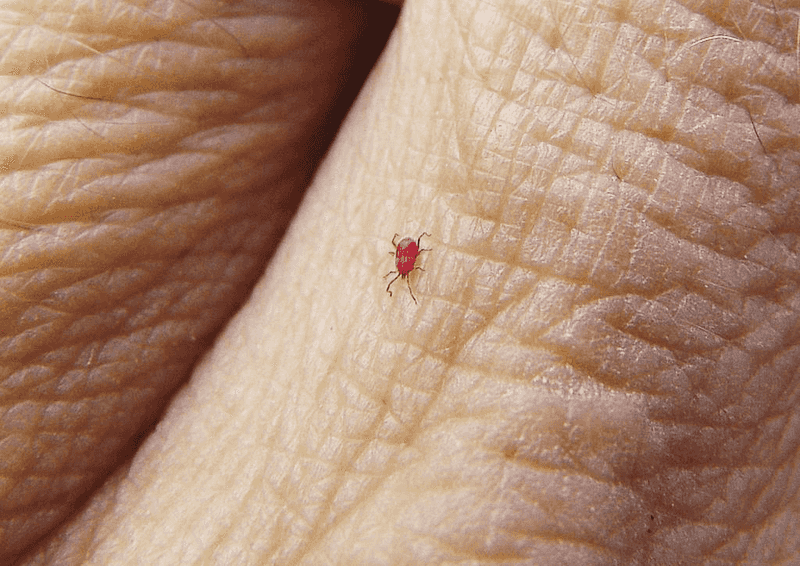
Red, intensely itchy welts around the sock line or waistband after yard work are a classic sign of chigger exposure. Chiggers are the larval stage of certain mites in the Trombiculidae family, and they are remarkably small, often invisible to the naked eye.
What they lack in size, they more than make up for in the reaction they cause on skin.
A key fact worth knowing is that chiggers do not burrow into the skin. Medical entomology guidance is clear on this point.
Chigger larvae attach briefly at the skin surface, inject a digestive fluid that breaks down skin cells, and feed before dropping off. The intense itching comes from the body’s reaction to that fluid, not from anything burrowing underneath.
Scratching does not remove a buried pest because none is there.
Showering as soon as possible after outdoor exposure can wash off larvae that have not yet bitten. Washing clothing in hot water after time in suspect areas is also a smart habit.
Over-the-counter anti-itch products may help ease discomfort, but follow label directions and use them as directed. Avoid scratching as much as possible, since broken skin can lead to secondary infection.
If itching is severe, a rash spreads unexpectedly, or signs of infection appear, contact a healthcare professional. Chigger bites, mosquito bites, and allergic reactions can look similar, so a professional evaluation matters when symptoms are unusual.
7. Look For Ticks That Latch On And Feed

Finding a tick on your skin after yard work is a different situation from chigger exposure, and knowing the difference matters. Ticks attach to feed, sometimes staying in place for hours or even days if not found.
That extended attachment time is part of what makes tick bites a concern, because some ticks can transmit pathogens during feeding when source-backed conditions are met.
CDC guidance recommends checking the entire body after time outdoors in tick habitat. Ticks often move toward warm, hidden areas before attaching, so check behind the knees, around the waistband, in the hairline, behind the ears, and in the armpits.
Inspect children and pets carefully, since ticks can transfer from animals to people indoors. The sooner an attached tick is found and removed, the better.
For removal, CDC guidance recommends using fine-tipped tweezers to grasp the tick as close to the skin surface as possible. Pull upward with steady, even pressure and avoid twisting or jerking.
Clean the bite area with rubbing alcohol or soap and water after removal. Do not use petroleum jelly, heat, or other folk methods.
After a tick bite, watch for symptoms including fever, rash, or unusual fatigue in the days and weeks that follow. Not every tick bite causes illness, but if symptoms develop or you are concerned, contact a healthcare professional for proper evaluation.
8. Make The Yard Less Friendly To Both Pests
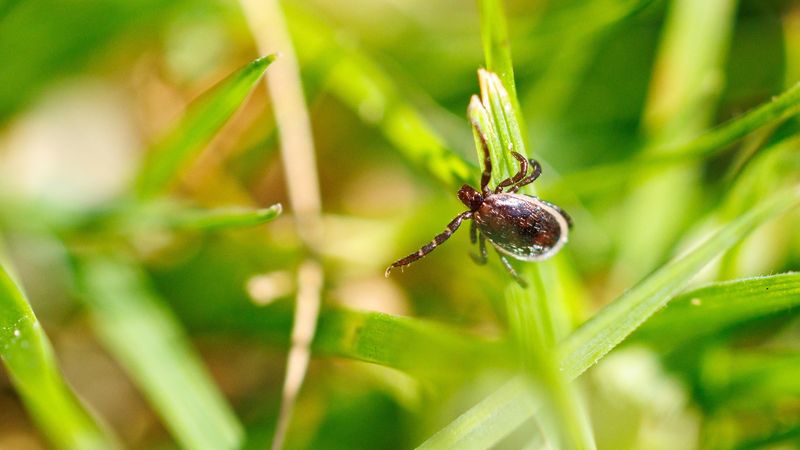
A yard does not have to be perfectly manicured to be safer. A few consistent habits can reduce the contact zones where chiggers and ticks are most likely to reach people.
The good news is that many of the same steps that lower chigger exposure also work against ticks, so one plan covers both.
Mowing regularly keeps grass short and reduces the dense, weedy growth that both pests prefer. Clearing tall grass and brush near high-use areas like patios, play equipment, and garden paths removes some of the habitat that raises risk.
Removing excess leaf litter from paths and borders, especially near wooded edges, cuts down on tick-friendly zones. Ohio yard prevention guidance also recommends placing play equipment away from wooded borders.
Keep a buffer of short, maintained lawn between natural areas and where people spend time.
Personal protection adds another layer. Applying repellents according to the label, wearing long pants and tucked socks when working in suspect areas, and showering after yard work all help.
Checking for ticks on yourself, your kids, and your pets after time outdoors should become a regular habit during the warm months. No yard can be made completely pest-proof, and exposure risk depends on local wildlife, moisture, shade, and season.
But a well-managed yard makes the risky contact zones easier to see, easier to avoid, and much less likely to leave you itching by morning.