8 Fruit Trees That Keep Feeding North Carolina Gardeners For Decades From One Planting
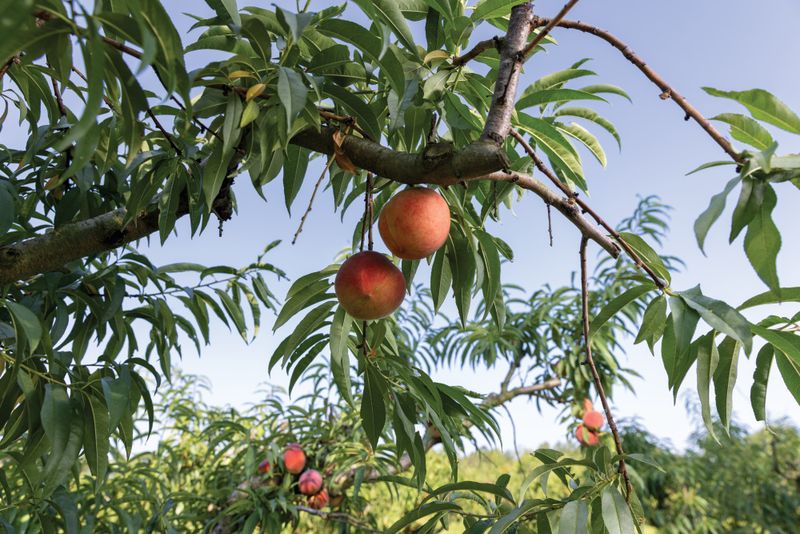
You walk out back on a warm September morning in North Carolina, coffee in hand, and pull a ripe fig straight off a tree your grandmother planted before you were born. That is the quiet magic of the right fruit tree. You dig one hole, wait a few seasons, and it pays you back for thirty, forty, sometimes fifty years. Some trees fizzle out fast in our red clay and muggy summers, but a handful settle in and keep feeding your family for generations.
Here are eight that genuinely go the distance in our state.
1. Fig
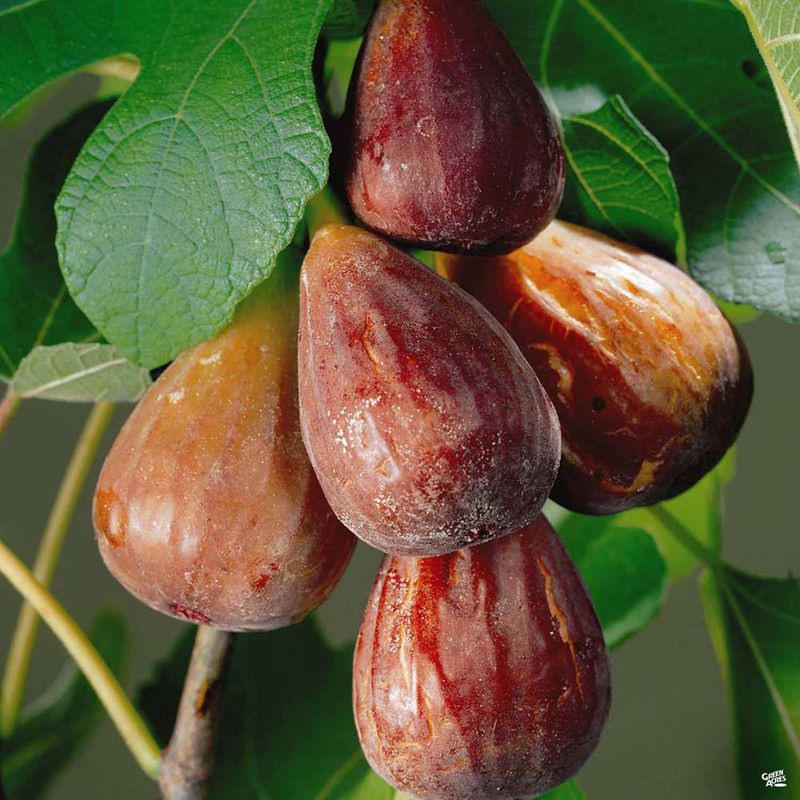
Old fig trees have a way of outliving the people who planted them. Drive through any older Piedmont neighborhood and you will spot a sprawling fig (Ficus carica) leaning over a fence, still loaded with fruit nobody planted this century.
Here is why they last. Even when a surprise cold snap zaps the branches to the ground, the roots shrug it off and send up fresh shoots by spring. Brown Turkey and Celeste are the two varieties NC State Extension points to most often for our climate, and both handle our humid heat without complaint.
Plant one in full sun, at least 8 hours a day, and give it 15 feet of elbow room because a happy fig gets wide, not tall. No pollinator tree needed, no fussy spray schedule. In a wet August, split fruit and birds are your main headache, and neither is a real threat to the tree itself.
You will likely wait two to three years for a real harvest. After that, the tree just keeps giving. Many coastal and Piedmont gardeners pick figs off the same tree they climbed as kids. That is a hard thing to buy at a grocery store.
2. Pecan
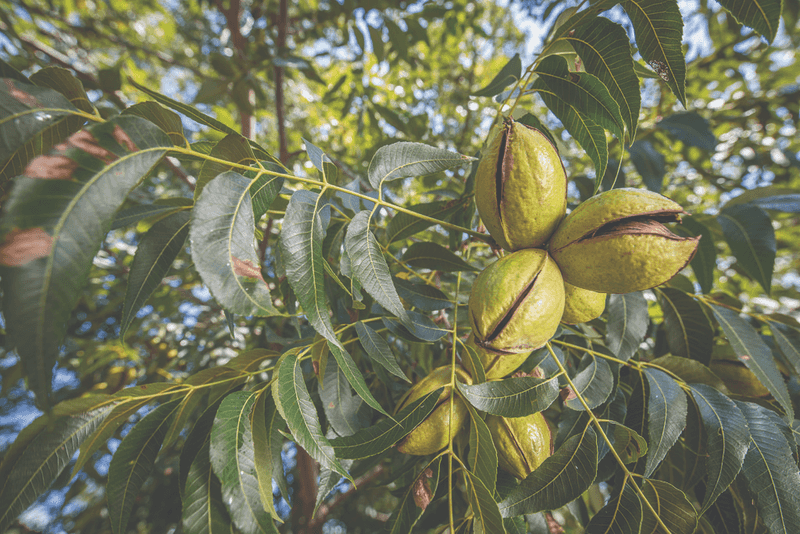
A pecan tree is a gift you plant for the grandkids. Pecans (Carya illinoinensis) can live and produce for well over 75 years, which makes them one of the longest-lived food trees you can put in North Carolina soil.
The trade is patience. A grafted pecan may take 6 to 10 years before it drops a real crop, and it grows huge, easily 70 feet tall with roots that spread just as far underground. So give it space, at least 40 feet from the house and any septic lines, out in the open where it can stretch.
Most varieties need a second pecan nearby for good pollination, so plant two if you have room. NC State Extension recommends disease-resistant types like Elliott or Gloria Grande for our humid Coastal Plain, where scab fungus punishes weaker varieties in a rainy summer.
What makes it worth the wait is the sheer volume. A single mature tree can drop 50 pounds of nuts or more in a good fall. You will be handing bags to neighbors and still filling the freezer. Plant it now, and decades of Thanksgiving pies are baked into that one hole.
3. Apple
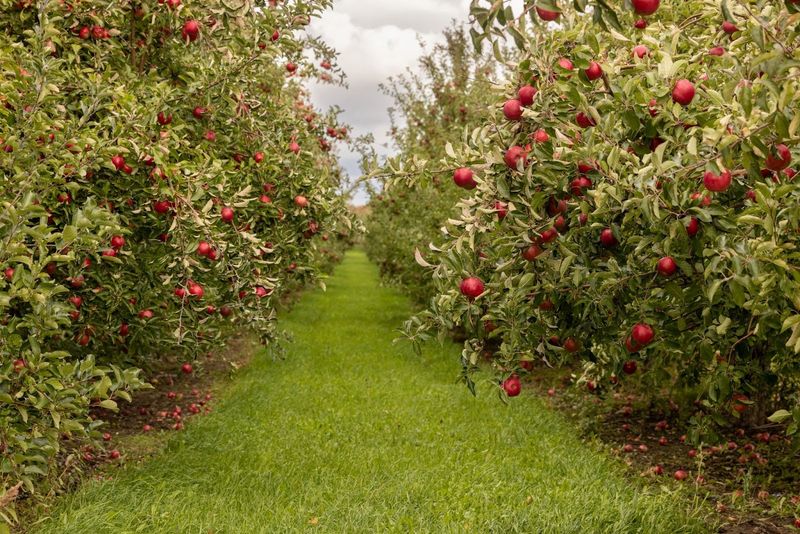
Up in the North Carolina mountains, apple orchards have been feeding families since before the Civil War, and some of those old trees are still standing. A well-chosen apple (Malus domestica) can produce for 40 to 50 years when it gets what it needs.
Your North Carolina Garden Changes Every Week. Your Plan Should Too.
Gardening in North Carolina changes quickly throughout the season. Every Friday you’ll receive a simple weekly plan showing exactly what to plant, prune, fertilize, harvest, and protect so you never miss the right timing.
Cold is the secret ingredient. Apples require winter chill hours to fruit properly, which is why they thrive in the higher zones 6a to 7a of the mountains and struggle in the warm coast. If you garden in the Piedmont, look for low-chill varieties bred for our milder winters.
You will almost always need two different apple varieties that bloom at the same time for cross-pollination, so plan for a pair spaced about 15 to 20 feet apart. Cedar apple rust and fire blight are the local troublemakers, and choosing resistant types up front saves you years of frustration.
Old-timers around Hendersonville still favor heirlooms like the Limbertwig for flavor that stores well into winter. Bite into one off your own tree in October, and you will understand why folks kept these varieties alive for two hundred years. It genuinely tastes like a different fruit.
4. Pear
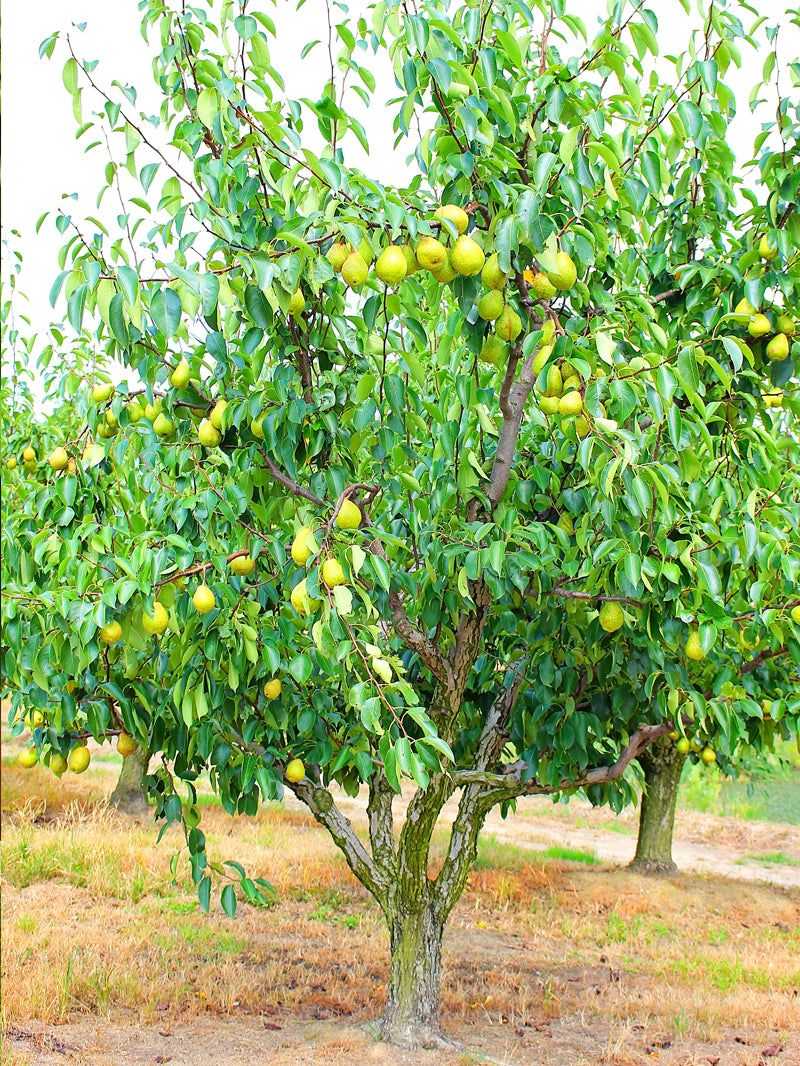
Ask around and someone always knows the old pear tree that has been dropping fruit longer than anyone can remember. Pears are famously tough, and many trees keep producing for 50 years or more with almost no help from anyone.
The reason they last comes down to disease resistance, if you pick the right kind. Fire blight wipes out fussy European pears fast in our humid summers, but Asian pears and blight-resistant types like Kieffer or Moonglow (Pyrus varieties) laugh it off. Kieffer in particular is the survivor you see thriving behind abandoned Piedmont farmhouses.
Give a pear full sun and space it about 20 feet from other trees. You will want two varieties for pollination, and both should bloom in the same window. They are not picky about our red clay as long as water does not pool around the roots.
Expect fruit in 4 to 6 years. Once it starts, a mature tree buries you in pears every fall, perfect for canning, preserves, and the kind of pear butter your family will argue over. One planting, decades of jars lining the pantry shelf.
5. Persimmon
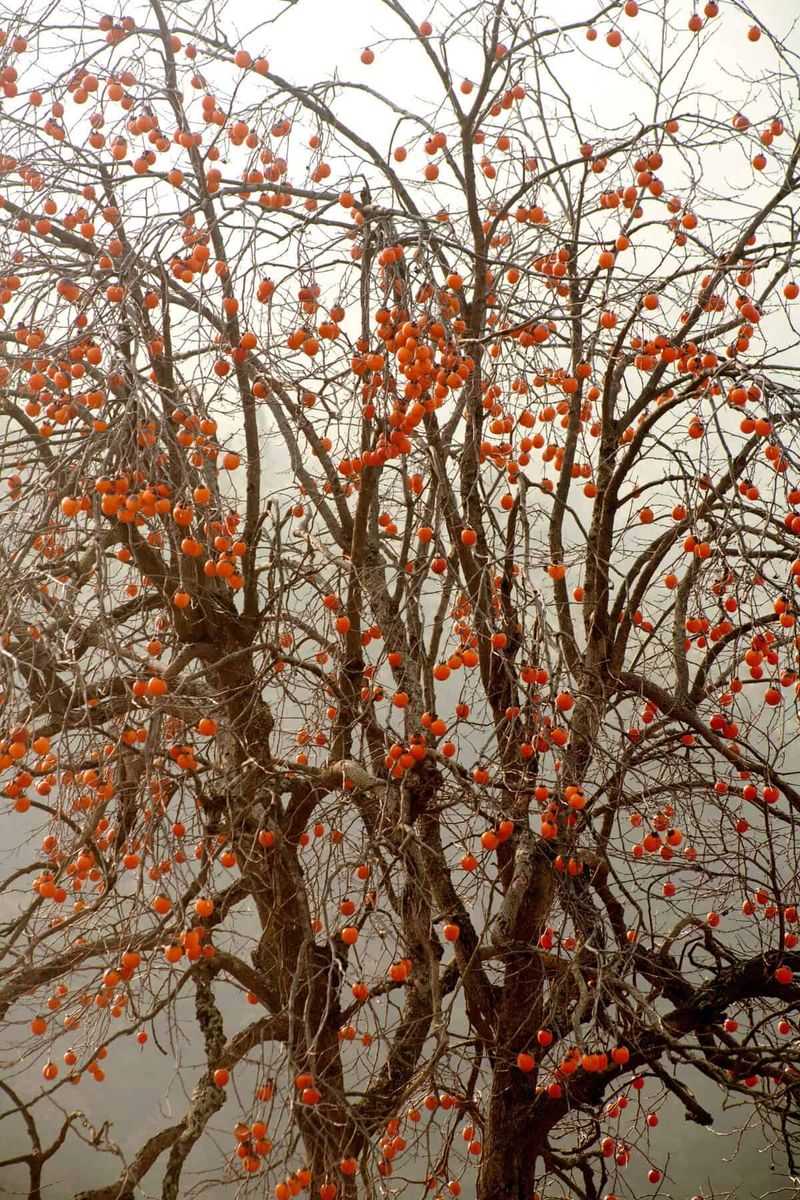
Something about a persimmon tree in late fall stops you in your tracks. The leaves drop, and suddenly the bare branches glow with orange fruit like ornaments left hanging after everyone went home.
Our native American persimmon (Diospyros virginiana) is one of the toughest food trees in the state, growing wild from the Sandhills to the mountains and living well past 60 years. It handles drought, poor soil, and neglect, then feeds deer, foxes, and birds all through the cold months. That wildlife pull is a real bonus for anyone building a healthier backyard ecosystem.
The catch with natives is that most need a male and female tree for fruit, so plant a few or choose a self-fertile Asian variety like Fuyu if you want a sure thing. Space them about 20 feet apart in full sun.
One warning worth repeating. Wild persimmons must be dead ripe, soft and almost mushy, before you eat them, or the mouth-puckering tannins will teach you a lesson you never forget. Wait for the first frost, and you get sweet, honey-flavored fruit and a tree that quietly anchors your yard for generations.
6. Fig-leaf Pawpaw… Pawpaw
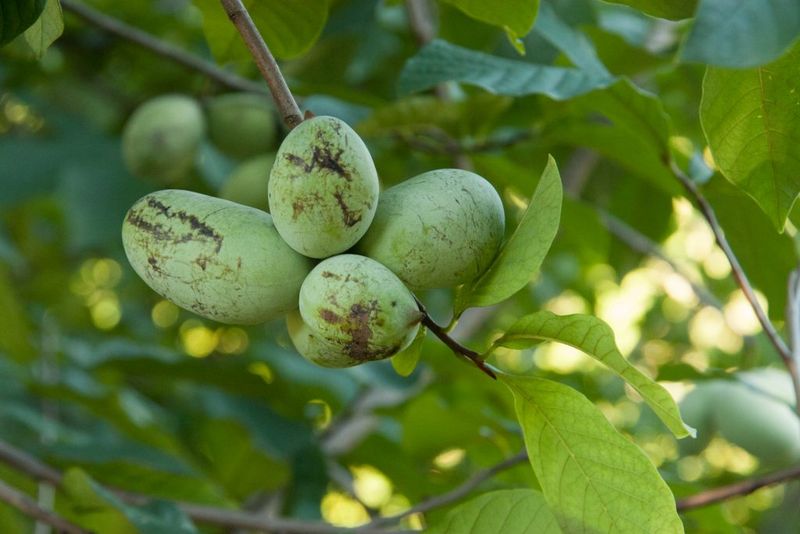
Most folks have never tasted a pawpaw, and that is a shame, because it grows wild along creek bottoms all over North Carolina. The pawpaw (Asimina triloba) is the largest fruit native to our continent, and it tastes like a cross between banana and mango, tropical flavor from a tree that shrugs off our winters.
Longevity here comes from its habit of forming colonies. A single tree sends up suckers and slowly spreads into a patch that can persist for decades, replacing itself as older trunks age out. Native trees also come with built-in pest resistance, since almost nothing bothers them except the zebra swallowtail butterfly, whose caterpillars feed only on pawpaw leaves.
You will need two genetically different trees for fruit, and young seedlings actually prefer part shade for the first couple of years before moving into more sun. Plant them about 10 feet apart in rich, moist soil near a low spot in the yard.
Fruit arrives in 5 to 7 years from seedlings, sooner from grafted stock. Because pawpaws bruise easily and do not ship, growing your own is genuinely the only way most people will ever try one. That rarity makes every September harvest feel like a secret.
7. Muscadine Grape
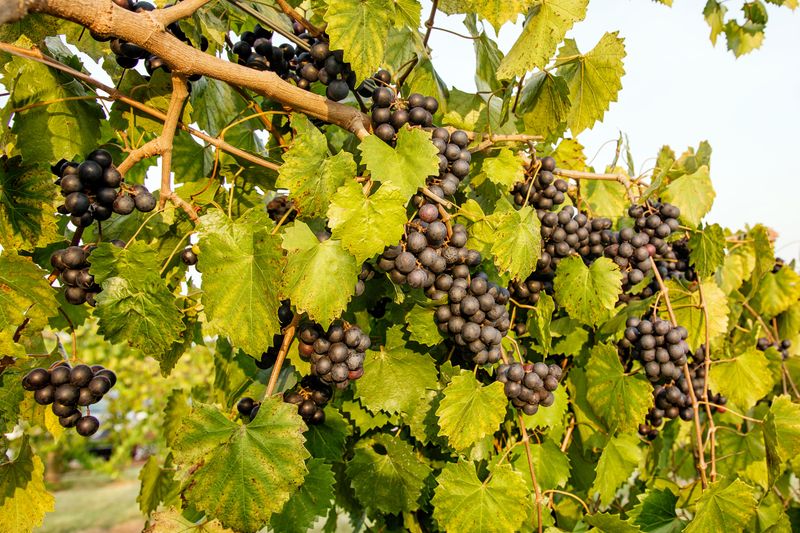
Technically a vine, not a tree, but no list of long-haul North Carolina fruit is honest without the muscadine. These grapes (Vitis rotundifolia) are so at home here that they grow wild in the woods, and cultivated vines routinely produce for 20 to 40 years on the same planting.
Muscadines earned their place through pure toughness. They are naturally resistant to the fungal diseases and Pierce’s disease that kill ordinary grapes in our humid climate, which is exactly why NC State breeders have released so many varieties suited to us. Scuppernong, the bronze muscadine, is our official state fruit for good reason.
Give the vine a sturdy trellis or fence and full sun, and space plants about 20 feet apart along the wire. Newer self-fertile varieties like Carlos or Noble mean a single vine will fruit on its own, no partner required.
You will get grapes by the third year, then buckets every September once the vine matures. Piedmont families have made jelly, wine, and porch-swing snacks from the same old vine for generations. Plant one along the back fence and you have handed your future self decades of easy harvests.
8. Plum
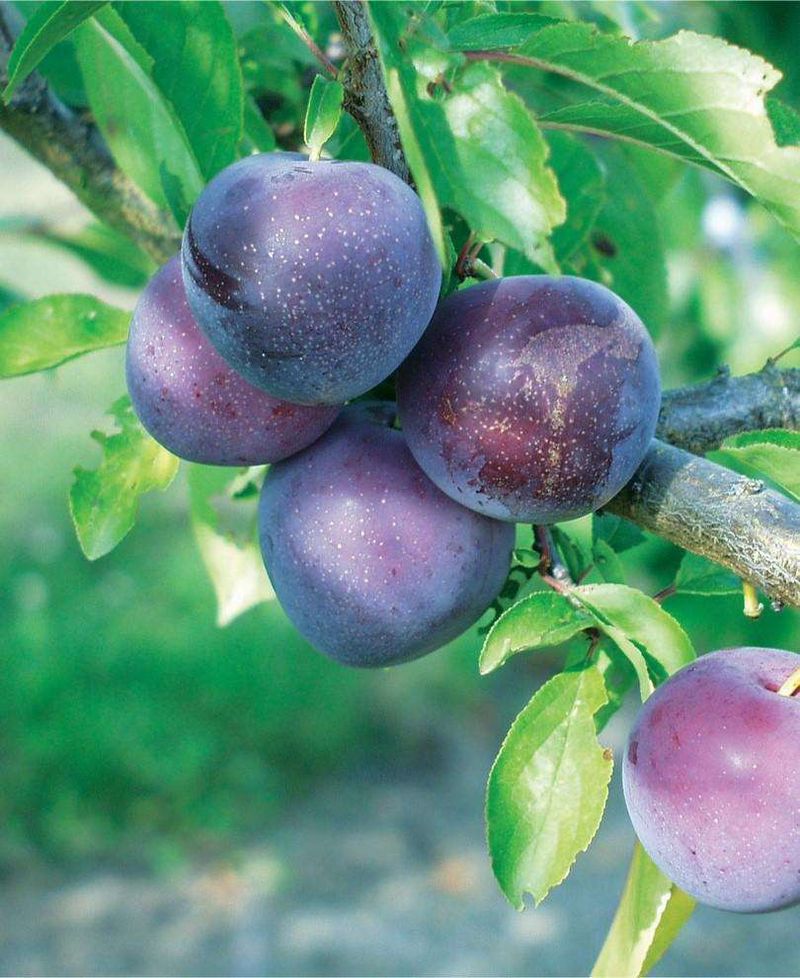
A blooming plum tree in March is one of the first signs that a North Carolina spring has truly arrived, clouds of white flowers before most other trees wake up. And the right plum keeps that show and its fruit going for decades.
Native and hybrid plums outlast the finicky European types here. American and Asian-American hybrids like Methley or the wild Chickasaw plum (Prunus angustifolia) handle our heat, humidity, and clay far better, and they resist much of the brown rot that troubles softer varieties in a wet spring.
Most plums need a second compatible variety nearby to set a full crop, so plant two about 18 feet apart in full sun with good air flow to keep leaves drying fast. Japanese beetles will chew the foliage in June, but a healthy mature tree simply outgrows the damage.
Fruit comes quickly for a tree, often within 3 to 5 years. A settled plum then hands you more fruit than you can eat fresh, ripe and warm off the branch in early summer. Many Piedmont yards still hold volunteer plums that seeded themselves from a tree planted lifetimes ago, quietly feeding whoever lives there now.