California Shrubs That Look Good With Almost No Summer Pruning
Summer gardening in California can feel like a second job, with every shrub demanding attention every other weekend. Some plants simply refuse to play along.
Native California species and Mediterranean classics evolved for rainless summers. A season without much fuss barely fazes them.
Their roots adapted to dry soil generations ago, so these shrubs skip the pruning and watering most yards need. Leaves and blooms hold their shape through the hottest stretch of the year, and the yard looks cared for on its own.
Choosing the right shrubs means fewer hours with tools in hand. Low-effort beauty is real, and it’s already taking root in California backyards.
1. Manzanita (Arctostaphylos Spp.)
Few plants in the Western garden world have as much personality as manzanita. Its twisted, mahogany-red branches look like living sculpture even in the middle of summer.
Manzanita is one of the best California shrubs for low-effort beauty. It handles drought, poor soil, and blazing heat without complaint.
The bark is naturally smooth and polished, which means it stays attractive year-round. This shrub handles summer without any of that extra attention.
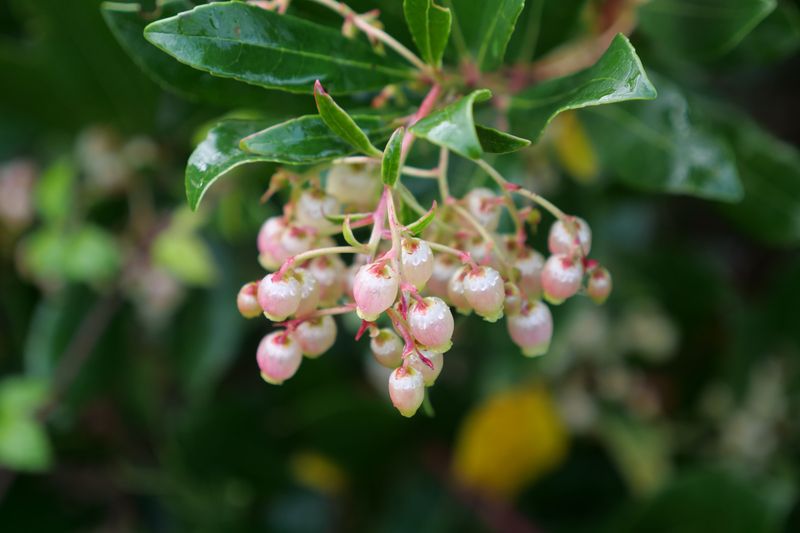
In late winter, clusters of tiny pink or white bell-shaped flowers appear and attract hummingbirds by the dozen. By summer, the plant settles into a quiet, dignified presence.
There are dozens of species and cultivars to choose from, ranging from ground-hugging spreaders to upright six-foot shrubs. Picking the right size for your space means almost zero corrective pruning later.
Manzanita pairs naturally with other chaparral plants like ceanothus and toyon, creating a layered look that mimics wild hillsides. Grouping several varieties together adds visual rhythm without adding maintenance.
A layer of gravel or bark mulch around the base helps regulate soil temperature during peak heat. Skip the fertilizer entirely, since manzanita performs best in lean, undisturbed soil.
One practical tip: plant manzanita where it will get full sun and excellent drainage. Wet roots are its one true weakness.
Once established, this shrub asks for almost nothing. The result is a shrub that looks intentional in every season without asking for a single extra chore.
2. Bush Anemone (Carpenteria Californica)
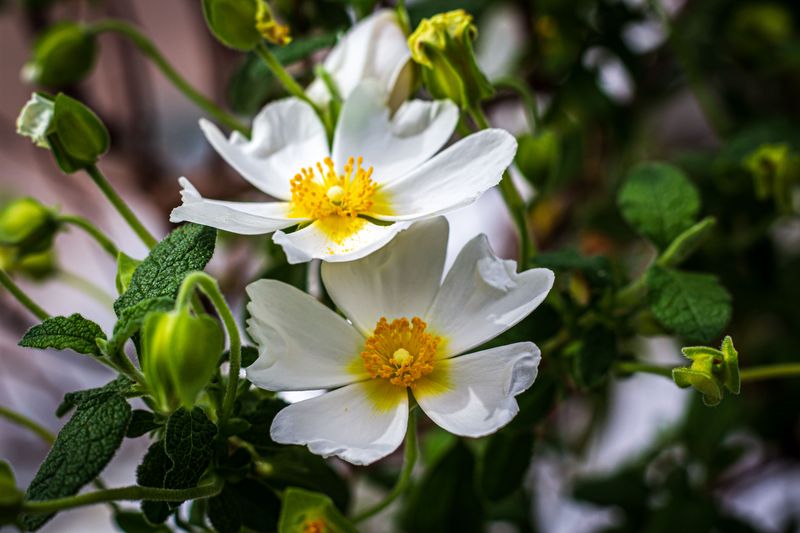
Imagine a shrub that looks like a wedding bouquet decided to grow roots and stay forever. That is basically Bush Anemone in full bloom.
This California native produces stunning white flowers with golden centers. They appear in late spring and often linger into early summer without any encouragement.
The deep green, leathery leaves hold their color through the hottest months. There is no yellowing or drooping the way you’d expect from a thirstier plant by midsummer.
Bush Anemone grows naturally in the foothills of the Sierra Nevada. It evolved to handle dry summers, which means your yard is basically a vacation for it.
Keep it in partial shade to full sun, and give it well-drained soil. Once it settles in after the first season, summer watering can be reduced dramatically.
Bush Anemone works well tucked beneath taller oaks or pines, where dappled shade extends its bloom period. This makes it a natural fit for woodland-style gardens rather than open, sunbaked beds.
Your California Garden Changes Every Week. Your Plan Should Too.
Gardening in California changes quickly throughout the season. Every Friday you’ll receive a simple weekly plan showing exactly what to plant, prune, fertilize, harvest, and protect so you never miss the right timing.
Deer tend to leave this shrub alone, which is a relief in foothill gardens where browsing pressure runs high. Its leathery leaves also resist most common garden pests without any spraying.
Minimal pruning is needed beyond clearing spent branches after flowering. A light cleanup in early spring keeps things tidy without disrupting its natural form.
Pollinators absolutely love this shrub, so planting it near a seating area means free entertainment all season. Watching bees work through those creamy blooms is genuinely satisfying on a slow weekend morning.
3. Flannelbush (Fremontodendron Spp.)
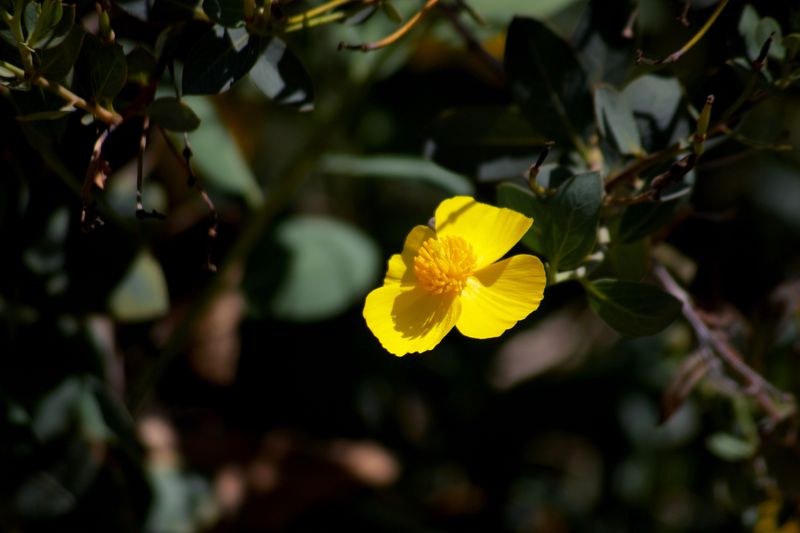
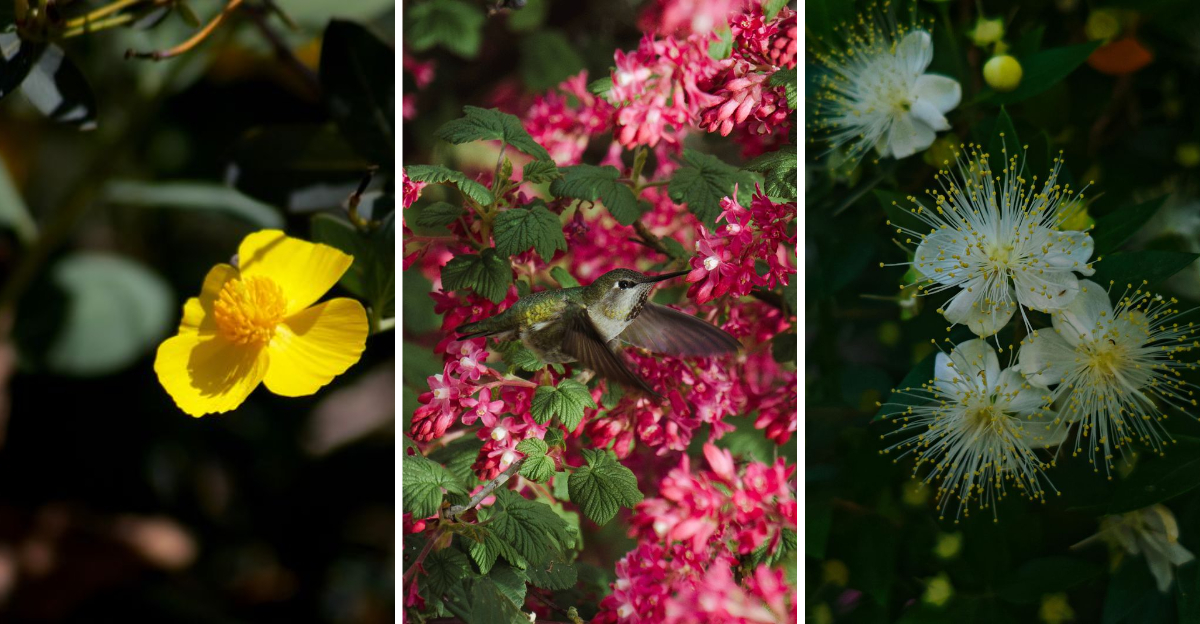
Flannelbush is the kind of shrub that stops people mid-walk and makes them ask what it is. Those enormous, waxy yellow flowers are genuinely hard to ignore.
This native blooms in spring with flowers that look almost tropical, which is surprising for such a drought-tough plant. By summer, the blooms fade but the fuzzy, lobed leaves keep things interesting.
Here is the key thing most gardeners get wrong: Flannelbush hates summer water. Giving it extra irrigation when temperatures climb is actually the fastest way to stress it out.
Plant it in full sun with excellent drainage and then step back. It thrives on neglect in a way that feels almost rebellious compared to typical garden shrubs.
The hairs on the leaves and stems can irritate skin, so wear gloves if you do any occasional cleanup. Beyond that small caution, this plant is remarkably hands-off.
A dry slope or rocky bank is an ideal home for Flannelbush, where drainage is naturally built into the site. Planting it on flat ground with heavier soil raises the risk of root problems.
Pairing it with other summer-dry natives like ceanothus keeps the whole bed on the same watering schedule. Mixed plantings like this reduce the guesswork of managing different water needs in one yard.
It can get quite large, sometimes reaching fifteen feet, so give it room to spread naturally. Choosing the right spot from the start eliminates the need for heavy corrective shaping later.
Spring color and summer structure make this one of the more dramatic choices for a sunny, dry slope.
4. Blue Elderberry (Sambucus Nigra Ssp. Caerulea)
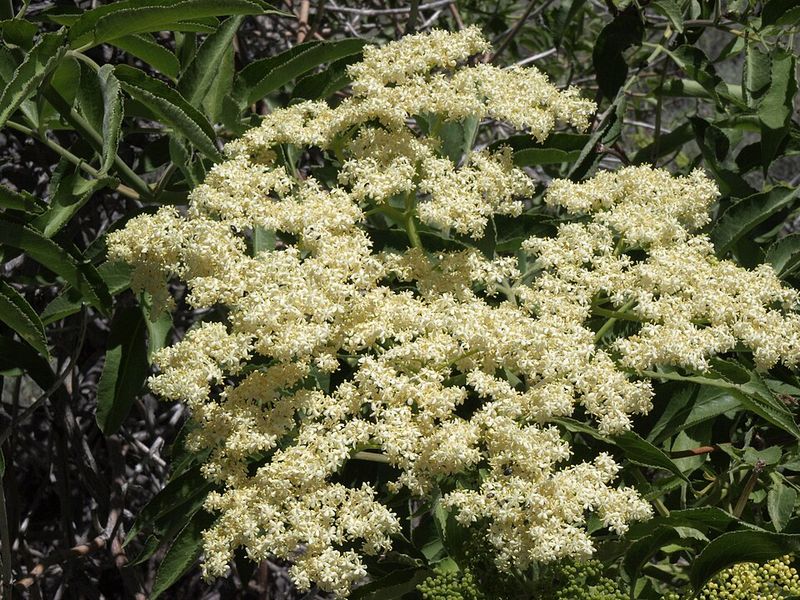
Blue Elderberry has a wild, generous quality that makes a garden feel alive and abundant. It gives you flowers, berries, and wildlife interest without asking for much in return.
This fast-growing native can reach twelve feet or more, forming a soft, arching shape that looks naturally graceful. Summer pruning is rarely needed if you plant it where it has space to breathe.
Flat-topped clusters of creamy white flowers appear in late spring and attract a huge range of pollinators. By midsummer, those flowers become clusters of dusty blue-black berries that birds absolutely flock to.
Raw berries, along with the leaves and stems, contain compounds that are mildly toxic, so cooking is essential before eating. Once simmered into syrup or jam, the fruit is safe and full of flavor.
Songbirds and small mammals rely on the berries as a late-summer food source, making this shrub a genuine asset for backyard wildlife. Leaving some berries unpicked keeps that relationship going through the season.
Blue Elderberry adapts to a surprisingly wide range of conditions. It handles both dry slopes and areas with occasional moisture, making it flexible for different yard situations.
Once established, it is one of the most self-sufficient California shrubs you can grow. An occasional thinning cut in late winter keeps it from getting too dense, but summer pruning is simply not necessary.
Few plants do more with less in the summer garden.
5. Claremont Blood Currant (Ribes ‘Claremont’)
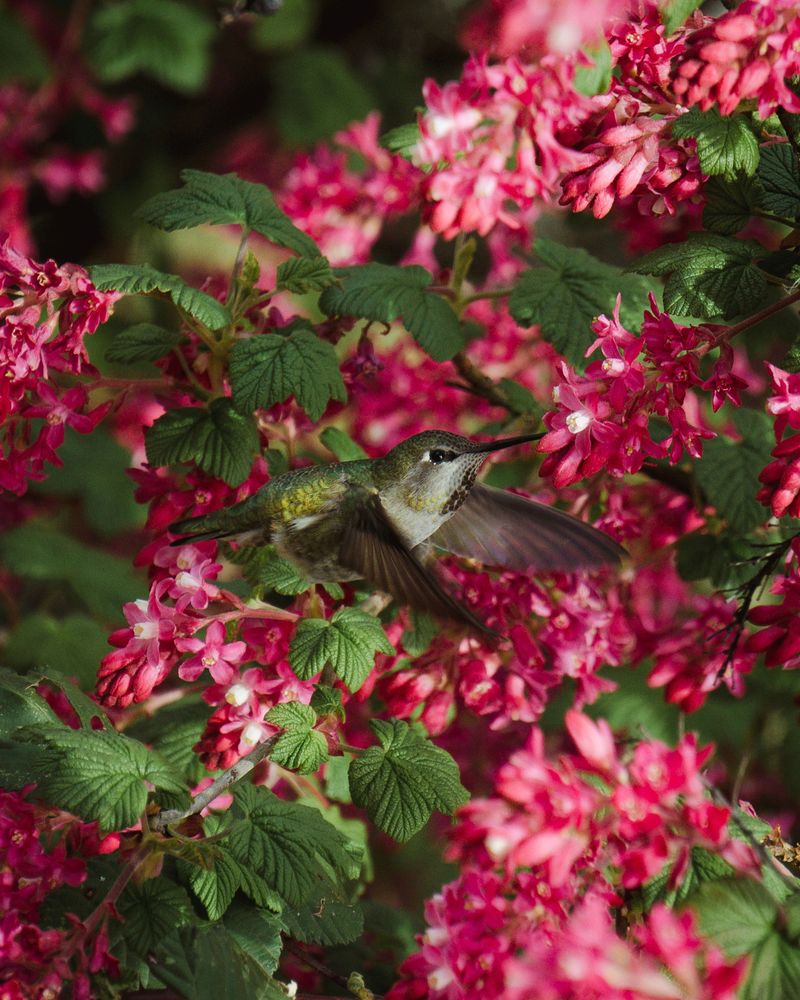
There is something quietly charming about a plant named after a small Southern California college town. Ribes Claremont carries that easygoing, sun-soaked energy in everything it does.
This cultivar of native currant produces deep rosy-pink flowers in late winter and early spring. Hummingbirds show up almost immediately, treating it like a seasonal restaurant that just reopened.
By summer, the plant transitions into a low-key, leafy presence that holds its ground without drama. It does not beg for water or throw a midsummer meltdown the way non-native shrubs sometimes do.
Claremont Blood Currant grows to about four or five feet in both height and width. That naturally compact form means it rarely needs pruning to stay looking tidy and proportional.
Its arching form works well as an informal hedge or filler between larger shrubs. Planting it in small groups creates a fuller look without crowding neighboring plants.
Small red berries follow the flowers, offering a secondary food source for local birds later in the season. They are edible but tart enough that most gardeners leave them for the wildlife.
Plant it in a spot with morning sun and some afternoon shade for the best performance. Good drainage is helpful, though it tolerates a wider range of soils than many native shrubs.
After the flowering season ends, a very light cleanup is all that is needed. No summer shearing, no aggressive shaping, and no complicated maintenance schedule required.
This is a shrub for people who want a seasonal show followed by quiet reliability. Its understated summer presence is actually part of its appeal, offering a calm backdrop for showier plants nearby.
6. White Sage / Cleveland Sage (Salvia Apiana, S. Clevelandii)
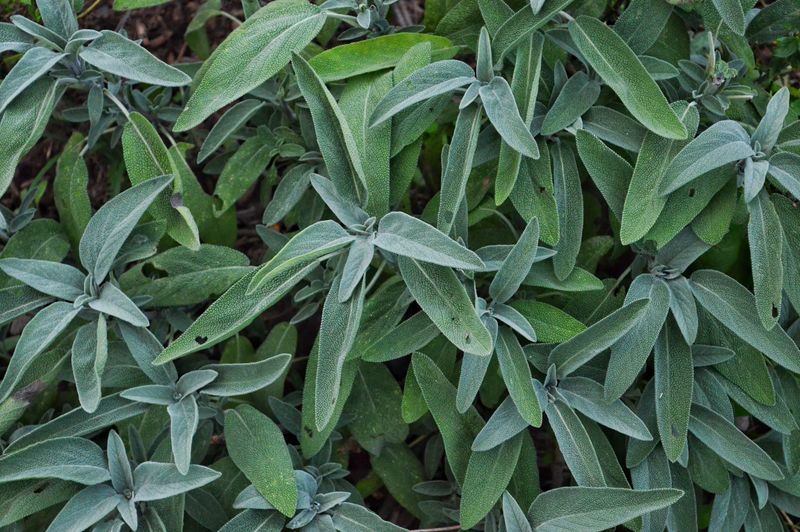
Walk past a White Sage on a warm afternoon and the scent alone will stop you cold. It is piney, clean, and unmistakably Californian in the best possible way.
Both White Sage and Cleveland Sage belong to a group of California shrubs that genuinely thrive on summer neglect. Supplemental water during hot months can actually cause more harm than good.
White Sage stays silvery and aromatic all season, its pale foliage acting almost like a natural air freshener in the garden. Cleveland Sage offers tall purple flower spikes that pollinators treat like a five-star buffet.
These sages evolved in chaparral and coastal sage scrub, two of the driest plant communities in the state. That heritage makes them almost perfectly adapted to no-fuss summer care.
Both sages pair naturally with manzanita, buckwheat, and other chaparral plants for a cohesive, low-water planting palette. Grouping them together also concentrates their fragrance near patios and walkways.
Bees, butterflies, and hummingbirds all visit the flower spikes, making these sages some of the best pollinator plants for a dry garden. A single Cleveland Sage in bloom can stay busy with visitors for weeks.
Pruning is rarely needed beyond cutting back spent flower stalks after bloom. Even that step is optional if you enjoy the dried structure that remains through summer and fall.
Both varieties prefer full sun and fast-draining soil. Planting them in clay or overwatered beds is the one mistake that shortens their lifespan quickly.
They bring fragrance, texture, and pollinator activity to a dry garden with almost no effort required.
7. Coast Silktassel (Garrya Elliptica)
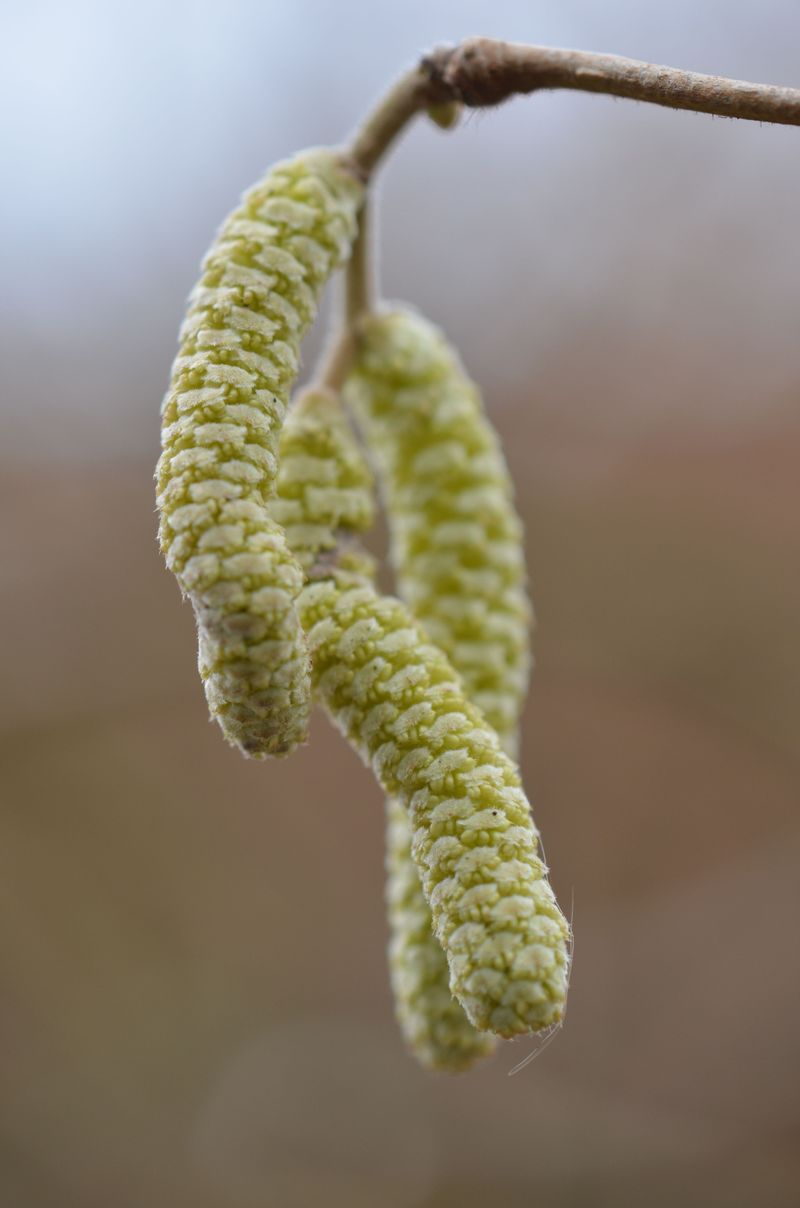
Coast Silktassel is the kind of plant that makes garden designers look like geniuses. Those long, dangling silver catkins are unlike anything else in the winter and spring garden.
By summer, the catkins are gone but the shrub holds its shape beautifully. Dense, dark green foliage with wavy edges creates a rich, textured backdrop that needs no help from shears.
This native grows naturally along coastal bluffs and in chaparral, which tells you everything about its toughness. Wind, drought, and poor soil are conditions it handles with total calm.
Garrya elliptica can reach ten to fifteen feet, forming a large, rounded mass over time. Choosing an open spot from the start means you will never need to fight its natural size with summer pruning.
It is dioecious, meaning there are male and female plants. Male plants produce the longest, most dramatic catkins, so ask your nursery which type you are buying.
Its dense form makes Coast Silktassel a good option for informal screening or a tall backdrop hedge. Left unpruned, it naturally fills in without gaps or bare patches.
It handles both coastal salt spray and inland heat, which makes it flexible across many parts of California. Established plants also tolerate light frost without damage.
Minimal care is the real selling point here. Once established, it needs little to no summer water in coastal zones and only occasional deep irrigation inland.
Few California shrubs offer this combination of winter drama and summer reliability. Planting Coast Silktassel is essentially an investment in a structural anchor that pays dividends for decades without demanding your weekends in return.
8. Myrtle (Myrtus Communis)
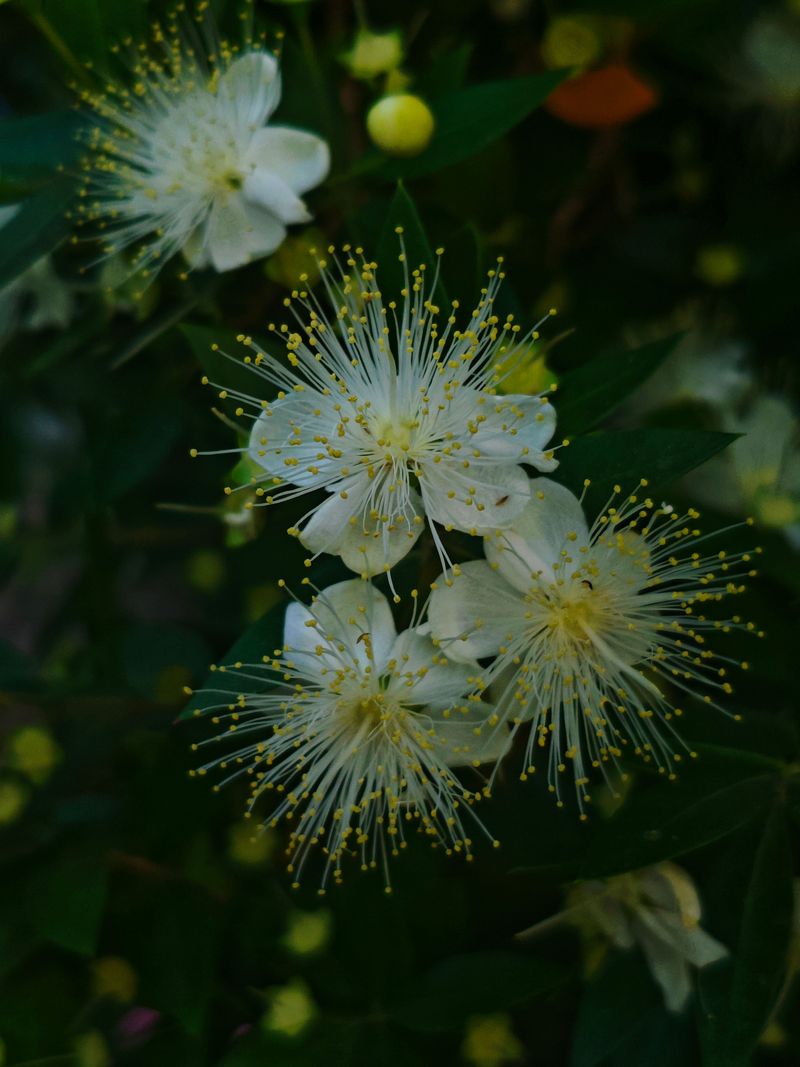
Myrtle has been growing in Mediterranean gardens for thousands of years, and it looks just as fresh and elegant today. There is a reason this shrub has survived so many centuries of gardening trends.
In a California garden, Myrtle settles into a dense, rounded form that stays attractive all summer with almost no intervention. Its small, glossy leaves catch the light beautifully and give off a pleasant herbal fragrance when brushed.
White flowers with feathery stamens appear in midsummer, creating a soft, romantic effect. Those blooms are followed by small blue-black berries that add another layer of seasonal interest.
The leaves and berries have a long history of culinary use in Mediterranean cooking, adding a subtle aromatic note to roasted dishes. Even if you never cook with it, brushing past the foliage releases that same fragrance in the garden.
Myrtle handles full sun and reflected heat better than many ornamental shrubs. Planting it against a south-facing wall or in a hot courtyard is not a problem at all.
Drought tolerance improves significantly after the first or second year in the ground. Once established, summer watering can be reduced to occasional deep sessions rather than frequent light sprinkles.
Myrtle also takes well to light shaping if a more formal hedge is the goal. Left alone, it keeps a naturally neat form that suits both structured and relaxed garden styles.
Natural shaping is one of Myrtle’s best qualities. It grows slowly and evenly, meaning it rarely gets leggy or lopsided without regular attention.
For gardeners who want a refined, Mediterranean look without constant maintenance, Myrtle delivers timeless elegance and real toughness in any sunny corner of the yard.